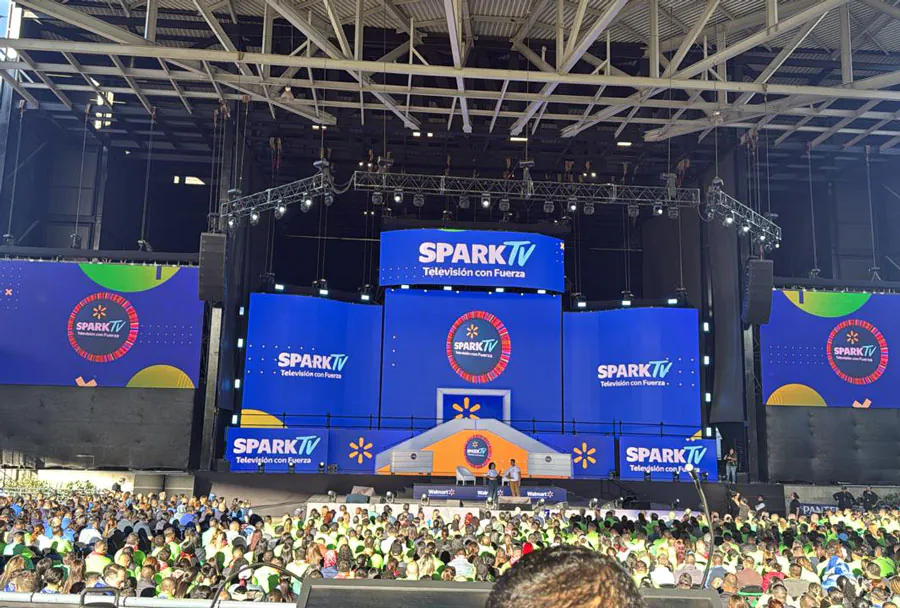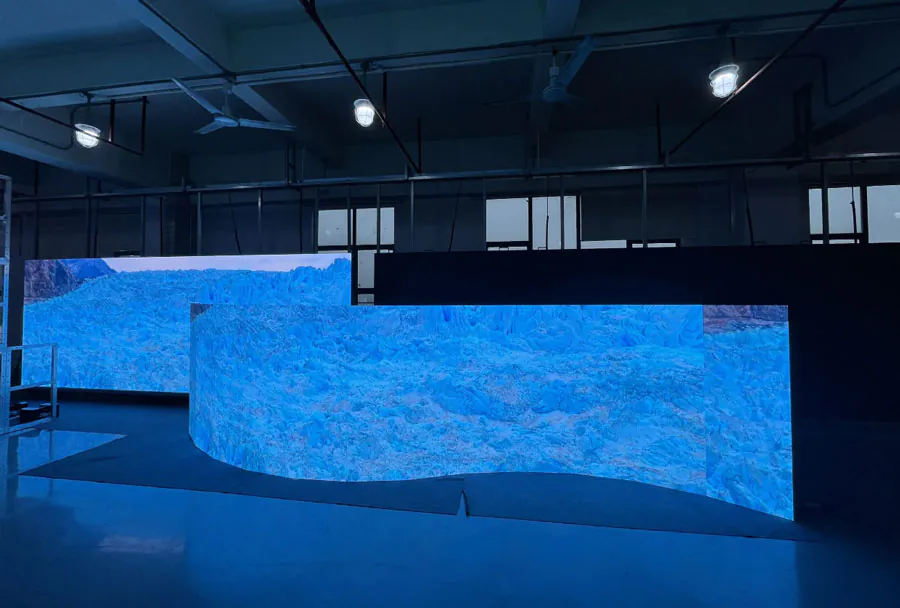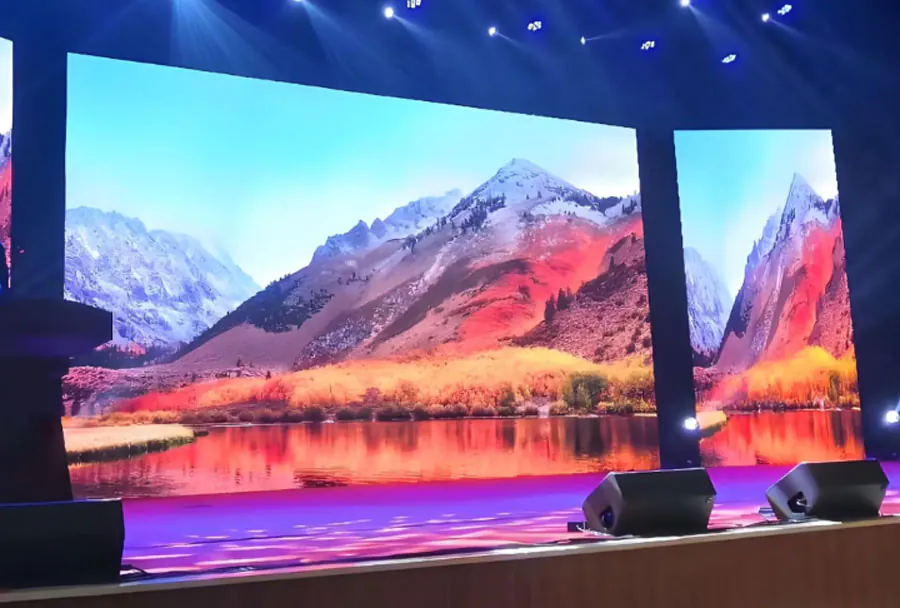
Durable Outdoor LED Display Screen for Long-Term Operation

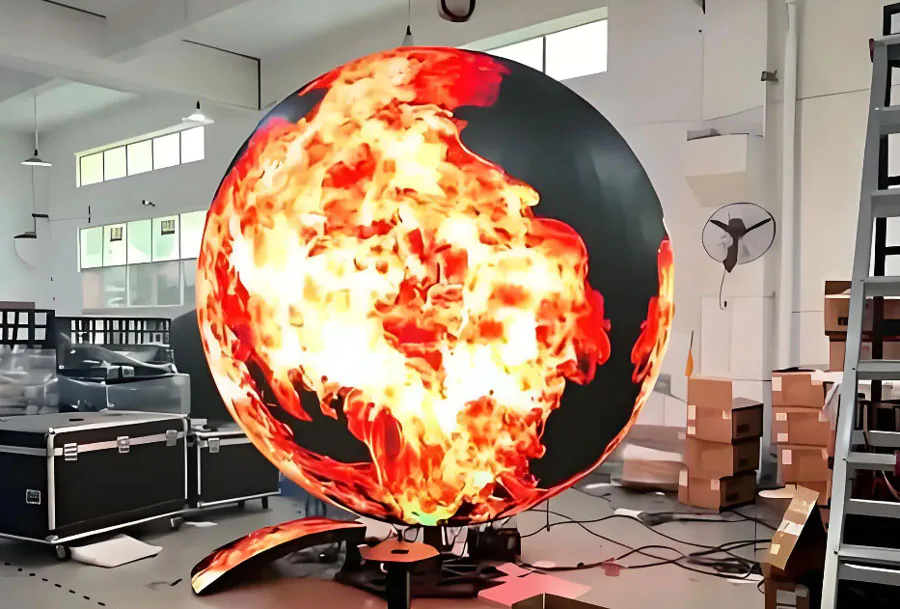
Outdoor advertising and public information systems are no longer “nice to have.” For many brands, municipalities, and venue operators, an outdoor led display is a mission-critical communication tool that must work every day, in every season, with minimal downtime. A Durable Outdoor LED display screen for Long-Term Operation is built not only to look bright and sharp on day one, but also to maintain stable performance after years of heat, rain, dust, wind, and continuous use.
As a service provider, TW VISION focuses on helping customers deploy outdoor LED display solutions that prioritize durability, maintenance efficiency, and lifecycle value—because long-term operation is ultimately about predictable performance and controllable total cost of ownership.
What “Durable” Really Means for an Outdoor LED Display
Durability is often simplified to “waterproof and bright,” but long-term operation requires a more complete engineering approach. A durable outdoor led display screen should maintain consistent brightness and color, resist environmental stress, and remain serviceable without frequent high-cost interventions.
Key durability pillars include:
1. Structural resilience — The cabinet and frame must resist deformation caused by wind load, vibration, and thermal expansion.
2. Environmental protection — Protection against rain, humidity, salt fog (coastal areas), dust, insects, and pollution.
3. Thermal management — Heat is the silent killer of LED systems. A long-life display needs a reliable cooling concept and stable power design.
4. Electrical stability — Power supply and signal integrity must be robust against voltage fluctuations and interference.
5. Serviceability — Even the best system needs maintenance. A durable product is designed for fast, safe, repeatable servicing.
When these elements are balanced correctly, long-term operation becomes predictable: fewer failures, faster repairs, and a display that maintains its “day-one impact” in real outdoor conditions.
Weather Resistance: The Starting Line, Not the Finish Line
Outdoor LED screens face constant exposure to the elements. Rain and humidity can cause corrosion or short circuits if sealing is inadequate. Dust and sand can obstruct airflow and accelerate wear. UV radiation can degrade plastics and coatings. In cold regions, freeze-thaw cycles test mechanical joints and sealing materials.
A long-term outdoor solution typically emphasizes:
– High-level ingress protection for both the front and rear of the cabinet, especially for installations exposed to wind-driven rain.
– Corrosion-resistant materials and protective coatings suited to the local environment, particularly in coastal or industrial zones.
– Stable connectors and cable management that reduce the risk of loosening due to vibration and temperature cycling.
TW VISION supports customers by aligning the screen’s protection strategy with the site’s climate profile—because the requirements for a humid tropical city and a dry high-altitude region are fundamentally different.
Thermal Control: The Most Important Factor in Long-Term Operation
Long-term reliability is closely tied to temperature. LEDs, driver ICs, and power supplies all experience accelerated aging when exposed to persistent heat. Many outdoor installations operate for long hours daily, and the combination of sunlight + electrical heat can push internal temperatures beyond safe limits if the system is not designed properly.
Durable outdoor LED display screens often incorporate:
– Optimized heat dissipation paths through cabinet materials and internal layout.
– Efficient power supplies to reduce wasted energy as heat.
– Smart temperature monitoring to detect abnormal conditions early.
– Ventilation or sealed cooling designs selected according to dust, humidity, and maintenance constraints.
Rather than relying on “maximum brightness at all times,” long-term operation benefits from intelligent brightness control based on ambient light. This reduces energy consumption and thermal load while keeping the image comfortable to view.
Brightness and Visibility Without Sacrificing Lifespan
Outdoor screens must remain readable in direct sunlight, but pushing brightness to extremes can shorten component life if heat and power design are not matched to the target performance. A durable LED display balances high brightness with stability.
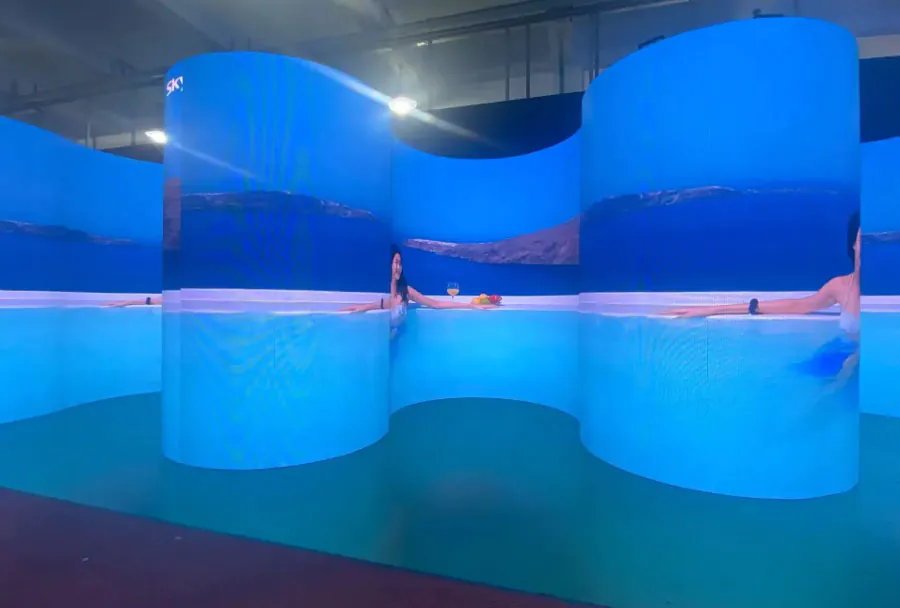
For long-term operation, the goal is not just peak brightness—it’s:
– Brightness consistency over years
– Uniformity across modules to avoid patchy appearance
– Accurate color performance and controlled calibration drift
– High contrast for clearer content at lower brightness settings
This matters because the “real cost” of an outdoor screen is not just purchase price; it is the cost of lost advertising time, emergency repairs, and reputation impact when the display looks uneven or fails during important campaigns.
Power and Signal Reliability: Designing for Continuous Workloads
A durable outdoor LED display screen for long-term operation must handle unstable power conditions. In many regions, voltage fluctuations, lightning risk, and electromagnetic interference can disrupt operation or damage components.
Long-term oriented designs typically include:
– Stable power distribution with redundancy considerations for critical deployments
– Surge protection and grounding aligned with local electrical standards
– Reliable data transmission to prevent flicker, artifacts, or intermittent black screens
– Quality control at the module level to reduce early failures
TW VISION, as a service provider, helps customers evaluate the installation environment and plan the electrical and control architecture accordingly—because long-term performance depends on the system around the screen as much as the screen itself.
Mechanical Strength and Installation Quality: The Often Overlooked Variable
Even a well-built screen can underperform if installed poorly. Outdoor installations are exposed to wind load, structural vibration, and settling over time. A robust mounting structure, correct alignment, and safe service access are essential for long-term operation.
Durability-focused projects pay close attention to:
– Cabinet flatness and alignment to maintain visual uniformity
– Wind resistance calculations for large-format displays
– Fastener selection and anti-loosening measures
– Water drainage and sealing continuity at all joints
– Service access planning to minimize downtime and safety risks
Long-term operation is not only about surviving weather—it is about remaining maintainable and safe after thousands of operating hours.
Maintenance Strategy: Front Service vs. Rear Service and Why It Matters
A durable outdoor LED display is designed with maintenance in mind. Over years of operation, certain parts will require cleaning, inspection, or replacement. The difference is whether those interventions are simple and planned—or expensive and disruptive.
Two common service approaches are:
– Front service: Ideal for wall-mounted or space-constrained locations. Modules and components can be accessed from the viewing side, reducing structural requirements behind the screen.
– Rear service: Suitable when there is sufficient space behind the display. It can offer comfortable maintenance access but requires a service corridor or platform.
TW VISION typically helps clients choose the most practical service method based on site constraints, safety rules, and expected maintenance frequency—because long-term operation depends on how quickly the screen can return to service after an issue.
Long-Term Value: Lower Downtime, Better ROI, Stronger Brand Impact
When customers invest in an outdoor LED display, the expectation is not simply “it turns on.” The expectation is consistent performance across years of campaigns, seasons, and audience peaks. Durability directly improves ROI by reducing:
– Unplanned downtime that interrupts advertising or public messaging
– Emergency repair costs and rushed spare-part logistics
– Visual degradation that weakens brand perception
– Energy waste caused by inefficient power and thermal design
A durable outdoor LED display screen for long-term operation is therefore a business asset, not just a hardware purchase. It supports stable revenue generation for media owners, reliable communications for public institutions, and professional presentation for commercial venues.
Choosing the Right Durable Outdoor LED Display with TW VISION
Selecting a screen for long-term operation should begin with real-world questions:
– What is the climate: heat, humidity, dust, salt air, snow?
– How many hours per day will the screen operate?
– Is the site exposed to direct sun for long periods?
– What maintenance access is available—front, rear, or limited?
– What is the acceptable downtime window?
– What content requirements exist: text-heavy, video, mixed media?
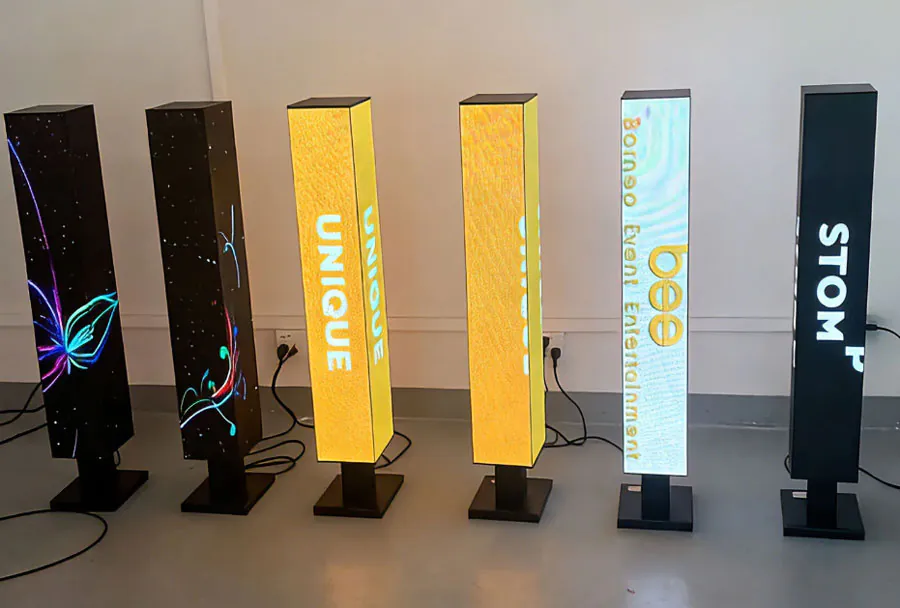
As a service provider, TW VISION supports projects by focusing on durability-driven configuration, practical maintenance planning, and stable deployment outcomes. The goal is a screen that not only meets the specification sheet but continues to perform smoothly in the real world.
Build for Years, Not for Day-One
A Durable Outdoor LED Display Screen for Long-Term Operation is the smart answer for anyone who needs reliable, high-impact visuals under tough environmental conditions. True durability is a combination of weather protection, thermal management, stable electrical design, structural integrity, and maintainability. When these factors work together, the result is a display that stays bright, consistent, and dependable—season after season.
With TW VISION as your service partner, durability becomes a planned outcome rather than a hope. And in outdoor digital signage, long-term operation is the difference between a screen that merely exists—and a screen that performs.