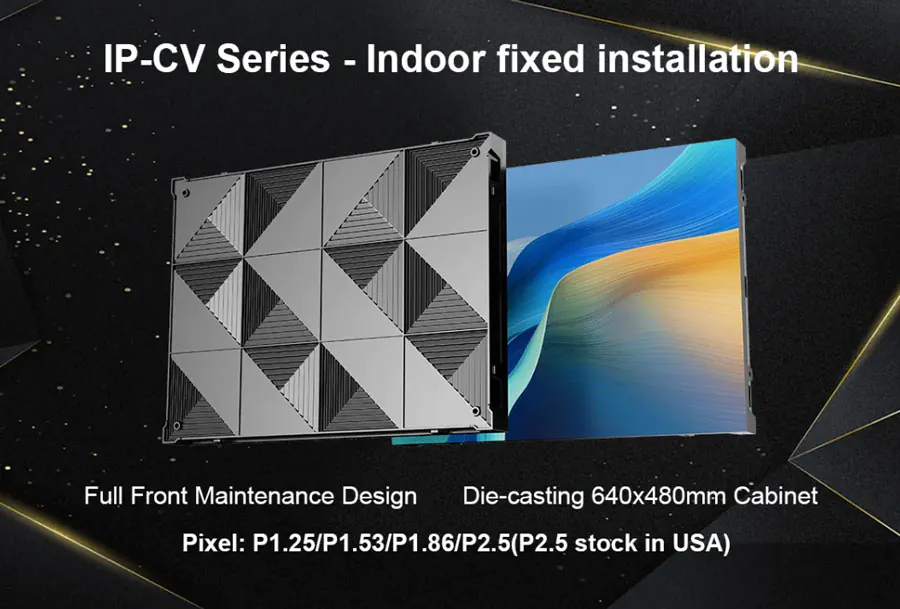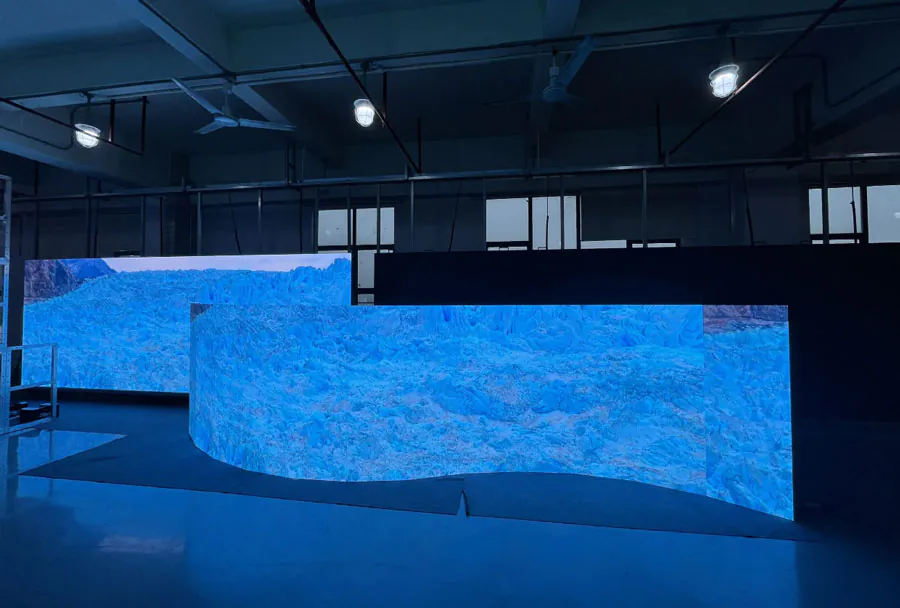
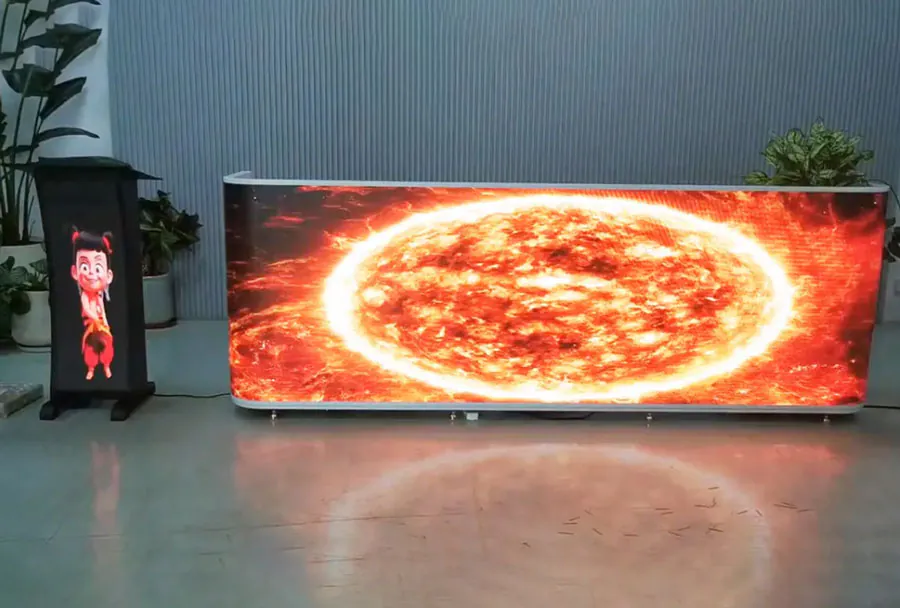
Flexible And Durable Bendable Screen From TW VISION

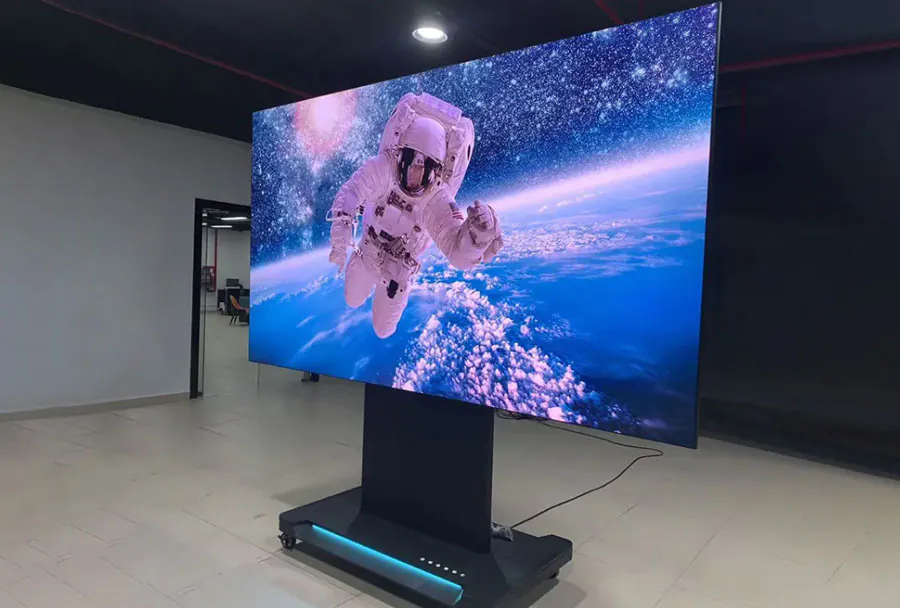
The Flexible And Durable Bendable Screen From TW VISION represents a notable evolution in display technology, blending mechanical resilience with high visual performance. As consumer devices and industrial applications place increasing demands on displays—requiring them to be both flexible and robust—TW VISION’s offering aims to address a wide range of market needs: foldable smartphones, rollable signage, wearable devices, automotive interiors, and novel industrial control panels. This article examines the technical foundations of TW VISION’s bendable screen, evaluates performance attributes, explores integration and manufacturing considerations, and provides a practical comparative and market analysis to guide product planners, engineers, and procurement teams.
Product Overview
Core Concept and Design Philosophy
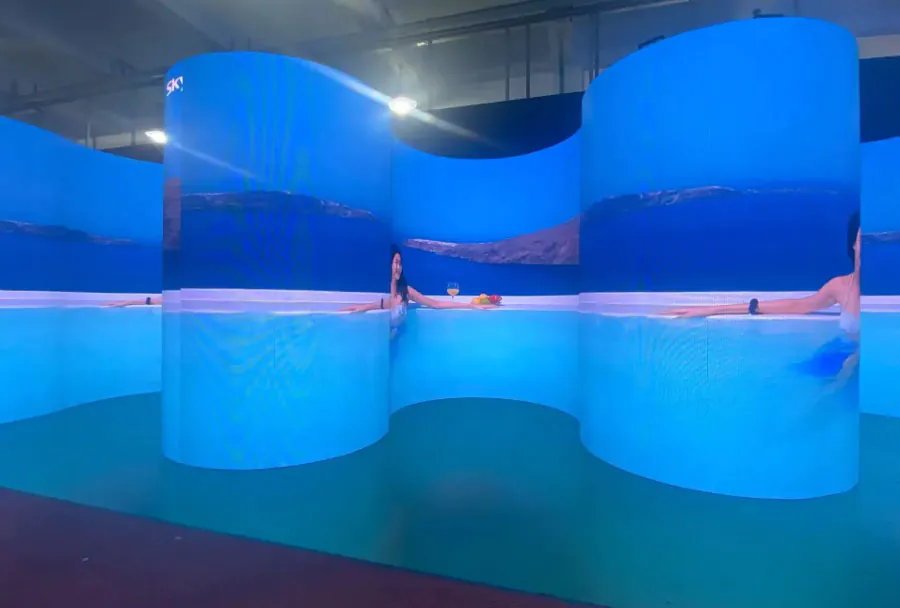
TW VISION’s bendable screen is designed around three core principles: flexibility, durability, and consistent optical quality. The technology uses advanced flexible substrates, optimized thin-film transistor (TFT) backplanes or organic thin-film architectures, and encapsulation methods that protect active layers from mechanical fatigue and environmental ingress. The result is a display that can bend to small radii repeatedly without sacrificing color accuracy or brightness.
Key Technical Characteristics
– Substrate: Flexible polymer or ultra-thin glass options depending on application and required stiffness.
– Backplane: Low-temperature polysilicon (LTPS) or oxide TFTs adapted for bending, and in some cases OLED stacks for emissive performance.
– Encapsulation: Multilayer barrier films providing moisture/oxygen protection while retaining flexibility.
– Mechanical tolerance: Designed for thousands to tens of thousands of bend cycles at specified radii.
– Thickness: Ultra-thin stack (often sub-500 μm total) to enable tight bending without delamination.
These characteristics together create a display capable of meeting both consumer aesthetic desires and industrial reliability requirements.
Materials and Mechanical Durability
Flexible Substrates
TW VISION employs flexible substrates like polyimide (PI), polyethylene naphthalate (PEN), and ultrathin glass (UTG) variants for different trade-offs between flexibility and scratch resistance. Polyimide provides excellent thermal stability and bend endurance, while UTG offers superior scratch resistance and optical clarity at the cost of somewhat reduced bend radius capacity.
Encapsulation and Barrier Technologies
flexible displays are vulnerable to moisture and oxygen, especially when using OLED emitters. TW VISION’s multilayer encapsulation uses alternating inorganic/organic films (atomic-layer-deposited oxides and polymeric layers) to achieve low permeation rates. Flexible thin-film encapsulation (TFE) helps maintain emissive lifetime while allowing bending continuity.
Mechanical Testing and Fatigue Resistance
Durability is validated through cyclic bend testing, thermal cycling, and mechanical shock. TW VISION specifies bend cycles (e.g., >50,000 cycles at a given radius) and offers grades for different use cases. Stress-relief routing in driver flex circuits, neutral mechanical plane alignment, and reinforcement at hinge areas are standard design practices to prevent early failure.
Performance Attributes and Use Cases
Display Quality
Flexible displays from TW VISION maintain high contrast ratios and wide color gamuts. Calibration and color management ensure that bend states do not significantly alter color temperature or gamma. For OLED embodiments, per-pixel emissive control delivers deep blacks and fast response times; for LCD-based flexible solutions, advanced backlighting and optical films are used to preserve brightness and uniformity under deformation.
Common Use Cases
– Consumer electronics: foldable smartphones, tablets, and rollable laptops.
– Wearables: curved smartwatches and flexible health monitors that conform to the body.
– Automotive: flexible instrument clusters and ambient displays that integrate into dashboards and interior panels.
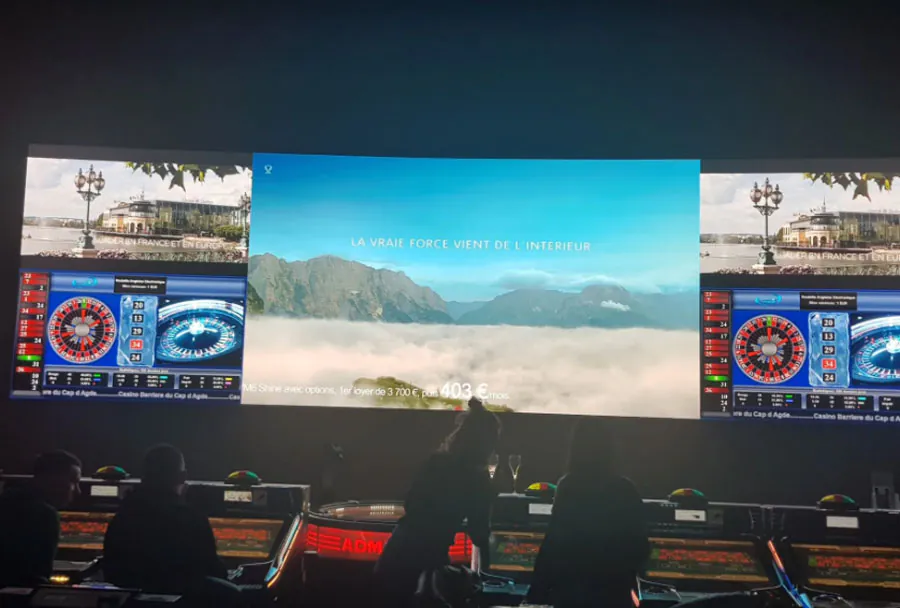
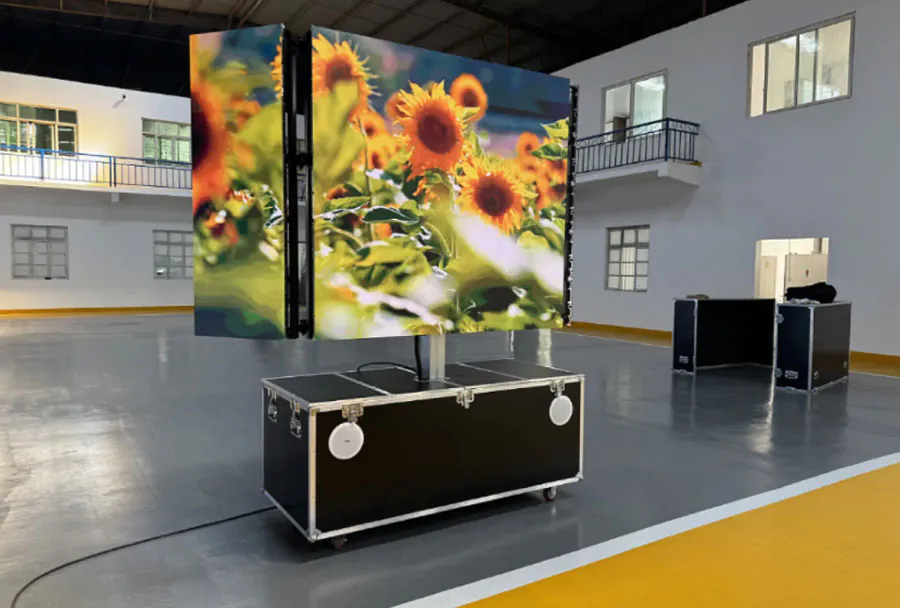
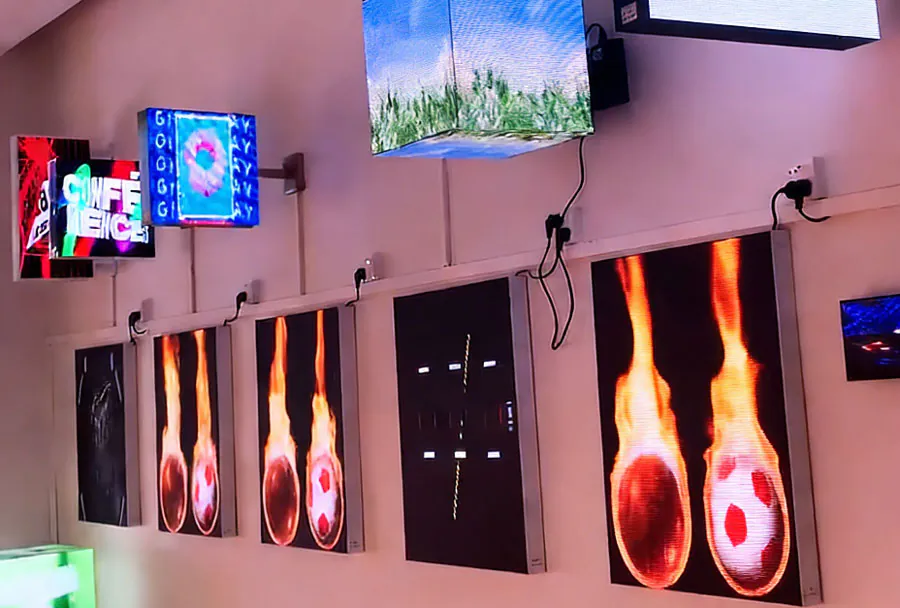
– Digital signage: rollable or retractable billboards and point-of-sale units for temporary installations.
– Industrial equipment: displays for harsh environments where shock-resistance and conformability matter.
Analysis Table
| Feature | Specification (Typical) | Measured Parameter | Benefit | Primary Application |
|---|---|---|---|---|
| Minimum Bend Radius | 5–10 mm (depending on substrate) | Flex radius at which optical integrity retained | Enables tight-fold devices and compact rollable form factors | Foldable phones, rollable signage |
| Bend Cycle Endurance | ≥50,000 cycles (standard grade) | No visible cracks, <5% brightness loss | Long operational life in daily-use devices | Consumer electronics, wearables |
| Overall Thickness | 200–500 μm total stack | Thickness measured across active area | Thinness supports low-profile, lightweight designs | Wearables, foldable displays |
| Brightness | 300–1000 nits (depending on emissive or transmissive) | cd/m2 peak luminance | Readable in varied ambient lighting, suitable for outdoor use | Automotive, signage |
| Moisture Barrier | WVTR ≤ 10^-6 g/m2/day (with TFE) | Water vapor transmission rate | Protects OLED layers, enhances lifetime | All applications, especially OLED-based devices |
Integration and Manufacturing Considerations
Driver Electronics and Flex Circuitry
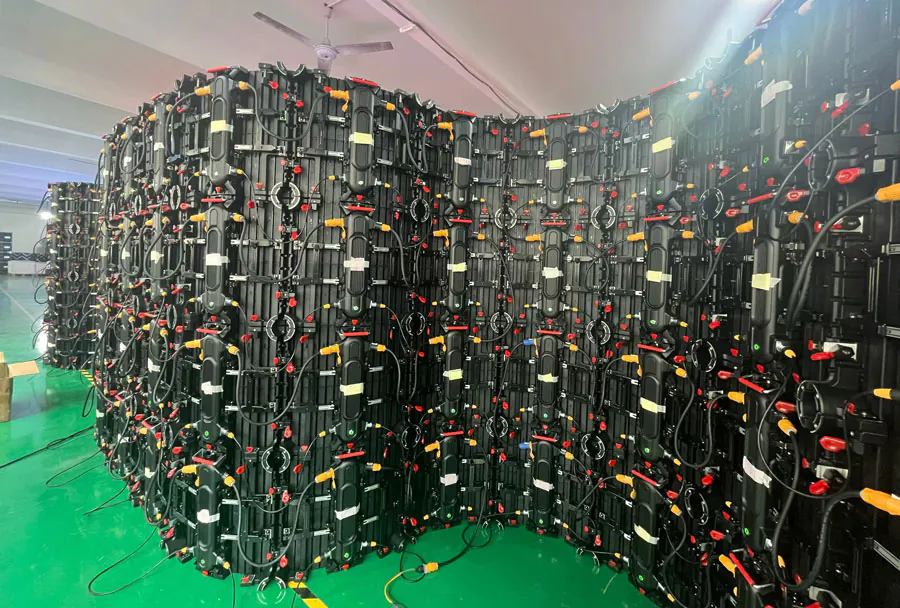
Integrating flexible displays requires equally flexible driver solutions. TW VISION provides FPC (flexible printed circuit) designs and supports chip-on-film (COF) and chip-on-glass (COG) approaches adapted for bendable backplanes. Ensuring strain relief at interconnects and designing neutral mechanical planes minimizes stress concentration and preserves signal integrity.
Lamination and Adhesives
Optical adhesives and pressure-sensitive adhesives (PSAs) used in flexible displays must accommodate bending without delamination. TW VISION’s recommended lamination processes often include low-modulus adhesives and controlled cure profiles. Adhesives are chosen to avoid yellowing and to maintain optical clarity over the product lifecycle.
Assembly Challenges
– Tolerance control: thin stacks require tighter tolerances during assembly to avoid wrinkling or misalignment.
– Hinge design: mechanical hinges for foldables must distribute stress evenly and prevent abrupt strain on the display.
– Repairability: flexible displays can be more challenging to service; modular design can mitigate replacement costs.
Comparative Analysis
TW VISION’s flexible displays compete with other leading display manufacturers. Key differentiators often include materials selection, encapsulation quality, bend endurance, and supply chain agility. Where some manufacturers focus on consumer-grade foldables with ultra-tight radii, TW VISION positions itself by balancing bendability with extended durability and industrial-grade barrier performance.
Advantages of TW VISION relative to some competitors:
– Emphasis on multilayer encapsulation with industrial-grade WVTR targets.
– Flexible substrate options (both polymer and UTG) to match application-specific needs.
– Integrated support for automotive-grade testing and certifications.
Areas to examine during procurement:
– Lifetime projections under accelerated aging tests.
– Availability and lead times for custom sizes and resolutions.
– Post-sales support for integration into mechanical housings and hinge systems.
Testing, Reliability, and Environmental Performance
Reliability Testing Regimen
TW VISION subjects its displays to a comprehensive testing program:
– Mechanical cycling (bend/flex) at specified radii and temperatures.
– Thermal cycling to validate coefficient of thermal expansion (CTE) compatibility.
– Humidity and salt-fog testing for automotive and marine applications.
– UV exposure testing for outdoor signage to account for photodegradation.
Performance metrics from these tests inform grade-level recommendations (consumer, industrial, automotive) and establish warranty and expected service life.
Environmental Considerations
TW VISION has increasingly adopted materials and processes that reduce environmental impact:
– Use of low-VOC adhesives and solvent-free lamination where possible.
– Designs that enable longer product lifetimes and reduce electronic waste.
– Collaboration with OEMs to ensure repairability and modular replacement options.
Suppliers and OEMs should verify RoHS and REACH compliance for all display components and encapsulants.
Market Impact and Commercial Considerations
Adoption Drivers
Several market trends drive adoption of flexible displays:
– Consumer appetite for novel form factors (foldables, rollables).
– Demand for more immersive in-vehicle user interfaces with conformal shapes.
– Need for compact, wearable displays that conform to body contours.
TW VISION’s focus on durability addresses one of the key barriers to adoption: reliability concerns in everyday use.
Cost and Pricing Factors
Flexible display costs remain higher than traditional rigid panels due to specialized materials and lower-volume manufacturing. TW VISION mitigates cost pressure by offering multiple grades—standard consumer-grade for volume applications and premium industrial/automotive grades with higher barrier performance and longer endurance. Economies of scale as volume increases will reduce unit costs over time.
Supply Chain and Customization
Successful deployment depends on supply chain flexibility. TW VISION supports custom sizes, touch integration, and specific brightness/resolution targets. Timely collaboration between OEM mechanical and electrical teams and TW VISION engineering is essential to ensure manufacturability and reduce time-to-market.
Recommendations for Product Teams
– Define application class early: consumer, industrial, or automotive. This determines acceptable bend radius, cycle life, and WVTR targets.
– Collaborate on hinge and housing design from the outset to manage strain distribution.
– Validate prototypes through application-specific testing (e.g., in-vehicle temperature extremes, wearable sweat exposure).
– Consider modular designs to simplify servicing and lower long-term ownership cost.
– Balance optical requirements with mechanical trade-offs—choosing UTG where scratch resistance is essential, polymer where extreme bend radius is required.
Flexible And Durable Bendable Screen From TW VISION presents a practical, performance-focused solution for modern display needs. By marrying flexible substrates, robust encapsulation, and thoughtful engineering around driver integration and mechanical support, TW VISION enables a spectrum of next-generation products—foldables, wearables, automotive interiors, and retractable signage. While cost and integration complexity remain challenges, the technology’s durability and optical integrity position it well for broader adoption as designs proliferate and volumes increase. For product managers, engineers, and procurement teams, the key is early collaboration, clear application requirements, and rigorous validation to fully leverage what TW VISION’s bendable displays can offer.