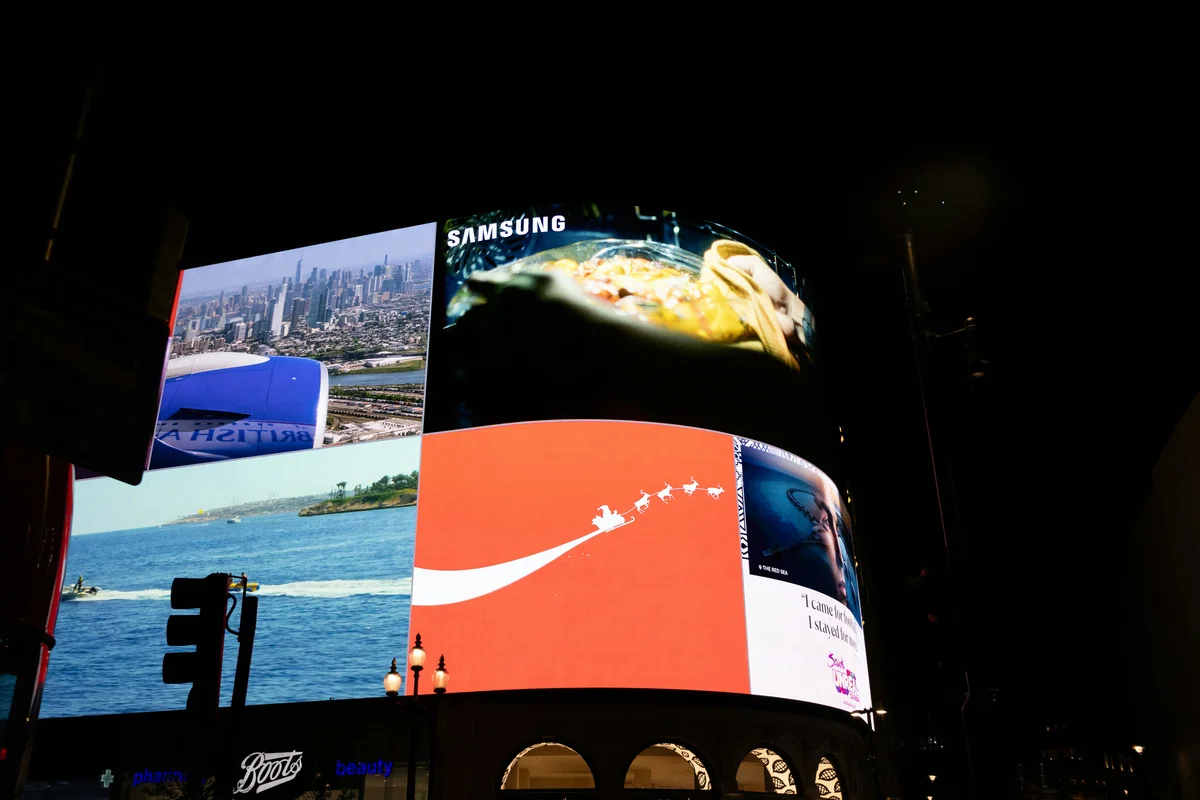
giant led screen: Complete Guide for Smart Buyers 2026

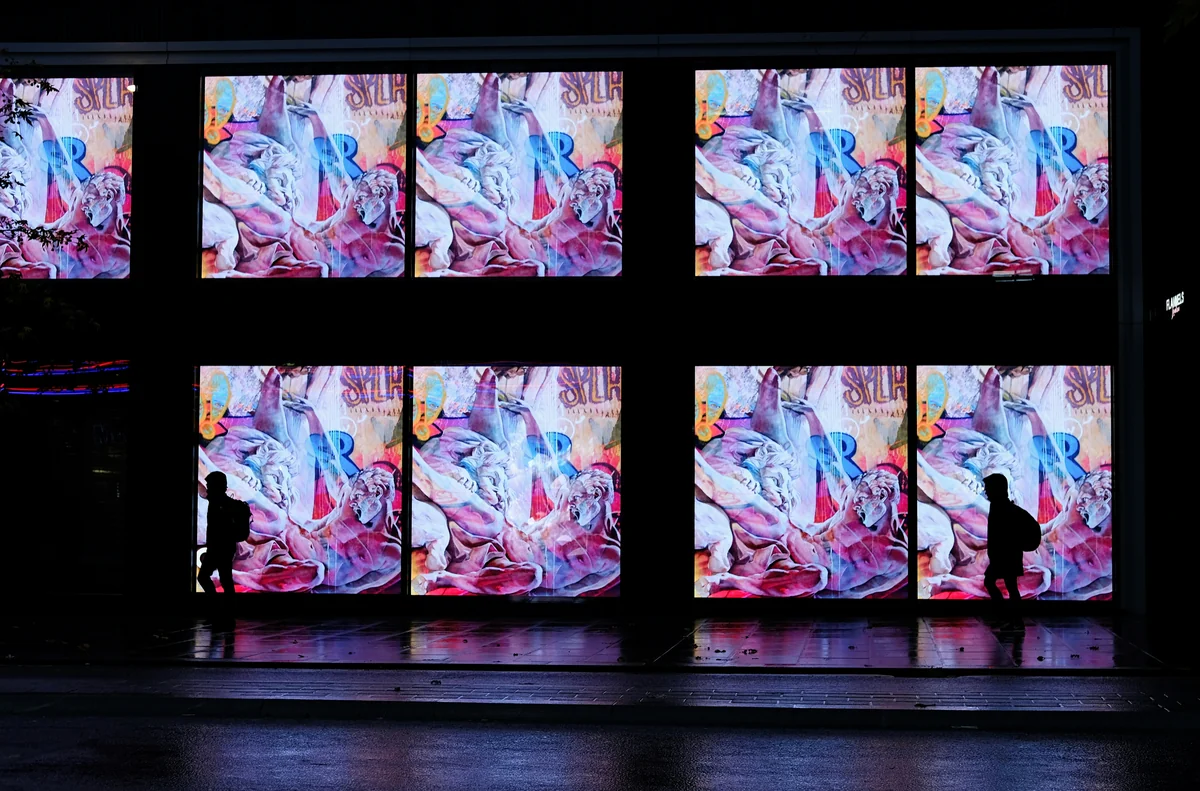
Introduction
A giant LED screen has become one of the most powerful display solutions for modern advertising, live events, retail promotions, sports venues, and corporate communication. Businesses choose this technology because it delivers vivid color, strong brightness, flexible sizing, and excellent visibility in both indoor and outdoor settings. Whether you want to attract foot traffic, create an unforgettable stage backdrop, or improve audience engagement in a stadium, the right display can make a major difference.
Table of Contents
- Introduction
- What is a giant LED screen, and Why Does It Matter?
- Key Features to Consider Before Buying a giant led screen
- Pixel Pitch
- Brightness and Visibility
- Indoor vs. Outdoor Rating
- Refresh Rate and Image Quality
- Maintenance Access
- Control System and Software
- Top Applications of a giant led screen in Different Industries
- Advertising and Outdoor Media
- Sports Arenas and Stadiums
- Events, Concerts, and Stage Production
- Retail and Shopping Centers
- Corporate, Education, and Public Spaces
- Installation, Maintenance, and Operating Costs of a giant led screen
- Site Assessment and Structural Planning
- Electrical and Network Requirements
- Routine Maintenance
- Energy Consumption
- Lifespan and Return on Investment
- How to Choose the Best giant led screen for Your Business
- Define Your Main Purpose
- Understand Viewing Distance
- Match the Screen to the Environment
- Evaluate Supplier Experience
- Review Content Strategy
- Compare Total Value, Not Just Price
- FAQ About giant led screen
- What is the ideal pixel pitch for a giant led screen?
- How long does a giant led screen last?
- Is a giant led screen suitable for outdoor use?
- How much does a giant led screen cost?
- Can a giant led screen be customized?
- Conclusion
Choosing a giant led screen is not only about size. Buyers also need to understand pixel pitch, installation requirements, content management, maintenance, and long-term operating cost. This guide explains the most important features, benefits, buying factors, and best practices so you can invest with confidence and get the best performance from your digital display system.
What Is a giant led screen and Why Does It Matter?
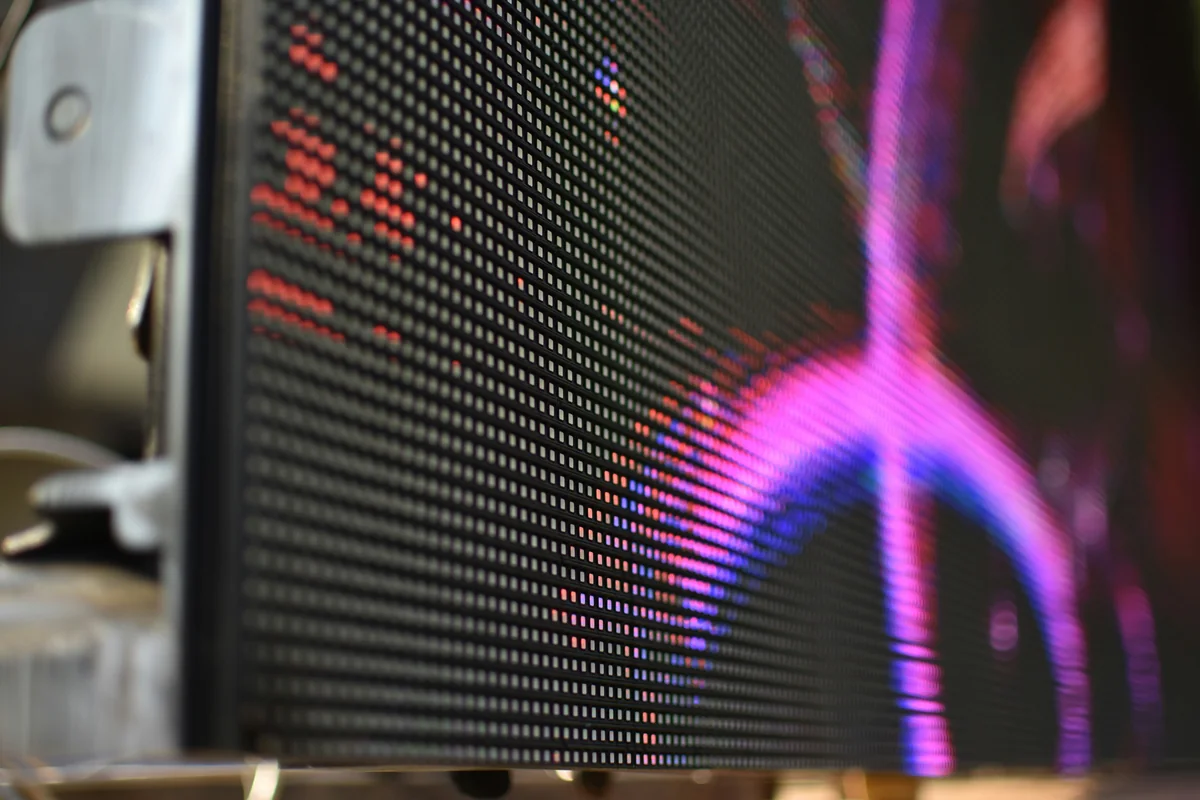
A giant led screen is a large-format digital display made from light-emitting diode modules arranged to form a seamless visual surface. Unlike traditional projection systems or LCD video walls, LED displays offer higher brightness, stronger contrast, better outdoor performance, and flexible custom dimensions. This makes them suitable for a wide range of applications, from billboards and concerts to command centers and shopping malls.
The reason a giant led display matters is simple: it captures attention quickly. In crowded environments, static signs often fade into the background, while dynamic LED visuals stand out. Moving graphics, real-time announcements, product videos, and event content can all be shown in a way that feels immediate and engaging.
Another major advantage is scalability. A giant concept can be built in many shapes and sizes to fit specific architectural or event needs. Curved displays, suspended screens, wall-mounted installations, and modular stage panels are all possible. This flexibility allows brands and venue owners to create immersive visual experiences that support their marketing and communication goals.
From a business perspective, LED technology also improves message control. Content can be updated instantly without replacing printed materials. Promotions, emergency messages, sponsorship content, and event schedules can be managed centrally, saving time and improving operational efficiency. For organizations seeking strong visibility and adaptable communication, LED remains a highly practical solution.
Key Features to Consider Before Buying a giant led screen
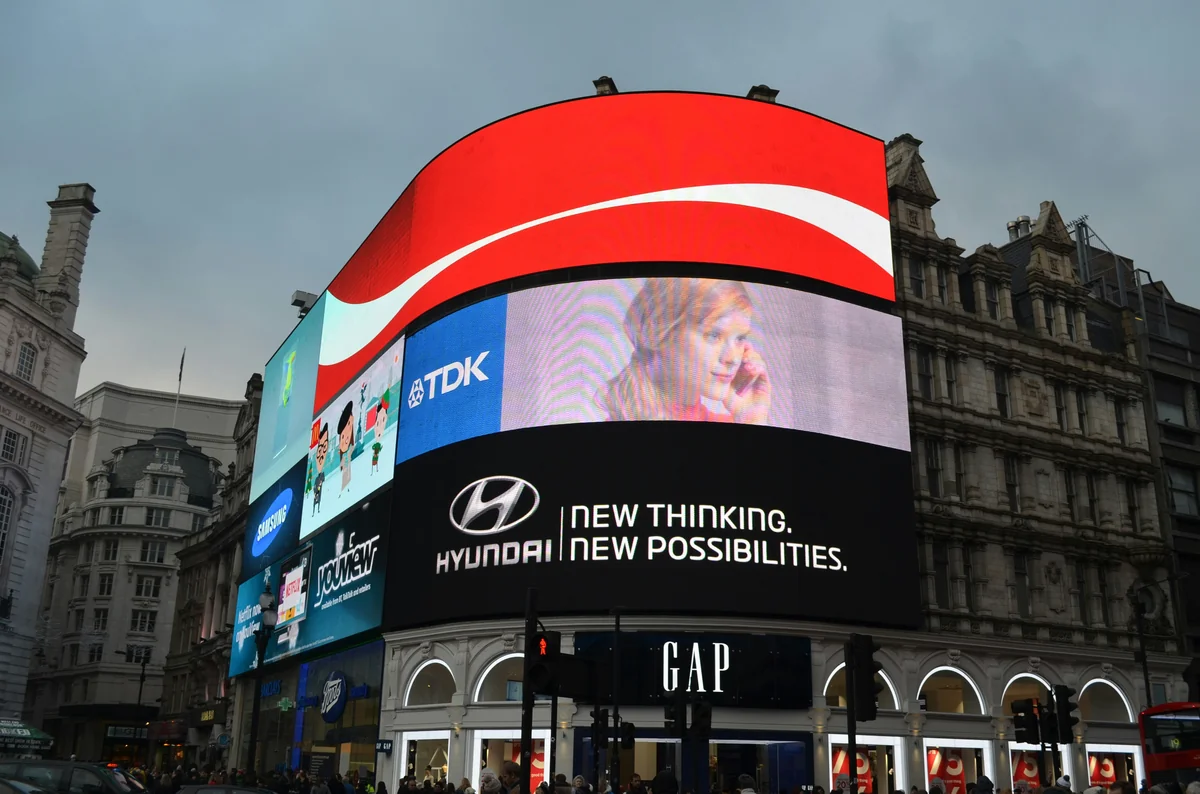
Before investing in a giant screen, it is important to compare specifications carefully. The best display is not always the biggest or brightest. It should match your environment, viewing distance, content style, and budget.
Pixel Pitch
Pixel pitch refers to the distance between LED pixels, usually measured in millimeters or ft. A smaller pitch creates higher resolution and better image clarity at close viewing distances. For indoor spaces like conference halls, studios, or retail stores, fine pixel pitch is often essential. Generally speaking, we need to measure the distance between the stage and the first row of the audience and the stage. The best pixel should be 2.2 times the distance. Under this calculation, the audience in the front row won’t notice any LED screen grid.
For highways, stadiums, or building facades, a wider pitch may be acceptable because viewers are farther away.
Brightness and Visibility
Brightness is critical, especially for outdoor applications. A giant led screen used in direct sunlight needs much higher nit levels than one installed inside a controlled environment, we will say a brightness 8000nits or higher is better for a direct sunlight environment. Insufficient brightness can make content appear washed out, reducing its advertising value and audience impact.
Indoor vs. Outdoor Rating
Not every screen is built for weather exposure. Outdoor models need waterproofing, dust resistance, stronger cabinets, and temperature control features. Indoor screens prioritize image detail, lighter weight, and refined aesthetics. Choosing the wrong type can lead to performance issues and shorter lifespan.
Refresh Rate and Image Quality
If the screen will be filmed, livestreamed, or used for stage events, refresh rate matters a lot. Higher refresh rates reduce flicker on camera and produce smoother motion. For concerts, broadcasts, and corporate productions, this technical detail has a direct effect on visual quality.
Maintenance Access
Front or rear maintenance access should be considered during planning. A led screen mounted in a tight area may require front service access for practical repairs. Easy maintenance lowers downtime and can reduce labor costs over the product’s life cycle.
Control System and Software
A reliable content management system helps operators schedule, update, and monitor content efficiently. Some organizations need cloud-based control across multiple locations, while others only need local playback. The display hardware is important, but the software ecosystem can determine how easy the screen is to use every day.
Top Applications of a giant led screen in Different Industries
A giant led screen supports many industries because it combines visibility, adaptability, and high-impact presentation. The exact use case will influence the ideal specification and installation method.
Advertising and Outdoor Media
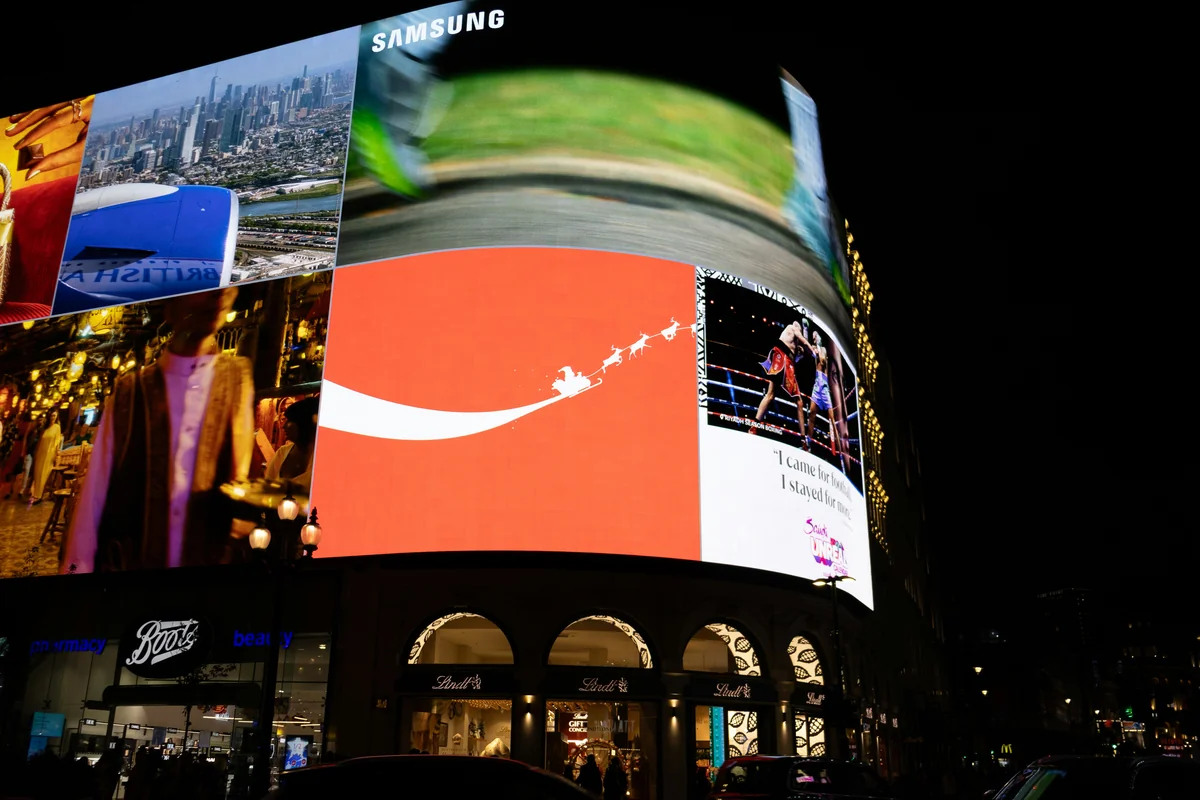
Digital billboards are one of the most common uses. Brands use LED displays to rotate campaigns, share promotions, and target audiences with time-sensitive content. Compared with printed signage, digital media offers greater flexibility and stronger visual appeal. Advertisers can run multiple messages on a single display and update them instantly.
Sports Arenas and Stadiums
Sports venues rely on large digital displays for scoreboards, sponsorships, instant replays, crowd prompts, and live video feeds. A they enhances fan experience by making information easier to see from a distance. It also creates new revenue opportunities through premium ad placements and branded content.
Events, Concerts, and Stage Production
Live events use LED walls as stage backdrops, side screens, and immersive visual elements. Because LED panels are modular, they can be configured to fit creative stage designs. Concert organizers and production teams value the strong brightness, seamless appearance, and camera-friendly performance of LED technology.
Retail and Shopping Centers
In retail environments, LED screens are used to showcase products, promotions, seasonal campaigns, and branded storytelling. A the concept at a storefront or inside a mall can increase dwell time and attract customers to specific areas. Retailers also appreciate the ability to refresh content without printing new materials.
Corporate, Education, and Public Spaces
Companies use LED displays in lobbies, auditoriums, meeting spaces, and experience centers. Schools and universities use them for announcements, ceremonies, and sports facilities. Public institutions install them in transport hubs, civic centers, and control rooms where clear communication is essential.
Installation, Maintenance, and Operating Costs of a giant led screen
The long-term value of a the approach depends not only on purchase price but also on installation quality, maintenance planning, and operating efficiency. Buyers should calculate total cost of ownership before making a final decision.
Site Assessment and Structural Planning
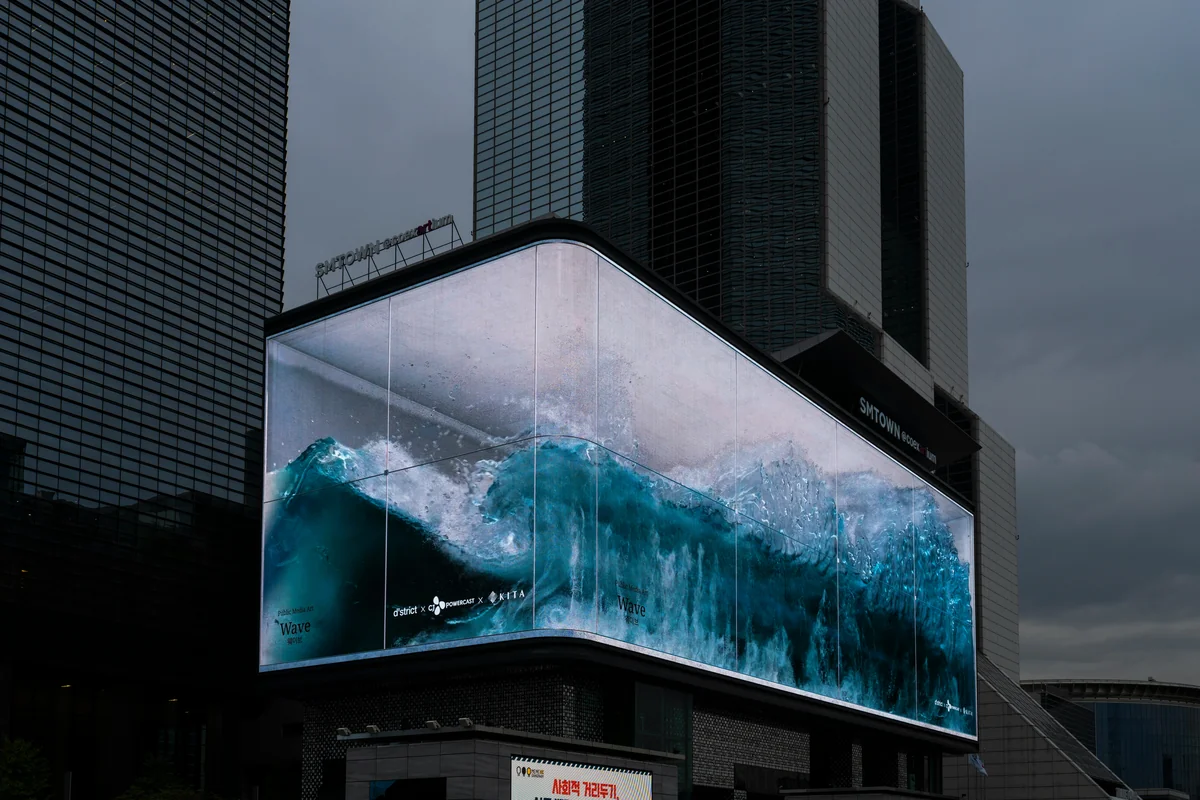
Every installation begins with a site review. Engineers must consider wall strength, wind load, viewing angles, ventilation, power supply, and access for service. Outdoor projects may require permitting and compliance with local signage regulations. Poor planning at this stage can create expensive delays later.
Electrical and Network Requirements
LED displays need stable power and dependable signal distribution. Depending on the project, this may include backup power, media players, sending cards, receiving cards, and network integration. A it used for mission-critical communication should have redundancy measures in place to reduce the risk of outage.
Routine Maintenance
Although LED technology is durable, regular care is still important. Dust removal, module inspection, calibration checks, and power system review help maintain image consistency. Many modern displays use modular components, allowing technicians to replace individual sections rather than the entire system.
Energy Consumption
Energy use varies based on brightness level, screen size, operating hours, and content type. While LED is more efficient than many older display technologies, a very large screen can still consume substantial power. Smart brightness adjustment and scheduled content playback can help control electricity costs.
Lifespan and Return on Investment
A well-built this can deliver years of service when properly maintained. For advertisers and venue operators, the return on investment often comes from increased visibility, sponsorship revenue, reduced print costs, and stronger audience engagement. Lower-priced systems may seem attractive initially, but unreliable components can raise service and replacement expenses over time.
How to Choose the Best giant led screen for Your Business
Selecting the right these requires balancing technical performance with practical business goals. A clear buying process helps avoid overspending or choosing the wrong configuration.
Define Your Main Purpose
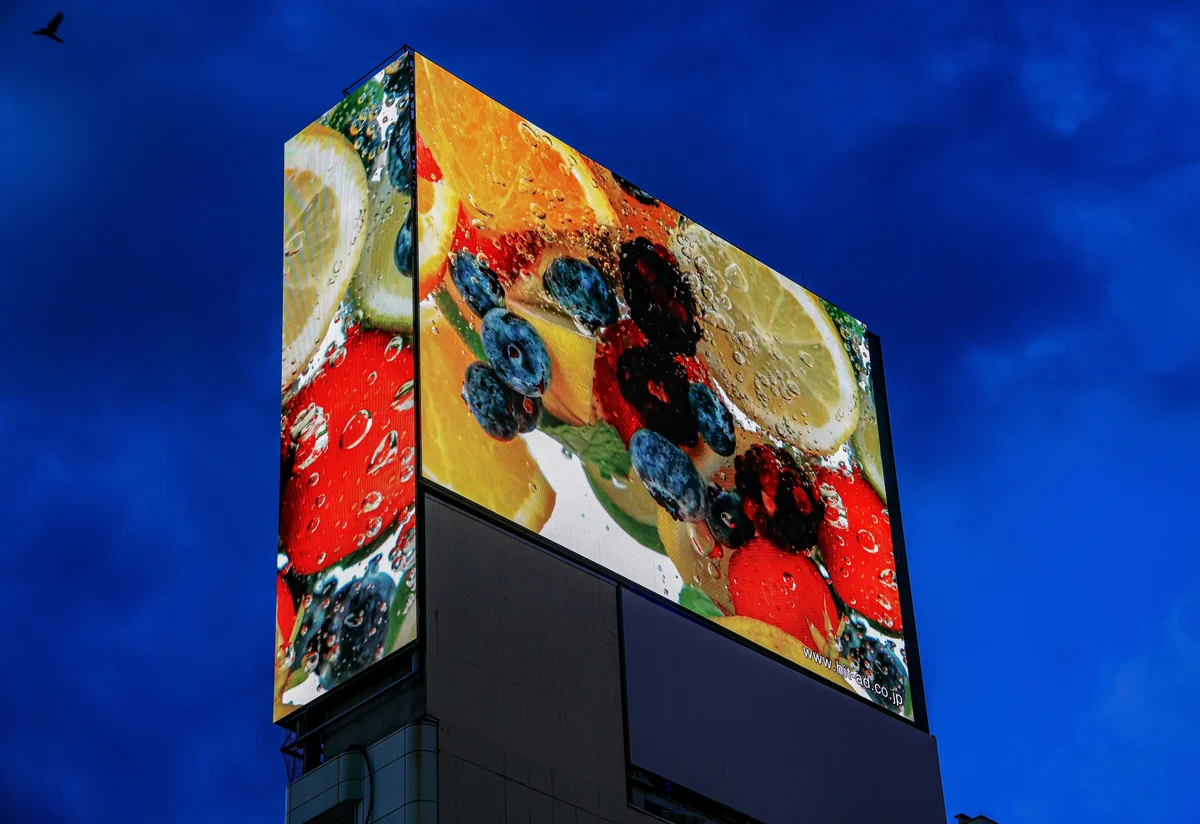
Start by identifying what the screen needs to accomplish. Is the goal advertising, entertainment, public information, brand presentation, or live event support? The answer will shape your ideal size, resolution, brightness, and software needs.
Understand Viewing Distance
Viewing distance is one of the most important factors in LED selection. If people will stand close to the display, you need finer pixel pitch and higher resolution. If the audience will view from across a parking lot or stadium, you can choose a wider pitch and reduce cost without sacrificing effectiveness.
Match the Screen to the Environment
A they placed outdoors must handle rain, heat, cold, and sunlight. An indoor model should prioritize image refinement and design integration. Environmental conditions should always guide the final specification.
Evaluate Supplier Experience
Choose a supplier with proven project experience, technical support, warranty coverage, and installation capability. Ask for case studies, certifications, service response terms, and references. Good support after purchase is often as important as the display itself.
Review Content Strategy
The display will only be as effective as the content shown on it. Plan for video creation, scheduling, branding consistency, and operational management. If your team lacks in-house expertise, consider whether the vendor or an agency can provide content support.
Compare Total Value, Not Just Price
The cheapest option may not provide the best long-term results. Compare build quality, brightness consistency, serviceability, software usability, warranty terms, and expected lifespan. A reliable the concept with strong support can deliver more value than a lower-cost product that requires frequent repairs or produces weak image quality.
FAQ About giant led screen
What is the ideal pixel pitch for a giant led screen?
The ideal pixel pitch for a led screen depends on viewing distance. Indoor displays viewed up close usually need a finer pitch, while outdoor screens viewed from far away can use a wider pitch. The best choice balances image clarity and budget.
Generally speaking, we need to measure the distance between the stage and the first row of the audience and the stage. The best pixel should be 2.2 times the distance. Under this calculation, the audience in the front row won’t notice any LED screen grid.
How long does a giant led screen last?
A giant led screen can last many years if it uses quality components and receives proper maintenance. Actual lifespan depends on operating hours, environmental conditions, brightness settings, and service practices. Reliable suppliers should provide realistic performance expectations and warranty support.
Is a giant led screen suitable for outdoor use?
Yes, a giant led screen can be designed specifically for outdoor use. Outdoor models include weather protection, stronger brightness, and durable cabinet construction to perform in sunlight, rain, dust, and temperature changes.
How much does a giant led screen cost?
The cost of a giant led screen varies based on size, pixel pitch, brightness, installation complexity, control system, and maintenance access design. Indoor fine-pitch displays usually cost more per square meter than larger-pitch outdoor systems. Buyers should look at total ownership cost, not just the initial quote.
Can a giant led screen be customized?
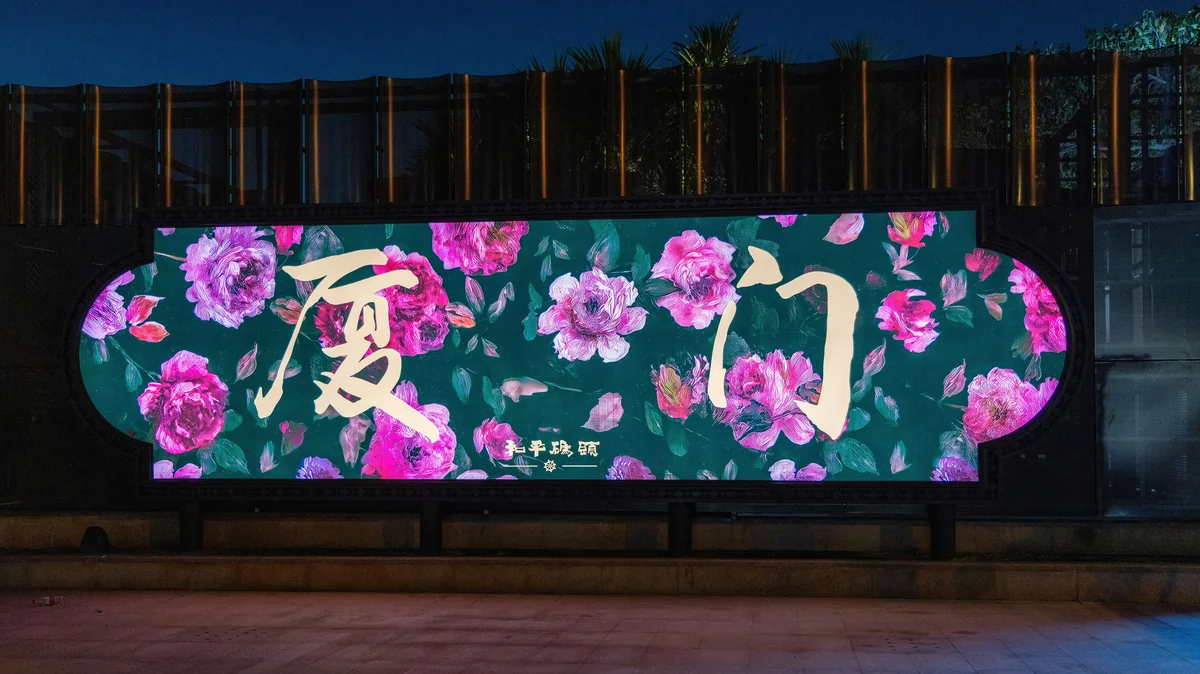
Yes, a giant led screen is highly customizable. It can be built in different sizes, shapes, and configurations for retail, events, architecture, sports, or corporate spaces. Customization may include curved designs, suspended installations, and unique aspect ratios.
Conclusion
A giant led screen is more than a large display. It is a strategic communication tool that can transform advertising, events, retail engagement, and public information delivery. The right system combines suitable pixel pitch, dependable brightness, proper installation planning, manageable operating costs, and easy content control.
Before making a purchase, define your goals, assess the environment, calculate total cost of ownership, and work with an experienced supplier. When selected carefully, a giant led screen can deliver strong visibility, long-term value, and a memorable visual experience that helps your business stand out in a competitive market.