

led mesh: 12 : Complete Guide to Uses, Benefits & Design

Introduction
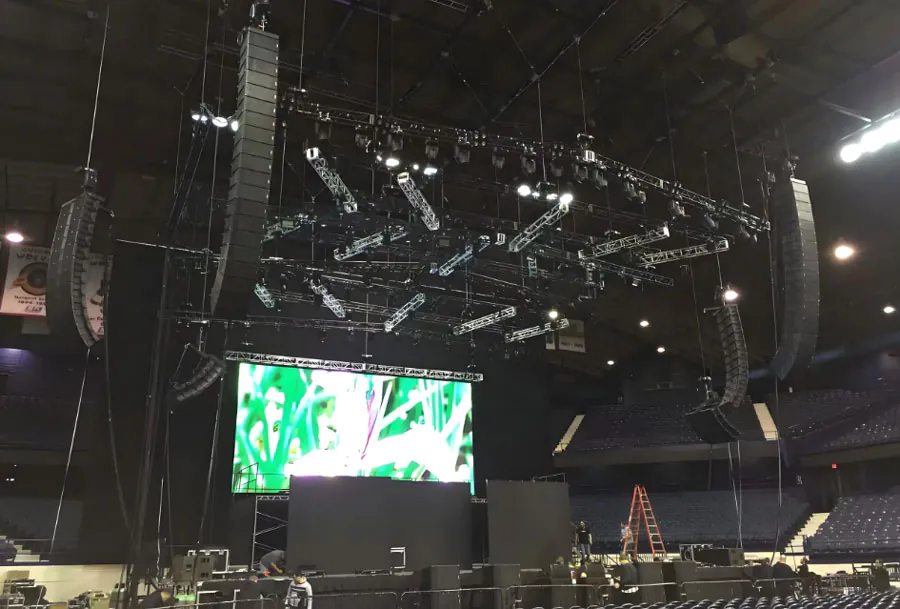
LED mesh has become one of the most versatile digital display solutions for modern architecture, events, retail environments, and large-scale advertising. Unlike traditional solid screens, this technology combines visibility, flexibility, and visual impact in a lightweight format that can integrate into building facades, stage backdrops, glass walls, and creative installations. Businesses, designers, and event planners increasingly choose it because it delivers vivid content without completely blocking airflow, light, or sightlines.
From transparent media facades to dynamic concert visuals, mesh screen offers a balance of performance and aesthetics that many conventional display systems cannot match. In this guide, you will learn how it works, where it is used, its advantages, key buying considerations, installation factors, maintenance tips, and how to select the right solution for your project goals.
Table of Contents
- Introduction
- What Is led mesh and How Does It Work?
- Key Benefits of led mesh for Architecture, Events, and Advertising
- 1. Transparency and Light Flow
- 2. Lightweight Construction
- 3. Flexible Design Possibilities
- 4. Strong Visual Performance
- 5. Better Airflow and Lower Wind Resistance
- 6. Scalable for Large Projects
- Common Applications of led mesh in Modern Projects
- Architectural Media Facades
- Retail Window Displays
- Concerts and Live Events
- Trade Shows and Exhibitions
- Outdoor Advertising
- Public Art and Placemaking
- How to Choose the Right led mesh for Your Needs
- Viewing Distance and Pixel Pitch
- Indoor vs. Outdoor Use
- Transparency Requirements
- Structural and Mounting Conditions
- Content Strategy
- Control System and Integration
- Service and Support
- Installation, Maintenance, and Best Practices for led mesh
- Pre-Installation Planning
- Professional Installation
- Routine Maintenance
- Content Optimization
- Energy and Operational Efficiency
- FAQ
- What is led mesh used for?
- Is led mesh suitable for outdoor use?
- How is led mesh different from a traditional LED screen?
- Can led mesh display high-resolution video?
- Is led mesh expensive?
- How long does led mesh last?
- Conclusion
What Is led mesh and How Does It Work?
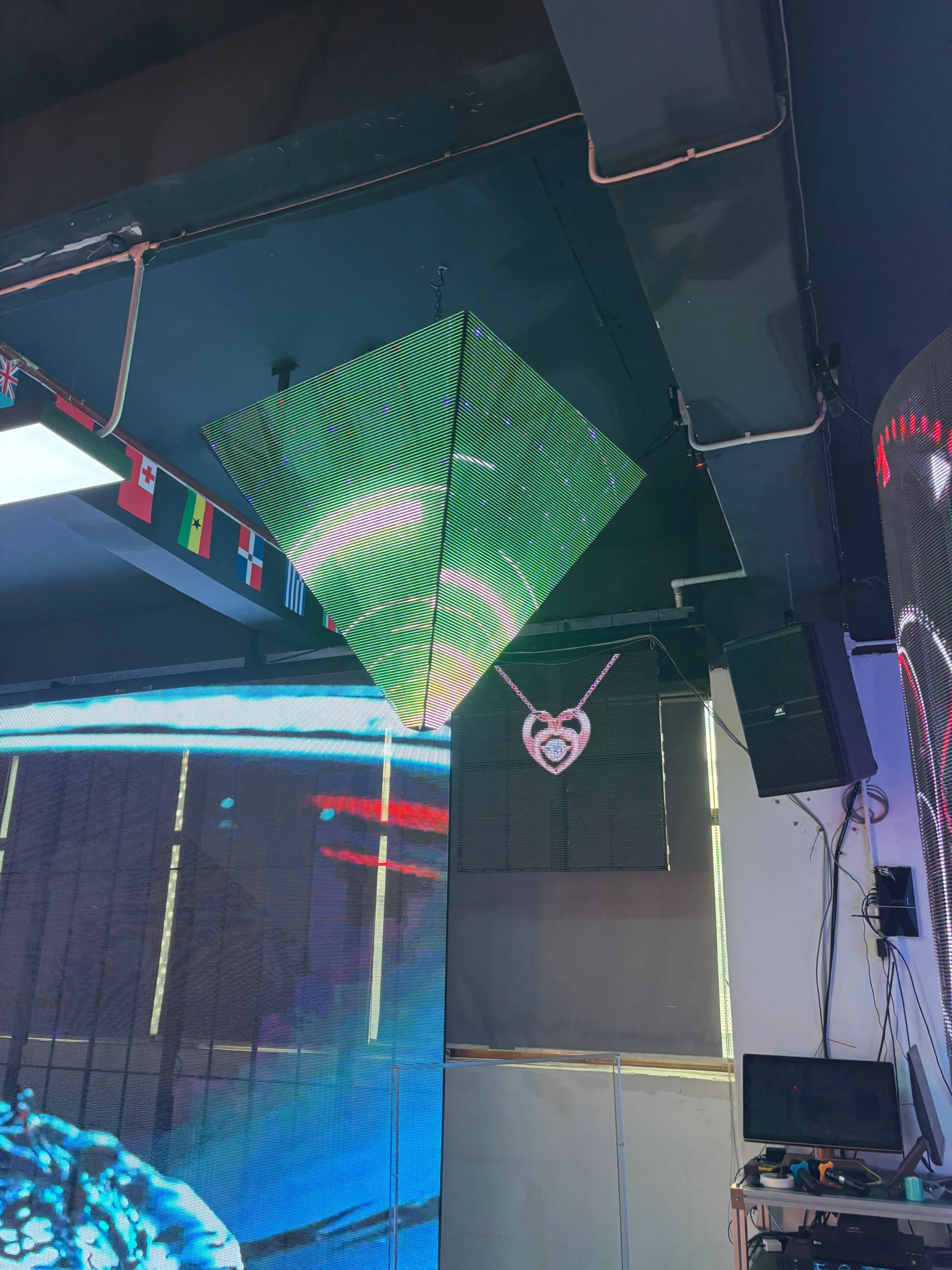
At its core, these is a digital display system made from interconnected LED nodes or strips arranged in a grid-like pattern. The open structure creates transparency and flexibility, allowing the display to cover large surfaces while remaining lighter and less visually obstructive than standard LED panels. This design makes it especially valuable for projects where airflow, natural light, or architectural visibility matters.
The system typically consists of LED pixels mounted on cables, bars, or lightweight frames. These pixels are controlled by a media server or control unit that sends video, animation, or graphic content to the display. Because the spacing between pixels can vary, the final image quality depends on the viewing distance and the pitch selected for the installation.
A few important technical characteristics define performance:
– Pixel pitch: The distance between LED nodes. Smaller pitch means higher resolution.
– Brightness: Critical for outdoor installations and daytime visibility.
– Transparency: Determines how much of the background remains visible through the display.
– Weather resistance: Important for building exteriors and permanent outdoor use.
– Flexibility: Some systems can bend or wrap around curved surfaces.
One of the major reasons they stands out is its adaptability. It can function as a media facade across skyscrapers, a semi-transparent curtain for storefront windows, or a dramatic visual layer on concert stages. In many cases, it also reduces structural load compared with traditional LED walls, making it easier to deploy on large surfaces.
Because content is displayed across an open matrix rather than a solid screen, designers must consider viewing distance carefully. A display that looks crisp from 50 meters away may not suit close-up indoor viewing. That is why matching technical specifications to the environment is essential.
Key Benefits of led mesh for Architecture, Events, and Advertising
Followed video wil tell you how the mesh screen looks like and the visuall effect.
The growing popularity of the concept is driven by a combination of visual impact and practical advantages. Whether used by architects, marketers, venue operators, or retailers, it provides a unique way to communicate messages while preserving the function and aesthetics of the surrounding structure.
1. Transparency and Light Flow
One of the biggest benefits is transparency. Unlike conventional screens that fully block a surface, this solution allows ambient light and visibility to pass through. This makes it especially suitable for:
– Glass facades
– Window displays
– Atriums
– Building exteriors
– Exhibition structures
In architectural applications, this means the display can enhance a building instead of hiding it. During the day, the structure remains visible; at night, it transforms into a dynamic media surface.
2. Lightweight Construction
Compared with solid LED cabinets, the approach is usually lighter. This reduces demands on support structures and expands the range of surfaces where it can be installed. For temporary events and touring productions, lower weight also helps with transport, rigging, and assembly.
3. Flexible Design Possibilities
Creative freedom is another major advantage. Depending on the product, the display can be installed flat, curved, suspended, or even wrapped around irregular forms. Designers can use it to create:
– Cylindrical displays
– Hanging visual curtains
– Media ceilings
– Stage sculptures
– Building wraps
This flexibility is one reason the technology is increasingly chosen for immersive brand environments and public art.
4. Strong Visual Performance
Modern systems offer impressive brightness, color accuracy, and dynamic motion playback. For advertising and live entertainment, that means high-impact visuals that attract attention in crowded spaces. A properly specified it installation can remain highly visible even in challenging outdoor lighting conditions.
5. Better Airflow and Lower Wind Resistance
Outdoor media facades and event screens often face wind-load challenges. Because of its open design, this display format allows more airflow to pass through than solid panels. That can make it more suitable for large exterior installations where structural engineering and safety are top priorities.
6. Scalable for Large Projects
Large commercial buildings, stadiums, and entertainment venues often require display systems that can cover massive areas. this is highly scalable, making it practical for monumental installations without the same bulk associated with traditional large-format screens.
Common Applications of led mesh in Modern Projects
Because of its adaptability, mesh is now used across many industries. Its value lies not only in display performance but also in how well it blends digital communication with physical space.
Followed video show you how it looks like when installed outside of the shopping mall.
Architectural Media Facades
In architecture, this technology is widely used to turn buildings into living digital canvases. Office towers, malls, hotels, airports, and cultural venues use mesh displays to show branded visuals, motion graphics, seasonal content, or artistic programming. Since the building envelope remains partially visible, the display adds identity without fully covering the facade.
Retail Window Displays
Retailers want eye-catching storefronts that engage passersby while still allowing them to see products inside. This is where they performs especially well. It can animate a window display, promote offers, and strengthen brand storytelling while maintaining transparency into the store interior.
Concerts and Live Events
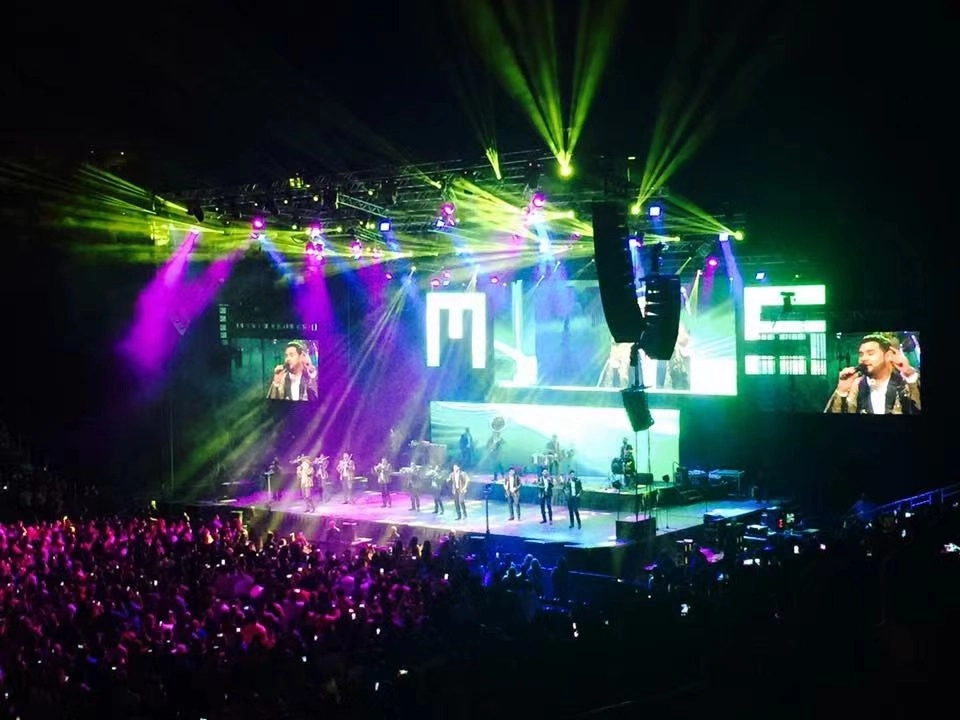
Stage designers use mesh systems for backdrops, flown curtains, and layered visual effects. Because performers can sometimes be seen through the display, the result is a more immersive and dimensional show. In touring contexts, the lower weight and modular setup are additional benefits.
Trade Shows and Exhibitions
Exhibitors often need displays that stand out without making booths feel closed off. Mesh-based LED structures create high visibility while preserving openness. They can also be shaped into creative forms, making them ideal for experiential marketing spaces.
Outdoor Advertising
Urban advertising increasingly relies on digital surfaces that are bright, flexible, and architecturally sensitive. the concept is frequently installed on building fronts, parking structures, and temporary promotional installations where a full solid billboard may be impractical or visually overwhelming.
Public Art and Placemaking
Cities and institutions use digital media in public spaces to create identity and engagement. Mesh systems can support interactive art, festival installations, and civic storytelling. Their transparency helps them integrate into urban environments more gracefully than fully opaque screens.
How to Choose the Right led mesh for Your Needs
Selecting the right mesh screen involves more than comparing prices. The ideal system depends on viewing conditions, creative goals, installation environment, and long-term maintenance expectations. Making the right decision early can improve performance, reduce operating costs, and prevent expensive redesigns.
Viewing Distance and Pixel Pitch
The first major consideration is how close viewers will be. For close-range indoor applications, smaller pixel pitch is important to maintain image clarity. For large building facades viewed from far away, wider pitch may be sufficient and more cost-effective.
A simple principle is:
– Closer viewing = smaller pitch
– Greater viewing distance = larger pitch
Indoor vs. Outdoor Use
Environmental conditions play a major role. Outdoor solutions need higher brightness, weatherproof materials, and strong resistance to dust, moisture, and temperature changes. Indoor systems may prioritize finer resolution and design elegance over extreme durability.
Transparency Requirements
Some projects need maximum visibility through the display, while others prioritize image intensity. Greater transparency often means lower pixel density, which can affect resolution. The best choice depends on whether the project is more architectural or more media-focused.
Structural and Mounting Conditions
Before purchasing, assess the installation surface and load-bearing capacity. Although it is lighter than many alternatives, mounting still requires engineering review, especially for facades, suspended event structures, and outdoor installations exposed to wind.
Content Strategy
Think about what the screen will display most often:
– Video advertising
– Text and graphics
– Ambient motion design
– Brand storytelling
– Live camera feeds
If the content relies on fine details or small text, higher resolution may be necessary. If the display is mostly abstract visuals viewed from a distance, a larger pitch can still work well.
Control System and Integration
A quality control platform is essential for content scheduling, brightness management, diagnostics, and synchronization. Consider whether the system integrates easily with your existing AV infrastructure, show control, or building management environment.
Service and Support
Reliable supplier support matters just as much as product specifications. Look for a vendor that offers:
– Technical consultation
– Installation guidance
– Spare parts availability
– Software support
– Warranty coverage
– Maintenance training
A lower upfront price may not be a good deal if service is slow or replacement parts are difficult to obtain.
Installation, Maintenance, and Best Practices for led mesh
A successful this project depends not only on product quality but also on proper planning, installation, and maintenance. Even the best display can underperform if it is poorly mounted, incorrectly configured, or inadequately maintained.
Pre-Installation Planning
Start with a site survey. This should include measurements, structural analysis, power availability, cable routing, control room location, and environmental exposure. For outdoor projects, engineers should also account for wind load, drainage, and UV exposure.
Content planning should happen early as well. The physical structure, pixel pitch, and viewing angles all influence how graphics and motion should be designed. Custom content often produces better results than repurposing visuals made for standard flat screens.
Professional Installation
Installation should be handled by qualified technicians, especially for permanent facade or elevated stage applications. Key tasks include:
– Secure mounting and alignment
– Weatherproof cable management
– Power and data distribution
– System addressing and configuration
– Brightness calibration
– Safety testing
If multiple sections are combined, color consistency and seamless playback across the surface are essential.
Routine Maintenance
Like any digital display technology, these requires ongoing care to ensure long-term performance. Maintenance tasks may include cleaning, inspecting cable connections, checking power supplies, updating software, and replacing damaged nodes or modules.
Routine maintenance helps prevent:
– Pixel failure
– Brightness inconsistency
– Signal loss
– Water ingress issues
– Control system errors
A preventive maintenance schedule is usually more cost-effective than waiting for failures to occur.
Content Optimization
To get the best visual results, design content specifically for the display’s resolution and transparency level. Fine details may disappear on wider-pitch systems, while high-contrast motion graphics often perform extremely well. Test animations and messaging at real-world viewing distances before final deployment.
Energy and Operational Efficiency
Many buyers also consider energy use. Brightness settings, playback schedules, and sensor-based dimming can improve efficiency. For permanent installations, operational planning helps balance visual impact with electricity costs and system lifespan.
When used thoughtfully, they can deliver years of high-performance operation while supporting striking visual communication across commercial, cultural, and entertainment spaces.
FAQ
What is led mesh used for?
the concept is used for architectural facades, retail windows, concerts, exhibitions, outdoor advertising, and public art installations. Its transparent and lightweight structure makes it ideal for projects that need digital visuals without fully blocking light or visibility.
Is led mesh suitable for outdoor use?
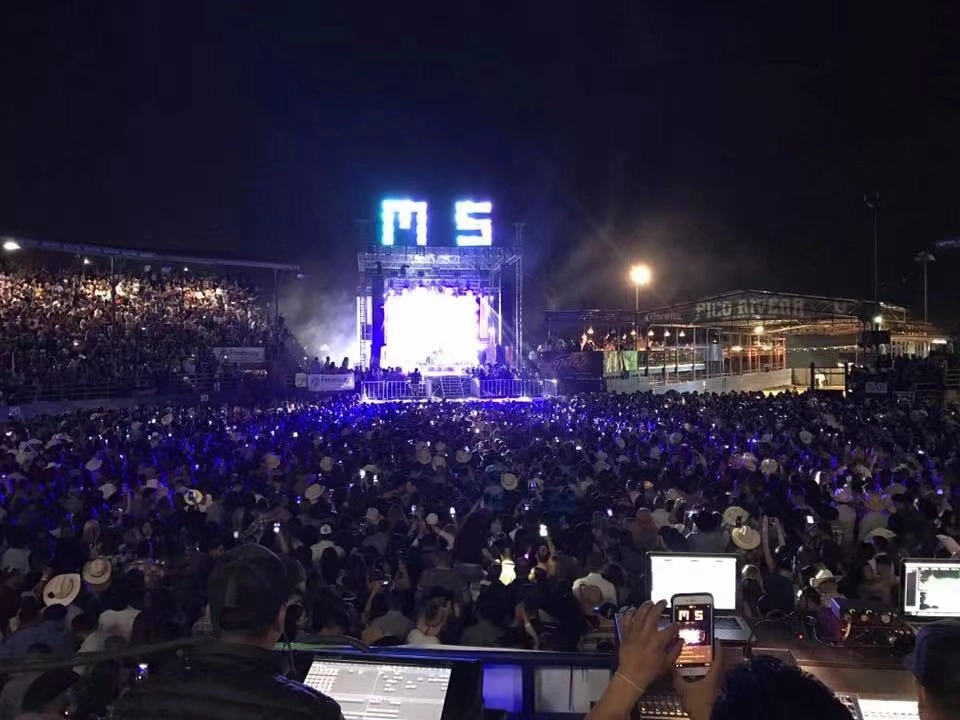
Yes, the approach can be designed for outdoor use when it has the proper brightness, weather resistance, and protective rating. Outdoor models are commonly installed on building exteriors and large advertising structures where durability is essential.
How is led mesh different from a traditional LED screen?
The main difference is structure. Traditional LED screens are usually solid panels, while led mesh has an open-grid design. This makes it lighter, more transparent, and often better suited for facades, windows, and creative stage applications.
Can led mesh display high-resolution video?
It can display video effectively, but the perceived resolution depends on pixel pitch and viewing distance. A led mesh system with a tighter pitch will produce better detail for closer audiences, while wider-pitch systems are better for large-scale viewing from farther away.
Is led mesh expensive?
Cost varies based on size, pitch, brightness, transparency, installation complexity, and control systems. While some projects may require a higher upfront investment, led mesh can offer strong value through design flexibility, reduced structural demands, and visual impact.
How long does led mesh last?
With proper installation and maintenance, led mesh can last for many years. Lifespan depends on operating conditions, component quality, environmental exposure, and how well the system is maintained over time.
Conclusion
led mesh has emerged as a powerful solution for anyone seeking dynamic digital communication with greater transparency, flexibility, and architectural integration than traditional display systems. From media facades and retail windows to live events and public spaces, it offers a rare combination of visual performance and design freedom.
When evaluating options, focus on viewing distance, pixel pitch, brightness, transparency, structural requirements, and supplier support. A well-planned led mesh installation can transform ordinary surfaces into memorable visual experiences while maintaining the openness of the space around it. For brands, architects, and event creators looking to make a bold impact, this technology remains one of the most innovative display choices available today.
