

rental led display screen: 8 : complete event guide


Introduction
A rental led display screen is one of the most effective tools for creating high-impact visuals at events, exhibitions, concerts, trade shows, conferences, and brand activations. Businesses and event organizers choose this technology because it delivers bright, vivid content in a flexible format that can be installed, removed, and reconfigured with ease. Whether the goal is to captivate a live audience, strengthen branding, or provide clear information in large venues, the right screen setup can transform the attendee experience.
Table of Contents
- Introduction
- Why a Rental LED Display Is Ideal for Events
- Key Features to Look for in a Rental LED Display Screen
- Pixel Pitch
- Brightness
- Refresh Rate
- Cabinet Design and Assembly
- Indoor vs. Outdoor Protection
- Control System Compatibility
- Common Applications Across Industries
- How to Choose the Right Rental LED Display Screen Provider
- Cost Factors, Planning Tips, and Best Practices
- FAQ
- What is a rental LED display screen used for?
- How do I choose the right rental LED display screen size?
- Is a rental LED display screen suitable for outdoor events?
- How much does a rental LED display screen cost?
- Can a rental LED display screen show live video and presentations?
- Conclusion
From indoor conference stages to outdoor festival grounds, a rental led display screen offers scalability, portability, and strong visual performance. This guide explains how it works, where it is used, what features matter most, and how to choose the best option for your next event while keeping budget, quality, and reliability in focus.
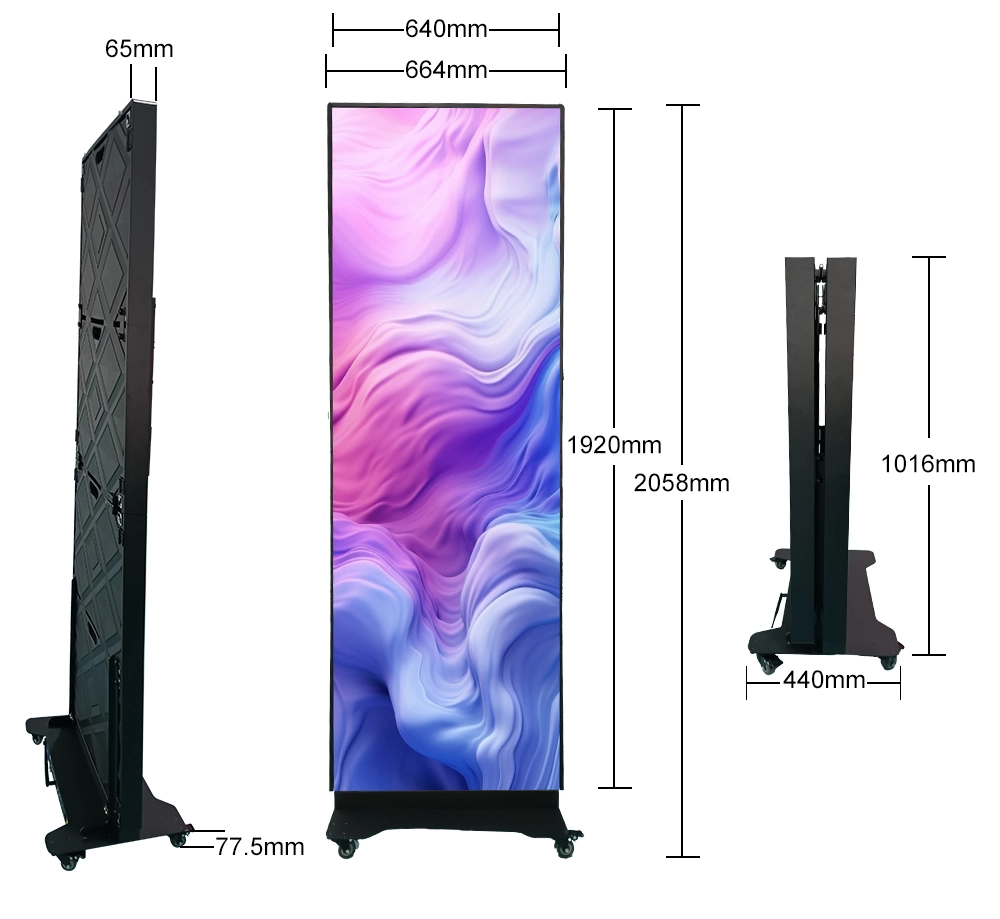
Followed is new style led screen for rental usage from TW VISION.
Why a Rental LED Display Is Ideal for Events
A rental screen is designed specifically for temporary use, which makes it different from fixed LED installations. Event environments often require fast assembly, easy transport, modular design, and dependable performance under changing conditions. Rental-focused panels are engineered to meet those needs without sacrificing image quality.
One major reason event professionals prefer this solution is flexibility. Screen sizes can be customized for a small corporate seminar or a massive outdoor concert. Because panels connect seamlessly, organizers can build wide backdrops, tall portrait displays, curved walls, or creative stage designs. This adaptability makes a rental screen suitable for diverse venue layouts and audience sizes.
Another advantage is brightness and visibility. Compared with projectors or standard monitors, LED displays perform better in environments with strong ambient light. That is especially important for exhibitions, sports events, storefront launches, and outdoor functions where daylight can reduce screen clarity. A properly specified LED wall stays visible and vibrant even from a distance.
Durability also matters. Temporary events involve repeated loading, unloading, setup, dismantling, and transport. Rental panels typically feature lightweight cabinets, quick-lock systems, and reinforced edges that simplify handling. For event production teams working under tight schedules, these features save time and reduce operational stress.
In addition, content management is easier than many first-time buyers expect. Modern LED control systems support video, live camera feeds, presentations, branding loops, sponsor messages, and interactive content. This makes a rental led screen not just a visual element, but a strategic communication platform that can support engagement and revenue goals.
Key Features to Look for in a Rental LED Display Screen
Choosing the right the approach starts with understanding the technical and practical features that affect performance. Not every event needs the same specifications, so evaluating the display based on venue, viewing distance, and content type is essential.
Pixel Pitch
Pixel pitch refers to the distance between LED pixels. A smaller pitch means higher resolution and better image quality at closer viewing distances. For indoor conferences, exhibitions, and product launches, finer pitches are often preferred because guests may stand near the display. For large outdoor concerts or festivals, a larger pitch can still look excellent because viewers are farther away.
Brightness
Brightness is measured in nits. Indoor events typically require lower brightness than outdoor installations. If the display will be used in direct sunlight or bright daytime conditions, high brightness is critical. A rental led display screen selected without the proper brightness level may look washed out, reducing content impact.
Refresh Rate
Refresh rate affects how smooth video appears, especially on camera. For events that involve live streaming, recording, or broadcast production, a high refresh rate is important. It helps reduce flicker and ensures professional-looking visuals for both on-site attendees and remote viewers.
Cabinet Design and Assembly
Rental applications demand efficient setup. Look for lightweight cabinets, quick-lock mechanisms, precise alignment, and front or rear maintenance access. These features help technicians build the wall faster and keep the display looking seamless.
Indoor vs. Outdoor Protection
Outdoor events need weather-resistant equipment with appropriate ingress protection. Wind load, rain exposure, dust, and temperature variation must all be considered. An indoor this may offer excellent resolution, but it will not be suitable for harsh environmental conditions.
Control System Compatibility
A reliable control system allows easy switching between content sources such as laptops, media servers, cameras, and presentation systems. The best setups also support scaling, color calibration, and real-time adjustments, which are valuable during live event production.
Common Applications Across Industries
A these is used in a wide range of industries because it can serve branding, communication, entertainment, and information-sharing purposes at the same time. Its versatility is one of the main reasons demand continues to grow.
In corporate events, LED screens are often used as stage backdrops, presentation walls, and entrance displays. They help reinforce branding while ensuring slides, videos, and live speaker feeds remain visible across the venue. Conferences benefit from strong clarity, especially when presenting charts, text, and multimedia content.
Trade shows and exhibitions also rely heavily on LED technology. A booth with a they can stand out in a crowded exhibition hall, attract foot traffic, and create a more immersive brand experience. Instead of static banners alone, exhibitors can display product videos, customer testimonials, and promotional visuals that change throughout the day.
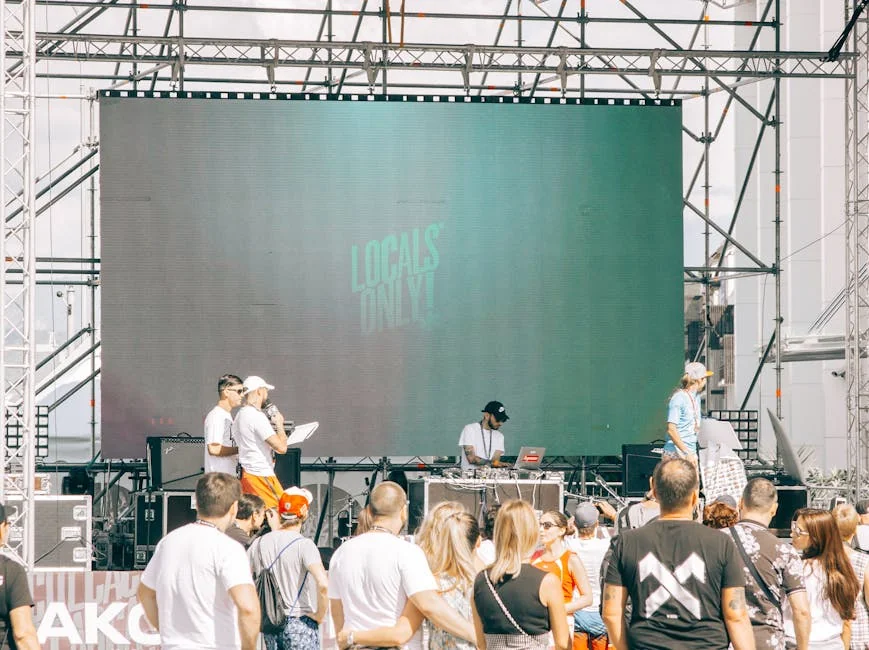
Concerts and festivals are another major use case. Large-format LED walls bring performers closer to the audience by showing live camera feeds, graphics, and synchronized visual effects. In these high-energy settings, the display becomes central to the audience experience.
Retail activations and product launches use LED screens to make announcements more dramatic and memorable. Brands can unveil products with motion graphics, cinematic visuals, and countdowns that build excitement. The temporary nature of a the concept makes it perfect for campaigns that last only a few hours or days.
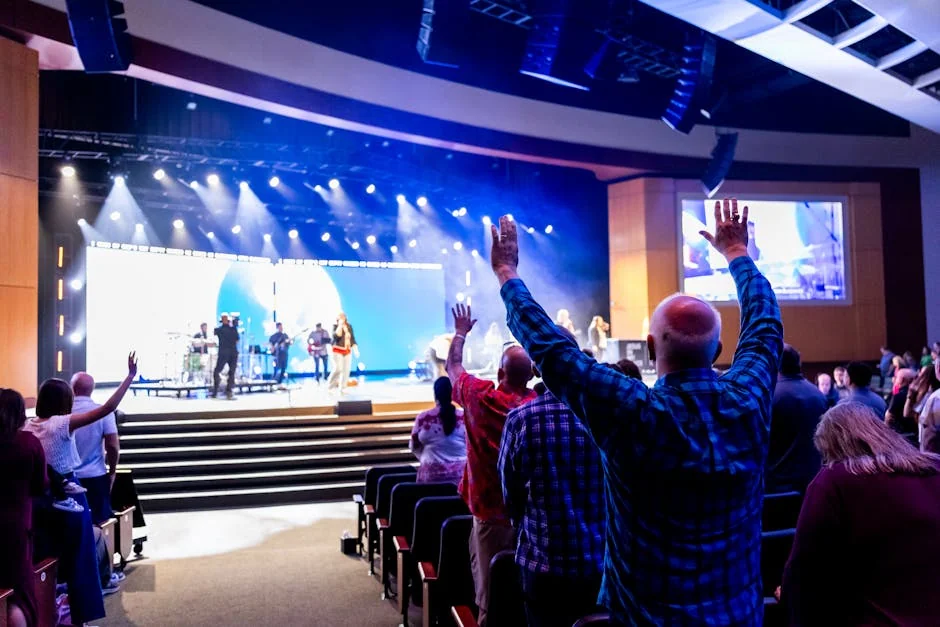
Sports events, award ceremonies, houses of worship, fashion shows, and public gatherings also benefit from rental LED solutions. In each case, the screen supports audience engagement by improving visibility, communication, and emotional impact.
How to Choose the Right Rental LED Display Screen Provider
Selecting a the approach is only part of the process. Choosing the right provider is equally important because the supplier affects everything from equipment quality to technical support and on-site execution.
Start by reviewing the provider’s event experience. A company that regularly supports conferences may not have the same capabilities as one that handles major outdoor concerts. Ask for examples of similar projects, photos, case studies, and references. Experience in your event category often leads to better planning and fewer technical surprises.
Next, evaluate the quality of the inventory. Reliable providers maintain modern panels with consistent color output, secure locking systems, and tested components. If possible, request a demo or visual sample. A professional supplier should be transparent about pixel pitch, brightness, refresh rate, and controller brand.
Technical support is another critical factor. A rental led display should come with proper setup assistance, testing, and troubleshooting. Some providers offer full-service packages that include transport, rigging, installation, operation, and dismantling. This can be extremely valuable for organizers who do not have an in-house AV team.
Logistics should also be discussed in detail. Confirm delivery timing, access requirements, venue restrictions, power needs, structural support, and backup plans. A good provider will raise these questions early rather than leaving them unresolved until installation day.
Budget matters, but value matters more. The cheapest quote may exclude essential services or use older equipment that increases risk. Compare proposals carefully and check whether the package includes processors, cabling, spare panels, technicians, content testing, and on-site supervision. Investing in a reputable vendor can protect both event quality and brand reputation.
Cost Factors, Planning Tips, and Best Practices
The price of a rental led display screen can vary significantly depending on several factors. Understanding these variables helps event planners make smarter decisions and avoid unnecessary spending.
Screen size is one of the biggest cost drivers. Larger walls require more panels, more rigging, more transport capacity, and more installation time. Pixel pitch also affects pricing; finer pitches generally cost more because they offer higher resolution. Indoor and outdoor specifications can differ as well, with outdoor products often costing more due to brightness and weatherproofing requirements.
Rental duration is another major factor. A one-day event may have different pricing from a week-long exhibition, especially when labor, storage, and support are included. Location can also influence total cost due to transport distance, venue access conditions, local labor rates, and setup complexity.
To maximize return on investment, begin planning early. Define the purpose of the display before requesting quotes. Will it be used for presentations, advertising, live video, or immersive stage design? Clear goals help suppliers recommend the most suitable system instead of overselling unnecessary features.
Content preparation is equally important. Even the best rental led display screen cannot compensate for poorly formatted visuals. Create content in the correct resolution and aspect ratio, test videos in advance, and make sure text is readable from expected viewing distances. If live camera feeds will be used, coordinate with the production team to ensure signal compatibility.
It is also wise to consider audience position. Viewing distance, seating layout, and venue dimensions all influence screen size and pixel pitch decisions. A smaller high-resolution display may outperform a larger low-resolution wall in some indoor settings.
Finally, always have a backup plan. Ask the provider about spare panels, redundant processing, technical support during the event, and emergency response procedures. Live events leave little room for error, so reliability should be treated as a core requirement rather than an optional benefit. With proper planning, a rental led display screen can deliver excellent visual impact while staying aligned with operational and financial goals.
FAQ
What is a rental LED display screen used for?
A rental led display screen is used for temporary events such as conferences, concerts, exhibitions, weddings, product launches, festivals, retail activations, and corporate presentations. It provides bright, high-quality visuals that are easy to install and remove after the event.
How do I choose the right rental LED display screen size?
The best rental led display screen size depends on venue dimensions, audience distance, content type, and stage layout. Larger venues usually need bigger displays, while close-viewing indoor spaces may require a smaller screen with finer pixel pitch for better clarity.
Is a rental LED display screen suitable for outdoor events?
Yes, a rental led display screen can be ideal for outdoor events if it is designed with sufficient brightness and weather resistance. Outdoor models are built to handle sunlight, rain, and environmental challenges better than indoor-only panels.
How much does a rental LED display screen cost?
The cost of a rental led display screen depends on screen size, pixel pitch, rental duration, installation complexity, location, and support services. Prices can vary widely, so it is best to request a customized quote based on your event needs.
Can a rental LED display screen show live video and presentations?
Yes, a rental led display screen can display live camera feeds, presentation slides, videos, sponsor content, branding graphics, and interactive media when connected to the appropriate control system and input sources.
Conclusion
A rental led display screen is a smart solution for event organizers who need flexibility, visual impact, and professional performance without committing to a permanent installation. From corporate meetings and trade shows to concerts and outdoor festivals, it offers the brightness, scalability, and versatility needed to elevate audience engagement.
When selecting a rental led display screen, focus on practical factors such as pixel pitch, brightness, refresh rate, weather resistance, provider experience, and support services. Careful planning, high-quality content, and a trusted rental partner can make the difference between an average setup and a memorable event experience. By matching the display to your venue, audience, and event goals, you can create a stronger brand presence and deliver visuals that truly stand out.
