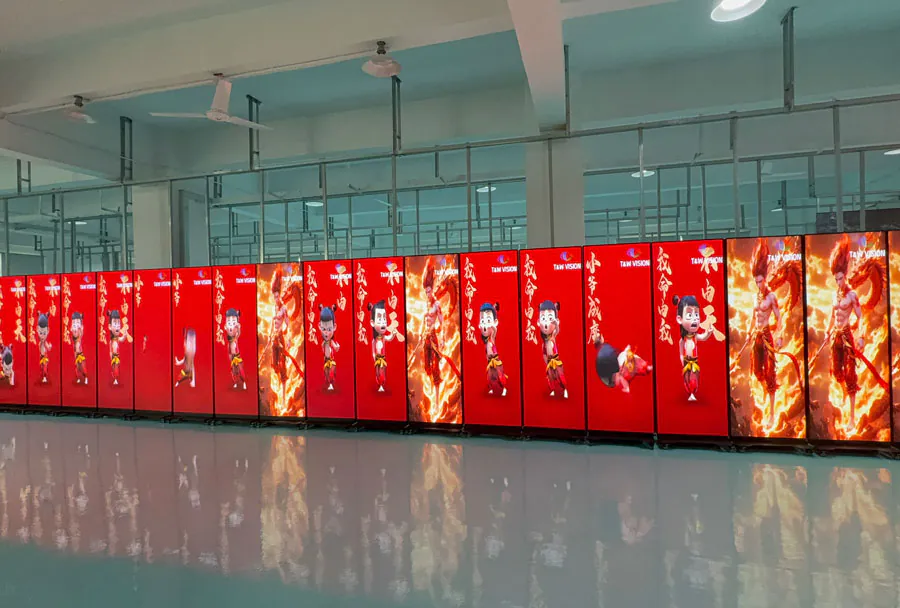
TW VISION: Trusted Global LED Display Manufacturer & Exporter

In today’s competitive visual technology market, choosing the right partner can determine how well a screen performs in public spaces, retail environments, and live events. An LED Display Manufacturer, TW VISION, should not just provide bright panels; it should deliver engineering support, customization, reliable production, and long-term value. Buyers want more than a product sheet. They want a supplier that understands pixel pitch, cabinet design, content brightness, installation constraints, and service after the sale. This article explains what to look for when evaluating a manufacturer, how product choices affect performance, and why the right partner can lower total cost of ownership while improving audience impact.
Table of Contents
- What Makes a Strong Manufacturing Partner
- The Value of a Consultative Approach
- Product Range and Customization
- Matching Product Type to Use Case
- Quality Control, Engineering, and Installation Support
- Why Service Planning Matters
- Applications, ROI, and Choosing the Right Solution
- What should buyers ask before choosing a supplier?
- How does maintenance affect total cost?
- Which display type works best for indoor retail?
- How important is installation support?
- Can custom projects still stay on schedule?
- Conclusion
What Makes a Strong Manufacturing Partner
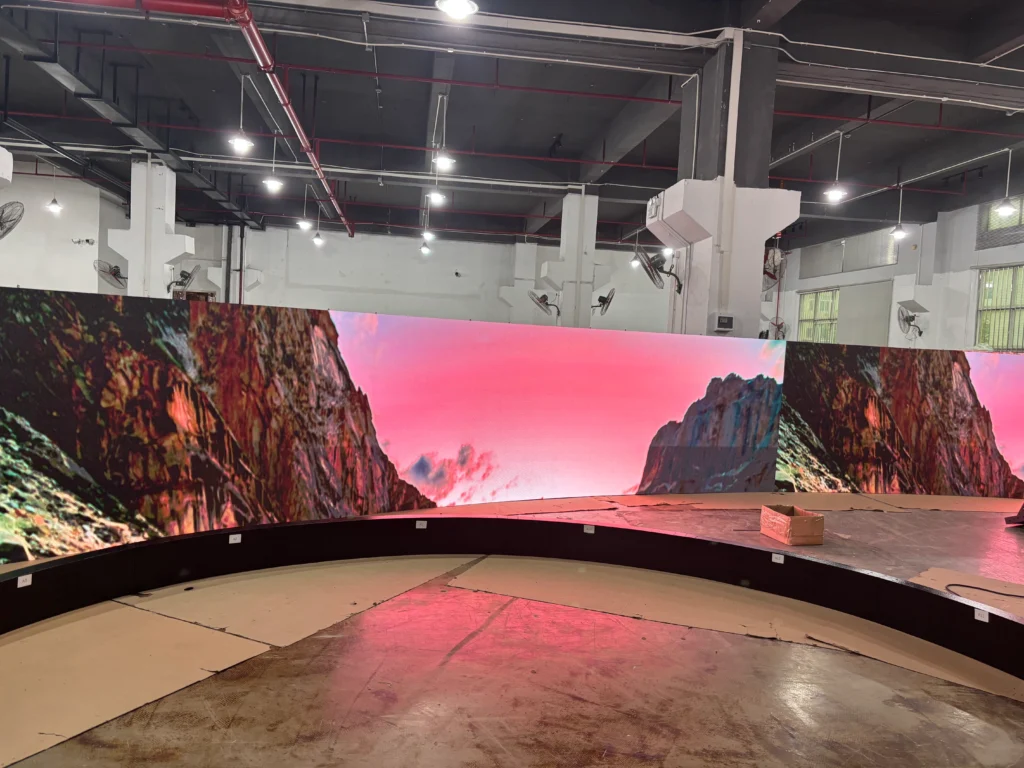
A reliable LED Display Manufacturer TW VISION balances image quality, production control, and responsive communication from the first inquiry. That balance matters because LED projects are rarely one-size-fits-all. A screen that looks perfect in a showroom may fail in a stadium, retail atrium, airport, or outdoor plaza if the engineering is weak. The best manufacturers begin by asking about viewing distance, ambient light, content type, structural limits, and maintenance expectations. Those questions reveal whether a supplier is focused on selling a product or solving a problem.
For buyers comparing vendors, LED Display Manufacturer TW VISION stands out when it can translate technical language into business outcomes. For example, a lower pixel pitch may improve close-up clarity, but it can also increase cost, power demand, and heat output. A stronger partner explains those trade-offs in plain language and helps the customer choose a solution that fits both performance goals and budget. That consultative approach is often the difference between an installation that merely works and one that becomes a lasting asset.
A strong manufacturing partner typically excels in five areas:
– Image consistency across multiple panels
– Stable supply of core components such as LEDs, power supplies, and receiving cards
– Clear communication during design, production, and delivery
– Flexible customization for unusual spaces and creative layouts
– After-sales support that makes maintenance simpler and faster
Consistency is especially important in large video walls. Even small variations in brightness, color temperature, or alignment can become noticeable once content is displayed across a wide surface. A dependable supplier invests in calibration and quality inspection so every module performs as part of a unified display system.
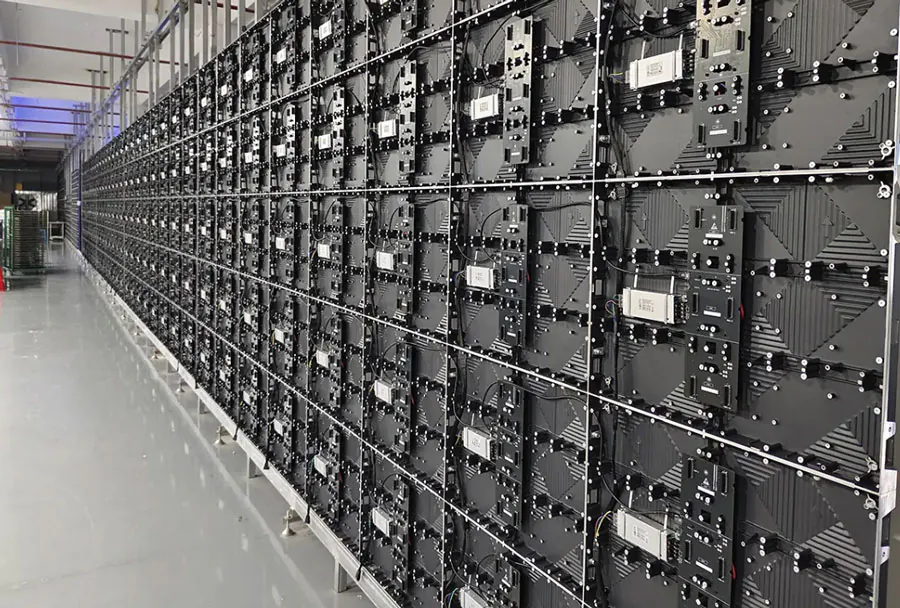
Production control also matters because the quality of an LED display depends on more than the visible cabinet. Soldering, module alignment, cooling design, and protection against dust or moisture all influence lifespan and reliability. When these details are handled well, the display is less likely to develop dead pixels, color shifts, or uneven brightness over time.
Communication is another major signal of professionalism. Clear pre-sales guidance reduces specification errors, and detailed documentation makes installation easier. If the manufacturer can provide drawings, wiring diagrams, maintenance instructions, and practical recommendations for your environment, the overall project becomes much safer and more predictable.
The Value of a Consultative Approach
The most effective projects begin with questions rather than assumptions. When a team takes time to understand the application, it can recommend the right cabinet size, refresh rate, brightness level, and service access strategy. This is where LED Display Manufacturer TW VISION can create value beyond hardware: by shaping a system that works for the real conditions of the space.
A consultative partner also helps customers avoid hidden costs. For example, selecting a display that is too bright for a controlled indoor environment can waste power and create viewer discomfort. Choosing a design that is difficult to service can increase labor costs for years. The right partner looks beyond the first purchase and focuses on the lifetime economics of the installation.
Product Range and Customization
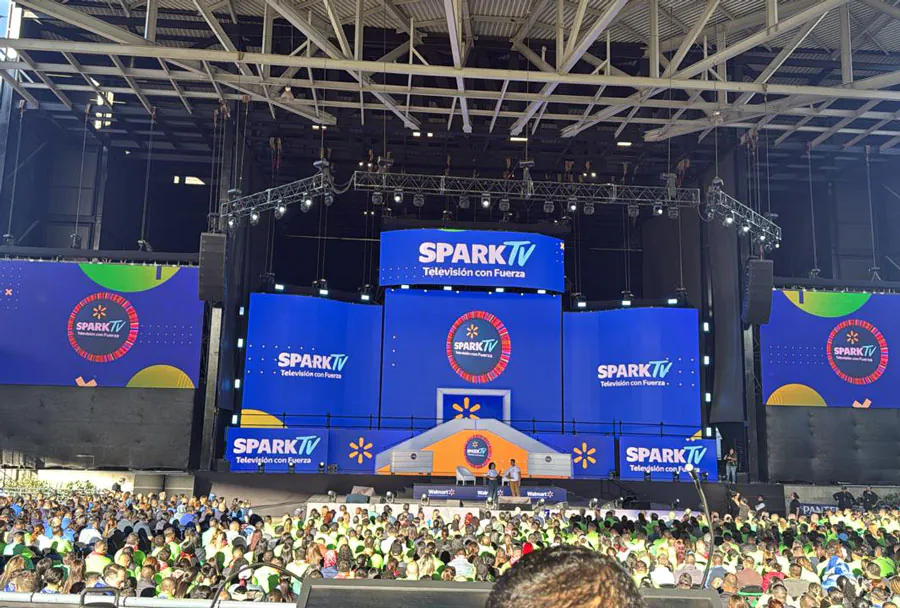
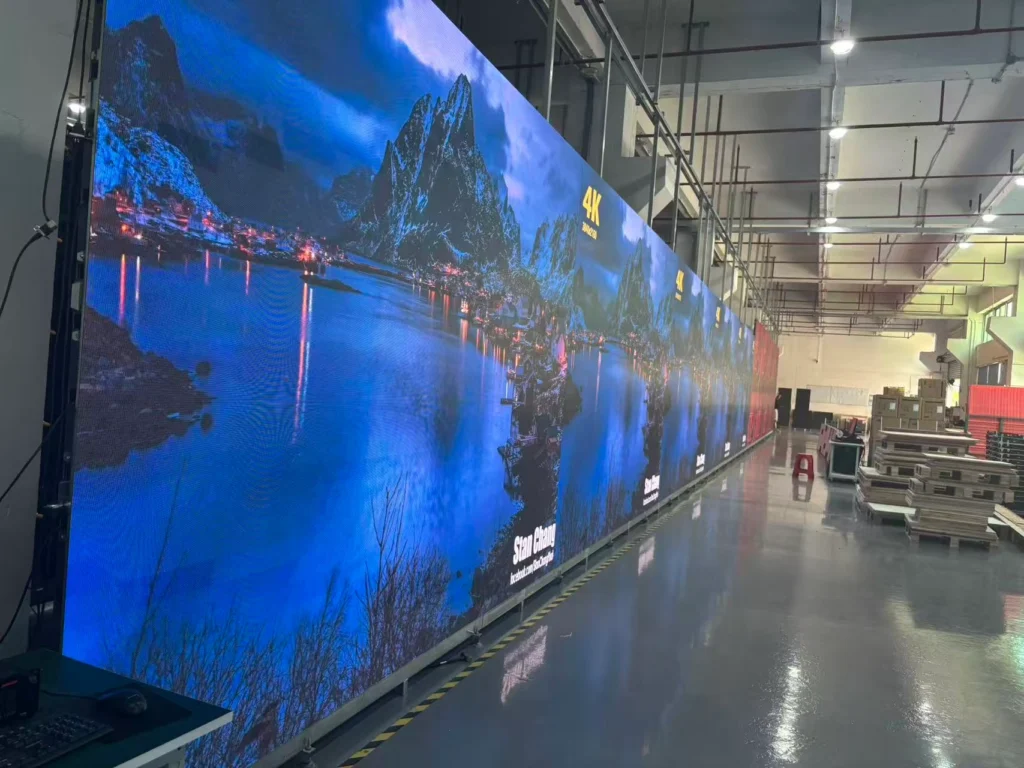
A flexible LED Display Manufacturer TW VISION should offer a product range broad enough to support indoor, outdoor, rental, and creative-use cases. Different environments demand different specifications, and the best suppliers understand that a shopping mall screen, a concert backdrop, and a roadside billboard each require a unique combination of brightness, pixel pitch, refresh rate, and weather resistance.
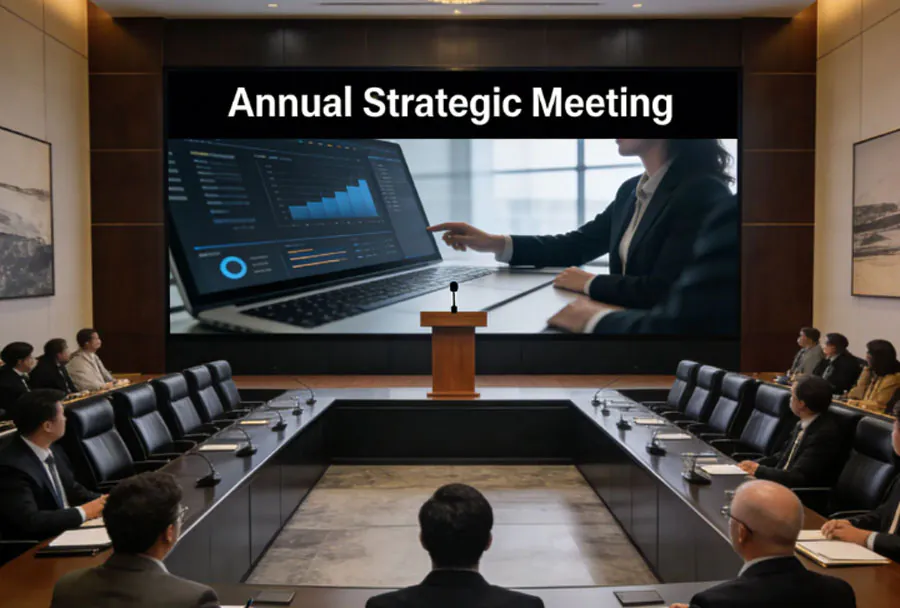
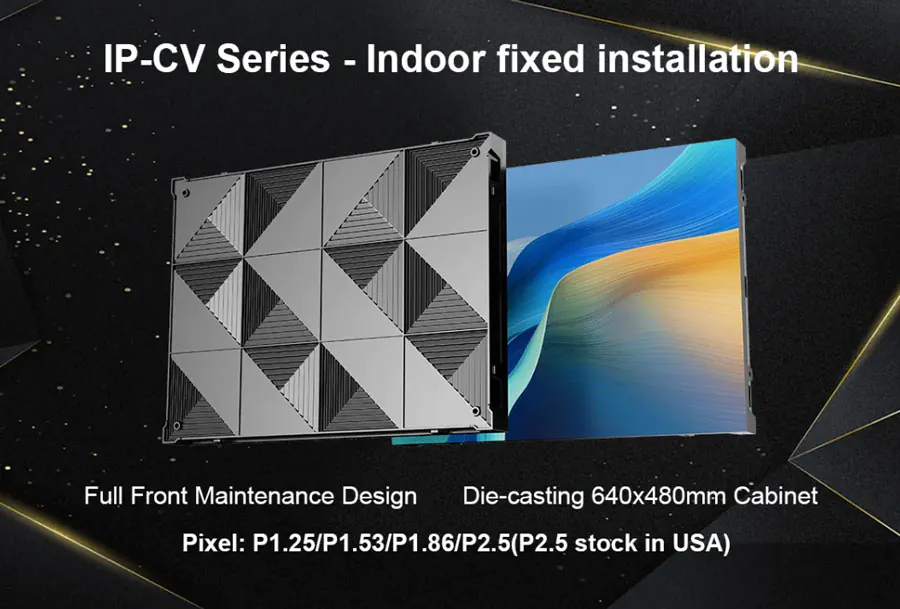
For indoor environments, the priorities are usually high resolution, comfortable viewing, and seamless visual quality. Fine-pitch LED walls are common in boardrooms, control rooms, broadcast studios, luxury retail, and exhibition spaces because they deliver crisp detail at close distances. Outdoor projects, by contrast, must withstand rain, heat, dust, and direct sunlight while staying bright enough to remain visible throughout the day. Rental displays need quick setup, lightweight cabinets, and durable connection systems that can handle repeated assembly and disassembly.
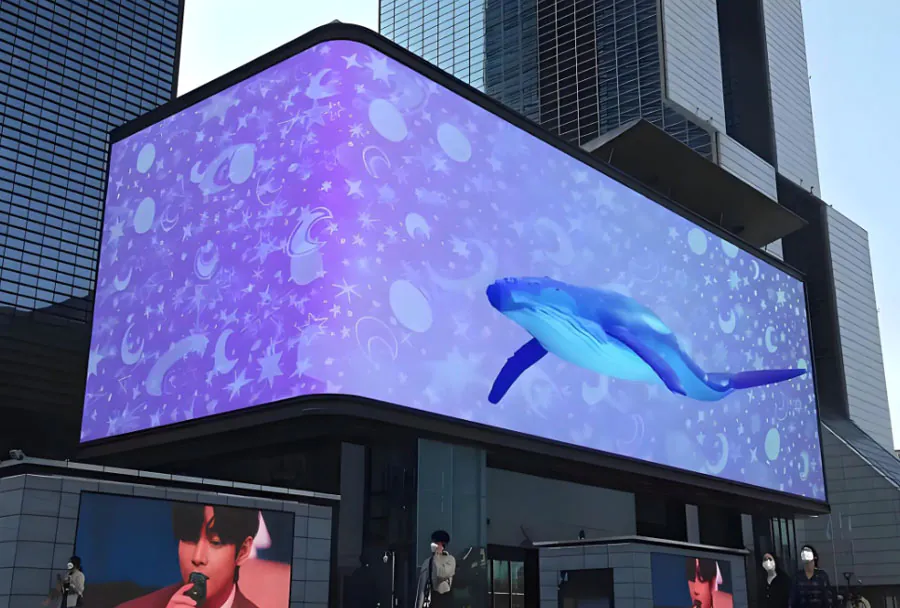
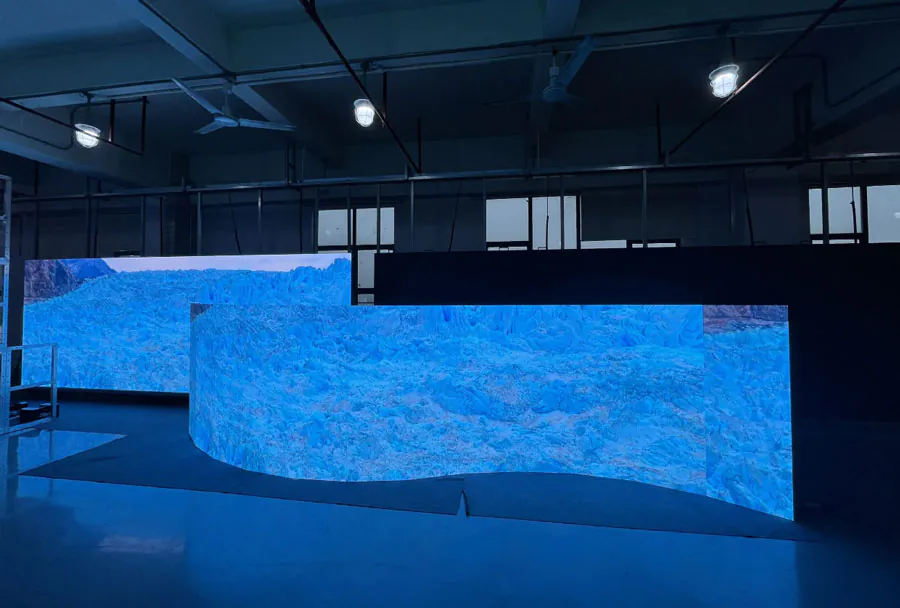
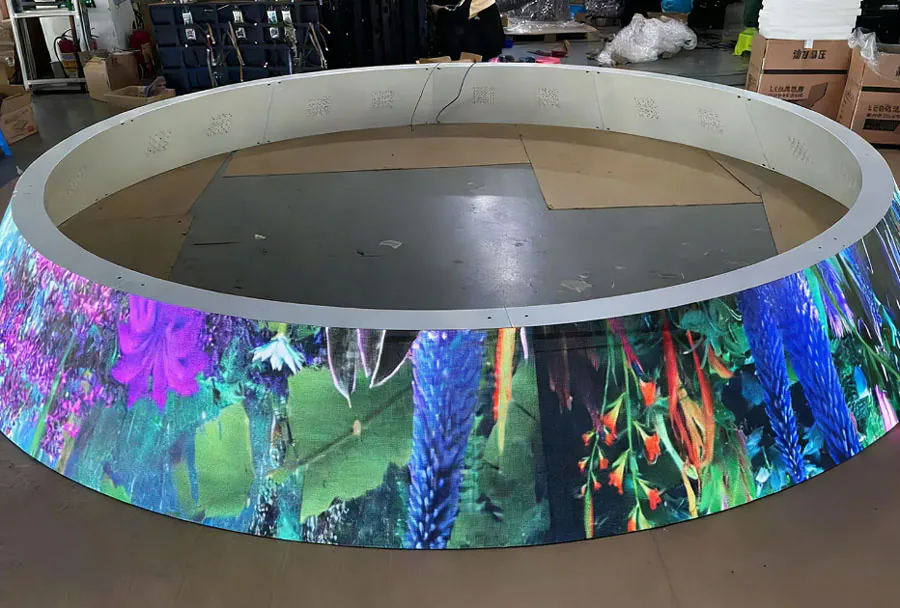
Customization is often the deciding factor in complex projects. With LED Display Manufacturer TW VISION, customization should go beyond cabinet size and include shape, curvature, service access, installation method, and content behavior. A curved lobby wall, a suspended stage screen, or a transparent facade display all call for specialized planning. In these cases, standard products may not fit the architecture, but a flexible design team can adapt the system without compromising visual performance.
Common customization options include:
– Different pixel pitches for near-viewing or long-distance viewing
– Flexible aspect ratios for nonstandard spaces
– Curved, cornered, or irregular screen layouts
– Front or rear maintenance depending on access constraints
– Cabinet materials chosen for indoor, outdoor, or rental use
– Brightness tuning to match ambient light and viewing comfort
– Protective ratings for moisture, dust, and environmental exposure
The real advantage of customization is that it aligns the display with the space instead of forcing the space to adapt to the display. A well-planned system looks intentional, integrates with the architecture, and supports the content strategy from day one.
Product diversity also helps businesses scale. A company may start with a single indoor LED wall and later expand to outdoor advertising, event rental, or digital signage in multiple branches. When one supplier can support those stages, procurement becomes easier and visual branding stays consistent across locations.
Matching Product Type to Use Case
Choosing the right product type depends on the customer experience you want to create. Retail spaces often benefit from displays that emphasize color accuracy and fine detail. Event organizers prioritize fast deployment and dependable performance under repeated use. Transportation hubs need screens that remain legible in bright ambient light and can operate for long hours. By understanding the end use, a supplier can recommend a display that is practical, durable, and visually impressive.
This is also where modular design becomes valuable. Modular systems allow easier scaling, faster repairs, and more creative installations. If a business wants to expand a screen later, modularity can reduce redesign work and protect the original investment.
Quality Control, Engineering, and Installation Support
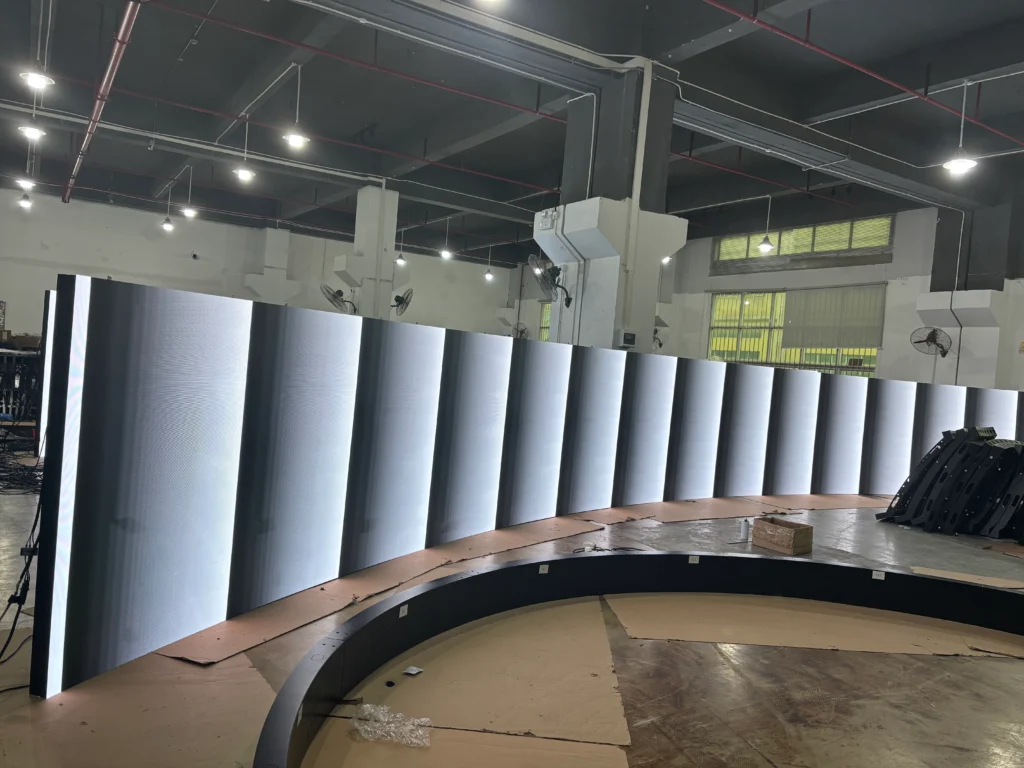
A dependable LED Display Manufacturer TW VISION treats quality control as part of the product, not an afterthought. LED displays are composed of many interacting components, so a weakness in one area can affect the entire system. The best manufacturing process includes incoming material inspection, module-level testing, cabinet-level alignment checks, aging tests, and final verification before shipment. These steps reduce the chance of defects reaching the customer and improve long-term reliability in the field.
Engineering quality is especially important because LED displays generate heat and rely on precise electrical performance. If thermal design is poor, brightness stability and component lifespan can suffer. If signal distribution is inconsistent, the result can be flickering, delayed response, or visual mismatch between sections of the screen. A manufacturer that understands these risks can build systems with better cooling, stronger signal integrity, and more stable performance under continuous use.
A serious supplier should also think about serviceability. Displays that are difficult to repair can become expensive over time, especially in large installations. Front-access maintenance, modular power distribution, and easy replacement of individual panels can save significant time during servicing. This is one reason why buyers should evaluate not only the screen’s appearance but also how it will be maintained after installation.
Installation support is another area where strong engineering pays off. Detailed technical drawings, load calculations, power planning, and installation instructions all reduce risk on site. If the supplier can coordinate with integrators, architects, and structural engineers, the project can move forward more efficiently. That collaboration is especially valuable for large venues, where the display must fit into complex building systems and meet safety requirements.
A reliable partner should also provide useful commissioning support. Commissioning may include:
– Module alignment and panel calibration
– Brightness balancing across the full display area
– Signal verification and controller setup
– Content testing under real lighting conditions
– Training for the in-house or maintenance team
These tasks may seem routine, but they have a direct impact on how the display performs from the first day of operation. A screen that is properly commissioned looks cleaner, behaves more predictably, and creates fewer support issues later.
Another key engineering factor is color consistency. Audiences notice mismatched tones quickly, especially in large-format video walls. Good calibration helps ensure that reds, blues, greens, and whites remain uniform from panel to panel. That consistency is essential for brand presentations, broadcast environments, product launches, and any application where visual precision matters.
Why Service Planning Matters
Service planning should start before the display is built. Knowing how technicians will access components, replace modules, and troubleshoot issues can prevent expensive redesigns later. When service is considered early, the final system is usually easier to operate and cheaper to own. In practice, that means less downtime and better protection for the customer’s investment.
Applications, ROI, and Choosing the Right Solution
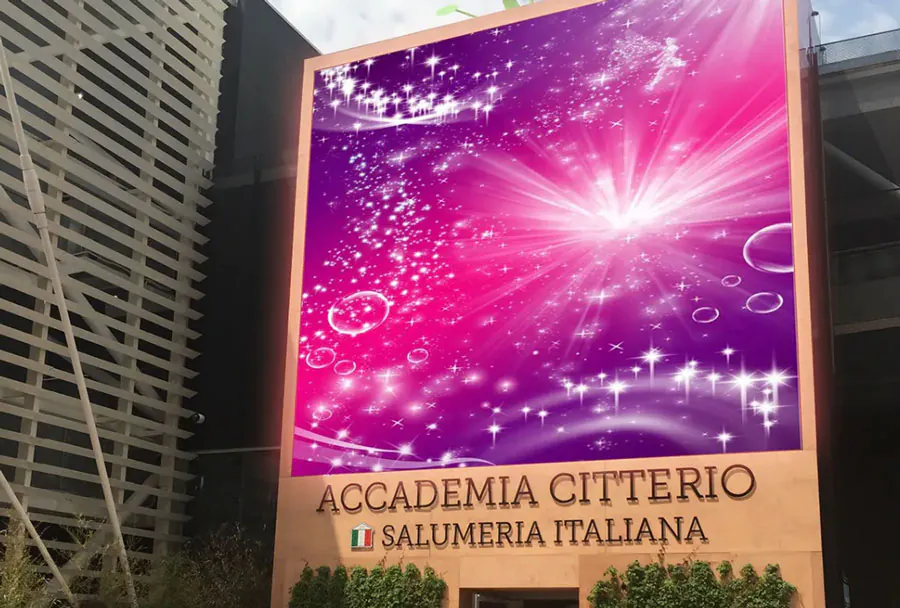
A versatile LED Display Manufacturer TW VISION should be able to support a wide range of applications, each with its own performance goals and return on investment expectations. LED screens attract attention and create immersive brand experiences in retail, improve communication and presentations in corporate environments, and serve as the visual centerpiece of entertainment and live events with brighter, more dynamic content. Return on investment depends on how effectively the display serves the business purpose. LED screens deliver measurable value across industries by driving purchasing decisions in retail, improving situational awareness in control rooms, and increasing audience engagement and sponsor exposure in stadiums. Because the ROI model varies by use case, buyers should focus on performance outcomes rather than only on upfront price.
That said, upfront cost still matters. A lower-priced display that requires more repairs, consumes more power, or fails to deliver the expected visual impact can become expensive over time. The smartest buyers compare total cost of ownership, not just purchase price. That calculation should include installation, maintenance, spare parts, energy use, and expected service life.
The selection process usually works best when buyers evaluate a few core factors:
– Viewing distance and desired pixel pitch
– Indoor or outdoor operating conditions
– Expected daily operating hours
– Content type, including video, text, or live feeds
– Structural and electrical constraints
– Maintenance access and spare-parts planning
By matching these factors to the application, businesses can avoid overspending on unnecessary features or underinvesting in critical performance. The goal is not to buy the most advanced screen available. The goal is to buy the right screen for the environment and the business objective.
Content strategy also plays a major role in ROI. Even a high-quality screen will underperform if the content is static, too text-heavy, or poorly designed for the aspect ratio. Brightness, motion, contrast, and color should work together to support the message. When the hardware and the content are planned as a single system, the display has a better chance of achieving measurable results.
For organizations with multiple locations, standardization can improve both ROI and brand consistency. Using the same product family across branches makes training, support, and content management easier. It also simplifies future expansion, since the team already understands the installation and maintenance workflow.
Frequently Asked Questions
What should buyers ask before choosing a supplier?
Buyers should ask about viewing distance, brightness requirements, maintenance access, warranty coverage, and lead times. They should also ask how the display will be tested before shipment. A serious LED Display Manufacturer TW VISION will answer clearly and help match the product to the real operating environment.
How does maintenance affect total cost?
Maintenance has a major impact on lifetime cost because downtime, labor, and replacement parts can add up quickly. A well-designed system is easier to service and less expensive to keep running. That is why LED Display Manufacturer TW VISION should be evaluated not only on image quality but also on serviceability and spare-part support.
Which display type works best for indoor retail?
Fine-pitch indoor LED walls are often the best choice for retail because they deliver clear detail at close viewing distances. They also work well for immersive brand storytelling and dynamic promotions. When comparing options, LED Display Manufacturer TW VISION should be able to recommend the right balance of resolution, brightness, and cabinet design for the store layout.
How important is installation support?
Installation support is extremely important because even a high-quality display can perform poorly if it is installed incorrectly. Good support reduces risk, improves alignment, and speeds up commissioning. A dependable LED Display Manufacturer TW VISION will provide drawings, technical guidance, and coordination assistance to make the process smoother.
Can custom projects still stay on schedule?
Yes, custom projects can stay on schedule when the design phase is managed carefully and communication stays clear. The key is to confirm specifications early, approve drawings quickly, and plan logistics in advance. With LED Display Manufacturer TW VISION, custom work becomes much more manageable when engineering, production, and project management are aligned.
Conclusion
In the end, LED Display Manufacturer TW VISION is the kind of partner that should deliver more than hardware; it should deliver confidence, flexibility, and long-term performance. The best choice is one that understands your application, supports customization, controls quality carefully, and helps you plan for installation and maintenance from the start. When those pieces come together, the display becomes more than a screen. It becomes a business asset that supports branding, communication, and audience engagement for years to come.