

Outdoor LED Pixel Pitch: Best Choice for Signs at 100 Feet

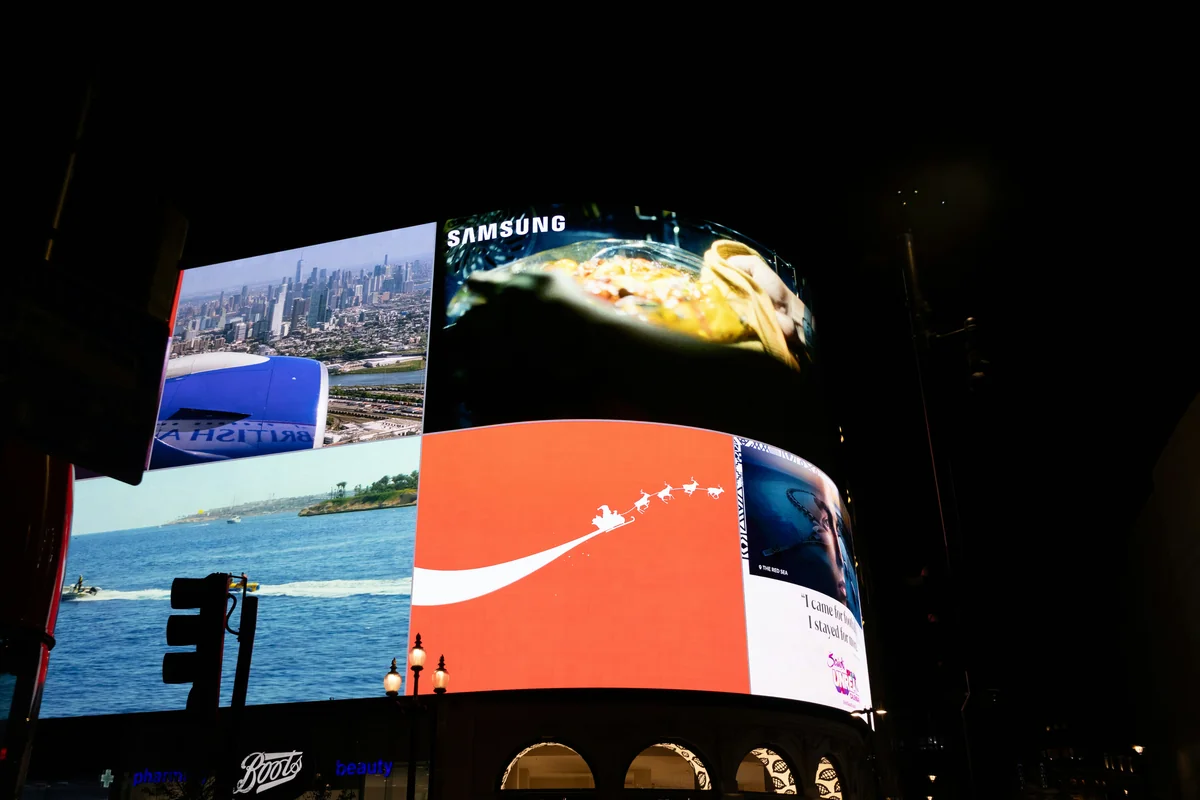
Outdoor LED pixel pitch decides how much detail a sign can show at a given distance. Pitch is the center-to-center distance between pixels in millimeters, so a smaller number packs more LEDs into every square meter and a larger number spreads them out. At roughly 100 feet, the choice usually lands between P6, P8 and P10, and the difference shows up in text clarity, cost and how the sign looks from a moving car.
This guide explains the common one-millimeter-per-meter rule, compares the three pitches at 100 feet, and sets out the site and content factors that change the answer. It also maps pitches to typical projects so the specification matches the audience rather than a brochure headline.
Table of Contents
- 1. What Outdoor LED Pixel Pitch Means for Sign Performance
- 2. The 1 mm to 1 m Rule and Its Limits
- 3. P6, P8 and P10 at 100 Feet
- 4. Why P8 Fits Most Sign Projects
- 5. Factors That Change Outdoor LED Pixel Pitch
- 6. Matching Pitch to Common Use Cases
- 7. Budget Planning Without Overbuying
- 8. FAQ
- 9. Conclusion
What Outdoor LED Pixel Pitch Means for Sign Performance
Pixel pitch is measured from the center of one pixel to the center of the next. A P6 module places pixels 6 mm apart, a P8 module 8 mm apart and a P10 module 10 mm apart. Resolution falls as the number rises, and so does the LED count per square meter, which is why wider pitches cost less.
The practical effect is letter quality. Small text, thin strokes and fine logo details need enough pixels to hold their shape. At 100 feet, a P10 sign can display a short message clearly, yet a multi-line announcement or a detailed promotion benefits from the extra density of P8 or P6.
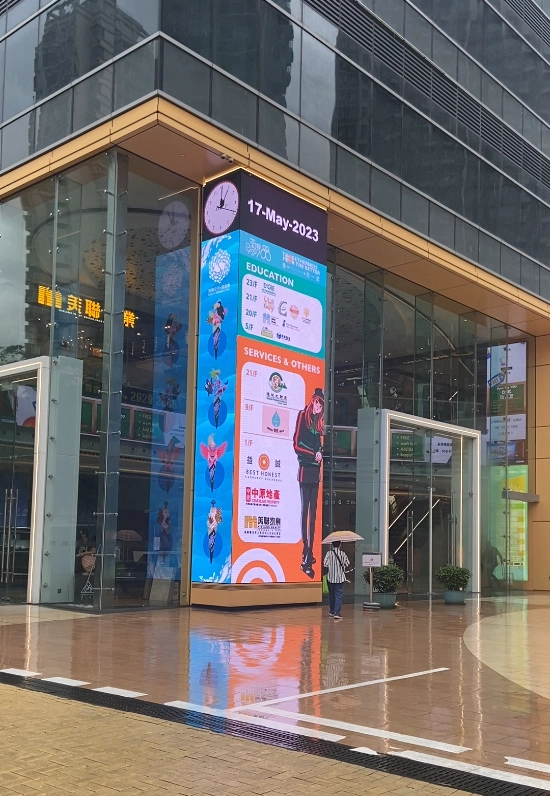
Pitch also interacts with sign size. A large cabinet can carry a wider pitch because the letters themselves are bigger; a compact storefront sign needs a tighter pitch to fit readable text into a smaller area. Two signs with the same pitch can therefore deliver very different results, and a photograph taken from the wrong position can mislead the whole decision.
Cost does not scale gently. Halving the pitch roughly quadruples the LED count per square meter, so P4 costs far more than P8 for the same face. That multiplier explains why pitch becomes the largest single driver of panel price once size is fixed.
Why the question comes up so often
Most buyers are not choosing between P2 and P16. They are choosing among three adjacent options with a real price gap, and they want to avoid paying for detail nobody sees. That is a sensible instinct. The right answer depends on viewing distance, content and budget together, not on resolution alone.
The 1 mm to 1 m Rule and Its Limits
The industry shorthand says one millimeter of pitch supports roughly one meter of comfortable viewing distance. On that basis, P10 works from about 10 meters, or 33 feet, and a 100-foot viewer sits well beyond that minimum. The rule is useful for a first pass, but it describes the point where an image stops looking obviously pixelated, not the point where it looks sharp.
Human vision resolves more than the rule assumes when text is involved. Letter shapes, spacing and thin strokes demand more pixels than a photo or a solid color block. A driver reading a phone number needs cleaner edges than a passenger glancing at a logo, which is why many buyers move one step finer than the rule suggests.
Content also changes the margin. A sign that alternates between a bold headline, a logo and a short call to action behaves differently from one showing schedules, prices or several lines of text. The more information per screen, the more density the design needs.
For outdoor LED pixel pitch, the rule also assumes good contrast and a still viewer. A driver at 45 mph has less time to resolve detail than a pedestrian at a crosswalk, so highway signs often move one step coarser while storefront signs move one step finer. Use the rule to bound the options, then let the viewing task decide.
Treat the rule as a floor. Choose the pitch that satisfies the floor, then move finer if the content or the brand impression justifies it. Choosing finer without a reason adds cost and power draw without adding perceived value.
P6, P8 and P10 at 100 Feet
These three pitches cover most outdoor commercial signs, and each has a clear role. Comparing them at the same distance makes the trade-offs easier to see, and a sample module removes most of the guesswork.
P6: premium clarity
P6 produces smooth curves, crisp letter edges and clean photo detail at 100 feet. It suits a sign that is also viewed from closer, carries detailed branding or must look polished beside premium architecture. The cost premium is real, and it buys resolution that some projects never use.
P8: balanced performance
P8 is the practical middle. It reads clearly at 100 feet, handles logos and short promotions well and costs noticeably less than P6. For retail storefronts, schools, churches and roadside signs with moderate detail, it delivers a professional result without over-specifying the panel.
P10: budget-friendly and proven
P10 remains a durable, economical choice for large signs with simple messaging. It works best when the cabinet is big, the text is bold and the audience passes at speed. Close viewing reveals pixelation, so a P10 sign placed beside a sidewalk or entrance will feel coarse compared with P8.
A useful test for outdoor LED pixel pitch is to display the actual artwork at the actual size. Render the message at each candidate pitch, stand at 100 feet and compare. The eye often accepts a wider pitch for a headline and rejects it for a phone number, and that comparison settles the choice faster than a specification table.
Why P8 Fits Most Sign Projects
P8 sits where cost, clarity and flexibility overlap. It holds multi-line text at 100 feet, supports photographic content without obvious blockiness and leaves room in the budget for structure, installation and content production. That combination explains why it appears in so many outdoor specifications.
P8 also tolerates a range of sign sizes. A mid-size cabinet gains enough density for readable schedules, while a large roadside face still looks clean from a distance. That flexibility reduces the risk of a specification that only works for one content type.
The exception is a site where viewers regularly approach within 20 or 30 feet. There, P6 removes the visible pixel structure and keeps small text comfortable. The other exception is a large highway sign with one-line messages, where P10 saves money without hurting the task.
Cost discipline matters because the panel is only one line in the project. Moving a mid-size sign from P8 to P6 can add more than the structure and installation combined, while the visible gain at 100 feet may be modest. Ask for a side-by-side sample at the real distance before approving the upgrade.
Factors That Change Outdoor LED Pixel Pitch
Pitch is the starting point, not the whole specification. Several site and hardware factors can move the right choice by one step in either direction.
Sign size and letter height
A larger face allows larger letters, and larger letters tolerate a wider pitch. If the cabinet is fixed by the wall or the permit, letter height is limited and a finer pitch protects legibility. Minimum letter-height guidance in the MUTCD offers a useful sanity check, even for commercial displays.
Brightness and contrast
Outdoor panels typically run around 5,000 to 8,000 nits so they can compete with daylight. Automatic dimming keeps night-time viewing comfortable and saves power. Contrast matters just as much: light text on a dark background reads better than a low-contrast palette, whatever the pitch.
Content complexity
Short headlines, bold type and simple graphics survive a wider pitch. Schedules, prices, multiple lines and detailed imagery need more density. A content template with a fixed safe zone prevents a late upload from collapsing into unreadable text.
Viewing angle and placement
Signs are rarely viewed head-on. Mounting height, orientation, nearby trees and low sun all change how the message reads. Walk the approach at the busiest hour and test from that path, not from the parking space in front of the cabinet.
Durability and service access
A perfect pitch on a cabinet that leaks or needs a lift for every module swap is a poor investment. Check the IP rating, front or rear access and spare-part support before finalizing the panel, because a service visit that needs a lane closure costs more than the resolution upgrade ever will.
Matching Pitch to Common Use Cases
The same distance can call for different pitches because the jobs differ. These starting points reflect typical outdoor projects, not a rigid rule.
Compare cabinet formats and pitch options in the outdoor LED display screen guide before the site visit, because enclosure depth and module size affect what the wall can hold.

Retail storefronts
For most storefronts, P8 handles promotions and branding at a reasonable cost. Move to P6 when the sign also faces a sidewalk and shoppers read it from a few meters away.
Schools and churches
Announcements, event lists and service times carry more text, so P6 or P8 keeps multi-line layouts legible. A P10 board forces shorter messages and larger type.
Roadside advertising
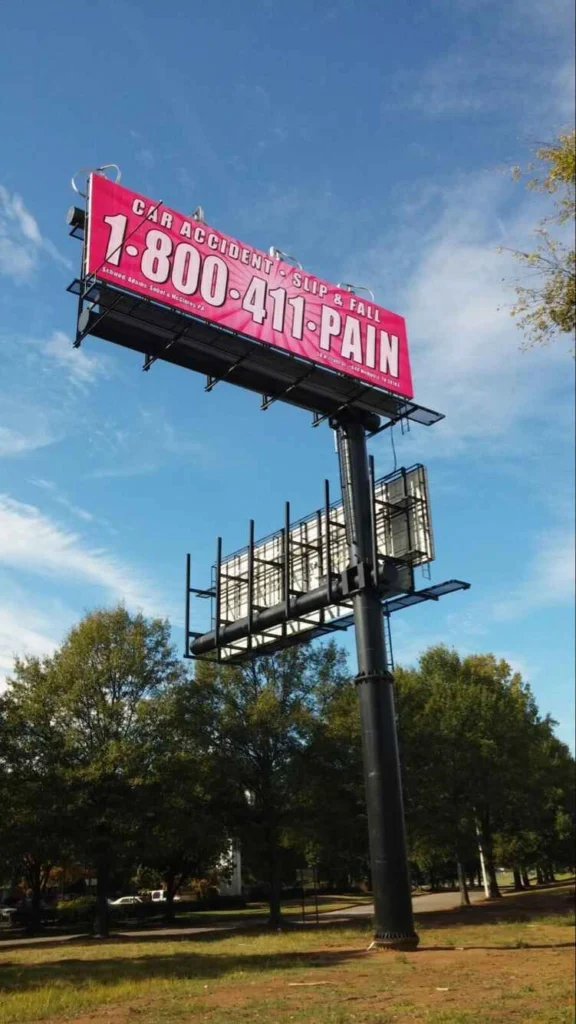
Roadside faces with one short message suit P10, especially at highway distance. P8 pays off where traffic slows, where the sign is smaller or where brand quality matters.
Premium branding
P6 supports detailed graphics and a refined look. For a flagship site where signage is part of the customer experience, the extra density is easier to justify than on a utility sign.
Mixed sites combine two audiences: drivers on the road and visitors at the entrance. Specify for the closer audience, then accept that the highway view will look sharper than strictly necessary. That approach avoids two cabinets and keeps one content system.
Budget Planning Without Overbuying
Total cost includes more than the panel. Structure, lifting, electrical work, permits, control software, content production and maintenance all sit in the project budget, and a tighter pitch raises the panel line before any of them.
Compare two options at the same sign size and content plan. If the finer pitch does not change what the viewer can read or how the brand feels, the money is better spent on brightness consistency, sealing or service access. The DOE LED basics page is a useful reference for efficiency claims that accompany a pitch upgrade.
Set the content plan before the pitch. A sign designed for one bold line every eight seconds needs far less resolution than one cycling through menus, schedules and photo promotions, and that difference can fund the structure.
A simple sensitivity check on outdoor LED pixel pitch helps. Price the project at two pitches, then ask whether the finer option changes readability at the real distance. If the answer is no, redirect the difference to brightness consistency, sealing or spare modules, and keep that comparison in writing for the installer and the finance team. Fixed cabinets such as the PO-T outdoor billboard series publish module sizes and service access data, which makes that comparison concrete.
FAQ
Which pitch works at 100 feet?
P8 suits most projects at that distance, with P6 for detailed or close-viewed content and P10 for large signs with short messages. Confirm the choice against the real content and approach path.
Is P10 good enough for 100 feet?
Yes for bold text and simple graphics on a large face. It shows visible pixel structure from closer distances and struggles with small text or multi-line announcements.
Should I choose P6 or P8 for a business sign?
Choose P6 when the sign is viewed from close range or carries detailed branding. Choose P8 when the budget must also cover structure, installation and content, and the message stays simple.
Does a smaller pitch always mean a better sign?
No. A finer pitch raises cost and power draw, and the benefit disappears when nobody views the sign closely. Match density to distance, content and brand expectation instead.
What else matters besides pitch?
Brightness, contrast, sign size, viewing angle, sealing and service access all shape the result. A well-chosen pitch on a poorly sealed cabinet still disappoints.
Conclusion
Outdoor LED pixel pitch is a distance and content decision before it is a price decision. Use the one-millimeter-per-meter rule as a floor, then choose P8 for the broad middle, P6 for close or detailed viewing and P10 for large, simple, budget-led signs. Confirm the choice on site, with the real content and the real approach path, before the cabinet is ordered.
