flexible led: 15 : A Complete Guide to Modern Lighting Today

Lighting design is no longer limited to rigid bars or bulky fixtures. If you’re planning a renovation, display wall, or retail layout, flexible led can solve problems that standard products cannot. Its ability to bend around curves, fit into slim channels, and disappear into architectural details makes it useful for both decoration and task lighting. More importantly, the right setup can improve visibility, reduce wasted energy, and create a cleaner finish than many traditional options. In this guide, you’ll learn how the technology works, where it performs best, what to check before you buy, and how to install it for a professional result.
Table of Contents
flexible led basics: how it works and what to expect
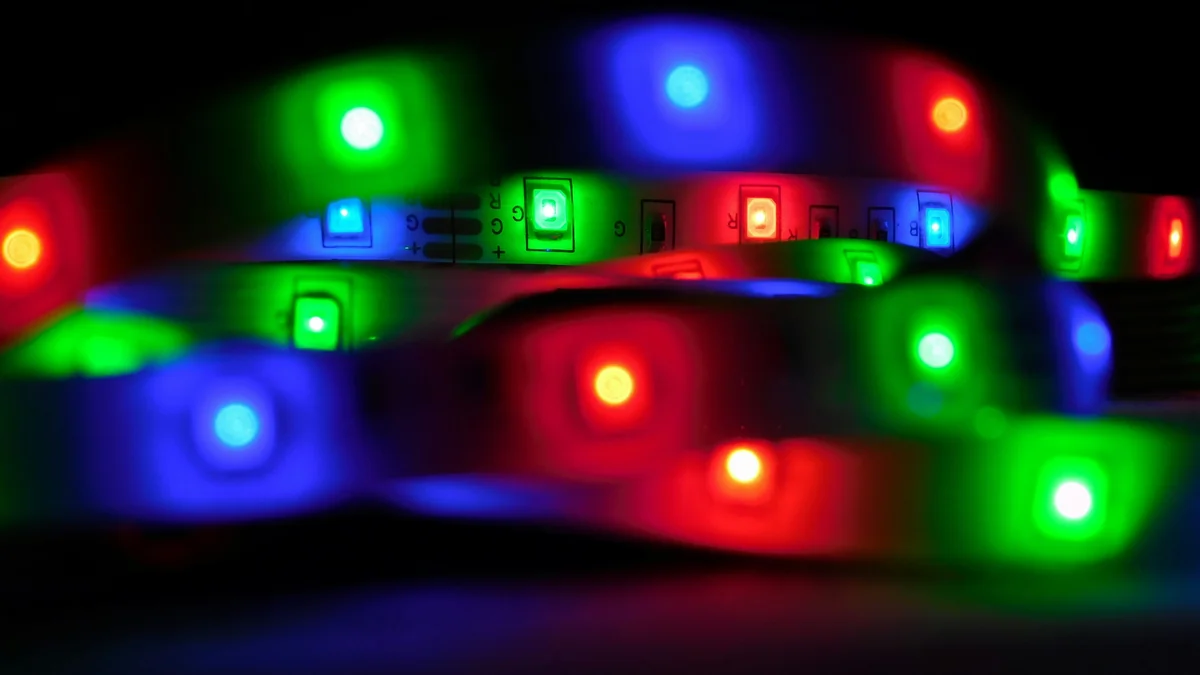
A flexible led system is built on a thin circuit board that can bend without cracking, which is what makes it so different from a rigid light fixture. Instead of a fixed frame, the light source is mounted on a narrow, pliable backing that can follow curves, line shelves, wrap around signs, or fit inside tight architectural details. That structure gives designers more freedom, but it also means performance depends on the quality of the board, the diodes, and the way heat is managed.
At the core, the strip contains rows of diodes, resistors, and conductive traces. The board itself is usually made from a material that stays stable under light bending, and the adhesive backing or mounting channel helps keep it in place. Many products also include a protective coating or outer sleeve that improves durability in locations where dust, moisture, or frequent handling are concerns.
The most useful way to think about this lighting is as a system rather than a single product. A good result depends on four parts working together:
– the light strip itself, which determines brightness, color quality, and flexibility
– the power supply, which must match the voltage and wattage requirement
– the mounting surface or channel, which affects adhesion and heat release
– the controller or dimmer, which shapes the final look and usability
Brightness is only one part of the equation. Dot spacing, diode quality, and density all influence whether the output looks smooth or spotty. A high-density strip can produce a more continuous glow, especially when it is installed inside an aluminum profile with a diffuser. Lower-density products may still be fine for hidden accents, but they can create visible points of light if they are exposed directly to the eye.
Color temperature matters just as much. Warm white works well for living rooms, bedrooms, and hospitality settings because it feels relaxed and inviting. Neutral white is useful in workspaces and retail displays where clarity matters. Cool white can make a space look crisp, but it may feel harsh if used too widely. If color accuracy is important, check the CRI rating, because a higher score usually means the light reveals surfaces and materials more faithfully.
One of the most important practical limits is bend radius. A strip can curve along a surface, but it should not be twisted, folded sharply, or forced around corners that are too tight. Excess stress can damage the traces or weaken the adhesive. In real projects, that means planning the route before you stick anything down. Smooth curves and gentle transitions are easier on the hardware and usually look better, too.
Heat is another factor that users often overlook. Even efficient diodes create some heat, and if that heat cannot escape, the lifespan of the product can drop. This is why metal channels are so common in professional installs. They help spread heat and give the installation a polished, architectural appearance. In a hidden cove, under a cabinet, or around a display edge, that extra structure can make a noticeable difference in both performance and finish.
Not every product is built for the same purpose. Some are designed for decorative outlining, while others are made for brighter task lighting. Some are single-color strips, while others support RGB, RGBW, or tunable white control. Before choosing one, it helps to decide whether your main goal is ambiance, visibility, branding, or all three. That decision will guide the level of brightness, the control method, and the accessories you need.
flexible led benefits in modern interiors
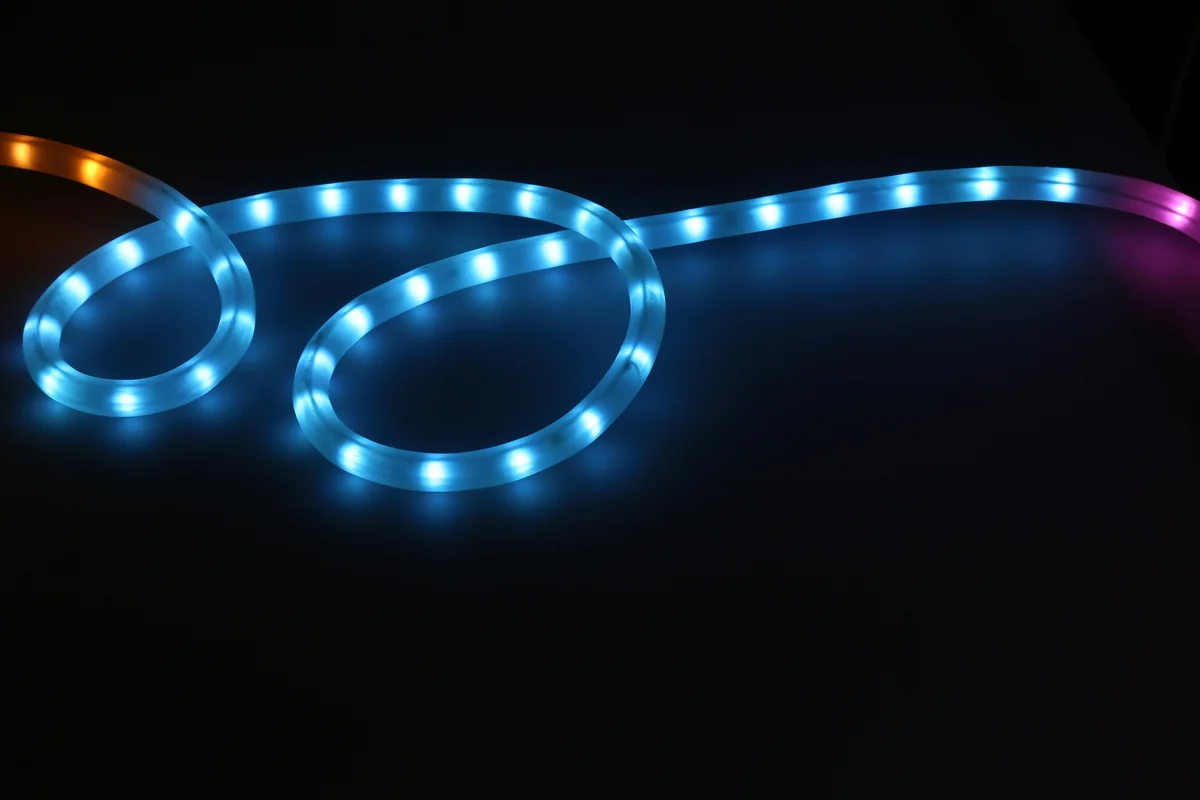
Compared with rigid fixtures, flexible led gives designers more freedom when the space calls for clean lines, subtle accents, or unusual shapes. It can follow the geometry of a room instead of fighting it, which makes it a strong choice for modern interiors that rely on visual simplicity. The light can be hidden in a recess, wrapped around a curve, placed behind a panel, or run along a stair detail without making the architecture feel cluttered.
One major advantage is versatility. The same type of product can serve as under-cabinet lighting in a kitchen, a backlight for a reception desk, a trim light in a hotel corridor, or a display accent in a retail space. Because the form factor is slim, it can fit into places where conventional fixtures would look intrusive. That allows the lighting to support the design instead of dominating it.
Another benefit is energy efficiency. LED technology already uses less power than many older light sources, and when the strip is paired with a well-matched driver and dimmer, energy use can be reduced even further. In spaces that stay lit for long periods, those savings matter. They can also reduce maintenance pressure because lower heat and lower load often translate into longer service life.
Comfort is an equally important reason people choose this solution. Harsh glare can make a room feel tiring, especially when a light source is exposed directly. A channel, diffuser, or hidden installation can soften the output and create a more pleasant visual environment. That is useful in homes, but it is also valuable in offices, restaurants, and guest-facing spaces where people spend time close to the light.
For commercial projects, the visual consistency can be a big advantage. Retail brands often want lighting that emphasizes product color, highlights shelving, and reinforces a clean identity. Hospitality spaces often need lighting that feels welcoming without drawing attention to the hardware itself. In both cases, the low-profile format helps create an upscale look without adding visual noise.
A few common applications show why this approach is so popular:
– kitchen cabinets and pantry shelves, where the light improves visibility and reduces shadows
– cove lighting in living rooms, lobbies, and lounges, where indirect glow adds depth
– stair edges and hallway paths, where subtle illumination improves safety and orientation
– signage, display cases, and product walls, where controlled accent light boosts presentation
– media walls and architectural details, where the light helps shape the room’s mood
There is also a creative side to the product that appeals to designers and homeowners alike. Curved headboards, shelving outlines, mirror edges, feature ceilings, and custom furniture can all be lit in ways that feel integrated rather than attached. Instead of adding a fixture after the room is finished, the lighting becomes part of the form itself.
Still, good design means restraint. The best result is not always the brightest one. In many spaces, a softer glow layered with other sources looks more refined than a single intense line of light. When used thoughtfully, flexible led can add depth, rhythm, and sophistication without making the room feel overdesigned.
choosing and installing flexible led products
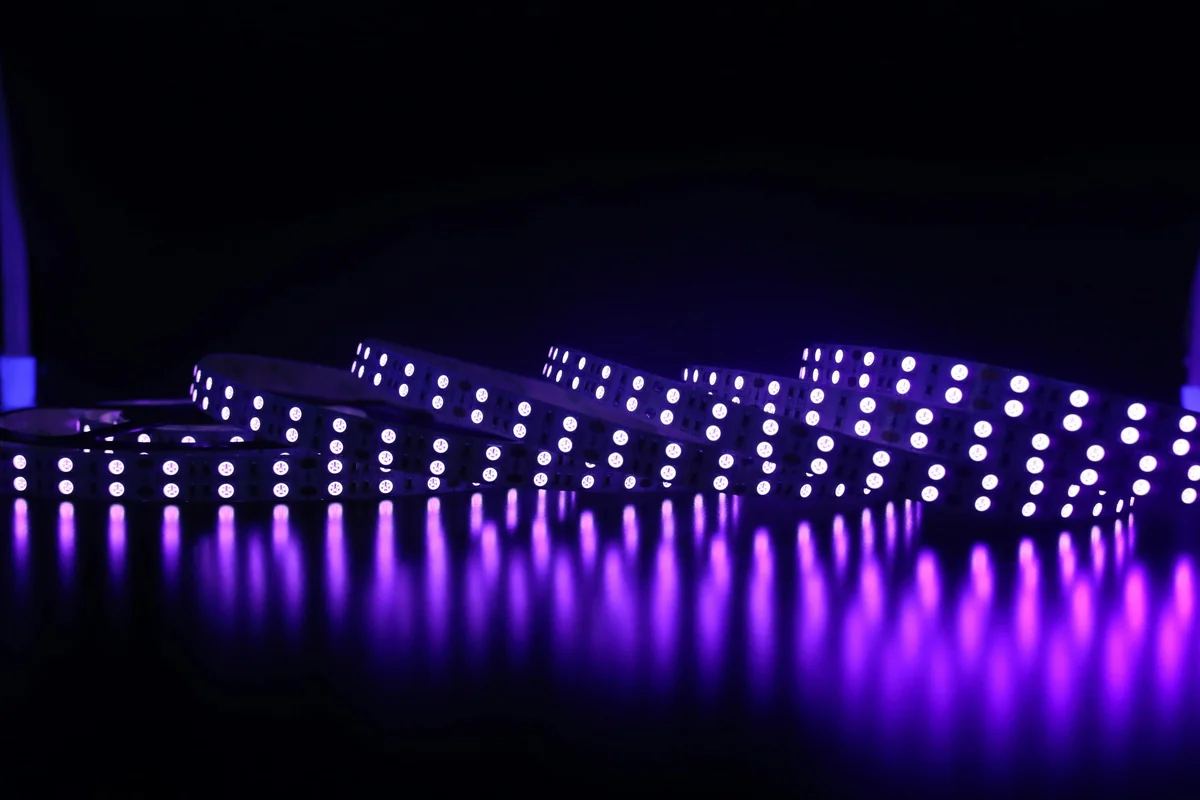
A good flexible led setup depends on three choices: the strip itself, the power system, and the installation path. If any one of those pieces is mismatched, the result can flicker, look uneven, or fail earlier than expected. The smartest approach is to plan the project from the start rather than buying a strip first and hoping it will fit later.
Start by defining the job. Is the goal task lighting, mood lighting, accent outlining, or all three? That answer determines brightness, color temperature, and control options. A kitchen work area needs practical light output and accurate color, while a bedroom cove may only need a soft ambient glow. A retail display may need high CRI and careful beam control so the product looks true to life.
Next, pay attention to electrical specifications. Voltage is one of the first things to confirm because a 12V system and a 24V system are not interchangeable. Wattage matters too, since the power supply must be able to handle the full load with some headroom. If the driver is undersized, the strip may dim, flicker, or run too hot. Many professionals size the power unit above the expected load so the system has room to operate comfortably.
Physical installation is just as important as electrical matching. Clean surfaces bond better than dusty or oily ones, and a poor surface can cause the adhesive to fail over time. Before mounting, dry-fit the route and check where bends, corners, and connection points will fall. If the path includes a sharp turn, consider using a connector, a custom junction, or a channel that creates a more gradual curve.
A practical installation process usually looks like this:
- Measure the full path and map the location of cuts, joins, and power access.
- Test the strip on the bench before mounting so problems are easier to find.
- Clean and dry the mounting surface thoroughly.
- Attach channels, clips, or profiles if you want better heat management and a cleaner finish.
- Mount the strip carefully, following the marked bend direction and cut points.
- Connect the controller, dimmer, or power supply and verify polarity before final power-up.
- Run the system long enough to check for hotspots, uneven output, or flicker.
If the project will be exposed to moisture, dust, or outdoor air, look closely at the IP rating. A protected bathroom zone, an exterior soffit, or a garden feature needs more than a basic indoor product. Sealed ends, weather-resistant connectors, and suitable power hardware all matter. Even in dry indoor locations, a little extra protection can be useful in kitchens, workshops, and high-traffic commercial areas.
Diffusion is another detail worth planning. A bare strip can be useful in hidden locations, but exposed diodes may create visible points of light. An aluminum profile with a diffuser helps spread the output and creates a more even line. That approach can also improve perceived quality because the installation looks intentional and finished rather than improvised.
Dimming and control should be chosen early, not added as an afterthought. If the light will be used in a home theater, bedroom, restaurant, or conference room, dimming capability can make the space far more adaptable. Smart controls, wall dimmers, and scene presets all make the system more user-friendly, but they must be compatible with the driver and the type of strip selected.
Maintenance is usually simple, but also need to take care. Dust can build up on channels and reduce visual quality. Adhesive may weaken over time if a surface moves or gets too warm. If a section begins to flicker, the issue may be a loose connection, a failing driver, or a heat problem rather than the strip itself. Regular inspection helps catch those issues before they become costly replacements.
The best installations feel effortless because the planning happened before the first piece was mounted. When size, power, heat, and finish are all considered together, flexible led projects can deliver a look that is both elegant and durable.
FAQ
How long does flexible led last?
A well-made flexible led can last for years when it is powered correctly, kept within a safe temperature range, and mounted on a stable surface. Lifespan depends less on the idea of the product and more on the quality of the driver, the heat path, and the daily operating hours. If the system is enclosed too tightly or overloaded electrically, the service life may shorten. If it is planned well, the result is usually very dependable.
Is flexible led safe for outdoor use?
A flexible led product can be safe outdoors if it has the right IP rating and is paired with weather-appropriate connectors, sealing, and power hardware. The strip itself is only part of the equation. Outdoor installs also need protection from water ingress, UV exposure, and temperature swings. If the location is exposed to rain or condensation, it is wise to use an enclosure or channel that helps shield the components. Indoor-only products should never be used outside without proper protection.
Can flexible led be cut to size?
Most flexible led strips can be cut at marked intervals, but the cut points must be followed exactly. Cutting in the wrong place can damage the circuit or disable part of the run. It is also important to confirm whether the strip can be reconnected after trimming and whether the chosen connectors match the width and voltage of the product. Before cutting, measure twice, test the layout, and make sure the power plan still makes sense after the change.
Conclusion
When chosen with care, flexible led lighting combines style, efficiency, and adaptability in one practical package. It works especially well where conventional fixtures feel too large, too rigid, or too visually heavy for the space. The strongest results come from matching brightness, color temperature, power supply, and mounting method to the real needs of the room. If you plan the installation as a complete system, not just a strip of light, you can create a clean, durable, and professional finish that improves the space every day.