home jumbotron: 15 Best Ideas, Design Tips, and Benefits

Introduction
A well-designed home jumbotron can instantly change the feel of a website. It is often the first large visual section visitors notice, and it plays a major role in shaping first impressions. Whether you run a real estate site, an interior design business, a home services company, or a personal lifestyle blog, this feature can help you highlight key messages, promotions, and brand identity clearly and attractively.
Table of Contents
- Introduction
- What Is a home jumbotron and Why Does It Matter?
- Key Elements of an Effective home jumbotron
- 1. A clear and compelling headline
- 2. Supporting copy that adds context
- 3. Strong visuals
- 4. Action-oriented buttons
- 5. Mobile responsiveness
- 6. Accessibility considerations
- 7. Performance optimization
- How to Design a home jumbotron for Better User Experience
- SEO and Content Best Practices for a home jumbotron
- Common Mistakes to Avoid When Building a home jumbotron
- Overloading the section with too much information
- Using generic stock images
- Weak or unclear calls to action
- Poor contrast and readability
- Ignoring mobile users
- Adding unnecessary sliders
- Failing to align with the rest of the homepage
- FAQ About home jumbotron
- What is a home jumbotron on a website?
- Why is a home jumbotron important for conversions?
- How big should a home jumbotron be?
- Should every website have a home jumbotron?
- How do I make a home jumbotron SEO-friendly?
- Conclusion
The value of a home jumbotron goes beyond appearance. It can support user engagement, improve navigation, and direct attention to calls to action that matter most. When used thoughtfully, it creates a stronger connection between your audience and your content. In this guide, you will learn what it is, why it matters, how to design it effectively, and how to make it work for both users and search performance.
What Is a home jumbotron and Why Does It Matter?

A home jumbotronis a large, attention-grabbing banner or hero section usually placed near the top of a homepage. It often includes a strong headline, supporting text, a background image or video, and one or more call-to-action buttons. The purpose is simple: communicate the core value of the website quickly and convincingly.
In web design, users make judgments within seconds. That means your opening section needs to explain who you are, what you offer, and why someone should continue exploring. A home jumbotron helps by combining visual appeal with strategic messaging. Instead of forcing visitors to search for direction, it delivers an immediate summary of the site’s purpose.
This section matters because modern audiences expect clarity. If a homepage feels cluttered or confusing, many users leave before interacting with the rest of the content. A large featured area solves that problem by establishing focus. It can introduce a family-friendly furniture brand, a home renovation contractor, a smart home installation service, or a housing marketplace in a polished and memorable way.
Businesses also benefit from using this design element to support conversions. A prominent sign-up button, consultation form link, product category shortcut, or shop-now message can turn passive visitors into active leads. In that sense, a home jumbotron is not just decorative. It is one of the most important communication tools on a homepage.
Another reason it matters is brand storytelling. The right image, tone, and headline can communicate warmth, reliability, comfort, elegance, affordability, or innovation. For brands connected to homes and living spaces, emotional presentation is often just as important as technical information. A thoughtfully built the approach can express lifestyle aspirations and practical value at the same time.
Key Elements of an Effective home jumbotron

To create a homepage feature that performs well, it is important to understand the building blocks behind it. A successful it usually combines content strategy, visual hierarchy, and usability best practices.
1. A clear and compelling headline
The headline should instantly explain the page’s main promise. It needs to be concise, easy to read, and relevant to audience intent. For example, if a home builder wants to attract custom design clients, the headline should directly reflect that service instead of using vague marketing language.
2. Supporting copy that adds context
After the main headline, a short paragraph can clarify benefits or services. Avoid stuffing this area with too much text. The best supporting copy is direct, specific, and helpful. A this works best when users can understand it in a few seconds.
3. Strong visuals
Images and video often determine whether the section feels premium or forgettable. For home-related websites, high-quality photography is especially important. Show inviting interiors, polished exteriors, renovation transformations, or warm family spaces. Visuals should reinforce the message rather than distract from it.
4. Action-oriented buttons
Every these should guide visitors toward a next step. Common calls to action include:
– Get a Quote
– View Listings
– Book a Consultation
– Shop Furniture
– Explore Services
Buttons should be visible, contrasting, and phrased in simple language.
5. Mobile responsiveness
Many users will see your site on a phone first. That means your large banner must resize properly, keep text readable, and maintain button accessibility. A responsive they prevents a polished desktop experience from turning into a frustrating mobile layout.
6. Accessibility considerations
Good design includes everyone. Make sure text contrasts well with backgrounds, images have appropriate meaning in context, and buttons are easy to identify. Accessibility improvements also support better usability overall.
7. Performance optimization
Large media files can slow down your homepage. Compress images, use modern formats, and avoid unnecessary animation. A slow-loading the concept can increase bounce rates and reduce engagement before visitors even see your offer.
How to Design a home jumbotron for Better User Experience
The difference between a beautiful homepage and an effective one often comes down to user experience. A the approach should not only look impressive but also help visitors move smoothly through the site.

Start with user intent. Ask what your audience wants to know immediately. If they are looking for homes, they may want search access. If they need renovation help, they may want proof of expertise and an easy contact option. The top section should answer those priorities right away.
Next, focus on simplicity. Some websites overload the hero area with too many images, messages, icons, and buttons. That creates friction instead of clarity. A better it usually centers on one primary message and one main action, with perhaps a secondary option for users who need a different path.
Whitespace also matters. Spacious layouts improve readability and create a more premium feel. Crowded content can make even a high-quality brand appear disorganized. Strategic spacing allows your headline, subheading, and call to action to stand out.
Color psychology can improve results as well. Home-related brands often benefit from tones associated with comfort, trust, and cleanliness, such as warm neutrals, soft blues, greens, or earth shades. However, your button color should still contrast enough to attract clicks. A visually balanced this can feel inviting while keeping important actions obvious.
Typography is another major factor. Choose fonts that are easy to read across devices. Decorative typefaces may look stylish, but they should never interfere with comprehension. The top banner is a high-value area, so legibility should always come first.
Social proof can also strengthen this section. Consider including a short trust signal such as:
– 500+ homes sold
– Rated 5 stars by local clients
– Serving homeowners for 20 years
– Energy-efficient design specialists
These small additions can make a these more persuasive without making it overcrowded.
Finally, test different versions. Small changes to the headline, image, or button text can have a major impact on performance. A/B testing helps identify what resonates most with your audience and improves the long-term effectiveness of your homepage.
SEO and Content Best Practices for a home jumbotron
Although design is the most visible part of this homepage section, content and SEO strategy are just as important. A they should support both search visibility and user satisfaction.

First, make sure the headline reflects actual search intent. While homepage hero text is not the only ranking factor, it helps communicate relevance. If your business focuses on home remodeling, smart homes, décor, or real estate, your homepage should clearly align with those themes.
Second, avoid relying entirely on text embedded in images. Search engines and accessibility tools work better with real HTML text. If your message exists only inside a graphic, it may not provide the same value for search optimization or usability. A search-friendly the concept keeps important wording in crawlable text.
Third, write copy for humans first. It is tempting to overload the top of a page with repeated phrases, but that can weaken readability and trust. Your copy should sound natural, persuasive, and helpful. Search optimization works best when it supports a strong user experience rather than replacing it.
Fourth, use optimized image file names and alt text where relevant. If you are featuring a kitchen renovation, a cozy living room, or a modern house exterior, image metadata can contribute to overall page relevance. This helps create a more complete SEO foundation around the the approach.
Internal linking is another useful tactic. While the hero area should not contain too many links, one or two carefully chosen buttons can guide users to important pages such as service categories, featured listings, or project portfolios. This helps distribute authority and improves site navigation.
Page speed is also essential for SEO. Search engines increasingly reward sites that load efficiently and provide a good experience across devices. Since the hero area often contains the largest visual asset on the page, optimizing it directly affects overall performance. A fast home jumbotron supports both rankings and conversions.
Structured messaging matters too. Your homepage should present a clear hierarchy:
- Primary value proposition
- Supporting explanation
- Action step
This sequence helps both users and search engines understand the page’s focus. When the first screen is coherent and well-structured, the rest of the site benefits from stronger contextual relevance.
Common Mistakes to Avoid When Building a home jumbotron
Even attractive websites can underperform if the top section is poorly planned. Understanding common mistakes can help you build a video wall that is useful, engaging, and results-driven.
Overloading the section with too much information
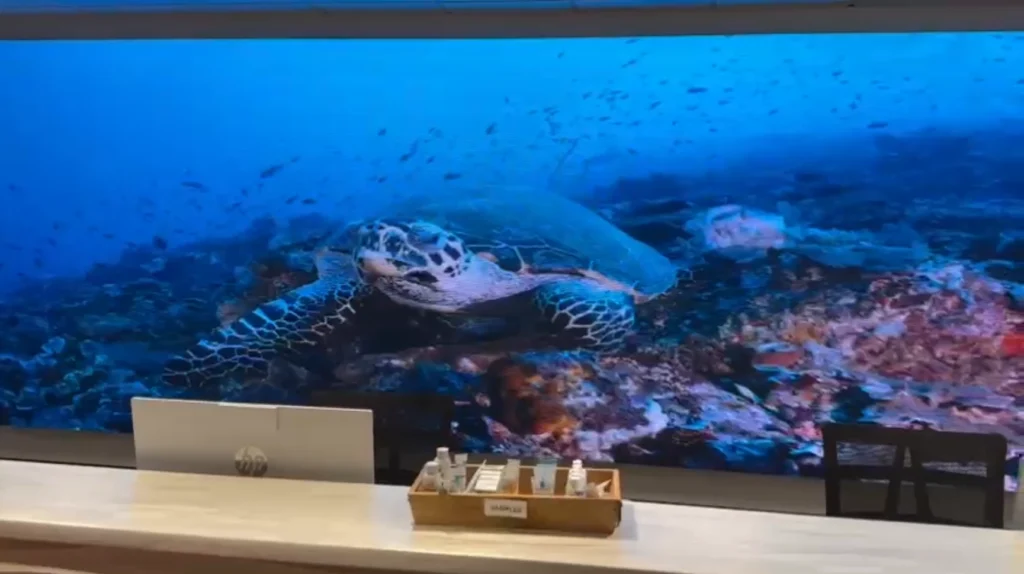
A homepage banner is not the place to explain every service, feature, and company detail at once. When there is too much text, users often skip the section entirely. Keep the message focused.
Using generic stock images
Not all stock photography is bad, but overly staged or unrealistic visuals can make a brand feel impersonal. Home-focused businesses benefit from authentic imagery that reflects real spaces, products, or projects. A relatable these builds more trust than a generic one.
Weak or unclear calls to action
If visitors cannot tell what to do next, the section loses much of its value. Buttons should be easy to find and tied to real user intent. “Learn More” can work, but more specific phrasing often performs better.
Poor contrast and readability
Text placed over busy images can become hard to read. Use overlays, careful color choices, or alternative layouts to keep your message clear. A they should never force users to struggle with the content.
Ignoring mobile users
A section that looks stunning on desktop but breaks on smaller screens creates a negative first impression. Test image cropping, text wrapping, and button placement across multiple devices.
Adding unnecessary sliders
Carousels and rotating banners are often used without a clear strategy. In many cases, they dilute attention and reduce engagement because users ignore slides after the first one. A single strong the concept is often more effective than multiple rotating messages.
Failing to align with the rest of the homepage
The hero section should connect naturally with what comes next. If the top banner promises luxury design but the following content feels discount-oriented or inconsistent, users may lose confidence. Visual and messaging continuity is essential.
FAQ About home jumbotron
What is a home jumbotron on a website?
A the approach is a large featured section at the top of a homepage that highlights a main message, image, and call to action. It is designed to grab attention quickly and guide visitors toward the most important content or next step.
Why is a home jumbotron important for conversions?
A home jumbotron can improve conversions because it presents the core offer immediately. When users understand the value of a site right away and see a clear button or action path, they are more likely to engage, contact the business, or continue browsing.
How big should a home jumbotron be?
The ideal size depends on your design, device responsiveness, and content goals. A home jumbotron should feel prominent without pushing all useful information too far below the fold. It should be visually strong but still practical for mobile and desktop users.
Should every website have a home jumbotron?
Not every website needs one, but many benefit from it. A home jumbotron is especially useful for brands that rely on strong visuals, emotional storytelling, featured promotions, or clear service positioning on the homepage.
How do I make a home jumbotron SEO-friendly?
To optimize a home jumbotron, use clear HTML text, compressed images, relevant headings, fast-loading media, and natural messaging that aligns with user intent. It should support both readability and technical performance.
Conclusion
A strong home jumbotron can do far more than decorate a homepage. It helps define your brand, communicate your value, support SEO goals, and guide visitors toward meaningful actions. When designed with clear messaging, quality visuals, responsive layout, and performance in mind, it becomes one of the most valuable sections on your website.
Whether you are building a site for real estate, home décor, renovation, construction, or lifestyle content, investing in a better home jumbotron can improve both first impressions and business results. Focus on clarity, usability, and audience needs, and your homepage will be much better positioned to attract attention, build trust, and drive engagement.