

stage led screen: 8 : Complete Guide for Live Events

Introduction
A stage led screen has become one of the most important visual tools in modern live production. From concerts and festivals to conferences, product launches, worship gatherings, and theater performances, these displays help transform a simple platform into an immersive audience experience. Event organizers use them to improve visibility, strengthen branding, support performers, and deliver dynamic multimedia content that keeps attention focused where it matters most.
Table of Contents
- Introduction
- Why a Stage LED Display Matters for Modern Events
- How to Choose the Right Stage LED Screen
- Best Uses of a Stage LED Screen
- Installation, Content, and Maintenance Tips
- Cost Factors and Long-Term Value
- FAQ
- What is a stage LED screen used for?
- How do I choose the right stage LED screen size?
- Is a stage LED screen better than a projector?
- What pixel pitch is best for a stage LED screen?
- Can a stage LED screen be used outdoors?
- Conclusion
Choosing the right stage led screen is not only about brightness or size. It also involves pixel pitch, viewing distance, installation method, content management, and budget planning. When selected carefully, the right solution can elevate production quality, improve communication with the audience, and create a memorable atmosphere that photographs and films beautifully.
Why a Stage LED Display Matters for Modern Events
A well-designedstage screen does far more than show a logo or a looping background. It acts as a communication hub and a storytelling surface that supports every part of a live event. In environments where audience attention is split across lighting, sound, speakers, and performers, a high-quality LED display helps unify the entire production.
One major benefit is visibility. Large venues often make it difficult for people in the back rows to see presenters, performers, or visual details on stage. LED technology solves this by providing bright, crisp imagery that remains clear even from long distances. This is especially useful for concerts, keynote speeches, and hybrid events where visual reinforcement is essential.
Another advantage is versatility. A stage video wall can display live camera feeds, sponsor messages, animated visuals, presentation slides, countdowns, and social media integrations. Instead of relying on fixed printed backdrops, organizers can update content instantly to match different segments of the event. This flexibility is valuable for multi-session conferences, touring productions, and venues that host different event types.
LED screens also contribute strongly to branding. Corporate events can use custom motion graphics to reinforce a brand identity, while music festivals can design dramatic visuals that reflect an artist’s style. Because the screen can change in real time, it becomes a living design element rather than a static stage accessory.
In addition, these displays perform well in challenging lighting conditions. Projectors often struggle in bright spaces, but LED panels maintain strong brightness and contrast. That makes them ideal for both indoor and outdoor use, including daytime events where projected visuals may appear washed out.
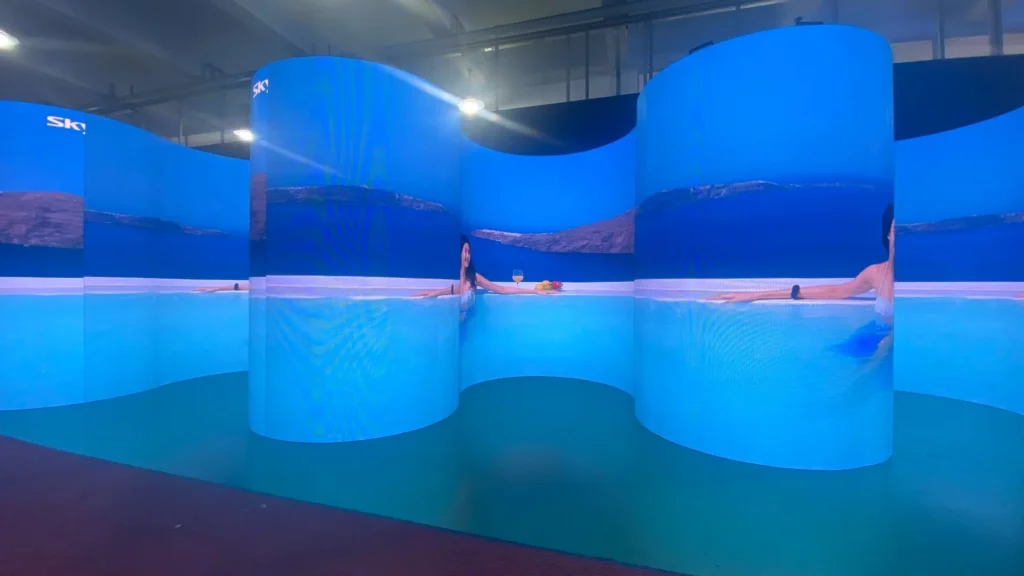
Finally, LED systems create new creative possibilities. Curved walls, floor-mounted displays, overhead installations, and modular shapes allow designers to build an environment rather than simply decorate a stage. This is why so many planners now consider LED technology a core part of event strategy rather than an optional enhancement.
How to Choose the Right Stage LED Screen
Selecting the best stage led screen starts with understanding the event’s purpose. A corporate seminar has very different needs than a stadium concert or a fashion show. Before comparing products, identify what the display must achieve. Will it show detailed text and slides, support live video, provide decorative motion backgrounds, or do all three?
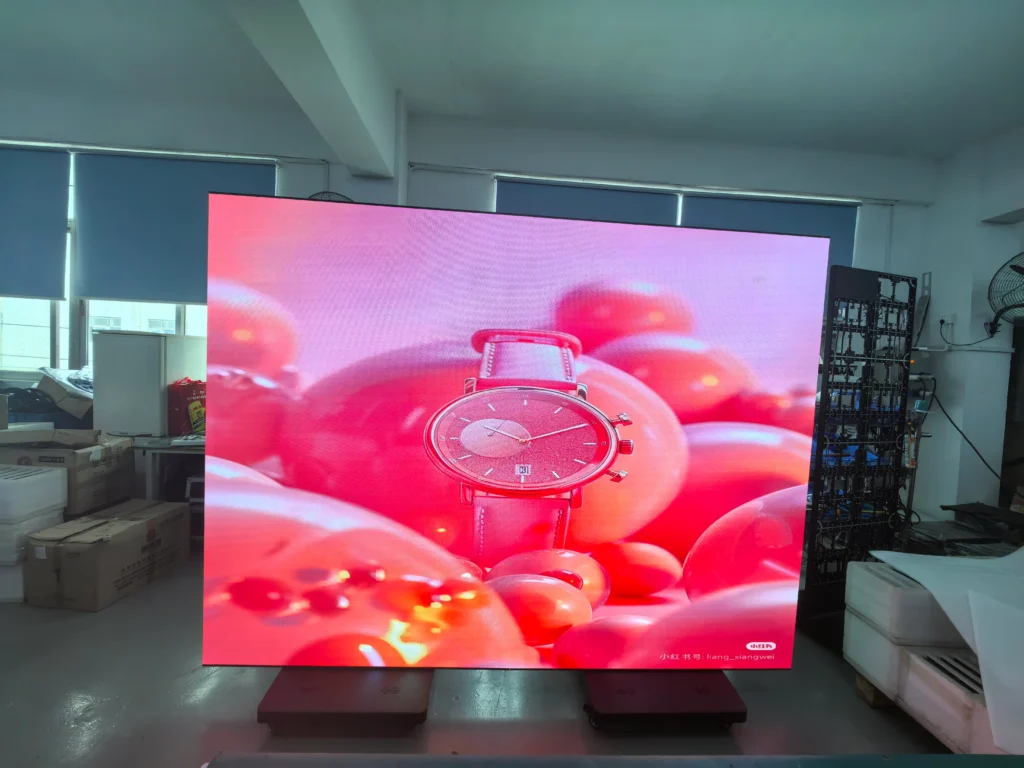
Pixel pitch is one of the most important technical factors. It refers to the distance between LED pixels, usually measured in millimeters. A smaller pixel pitch creates higher image resolution at closer viewing distances. For indoor events where the audience sits near the stage, a tighter pitch is generally preferred. For large outdoor events viewed from farther away, a wider pitch may be more cost-effective while still delivering excellent results.
Screen size is another key consideration. Bigger is not always better if the display overwhelms the set or exceeds the audience’s actual viewing needs. A properly scaled the approach should complement the performance area, maintain visual balance, and ensure important content is readable from all seating zones.
Brightness and refresh rate also matter. Outdoor applications typically require much higher brightness than indoor settings because of sunlight and ambient light exposure. Meanwhile, a high refresh rate is essential when the event is being recorded or livestreamed. It reduces flicker on camera and helps ensure the visuals look smooth in both live and broadcast formats.
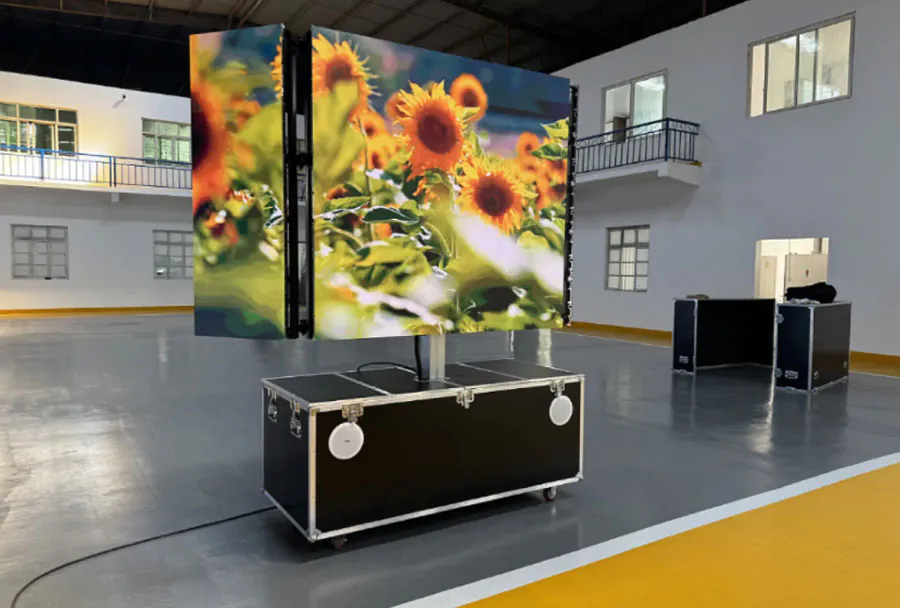
Installation type should be planned early. Some productions use freestanding LED walls, while others suspend panels from trusses or integrate them into scenic structures. Rental events often benefit from modular systems that can be assembled quickly and adapted to different venue dimensions. Safety, weight load, and access for maintenance must all be factored into the setup.
Content compatibility is equally important. The screen hardware may be impressive, but weak content can limit impact. Make sure your media server, control system, and content formats are optimized for the resolution and aspect ratio of the display. A successful LED setup depends on both strong hardware and carefully prepared visual assets.
Budget planning should include more than the panels themselves. Transportation, rigging, processors, controllers, technicians, power distribution, and backup equipment all affect the final cost. Taking a full-system approach helps prevent unpleasant surprises and leads to a smoother event experience.
Best Uses of a Stage LED Screen
The beauty of a stage led screen lies in its adaptability. It works across many event categories and supports both functional communication and creative expression. Understanding common use cases can help planners see where the greatest value comes from.
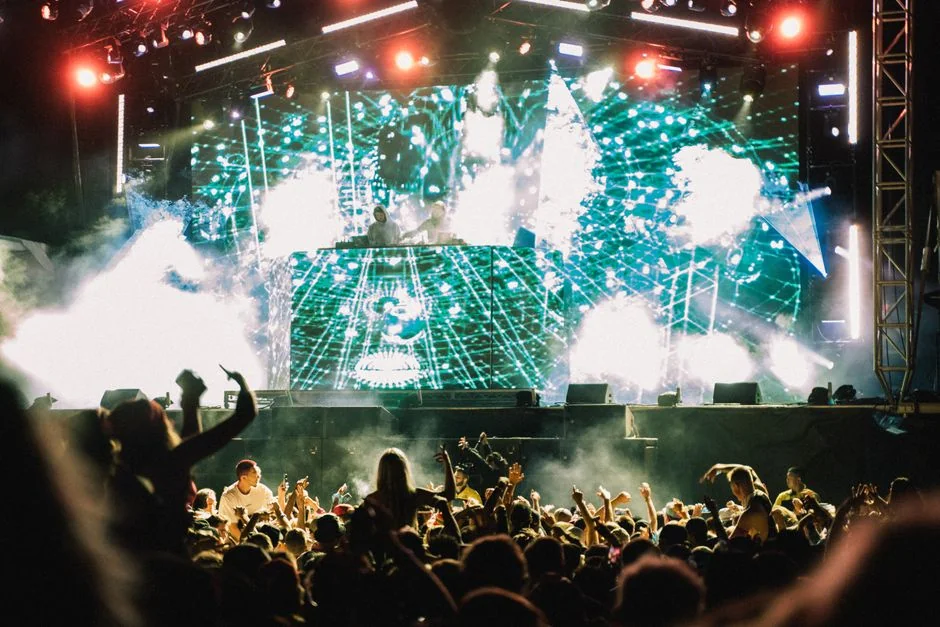
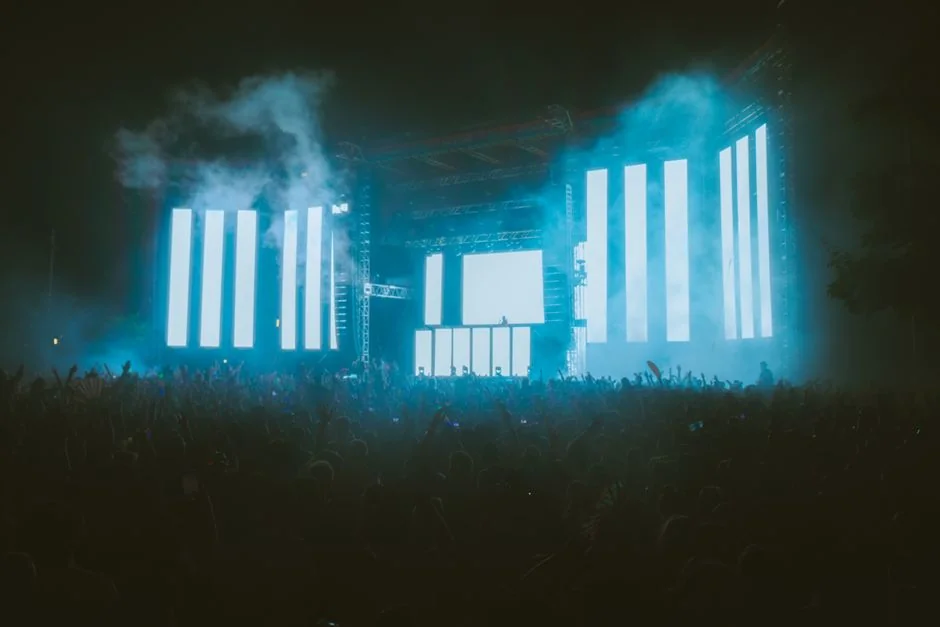
At concerts and festivals, LED screens often serve as both image magnification and artistic scenery. Audiences can watch close-up live camera feeds of performers while also experiencing synchronized animations, lyrics, and effects. This combination strengthens emotional connection and makes large venues feel more intimate.
For conferences and corporate meetings, the screen becomes an information platform. It can display presentation slides, keynote speaker names, event schedules, product demonstrations, and branded interstitials. In these settings, clarity and professionalism are essential, which is why content design should prioritize clean layouts and high-contrast visuals.
Trade shows also benefit from a video wall because exhibitors need to attract attention in crowded halls. Motion graphics and video walls naturally draw the eye, making booths and presentation spaces more engaging. Brands can use LED displays to introduce products, run advertisements, and create immersive demo environments that encourage visitors to stop and interact.
In houses of worship, LED screens help congregations follow lyrics, scripture references, sermon visuals, and livestream components. They can support both in-person and online audiences while maintaining a polished visual identity. Because many worship spaces host different programs throughout the week, flexible digital displays are especially useful.
Theater productions, award ceremonies, and fashion shows also use LED technology for scene changes, mood enhancement, and storytelling. Instead of building large physical set pieces for every visual shift, designers can use digital backdrops to change environments quickly and dramatically. This saves time, reduces storage needs, and opens up more creative freedom.
Sports presentations, school events, political rallies, and community celebrations are additional examples where LED solutions make a significant difference. In each case, the display helps audiences stay informed, engaged, and visually connected to the main action on stage.
Installation, Content, and Maintenance Tips
Even the best these can underperform if installation and operation are not handled properly. Successful deployment depends on planning, technical coordination, and ongoing care before, during, and after the event.
Start with a site assessment. Measure the stage area, identify rigging points, calculate viewer sightlines, and review power availability. A good technical plan ensures the screen is visible, safe, and properly integrated with audio, lighting, and scenic elements. This step is especially important for temporary event builds where load-in time is limited.
Content strategy should be developed alongside the hardware plan. Designers need to know the final screen dimensions, resolution, and orientation before creating visuals. A stage led screen used for presentations may require large text, simple charts, and restrained transitions. A concert screen, by contrast, may use fast motion, layered effects, and camera switching. Matching the content style to the event objective is essential.
Color management matters too. LED displays can produce powerful, vivid output, but oversaturated visuals may appear harsh if not calibrated correctly. Test content in the real venue whenever possible. This helps identify issues with brightness, contrast, black levels, and camera compatibility before the audience arrives.
Operational redundancy is another smart practice. Important events should have backup signal paths, spare panels, extra receiving cards, and trained technicians on site. If a failure occurs during a keynote or headline performance, fast recovery can protect the audience experience and the organizer’s reputation.
Maintenance should not be overlooked. LED panels need careful transport, cleaning, and storage to maintain performance over time. Dust, moisture, impact damage, and poor cable handling can reduce reliability. Teams that routinely inspect connectors, replace damaged modules, and test processors before deployment tend to experience fewer show-day issues.
It is also wise to train operators thoroughly. A sophisticated display system is only as effective as the people running it. From content playback and cue timing to troubleshooting and safety checks, knowledgeable crew members make the difference between a smooth production and a stressful one.
Cost Factors and Long-Term Value
When evaluating pricing, many buyers focus first on the panel cost, but the total value of a stage led screen depends on much more than the initial purchase or rental rate. Understanding the full cost picture helps organizers make smarter decisions and avoid underspending in the wrong areas.
The first major variable is screen specification. Higher resolution panels with finer pixel pitch usually cost more, especially for indoor close-viewing applications. Outdoor screens often require stronger weather resistance and higher brightness, which also affects price. The right choice should match the event environment rather than simply aiming for the most expensive option.
Size and complexity are another major factor. A basic rectangular wall is generally more affordable than a custom curved structure, multi-screen arrangement, or scenic integration. Additional processing power, rigging hardware, and labor may be needed for complex builds, increasing the overall budget.
Rental versus purchase is an important consideration as well. For one-time or occasional events, renting is often the most practical choice because it includes technical support and avoids storage and maintenance responsibilities. For venues or production companies with frequent usage, ownership may provide stronger long-term returns.
A stage led screen also delivers indirect value through audience engagement, sponsor exposure, and production quality. A clearer, more dynamic visual experience can improve attendee satisfaction, strengthen brand perception, and generate better social media images and video. In many cases, these benefits justify the investment because the screen contributes to both event performance and marketing impact.
Energy efficiency and durability can influence long-term cost as well. Modern LED systems are generally more efficient and reliable than older display solutions, especially when maintained properly. Over time, reduced downtime and stronger reuse potential can improve the total return on investment.
For event planners comparing options, the best strategy is to define goals first, then match specifications to those goals. A cheaper system that fails to deliver visibility or reliability may cost more in the long run than a properly chosen solution that performs consistently.
FAQ
What is a stage LED screen used for?
A stage led screen always display live video, presentation content, branding, animations, lyrics, and scenic visuals during events. It improves visibility for audiences and helps create a more immersive stage experience.
How do I choose the right stage LED screen size?
The right stage led screen size depends on venue dimensions, audience distance, content type, and stage design. It should be large enough for readability and impact without overpowering the performance space.
Is a stage LED screen better than a projector?
In many event settings, a stage led screen performs better than a projector because it offers higher brightness, stronger contrast, and better visibility in ambient light. It is especially useful for outdoor events and brightly lit venues.
What pixel pitch is best for a stage LED screen?
The best pixel pitch for a stage led screen depends on how close the audience is. Smaller pixel pitch is better for close viewing and detailed content, while larger pitch can work well for bigger venues with longer viewing distances.
Can a stage LED screen be used outdoors?
Yes, manufacturers design stage LED screens for outdoor use. Outdoor models typically feature higher brightness, weather resistance, and durable construction to handle changing environmental conditions.
Conclusion
A stage led screen is far more than a display panel. It is a high-impact production tool that improves visibility, enhances storytelling, supports branding, and helps events feel more polished and engaging. Whether you are producing a concert, conference, worship event, trade show, or theatrical presentation, the right LED solution can dramatically strengthen the audience experience.
By focusing on event goals, viewing distance, pixel pitch, content quality, installation safety, and long-term value, planners can choose a stage led screen that performs reliably and delivers real visual impact. When thoughtfully implemented, it becomes one of the most valuable elements on any modern stage.
