

flexible transparent led screen: 6 Best for Modern Displays

Introduction
A flexible transparent led screen is changing how brands, architects, retailers, and event planners think about digital display technology. Unlike traditional rigid panels, this solution combines lightweight construction, visual transparency, and adaptable form factors in one advanced product. It can curve around surfaces, preserve sightlines, and deliver vivid media without fully blocking natural light or background visibility. That makes it useful for storefront windows, exhibition booths, glass facades, stage backdrops, and immersive interior spaces.
Table of Contents
- Introduction
- What Is a Flexible Transparent LED Screen?
- Key Benefits of Flexible Transparent LED Screen Technology
- 1. Strong Visual Appeal Without Blocking the Space
- 2. Flexible Design for Creative Installations
- 3. Lightweight and Space Efficient
- 4. Excellent for Modern Retail and Advertising
- 5. Better Integration With Architecture
- 6. Dynamic Content Delivery
- 7. Memorable Customer Experience
- Applications Across Retail, Events, Architecture, and More
- Retail Storefronts and Shopping Malls
- Exhibitions and Trade Shows
- Corporate Lobbies and Offices
- Building Facades and Glass Walls
- Stages, Concerts, and Live Events
- Museums, Galleries, and Experience Centers
- Transportation Hubs
- How to Choose the Right Flexible Transparent LED Screen
- Transparency Level
- Pixel Pitch
- Brightness
- Flexibility and Curvature Range
- Installation Environment
- Maintenance Access
- Content Management System
- Structural and Electrical Requirements
- Supplier Experience and Support
- Installation, Maintenance, and Best Practices
- Pre-Installation Planning
- Professional Installation Matters
- Routine Maintenance
- Content Optimization
- Energy and Efficiency Considerations
- Compliance and Safety
- FAQ About Flexible Transparent LED Screen Solutions
- What is a flexible transparent LED screen used for?
- Is a flexible transparent LED screen suitable for outdoor use?
- How transparent is a flexible transparent LED screen?
- Can a flexible transparent LED screen be installed on curved surfaces?
- Is maintenance difficult for a flexible transparent LED screen?
- Conclusion
As demand grows for visually striking yet space-efficient installations, it has become a preferred option for projects that require both creativity and practicality. In this guide, you will learn how it works, where it performs best, what benefits it offers, and how to choose the right model for long-term value.
Followed is a video about TW VISION transparency led video wall
What Is a Flexible Transparent LED Screen?
A flexible transparent led screen is a digital display system built with LED technology on a structure that allows bending, shaping, or adaptation to non-flat surfaces while still maintaining a degree of transparency. In simple terms, it displays dynamic content without acting like a fully solid wall. Viewers can often still see through it, depending on pixel pitch, brightness, and installation environment.
This display category stands out because it solves two major design challenges at once. First, it allows installation on curved or unconventional surfaces. Second, it reduces the heavy visual blockage associated with conventional LED video walls. That combination is especially valuable in places where designers want digital messaging but also want to preserve openness, aesthetics, and natural light.
A flexible transparent led screen is commonly made with lightweight materials and modular components. Many models use slim LED strips or mesh-style layouts that create open spacing between light points. This spacing supports transparency while also helping with airflow and reducing overall weight. Because of the flexible design, installers can integrate the screen into columns, windows, wave-shaped structures, and custom exhibition builds.
Core characteristics often include:
– High transparency rates for better visibility through the display
– Bendable or curve-compatible construction
– Lightweight modules for easier installation
– Strong brightness for indoor or outdoor visibility
– Customizable sizes and shapes
– Dynamic playback for video, graphics, branding, and interactive content
For businesses that want modern visual communication without sacrificing architectural appeal, a the concept offers a compelling alternative to traditional screens and static signage.
Key Benefits of Flexible Transparent LED Screen Technology
The popularity of the the approach comes from its ability to combine visual impact with design flexibility. It is not just a display; it is an architectural and branding tool that supports innovation across many industries.
1. Strong Visual Appeal Without Blocking the Space
One of the biggest benefits is transparency. In retail storefronts, commercial buildings, and showrooms, businesses can run eye-catching promotions while still allowing people to see products, interiors, or views behind the display. This creates a more open and premium look than opaque screens.
2. Flexible Design for Creative Installations
A it can be adapted to curved walls, cylindrical pillars, glass facades, and artistic structures. This expands creative possibilities for designers, making it easier to create immersive environments that attract attention and improve visitor engagement.
3. Lightweight and Space Efficient
Traditional LED panels can be bulky and heavy. By contrast, transparent flexible designs are often lighter and easier to mount. This can reduce structural load requirements and simplify installation in places where weight matters, such as glass-based environments, temporary events, and suspended structures.
4. Excellent for Modern Retail and Advertising
Retailers benefit from digital content that does not completely cover their windows. Promotional campaigns, seasonal visuals, and branded animations can play on the screen while passersby still see merchandise and store interiors. This makes the display especially valuable for visual merchandising.
5. Better Integration With Architecture
Architects and designers increasingly seek technology that complements rather than overwhelms a space. A this can blend into contemporary architecture, especially in high-end commercial interiors, museums, airports, and corporate lobbies.
6. Dynamic Content Delivery
Unlike static graphics, LED systems allow real-time updates. Businesses can schedule different campaigns, display live data, present multimedia storytelling, or adapt messaging for different times of day. That flexibility supports stronger marketing performance and improved operational efficiency.
7. Memorable Customer Experience
Today’s audiences respond to engaging visual environments. When used well, a transparent display adds a futuristic and interactive feel that helps venues stand out. Whether in a shopping mall, auto showroom, or event stage, it can elevate the customer experience and reinforce brand identity.
Applications Across Retail, Events, Architecture, and More
The these is used in a wide range of industries because it solves practical and aesthetic challenges at the same time. Its versatility makes it suitable for both permanent installations and temporary deployments.
Retail Storefronts and Shopping Malls
Retail is one of the strongest use cases. A transparent display in a window can show product videos, brand campaigns, and sale announcements while preserving product visibility behind the glass. This setup attracts foot traffic and creates a modern brand image.
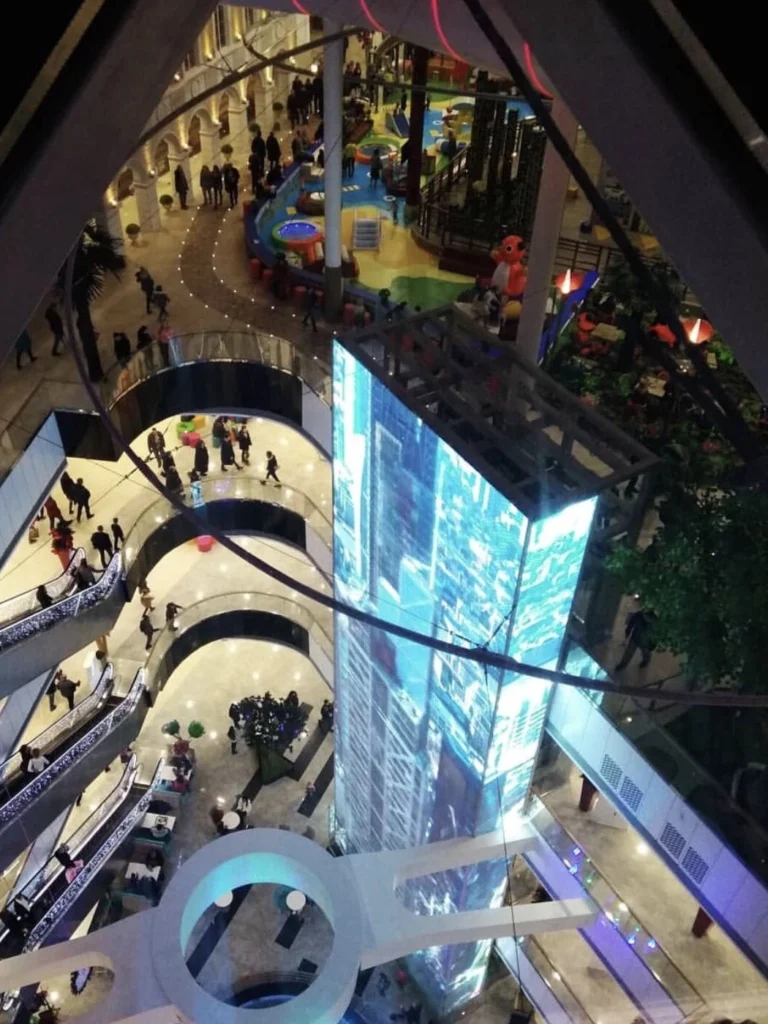
Shopping malls also use transparent LED systems in atriums, escalator zones, and glass railings to enhance digital advertising opportunities without making the environment feel closed in.
Exhibitions and Trade Shows
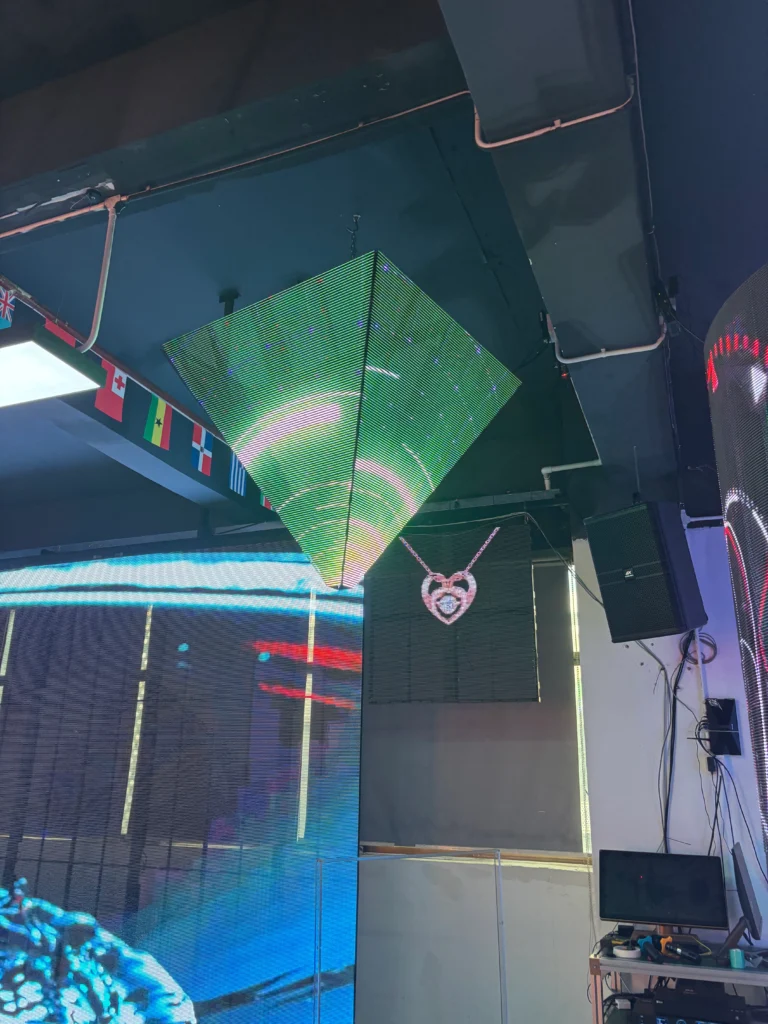
At trade shows, standing out is essential. A they can wrap around booth structures, form curved backdrops, or create floating visual layers that draw visitors in. Since many systems are modular and lightweight, they are practical for transport, setup, and repeated use.
Corporate Lobbies and Offices
Businesses use transparent displays in reception areas, boardrooms, and innovation centers to communicate brand stories, welcome visitors, and create a high-tech atmosphere. The display can become a centerpiece without making the space feel crowded.
Building Facades and Glass Walls
Architectural integration is another major advantage. Transparent LED systems can be installed on glass surfaces to turn facades into digital media platforms. Because they maintain visibility and light flow better than solid signage, they are ideal for contemporary buildings that value sleek aesthetics.
Stages, Concerts, and Live Events
Event planners and stage designers appreciate displays that add visual depth without fully hiding performers or scenic elements. A the concept can support layered effects, animated backgrounds, and immersive lighting concepts while preserving openness on stage.
Museums, Galleries, and Experience Centers
These venues often need technology that informs and impresses without overwhelming the physical environment. Transparent screens can overlay digital storytelling onto exhibits, windows, and immersive pathways, creating a refined visitor experience.
Transportation Hubs
Airports, train stations, and transit centers use innovative displays for information and advertising. Transparent LED systems can deliver media in busy spaces while helping maintain visibility, safety, and a sense of openness.
How to Choose the Right Flexible Transparent LED Screen
Selecting the right the approach requires more than comparing prices. Performance, environment, installation method, and content goals all matter. A smart buying decision starts with understanding your project requirements clearly.
Transparency Level
Not all transparent screens offer the same visibility through the display. Higher transparency may be ideal for glass facades and storefronts, while lower transparency may provide stronger visual impact in environments where content clarity matters more than background visibility.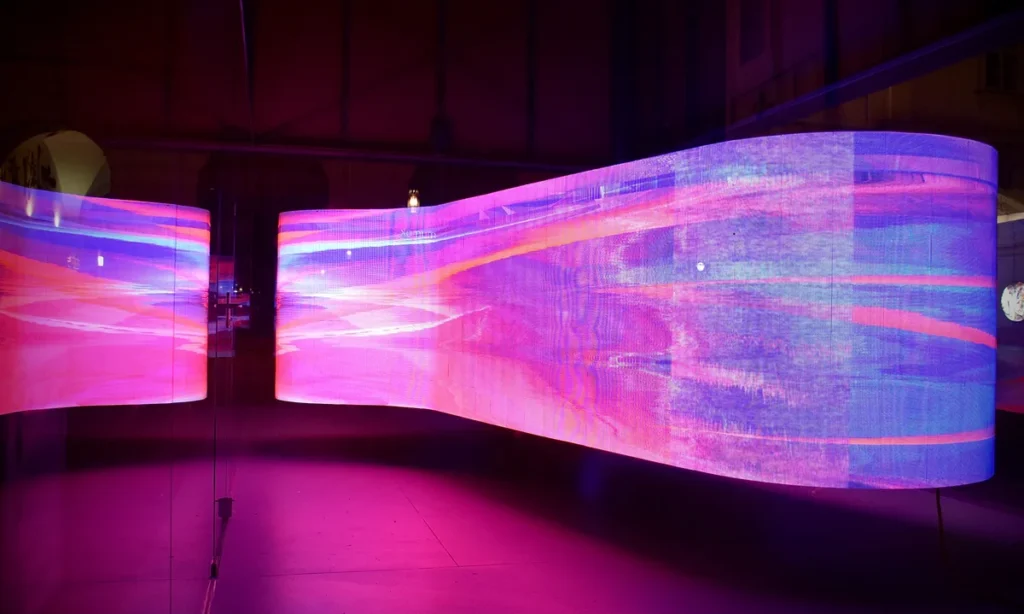
Pixel Pitch
Pixel pitch affects resolution and viewing distance. A smaller pixel pitch generally creates sharper images at closer viewing distances, which is important for indoor retail, showrooms, and exhibitions. Larger pitch options may work better for large-scale installations viewed from farther away.
Brightness
Brightness requirements depend on ambient light. Indoor applications typically need less brightness than outdoor or window-facing installations exposed to sunlight. If the screen will be placed behind glass or used in bright daytime conditions, higher brightness is essential.
Flexibility and Curvature Range
A it should match the physical design of the project. Some models support gentle curves, while others can handle more complex shapes. Always confirm the minimum bending radius and structural compatibility before purchasing.
Installation Environment
Consider whether the screen will be used indoors, semi-outdoors, or outdoors. Environmental protection, waterproofing, ventilation, and temperature tolerance all affect long-term performance. Event use may require easy assembly and disassembly, while permanent architectural installations may need more durable construction.
Maintenance Access
Ease of maintenance is often overlooked. Front and rear service options, modular replacement, and accessible power and control components can reduce downtime and long-term service costs.
Content Management System
An effective display also needs user-friendly software. Look for a system that supports scheduling, remote updates, multiple media formats, and reliable playback. This is especially important for businesses running frequent promotions or multi-location campaigns.
Structural and Electrical Requirements
Make sure the supporting structure, mounting approach, and electrical setup are suitable for the installation site. Even though many transparent systems are lightweight, professional engineering review is still recommended for safety and compliance.
Supplier Experience and Support
Choosing an experienced manufacturer or integrator can make a major difference. Ask about project references, warranties, customization options, technical support, and spare parts availability. The best supplier will help align the screen specification with your goals rather than simply offering a generic product.
Installation, Maintenance, and Best Practices
Installing a this successfully requires good planning, professional execution, and regular maintenance. While the technology is advanced, long-term results depend heavily on how the system is deployed and managed.
Pre-Installation Planning
Start with a site assessment. Measure the installation area carefully, review structural conditions, identify power access points, and evaluate viewing angles. If the display will be mounted on glass, curved frames, or custom architecture, the mounting system must be designed accordingly.
Content strategy should also be planned early. The dimensions, aspect ratio, and intended messaging of the display influence hardware selection. A beautiful screen is only effective when the content is optimized for it.
Professional Installation Matters
Although modular systems may appear simple, installation should be handled by qualified technicians. Alignment, cable management, ventilation, and control system setup all affect performance. Inaccurate installation can reduce image quality, shorten lifespan, or create safety issues.
Routine Maintenance
A flexible transparent led screen should be inspected periodically for dust buildup, loose connections, LED performance consistency, and control system reliability. Preventive maintenance helps detect issues before they affect screen output.
General maintenance best practices include:
– Cleaning surfaces carefully with approved materials
– Checking power supplies and signal connections regularly
– Monitoring temperature and ventilation conditions
– Replacing faulty modules promptly
– Updating software and playback systems as needed
Content Optimization
Transparent displays behave differently from traditional screens because background light and visibility through the screen affect perceived contrast. Content should use strong color contrast, bold typography, and motion graphics suited to the environment. Overly detailed visuals may not perform well in all transparency conditions.
Energy and Efficiency Considerations
Modern LED systems are often more energy efficient than older display technologies, but usage patterns still matter. Scheduling playback, adjusting brightness based on ambient light, and turning off the display during low-traffic hours can reduce operating costs.
Compliance and Safety
For public installations, always confirm compliance with local electrical, building, and safety standards. This is especially important for large storefronts, suspended structures, and facade-mounted systems.
FAQ About Flexible Transparent LED Screen Solutions
What is a flexible transparent LED screen used for?
A flexible transparent led screen is used for retail windows, glass facades, exhibitions, stage backdrops, corporate interiors, and digital advertising. It allows businesses to display dynamic content while maintaining visibility through the structure.
Is a flexible transparent LED screen suitable for outdoor use?
Yes, some models are designed for outdoor environments, but specifications vary. When choosing a flexible transparent led screen for exterior use, check brightness, weather resistance, temperature tolerance, and structural durability.
How transparent is a flexible transparent LED screen?
Transparency levels depend on the product design, pixel pitch, and LED arrangement. In many cases, a flexible transparent led screen offers enough openness to preserve sightlines and natural light while still delivering strong visual content.
Can a flexible transparent LED screen be installed on curved surfaces?
Yes, that is one of its main advantages. A flexible transparent led screen is specifically valued for adapting to curved walls, columns, and creative architectural forms that rigid displays cannot easily accommodate.
Is maintenance difficult for a flexible transparent LED screen?
Maintenance is generally manageable when the system is designed well. A high-quality flexible transparent led screen should feature accessible modules, reliable components, and support for fast servicing when needed.
Conclusion
The flexible transparent led screen represents a major step forward in digital display technology. It combines transparency, adaptability, lightweight construction, and visual impact in a way that traditional screens cannot match. For retailers, architects, event organizers, and commercial property owners, it offers a powerful method to communicate visually without sacrificing openness or design quality.
Whether you want to transform a storefront, energize an exhibition booth, modernize a corporate lobby, or create an unforgettable stage environment, the flexible transparent led screen can deliver both practical performance and impressive aesthetics. By choosing the right specifications, installation partner, and content strategy, businesses can turn this innovative display solution into a long-term branding and engagement asset.
