LED Screen Rental Columbus for Indoor & Outdoor Events

If you are planning a live event in Central Ohio, one of the fastest ways to elevate the experience is to invest in strong visual presentation. From corporate meetings and product launches to concerts, weddings, trade shows, and sporting events, the right display can turn an ordinary gathering into something memorable. LED Screen Rental Columbus gives event planners a flexible way to deliver bright, high-impact visuals without the cost of buying permanent equipment. In a city with venues of every size and audience type, that flexibility matters. The best rental solution should match your venue, your audience, and your content while staying easy to set up, operate, and adapt as plans change. This guide breaks down the key decisions that make an event screen truly effective.
Why Rent an LED Screen?
Renting provides flexibility. For one-off events such as conferences, concerts, trade shows, and weddings, renting eliminates the capital expense and maintenance burden of owning an LED screen. Rentals also allow access to current technology — higher resolution panels, better brightness, and modular sizes — without the long-term depreciation. In Columbus, where indoor convention spaces and outdoor event parks are both popular, rentals let you match the right screen to the venue and audience.
Key rental advantages:
– Cost-effective short-term access to high-end equipment.
– Scalable solutions based on event size and layout.
– Professional delivery, installation, and technical support often included.
– Flexibility to test new pixel pitches, aspect ratios, and control systems.
Indoor vs. Outdoor LED: Core Differences
Indoor and outdoor led displays have different engineering priorities. Understanding the differences helps you pick a screen that is fit for purpose and keeps rental costs optimized.
Indoor LED priorities:
– Finer pixel pitch (higher resolution at close viewing distances).
– Lower brightness requirements (typically 800–2,500 nits).
– Lightweight, easy rigging for trusses and stages.
– Reduced weatherproofing, which lowers rental costs.
Outdoor LED priorities:
– High brightness (3,000–8,000 nits) to overcome sunlight glare.
– Robust IP-rated cabinets for weather resistance.
– Heavier construction and reinforced mounting or ground-stacking.
– Additional power distribution, wind and safety considerations.
Key Technical Factors to Consider
Pixel Pitch and Viewing Distance
Pixel pitch (measured in millimeters) determines how close an audience can be to the screen before individual pixels become noticeable. For indoor trade shows or stage backdrops where audiences are close, choose P1.9–P2.6. For larger audiences or outdoor displays viewed from farther away, P3.9–P10 is common. Choosing the correct pixel pitch avoids overspending on unnecessarily fine panels.
Rule of thumb:
– Viewing distance (ft) ≈ Pixel pitch (mm) × 0.0033 × 1000 → simplified guidance often used by rental houses.
Brightness and Ambient Light
Brightness is critical for outdoor visibility. Measured in nits, indoor LED screens rarely require more than 2,500 nits; outdoors, aim for at least 4,000 nits and up to 8,000 nits for direct sunlight. Higher brightness increases power consumption and rental cost, so match brightness to the actual ambient conditions.
Weatherproofing and IP Ratings
Outdoor rental cabinets should have an IP65 rating or better for resistance to rain and dust. Confirm the vendor’s wind-load calculations and mounting options. Rain covers and sealed connections prevent short circuits and downtime but add to rental fees.
Refresh Rate and Color Calibration
High refresh rates prevent flicker in camera broadcasts and slow-motion video. For events streamed or filmed, request screens with refresh rates compatible with broadcast standards. Ask about on-site color calibration to ensure brand colors appear consistent across lighting conditions.
Power, Control, and Signal Distribution
Ensure the venue power can support the screen’s continuous draw (LED walls can be power-hungry). Rental packages should include power distribution, backup circuits, video processors (scalers), and control systems. Clarify signal types (HDMI, SDI, fiber) and the need for splitters, extenders, or wireless options.
Pricing and Making Rentals Affordable
LED screen rental pricing varies widely. Affordability comes from understanding pricing components and negotiating packages.
Common cost components:
– Base rental fee (per day or event length).
– Delivery and pickup (distance-based).
– Installation and labor (hours and crew size).
– Power distribution and cabling.
– Protective and mounting hardware (truss, rigging).
– Technical support and operator fees.
– Insurance, permits, and possible venue charges.
Ways to reduce costs:
– Book during off-peak seasons or weekdays.
– Lock multi-day or multi-event discounts with the same provider.
– Choose slightly larger pixel pitch if viewing distance permits.
– Share screen rentals across neighboring events or departments.
– Bundled packages that include sound, lighting, or staging can reduce per-item costs.
Sample Rental Pricing Factors
Pricing ranges (illustrative; actual Columbus quotes will vary):
– Small indoor P2.6 wall (10–20 sq ft): $300–$800/day.
– Medium indoor P3.9 wall (20–100 sq ft): $600–$2,500/day.
– Outdoor P4.8/P6.9 wall (50–200+ sq ft): $1,200–$6,000/day.
– Full production packages (concerts, large festivals): $10,000+ per event.
Always obtain itemized quotes to identify negotiable elements.
Choosing a Vendor in Columbus
Local Experience and Logistics
Select vendors with strong local presence in Columbus or central Ohio. They’ll have familiarity with popular venues (Ohio Convention Center, Mapfre Stadium surroundings, Columbus Commons, local fairgrounds), permitting processes, and reliable crews for fast setups. Local vendors also reduce delivery costs and mitigate timing risks.
Reputation and Technical Support
Look for vendors with:
– Portfolio of similar events.
– Case studies and client references.
– Onsite technicians and remote monitoring.
– Backup cabinets and redundancy plans.
Request an on-site pre-event test whenever possible and confirm troubleshooting response times.
Insurance and Compliance
Confirm the rental company carries adequate liability insurance and adheres to venue rigging safety standards. This protects you from unexpected liabilities and ensures compliance with permit requirements.
Content Management & Creative Best Practices
Content quality matters as much as hardware. To maximize visual impact with an affordable rental, follow these creative tips:
– Design content at the screen’s native resolution and maintain correct aspect ratio.
– Use high-contrast visuals and large type for readability at distance.
– Create content playlists and transitions to keep attention without overwhelming.
– Test motion graphics on the actual display to catch aliasing or color shifts.
– For outdoor events, increase text size and reduce subtle motion to maintain legibility in bright sunlight.
Consider hiring a content operator included in the rental to manage live feeds, camera switching, and last-minute changes.
Risk Management and Installation Logistics
Proper planning reduces downtime risk and hidden costs:
– Site survey: Conduct or request a site visit to plan rigging, power, ingress, and egress.
– Load-in/load-out schedule: Coordinate with the venue and other vendors to avoid overtime.
– Redundancy: Ask about backup processors, spare panels, and fallback video sources.
– Safety: Include wind calculations for outdoor walls and ensure certified riggers perform installations.
Analysis Table: Quick Comparison for Common Scenarios
| Use Case | Recommended Pixel Pitch | Optimal Brightness (nits) | Typical Rental Price (Per Day) | Notes |
|---|---|---|---|---|
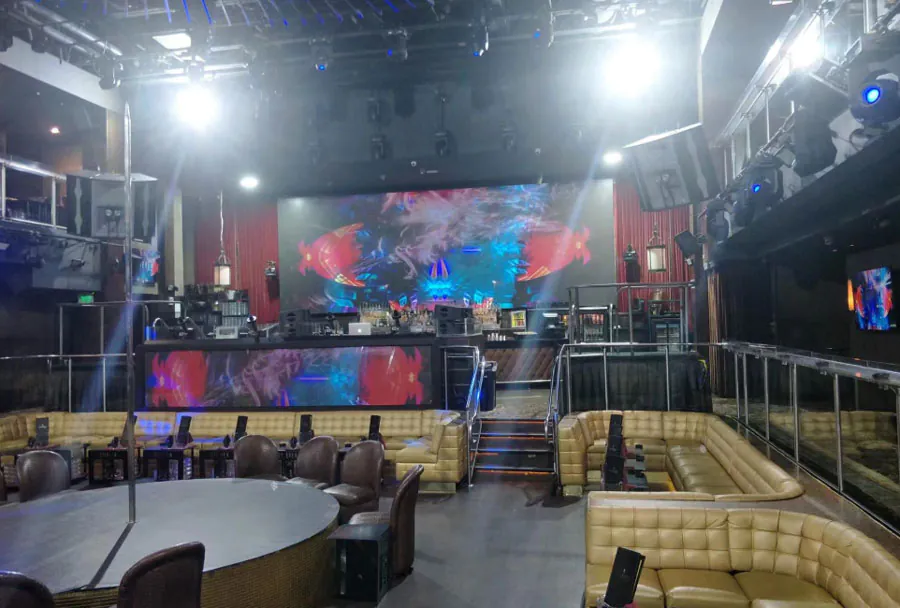
| Indoor Trade Show Booth | P2.6–P3.9 | 800–2,500 | $600–$2,000 | High resolution for close viewing; lightweight mounting systems are preferred. |
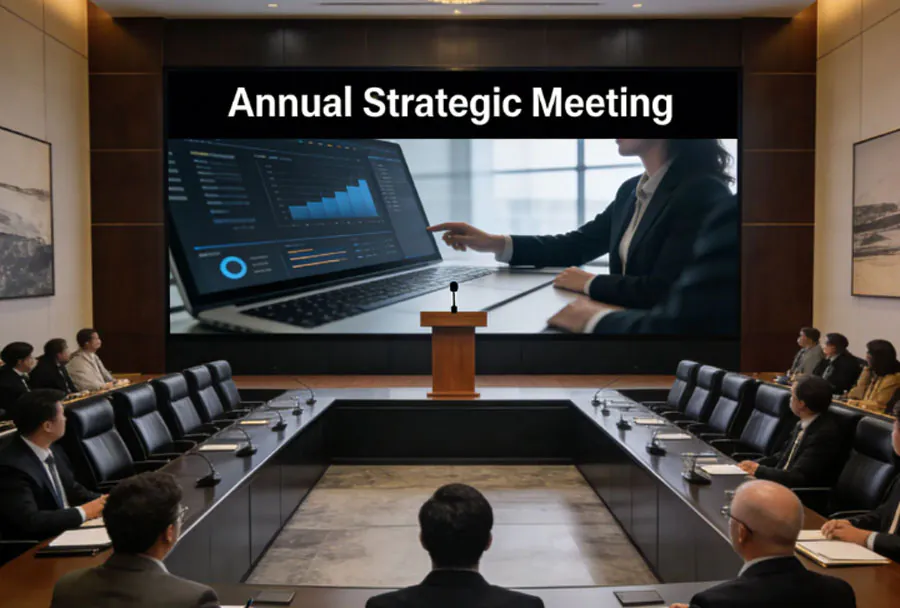
| Corporate Conference Stage | P2.6–P4.8 | 1,000–3,000 | $1,000–$4,000 | Ideal for video presentations and live camera feeds; typically requires an on-site technical operator. |
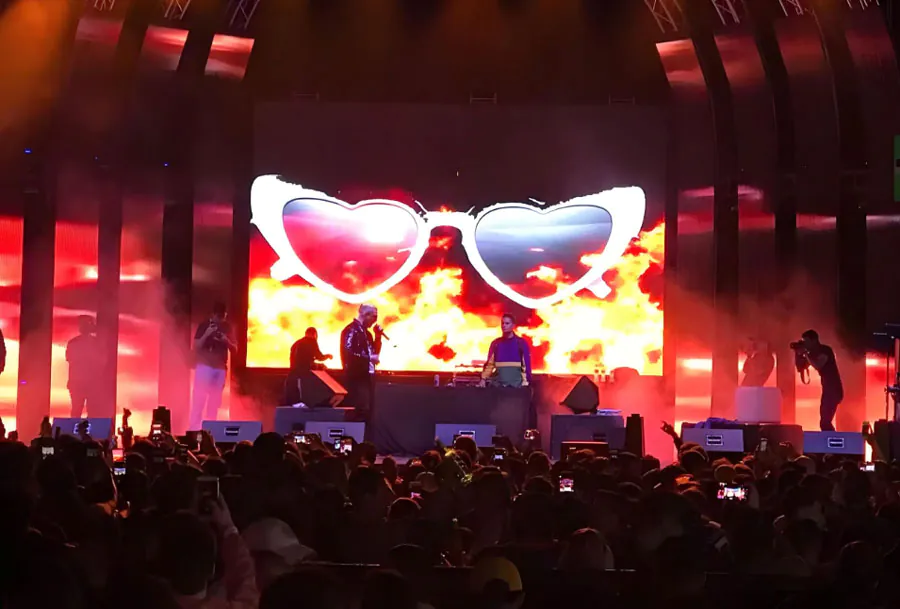
| Outdoor Festival / Concert | P4.8–P10 | 4,000–8,000 | $2,000–$10,000 | Weatherproof LED cabinets, heavy-duty rigging, and higher power capacity are essential. |
| Wedding or Private Party | P3.9–P6.9 | 1,500–4,000 | $500–$3,000 | Suitable for smaller LED walls displaying photo slideshows, videos, and live content. |
| Sports Venue / Scoreboard | P3.9–P6.9 | 5,000–8,000 | $1,500–$8,000+ | Large-format displays with high brightness; often require specialized mounting and structural support. |
Case Studies: How Columbus Organizations Use Rentals
– Convention Exhibitors: A Columbus-based tech company used a rented P2.6 wall for a regional trade show. The crisp visuals drove foot traffic and improved lead capture; the rental fee was offset by the number of qualified leads generated.
– Outdoor Festivals: Organizers for a summer festival chose P6.9 outdoor screens with high-brightness cabinets and ground-stacked modules. The rental vendor supplied extra weatherproof power and on-site technicians, ensuring consistent playback during changing weather.
– Corporate Town Halls: A Fortune 500 firm staging an employee town hall at a downtown ballroom rented a mid-sized P3.9 LED wall. The screen’s readability improved engagement during remote speaker segments.
These examples show that careful matching of pixel pitch, brightness, and vendor services produce measurable benefits.
Checklist Before Booking an LED Rental in Columbus
– Confirm indoor vs. outdoor requirements and choose appropriate IP-rated cabinets.
– Determine expected viewing distances and pick pixel pitch accordingly.
– Request a full itemized quote including delivery, rigging, power, and support.
– Verify vendor’s local experience, references, and insurance.
– Schedule a site survey and test playback before the event day.
– Include a contingency plan for weather, power failures, or technical faults.
– Ensure content is prepared at native resolution and available in the required formats.
Balancing Affordability and Impact
Affordable LED screen rental in Columbus is an achievable goal with the right approach: match technical specs to the event’s needs, negotiate clear pricing, work with experienced local vendors, and focus on content optimization. Whether for an intimate indoor product demo or a large outdoor festival, LED rentals provide a powerful way to elevate audience experience while controlling costs. By using the guidelines and checklist in this article, planners can confidently select the right LED rental solution and maximize event ROI.
FAQ
What should I expect from LED Screen Rental Columbus?
First, you should expect a solution that matches your venue, audience size, content, and event schedule. In addition, a reliable rental provider will recommend the right screen dimensions, pixel pitch, and power requirements based on your specific needs. Furthermore, they will coordinate installation timing and provide on-site technical support. As a result, your LED display will deliver sharp visuals, reliable performance, and a seamless event experience.
How far in advance should I book LED Screen Rental Columbus?
Booking early is ideal, especially for peak seasons, large conferences, and outdoor events. The more lead time you allow, the easier it is to secure the right equipment, confirm venue requirements, and test your content before show day.
Can LED Screen Rental Columbus work for both indoor and outdoor events?
Yes. Generally, indoor and outdoor setups require different configurations, brightness levels, and protection measures. However, with proper planning, you can optimize both environments for excellent performance. Most importantly, you need to match the LED screen system to the venue and event conditions. As a result, you can maintain consistent visibility, reliable performance, and a high level of safety throughout the event.
What kind of content works best with LED Screen Rental Columbus?
The best content is clean, high-resolution, and designed for the audience’s viewing distance. Slides, video loops, live camera feeds, sponsor graphics, and bold branding all work well when they are formatted correctly and tested in advance.
Conclusion
A successful event depends on more than good timing and a strong agenda. It depends on how clearly you communicate with the people in the room. That is why LED Screen Rental Columbus is an excellent choice for planners seeking brighter visuals, smoother presentations, and a more memorable audience experience. In addition, selecting the right screen size, format, and installation ensures the display integrates seamlessly with your event. As a result, your team can improve audience engagement, enhance content visibility, and deliver a polished event experience from beginning to end. With careful planning, thoughtful content, and the right production support, your next event can feel polished, engaging, and visually unforgettable.