Indoor and Outdoor LED Screen Rental in Los Angeles

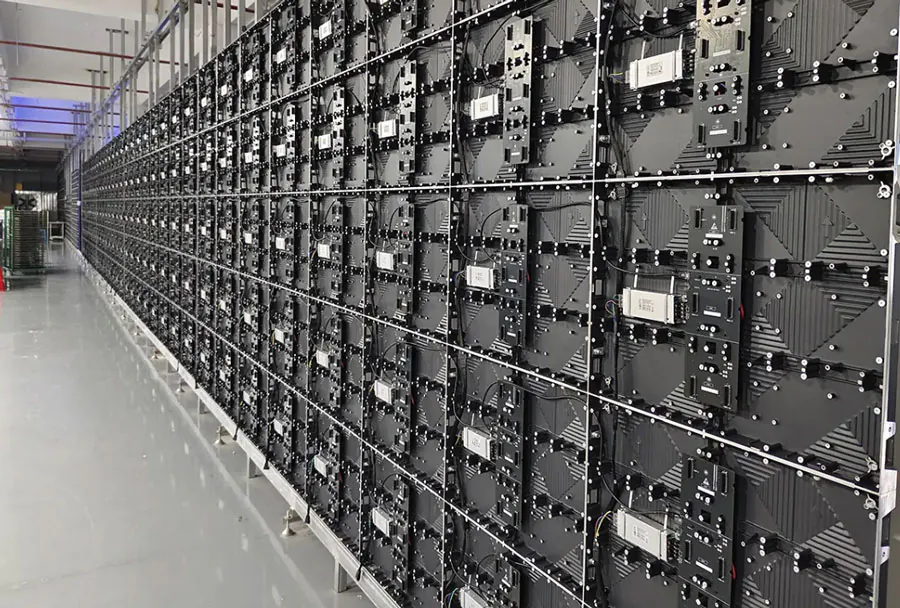
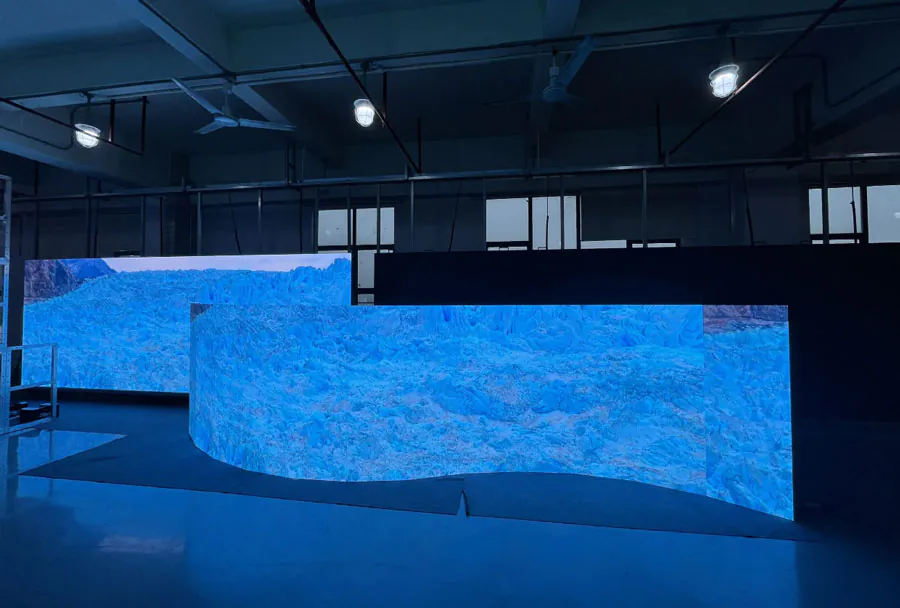
Los Angeles is an events and entertainment capital with a year-round outdoor season and an abundance of indoor venues. From live concerts at Hollywood Bowl to trade shows at the Los Angeles Convention Center, corporate product launches, retail activations on Rodeo Drive, film premieres, and private weddings, high-quality visual presentation is essential. Renting LED screens—both indoor and outdoor—offers flexibility, reduced capital expenditure, and access to the latest technology without long-term commitments. This article provides a professional, practical guide for event planners, production companies, and marketers who need to rent LED screens in Los Angeles.
Market Landscape and Demand Drivers
Los Angeles’s demand for LED rentals is driven by:
– A dense concentration of large-scale entertainment events and festivals.
– An active film, television, and commercial production industry requiring on-set displays.
– Corporate headquarters and tech companies that require immersive AV experiences for launches and internal events.
– Retail environments seeking dynamic signage and window displays.
– A robust wedding and private events market that increasingly uses LED walls for atmosphere and branding.
The local rental market includes nationwide rental houses with LA branches, regional specialists, and small boutique providers. Competitive differentiators are equipment quality, logistics and crew capabilities, LA permitting know-how, engineering support, and turn-key services.
Key Technical Differences: Indoor vs. Outdoor LED Screens
Brightness and Viewing Conditions
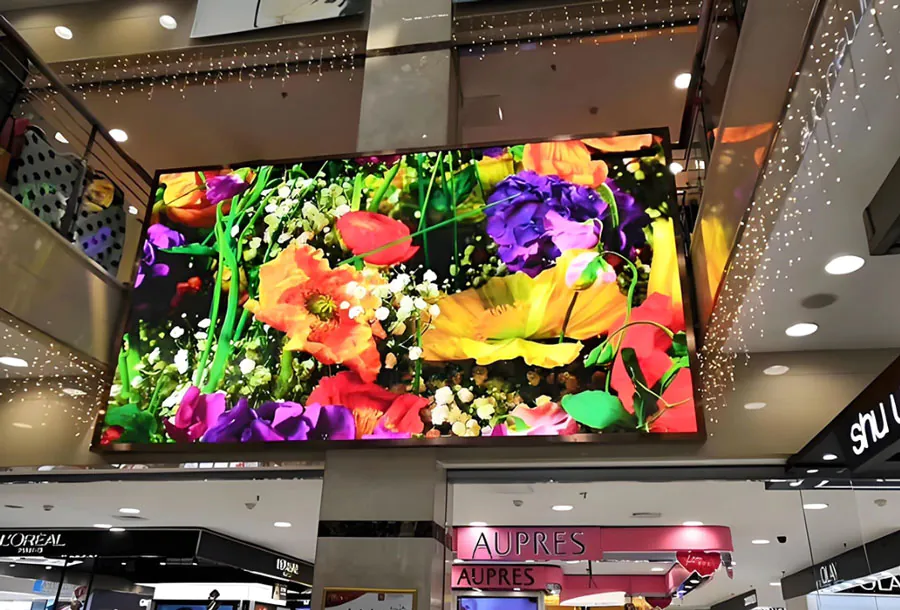
– Indoor LED: Typical brightness ranges from 800 to 1,500 nits. This is sufficient for controlled lighting environments like ballrooms, convention halls, and studios.
– Outdoor LED: Requires much higher brightness—typically 3,000 to 10,000 nits—to remain visible in direct sunlight. High brightness also requires more robust power delivery and thermal management.
Pixel Pitch and Viewing Distance
Pixel pitch (the distance between LED pixels) dictates resolution and ideal viewing distance. Typical guidelines:
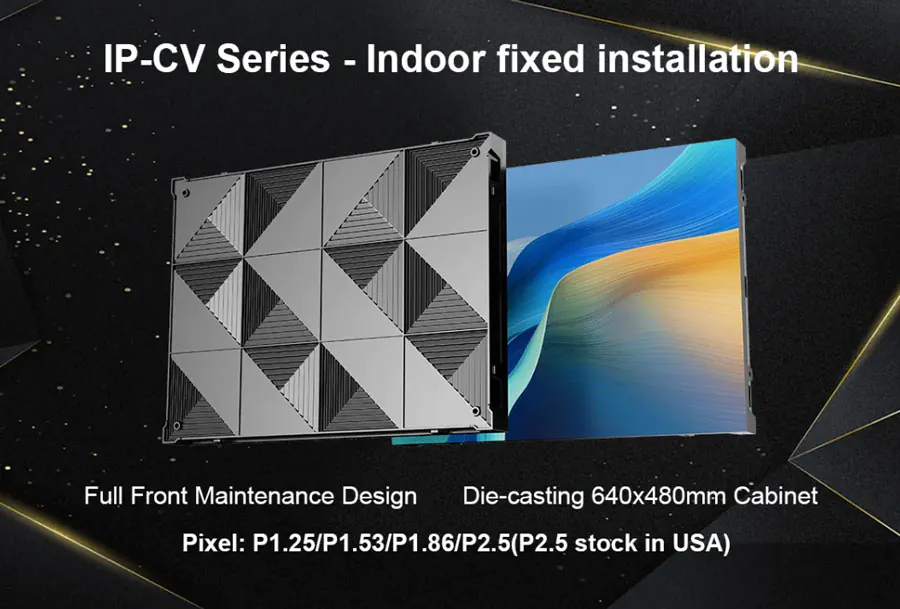
– Indoor: P1.2–P2.5 for close viewing (conferences, broadcast backgrounds), P2.5–P4 for larger venues where viewers are further away.
– Outdoor: P3–P10 depending on audience distance; larger pixel pitches are acceptable for stadiums and outdoor billboards.
Weatherproofing and IP Ratings
Outdoor LED cabinets must have appropriate ingress protection (IP) ratings—commonly IP65 for front and rear protection—to resist rain, dust, and humidity. They also require robust sealing, corrosion-resistant materials, and protective louvers or hoods to reduce glare and protect from the elements.
Structural Requirements and Wind Loads
Outdoor installations must account for wind loads and structural support. Rental suppliers should provide engineering calculations, rigging points, and ballast or ground-support systems. Permits often require stamped structural drawings in LA, particularly for large or elevated installations.
Operational Considerations for Renting in Los Angeles
Permits and Local Regulations
LA has specific permitting requirements for temporary structures, especially in public spaces. Common steps:
– Submit plans and engineering for large outdoor screens to the Los Angeles Department of Building and Safety (LADBS).
– Coordinate with DOT for street closures or sidewalk encroachments.
– Obtain special event permits from the City of Los Angeles and, when applicable, park permits from the Department of Recreation and Parks.
– In historic districts or neighborhoods with strict signage rules, additional approvals may be required.
Work with a rental company experienced in LA permitting to avoid delays. They can provide the technical documentation and attend meetings with city officials if needed.
Site Surveys and Power Requirements
A professional site survey should assess:
– Power availability and distribution (outdoor installations might need generators or temporary distribution panels).
– Cable runs and signal integrity (fiber or SDI solutions for long runs).
– Sightlines and audience viewing distances.
– Load-bearing capacity for stages, roofs, or truss systems.
– Local noise ordinances that may affect generator use or crew operations.
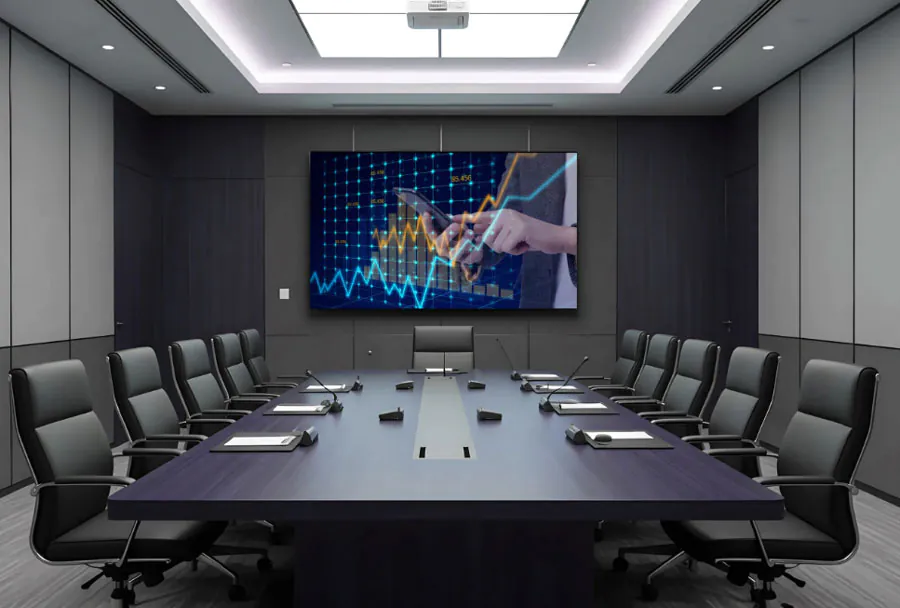
Ensure the rental provider can supply qualified electricians and AV technicians familiar with California code and LA venue practices.
Logistics, Timing, and Staffing
LA traffic and venue rules make timing critical. Plan delivery windows outside peak traffic where possible. Large LED walls require a crew for assembly, focusing, power hookup, calibration, and testing—often a full day or more for complex outdoor builds. Factor in time for system burn-in and contingency for adverse weather.
Cost Considerations and Typical Pricing
Pricing factors:
– Screen type (indoor fine-pitch vs. high-brightness outdoor).
– Size and pixel pitch.
– Rental duration (daily, multi-day, or weekly rates).
– Included services: freight, rigging, engineering, technicians, control system, content playback.
– Additional equipment: truss, scaffold, rigging motors, power distribution, weather protection, monitoring.
– Permitting and insurance costs.
Typical ranges (indicative, subject to supplier variation and event specifics):
– Small indoor LED wall (8’x6’, fine pitch): $500–$1,500/day.
– Medium indoor LED wall (16’x9’): $1,500–$5,000/day.
– Large outdoor LED screen (10’x18’ modular high-brightness): $3,000–$10,000+/day.
– Full festival stadium displays: tens of thousands when including structural rigging, cranes, production crews, and multi-day logistics.
Always obtain detailed quotes including line-item services to compare vendors accurately.
Sample Analysis Table: Use Cases and Recommended Specs
| Use Case | Location Type | Recommended Screen Type | Suggested Pixel Pitch | Typical Rental Cost Range (per day) |
|---|---|---|---|---|
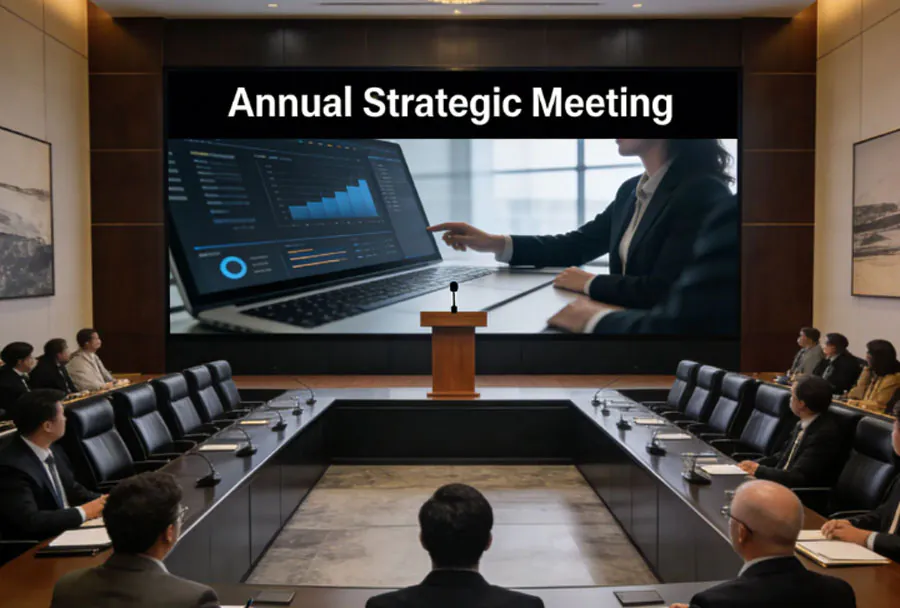
| Corporate Product Launch | Indoor (hotel ballroom) | Fine-pitch LED wall + video processor | P1.5–P2.5 | $2,000–$8,000 |
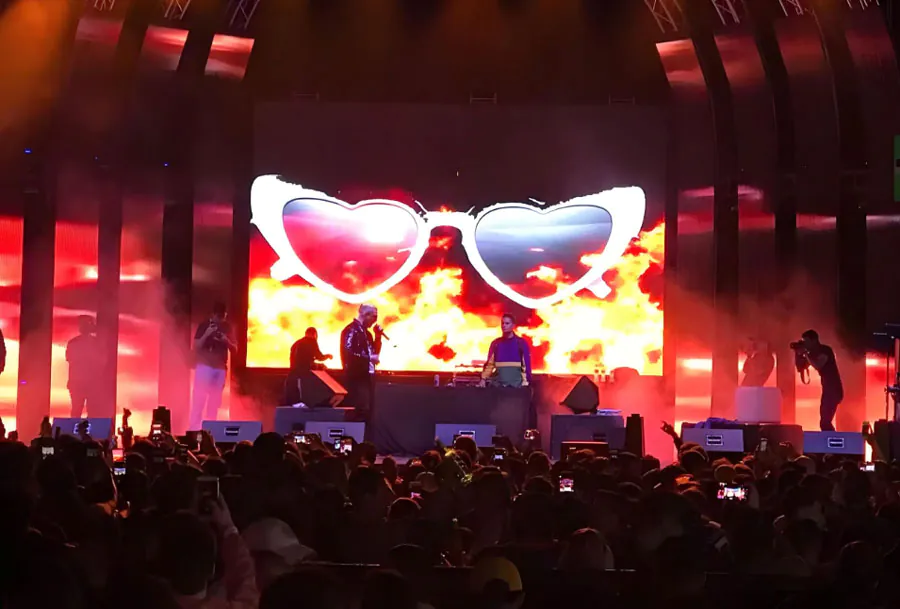
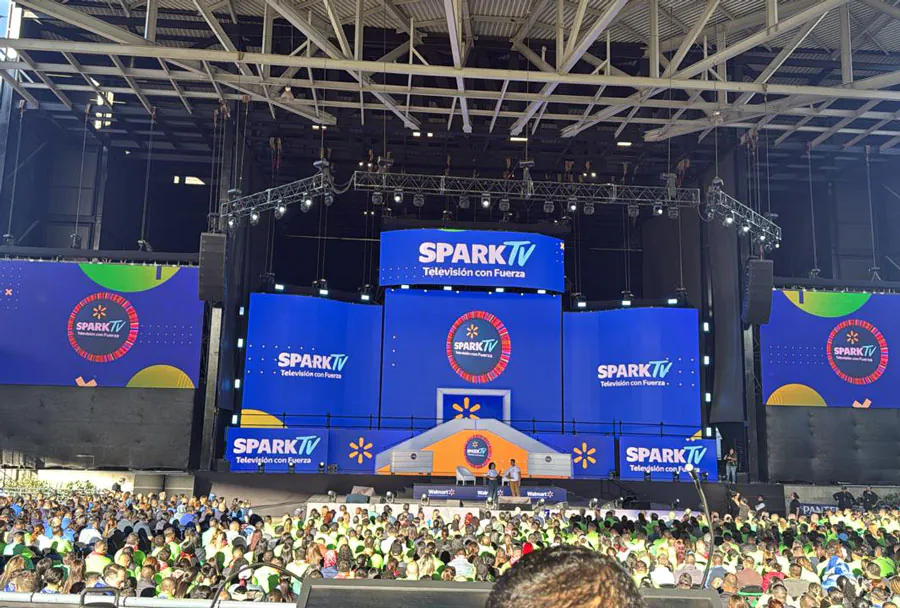
| Outdoor Music Festival | Outdoor (park/stadium) | High-brightness outdoor LED with rigging | P4–P8 | $6,000–$25,000+ |
| Trade Show Booth | Indoor (convention center) | Seamless LED Video Wall | P1.2–P2.5 | $1,000–$6,000 |
| Retail Window Activation | Indoor/Outdoor (storefront) | Transparent or rear-view LED / weatherproof outdoor LED | P2.5–P4 (indoor) / P3–P6 (outdoor) | $800–$5,000 |
| Broadcast Set / Film Background | Indoor (studio) | Ultra-fine pitch LED wall, high color accuracy | P0.9–P1.5 | $2,500–$12,000 |
Vendor Selection: What to Ask a Rental Company
When selecting a rental partner in Los Angeles, evaluate these capabilities:
– Equipment Inventory: Do they carry both indoor fine-pitch and high-brightness outdoor panels? What manufacturers and models?
– Technical Staff: Availability of certified technicians, riggers, and electricians who understand LA codes.
– Turn-key Services: Can they handle site surveys, engineering drawings, permits, and insurance?
– Integration: Support for playback systems, media servers, camera inputs, and broadcast workflows.
– Reliability and Maintenance: On-site spares, rapid replacement policy, and monitoring tools.
– References and Case Studies: Past LA events similar in scope, photos, and client feedback.
– Insurance and Liability Coverage: General liability, workers’ comp, and equipment insurance that meets venue requirements.
Sample Questions to Request in a Quote
– What are the exact panel specs (brightness, pixel pitch, cabinet dimensions)?
– Is rigging hardware and structural engineering included or extra?
– What are the power requirements and will you provide distribution?
– How many technicians are on-site during install, show, and strike?
– What’s included in the rental price versus billed as additional (freight, overtime, permits)?
– Can you provide a site-specific risk assessment and method statement?
Installation, Calibration, and Content Considerations
Installation best practices:
– Pre-configure and test panels at the supplier’s warehouse when possible.
– Run full system calibration (color matching, gamma curves, black level, and brightness) to ensure uniformity across panels.
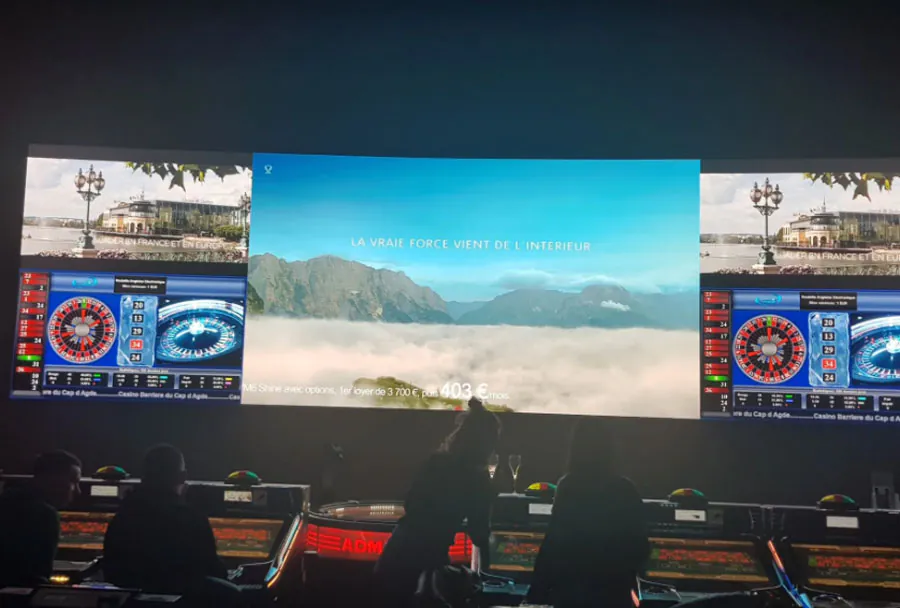
– Use a dedicated video processor or media server to scale content properly and manage multiple inputs.
– Consider frame rates and shuttering for camera shoots to avoid flicker with LED refresh rates.
– For outdoor events, plan sun-angles and reflective surfaces; use anti-glare accessories as needed.
Content production:
– Produce content at native resolution or multiple outputs to match the LED canvas.
– Use vector or high-resolution raster assets to avoid pixelation on large screens.
– Design with safe areas and consider audience sightlines to ensure important information remains legible.
Risk Management and Contingency Planning
– Weather: Have contingency plans for rain, wind, and heat. Include protective covers, drainage, and shutdown criteria for high winds.
– Redundancy: Use redundant power feeds and backup media players for critical events.
– Spare Parts: Ensure on-site spare panels, power supplies, and data cables to minimize downtime.
– Health & Safety: Comply with LA safety regulations for rigging and working at height. Use certified riggers and fall protection systems.
– Insurance: Confirm appropriate coverage for third-party liability and equipment damage. Many LA venues mandate specific insurance certificates and additional insured endorsements.
Conclusion and Best Practices
Renting LED screens in Los Angeles gives event professionals access to the latest display technology without heavy capital outlay, but success depends on choosing the right provider and planning thoroughly. Key recommendations:
– Start early: Permits, structural calculations, and traffic coordination in LA require lead time.
– Match pixel pitch to audience distance and viewing conditions to optimize cost without sacrificing experience.
– Work with vendors who offer turn-key solutions including engineering, permits, and experienced crews.
– Prioritize outdoor-rated equipment with appropriate IP ratings and wind-load engineering for safety and longevity.
– Budget for logistics and contingency—power, technicians, and weather protection are not optional.
With the right vendor and a clear technical plan, LED rentals can dramatically elevate your event production in Los Angeles, delivering immersive visuals that captivate audiences whether indoors or under the California sun.