Discover High Resolution LED Panels for Indoor and Outdoor Use by TW VISION

Indoor and outdoor visual communication demands have evolved quickly: clients expect razor-sharp image quality, reliable long-term performance, and flexible installation options. TW VISION’s line of high-resolution LED panels addresses these demands by combining fine pixel pitches, robust outdoor housings, and industry-grade control systems. The result is a product family suitable for museums, retail walls, broadcast studios, stadium facades, and corporate signage — all designed with serviceability, color fidelity, and energy efficiency in mind.
Discover High Resolution LED Panels for Indoor and Outdoor Use by TW VISION
Why high-resolution LED panels matter
High-resolution led displays are no longer a luxury; they’re a practical necessity where close viewing distances demand crisp, artifact-free imagery. Pixel pitch — the distance between adjacent LED centers — determines perceived clarity. For indoor environments like boardrooms, retail, or broadcast where viewers are close, pitches of 0.9mm to 2.5mm deliver near-seamless imagery. For outdoor signage that will often be seen from greater distances, pixel pitches of 3mm to 6mm balance cost and visible clarity while supporting high brightness to overcome ambient light.
TW VISION focuses on balancing visual performance with operational realities. That means delivering precise color calibration, high refresh rates to eliminate flicker on camera, and durable mechanical design to simplify installation and maintenance.
Technical strengths of TW VISION’s high-resolution offerings
– Pixel density and image fidelity: TW VISION’s fine-pitch indoor LEDs use high-density SMD packages and multi-layer PCB designs to enable pixel pitches down to sub-millimeter levels. This supports ultra-fine text, high-definition video, and detailed graphics without moiré patterns.
– Brightness and contrast: Outdoor modules reach brightness levels typically between 4,000 and 7,500 nits, ensuring legibility in direct sunlight. Indoor models prioritize contrast and color accuracy, with black-level improvements and high native contrast ratios for cinematic images.
– Refresh rate and grayscale: Professional applications (broadcast, live events) demand refresh rates >3,840 Hz and grayscale performance that prevents banding. TW VISION panels target these metrics to keep footage camera-safe and visually smooth.
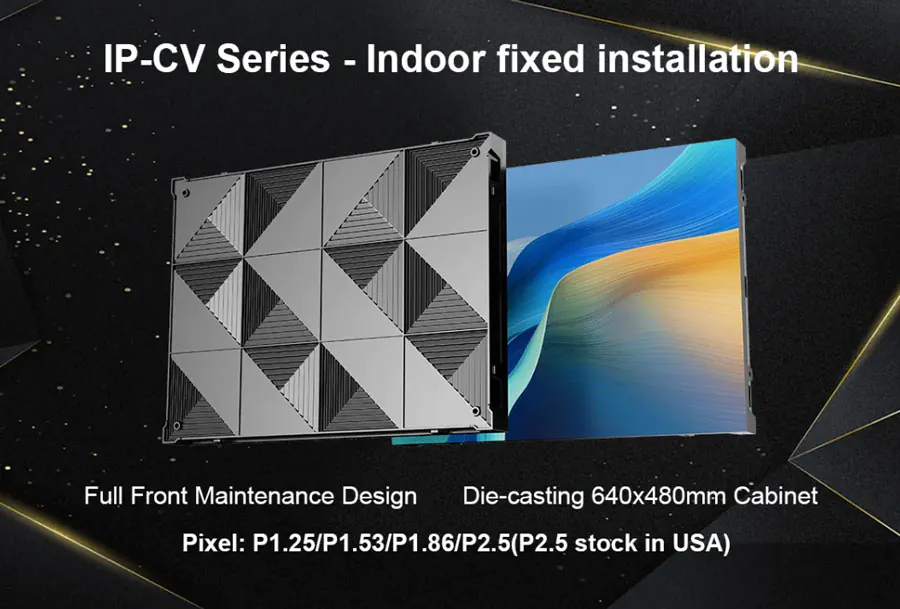
– Serviceability and modularity: Front- and rear-access module designs, tool-less latching systems, and standard cabinet sizes reduce downtime and labor costs during installation or servicing.
– Environmental protection: Outdoor cabinets are engineered with IP65/IP67 ratings, corrosion-resistant coatings, and thermal management systems (passive and active cooling) to maintain performance across temperature extremes.
Key applications and deployment scenarios
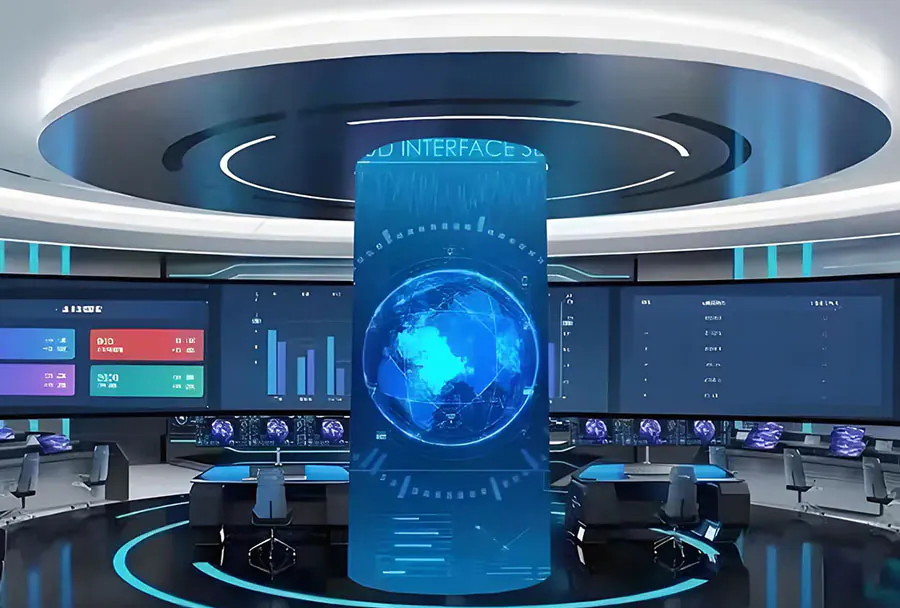
– Corporate and control rooms: Ultra-fine pitch indoor video walls for data visualization and command center clarity.
– Broadcast and studios: Camera-friendly displays with high refresh and color integrity for virtual sets and backdrops.
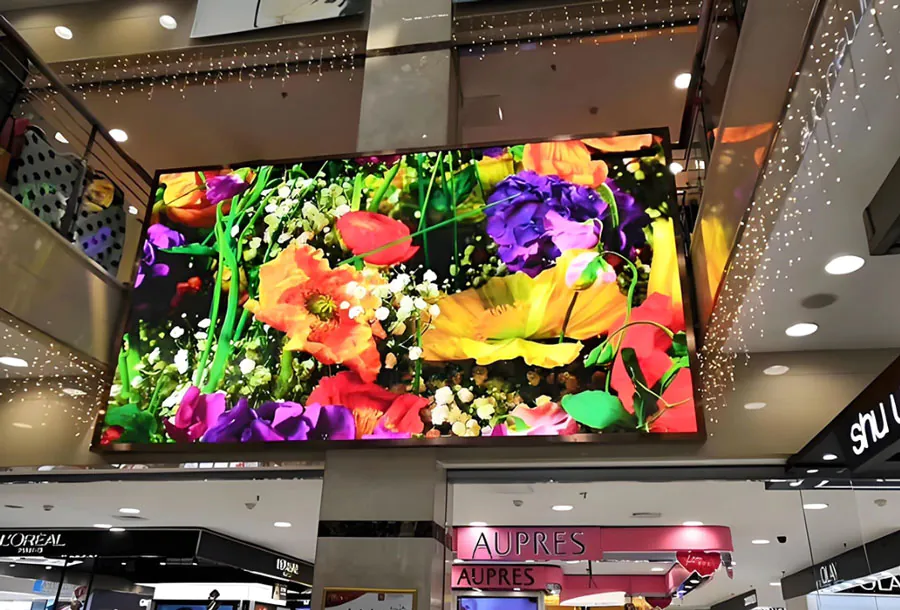
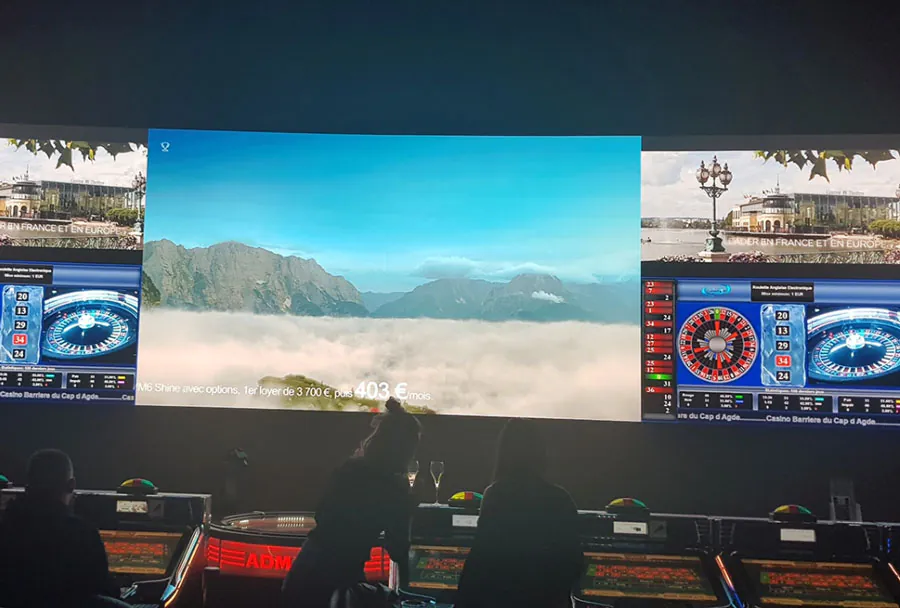
– Retail and hospitality: Dynamic digital signage that enhances branding and drives engagement at close distances.
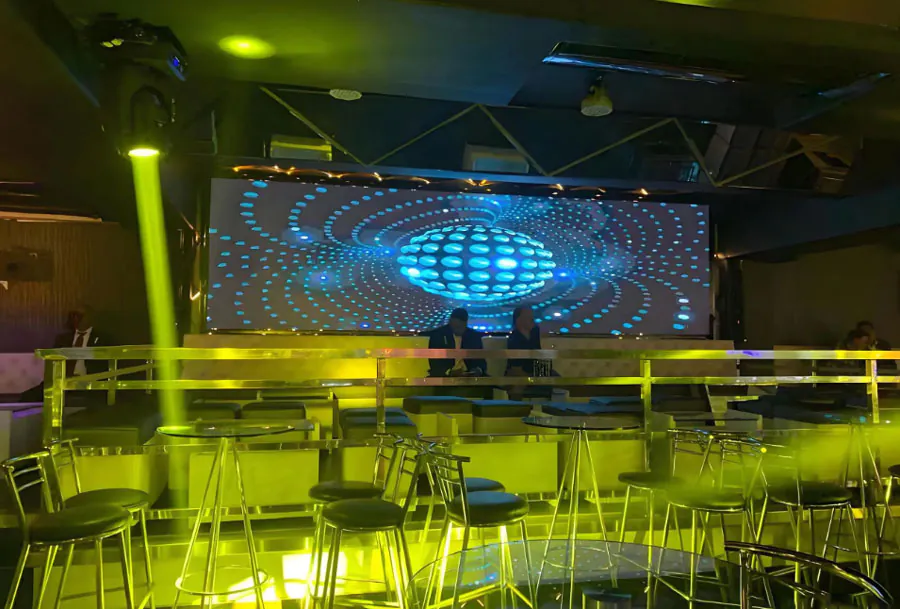
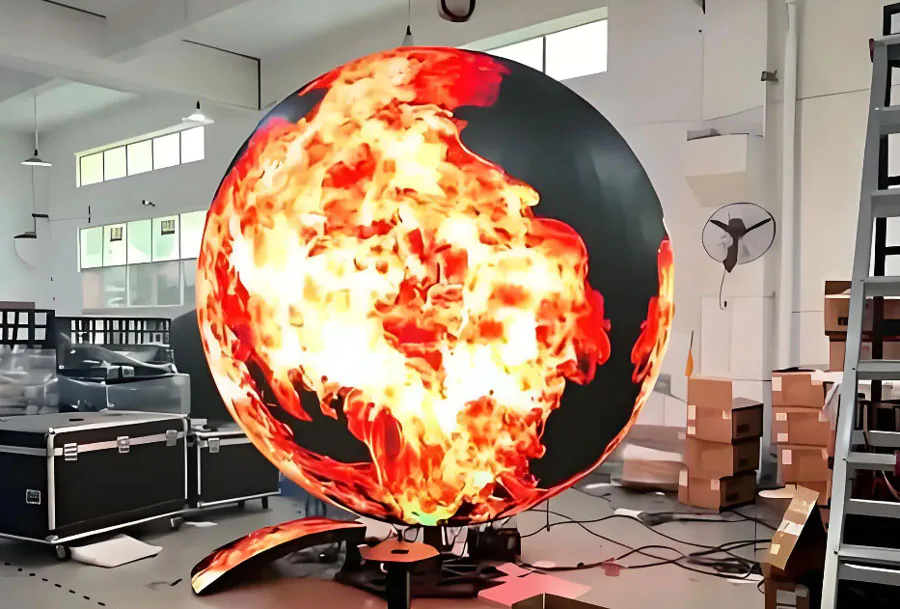
– Entertainment and rental: Lightweight, fast-rigging panels for touring events and immersive installations.
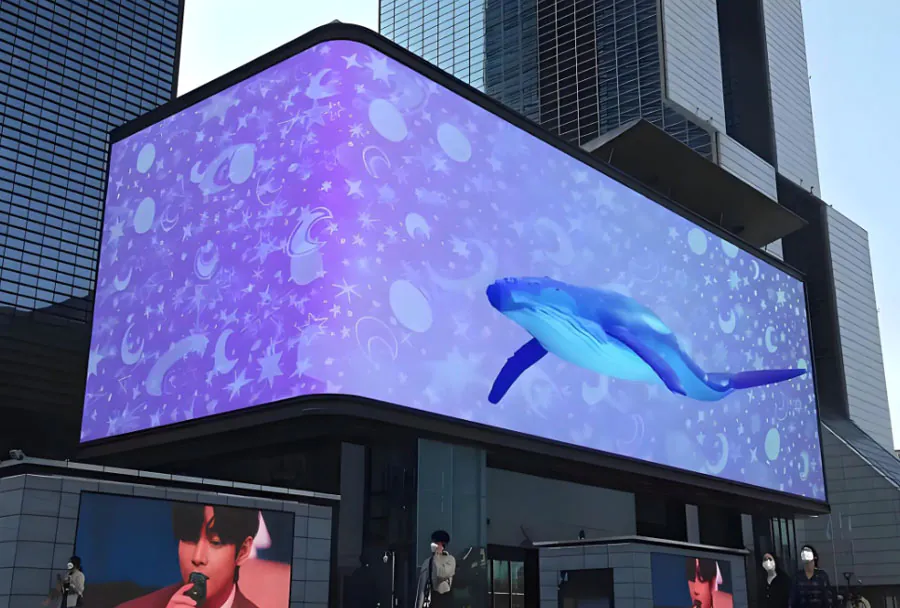
– Outdoor advertising and sports venues: High-brightness facades and perimeter LED that withstand weather and provide strong daytime visibility.
Choosing the right panel: practical considerations
– Viewing distance: A commonly used rule is that optimal pixel pitch (in mm) = viewing distance (meters) × 1. This helps match perceived sharpness with cost. For example, a 2mm pitch suits 2–3 meter viewing distances, while a 4mm might be suitable at 4–6 meters.
– Brightness and ambient light: Assess lux levels of the installation site. Outdoor daytime locations demand 5,000 nits or more; indoor retail spaces often require 800–1,500 nits.
– Certification and reliability: Look for CE, RoHS, and UL certifications. Warranty length on modules and power supplies reflects manufacturer confidence.
– Control system compatibility: Ensure compatibility with NovaStar, Colorlight, or other enterprise-level sending/receiving card systems for redundancy and advanced content management.
– Service access: Front-access modules are crucial for interior designs with limited rear space; rear-access may be acceptable in open installations.
Analysis Table — TW VISION High-Resolution Panel Overview
| Model | Pixel Pitch (mm) | Brightness (nits) | IP Rating | Best Use Case |
|---|---|---|---|---|
| TWV-Indoor-HR0.9 | 0.9 | 800 | IP20 | Broadcast studios; control rooms |
| TWV-Indoor-HR1.5 | 1.5 | 1,200 | IP20 | Corporate lobbies; retail walls |
| TWV-Indoor-HR2.5 | 2.5 | 1,500 | IP20 | Large indoor video walls; auditoriums |
| TWV-Outdoor-HR3 | 3.0 | 5,000 | IP65 | Outdoor advertising; building facades |
| TWV-Outdoor-HR4.8 | 4.8 | 6,500 | IP66 | Stadiums; perimeter LED boards |
Installation and system integration best practices
Proper installation determines long-term performance as much as component quality. TW VISION panels are designed for both fixed and rental markets, with features that streamline integration:
– Structural considerations: Use manufacturer-approved mounting frames and alignment pins to ensure flatness across large walls. Avoid over-flexing cabinets during installation.
– Power distribution: Design redundant power feeds and evenly distribute power to avoid hotspots. Include surge protection and remote monitoring for critical installations.
– Signal routing and synchronization: Employ high-quality fiber or CAT6/CAT7 runs with redundant paths for mission-critical displays. Synchronize panels to a single timing source to prevent tearing and latency.
– Calibration and color management: Use spectrophotometers and automated calibration suites to achieve uniformity across modules. Save calibration profiles and perform periodic re-calibration to compensate for LED aging.
– Environmental mitigation for outdoor installs: Include drainage, UV-resistant seals, and thermal ventilation. Consider integrated heaters for cold climates to prevent condensation.
Operational efficiency and energy considerations
Energy efficiency affects operating costs and sustainability goals. TW VISION designs include:
– Power-efficient LED drivers and local dimming to reduce power consumption during darker content.
– Smart brightness sensors or programmable schedules to automatically adjust brightness according to ambient conditions.
– Component selection for long-life LEDs and efficient power supplies, which reduce total cost of ownership and replacement frequency.
Maintenance, warranties, and lifecycle management
A strong service plan protects ROI. TW VISION typically offers modular warranties covering LED modules, power supplies, and structural elements. Recommended maintenance practices:
– Routine cleaning: Use anti-static microfiber cloths and approved cleaners for front maintenance. For outdoor cabinets, periodic inspections for seal integrity and debris buildup are important.
– Firmware and software updates: Keep control systems and sending/receiving cards up to date to access performance improvements and security patches.
– Spare parts strategy: Stock commonly replaced modules, power supplies, and corner panels for rapid swap-out during events or peak operation periods.
– End-of-life planning: Factor in recycling and responsible disposal for old LEDs and electronics. TW VISION can often provide guidance or support for component recycling programs.
Return on investment (ROI) and business outcomes
High-resolution LED walls can drive tangible business outcomes: higher ad recall in retail, more engaging stages for live events, improved clarity in control rooms, and extended brand impact on outdoor signage. Calculating ROI involves:
– Initial capex vs. replacement cycle: Fine-pitch LEDs have higher upfront costs but deliver longer-term benefits through lower maintenance and reduced need for replacement displays.
– Energy savings: Compare power draw against legacy solutions like plasma or projection to quantify operational savings.
– Revenue impact: For advertising and retail, improved readability and dynamic content can increase ad rates and conversion rates. For corporate spaces, improved communication efficiency and brand perception add intangible but meaningful value.
Comparing TW VISION panels to alternatives
TW VISION competes in a crowded market, but differentiators include:
– Attention to camera-safe specifications and broadcast-friendly refresh rates.
– Robust outdoor engineering with a focus on long-term weather resilience and thermal management.
– Modular mechanical systems that reduce installation time and long-term maintenance costs.
When evaluating alternatives, compare actual field performance data, warranty terms, and the total cost of ownership rather than just upfront price.
Future trends and TW VISION’s roadmap
Display technology continues to evolve: micro-LED, HDR-capable panels, and advanced AI-driven calibration are on the horizon. TW VISION is investing in:
– Higher pixel densities at lower costs through packaging and manufacturing advances.
– Improved color gamut and HDR compatibility to match next-generation content standards.
– Integrated smart features such as IoT-based health monitoring and automated environmental adaptation.
These trends indicate that investing in high-quality LED panels today will position customers to take advantage of emerging content and display capabilities.
High-resolution LED panels from TW VISION present a compelling solution for anyone demanding high fidelity visuals, whether indoors in controlled environments or outdoors facing challenging light and weather. By focusing on pixel density, brightness, serviceability, and system integration, TW VISION balances image quality with practical installation and lifecycle concerns. Prospective buyers should prioritize the viewing environment, required brightness, service access, and control system compatibility, and evaluate ROI through a total-cost-of-ownership lens. With careful specification and professional installation, TW VISION panels can deliver striking, reliable displays that meet the needs of modern commercial, broadcast, and experiential applications.