Maximize ROI on Your Advertising Campaigns Using TW VISION Outdoor Digital Screens

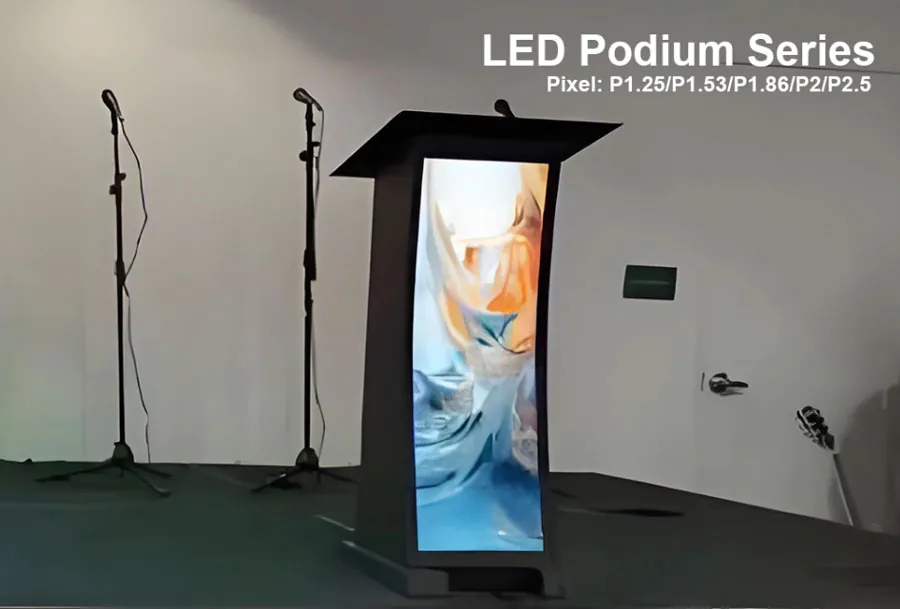
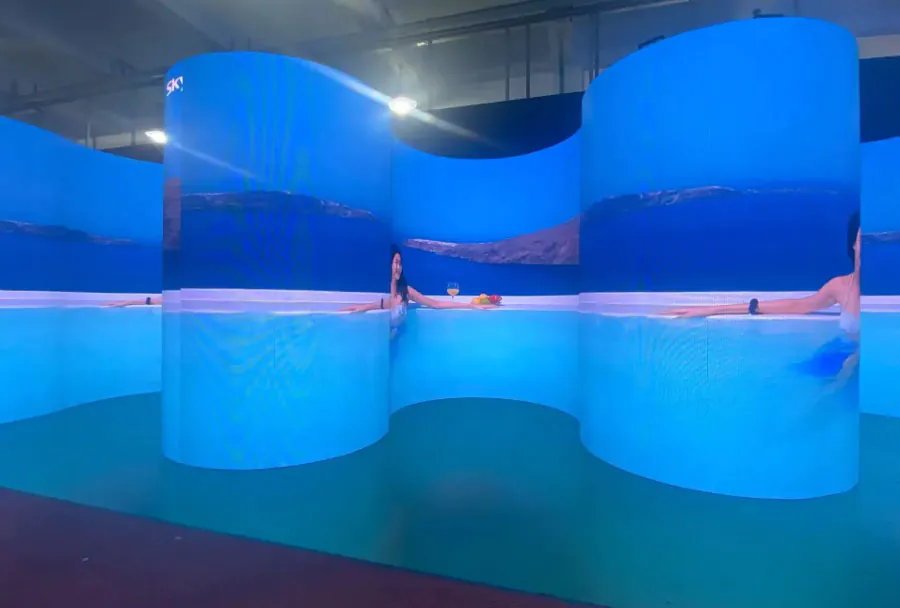
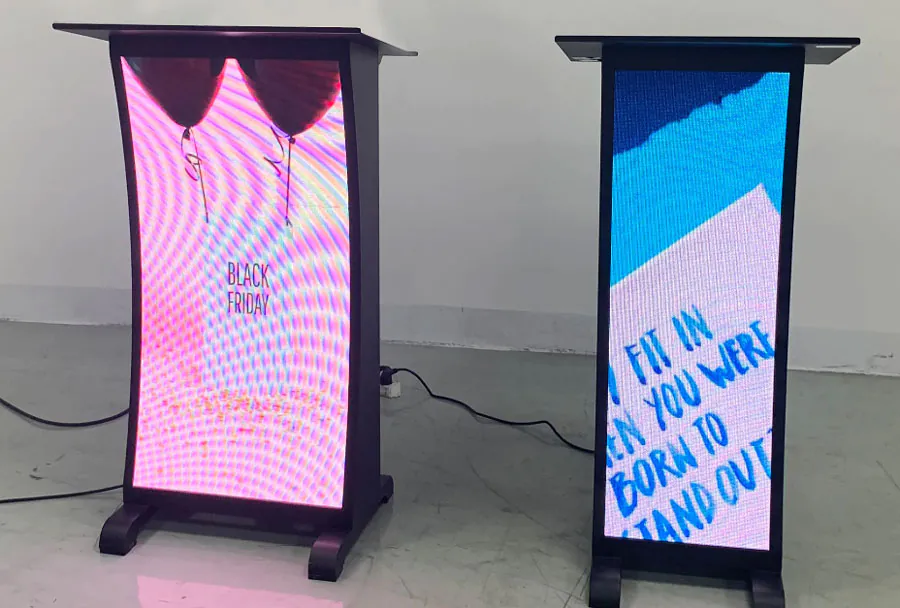
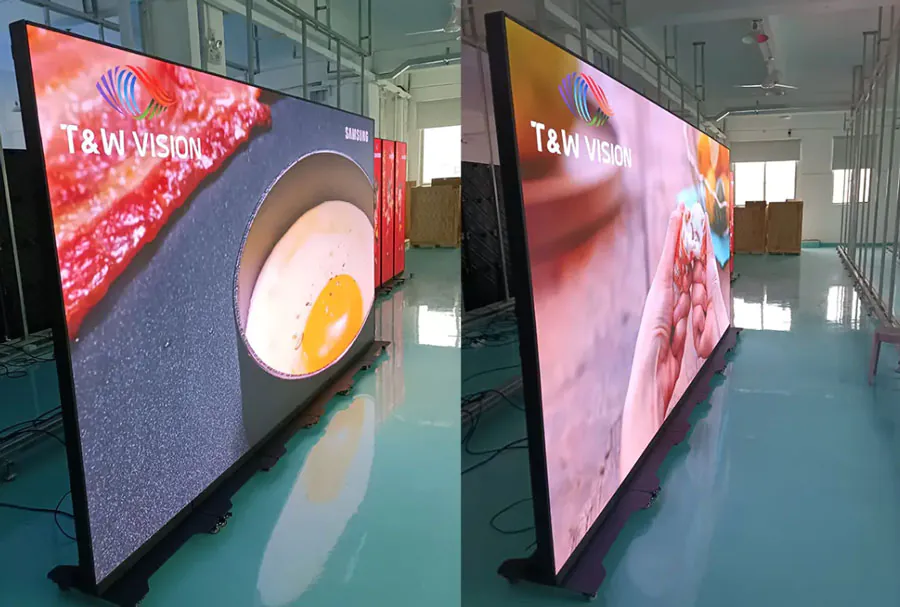
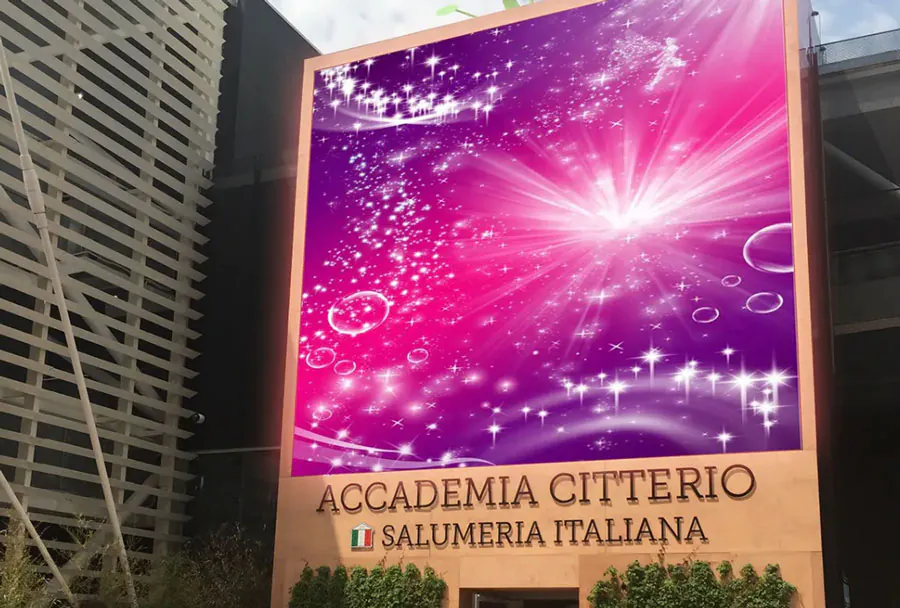
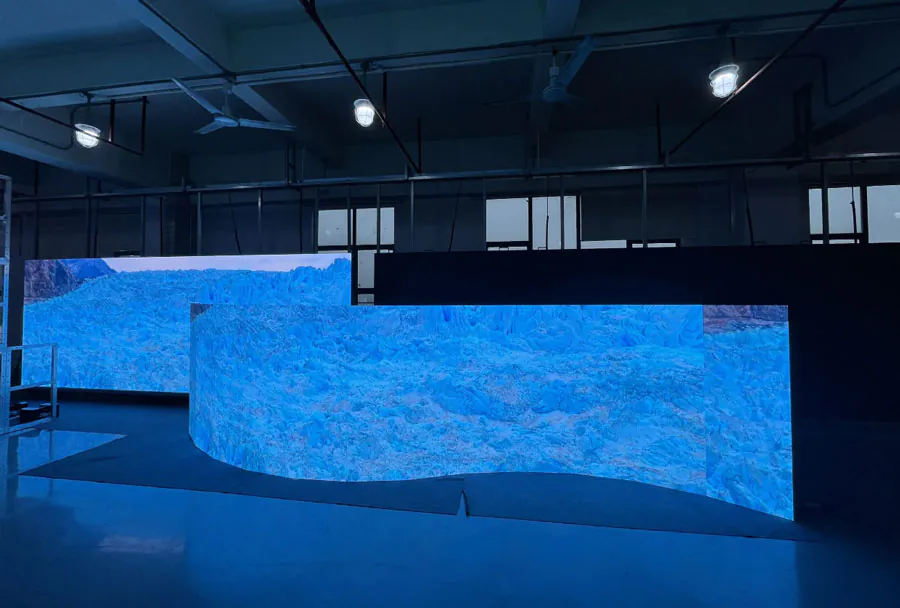
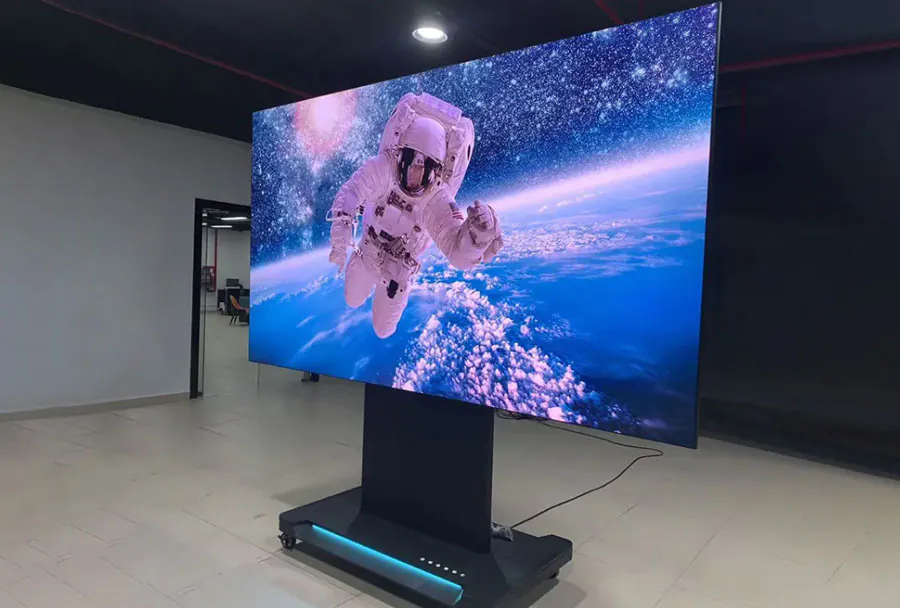
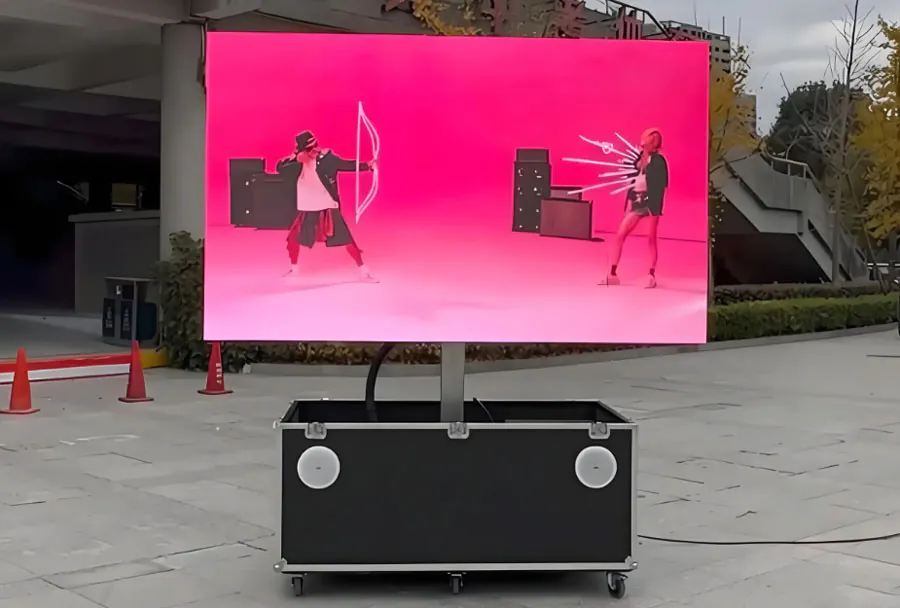
Outdoor digital out-of-home (DOOH) screens are transforming how brands engage consumers in the physical world. When deployed strategically, TW VISION outdoor digital screens deliver dynamic, high-impact impressions that elevate brand awareness and drive measurable actions. Maximizing return on investment (ROI) from these assets requires combining location intelligence, audience targeting, creative excellence, precise scheduling, robust measurement, and continuous optimization. This article provides a practical, data-driven framework to get the most from your advertising campaigns on TW VISION outdoor digital screens.
Maximize ROI on Your Advertising Campaigns Using TW VISION Outdoor Digital Screens
Understand What ROI Means for DOOH
DOOH ROI extends beyond immediate conversions; it often includes incremental brand lift, foot traffic, and multi-channel attribution. Define clear, measurable objectives before launch: brand awareness uplift, store visits, app installs, QR/code scans, or coupon redemptions. Each objective requires different metrics and experimental designs. For brand awareness, use pre/post surveys and viewability-adjusted impressions; for direct-response campaigns, measure unique QR/code redemptions, site visits from campaign-specific URLs, or time-correlated spikes in sales near the screen.
Key principles:
– Establish baseline metrics (historical foot traffic, sales, web traffic).
– Set both primary (e.g., conversion rate) and secondary KPIs (e.g., impressions, engagement time).
– Build attribution windows that reflect the customer journey (immediate vs. delayed purchase).
Targeting: Location and Audience Match
TW VISION screens are most effective when placed where your target audience naturally congregates. Location targeting is the core advantage of DOOH; it’s real-world context combined with high-frequency exposure.
Best practices:
– Map audience mobility: use anonymized mobile data or third-party footfall analytics to identify high-density routes, transit hubs, retail corridors, and leisure hotspots that align with your demographic.
– Segment placements by intent: commuter screens for time-pressed commuters; retail mall screens for shoppers; stadium and entertainment screens for event-driven audiences.
– Prioritize screens with complementary dwell time: locations where audience dwell time allows for message comprehension (e.g., transit waiting areas or retail queues).
Creative and Messaging: Design for Impact
Digital outdoor screens allow motion, dynamic sequencing, and real-time content updates. Creative must be legible at a distance, quickly communicative, and visually arresting.
Creative checklist:
– Single, strong message per creative rotation—avoid clutter.
– High-contrast visuals and bold typography for quick readability.
– Motion sequences of 6–10 seconds per frame with a 10–20 second total loop for repeated exposure.
– Clear call-to-action (CTA) adapted to context (directional CTA for store visits, QR for instant actions).
– Dynamic content triggers: weather-responsive messages, time-of-day promotions, or live event tie-ins to increase relevance.
Scheduling, Frequency, and Dayparting
Frequency and timing significantly affect recall and action. Overexposure can waste budget; underexposure undermines message retention.
Guidelines:
– Determine optimal frequency cap (generally 3–7 exposures per viewer per day for awareness; higher caps for conversion-oriented campaigns).
– Use dayparting to match behaviors: mornings for commuter messages, lunch for food offers, evenings for entertainment/promotional CTAs.
– Align repetition with the message length—longer creative loops require fewer repeats to avoid viewer fatigue.
Measurement and Attribution: Make DOOH Count
Effective measurement turns impressions into accountable outcomes. Combine multiple data streams to capture both offline and online effects.
Measurement components:
– Impression and exposure logs from TW VISION’s platform.
– Mobile footfall and geo-fenced visitation lift studies.
– Web analytics with campaign-specific landing pages and UTM parameters.
– QR scan counts and redemption analytics.
– Brand lift surveys (digital panels or on-site intercepts).
Use a mix of deterministic and probabilistic attribution:
– Deterministic: QR scans, coupon redemptions, and UTM-tagged visits tied to screen interaction.
– Probabilistic: uplift models comparing exposed vs. control areas/timeframes using propensity scoring.
Analysis Table: KPI Analysis for TW VISION DOOH Campaigns
| KPI | Measurement Method | Expected Impact | Optimization Tactics | Example Target Metric |
|---|---|---|---|---|
| Impressions (viewable) | TW VISION delivery logs + viewability modeling | Increased awareness and reach | Prioritize high-traffic screens; increase loop frequency | 1.2M viewable impressions / week |
| Foot Traffic Lift | Mobile location analytics vs. baseline | Direct store visit increase | Geo-targeted creatives; dayparting around peak commute | 10–15% increase vs. baseline |
| Engagement (QR scans) | Scan logs + unique device counts | Immediate conversions or leads | Short URLs, clear CTAs, incentives | 1,200 scans / month |
| Website Conversions | UTM-tagged visits and conversion tracking | Measurable online revenue/display lift | A/B test landing pages; match messaging | 2.5% conversion rate from DOOH traffic |
| Brand Lift | Pre/post surveys or panel studies | Awareness and consideration increases | Run control vs. exposed area studies | 5–12% lift in aided awareness |
A/B Testing and Iterative Optimization
A disciplined experimentation program accelerates ROI gains. Treat DOOH like any digital channel—with iterative tests and rapid learning loops.
Testing roadmap:
– Creative A/B: swap imagery, CTA, or color palettes between similar locations.
– Time-based A/B: compare results when running the same creative during different dayparts.
– Location-based A/B: run variant A on high-dwell screens, variant B on high-traffic but low-dwell screens to measure context effects.
– Control groups: choose similar geographies without DOOH exposure to measure incremental lift.
Make decisions on statistically valid differences. Use short test durations with clear stopping rules to avoid inconclusive results that waste budget.
Programmatic Integration and Dynamic Content
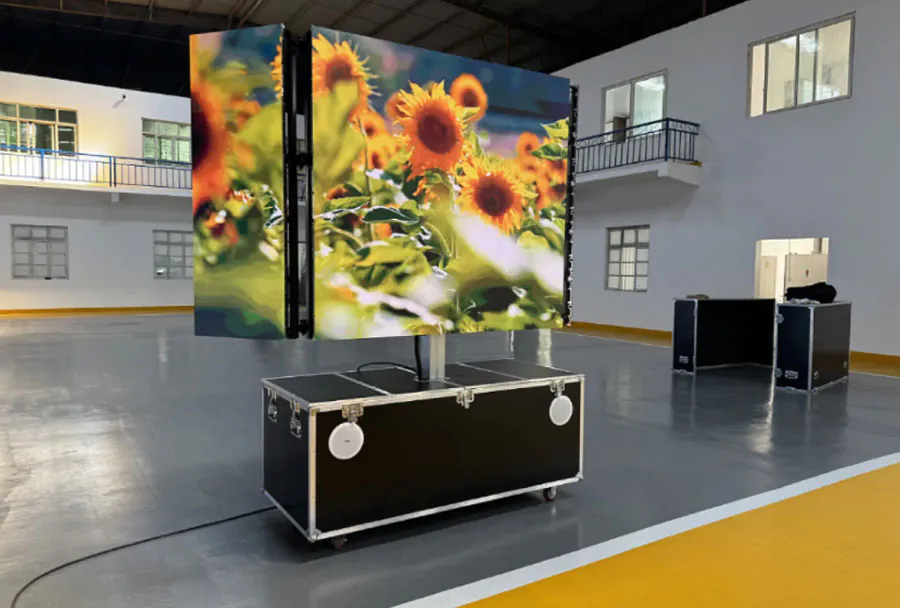
TW VISION outdoor digital screens often support programmatic buys and API-driven content feeds, enabling highly targeted and responsive campaigns.
Advantages:
– Real-time bidding for premium placements and audience segments.
– Dynamic creative insertion: tailor promotions to inventory levels, weather, or trending events.
– Daypart and dynamic pricing optimization: bid up during high-value windows and reduce bids during low-performance hours.
Use programmatic data to align CPMs with expected incremental value—for example, higher CPMs for screens during peak commute hours may be justified by improved conversion likelihood.
Cost Management and Budget Allocation
Maximizing ROI is part creative, part financial optimization. Allocate budget where expected marginal ROI is highest.
Strategies:
– Start with a test-and-scale approach: pilot in a handful of high-potential locations, measure lift, then scale placements that demonstrate positive ROI.
– Use blended CPM and cost-per-action estimates to forecast spend efficiency.
– Negotiate bundled rates for multi-location buys and look for off-peak discounts for supplemental reach.
Factor in production costs for DOOH creative—motion design and localization can increase effectiveness but should be weighed against expected incremental returns.
Operational Considerations and Technical Reliability
Executional excellence is non-negotiable. Downtime, poor brightness, or incorrect content scheduling erodes campaign performance and credibility.
Checklist:
– Coordinate with TW VISION operations for screen health checks and monitoring.
– Confirm content specs and proofing workflows to avoid display errors.
– Build fallback creatives and scheduled health checks into the campaign plan.
– Ensure GDPR/CCPA compliance when using location or mobile data for targeting.
Case Example: Local Retail Campaign
Scenario: A mid-sized retail chain wants to increase store foot traffic and same-day sales across a city. They run a 6-week TW VISION campaign across 12 commuter-facing screens with dynamic noon-time promotions and QR discount codes.
Approach:
– Baseline mobile footfall established for 4 weeks prior.
– Creative: 10-second looping spots highlighting limited-time 20% discount with a scannable QR and store locator.
– Dayparting: higher rotation during morning/evening commutes and lunchtime.
– Measurement: QR scans, geo-fenced visit lift, and POS redemptions tied to QR codes.
Results (example):
– 14% lift in store visits in target zones during campaign vs. baseline.
– 3,400 QR scans with a 22% in-store redemption rate.
– Incremental revenue exceeded campaign costs by 2.6x, primarily driven by upsells at the point of purchase.
Actionable Checklist to Maximize ROI
– Define measurable primary and secondary KPIs aligned with business goals.
– Select screens based on audience maps and dwell-time analytics, not just price.
– Invest in high-contrast, motion-capable creative with a single, clear CTA.
– Use dayparting and frequency caps to balance repetition and reach.
– Integrate deterministic tracking (QR, UTM) with probabilistic uplift analysis.
– Run short A/B tests and scale winning variants quickly.
– Leverage programmatic and dynamic content to boost relevance.
– Monitor screen health and schedule routine checks to avoid performance leakage.
– Start with pilots to validate assumptions before full-scale rollouts.
– Reallocate budget toward placements and times that show the highest marginal ROI.
TW VISION outdoor digital screens offer a powerful blend of scale, context, and creative flexibility that—when managed strategically—produces measurable business outcomes. The path to maximizing ROI combines smart site selection, compelling creative, disciplined measurement, and continuous optimization. Treat campaigns as experiments, measure rigorously, and be ready to iterate. With these practices, TW VISION DOOH placements can deliver strong, accountable returns and become an integral part of a high-performing media mix.