2026 Event Rental Trends Why LED Roll Up Screens Are the Top Choice

The event rental landscape in 2026 is defined by two converging pressures: clients expect cinematic, social-media-ready visuals, and event planners demand solutions that reduce setup time, labor costs, and environmental impact. Against this backdrop, LED roll up screens have emerged as a preferred option for rental companies seeking to deliver high-impact visuals with operational efficiency. This article examines why LED roll up screens are dominating rental inventories in 2026, provides a comparative analysis versus other common display options, and offers practical guidance for rental companies that want to adopt or expand these solutions.
2026 Event Rental Trends: Why LED Roll Up Screens Are the Top Choice
Market Context: What’s Driving the Shift
Clients in 2026 want immersive experiences across more types of events — corporate meetings, product launches, festivals, weddings, and hybrid conferences. Key trends shaping rental decisions include:
– Hybrid events with simultaneous virtual and in-person audiences require reliable visuals that read well on camera.
– Outdoor activations are more frequent, demanding high-brightness, weather-tolerant displays.
– Labor shortages push event producers to favor solutions with quick, repeatable setups and smaller crews.
– Sustainability matters more: lower energy consumption and lighter logistics reduce carbon footprints and costs.
LED roll up screens align with each of these trends: they are bright and camera-friendly, compact for transport, quick to deploy, and increasingly energy-efficient.
What Are LED Roll Up Screens?
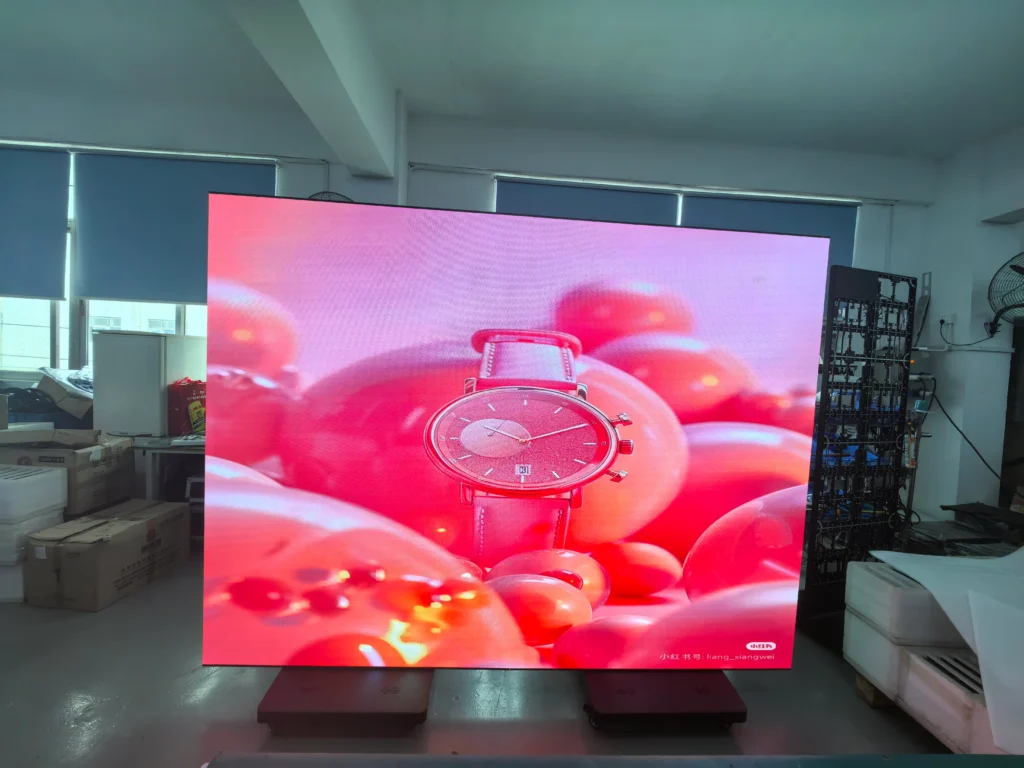
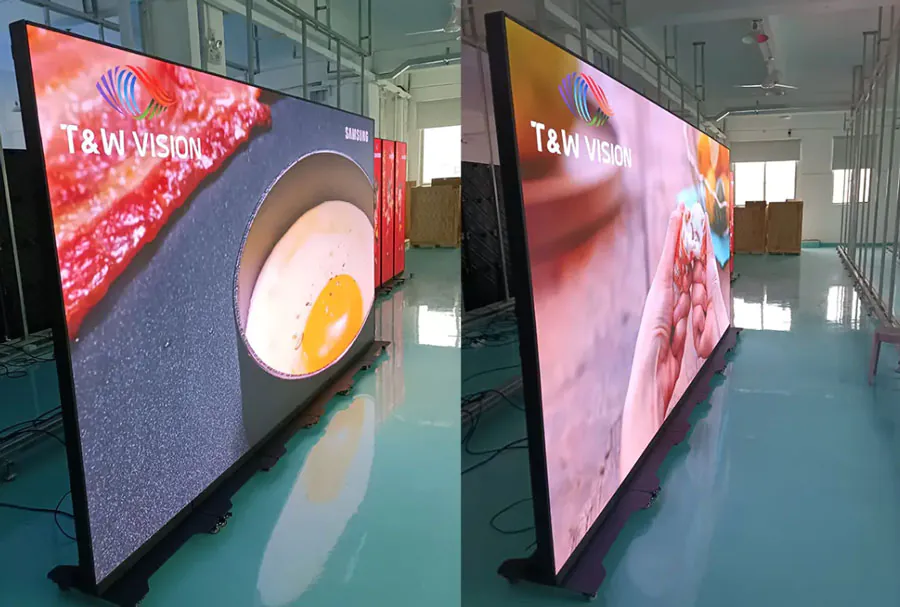
LED roll up screens are flexible LED panel systems that can be rolled into a protective case for transport and unrolled to form a continuous display surface. Unlike rigid LED cabinets, they are lightweight and designed for rapid deployment. Advances in flexible LED substrates, ruggedization, magnetic seams, and locking mechanisms have made these systems more durable and viable for frequent rental use. Typical rental-grade rollable LED products now support a range of pixel pitches (for different viewing distances), IP-rated options for outdoor use, and standardized input/processing modules that simplify integration with rental control systems.
Key Advantages for Rental Companies
1. Portability and logistics efficiency
– Roll up screens dramatically reduce staging footprint: they store in wheeled crates, fit into smaller trucks, and cut shipping costs. This enables rental houses to service more events per vehicle load and reduces overall logistics complexity.
2. Faster setup and teardown
– Setup times are often 30–50% faster than assembling modular LED walls. Fewer rigging points and lighter panels reduce the need for specialized rigging crews, lowering labor costs and increasing fleet utilization.
3. Strong visual performance
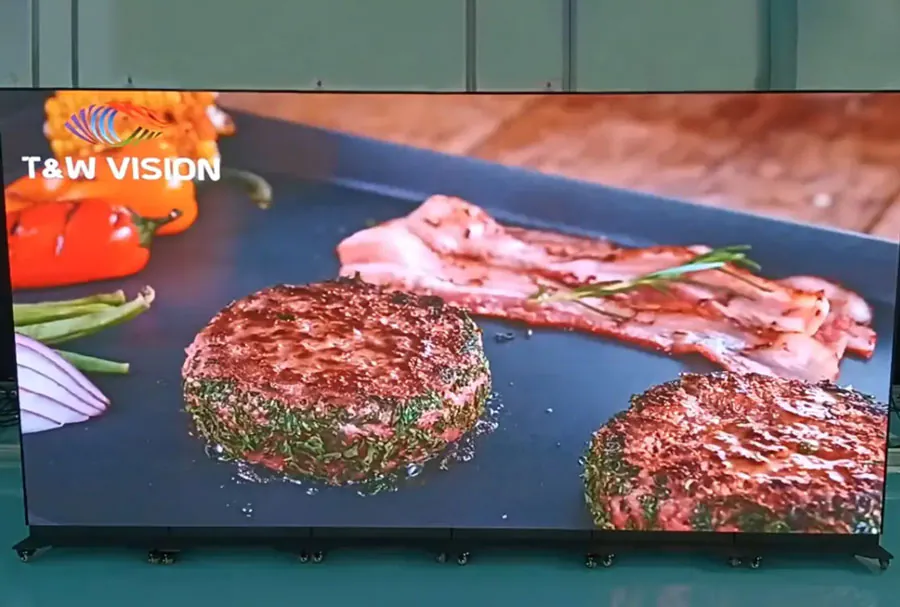
– High brightness and contrast make roll up LEDs readable in bright indoor environments and many outdoor conditions. They also produce camera-friendly refresh rates and color consistency, which is essential for hybrid events and livestreams.
4. Flexibility across event types
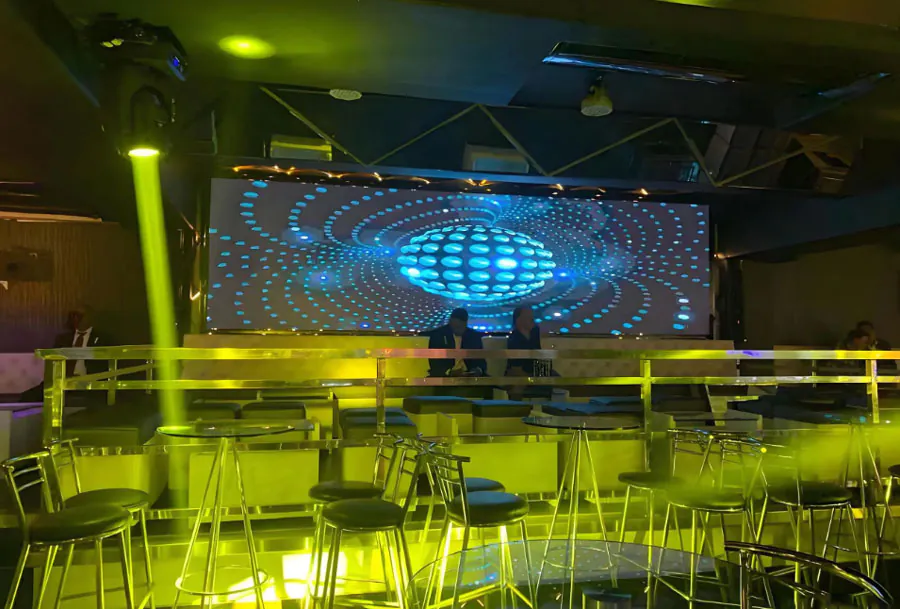
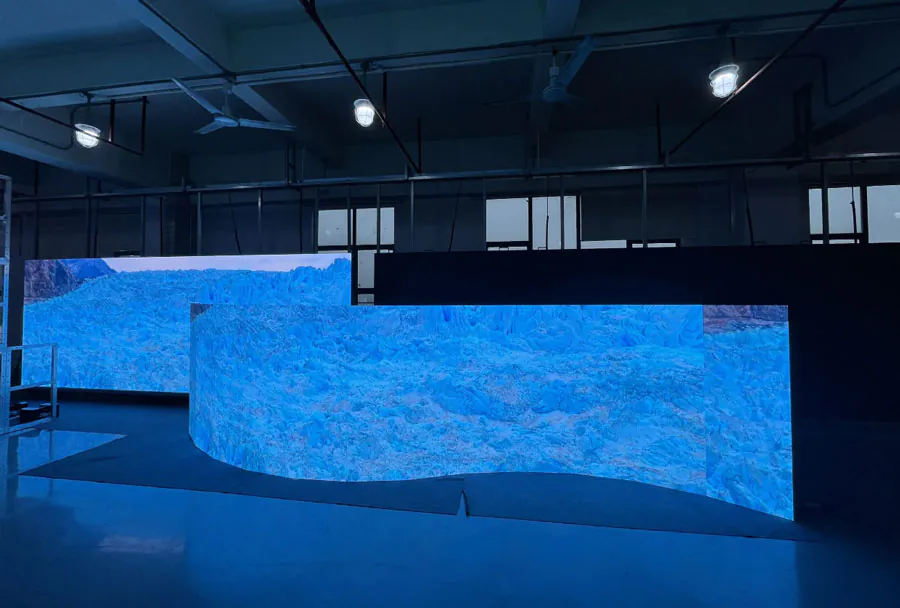
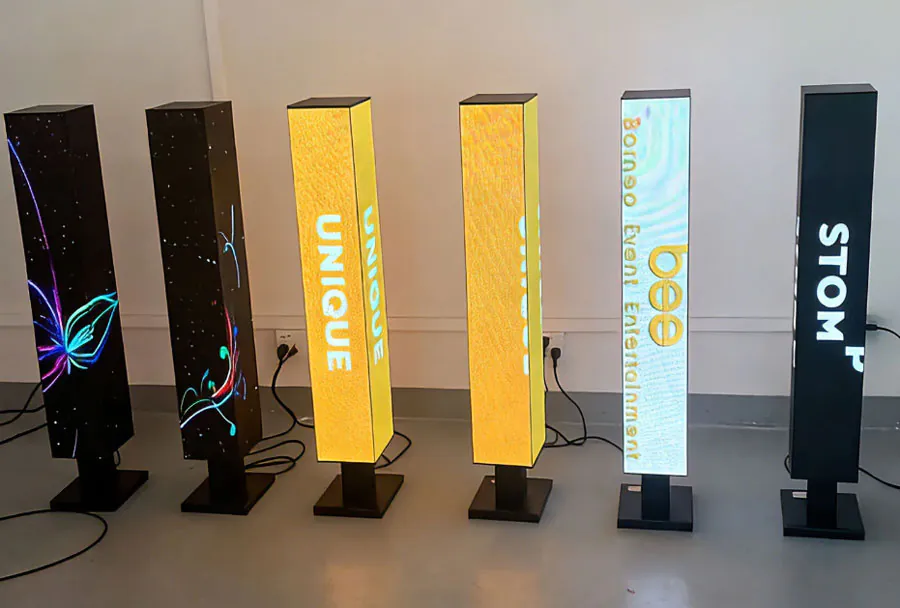
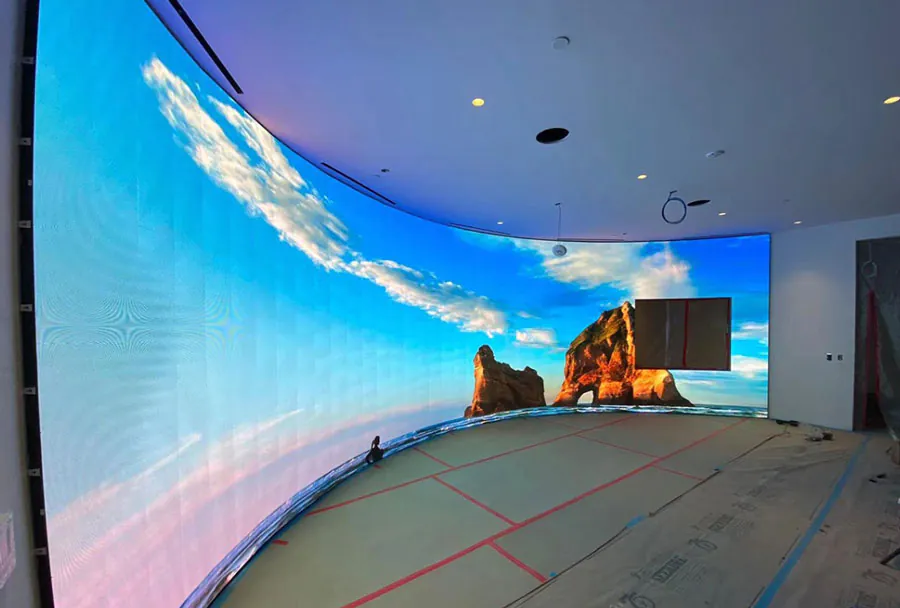
– Roll up screens scale from small stage backdrops to large screens for festivals. Their flexible nature allows creative configurations — curves, columns, and wrapped surfaces — which expands the creative brief you can fulfill.
5. Lower capital and lifecycle costs
– Compared to fixed LED walls, roll up systems often have a lower initial outlay and reduced transport/handling damages. Their modular repairability (replaceable strips or tiles) simplifies maintenance and keeps downtime low.
6. Sustainability benefits
– Lower shipping weight and power draw translate to reduced emissions. Many manufacturers also design rollable solutions with recyclable components and more efficient power supplies.
Comparative Analysis: LED Roll Up vs. Other Display Options
Below is a practical comparative table across core decision criteria. Use it to assess suitability for your rental inventory and event roster.
| Criteria | LED Roll-Up Screens | Fixed LED Walls | Projector + Screen | LCD Video Walls |
|---|---|---|---|---|
| Portability / Transport | High — rolls into compact cases, fits small trucks | Low — heavy modular cabinets, more space required | Medium — projectors bulky but screens lightweight | Low — heavy panels, fragile; large crates needed |
| Setup / Crew Time | Fast — fewer rig points, fewer technicians | Medium — panel alignment and rigging required | Fast to moderate — depends on throw and alignment | Slow — precise calibration and mounting needed |
| Brightness / Ambient Light Performance | High — suitable for bright indoor and many outdoor uses | Very High — often higher max brightness and seamless | Low to Medium — poor in daylight without special screens | Medium — can struggle outdoors; reflections possible |
| Visual Seam & Pixel Pitch Options | Good — available in P1.9–P6 for rental use; minimal seams | Excellent — seamless large-format, fine pitches available | N/A — depends on screen material; resolution via projector | Good — visible bezels unless specialized seamless mounts |
| Durability & Repairability | Good — flexible modules replaceable; protective cases | Excellent — rugged, designed for long-term installations | Moderate — delicate optics; screen material can tear | Moderate — glass panels fragile; component-level repairs |
Technical Considerations When Specifying Roll Up Systems
– Pixel pitch and viewing distance: For rental events where audiences are within 3–10 feet, choose pixel pitches from P1.9 to P2.6. For larger crowds or festival stages, P3–P6 balances cost and visual fidelity. Align pixel pitch to the closest viewing zone for optimal bang-for-buck.
– Brightness and HDR: Look for systems with adjustable brightness and high nits output for outdoor use. HDR processing and wide color gamut support help content look vibrant on camera.
– Durability and IP rating: If you plan to use systems outdoors or in unpredictable conditions, select roll up screens with at least IP54-rated seams and enclosures, and reinforced edges to resist wear.
– Signal and processing: Standardize on media processors and input modules that integrate with your control systems (SDI/HDMI redundancy, 10G fiber options). Lower staff training overhead by using familiar processors across your rental fleet.
– Mounting and safety: Choose systems with clear rigging points, redundant safety lines, and tested wind-load tolerances for outdoor gigs. Manufacturer-certified rigging kits reduce your liability.
Operational Playbook: How Rental Companies Should Adopt Roll Up Screens
1. Start with a mixed fleet
– Maintain a mix of roll up screens and fixed cabinets. Roll up screens win for short-turn events, pop-ups, and traveling productions; fixed walls remain best for long-term installs and ultra-high-brightness stadium shows.
2. Standardize training and documentation
– Create quick-start guides and video SOPs for your technicians. Emphasize safe roll/unroll procedures and handling protocols to minimize wear and damage.
3. Pricing and packages
– Offer tiered packages: basic (single roll up unit + processor), event (multiple roll ups + audio sync + transport), and premium (custom fabrics, on-site tech). Factor in savings from reduced labor and logistics when setting rental rates.
4. Maintenance regimen
– Implement pre- and post-rental checklists: pixel tests, seam inspection, power module diagnostics, and proper re-rolling procedures. Keep a small inventory of replacement strips and power modules for fast field repairs.
5. Marketing and client education
– Showcase case studies and camera-ready clips on your website. Educate clients about brightness/gamut advantages over projection, and the speed benefits compared with modular walls.
Use Cases and Real-World Applications
– Corporate launches and roadshows: Roll up screens enable quick load-in at multiple venues, maintaining consistent visual quality across a tour.
– Pop-up retail and experiential activations: Lightweight rollables make memorable window displays and curved applications possible without structural investment.
– Hybrid conferences and broadcast events: Camera-friendly refresh rates and color accuracy make roll up displays ideal backdrops for livestreamed panels.
– Weddings and private events: Ease of setup and smaller crew needs make premium visuals accessible for mid-sized gatherings.
ROI and Inventory Decision Criteria
When evaluating ROI, consider utilization rate, average rental fee differential versus alternatives, lifecycle repair costs, and transport savings. Example decision metrics:

– Break-even rental count = (Capital cost difference + expected maintenance premium) / (Average revenue uplift per rental).
– Utilization improvement = number of additional events per truck per month enabled by reduced footprint.
– Labor savings = average hourly cost savings × reduced crew hours per event.
Even with conservative assumptions, many rental businesses recoup the premium for roll up systems within 12–24 months due to increased utilization, reduced labor, and lower transport costs.
Risks and Mitigations
– Wear from rolling: Enforce correct re-rolling procedures and invest in quality protective cases.
– Limited ultra-high-brightness ceiling: For the highest-brightness stadium or outdoor daytime festivals, maintain a complement of fixed LED walls.
– Training gaps: Create standardized training and certification programs for techs to prevent mishandling.
Why Roll Up Screens Lead in 2026
In 2026 the event rental market rewards flexibility, speed, and visual consistency. LED roll up screens deliver a strong value proposition across those dimensions: they are portable, quick to deploy, camera-ready, and increasingly rugged and energy-efficient. For rental companies, they unlock more bookings per asset, reduce logistics and labor costs, and allow creative configurations that clients increasingly demand. The optimal strategy is pragmatic: add roll up screens to a diversified fleet, standardize on interoperable control systems, and use them where their strengths — portability, rapid deployment, and excellent ambient-light performance — provide the greatest margin and client satisfaction. Done right, investing in roll up LED technology becomes a differentiator that fuels growth in a competitive 2026 event market.