Elegant Applications of TW VISION Small LED Display Screens in Hotel Front Desks and Reception Areas

In the competitive landscape of hospitality, the first impression is not just important—it is everything. The front desk and reception area serve as the critical nexus between a guest’s expectations and the hotel’s brand promise. In this space, technology must not merely function; it must enhance, engage, and elevate. TW VISION small LED display screens have emerged as a pivotal tool in this transformation, offering a blend of aesthetic sophistication and dynamic functionality that redefines the modern hotel welcome. Their elegant application goes beyond simple signage, becoming an integral part of the guest experience, operational efficiency, and brand storytelling.
1. The Art of First Impressions: Dynamic Brand Storytelling
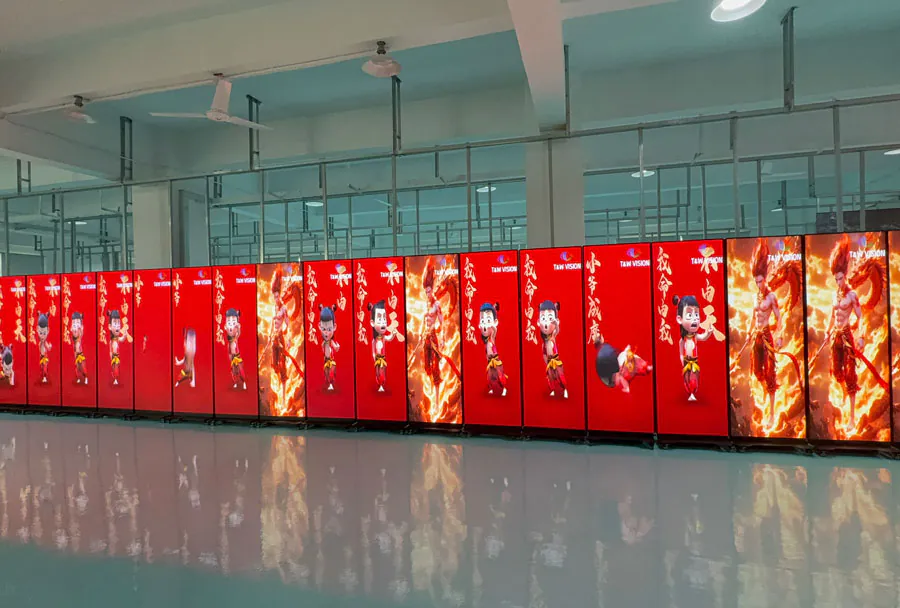
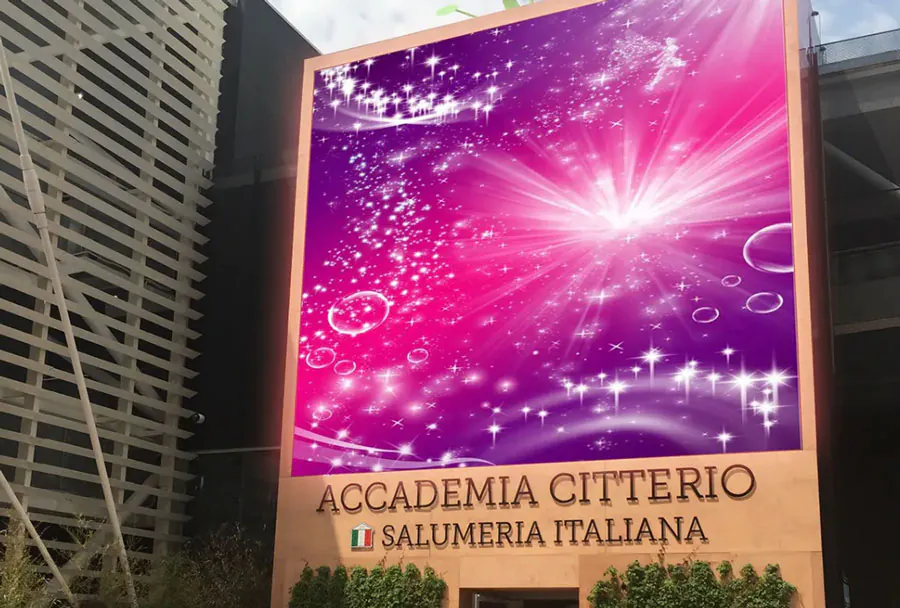
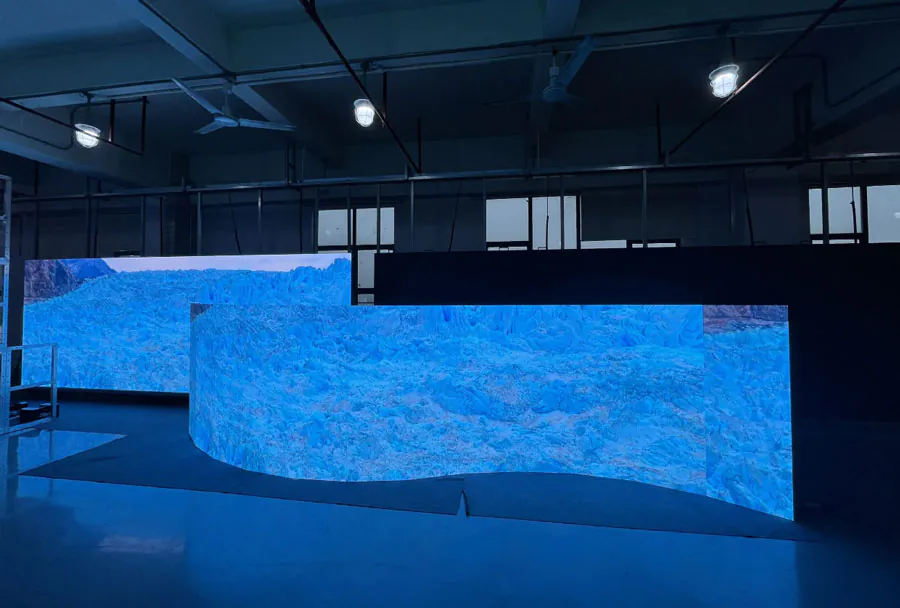
Gone are the days of static, framed posters. The hotel lobby is now a canvas for dynamic narrative. TW VISION small LED screens, with their superior color fidelity, high brightness, and seamless design, allow hotels to craft a captivating visual story. Upon entering, guests can be greeted not by a blank wall, but by a stunning display showcasing the hotel’s heritage, its culinary delights, spa amenities, or local cultural attractions in a loop of high-definition video.
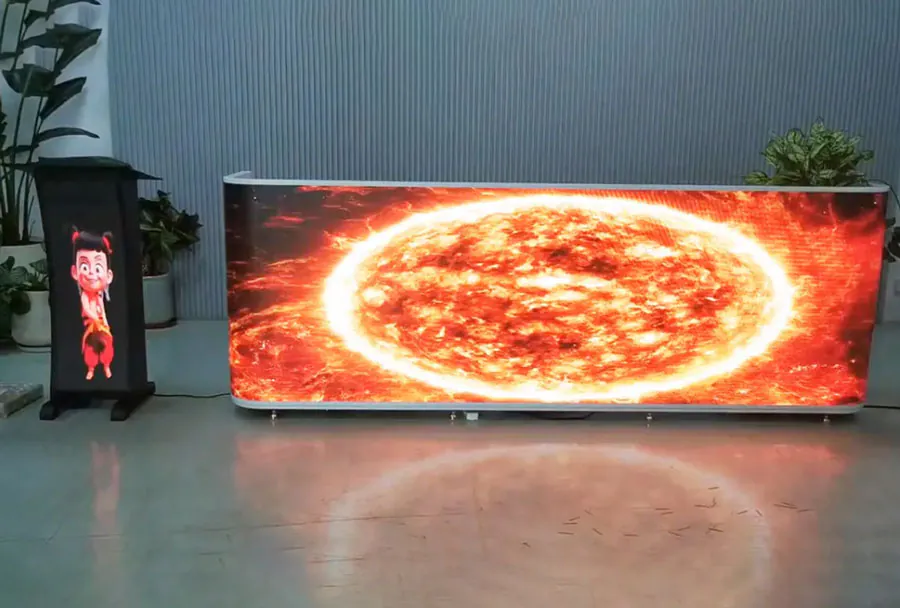
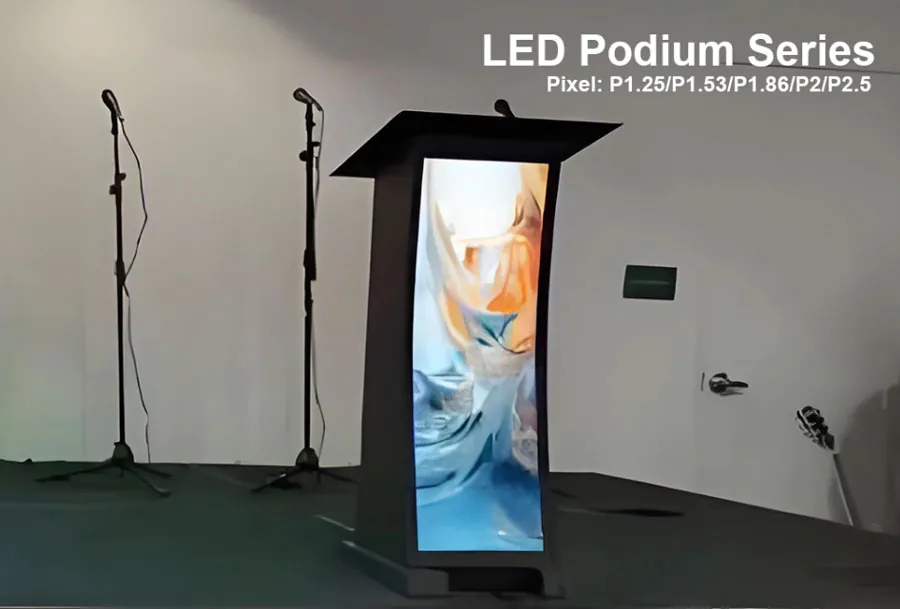
The elegance lies in the subtlety and quality. These screens can be seamlessly integrated into the front desk fascia, mounted on elegant stands as digital art pieces, or embedded within architectural features. The content can shift throughout the day—a serene morning landscape, an energetic afternoon activity reel, an elegant evening fine-dining preview. This dynamic presentation demonstrates a living, breathing brand that is contemporary and attentive to detail, immediately setting a tone of quality and innovation.
2. Enhancing Operational Flow and Guest Interaction
Elegance in service is often defined by seamless efficiency. At the front desk, TW VISION displays serve as powerful tools to streamline operations and enhance direct guest interaction. A screen positioned for staff use can discreetly show real-time data: check-in/check-out lists, room status, VIP guest arrivals, or important internal alerts. This minimizes clutter, reduces the need for paper, and allows staff to be better prepared, fostering a smoother, more personalized greeting.
For guest-facing applications, a small LED screen can transform the check-in process. It can be used to visually guide guests through safety information, showcase room upgrade options with appealing visuals, or present digital concierge services. During peak times, it can display expected wait times or direct guests to self-service kiosks. This application of technology is elegant because it solves practical problems—reducing perceived wait times and improving communication—while maintaining a high-touch, visually engaging interface.
3. Personalized Welcome and Wayfinding
Personalization is the cornerstone of luxury hospitality. Small, strategically placed TW VISION LED screens can elevate personalization to new heights. Imagine a screen that, upon recognizing a returning guest (via integration with the hotel’s CRM), displays a personalized welcome message. For conferences or events, screens can welcome specific groups or display tailored schedules.
Furthermore, these screens are exceptional for elegant, intuitive wayfinding. Instead of a static directory, a touch-enabled or simply well-programmed led display can offer an interactive map of the hotel. Guests can visually locate the restaurant, pool, gym, or meeting rooms with ease. This not only empowers guests but also reduces the repetitive burden on front desk staff, allowing them to focus on more complex queries and service recovery.
4. Ambient Intelligence and Mood Setting
The ambiance of a reception area is carefully curated through lighting, scent, and sound. TW VISION LED screens add a powerful visual dimension to this sensory palette. With their ability to display any content, they become instruments of ambient intelligence.
The screens can be programmed to complement the time of day or specific events. During a quiet afternoon, they might display a slow-moving, abstract art piece with calming colors. For a wedding party checking in, they could show a romantic, thematic animation. During the holidays, they can bring festive cheer with tasteful, animated decorations. This ability to adapt the environment visually demonstrates a deeply considered and responsive guest experience, where the technology feels less like a device and more like a natural element of the hotel’s atmosphere.
5. A Platform for Revenue Generation and Partnerships
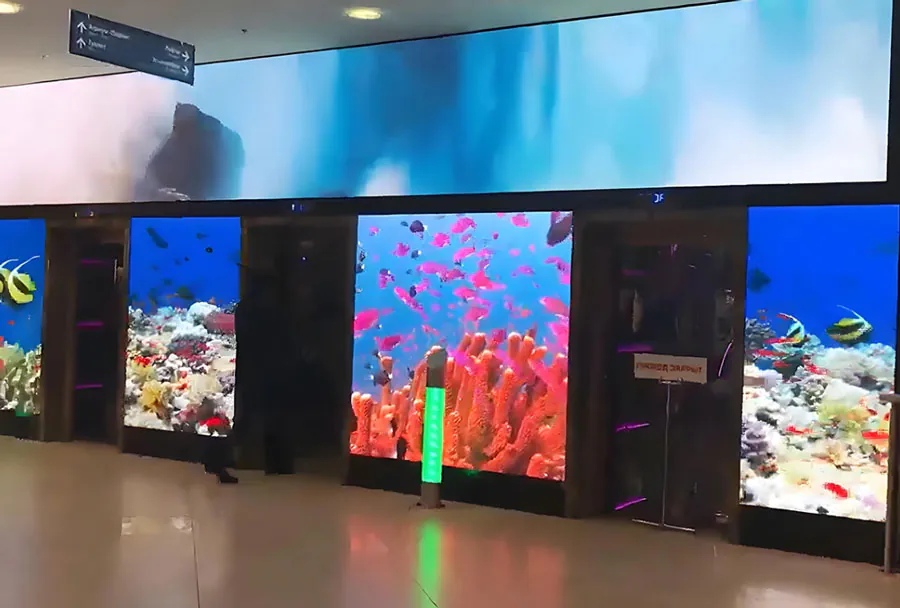
Elegant applications also have a smart commercial angle. TW VISION displays offer a premium, targeted advertising platform right at the point of guest engagement. This can be handled with great subtlety. For instance, a screen can beautifully promote the hotel’s afternoon tea service, the chef’s seasonal tasting menu, or a limited-time spa package with enticing visuals.
Furthermore, they can foster elegant partnerships with local luxury brands—a high-end watchmaker, a boutique winery, or a renowned art gallery. Curated content promoting these partners adds value for the guest (informing them of exclusive local experiences) and creates a revenue stream for the hotel, all while maintaining an environment of sophistication and curated luxury.
The Synthesis of Form, Function, and Experience
The elegant application of TW VISION small led display screens in hotel front desks and reception areas represents a synthesis of form, function, and experience. It is not about deploying technology for its own sake, but about selecting tools that align with the core objectives of hospitality: to welcome, to inform, to delight, and to impress.
These screens provide the visual clarity and reliability necessary for operational tasks, the creative flexibility for brand expression, and the dynamic capability for personalized guest engagement. When implemented with thoughtful design and strategic content planning, they cease to be mere screens and become silent ambassadors of the hotel’s brand—enhancing aesthetics, empowering staff, enchanting guests, and elevating the entire first-impression journey. In the modern hotel’s quest for distinction, such elegant technological integration is no longer a luxury; it is a definitive standard for excellence.