2026 Outdoor Advertising Trends: Outdoor LED Display Technology & Solutions


The 2026 Outdoor Advertising Trends: Outdoor LED Display Technology & Solutions landscape is shifting faster than most media buyers expect. The Out of Home Advertising Association of America notes that digital out-of-home continues to capture a rising share of total OOH investment as advertisers demand more flexible, measurable formats. The problem?
Table of Contents
- 1. Direct-View LED Is Replacing Static Billboards Faster Than You Think
- 2. High-Brightness and All-Weather Durability Are Non-Negotiable
- What to Check Before Buying an Outdoor LED Panel
- 3. Programmatic Buying Is Reshaping Outdoor LED Ad Sales
- How Programmatic DOOH Works
- 4. Energy-Efficient and Solar-Ready LED Panels Lower Operating Costs
- Why Brightness Sensors Change the Math
- 5. Content Strategy and Creative Adaptation Decide LED Campaign ROI
- Building LED-Specific Creative
- How do city regulations affect outdoor LED displays in 2026?
- Can outdoor LED panels work in extreme cold or coastal climates?
- What is the difference between SMD and COB LED for outdoor use?
- How do I connect an outdoor LED billboard to programmatic ad platforms?
- What should I check before leasing a digital billboard location?
- Conclusion
Many buyers still treat outdoor LED like a static billboard purchase, ignoring pixel pitch, brightness, programmatic access, and content strategy. That mistake costs visibility, budget, and campaign performance. This guide breaks down five practical secrets that separate effective 2026 outdoor LED campaigns from wasted impressions.
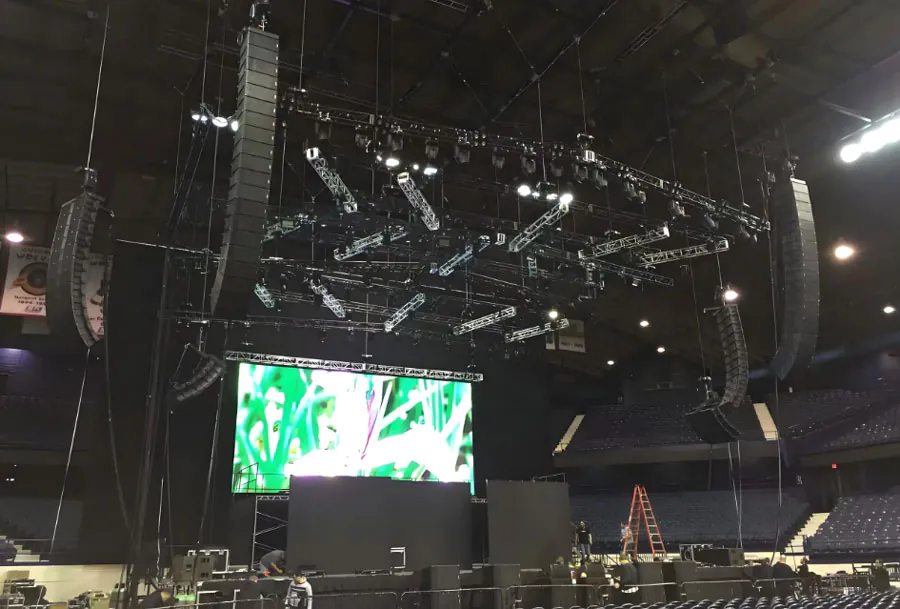
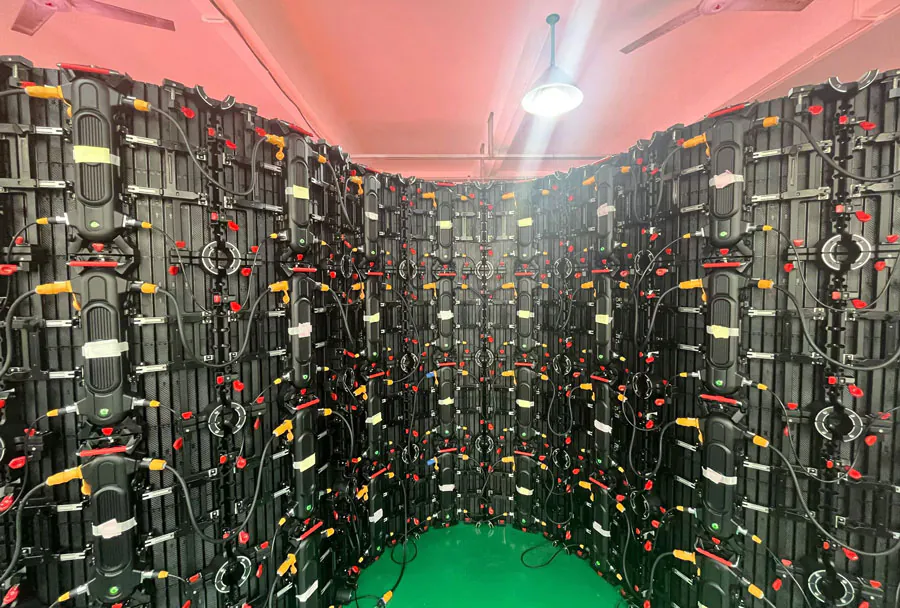
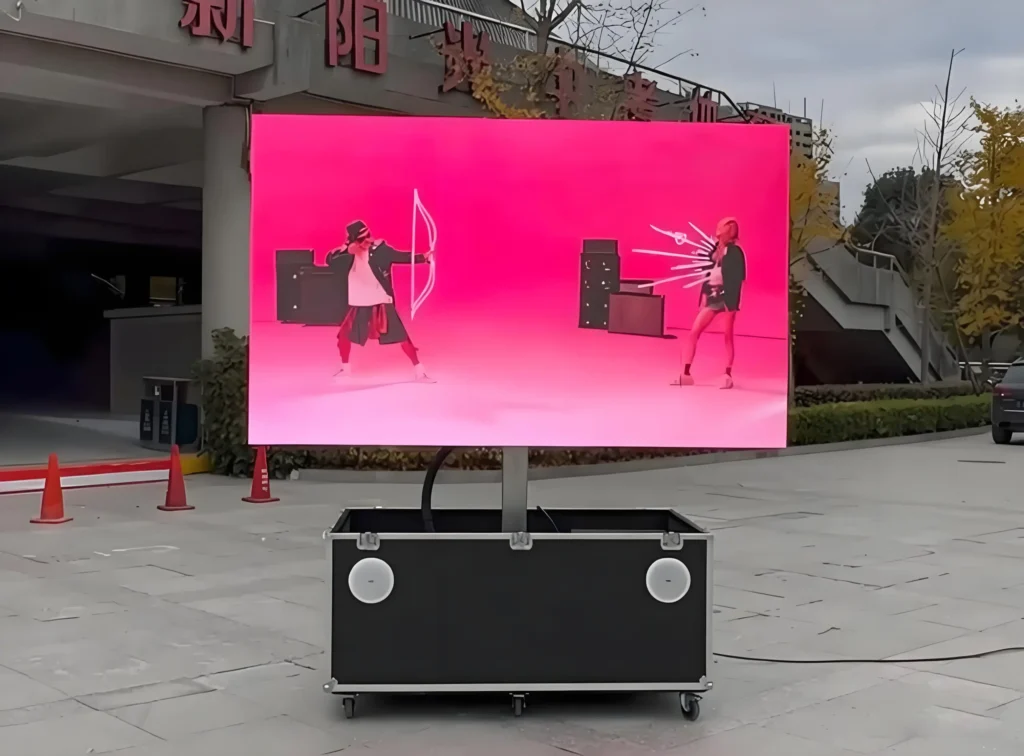
P3 outdoor LED video wall, screen size: 1920x960mm. Made by TW VISION-PO-F series.
1. Direct-View LED Is Replacing Static Billboards Faster Than You Think
Direct-view LED panels now dominate premium outdoor locations because a single structure can rotate multiple advertisers throughout the day. The Out of Home Advertising Association of America notes that digital out-of-home keeps growing its share of total OOH revenue as static sign inventories decline.
That shift defines a core part of 2026 Outdoor Advertising Trends: Outdoor LED Display Technology & Solutions: operators prefer assets they can update remotely instead of printing vinyl every six weeks.
The practical impact? Media buyers who still plan outdoor campaigns around static boards will miss flexible, same-day copy changes and dynamic creative opportunities. The 2026 Outdoor Advertising Trends: Outdoor LED Display Technology & Solutions framework treats digital conversion as an inventory-utilization move, not a premium luxury.
A digital LED board also lets you share one location across several clients, which improves utilization without adding new structures.
How to apply this: Pull one static location you currently lease and ask the media owner for a digital conversion cost estimate and a sample content rotation schedule.
2. High-Brightness and All-Weather Durability Are Non-Negotiable
Outdoor LED screens face direct sun, rain, temperature swings, and dust. Those conditions mean two specifications should sit at the top of your checklist: brightness measured in nits and ingress protection rated by IP.
When you evaluate 2026 Outdoor Advertising Trends: Outdoor LED Display Technology & Solutions, look for panels rated at least 5,000 nits for daylight visibility and a front IP65 rating for weather resistance.
What to Check Before Buying an Outdoor LED Panel
– Brightness: confirm the panel can be driven to full sunlight readability without overheating
– IP rating: front IP65 means dust-tight and protected against water jets; rear IP54 is a minimum for the cabinet
– Refresh rate: higher refresh rates reduce flicker in smartphone photos and video
– Thermal management: ask whether the cabinet uses fans or passive cooling
These checks prevent the most common failure: buying an indoor panel for an outdoor install. A common scenario is a storefront owner who saved money on an indoor-rated display, then faced repeated power supply failures after one rainy season.
Under the 2026 Outdoor Advertising Trends: Outdoor LED Display Technology & Solutions buying process, requesting certified test reports is not optional; it is the first filter.
How to apply this: Request a spec sheet that lists brightness, IP rating, and operating temperature range before you sign any outdoor LED lease.
| Specification | What to check | Action to take |
|---|---|---|
| Pixel pitch | P4–P10 for storefronts; P10–P16 for highways | Confirm viewing distance before you buy |
| Brightness | Outdoor panels should handle direct sun | Request a noon, full-sun demo |
| IP rating | Front IP65, rear IP54 minimum | Ask for test certificates |
| Refresh rate | 1,920Hz–3,840Hz reduces camera flicker | Record a sample video with your phone |
| Power draw | Average watts per square meter | Ask for dimming scheduler support |
3. Programmatic Buying Is Reshaping Outdoor LED Ad Sales
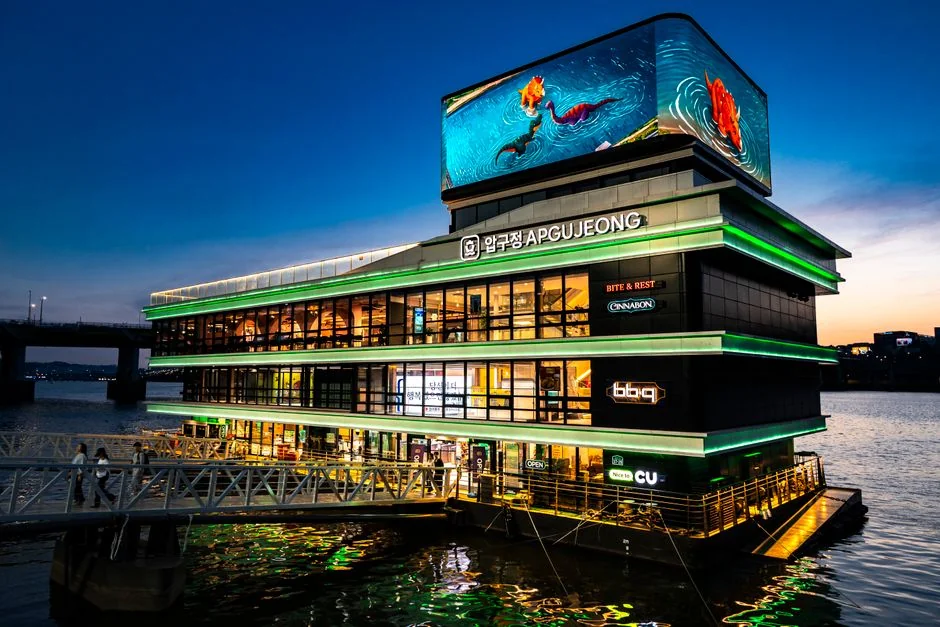
Programmatic DOOH lets advertisers buy LED screen time through demand-side platforms, using audience, location, and time signals. Vistar Media is one of the supply-side platforms that connects digital billboard inventory to programmatic buyers. This is a major driver inside 2026 Outdoor Advertising Trends: Outdoor LED Display Technology & Solutions, because it turns a static purchase into a data-driven, flexible transaction.
How Programmatic DOOH Works
- The screen owner makes inventory available on a supply-side platform
- You set targeting rules in a demand-side platform
- Winning bids trigger your creative to play within seconds
- Reports show impressions, plays, and location-level performance
Not every LED board is programmatic-ready. Older controllers and media players may not support ad serving protocols, so you must verify connectivity before committing budget. In one case, a media agency planned a seven-city campaign only to learn several boards required manual USB uploads, which made real-time optimization impossible.
That is why 2026 Outdoor Advertising Trends: Outdoor LED Display Technology & Solutions emphasize programmatic readiness as a buying criterion.
How to apply this: Ask every outdoor LED vendor whether their inventory is connected to a programmatic platform and which SSP handles the feed.
4. Energy-Efficient and Solar-Ready LED Panels Lower Operating Costs
Newer outdoor LED panels draw less power per square meter than earlier generations, and many support automatic brightness adjustments. That matters for operators because electricity is a hidden cost in any 2026 Outdoor Advertising Trends: Outdoor LED Display Technology & Solutions campaign budget. Some panels now pair with solar-ready controllers, reducing grid draw for remote or off-grid locations.
Why Brightness Sensors Change the Math
– Auto-dimming reduces power consumption at night and dawn/dusk
– Lower heat output extends LED lifespan
– Municipal light-pollution compliance often requires dimming after hours
– You can schedule off-peak brightness with platforms like Yodeck
A common scenario involves a highway billboard operator who installed a brightness sensor and reported significantly lower monthly electricity bills, while also avoiding neighbor complaints. Energy management is an often-overlooked pillar of 2026 Outdoor Advertising Trends: Outdoor LED Display Technology & Solutions, yet it directly affects total cost of ownership.
Request an energy-use estimate per square meter and compare two or three panel models before choosing.
How to apply this: Add “brightness sensor” and “off-peak dimming” to your next outdoor LED request for proposal.
5. Content Strategy and Creative Adaptation Decide LED Campaign ROI
An LED screen is only as effective as the creative you play on it. Static print layouts often fail on bright, motion-capable displays because they ignore how people actually see roadside screens. For the 2026 Outdoor Advertising Trends: Outdoor LED Display Technology & Solutions era, short motion loops, bold contrast, and legible type at distance matter more than logo size.
Building LED-Specific Creative
– Keep loops to 6–8 seconds for street-level dwell time
– Use high-contrast color and avoid thin serif fonts
– Test legibility from the actual viewing distance, not a laptop
– Schedule content by daypart: morning commuters, lunchtime foot traffic, evening drivers
In one case, a regional fast-food brand replaced a 30-second TV spot with three six-second LED loops and reported noticeably higher coupon redemptions at drive-through locations. The change required no additional media budget, only creative adaptation.
Creative adaptation is the biggest lever in 2026 Outdoor Advertising Trends: Outdoor LED Display Technology & Solutions, and media planning tools like Yodeck let you schedule and remotely update those loops across multiple screens.
How to apply this: Pull your existing outdoor artwork and create one six-second animated version, then pilot it on a single LED board before rolling out.
Frequently Asked Questions About 2026 Outdoor Advertising Trends: Outdoor LED Display Technology & Solutions
How do city regulations affect outdoor LED displays in 2026?
Local sign codes change often, and some municipalities cap brightness or operating hours. Before you commit to a 2026 Outdoor Advertising Trends: Outdoor LED Display Technology & Solutions rollout, contact the planning department for a copy of the current sign ordinance. In one case, a buyer signed a three-year lease only to discover the city prohibited animation after 10 p.m.
Checking zoning first avoids that expensive mistake.
Can outdoor LED panels work in extreme cold or coastal climates?
Yes, but you need sealed cabinets and wide-temperature power supplies. For coastal or sub-zero sites, look for conformal-coated circuit boards and corrosion-resistant hardware. The 2026 Outdoor Advertising Trends: Outdoor LED Display Technology & Solutions market includes specialty panels rated for -22°F to 122°F, but standard indoor panels will fail quickly.
Ask for a climate simulation report, not just a general spec sheet.
What is the difference between SMD and COB LED for outdoor use?
SMD mounts three diodes in one capsule, which suits most outdoor viewing distances. COB encapsulates diodes directly on the board for a smoother surface and better close-up contrast. For a 2026 Outdoor Advertising Trends: Outdoor LED Display Technology & Solutions project, choose SMD for billboards and COB for window-level retail.
Confirm the manufacturer’s outdoor COB rating; not every COB panel is weatherproof.
How do I connect an outdoor LED billboard to programmatic ad platforms?
You need a media player or controller that supports programmatic integrations, usually through an SSP like Vistar Media or Hivestack. The screen operator grants your DSP access to the inventory.
In a 2026 Outdoor Advertising Trends: Outdoor LED Display Technology & Solutions setup, the media owner handles the technical hookup; your job is to confirm the screen ID is mapped correctly and creative can be served without manual uploads.
What should I check before leasing a digital billboard location?
Check structural load capacity, power availability, and line-of-sight. Then request a traffic count from a third-party auditor. For a 2026 Outdoor Advertising Trends: Outdoor LED Display Technology & Solutions lease, also confirm who owns the LED cabinet at end of term and who pays for repairs.
One common exception is a location with high pedestrian traffic but no vehicle dwell time; that can underperform despite strong footfall.
Conclusion
Outdoor LED advertising in 2026 is less about owning a screen and more about how well that screen connects to data, power efficiency, and creative motion. The 2026 Outdoor Advertising Trends: Outdoor LED Display Technology & Solutions point to a clear shift: digital-first, programmatic-ready, and visually adaptive.
– Audit static locations for digital conversion potential
– Require brightness, IP rating, and power draw specs before leasing
– Connect inventory to programmatic platforms like Vistar Media
– Build six-second motion loops for real-world viewing distances
Your next step is simple: take one existing outdoor buy and run the five checks above with your media vendor before the next insertion order. You will make a better decision in less time.