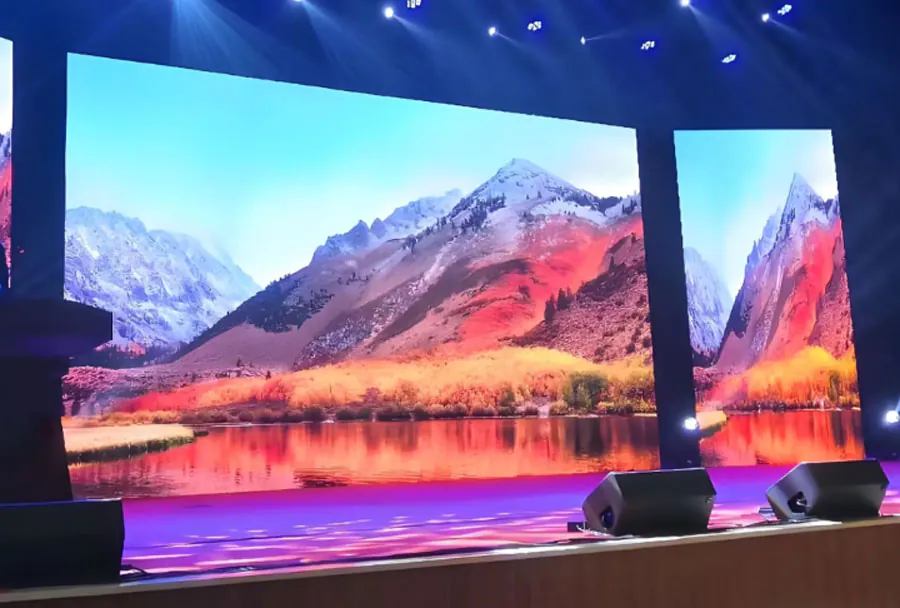
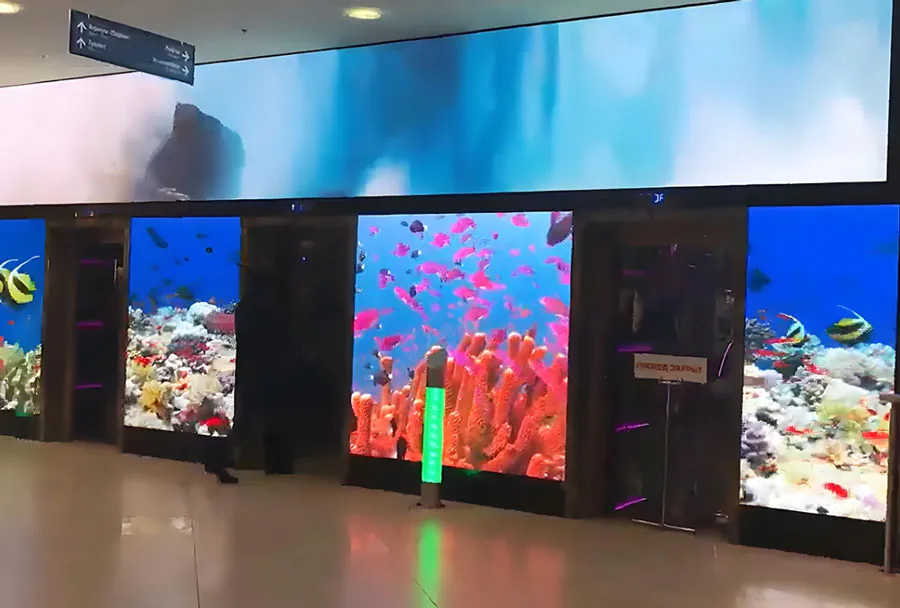
Outdoor LED Display Screen for High-Brightness Advertising

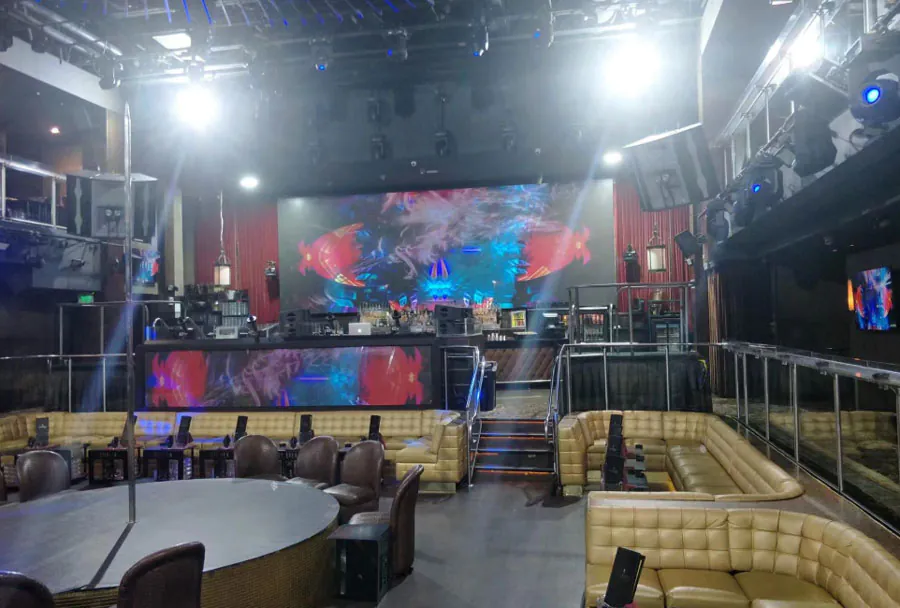
In a world where people move fast and information comes in seconds, outdoor advertising must compete with sunlight, distance, traffic speed, and countless visual distractions. That is why an Outdoor LED display screen for High-Brightness Advertising has become one of the most effective tools for brands, retailers, municipalities, and media owners. Unlike static billboards, high-brightness outdoor LED displays deliver dynamic content, instant updates, and strong visibility in harsh environments—turning any facade, roadside, or public plaza into a powerful communication channel.
As an LED display manufacturer, TW VISION provides outdoor LED display solutions for advertising, commercial installations, and custom projects. This guide explains how to evaluate brightness, real-world visibility, power consumption, and long-term operating requirements before choosing an outdoor advertising display.
Why High-Brightness Matters in Outdoor Advertising
Outdoor spaces are visually unforgiving. Direct sunlight can wash out ordinary screens, and long viewing distances reduce perceived contrast and detail. High-brightness outdoor LED display screens are engineered to remain readable and vibrant in daytime conditions, maintaining brand colors and message clarity.
Brightness is typically measured in nits (cd/m2). For outdoor advertising, high brightness is not a luxury—it is the baseline requirement. A screen that looks acceptable at night but weak in daytime will fail to deliver consistent campaign value. When the screen is bright enough, the advertising message remains clear from morning to afternoon, even when the sun is at peak intensity. For busy roads or intersections, this directly impacts impression quality and brand recall.
However, brightness alone is not the goal. Effective high-brightness advertising requires a balance of brightness, contrast, color calibration, and content design. TW VISION’s approach is to align technical specs with the real environment: sunlight angle, installation height, viewing distance, surrounding architecture, and local regulations.
Key Technical Factors for an Outdoor LED Display Screen
Choosing an outdoor LED display for high-brightness advertising is not just about selecting a large screen. The correct specification ensures long-term performance, stable operation, and lower total cost of ownership.
1. Pixel Pitch and Viewing Distance
Pixel pitch (e.g., P4, P6, P8, P10) determines resolution and viewing clarity. A smaller pitch offers finer detail for closer viewing; a larger pitch suits long-distance viewing and can reduce cost for large-area roadside installations.
For high-brightness advertising, pixel pitch selection should be tied to audience behavior:
– Roadside and highway: larger pitch often works well because viewers are far away and moving.
– Shopping streets and plazas: smaller pitch improves sharpness for pedestrians and close-range viewing.
– Building fa?ades: depends on both distance and content type (branding vs detailed product visuals).
TW VISION typically evaluates the site’s “minimum viewing distance” and content goals to recommend a pitch that delivers clear visuals without overspending on resolution the audience cannot perceive.
2. Brightness, Contrast, and Automatic Dimming
High brightness ensures visibility, but smart brightness control ensures comfort and compliance. Outdoor LED display screens should support automatic brightness adjustment based on ambient light. This improves night viewing, reduces glare, and can help meet city signage regulations.
Contrast is equally important. A screen can be bright but still look “flat” if contrast is poor. Quality LED lamps, correct cabinet design, and proper calibration improve black levels and make colors “pop” under sunlight.
3. Outdoor LED Display Brightness Testing: How to Verify Real-World Visibility
Separate Luminance From Illuminance
Luminance, measured in candelas per square meter or nits, describes light emitted from the display toward the observer. Illuminance, measured in lux or foot-candles, describes light arriving at a surface or meter.
These values answer different questions:
– Nits indicate the display’s emitted brightness.
– Lux records the surrounding light conditions.
– Contrast indicates whether the content remains distinguishable.
– Foot-candle-over-ambient testing shows how much light a sign adds at an observation point.
NIST defines one lux as one lumen per square meter and reports that outdoor daylight can rise to 100 kilolux. (nist.gov)
Measure Luminance With the Correct Instrument
The most direct way to verify emitted brightness is to use a calibrated spot luminance meter aimed at the active display area. Outdoor LED Display Brightness Testing: How to Verify Real-World Visibility should never depend on a phone camera, automatic exposure, or visual judgment alone.
Choose a Meter With a Defined Field of View
The Konica Minolta LS-150 is a real example of a spot luminance meter. It has a 1-degree measuring angle, reports values in cd/m², and has a specified range from 0.001 to 999,900 cd/m². Its manufacturer states an accuracy of ±2% plus instrument digits under defined calibration conditions. (konicaminolta.com)
A narrow measuring angle helps isolate the LED surface from the sky, cabinet edges, and nearby lighting. Confirm that the measurement circle fits completely inside the test patch.
Use Controlled Test Patterns
Measure at least these patterns:
-
Display a full-screen white test pattern.
-
Show solid red, green, and blue screens individually.
-
Switch to a completely black screen.
– A representative advertisement or information screen
– Low-gray patterns that reveal poor dimming behavior
Position the meter on a stable tripod and keep its optical axis consistent. Allow the display to reach its normal operating temperature, record the active brightness setting, and disable temporary overrides that would not be used in service.
Test in Real Daylight and Night Conditions
A display passes only when it remains readable in bright conditions without becoming distracting after dark. Outdoor LED Display Brightness Testing: How to Verify Real-World Visibility must include separate daytime, twilight, and nighttime checks because one fixed nit value cannot represent every environment.
Record Ambient Light With a Lux Meter
A tool such as the Fluke 941 Light Meter measures illuminance in lux or foot-candles. Its published ranges extend to 200,000 lux, and it includes hold and minimum/maximum functions for documenting changing conditions. (fluke.com)
Keep the sensor orientation consistent. A reading pointed toward the sky is not directly comparable with one pointed toward the display.
Measure Nighttime Contribution
For digital billboards, the Out of Home Advertising Association of America states that light produced by a display “should not exceed 0.3 Footcandles over ambient light levels.” Its field method compares the meter reading with the sign visible against a baseline reading taken while the sign’s light is blocked. (oaaa.org)
The guideline lists measurement distances based on nominal billboard dimensions, so it should not be applied blindly to every LED installation. Local regulations and permit conditions take priority.
| Test | Instrument | What to check | Action |
|---|---|---|---|
| Daylight | Lux meter | Ambient level | Record with nits |
| Front view | Luminance meter | Peak white | Compare with target |
| Off-axis | Luminance meter | Output loss | Check viewing route |
| Night | Lux meter | Added light | Verify local limit |
| Black screen | Luminance meter | Reflected light | Review contrast |
A common scenario is a photocell mounted in shade while the screen faces direct sun. This can cause the controller to select the wrong brightness level even though the LED modules are operating normally.
4. Weatherproofing and Protection (IP Rating)
Outdoor screens face rain, dust, humidity, and temperature changes. A true outdoor LED display screen should have suitable protection such as IP65 (or an equivalent level, depending on front/rear exposure), sealed cabinets, anti-corrosion design, and stable connectors.
This matters for advertising because downtime costs money. Weather protection is not only about safety—it is about keeping campaigns running without interruption.
5. Heat Dissipation and Power Efficiency
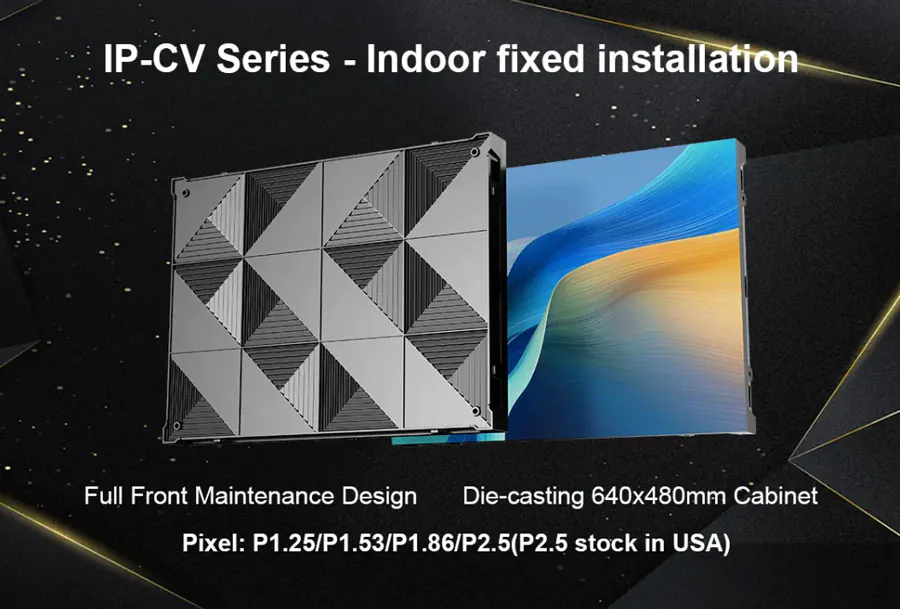
High-brightness operation generates heat. Poor heat management reduces LED lifespan, causes color drift, and increases failure rates. Modern outdoor LED displays often adopt efficient power supplies, thermal design, and sometimes fanless structures to stabilize performance.
TW VISION emphasizes solutions that balance brightness with efficiency so clients can run vivid content without excessive operating costs.
6. Maintenance: Front vs Rear Service
Maintenance access affects long-term convenience and cost. In tight urban installations, front-service LED modules allow technicians to replace components from the front side without needing space behind the screen. For some billboards with rear access, rear service can also be effective.
A high-brightness advertising screen is a revenue asset. Choosing a service-friendly design reduces downtime and makes routine maintenance easier.
Where Outdoor High-Brightness LED Advertising Delivers the Biggest Impact
Outdoor LED display screens are versatile. High brightness unlocks applications that require strong visibility and constant exposure.
Roadside and Highway Billboards
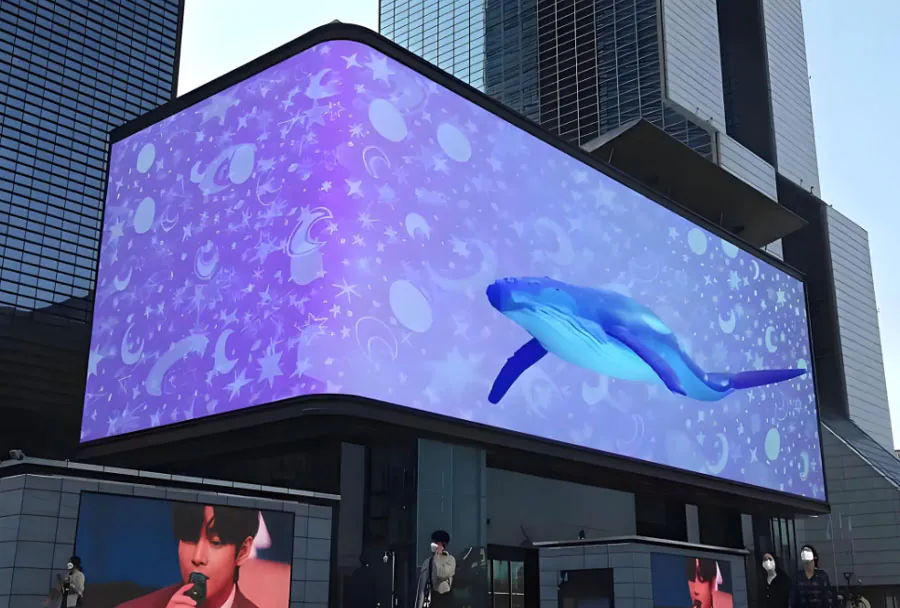
This is the classic use case: large-format LED billboards with rotating ad schedules. High brightness ensures visibility across varying daylight conditions. For media operators, the ability to change creatives instantly enables higher inventory utilization and dynamic pricing.
Retail Storefronts and Shopping Malls
Retail environments need traffic capture. A high-brightness LED screen can highlight promotions, new arrivals, seasonal campaigns, and brand storytelling. When combined with time-based scheduling, a store can promote breakfast items in the morning, lunch specials at noon, and evening offers later—without printing costs.
Transit Hubs and Public Spaces
Airports, bus terminals, metro exits, and public squares have high foot traffic and long dwell time. High-brightness LED displays are effective for both advertising and public information, allowing operators to mix commercial content with announcements when needed.
Stadium Perimeters and Event Venues
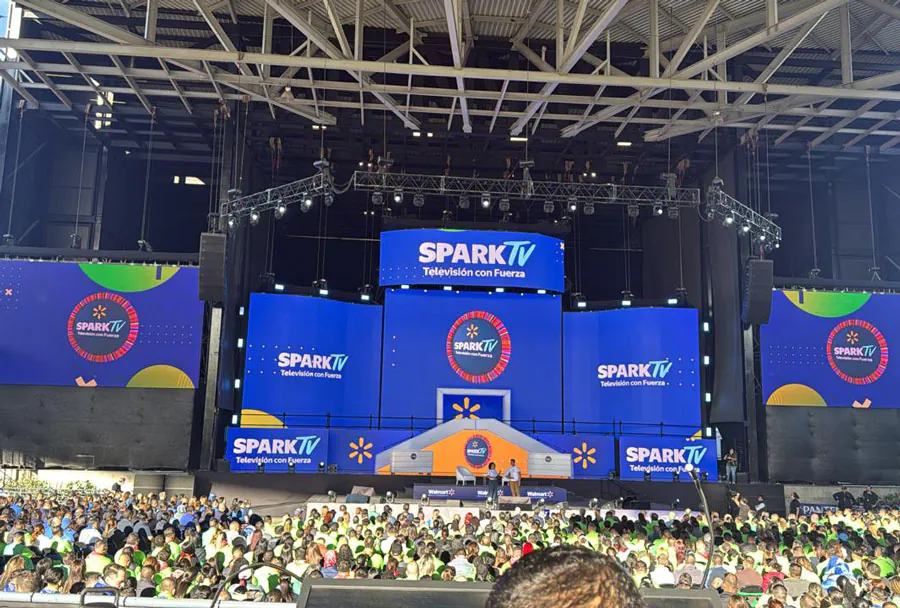
Outdoor venues require bright, reliable screens that remain readable from wide angles. Sponsors value exposure during live events, and organizers benefit from flexible messaging for schedules, directions, and emergency notices.
Content Strategy for High-Brightness Outdoor LED Advertising
A powerful screen still needs the right message. Outdoor audiences usually have limited time to read, especially in traffic environments. High-brightness makes the message visible, but content design makes it effective.
Key content principles include:
– Short and bold messaging: One core idea per creative.
– High-contrast layouts: Strong text/background separation.
– Clear brand assets: Logo visibility and consistent colors.
– Motion with purpose: Simple transitions often outperform complex animations outdoors.
– Time- and location-aware scheduling: Match content to rush hours, weekends, and local events.
TW VISION typically supports customers not only with hardware selection, but also with practical guidance on how to maximize viewing impact under real outdoor conditions.
Installation Considerations: Safety, Compliance, and Long-Term Stability
Outdoor LED display screens are structural projects as much as they are digital products. Safe installation protects people, property, and the investment.
Important considerations include:
– Structural support and wind load: Especially for elevated or large-format screens.
– Power and grounding: Stable electrical design reduces risk and improves reliability.
– Network connectivity: Wired or wireless options for remote content management.
– Regulatory compliance: Brightness limits at night, content restrictions, and placement rules vary by region.
A responsible provider like TW VISION will consider these factors early to avoid rework, penalties, or operational limitations after deployment.
Why Choose TW VISION as Your Outdoor LED Display Service Provider
Selecting an outdoor LED display screen for high-brightness advertising is not merely a procurement decision—it is an operational commitment. Customers need performance that holds up over years of weather, continuous playback, and commercial expectations.
TW VISION positions itself as a service-oriented provider focused on:
– Matching screen specifications to real advertising goals and site conditions
– Prioritizing reliability, brightness stability, and color performance
– Supporting maintainability to reduce downtime and operating risk
– Helping customers build a scalable outdoor media asset with long-term value
When the screen is chosen correctly, installed professionally, and operated with smart content strategy, it becomes more than a display—it becomes a consistent profit and branding engine.
High-Brightness Outdoor LED Displays Are the New Standard for Visibility
An Outdoor LED Display Screen for High-Brightness Advertising is one of the most direct ways to own attention in open-air environments. High brightness ensures daytime readability, but true success comes from combining brightness with suitable pixel pitch, weatherproof engineering, efficient thermal design, and maintenance-friendly structures. Add strong content strategy and compliant installation, and the result is an advertising platform that performs every day, in every season.
For brands and operators looking to build or upgrade outdoor advertising assets, TW VISION offers a practical path: choose the right technology, deploy it reliably, and make every impression count.
Frequently Asked Questions About Outdoor LED Display Screen for High-Brightness Advertising
Can I test an outdoor LED screen with a smartphone?
A smartphone can document visible banding, reflections, dead pixels, and general readability, but it cannot provide traceable luminance measurements. Automatic exposure may make two different brightness levels appear similar. During Outdoor LED Display Brightness Testing: How to Verify Real-World Visibility, use the phone as supporting evidence while relying on a calibrated luminance or illuminance meter for acceptance decisions.
How should brightness be tested when the screen faces the sun?
Take measurements during the period when direct sunlight reaches the display face and record ambient lux with every luminance reading. If weather delays direct-sun testing, document the limitation instead of presenting shade readings as worst-case results.
Outdoor LED Display Brightness Testing: How to Verify Real-World Visibility may also require a return visit during another season when the sun’s path changes substantially.
What should I do if the lux meter and luminance meter disagree?
The instruments measure different quantities, so their numbers should not match. A lux meter measures light arriving at its sensor, while a luminance meter measures light emitted or reflected toward the observer.
Outdoor LED Display Brightness Testing: How to Verify Real-World Visibility should pair the two readings by time and position rather than converting one into the other without a defined optical model.
Why does the display look bright but remain difficult to read?
High luminance cannot compensate for weak content contrast, small lettering, reflections, or excessive visual detail. A white test screen may pass while a dark advertisement remains unreadable from the intended distance. Outdoor LED Display Brightness Testing: How to Verify Real-World Visibility should therefore include actual content, especially the smallest text and lowest-contrast graphics planned for normal operation.
When should an outdoor LED display be retested?
Retest after module replacement, power-system work, controller updates, photocell relocation, surface cleaning, or a reported visibility change. You should also retest when nearby buildings, lighting, or landscaping alter the viewing environment. Outdoor LED Display Brightness Testing: How to Verify Real-World Visibility is most reliable when routine measurements repeat the commissioning positions, patterns, meter settings, and environmental records.
Conclusion
Choosing the right outdoor LED display for high-brightness advertising involves more than comparing maximum brightness ratings. Buyers should also evaluate real-world visibility, pixel pitch, contrast, weather protection, heat dissipation, power consumption, and maintenance access. Testing the display under representative lighting conditions can help confirm that advertising content remains clear and readable throughout the day.
For long-term advertising installations, balancing image performance with energy efficiency and maintenance requirements can help reduce operating risks and improve the value of the investment. TW VISION manufactures and supplies LED displays for outdoor advertising, permanent installations, and custom projects. Contact our team to discuss your project requirements, product specifications, and available customization options.