

8 by 12 LED screen: Complete Buying Guide: A Complete Guide

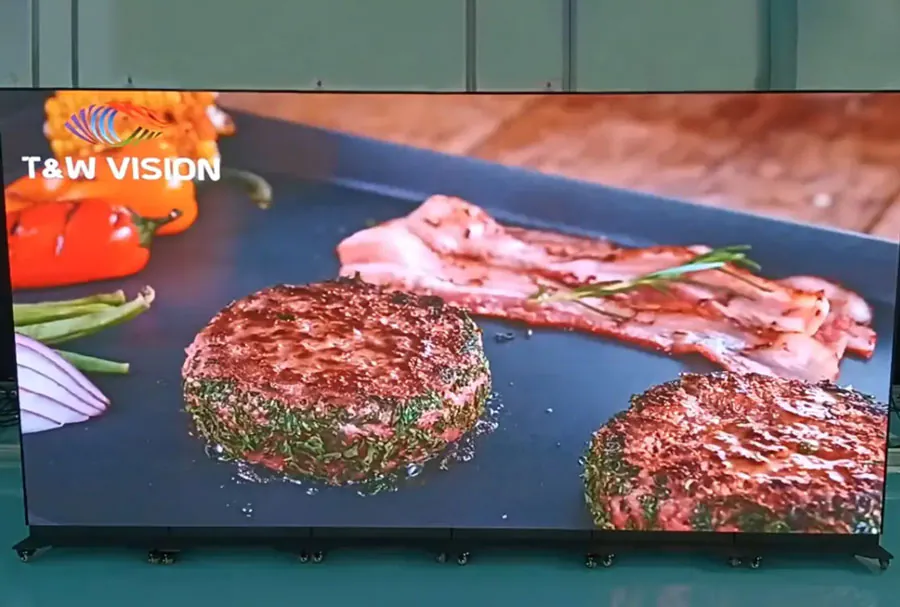
An 8 by 12 LED screen is a practical display solution for businesses, events, churches, schools, retail spaces, and advertising environments that need a strong visual impact without moving into oversized installation territory. It offers a balanced mix of visibility, modular flexibility, and audience engagement, making it a popular format for both indoor and outdoor applications. Whether you want to showcase promotions, live video, announcements, branding, or entertainment content, this screen size can deliver excellent performance when matched with the right pixel pitch, brightness, and control system.
Table of Contents
- What Is an 8 by 12 LED screen and Why Is It Popular?
- Key Specifications to Compare Before Buying an 8 by 12 LED screen
- Pixel pitch
- Brightness
- Refresh rate
- Weather resistance
- Service access
- Control system and content management
- Power consumption
- Best Applications and Benefits of an 8 by 12 LED screen
- Retail and storefront advertising
- Churches and houses of worship
- Corporate events and conferences
- Concerts and live events
- Schools and sports facilities
- Outdoor advertising
- Installation, Cost, and Maintenance of an 8 by 12 LED screen
- What affects price?
- Installation planning
- Content strategy
- Maintenance expectations
- Lifespan and return on investment
- How to Choose the Right 8 by 12 LED screen for Your Needs
- FAQ About 8 by 12 LED screen
- How much does an 8 by 12 LED screen cost?
- Is an 8 by 12 LED screen good for outdoor use?
- What pixel pitch is best for an 8 by 12 LED screen?
- How long does an 8 by 12 LED screen last?
- Can I use an 8 by 12 LED screen for events and rentals?
- Conclusion
In this guide, you will learn what an 8 by 12 LED screen is, where it works best, which technical specifications matter most, how pricing is usually determined, and what to consider before installation. If you are researching options for a new digital display, this article will help you make a smarter buying decision.
What Is an 8 by 12 LED screen and Why Is It Popular?
It typically refers to a modular LED video wall with dimensions of 8 feet by 12 feet, though some buyers may also use the phrase more loosely to describe a screen in a similar rectangular format. This size is widely chosen because it is large enough to attract attention while still fitting into many common installation spaces, including storefronts, stages, sanctuaries, conference venues, sports facilities, and roadside advertising areas.
One of the main reasons this format is so popular is its versatility. It can be configured for indoor presentations, outdoor promotion, trade show booths, rental staging, and semi-permanent installations. Businesses like it because it creates a strong visual presence without requiring the budget or infrastructure of a giant billboard-scale display. Event organizers value it because the dimensions work well for video playback, sponsor graphics, countdowns, and live camera feeds.
Another advantage is modularity. Most LED displays are built from cabinets or panels, so the final size can be tailored to fit a target space. That means an LED screen can often be assembled, serviced, expanded, or reconfigured more easily than older fixed-format display systems. This flexibility helps reduce downtime and simplifies transportation for rental and touring use.
From a viewing standpoint, this format also supports multiple content types. It can display static images, animation, text overlays, menus, schedules, and full-motion video. For organizations trying to modernize communication and branding, that range of use cases makes the screen highly attractive.
Key Specifications to Compare Before Buying an 8 by 12 LED screen
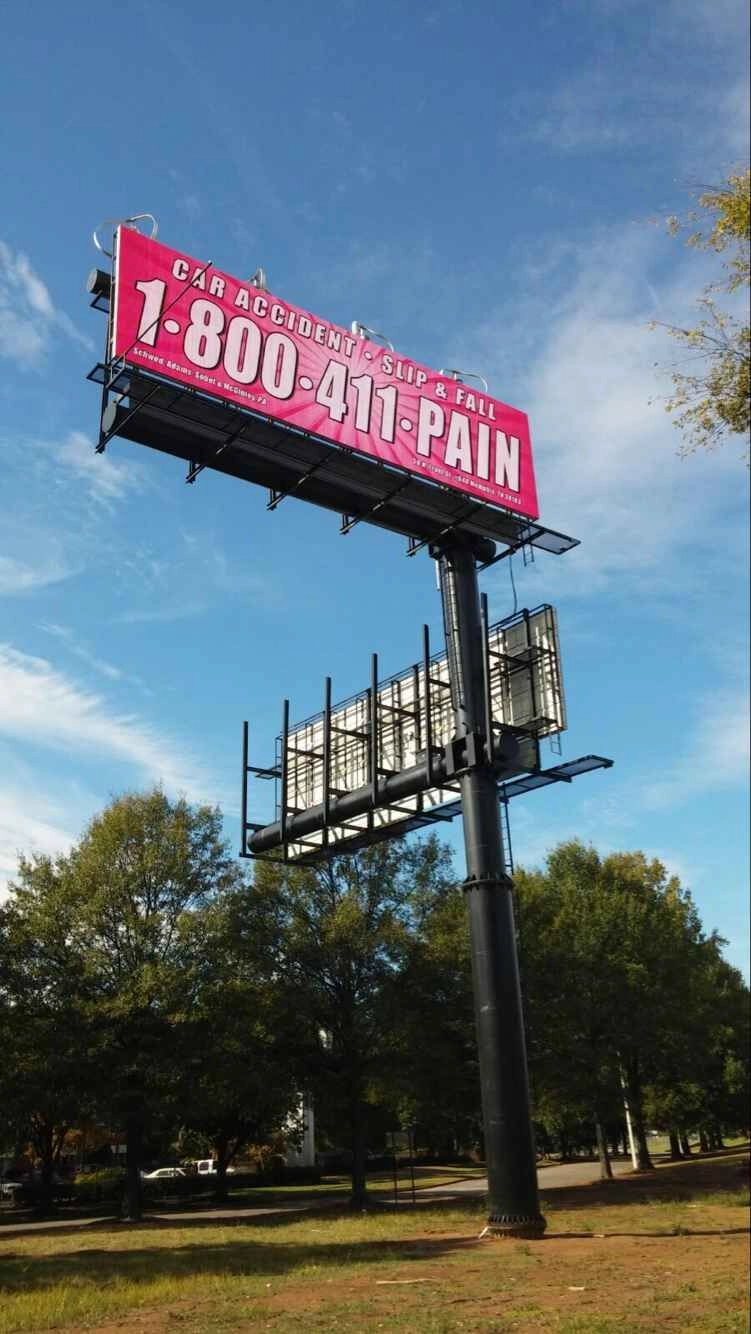
Before purchasing an the concept, it is essential to understand the core technical specifications that determine image quality, durability, and long-term value. Many buyers focus only on price, but the lower-cost option is not always the best investment.
Pixel pitch
Pixel pitch refers to the distance between LED clusters, usually measured in millimeters. A smaller pixel pitch creates a higher-resolution image and better close-range viewing. For indoor spaces where people stand near the display, finer pitch options are often ideal. Outdoor screens can usually use a larger pixel pitch because the audience is farther away.
Brightness
Brightness is measured in nits. Indoor applications may need much less brightness than outdoor installations, which must remain visible in direct sunlight. If your the approach is intended for an outdoor advertising or event setting, brightness should be one of your top priorities.
Refresh rate
A high refresh rate improves image smoothness and camera performance. This matters if the screen will be recorded, live-streamed, or used behind presenters on stage. Low refresh rates can cause flicker on camera, reducing professional appearance.
Weather resistance
For outdoor use, look for suitable IP ratings for water and dust protection. Cabinets should be designed to withstand environmental exposure, including rain, heat, humidity, and debris. This is especially important if the display will run daily.
Service access
Some LED walls are front-service, while others are rear-service. Your installation environment will determine which is more practical. Tight wall mounting often benefits from front access for maintenance.
Control system and content management
A reliable control system affects how easily you can upload, schedule, and manage content. For many users, software simplicity is just as important as screen hardware. The right it should fit both your visual goals and your team’s technical abilities.
Power consumption
Energy efficiency matters more than many buyers expect. Operating costs can rise over time, especially with long daily runtime. Compare average and maximum power consumption when evaluating models.
When these specifications are reviewed carefully, buyers can avoid common mistakes such as choosing the wrong resolution, insufficient brightness, or an unsuitable cabinet design.
Best Applications and Benefits of an 8 by 12 LED screen
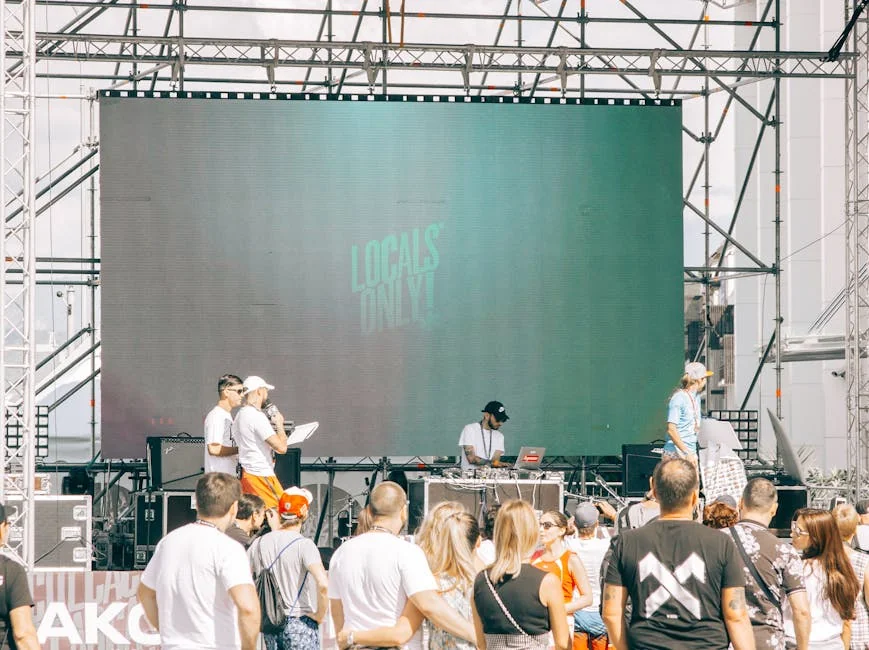
An 8x12ft LED screen works across a wide variety of commercial and public-facing environments. Its dimensions are adaptable enough for multiple industries, which is one reason this format continues to grow in demand.
Retail and storefront advertising
Retailers use LED displays to promote offers, launch products, highlight seasonal campaigns, and create a more modern customer experience. A bright, dynamic display can outperform static signage by drawing more attention from passing traffic.
Churches and houses of worship
Many churches install LED screens to display worship lyrics, sermon points, live video, scripture, and announcements. This format often provides enough size for clear visibility while still fitting typical sanctuary layouts.
Corporate events and conferences
At conferences, presentations need to look polished and readable. An these can support keynote sessions, branding backdrops, live presentations, and sponsor messaging. Compared with projection systems, LED screens usually deliver better brightness and contrast in challenging lighting.
Concerts and live events
Production teams often select this size for side screens, stage backdrops, promotional visuals, or traveling event setups. Modular construction makes transport and setup more manageable than many people expect.
Schools and sports facilities
Educational institutions use LED screens for assemblies, graduation ceremonies, score displays, announcements, and campus communication. Sports venues use them for schedules, video playback, crowd engagement, and advertising.
Outdoor advertising
For businesses that need roadside or exterior visibility, this format can be an efficient step into digital signage. Content can be rotated, updated remotely, and tailored to specific campaigns without replacing physical signs.
The benefits include high brightness, strong engagement, flexible content display, long-term messaging control, and a more premium brand image. For many organizations, an they also offers better return on investment than repeatedly printing new banners or posters.
Installation, Cost, and Maintenance of an 8 by 12 LED screen
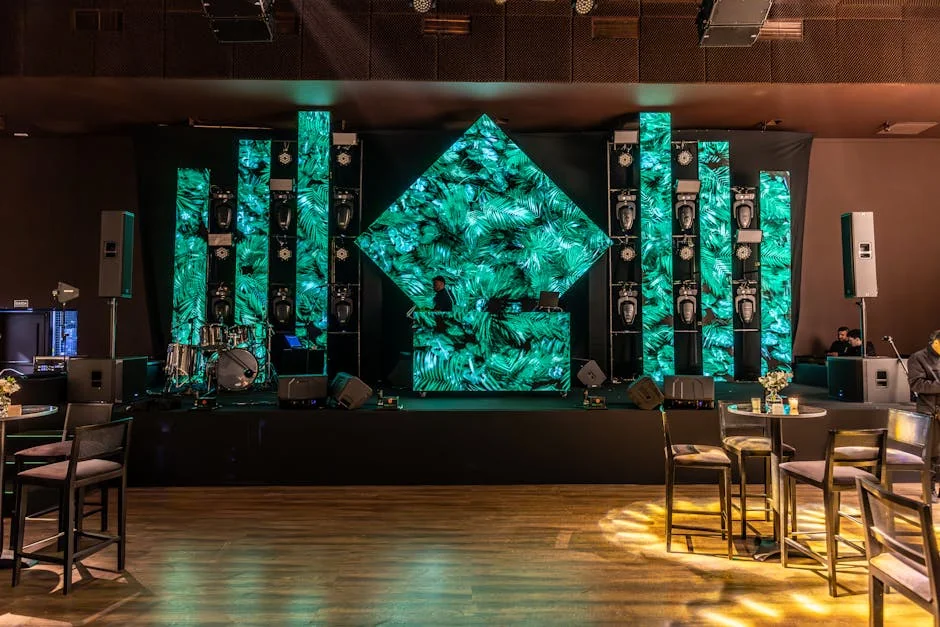
The total cost of an the concept depends on several factors beyond the screen itself. Buyers should budget for hardware, mounting, power requirements, control equipment, installation labor, shipping, and future maintenance.
What affects price?
The biggest pricing factor is pixel pitch. Finer pitch displays cost more because they offer higher resolution. Indoor and outdoor models also differ significantly in price due to weatherproofing and brightness requirements. Brand reputation, cabinet materials, processing equipment, warranty terms, and software features can all influence total investment.
Installation planning
Before installation, the site should be evaluated for structural support, electrical supply, ventilation, access, and viewing angles. Outdoor installs may also require permits, local code compliance, and wind-load engineering. Indoor projects can still be complex if wall reinforcement or custom framing is needed.
Content strategy
A screen only performs as well as the content displayed on it. Businesses should plan how often content will change, who will manage scheduling, and whether creative assets need to be produced in-house or outsourced. A well-managed the approach becomes a communication tool, not just a piece of hardware.
Maintenance expectations
LED displays are generally durable, but they are not maintenance-free. Periodic inspections help identify module issues, wiring wear, calibration drift, or environmental buildup. Outdoor screens may require more frequent cleaning and weather-related checks.
Lifespan and return on investment
High-quality LED displays can operate for many years when properly maintained. The long-term value comes from visibility, ad revenue, customer engagement, event impact, and reduced recurring print costs. For many buyers, the upfront price is justified by ongoing flexibility and performance.
Working with an experienced supplier is often one of the most important decisions in the process. Good vendors help with design, engineering, installation, training, and after-sales support, reducing the risk of costly mistakes.
How to Choose the Right 8 by 12 LED screen for Your Needs
Choosing the right it begins with understanding where it will be used and how viewers will interact with it. The best screen for a church interior may be completely different from the best screen for roadside advertising.
Start by identifying the environment. Indoor displays usually prioritize close-range clarity and refined image quality. Outdoor displays prioritize brightness, durability, and weather resistance. Next, think about viewing distance. The closer the audience, the more important pixel pitch becomes.
You should also consider content type. If your screen will show mostly text, menus, or announcements, your needs may differ from someone running full-motion video or live event production. The control workflow matters too. Some organizations need simple plug-and-play scheduling, while others require advanced processing, multiple inputs, and live switching capabilities.
Supplier support is another key factor. Ask about warranty coverage, spare parts, service response times, and software training. A dependable vendor can make ownership much easier over the life of the display.
Finally, compare total cost rather than unit cost alone. A lower-priced this may end up costing more if installation is difficult, maintenance is frequent, or image quality fails to meet expectations. The ideal purchase balances performance, reliability, support, and long-term operating value.
FAQ About 8 by 12 LED screen
How much does an 8 by 12 LED screen cost?
The price of an these can vary widely depending on pixel pitch, indoor or outdoor design, brightness level, cabinet quality, processing hardware, and installation complexity. Entry-level systems may cost significantly less than premium fine-pitch or outdoor-rated options. Always request a full quote that includes accessories, mounting, and labor.
Is an 8 by 12 LED screen good for outdoor use?
Yes, an 8 by 12 LED screen can be excellent for outdoor use if it is specifically designed for that purpose. Outdoor models should include strong brightness, weatherproof cabinet construction, and suitable IP protection against water and dust. Do not assume an indoor model can be adapted for exterior installation.
What pixel pitch is best for an 8 by 12 LED screen?
The best pixel pitch for an 8 by 12 LED screen depends on viewing distance. Closer audiences usually require a finer pitch for sharper detail, while viewers farther away can still see clear content on a larger pitch. A supplier can recommend the right specification based on your location and audience position.
How long does an 8 by 12 LED screen last?
A quality 8 by 12 LED screen can last for many years with proper maintenance and appropriate operating conditions. Lifespan depends on component quality, usage hours, environmental exposure, and servicing practices. Choosing a reputable manufacturer can improve reliability and long-term performance.
Can I use an 8 by 12 LED screen for events and rentals?
Yes, many production companies use an 8 by 12 LED screen for events, touring, rentals, conferences, and stage presentations. In these cases, cabinet durability, quick-lock assembly, transport cases, and fast setup features are especially important.
Conclusion
An 8 by 12 LED screen is a flexible, high-impact display option for organizations that want strong visibility, dynamic content control, and a professional digital presence. It fits a broad range of uses, from retail promotion and worship services to conferences, schools, outdoor messaging, and live events. By comparing pixel pitch, brightness, weather protection, service design, software, and installation requirements, buyers can choose a system that matches both budget and performance goals.
If you are planning to invest in an 8 by 12 LED screen, focus on total value rather than price alone. The right display, installed correctly and supported by quality content, can deliver long-term engagement, brand visibility, and operational flexibility.
Related Articles
