Ultra Thin Flexible Display for Space Saving Installations


In an era where digital interfaces permeate every facet of our environment, from corporate lobbies to retail stores and smart homes, the demand for displays that are not only high-performing but also aesthetically versatile and space-conscious has skyrocketed. Traditional rigid screens, with their bulky frames and fixed forms, often impose limitations on design creativity and spatial efficiency. Addressing this precise challenge, TW VISION pioneers the next wave of visual technology with its cutting-edge Ultra Thin flexible display solutions, engineered specifically for space-saving installations that redefine the boundaries of digital canvases.
The Paradigm Shift: From Rigid to Fluid Digital Canvases
The core innovation lies in the display’s radical physicality. Unlike conventional LCD or LED panels, TW VISION’s Ultra Thin Flexible Displays utilize advanced OLED or micro-LED technologies on malleable substrates. This allows the screen to bend, curve, and even roll to a significant degree without compromising image integrity. The result is a display that is remarkably thin—often just a few millimeters thick—lightweight, and incredibly adaptable.
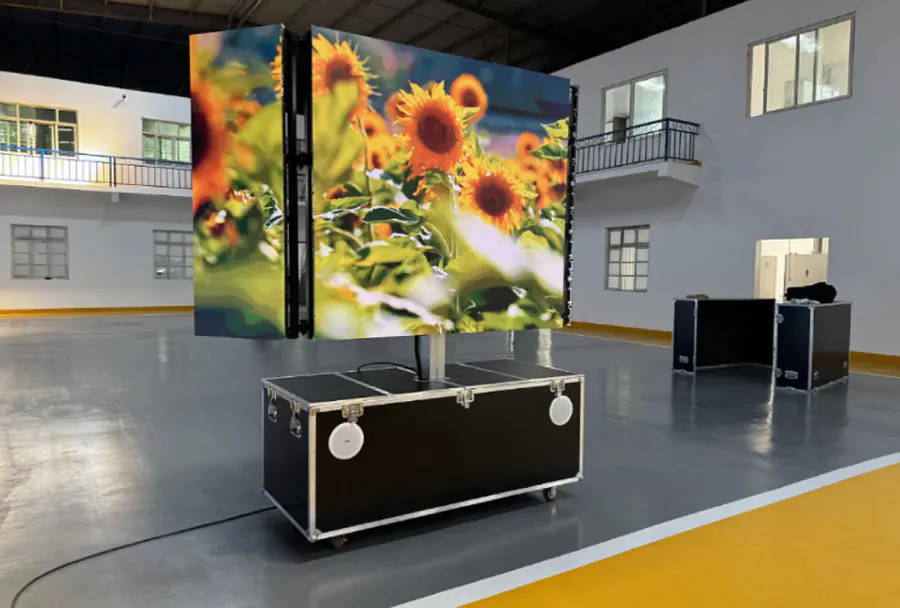
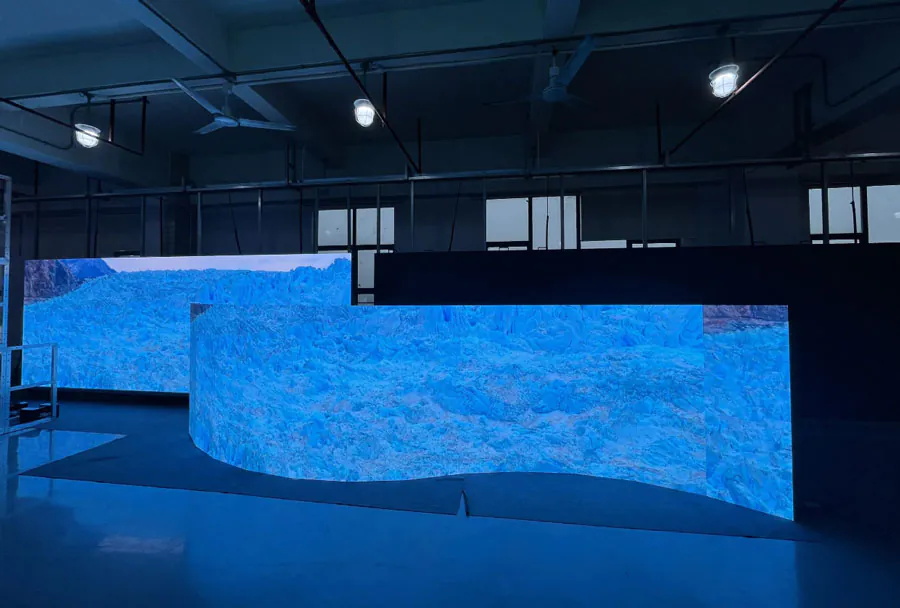
This flexibility is transformative for space-saving. Imagine a pillar in a shopping mall, traditionally a dead space for advertising. With a TW VISION flexible display, it can be seamlessly wrapped, turning an obstructive column into an immersive, 360-degree promotional tower. In corporate settings, curved video walls that blend into architectural curves eliminate the need for bulky, angular installations, creating a fluid and futuristic environment without consuming valuable floor space. The ability to conform to non-flat surfaces means displays can be integrated into areas previously deemed impossible, maximizing every square inch of available real estate.
Engineering Excellence: How TW VISION Achieves Ultra-Thin Durability
Creating a display that is both ultra-thin and flexible requires a symphony of advanced engineering. TW VISION’s technology incorporates several key components:
Advanced Substrate Materials: Moving away from rigid glass, TW VISION employs high-performance polymer substrates or ultra-thin glass. These materials provide the necessary flexibility while maintaining excellent optical clarity and serving as a robust base for electronic components.
Thin-Film Encapsulation (TFE): Protecting the delicate organic light-emitting diodes (OLEDs) from moisture and oxygen is critical. TW VISION utilizes state-of-the-art thin-film encapsulation, a barrier layer that is impermeable yet flexible, ensuring long-term reliability and durability even when the display is bent.
Flexible Circuitry and Drivers: All electronic components, from the backplane to the driving circuits, are designed to be flexible. This involves using specially formulated conductive inks and novel circuit layouts that can withstand repeated stress from flexing.
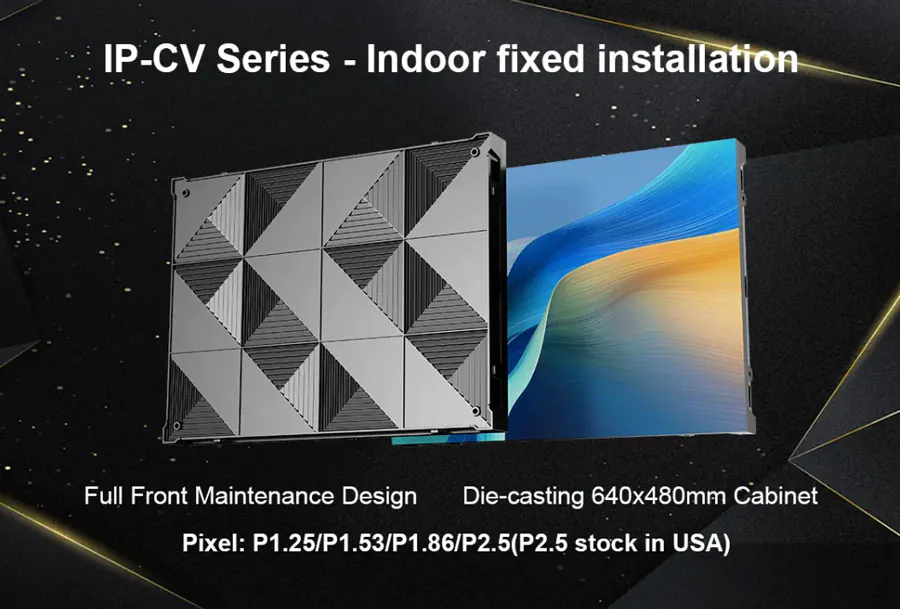
Slim Profile Integration: By minimizing the layers within the display stack and integrating components like touch sensors directly into the display (on-cell or in-cell technology), TW VISION achieves an astonishingly slim overall profile, essential for discreet, space-saving installations.
Transformative Applications for Space-Constrained Environments
The practical applications of TW VISION’s Ultra Thin Flexible Displays are vast, particularly where space is at a premium:
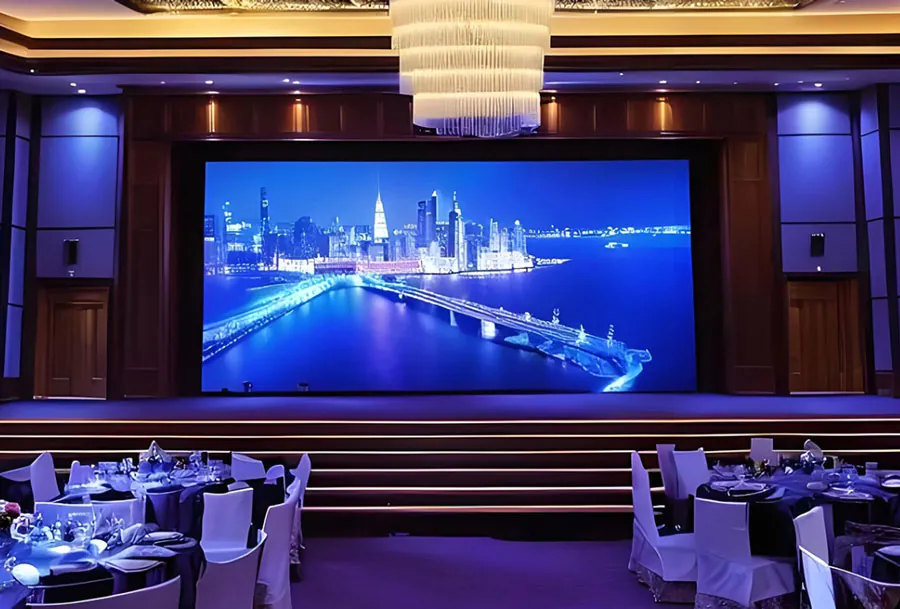
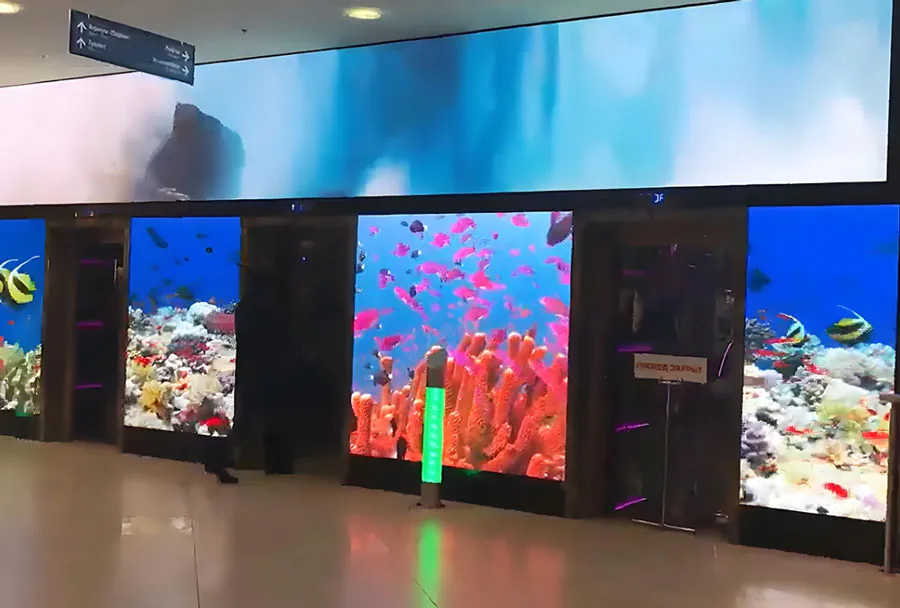
Retail & Hospitality: In boutique stores or luxury hotel lobbies, space is curated and valuable. Install flexible displays on curved walls, inside narrow pillars, or as hanging, scroll-like digital art pieces that you can retract when not in use, freeing up physical space for other purposes.
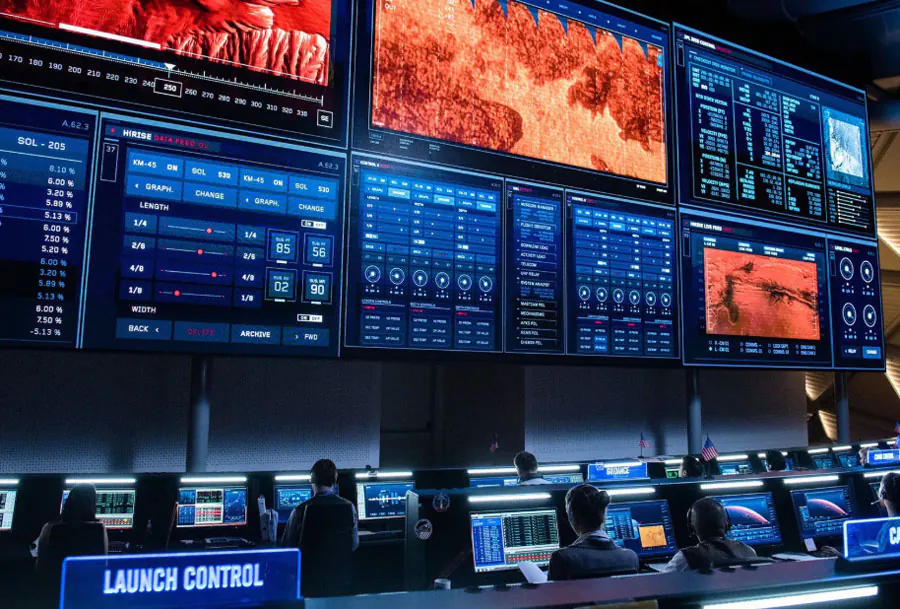
Corporate & Command Centers: Modern workspaces prioritize open layouts and collaboration. Install ultra-thin, curved displays on partition walls or use them to create seamless, panoramic dashboards in control rooms. Their slim profiles and lightweight designs reduce depth and weight compared with traditional video walls, keeping the environment clutter-free and focused.
Transportation & Public Venues: Airports, train stations, and subway operators must maximize display functionality in severely limited spaces. Operators can install lightweight, flexible displays in curved overhead panels, along pillar sides, or as dynamic seat-back screens to deliver information and advertising without taking up passenger space.
Smart Homes & Architectural Integration: For the ultimate in space-saving and design fusion, these displays can be integrated into furniture, such as a flexible screen that rolls up into a ceiling fixture or a living room wall that transforms from a flat surface to a curved home theater at the touch of a button. TW VISION’s technology enables displays to disappear when not needed, a concept pivotal for minimalist design.
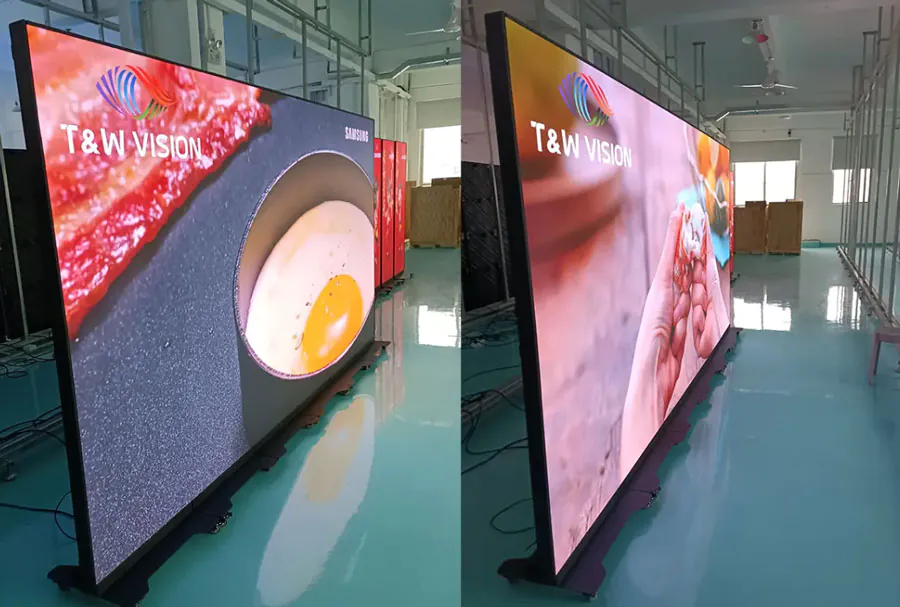
The TW VISION Advantage: Beyond the Screen
Choosing TW VISION means more than just acquiring a flexible display; it is partnering for a holistic solution. TW VISION provides comprehensive support, from initial design consultation—helping clients visualize how to best utilize their spatial constraints—to custom fabrication for unique curvature requirements and professional installation services. The focus is on creating a seamless, reliable, and stunning visual installation that looks like a natural part of the architecture, not an afterthought.
Furthermore, TW VISION’s commitment to quality ensures that the pursuit of thinness and flexibility does not come at the cost of performance. These displays boast high brightness, exceptional contrast ratios (especially with OLED), wide viewing angles, and vibrant color reproduction, ensuring the visual impact is as powerful as the form factor is innovative.
Redefining Spaces with Digital Fluidity
The future of digital display is not just about higher resolution; it is about greater integration and intelligence in form. TW VISION’s Ultra Thin Flexible Display technology represents a fundamental leap in this direction, offering a powerful tool for designers, architects, and brands to overcome spatial limitations. By transforming obstacles into opportunities and flat surfaces into dynamic, shape-shifting canvases, TW VISION is not just saving space—it is reimagining it. In a world where every inch counts, the ability to bend the rules of display installation is no longer a luxury but a necessity for creating immersive, efficient, and breathtaking digital experiences.
Frequently Asked Questions About Ultra-Thin LED Displays for Space-Saving Installations
Can these displays be installed inside a curved wall?
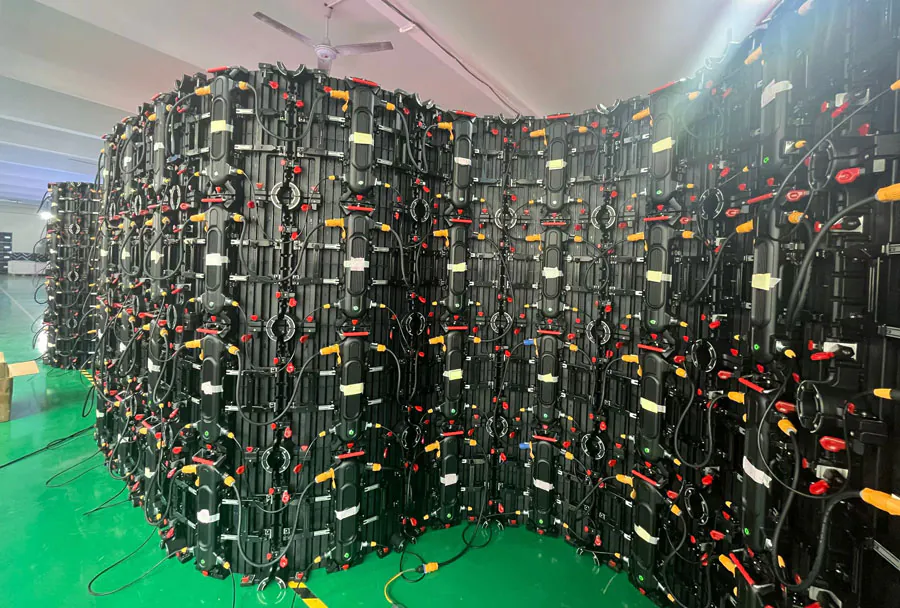
Some ultra-thin flexible displays for space-saving installations can follow a curve, but the manufacturer must design the cabinet or module to support that geometry. A flat cabinet forced onto a curved frame can create stress, alignment problems, or visible seams. Confirm the minimum radius, permitted direction of curvature, module flexibility, and content compensation requirements before ordering.
The wall structure must also support consistent alignment across the full curve.
Are transparent LED screens better for narrow shop windows?
Transparent LED may be better when preserving visibility through a window matters more than maximum image density. Ultra-Thin LED Displays for Space-Saving Installations can provide stronger contrast on an opaque wall, while transparent products usually depend heavily on ambient light and background conditions. In a bright street-facing window, test readability during daytime and nighttime.
Check local glazing, landlord, signage, and planning requirements before installation.
What happens if the display loses its network connection?
Many Ultra Thin Flexible Display for Space-Saving Installations can continue showing locally stored content after a network interruption, but this depends on the controller and content-management platform. A scheduled campaign may continue until its cache expires, while live data may stop updating immediately. Ask the supplier whether the player supports offline playback, how long it caches content, and how it alerts operators to faults.
Test by disconnecting the network during commissioning.
Can a thin LED display replace a large-format LCD video wall?
The choice depends on viewing distance, brightness, seam tolerance, service access, and budget. Ultra Thin Flexible Display for Space-Saving Installations avoid the visible bezel lines associated with many LCD video walls, but LCD systems may be simpler for close-range text and smaller indoor footprints.
In a control room, compare pixel density, minimum viewing distance, heat, acoustic output, and replacement procedures rather than comparing screen thickness alone.
How should a display be protected during building cleaning?
Follow the manufacturer’s cleaning and environmental guidelines to protect ultra-thin LED displays for space-saving installations, rather than treating them like ordinary painted walls. A cleaning contractor may use liquids or pressure that can enter modules, connectors, or ventilation paths. Obtain an approved cleaning method, identify power-isolation requirements, and mark no-spray zones.
For public interiors, include the procedure in the facilities maintenance schedule and train the responsible staff.
Conclusion
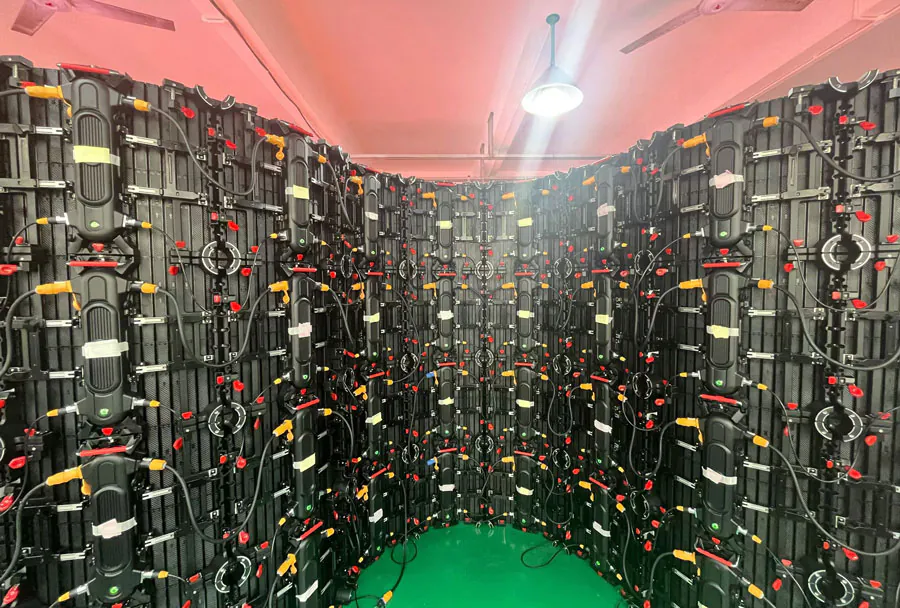
A space-saving LED installation succeeds when the full system is planned, not just the visible panel. Ultra-Thin LED Displays for Space-Saving Installations depend on the display, frame, power equipment, cables, ventilation, service route, and content workflow to achieve the intended result.
– Measure the complete finished depth before ordering.
– Match pixel pitch to real viewing distance and content.
– Select a frame that supports safe alignment and maintenance.
– Confirm power, heat, environmental rating, and service access.
– Test content, cameras, network failure, and cleaning procedures.
Use Ultra-Thin LED Displays for Space-Saving Installations when their installation depth, viewing performance, and service model fit the site. The next step is to create a dimensioned elevation, collect manufacturer data, and obtain an installation review before construction begins.