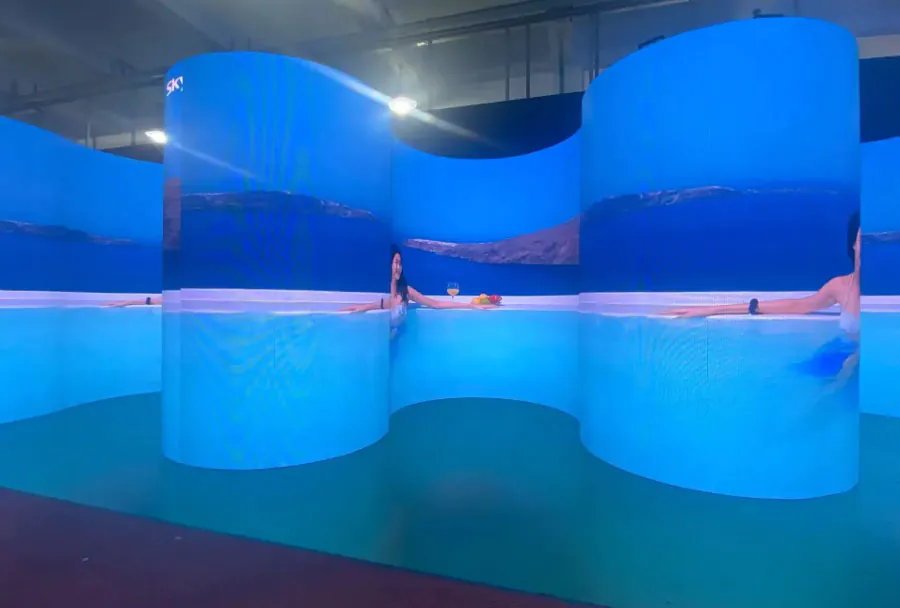
Trade Show Wall: 6 Best Design Guide for Better Booth Impact

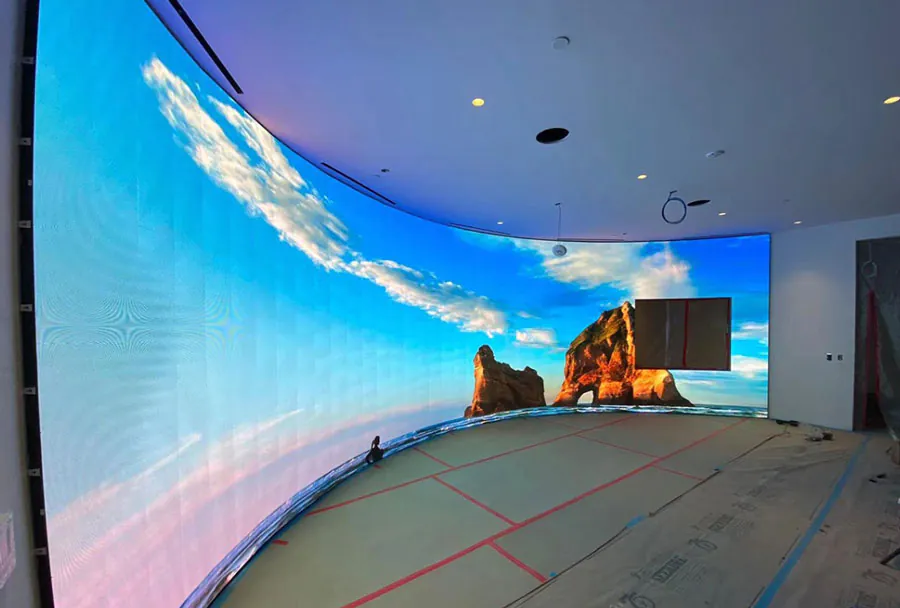
Introduction
A strong trade show wall can shape how attendees see your brand within seconds. In a busy expo hall, your backdrop is often the first element people notice, which means it must do more than fill space. It should attract attention, communicate your value quickly, and support meaningful conversations. Whether you are planning a small booth or a large branded environment, the right trade show wall helps create a polished, memorable presence. It can also improve traffic flow, support product messaging, and make your exhibit easier to navigate. In this guide, you will learn how to choose materials, build an effective layout, align visuals with marketing goals, and avoid common mistakes so your display performs better at every event.
Table of Contents
- Introduction
- Why a Trade Show Wall Matters for Brand Visibility
- How to Choose the Right Trade Show Wall for Your Booth
- Best Design Practices for a High-Performing Trade Show Wall
- Using a Trade Show Wall to Improve Booth Engagement
- Common Mistakes to Avoid When Planning a Trade Show Wall
- FAQ
- What is the best size for a trade show wall?
- What material is best for a trade show wall?
- How much does a trade show wall cost?
- How do I make a trade show wall stand out?
- Can a trade show wall be reused for multiple events?
- Conclusion
Why a Trade Show Wall Matters for Brand Visibility
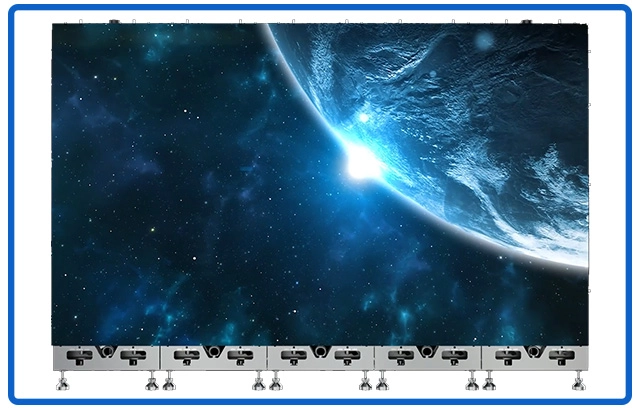
A well-designed trade show wall acts as the visual anchor of your booth. In crowded event spaces, attendees are surrounded by competing messages, colors, and displays. Your wall must therefore work hard to separate your brand from the background noise. It should communicate who you are and what you offer before a visitor even steps into your space.
The most effective exhibits use bold yet simple design. Instead of overloading the backdrop with excessive text, successful brands focus on a clear headline, strong imagery, and a concise value proposition. This approach helps visitors process your message quickly. When people understand your brand at a glance, they are more likely to stop, engage, and ask questions.
Another major benefit of a they is consistency. If your online branding, printed materials, and in-person booth all share the same visual identity, attendees are more likely to remember you after the event. Consistent use of color, typography, and messaging builds trust and recognition.
Visibility also depends on scale. A wall that is too small or visually weak may disappear among larger, more dynamic exhibits. Choosing the right size and structure for your space is critical. Even a modest booth can look premium when the backdrop is professionally produced and strategically designed.
Finally, your wall supports photography and social sharing. Event attendees often take pictures at booths that look interesting or polished. A compelling branded background can turn casual foot traffic into organic promotion, extending the value of your exhibit beyond the show floor.
How to Choose the Right Trade Show Wall for Your Booth
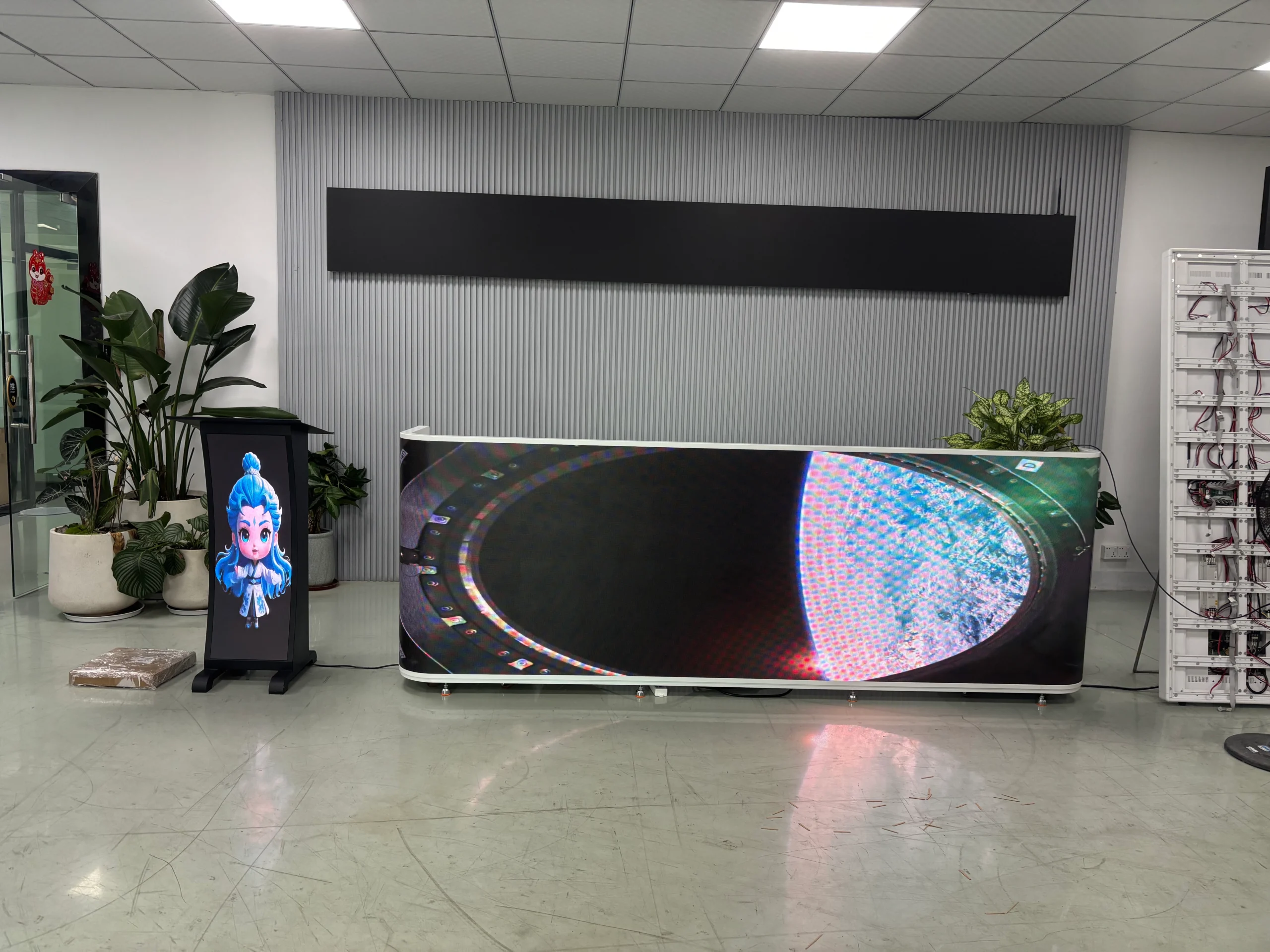
Selecting the right trade show wall starts with understanding your event goals. Are you trying to generate leads, launch a product, build brand awareness, or create private meeting space? Your answer affects the size, shape, and features you should prioritize.
Portable tension fabric systems are among the most popular options because they are lightweight, easy to transport, and visually seamless. They work well for companies that attend multiple events and want a professional look without complicated installation. Pop-up walls are another practical choice for exhibitors who value speed and simplicity.
Modular displays offer more flexibility. A modular the approach can be reconfigured for different booth sizes, making it a cost-effective investment for brands with varied event schedules. If your company exhibits in both small regional expos and larger national conferences, modular systems may provide the adaptability you need.
Material quality is equally important. Fabric graphics often create a smooth, premium appearance and reduce glare under event lighting. Rigid panel systems can feel more architectural and durable, especially when integrated with shelving, monitors, or product displays. The right material depends on your budget, transport needs, and desired visual impact.
You should also consider setup logistics. Some exhibitors have in-house teams, while others rely on venue labor. If ease of assembly matters, choose a wall system with minimal tools and clear installation instructions. Weight, case size, and shipping costs should also factor into your decision.
Lighting is another overlooked element. Even the best graphics can fall flat if they are poorly lit. Integrated LED lighting can make your visuals more vibrant and help key messages stand out. In competitive environments, good lighting can dramatically improve booth presence.
Lastly, think about durability and reuse. A high-quality display should survive repeated events without fading, tearing, or losing structural integrity. Investing in a reusable solution often lowers long-term exhibit costs and ensures your brand always looks polished.
Best Design Practices for a High-Performing Trade Show Wall
Design determines whether your trade show wall attracts attention or gets ignored. The first rule is clarity. Most attendees will only glance at your booth for a few seconds before deciding whether to continue walking or stop. That means your core message must be instantly understandable.
Start with a headline that addresses a problem or benefit. Keep it short, readable, and relevant to your target audience. Avoid jargon unless your event is highly specialized and the audience expects technical language. Supporting text should be limited to essential information. If visitors need to read a paragraph to understand your offering, the message is probably too complicated.
Visual hierarchy matters. The largest design elements should guide the eye in a logical order: brand name, primary promise, supporting image, and call to action. A successful trade show wall does not treat every element as equally important. It directs attention intentionally.
High-resolution imagery is essential. Blurry graphics or low-quality printing can undermine credibility, even if your product is excellent. Use images that reinforce your message and speak to your audience’s goals. For example, a technology brand may highlight sleek interfaces or data-driven visuals, while a lifestyle company may use human-centered images that feel aspirational and relatable.
Color choice should reflect your brand while ensuring readability. Strong contrast between background and text improves visibility from a distance. Bright colors can attract attention, but overuse can create visual clutter. Balance is key.
Whitespace is often underestimated. A crowded backdrop can overwhelm visitors and dilute your message. A cleaner exhibition wall feels more professional and allows the most important elements to stand out. Simplicity often creates stronger impact than complexity.
Calls to action should also be purposeful. Depending on your objectives, you may invite visitors to request a demo, scan a QR code, book a consultation, or join a mailing list. Make the next step obvious. If possible, align the wall design with booth staff talking points so the visual message and verbal message reinforce each other.
Finally, test your design before printing. View it from several distances, especially from across a room. What feels readable on a computer screen may not be readable on a large-format display in a noisy exhibition hall.
Using a Trade Show Wall to Improve Booth Engagement
A visually appealing trade show wall should do more than attract attention; it should help create interaction. The best exhibit backdrops support visitor engagement by making your booth easier to understand and easier to enter.
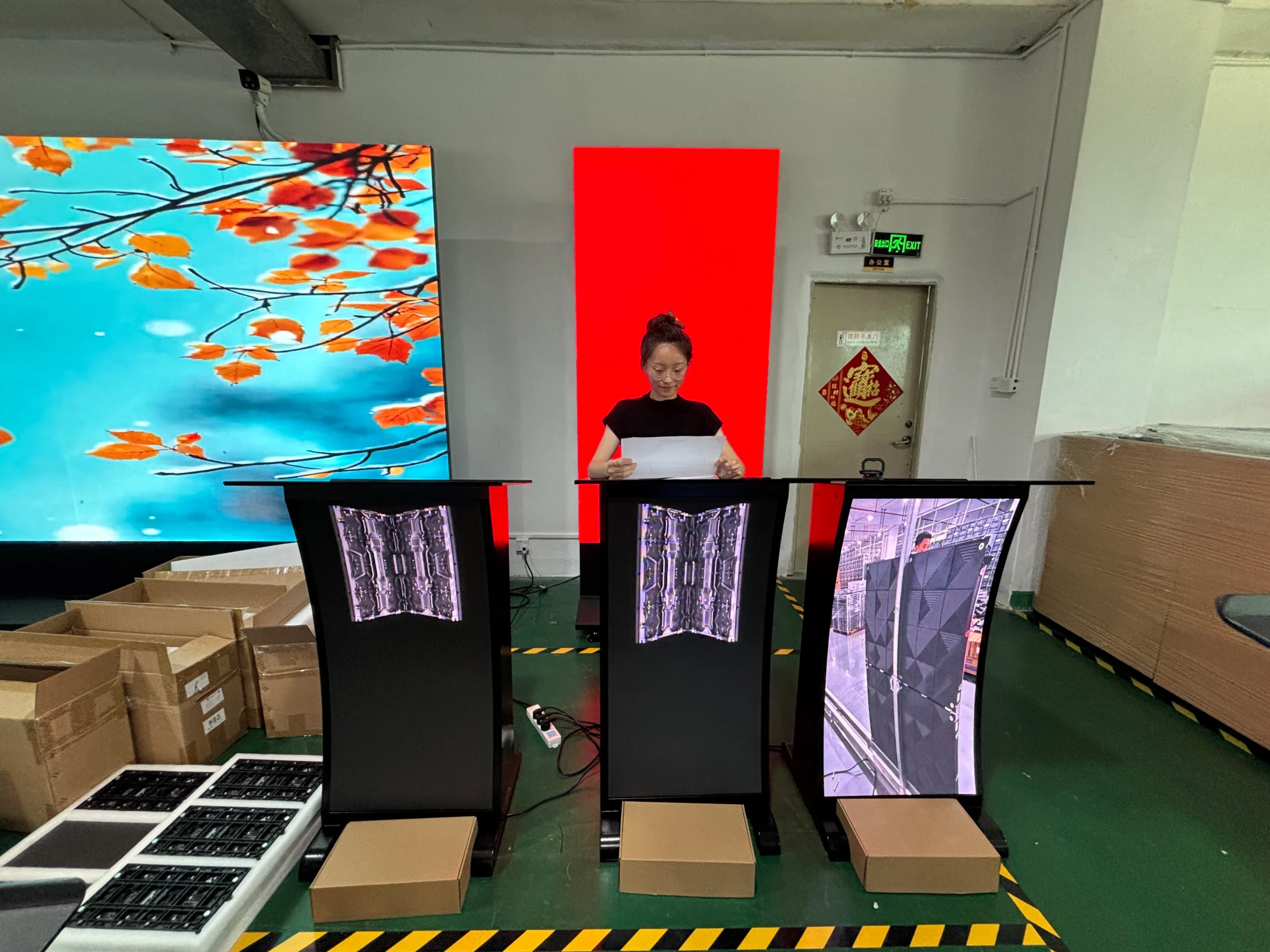
Followed video showed you how the front desk screen/DJ booth perform and attract attention.
One effective approach is to use the wall as a storytelling tool. Rather than simply placing a logo on a backdrop, organize the design around a customer journey, product benefit, or market challenge. This gives booth staff a natural conversation starter and helps attendees connect your offering to their needs.
Interactive elements can also enhance performance. A trade show wall may include integrated screens, QR codes, product demos, shelving, or touchpoints that encourage visitors to explore. When these elements are thoughtfully placed, they increase dwell time and create more opportunities for your team to qualify leads.
Layout plays a key role in engagement. If your backdrop is paired with counters, tables, or product stands, make sure the arrangement feels inviting rather than closed off. Open booth designs often encourage more traffic because attendees do not feel like they are intruding. The wall should frame the experience, not block it.
Personalization can improve results as well. If you are exhibiting at a niche industry event, tailor your messaging to that audience. A backdrop that speaks directly to healthcare buyers, software teams, retailers, or manufacturers will usually outperform a generic design. Relevance drives engagement.
Your team should also use the wall actively during conversations. Sales representatives can point to key graphics, reference benefits shown in the design, or use visual sections to guide discussions. This turns the display into a communication aid rather than just decoration.
Measurement is important after the event. Track whether changes to your wall correspond with improvements in traffic, conversation quality, lead volume, or social engagement. Over time, this data helps you refine the booth experience and make better design decisions.
When used strategically, your backdrop becomes more than a printed surface. It becomes a functional tool that supports awareness, interaction, and conversion throughout the event.
Common Mistakes to Avoid When Planning a Trade Show Wall
Even experienced exhibitors can make mistakes that reduce the impact of a the approach. One of the most common issues is trying to include too much information. Brands often feel pressure to describe every service, feature, and differentiator on the backdrop. In reality, too much text creates confusion and discourages engagement.
Another mistake is ignoring viewing distance. Text that looks clear on a design proof may become unreadable on the show floor if the font is too small or the contrast is too low. Always design for quick readability from several feet away. Your most important message should be visible at a glance.
Poor brand consistency is another problem. If the booth design uses colors, fonts, or messaging that do not match your website, brochures, or digital ads, attendees may struggle to connect your in-person presence with your broader brand. A cohesive it reinforces trust and professionalism.
Low-quality production can also hurt performance. Cheap materials, wrinkled fabric, damaged frames, or faded prints send the wrong message. Even if your company offers high-end products or services, a poor exhibit appearance can make your brand seem less credible.
Failing to account for lighting is another avoidable error. Trade show venues vary widely in brightness and spotlight placement. If your graphics are too dark or reflective, important details may disappear. Testing with event lighting conditions in mind can prevent disappointment.
Some companies also forget about logistics. A beautiful wall that is difficult to ship, expensive to install, or prone to damage may become a burden over time. Practicality matters just as much as aesthetics, especially if you attend multiple events each year.
Lastly, many exhibitors overlook follow-up integration. Your booth visuals should connect to your post-event marketing efforts. If attendees scan a QR code, visit a landing page, or receive an email after speaking with your team, the visual language should feel familiar. That continuity helps move prospects through the funnel more smoothly.
By avoiding these common mistakes, you can create a display that is not only attractive but also aligned with your goals, budget, and long-term brand strategy.
FAQ
What is the best size for a trade show wall?
The best size for a trade show wall depends on your booth dimensions, event regulations, and marketing goals. A standard 8-foot backdrop may work well for smaller booths, while larger island exhibits may require custom solutions. Choose a size that delivers visibility without overwhelming the space.
What material is best for a trade show wall?
The ideal material for a trade show wall depends on portability, budget, and desired appearance. Fabric is popular for its lightweight structure and clean finish, while rigid panels offer a more permanent and architectural feel. If you attend many events, portable fabric or modular systems are often practical options.
How much does a trade show wall cost?
The cost of a trade show wall varies based on size, material, printing quality, lighting, and custom features. Basic portable displays may cost a few hundred dollars, while premium modular or custom-built systems can cost several thousand. It is best to compare short-term budget with long-term reuse value.
How do I make a trade show wall stand out?
To make a trade show wall stand out, focus on a bold headline, clear branding, high-contrast colors, strong imagery, and minimal text. Good lighting and a simple call to action also improve visibility. The goal is to communicate quickly and create enough curiosity to bring attendees into the booth.
Can a trade show wall be reused for multiple events?
Yes, a high-quality trade show wall can be reused across multiple events, especially if it is modular or portable. Reusability depends on durable materials, proper storage, and a design that remains relevant for different audiences. Many exhibitors choose adaptable systems for this reason.
Conclusion
A successful trade show wall is more than a background element. It is a strategic branding tool that helps attract attention, support conversations, and improve event results. From material selection and layout planning to messaging and lighting, every detail influences how your booth performs. When your trade show wall is clear, visually strong, and aligned with your goals, it can increase engagement and leave a lasting impression on attendees. By focusing on simplicity, consistency, and usability, you can build a display that works across multiple events and strengthens your overall marketing presence.
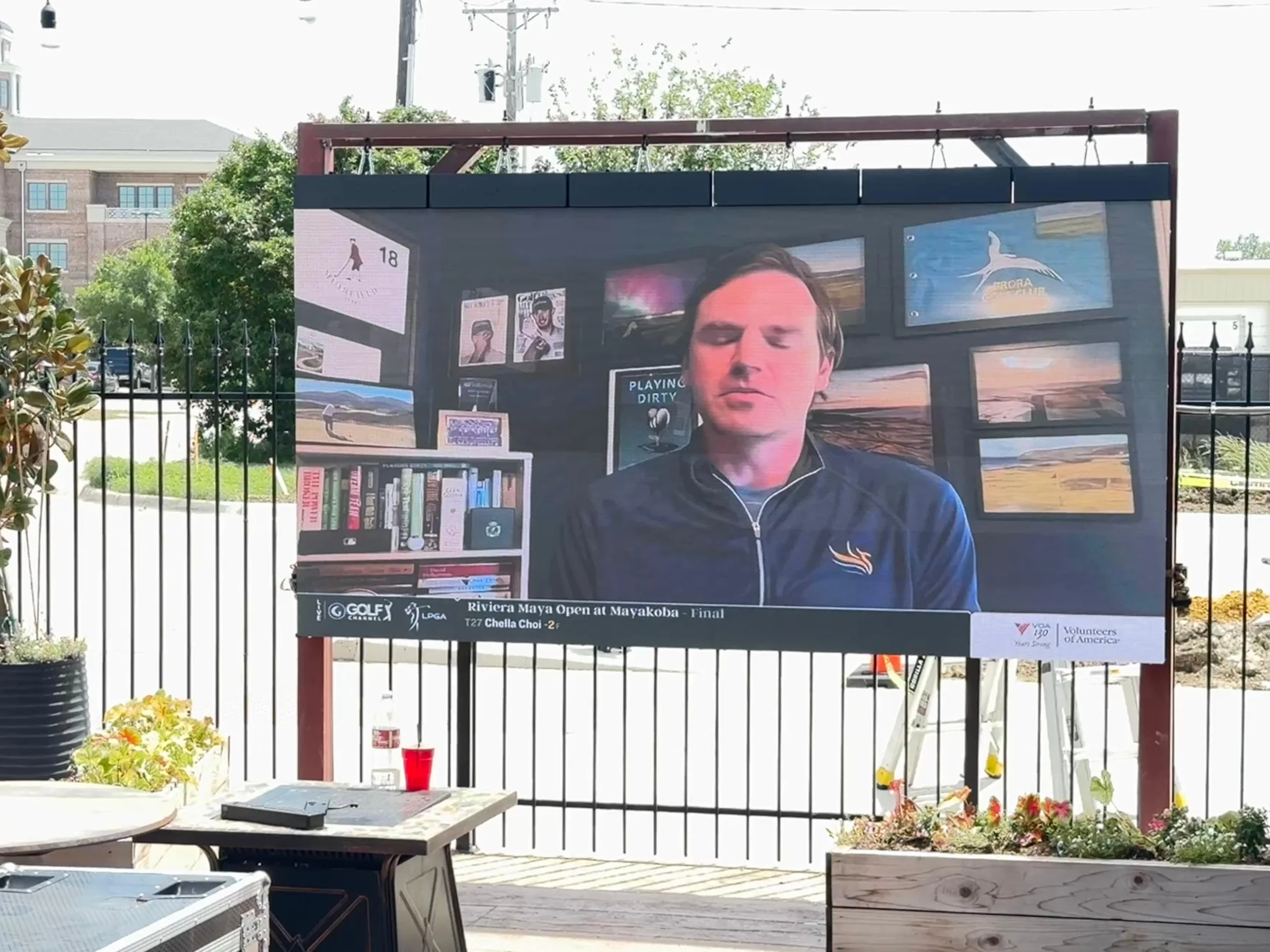
The followed video showed you how P1.86 and 3840x1920mm led video wall looks like and also provide you a new selection of trade show wall as it can be fold for usage.