

ultra thin flexible led screen: Best ultra thin flexible


Introduction
An ultra thin flexible led screen is changing the way brands, venues, and designers think about digital display technology. Unlike traditional rigid panels, these screens are lightweight, bendable, space-saving, and visually impressive. They can wrap around columns, fit curved walls, and support creative installations that would be difficult or impossible with standard display systems. As demand grows for immersive visual experiences in retail, events, transportation hubs, studios, and corporate spaces, more buyers are exploring how this advanced screen technology can improve both functionality and aesthetics.
Table of Contents
- Introduction
- What Is an ultra thin flexible led screen?
- Key Benefits of Flexible LED Displays
- Applications of ultra thin flexible led screen Technology
- How to Choose the Best ultra thin flexible led screen
- Installation, Maintenance, and Cost Considerations
- Future Trends in Flexible LED Displays
- FAQ About Flexible LED Screens
- Conclusion
Choosing the right ultra thin flexible led screen requires understanding its structure, applications, performance factors, installation needs, and long-term value. This guide explains everything you need to know before investing in this modern display solution.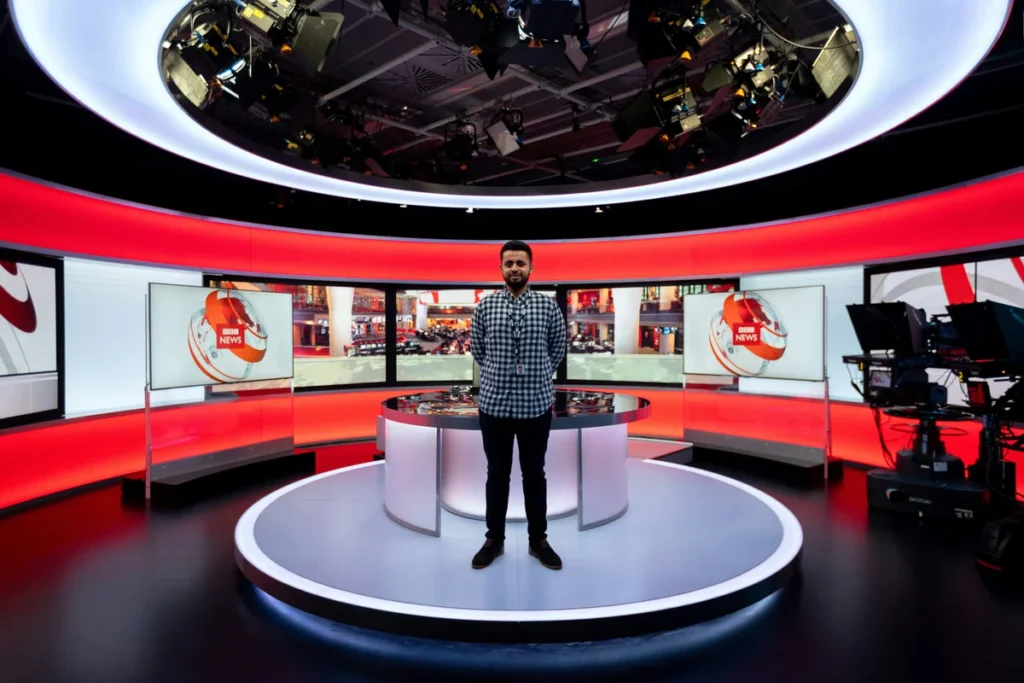
What Is an ultra thin flexible led screen?
An ultra thin flexible led screen is a display made with soft or bendable LED modules that can adapt to curved or irregular surfaces. Instead of using a rigid cabinet structure like conventional LED video walls, this type of display is engineered to be thinner, lighter, and more adaptable in shape.
The main advantage of a flexible LED display is its design freedom. It can be installed on concave or convex surfaces, wrapped around pillars, or integrated into creative architectural projects. This makes it highly attractive for businesses and organizations that want more than a flat display.
Several features define this technology:
- Thin and lightweight construction
- Flexible module design for curved surfaces
- High brightness and vivid color performance
- Seamless visual presentation
- Easier adaptation to custom installation environments
Compared with LCD panels or standard LED walls, this type of screen is often better suited for artistic displays, premium retail environments, exhibition halls, broadcast sets, and stage productions. Because it can conform to unique surfaces, it supports storytelling and branding in a more dynamic way.
Another reason many buyers choose a flexible LED display is space efficiency. In areas where depth is limited, a slim flexible display can deliver strong visual impact without requiring bulky infrastructure. That makes it especially useful in modern interior designs where clean lines and minimal footprint matter.
Key Benefits of Flexible LED Displays
The popularity of flexible LED displays comes from a combination of visual quality, installation flexibility, and commercial value. Below are some of the most important benefits.
1. Flexible design possibilities
One of the most obvious benefits is the ability to create curved, cylindrical, wave-shaped, or custom digital surfaces. This allows architects, designers, and marketing teams to build installations that stand out immediately.
2. Lightweight and ultra slim profile
A major strength of a flexible LED display is its reduced weight compared with many traditional display systems. Lightweight displays can reduce structural load requirements and make transportation and installation easier.
3. Strong visual performance
Despite being slim and flexible, these screens can still provide excellent brightness, contrast, and color consistency. This makes them suitable for both indoor environments and selected semi-outdoor applications, depending on the model.
4. Better space utilization
In compact spaces, using a flexible LED screen can help maximize visual communication without occupying much room. For luxury retail stores, museums, lobbies, and showrooms, this is a major advantage.
5. Enhanced audience engagement
Curved and creative displays naturally attract attention. A screen that wraps around a surface or integrates into a building feature can create a stronger emotional and visual response than a standard flat panel.
6. Custom branding opportunities
Businesses can use flexible LED technology to reinforce brand identity through unique shapes and immersive content presentation. Whether used for product launches or permanent installations, the screen can become part of the brand experience itself.
7. Energy efficiency and project savings
As display technology evolves, energy efficiency is becoming more important. Many buyers now consider power consumption alongside brightness and resolution. Efficient LED solutions can reduce operating costs and support broader sustainability goals.
Lightweight construction may also lower shipping and structural material demands, offering additional project-level efficiencies.
Applications of ultra thin flexible led screen Technology
The versatility of an ultra thin flexible led screen makes it suitable for a wide range of industries. As visual communication becomes more important, flexible LED solutions are increasingly being adopted in places where creativity and efficiency must work together.
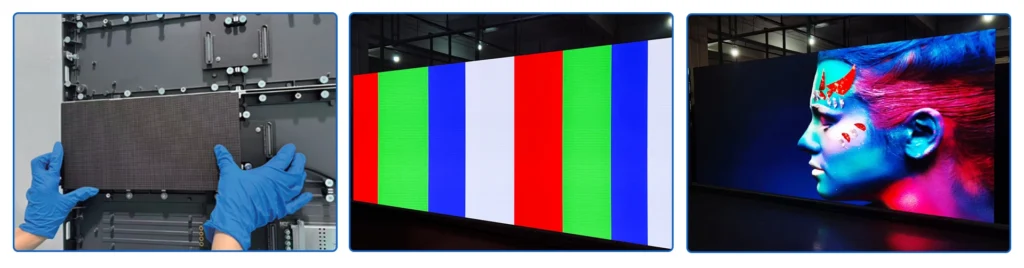
Retail and luxury stores
Retailers use flexible screens to create memorable product displays, digital window presentations, and branded interior experiences. Curved installations can highlight premium products and help stores stand out in competitive shopping environments.
Corporate lobbies and offices
A modern flexible LED display can transform a reception area or corporate lobby into a sophisticated communication space. Companies use these displays to show welcome messages, brand visuals, achievements, and real-time information.
Exhibitions and trade shows
Exhibitors need attention-grabbing visuals, and flexible LED displays are ideal for that purpose. Because they can fit creative booth designs, they help brands build a stronger presence at crowded events.
Entertainment and stage design
Concerts, theaters, TV studios, and live events often require dynamic visual backdrops. The bendable format allows production teams to build immersive environments that support performance storytelling.
Museums and cultural spaces
A carefully designed flexible LED display can be integrated into exhibition walls, curved installations, and interpretive environments. Museums benefit from a technology that supports education while maintaining aesthetic harmony.
Transportation hubs and public venues
Airports, metro stations, malls, and large public spaces can use flexible screens for advertising, navigation, announcements, and interactive media. Their custom form factor makes them useful in architecturally complex environments.
Hospitality and experiential venues
Hotels, restaurants, casinos, and entertainment venues increasingly invest in digital architecture. Flexible displays can improve ambiance, support promotions, and create memorable guest experiences.
How to Choose the Best ultra thin flexible led screen
Selecting the right flexible LED display involves more than comparing prices. Buyers should evaluate technical specifications, installation conditions, content goals, and long-term maintenance expectations.
Pixel pitch
Pixel pitch determines image clarity at different viewing distances. A smaller pixel pitch generally provides sharper visuals for close-up viewing, which is important in retail stores, boardrooms, and indoor public spaces.
Brightness level
Brightness should match the installation environment. Indoor settings may need moderate brightness, while brighter ambient conditions require higher output for clear visibility.
Flexibility radius
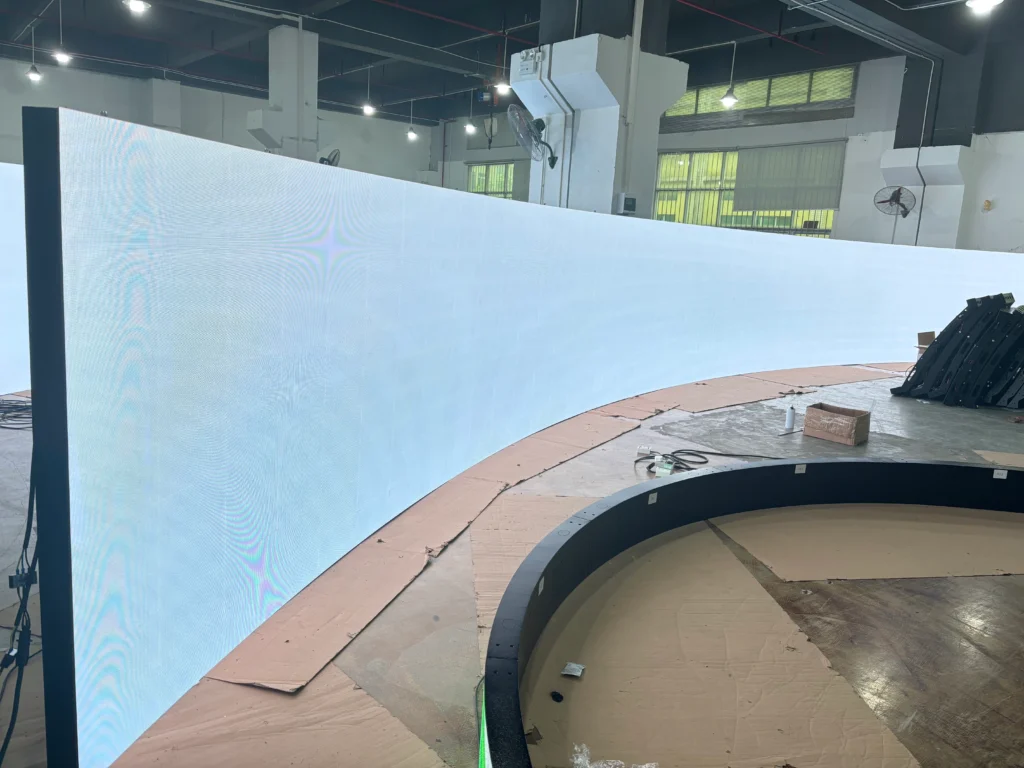
Not all flexible screens bend to the same degree. If your project involves a tight curve or unusual shape, check the minimum bending radius supported by the product.
Weight and thickness
A flexible LED display should be evaluated for both thickness and total structural weight. These factors affect mounting choices, safety considerations, and integration with architectural surfaces.
Maintenance method
Some models offer front maintenance, while others require rear access. For installations in tight or premium spaces, front-service capability is often more practical.
Refresh rate and image quality
For video-heavy applications, broadcasts, or live events, a high refresh rate is essential. It helps ensure smooth motion, reduces flicker, and improves camera performance.
Control system compatibility
The screen should work smoothly with your preferred media servers, video processors, and content management systems. Seamless integration reduces setup complexity and improves operational efficiency.
Durability and reliability
Even indoor displays should be durable enough for long-term commercial use. Ask about module lifespan, heat management, service support, and warranty terms before purchasing.
Installation expertise
A good product still needs skilled installation. Work with an experienced supplier who understands curved structures, content mapping, electrical planning, and on-site calibration.
Installation, Maintenance, and Cost Considerations
Investing in a flexible LED display involves both upfront and ongoing considerations. Understanding these factors can help buyers plan more effectively and avoid unexpected issues.
Installation planning
Successful installation starts with a site assessment. The wall or structure must support the display’s design, power requirements, and control system layout. If the screen wraps around a curved feature, precise measurements are essential.
Installers also need to account for:
- Mounting surface condition
- Power supply placement
- Signal routing
- Ventilation and heat control
- Maintenance access
- Content resolution mapping
Because every project is unique, installation costs can vary significantly depending on shape complexity, size, and structural requirements.
Content adaptation
A flexible LED display often requires custom content formatting. Standard 16:9 video may not fully utilize a curved or irregular display area. Businesses should plan for content design that matches the screen’s dimensions and creative purpose.
Routine maintenance
Regular maintenance helps protect image quality and system reliability. Typical maintenance tasks include:
- Checking module connections
- Cleaning the display surface carefully
- Monitoring power and control components
- Replacing damaged modules if necessary
- Verifying color consistency and calibration
Flexible LED systems should always be serviced according to manufacturer guidelines to prevent unnecessary wear.
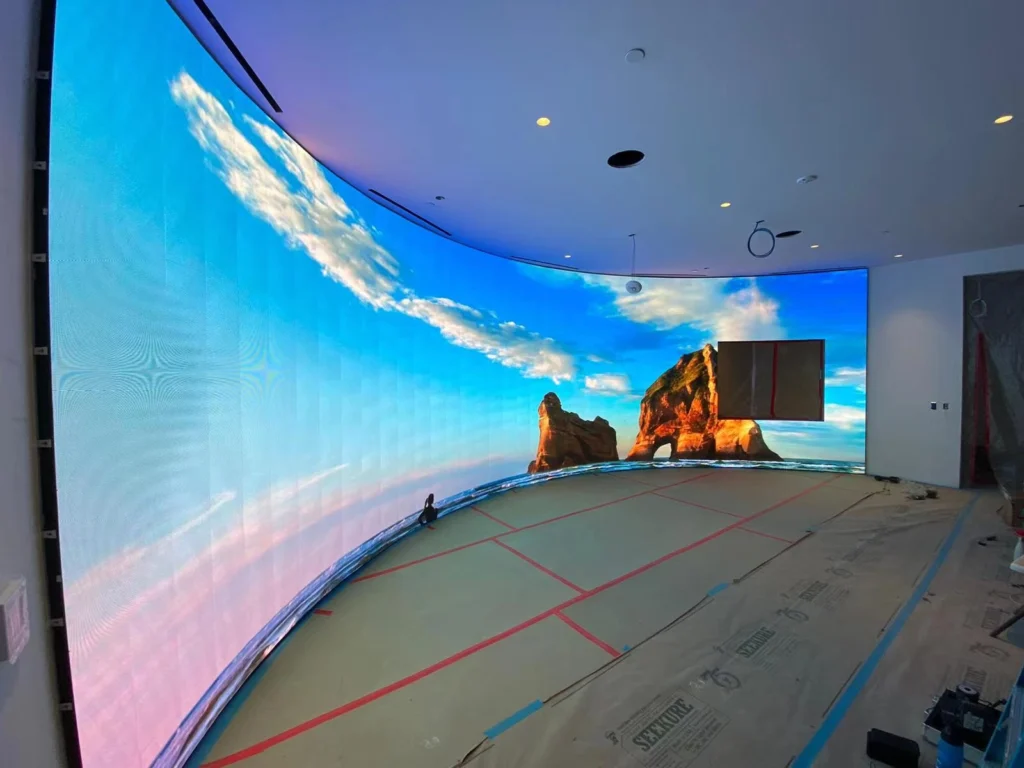
Cost factors
Pricing depends on several variables, including:
- Pixel pitch
- Screen size
- Curvature requirements
- Brightness level
- Control system
- Installation complexity
- Brand and warranty support
While the initial investment may be higher than some conventional displays, the visual impact and design versatility can deliver better long-term value, especially in environments where brand presentation matters.
Return on investment
For many organizations, ROI comes from improved audience attention, stronger brand visibility, and better use of physical space. A creatively installed display can become a signature feature that enhances customer experience and supports marketing goals over time.
Future Trends in Flexible LED Displays
The future of flexible LED display technology looks strong. Manufacturers continue to improve pixel density, color accuracy, bending capability, and reliability. We are also seeing increased integration with smart control systems, interactive experiences, transparent elements, and immersive architectural media.
As digital experiences become more central to brand communication, the ultra-thin flexible LED screen is likely to play an even bigger role in retail design, entertainment, virtual production, and experiential spaces. It offers a rare combination of technical performance and artistic freedom, making it one of the most exciting display categories on the market.
FAQ About Flexible LED Screens
What is an ultra thin flexible led screen used for?
A flexible LED display is commonly used in retail stores, exhibitions, museums, corporate lobbies, stage productions, and hospitality venues. It is ideal for curved surfaces and creative digital installations where standard rigid displays are not suitable.
Is a flexible LED screen suitable for indoor use only?
Most models are designed primarily for indoor use, although some specialized versions can be adapted for semi-outdoor or protected environments. The right choice depends on brightness, protection rating, and installation conditions.
How long does an ultra thin flexible led screen last?
The lifespan of a flexible LED display depends on product quality, usage hours, heat management, and maintenance practices. High-quality commercial LED systems can last many years when properly installed and serviced.
Can a flexible LED screen display high-resolution content?
Yes, many flexible LED displays support high-resolution visuals, especially when using a fine pixel pitch. Resolution quality depends on the module specification and the overall screen dimensions.
Is a flexible LED screen difficult to maintain?
Maintenance is not necessarily difficult, but it should be handled correctly. Many systems are designed for service access and modular replacement. Choosing a reliable supplier and proper installation method makes maintenance much easier.
How much does a flexible LED screen cost?
The cost of a flexible LED display varies based on size, pixel pitch, customization, and installation requirements. Projects with complex curves or premium specifications will typically cost more than simpler installations.
Is an ultra thin flexible led screen always the better choice?
An ultra-thin flexible LED screen is not always better for every project, but it is superior when design flexibility, slim installation depth, and curved mounting are important. Traditional LED displays are still effective for flat, standard-format video walls and large outdoor billboards.
Can an ultra thin flexible led screen be customized?
Yes, an ultra-thin flexible LED screen can often be customized in size, curvature, resolution, and installation format. This makes it ideal for unique architectural designs, themed environments, and branded digital experiences.
Conclusion
A flexible LED display offers a powerful combination of innovation, elegance, and practicality. Its slim profile, lightweight structure, and ability to conform to curved or custom surfaces make it an outstanding solution for modern visual communication. From luxury retail and museums to events and corporate interiors, this technology helps transform ordinary spaces into immersive digital experiences.
If you are considering a flexible LED display, focus on your project goals, viewing environment, content needs, and installation conditions. With the right planning and supplier support, this display solution can deliver impressive visual impact, stronger audience engagement, and lasting value for your business or organization.
