

curved led panels: Design, Uses, Buying Guide: Expert Guide

Indroduction
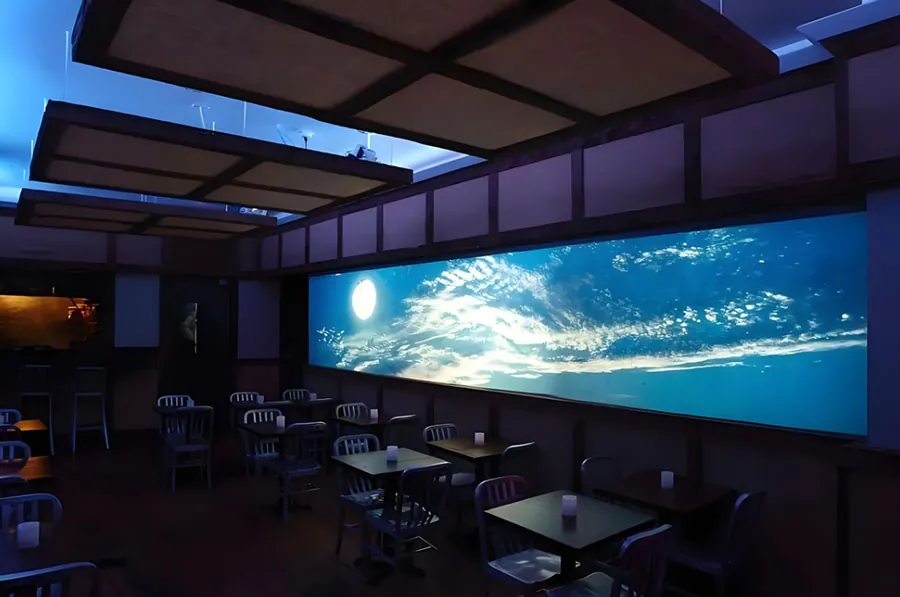
Curved LED panels have changed how brands, venues, and designers think about visual communication. Unlike flat screens, curved LED displays create a more immersive viewing experience, wrap naturally around architectural features, and deliver a premium look that stands out in crowded spaces. From retail stores and corporate lobbies to trade shows, entertainment venues, and control rooms, these display systems combine flexibility with high visual impact.
Table of Contents
- What Are Curved LED Panels and How Do They Work?
- Key Benefits of Curved LED Panels for Modern Spaces
- Common Applications Across Industries
- How to Choose the Right Curved LED Panels
- Installation, Maintenance, and Long-Term Performance
- FAQ About Curved LED Panels
- Are curved led panels better than flat LED displays?
- Where are curved led panels most commonly used?
- Can curved led panels be used outdoors?
- How long do curved led panels last?
- What should I check before buying curved led panels?
- Conclusion
As digital signage continues to evolve, businesses are looking for display solutions that are not only bright and durable but also visually distinctive. That is where curve led panels offer a strong advantage. They can transform ordinary installations into memorable focal points while supporting seamless content presentation. In this guide, you will learn how these systems work, where they are used, what features matter most, and how to choose the right solution for your goals and budget.
What Are Curved LED Panels and How Do They Work?
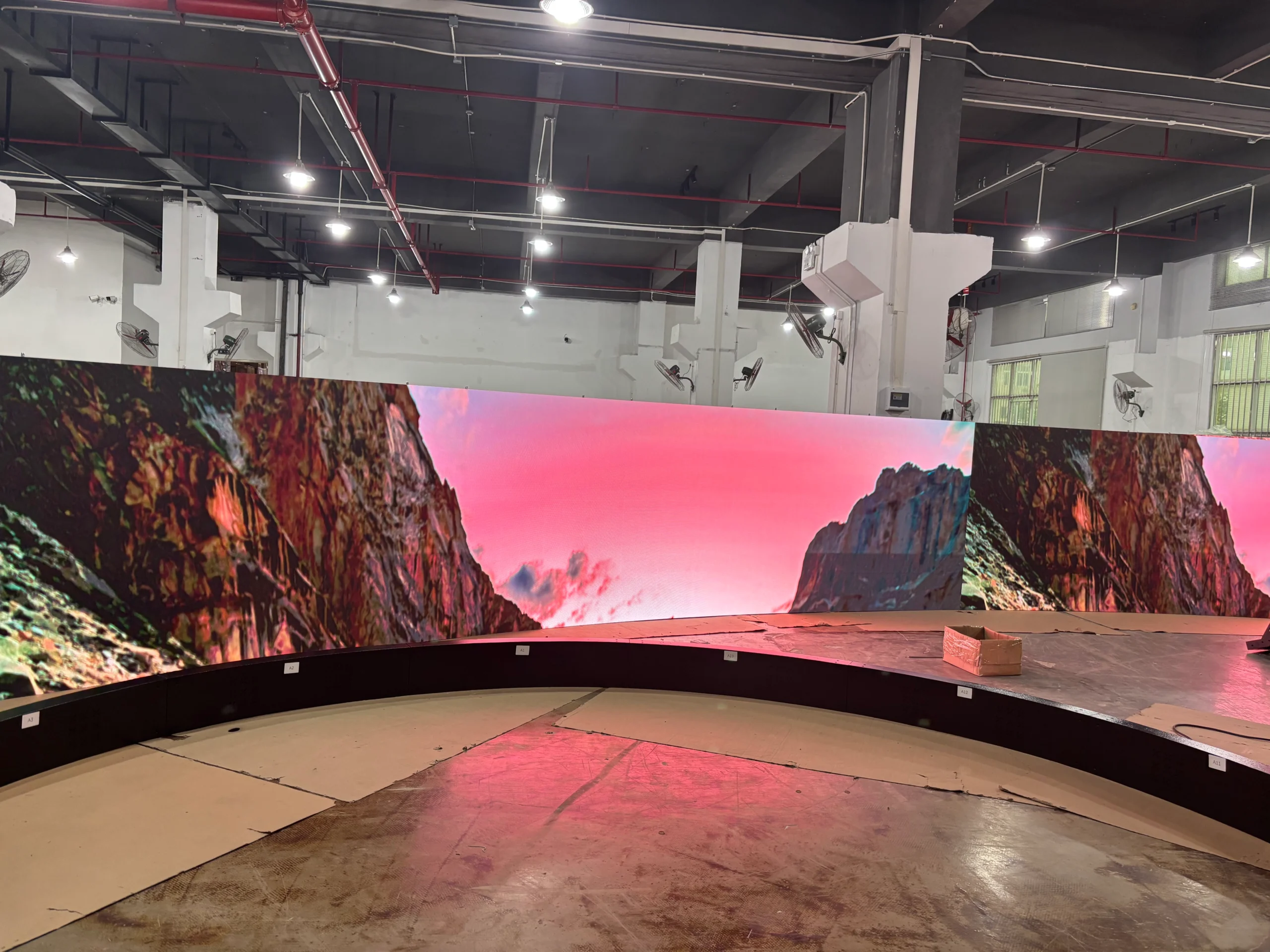
At their core, these are LED display modules engineered to form concave or convex shapes instead of remaining completely flat. They are made from smaller cabinet units or flexible modules that connect together to create smooth curves. This design allows installers to build video walls that follow the contours of a room, column, stage, or custom architectural surface.
The technology behind these displays is similar to standard LED screens. Each panel contains arrays of light-emitting diodes that work together to produce images, video, animations, and text. The main difference lies in the cabinet structure and module flexibility. Some products use soft, bendable materials for highly creative applications, while others rely on precision-crafted cabinets with adjustable angles for controlled curvature.
One reason curve led display have become so popular is their ability to improve visual engagement. A curved format can make content appear more dynamic and natural, especially in large-scale environments. For viewers, the shape may reduce perceived distortion along the edges and create a wider sense of depth.
These displays also support a broad range of technical specifications. Buyers can choose from different pixel pitches, brightness levels, refresh rates, and protection ratings depending on the intended installation. Indoor environments often prioritize fine pixel pitch and image clarity at close distances, while outdoor applications focus more on weather resistance and high brightness.
Another important factor is scalability. the concept can be assembled into small decorative features or massive wraparound installations. This flexibility makes them suitable for both temporary events and permanent architectural projects. Whether the goal is branding, entertainment, information delivery, or artistic expression, curved LED technology provides a customizable platform that flat displays often cannot match.
Key Benefits of Curved LED Panels for Modern Spaces
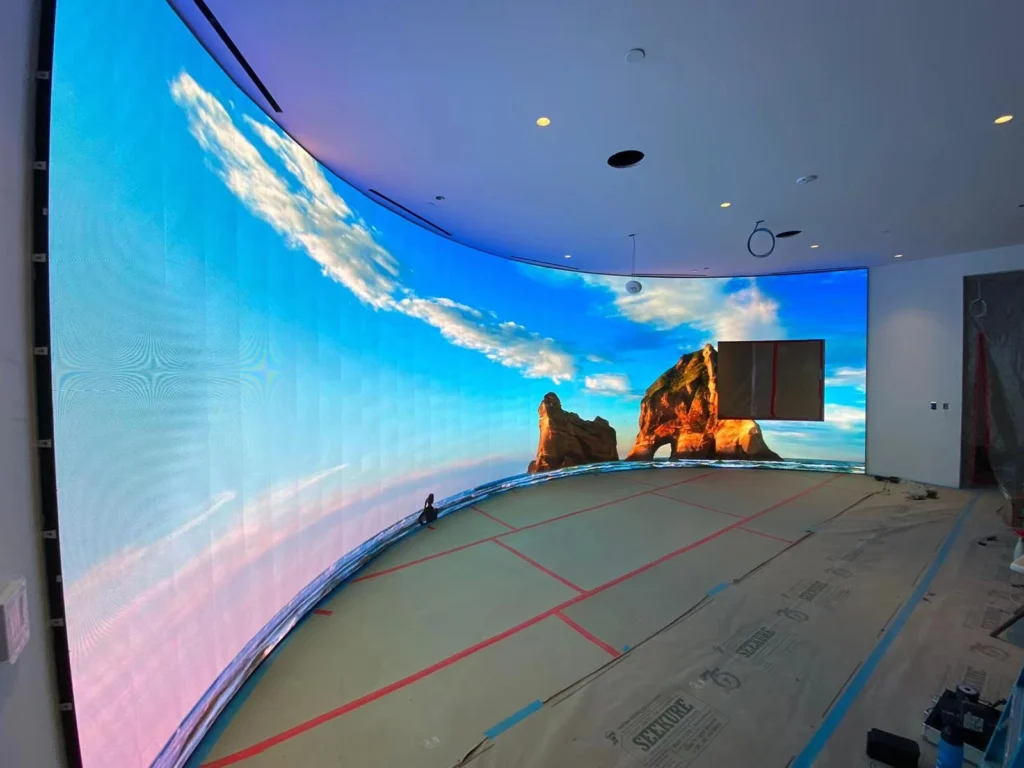
Businesses and venue operators invest in the approach for a reason: they combine strong visual performance with design versatility. One of the biggest benefits is immersion. When a display follows a natural curve, it can pull viewers into the content more effectively than a traditional rectangular flat screen.
A second advantage is aesthetic appeal. Curve installations feel modern, premium, and innovative. Eye-catching visuals can boost foot traffic and brand recognition in retail stores. They also set the mood and create unforgettable experiences for guests in hospitality spaces. Meanwhile, in corporate offices, they showcase a sense of innovation and professionalism.
Another major strength of curve led display is architectural integration. Buildings rarely consist of only flat surfaces. Designers often work with columns, rounded walls, entrance features, and custom exhibition structures. A curved LED system can complement these elements rather than forcing the design into a rigid format. This opens the door to more cohesive and creative interiors.
These displays also support seamless content delivery. Unlike some tiled flat screens with visible bezels, LED panels can create large-format visuals with minimal interruption. The curve itself can add energy to motion graphics, advertisements, and branded storytelling. For events and stage productions, this helps create dramatic visual backdrops that feel custom-built.
Durability is another practical benefit. High-quality led display are designed for long operating hours, reliable brightness, and stable performance. Many systems are built for easy front or rear maintenance, which helps reduce downtime and service costs. Modular construction also means damaged sections can often be replaced without rebuilding the entire display.
Finally, curve LED technology offers flexibility in scale and purpose. It can be used for digital signage, immersive art, product launches, command centers, public information displays, and more. For organizations that want a display solution that is both functional and visually memorable, curved LED systems represent a highly adaptable investment.
Common Applications Across Industries
One of the reasons these are in high demand is their versatility across industries. Their ability to combine visual impact with custom design makes them suitable for a wide variety of commercial, public, and entertainment environments.
In retail, curve displays are often used to build eye-catching storefronts, feature walls, and in-store brand experiences. A curved video wall can guide customer attention, highlight promotions, and strengthen the visual identity of a premium brand. Luxury retailers especially value installations that feel bespoke and immersive.
Corporate environments also benefit from curve led panels. In lobbies, briefing centers, and boardrooms, these displays can showcase brand messaging, welcome visitors, or support presentations. A curved installation often feels more sophisticated than a flat screen array, making it ideal for companies that want to project innovation.
Trade shows and exhibitions are another major use case. Exhibitors need to stand out in highly competitive spaces, and curved LED structures naturally attract attention. Whether forming a circular booth element, a sweeping presentation wall, or a suspended visual feature, these displays help create memorable event experiences that drive engagement.
Entertainment venues, including theaters, concert stages, and live event spaces, rely on the concept to create dramatic scenic backdrops. The curve adds movement and depth, making performances feel more immersive. Broadcast studios also use them to enhance set design and provide dynamic visual environments for on-camera content.
In hospitality, hotels, restaurants, casinos, and resorts use curved displays for ambiance, wayfinding, and branding. A curved screen behind a reception desk or integrated into a bar design can become a centerpiece of the guest experience. Museums and experiential spaces use them to tell stories in more engaging and artistic ways.
Transportation hubs, public venues, and control rooms also use the approach for practical reasons. They can display schedules, alerts, maps, dashboards, or monitoring feeds while fitting naturally into specialized environments. Their modularity and scalability make them useful wherever both visibility and design flexibility matter.
How to Choose the Right Curved LED Panels
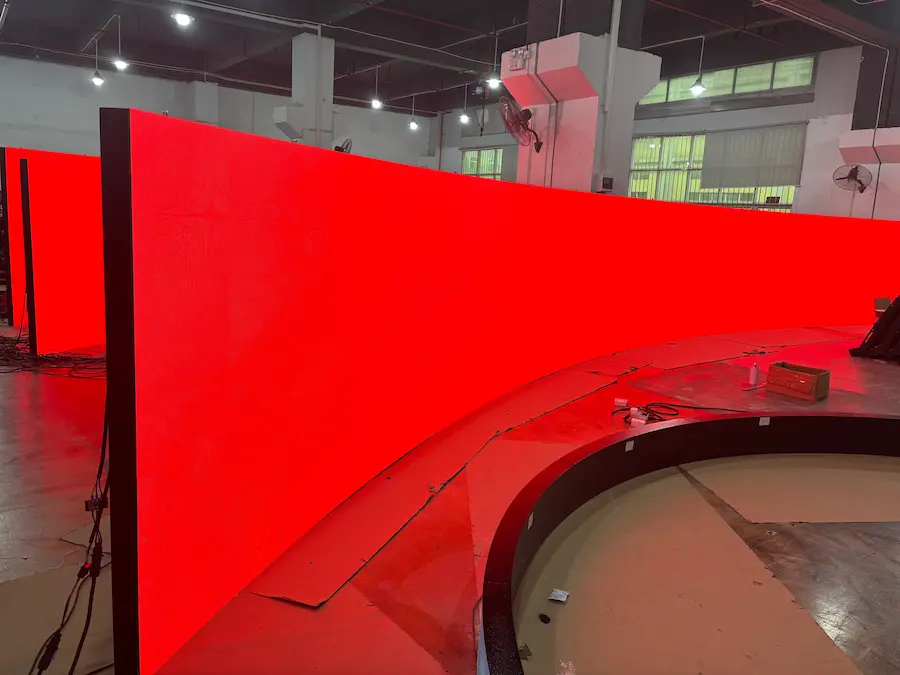
Selecting the right curve led panels requires balancing technical performance, design goals, installation conditions, and budget. One of the first factors to consider is pixel pitch. Pixel pitch refers to the distance between LED pixels, and it affects image clarity at different viewing distances. Smaller pixel pitch is better for close-up viewing, while larger pitch may be sufficient for large displays seen from farther away.
Brightness is another crucial specification. Indoor applications usually need lower brightness than outdoor displays, where sunlight can wash out content. If the installation will be placed in a bright atrium, storefront window, or exterior facade, choose a system with brightness levels appropriate for the environment.
The curvature itself is also important. Not all panels support the same radius or degree of flexibility. Some systems are designed for gentle arcs, while others can form tighter curves for creative installations. Be sure to confirm whether the product supports concave, convex, or both configurations, depending on your design concept.
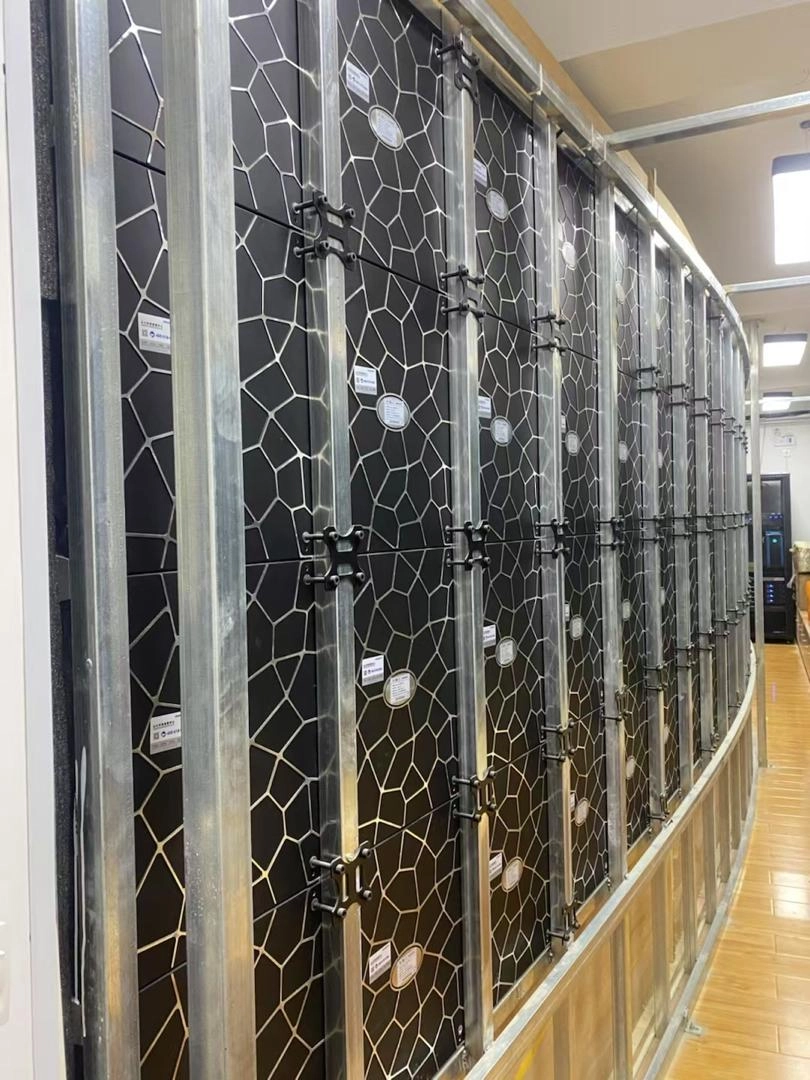
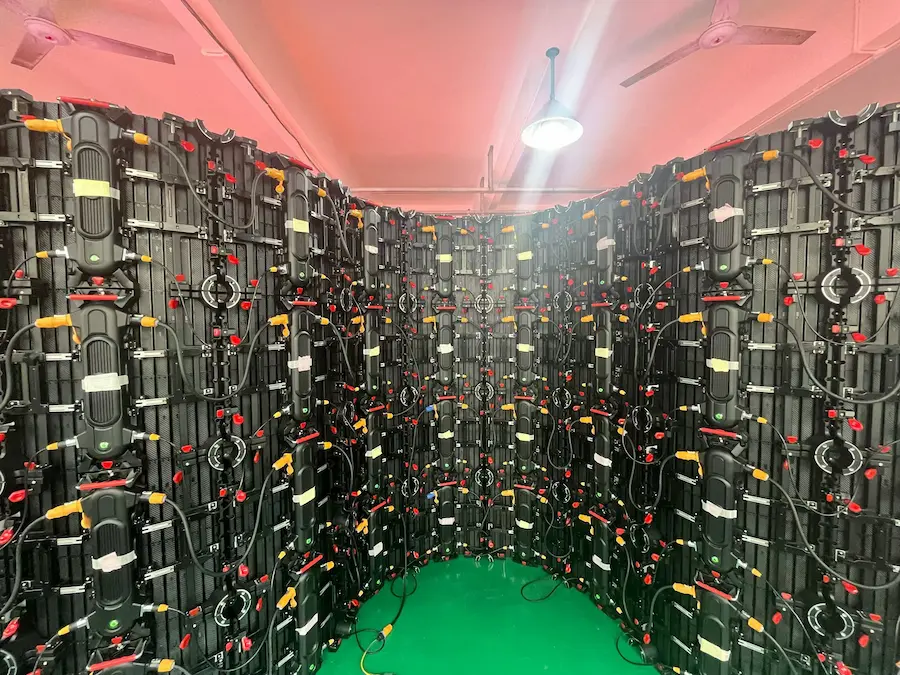
Installation and maintenance should never be overlooked. Consider the structural requirements, weight of the cabinets, mounting method, and access for servicing. Front-service designs can be especially useful in locations where rear access is limited. Reliable maintenance access helps preserve performance and reduce operating costs over time.
Content requirements matter as well. If the display will show fast-moving video, live broadcasts, or camera-facing content, pay attention to refresh rate, grayscale performance, and color consistency. High-quality processing ensures the screen delivers smooth visuals without flicker or distortion.
When evaluating vendors, ask about warranties, technical support, spare parts availability, and project experience. The best supplier will do more than sell hardware; they will help plan, configure, and support the system from design through installation. Investing in curve led panels is often a significant project, so expert guidance can make a major difference in long-term results.
Finally, think about total cost of ownership rather than only initial price. A cheaper display may cost more later if it has poor energy efficiency, limited service support, or frequent maintenance issues. A well-chosen curved LED solution should provide reliable performance, strong visual impact, and long-term value.
Installation, Maintenance, and Long-Term Performance
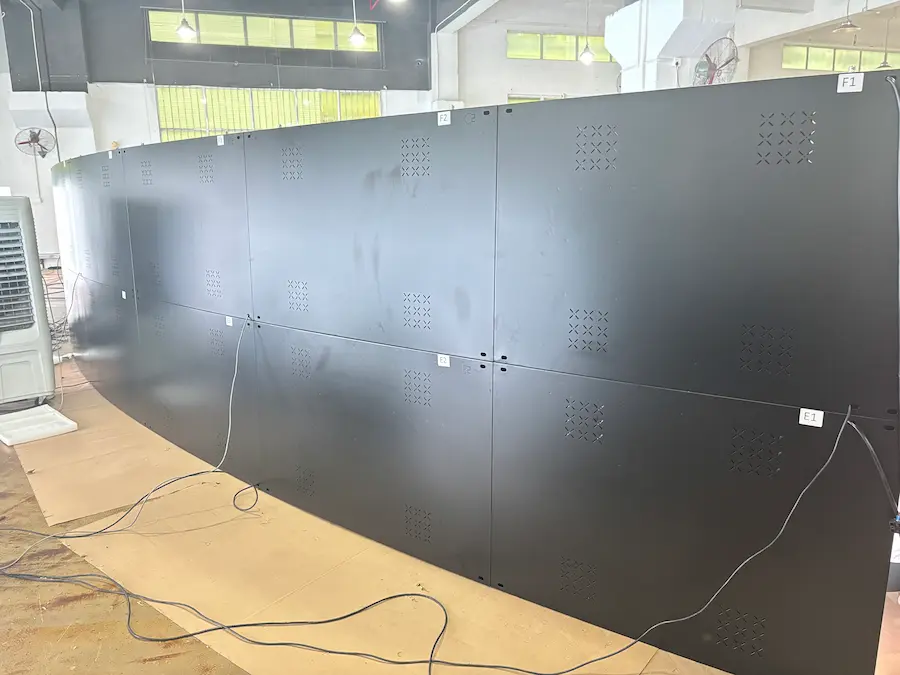
Proper installation is essential to curve projects . Because these systems often involve custom shapes and precise alignment, good to use experienced installer to perform the installation. Even minor alignment issues can affect the smoothness of the curve and the consistency of the displayed image.
The process usually starts with site assessment and structural planning. Installers need to verify wall strength, mounting conditions, power availability, ventilation, and control system requirements. For large installations, they may also coordinate with architects, interior designers, AV consultants, or event production teams to ensure the display integrates cleanly with the surrounding environment.
Once installed, the concept require routine maintenance to preserve image quality and reliability. This includes cleaning, checking connections, monitoring temperature, updating control software, and replacing faulty modules when necessary. Modular construction is a major benefit here, since it allows technicians to service individual sections without replacing the entire screen.
Environmental conditions also affect long-term performance. Indoor installations should be protected from excessive dust, heat, and humidity. Outdoor systems need strong ingress protection against water and debris. Choosing the right product rating for the environment is critical if you want dependable operation year after year.
Content management is another part of maintaining performance. Even the best display can underperform if content is poorly formatted or mismatched to the screen’s resolution and shape. Businesses should create media specifically optimized for the curve, ensuring visuals feel natural and make full use of the installation’s unique geometry.
Over time, quality curved led panels can deliver excellent return on investment by combining durability, adaptability, and visual impact. As long as the system is properly specified, professionally installed, and regularly maintained, it can remain a high-performing asset for branding, communication, and immersive audience engagement.
FAQ About Curved LED Panels
Are curve led panels better than flat LED displays?
Curved led panels are not always better in every situation, but they are often better for immersive design, architectural integration, and premium visual impact. Flat displays may be more practical for standard layouts, while curved options excel when the goal is to create a distinctive and engaging environment.
Where are curve led panels most commonly used?
The most common uses for curved led panels include retail stores, corporate lobbies, trade shows, entertainment venues, hospitality spaces, museums, and broadcast studios. They are especially valuable where branding, audience engagement, or custom design is a priority.
Can curved led panels be used outdoors?
Yes, if you choose outdoor usage curve led panels, you can use it oudoor. Outdoor models typically include higher brightness(5000nits ), weather resistance(IP65), and protective ratings that help them perform in sun, rain, dust, and changing temperatures.
How long do curved led panels last?
High-quality curved led panels can last at least 5 years, often depending on usage patterns, environmental conditions, and maintenance quality. Good to buy several percentage spare parts for future repairing usage or replacement usage.
What should I check before buying curved led panels?
Before buying curved led panels, review pixel pitch, brightness, supported curvature, maintenance access, refresh rate, build quality, warranty, and supplier support. It is also important to consider your viewing distance, content type, installation environment, and long-term maintenance needs.
Conclusion
For businesses and organizations that want to combine advanced display technology with standout design, curved led panels are a compelling solution. They offer immersive visuals, strong architectural flexibility, and broad application potential across retail, corporate, entertainment, hospitality, and public environments.
The right system can transform a space, strengthen brand presence, and deliver memorable viewer experiences. By understanding technical specifications, installation requirements, and long-term maintenance needs, buyers can make smarter decisions and maximize value. Whether you are planning a dramatic event backdrop, a modern lobby feature, or a custom digital signage installation, curved led panels provide the versatility and impact needed to bring creative visual concepts to life.
