

P1.86 LED screen in Stock: Fast Supply Guide: Essential Tips

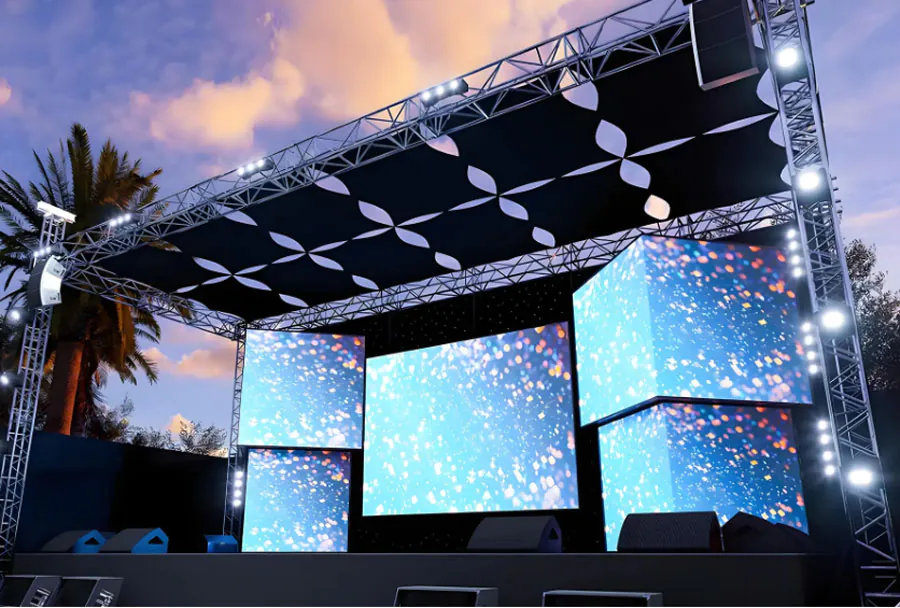
When buyers need a display solution quickly, P1.86 LED screen in Stock becomes a high-priority search term for good reason. Indoor fine-pitch LED displays are widely used in conference rooms, retail spaces, control centers, studios, exhibition halls, and corporate lobbies. Among these options, the P1.86 pixel pitch is especially valued for its balance of sharp image quality, close viewing comfort, and practical deployment in professional environments.
Table of Contents
- What Is a P1.86 LED Display and Why It Is Popular
- Key Benefits of Buying a P1.86 LED Screen That Is Ready to Ship
- Technical Specifications to Compare Before You Order
- Resolution and Viewing Distance
- Brightness and Contrast
- Refresh Rate
- Gray Scale and Color Performance
- Cabinet Design and Service Access
- Reliability and Heat Management
- Control System Compatibility
- Energy Efficiency
- Best Applications and Industries for P1.86 LED Screens
- Corporate Meeting Rooms and Boardrooms
- Control Rooms and Monitoring Centers
- Retail Flagship Stores and Brand Showrooms
- Broadcast Studios and Virtual Production Support
- Exhibition Halls and Event Spaces
- Educational and Institutional Environments
- How to Choose the Right Supplier for Fast and Reliable Delivery
- FAQ
- What does P1.86 mean in LED displays?
- Why should I buy an in-stock LED screen instead of a made-to-order one?
- Is P1.86 good for meeting rooms?
- What specifications matter most when comparing suppliers?
- Can a P1.86 LED display be used for broadcasting?
- How do I know if the supplier really has inventory?
- Conclusion
Choosing the right LED display is not only about price. It also involves brightness, refresh rate, cabinet quality, maintenance design, installation environment, and long-term reliability. Companies that can ship a P1.86 LED screen in Stock often help customers reduce project delays, simplify procurement, and respond faster to urgent installations. In this guide, you will learn what this display type is, why in-stock availability matters, what technical features to compare, and how to select the best supplier for your business needs.
Followed is TW VISION p1.86 LED screen which stock in USA. Contact sales if you interested.
What Is a P1.86 LED Display and Why It Is Popular
A P1.86 LED screen in Stock refers to an indoor fine-pitch LED display with a pixel pitch of 1.86 mm that is available for immediate or near-immediate shipment. The small pixel pitch means the LEDs are packed closely together, allowing the screen to produce high-resolution images at short viewing distances. This makes it a preferred choice for environments where viewers stand or sit close to the display.
The popularity of this display category comes from its versatility. Businesses use it for boardrooms, showrooms, broadcast backgrounds, digital signage, command centers, museums, and premium retail spaces. Compared with larger pixel pitch screens, P1.86 models deliver a smoother image and better detail reproduction for text, graphics, and video content.
Another reason many buyers search for P1.86 LED screen in Stock is project timing. In many commercial situations, there is little room for manufacturing delays. Events, openings, campaigns, and internal presentations operate on strict schedules. A supplier that already has inventory can often shorten delivery timelines significantly.
In addition, this pixel pitch typically strikes a useful balance between ultra-fine visual performance and budget control. While even finer pixel pitches exist, P1.86 is often considered a practical option for clients who need premium indoor image quality without moving into a much higher cost bracket. For many applications, it offers more than enough clarity, especially when paired with quality LEDs, stable driving ICs, and proper calibration.
From a technical perspective, a good P1.86 screen may include high refresh rates, low gray scale loss, wide viewing angles, and front serviceability. These features improve not only visual quality but also ease of maintenance and long-term operating value. That is why this format remains one of the most frequently requested indoor LED solutions across many industries.
Key Benefits of Buying a P1.86 LED Screen That Is Ready to Ship
One of the biggest benefits of sourcing a P1.86 LED screen in Stock is speed. When inventory is available, businesses can avoid long production lead times and move forward with installation much sooner. This is especially useful for urgent commercial rollouts, replacement projects, temporary events, and time-sensitive corporate upgrades.
Fast delivery is not the only advantage. In-stock products may also indicate that a supplier regularly sells this specification, which can be a sign of strong market demand and product maturity. Frequently stocked models are often standardized, better tested, and easier to support with spare modules and accessories.
A second important advantage is procurement predictability. When a P1.86 LED screen in Stock is already prepared for shipment, buyers often gain clearer information on actual availability, cabinet dimensions, power configuration, and packaging status. This helps project managers coordinate logistics, installation teams, and site readiness more efficiently.
There is also a financial benefit. Delays can increase project costs through idle labor, rescheduled installers, postponed openings, or missed marketing opportunities. Immediate stock helps reduce these hidden costs. In some cases, suppliers may also offer more competitive pricing on warehouse inventory compared with custom-built orders.
From an operations viewpoint, in-stock screens can be useful for maintenance planning. If your organization manages multiple display systems, having access to the same or compatible models from inventory can simplify expansion and replacement. This is particularly important in retail chains, enterprise campuses, and control environments that value consistency across installations.
Another advantage is quality confirmation. Reputable suppliers with warehouse stock may be able to provide product photos, aging test results, video demonstrations, and packing details before dispatch. This can give buyers greater confidence, especially for international orders.
Finally, immediate stock supports flexibility. Businesses may need to scale a display wall, replace damaged cabinets, or launch a pilot project before committing to a larger rollout. In such cases, quick access to available inventory enables faster decisions and smoother execution.
Technical Specifications to Compare Before You Order
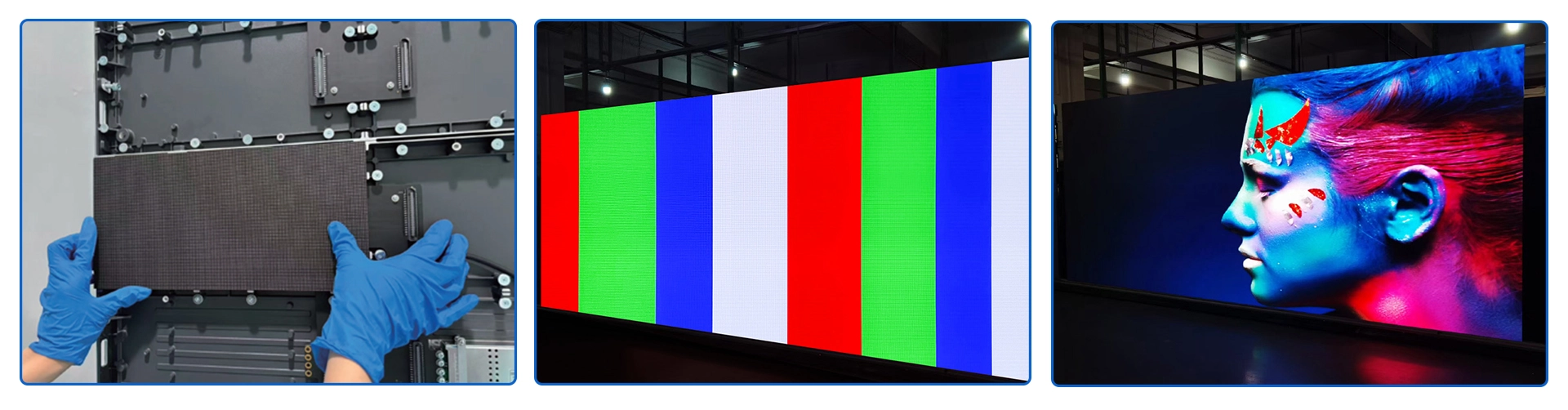
Even if you find a P1.86 LED screen in Stock, you should still evaluate the technical details carefully. Not all P1.86 displays perform the same, and small differences in components or engineering can have a major impact on image quality and product lifespan.
Resolution and Viewing Distance
Pixel pitch directly affects resolution density. A 1.86 mm display is designed for close viewing, making it ideal for indoor applications where sharpness matters. However, the final visual result also depends on screen size and content type. Text-heavy presentations, broadcast visuals, and detailed graphics demand strong uniformity and stable image processing.
Brightness and Contrast
Indoor P1.86 screens typically offer moderate brightness optimized for controlled lighting environments. Too little brightness can make content look flat, while too much can cause eye fatigue indoors. Contrast ratio is equally important because it helps define blacks, highlights, and overall depth in the image.
Refresh Rate
A quality P1.86 LED screen in Stock should ideally offer a high refresh rate, especially for camera-facing environments. Broadcast studios, hybrid meeting spaces, and live events benefit from high refresh performance because it reduces flicker and scanning artifacts when recorded on video.
Gray Scale and Color Performance
Displays used for premium presentations or brand-focused environments should reproduce color accurately. Look for strong gray scale handling at different brightness levels. Good calibration improves image smoothness and helps maintain visual consistency across cabinets.
Cabinet Design and Service Access
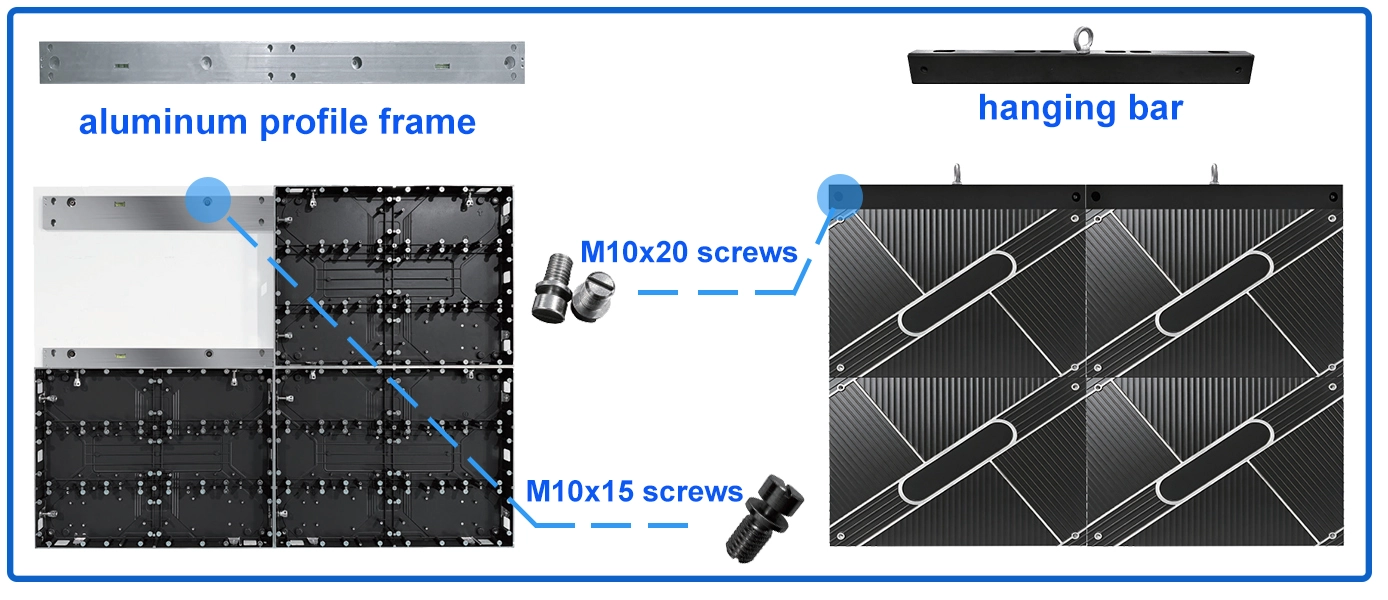
Installation method matters. Some projects require front maintenance due to limited rear access, while others can use rear service designs. Die-cast aluminum cabinets are often preferred for their precision, flatness, and structural stability. If you are comparing multiple options, cabinet alignment and installation tolerance should be reviewed carefully.
Reliability and Heat Management
The long-term performance of a P1.86 LED screen in Stock depends on power supply quality, PCB design, thermal control, and component stability. Screens used for extended daily operation should be built for reliability. Ask about aging tests, dead pixel policy, and spare part support.
Control System Compatibility
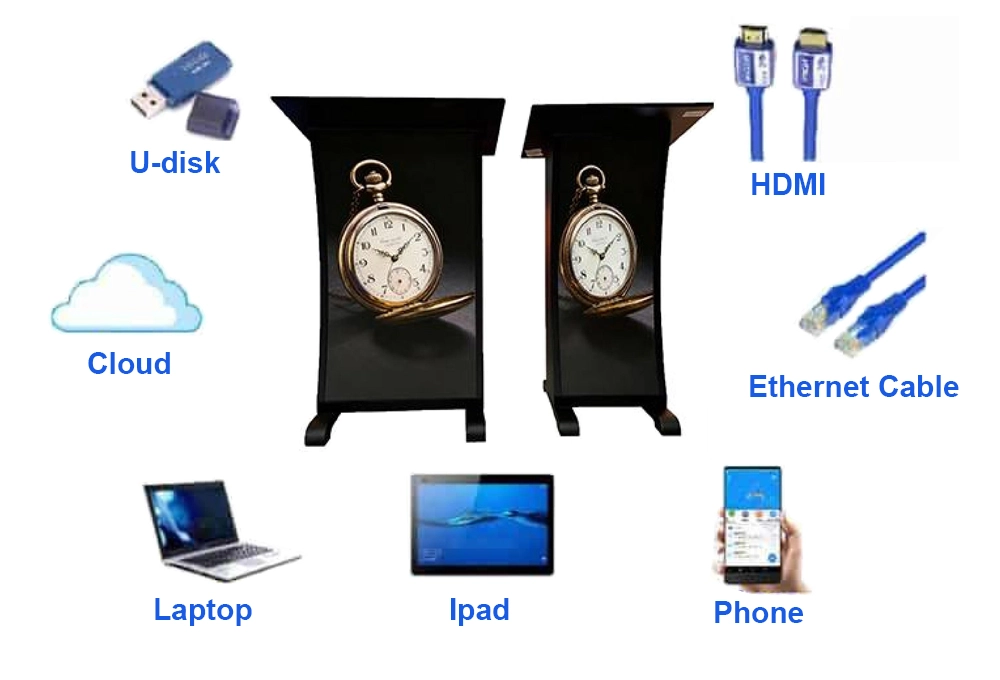
A display is only as effective as its control ecosystem. Confirm compatibility with sending cards, processors, software platforms, and content management tools. This is especially important if you plan to integrate the screen into an existing AV system or centralized control platform.
Energy Efficiency
Energy consumption affects operating cost over time. Efficient power design can lower total ownership cost, particularly for screens used daily in corporate or public environments. While fine-pitch LED is a premium solution, efficient operation is still an important consideration.
By comparing these factors rather than focusing only on price, buyers can choose a product that performs well in the real world and supports long-term business value.
Best Applications and Industries for P1.86 LED Screens
A P1.86 LED screen in Stock is suitable for a wide range of indoor environments where image clarity and professional presentation are essential. Because of its fine pixel pitch, it is especially effective in spaces where viewers are close to the screen.
Corporate Meeting Rooms and Boardrooms
Businesses increasingly replace LCD video walls and projectors with fine-pitch LED displays. The seamless image, high brightness uniformity, and premium look make P1.86 a strong fit for executive communication, investor presentations, and internal collaboration.
Control Rooms and Monitoring Centers
Command centers require stable, continuous visual performance. In these settings, operators often view detailed data, maps, dashboards, and live video feeds for extended periods. A fine-pitch LED wall helps maintain clarity and readability across large display surfaces.
Retail Flagship Stores and Brand Showrooms
Retailers use digital displays to create immersive customer experiences. A P1.86 LED screen in Stock can support product storytelling, promotional campaigns, and interactive brand environments where sharp content and modern aesthetics matter.
Broadcast Studios and Virtual Production Support
High refresh rate and camera-friendly performance make P1.86 displays useful for studio backdrops and media environments. While not every project requires the finest possible pitch, P1.86 often provides a strong balance between visual quality and cost for indoor content production.
Exhibition Halls and Event Spaces
Trade shows and exhibitions frequently operate on tight schedules, which is why in-stock availability is especially valuable. Organizers and exhibitors need reliable displays that can be delivered, installed, and tested quickly. Fine-pitch LED helps brands present polished visuals that stand out in competitive event settings.
Educational and Institutional Environments
Universities, training centers, and museums increasingly adopt LED display technology for lecture halls, information centers, and immersive exhibits. The flexibility of custom sizing and the professional visual impact make P1.86 a useful option for these settings as well.
Because it serves many industries, this pixel pitch remains a common specification in the professional AV market. Buyers often favor it when they need premium indoor performance without overengineering the project.
How to Choose the Right Supplier for Fast and Reliable Delivery
Finding a P1.86 LED screen in Stock is only part of the buying process. The supplier you choose can significantly affect product quality, delivery speed, installation success, and after-sales support. A low price means little if the product arrives late, lacks testing, or fails to perform as promised.
Start by checking whether the supplier can verify real inventory. Reliable companies should be able to provide warehouse photos, module details, cabinet quantities, and estimated dispatch times. If a vendor claims stock but cannot confirm specifics, proceed carefully.
Next, evaluate technical transparency. A trustworthy supplier should provide clear specifications, including refresh rate, brightness, cabinet material, maintenance access, IP rating for relevant parts, control system brand, power consumption, and warranty terms. This level of detail helps buyers compare products accurately.
After-sales support is another critical factor. When purchasing a P1.86 LED screen in Stock, ask about spare modules, receiving cards, power supplies, and maintenance procedures. Fine-pitch LED displays are precision systems, so support availability matters for long-term reliability.
Certifications and quality processes also deserve attention. Look for manufacturers or exporters that follow established production and testing standards. Aging tests, calibration checks, and shipment inspections can reduce the risk of defects and inconsistency.
Logistics capability is equally important, especially for international buyers. Confirm packaging standards, export experience, shipping options, customs documentation, and transit insurance. Fast shipment only creates value if the goods arrive safely and in usable condition.
You should also review project references. A supplier with experience serving boardrooms, retail chains, studios, or control centers may better understand the needs of your application. Real case studies can provide useful insight into cabinet finish, display uniformity, and installation results.
Communication speed can be a deciding factor as well. If your project is urgent, work with a team that responds quickly and answers technical questions clearly. Delays in quotation, drawings, or confirmation often signal future project friction.
Finally, think beyond the first purchase. The best supplier is one that can support future expansion, replacement parts, and consistent product series availability. For businesses planning multiple locations or phased deployments, continuity is a major advantage.
FAQ
What does P1.86 mean in LED displays?
P1.86 refers to the pixel pitch, which is the distance between adjacent pixels on the display. A P1.86 LED screen in Stock has a 1.86 mm pixel pitch, making it suitable for close indoor viewing with sharp image quality.
Why should I buy an in-stock LED screen instead of a made-to-order one?
An in-stock model can reduce lead time, speed up installation, and help avoid delays in events or commercial openings. Choosing a P1.86 LED screen in Stock is often ideal for urgent projects that need fast procurement and deployment.
Is P1.86 good for meeting rooms?
Yes. P1.86 is widely used in meeting rooms and boardrooms because it offers clear text, detailed visuals, and a seamless display surface. A P1.86 LED screen in Stock can be a practical solution when businesses need both quality and fast delivery.
What specifications matter most when comparing suppliers?
Important factors include refresh rate, brightness, cabinet quality, maintenance access, color performance, control system compatibility, and warranty support. Even when choosing a P1.86 LED screen in Stock, technical quality should always be verified.
Can a P1.86 LED display be used for broadcasting?
Yes, especially if it has a high refresh rate and good gray scale performance. Many studio and media projects select this specification. When sourcing a P1.86 LED screen in Stock, confirm that the model is camera-friendly and properly calibrated.
How do I know if the supplier really has inventory?
Ask for real-time stock confirmation, warehouse photos, product videos, and shipment timelines. A reputable seller of P1.86 LED screen in Stock should be able to document actual availability and provide dispatch information clearly.
Conclusion
For businesses that need premium indoor visual performance without long manufacturing delays, P1.86 LED screen in Stock is an excellent option to consider. It combines fine-pitch clarity, professional presentation quality, and practical suitability for boardrooms, retail, control centers, studios, and event environments. More importantly, in-stock availability can reduce project risk, shorten procurement cycles, and help organizations meet demanding timelines.
Before placing an order, compare technical specifications carefully, confirm inventory with the supplier, and review support capabilities for installation and maintenance. The right P1.86 LED screen in Stock should deliver not only fast shipment but also reliable performance, strong visual consistency, and long-term value. By balancing quality, readiness, and supplier credibility, buyers can make a smarter investment and ensure their LED display project starts on time and succeeds in the real world.
