

LED display solution for shopping mall in California USA: 8

Introduction
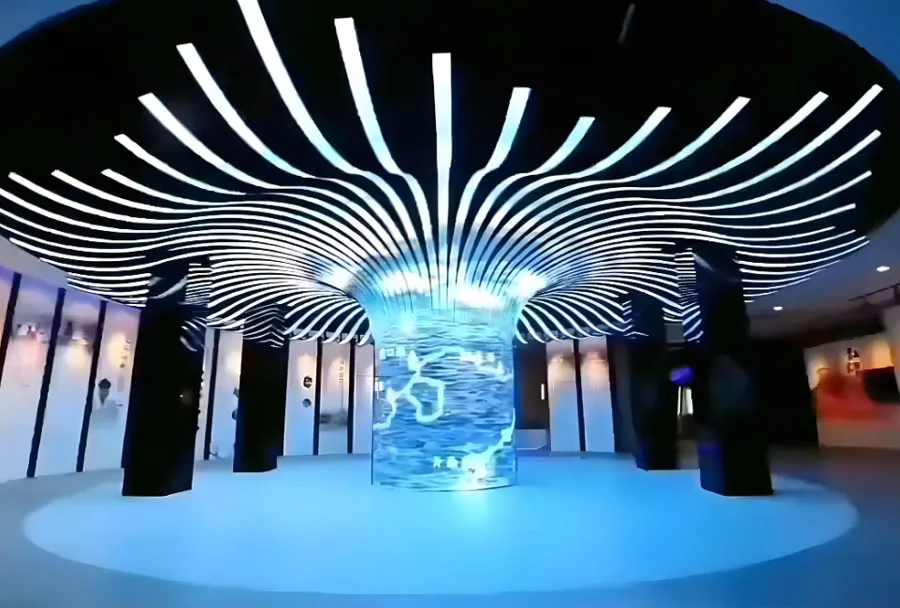
Choosing the right LED display for shopping mall is no longer just about adding a screen to a retail environment. In today’s competitive retail landscape, shopping malls need digital experiences that attract attention, guide visitors, support tenants, and create memorable brand interactions. A well-planned LED display can help property owners and managers improve foot traffic, increase advertising revenue, and modernize the overall customer experience.
Table of Contents
- Introduction
- Why Shopping Malls Need LED Displays in California
- Key Features to Look for in an LED Display Solution
- High Resolution and Pixel Pitch
- Brightness and Viewing Angles
- Flexible Design and Customization
- Content Management System
- Energy Efficiency and Reliability
- Best Installation Areas for Mall LED Displays
- Main Entrances
- Atriums and Central Gathering Spaces
- Food Courts
- Storefront Clusters and Anchor Tenant Zones
- Outdoor Facades and Parking Areas
- Compliance, Maintenance, and Long-Term ROI
- California Compliance Considerations
- Maintenance Planning
- Content Strategy and Operational Efficiency
- Return on Investment
- How to Choose the Right LED Display Partner
- FAQ
- What is the main benefit of an LED display solution for shopping mall in California USA?
- How much does an LED display solution for shopping mall in California USA cost?
- Are LED displays suitable for both indoor and outdoor mall environments?
- How long do mall LED displays usually last?
- Conclusion
California malls operate in a unique market shaped by high consumer expectations, strong visual competition, and strict operational standards. That is why selecting the ideal LED WALL requires careful attention to display quality, installation design, compliance, energy efficiency, and long-term maintenance. This guide explains what mall operators should know before investing in digital LED systems.
Why Shopping Malls Need LED Displays in California
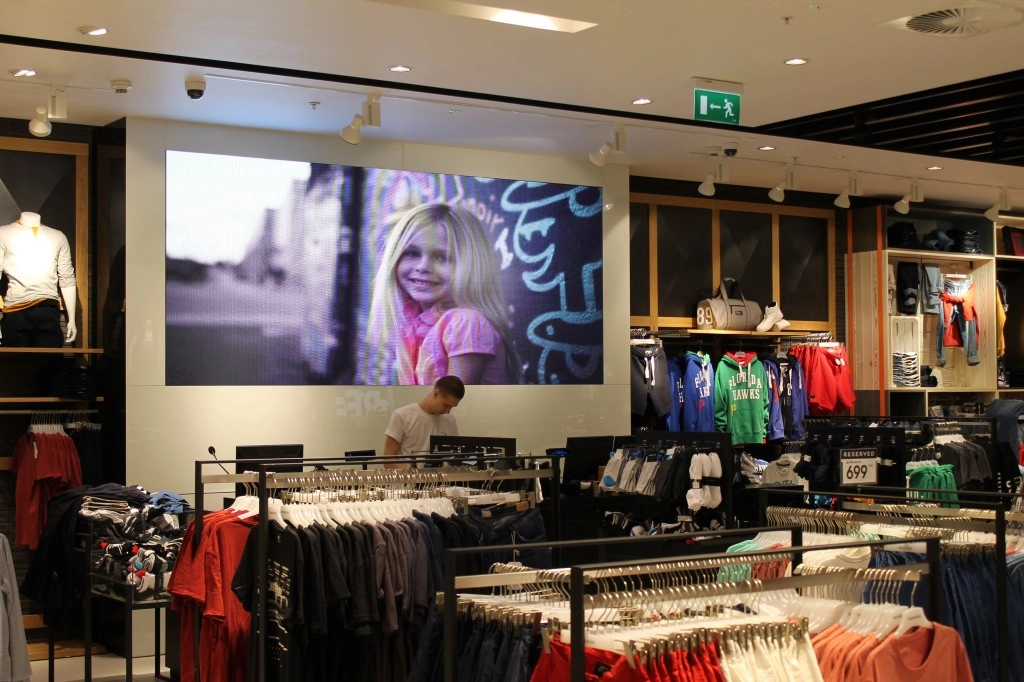
A modern LED display helps malls stand out in an environment where customers expect immersive, visually engaging spaces. Traditional static signage often fails to capture attention in large, busy retail centers. LED displays offer motion, brightness, flexibility, and real-time content updates that make communication far more effective.
For shopping malls, these displays can serve many purposes. They can welcome guests at entrances, promote seasonal campaigns, advertise special events, support brand activations, and help shoppers navigate multi-level spaces. A strategically placed the concept can transform ordinary mall corridors into dynamic marketing zones.
California is a particularly important market for LED implementation because malls there often compete with lifestyle centers, entertainment destinations, and e-commerce-driven customer expectations. As a result, visual technology must not only inform but also entertain. An advanced the approach gives mall management the flexibility to display promotions from multiple tenants, share community announcements, and respond quickly to changing retail trends.
Another major advantage is revenue generation. Many mall owners use digital screens as advertising assets, leasing display time to in-mall tenants and outside brands. This creates a new income stream while increasing campaign visibility. Since content can be updated instantly, the same screen network can support multiple advertisers throughout the day, maximizing return on investment.
In addition, LED displays are highly visible in both daylight and controlled indoor settings. Whether installed in atriums, food courts, storefront clusters, or outdoor façades, the right led wall can maintain strong visual performance and support an elevated customer experience.
Key Features to Look for in an LED Display Solution
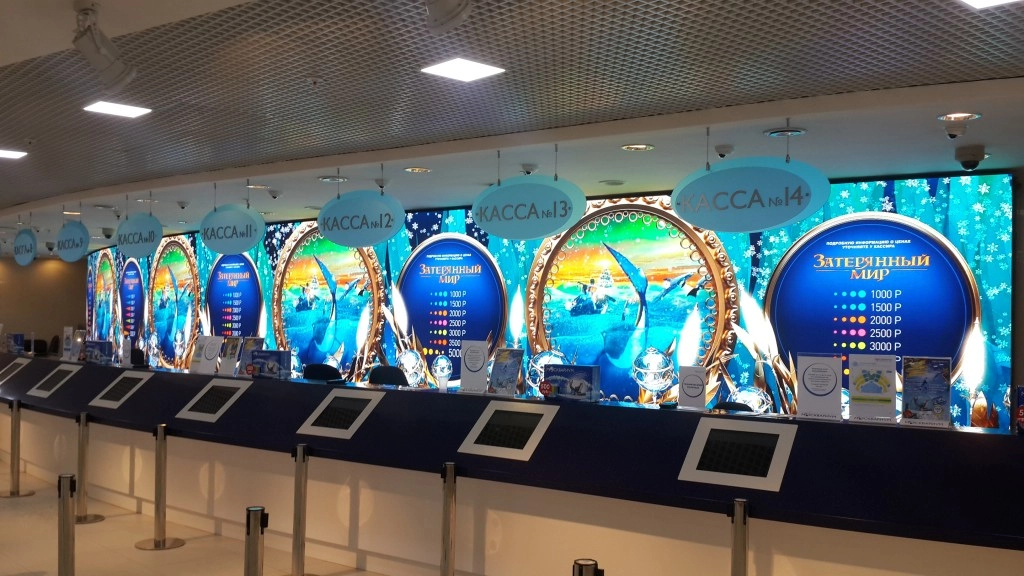
When evaluating an led wall, mall operators should look beyond basic screen size and price. The true value of an LED system lies in its performance, durability, content management capabilities, and compatibility with the mall’s architectural environment.
High Resolution and Pixel Pitch
Indoor mall displays are often viewed from short distances, so image clarity is critical. Fine pixel pitch ensures that text, logos, and video content appear sharp and professional. A premium these should match pixel pitch to viewer distance, installation height, and intended content type.
Brightness and Viewing Angles
Shopping malls include spaces with varying lighting conditions, from naturally lit entrances to dimmer interior corridors. Brightness levels must be strong enough to remain visible without overwhelming the environment. Wide viewing angles are also essential so that content remains clear from different positions. A reliable they should deliver consistent visual performance across all major traffic zones.
Flexible Design and Customization
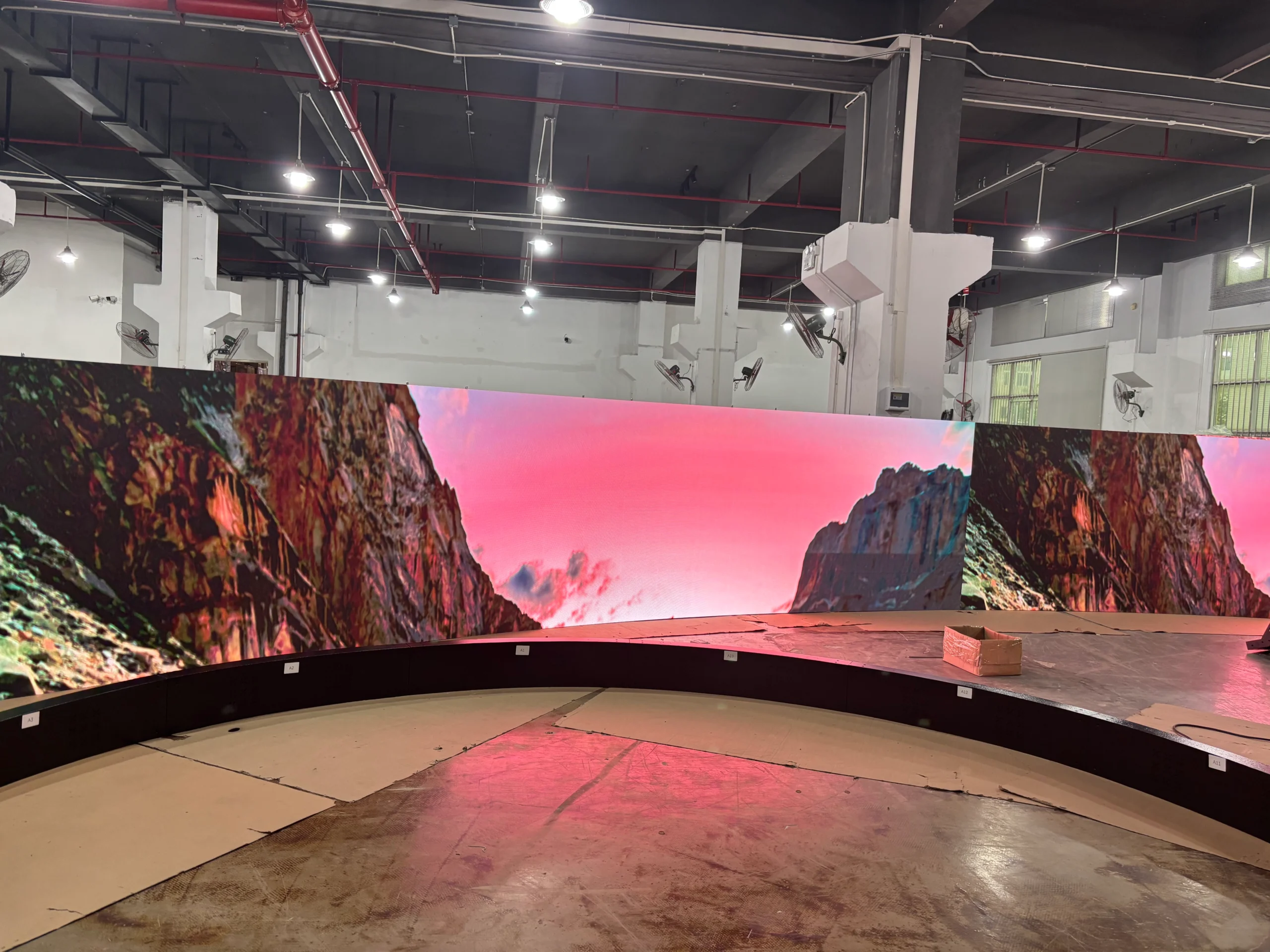
Not all malls have standard wall dimensions or simple installation surfaces. Curved walls, column wraps, suspended screens, video walls, and transparent LED formats are increasingly common. A customized screen allows designers and facility teams to integrate technology into architecture rather than treating it as an afterthought.
Followed is a customed flexible led wall made by TW VISION.
Content Management System
The software behind the display network is just as important as the hardware. Mall managers need a user-friendly system that allows remote scheduling, multi-screen control, emergency messaging, and advertiser rotation. The best the approach includes a robust content management platform that supports efficient daily operation.
Energy Efficiency and Reliability
California businesses often prioritize energy-conscious infrastructure. High-quality LED systems are generally more efficient than many older display technologies, especially when configured with brightness controls and smart scheduling. A dependable it should also include strong thermal management, long operating life, and easy maintenance access.
Best Installation Areas for Mall LED Displays
The impact of an this depends heavily on placement. Even the best display hardware will underperform if installed in low-visibility or low-engagement areas. Effective placement starts with understanding visitor flow, tenant concentration, and customer dwell time.
Main Entrances
Entrance zones are ideal for high-impact digital signage. They create first impressions and can immediately communicate branding, promotions, or event messaging. Installing an these near key entrances helps capture attention before shoppers disperse throughout the property.
Atriums and Central Gathering Spaces
Large atriums often act as the visual core of a shopping mall. These open spaces are excellent for suspended LED screens, large-format video walls, or artistic digital displays. Because foot traffic naturally converges there, an they in an atrium can support both branding and revenue-generating advertising.
Food Courts
Food courts attract high dwell time, making them ideal for advertising and promotional content. Shoppers sitting and relaxing are more likely to absorb messages, making this location especially useful for tenant promotions and entertainment content. A carefully positioned the concept in a food court can increase audience engagement significantly.
Storefront Clusters and Anchor Tenant Zones
Areas near major retailers or high-performing storefront clusters are another excellent location. These zones already receive strong foot traffic, so digital screens can amplify promotional campaigns and influence customer movement. A targeted the approach near anchor stores can also support co-marketing initiatives between mall management and tenants.
Outdoor Facades and Parking Areas
For malls with outdoor-facing architecture, exterior LED displays can attract passing traffic and create visibility before shoppers even enter the property. Weather-resistant options are essential in these applications. An outdoor LED display solution for shopping mall in California USA can promote events, showcase retailers, and reinforce mall branding to drivers and pedestrians alike.
Compliance, Maintenance, and Long-Term ROI
Investing in an LED display solution for shopping mall in California USA should always involve long-term planning. Beyond creative possibilities, mall owners need to consider building regulations, technical support, operational continuity, and financial return.
California Compliance Considerations
California often has strict standards related to electrical safety, structural integration, public visibility, and energy performance. Depending on the city and installation type, permits may be required for indoor and outdoor digital signage. A professional supplier of LED display solution for shopping mall in California USA services should understand local compliance requirements and help coordinate engineering, documentation, and approvals.
Maintenance Planning
LED systems are durable, but they still require preventive care. Dust management, power supply inspection, module replacement, and software monitoring are all part of keeping displays in top condition. Choosing an LED display solution for shopping mall in California USA with front-service or easy-access maintenance can reduce disruption and speed up repairs.
A maintenance agreement can be especially useful for large malls running multiple screens across different zones. Rapid technical support helps prevent downtime, which is important when the displays are used for paid advertising or event communication.
Followed is a video about how to repair led wall.
Content Strategy and Operational Efficiency
A screen is only as effective as the content it shows. To maximize results, malls should plan a content strategy that balances branding, advertising, navigation, entertainment, and public information. A complete LED display solution for shopping mall in California USA should support scheduling by time of day, audience segment, and promotional calendar.
For example, morning content may focus on announcements and wayfinding, while evenings may emphasize dining offers, entertainment, and seasonal campaigns. During holidays or special events, screens can switch instantly to themed visuals and sponsor messages. This flexibility improves communication efficiency and increases the commercial value of the display network.
Return on Investment
ROI comes from several combined benefits: increased shopper engagement, improved tenant satisfaction, stronger mall branding, and advertising revenue. Over time, a well-executed LED display solution for shopping mall in California USA can pay for itself by supporting premium ad sales and enhancing the mall’s overall market appeal.
Property managers should evaluate ROI through both direct and indirect metrics. Direct metrics include advertising revenue, sponsor participation, and reduced printing costs. Indirect benefits include longer dwell time, higher event attendance, better tenant relationships, and a stronger perception of innovation. When these factors are aligned, the LED investment becomes a strategic business asset rather than just a visual upgrade.
How to Choose the Right LED Display Partner
Selecting the right provider is one of the most important steps in any LED display solution for shopping mall in California USA project. The ideal partner should offer more than hardware. They should provide consultation, engineering support, installation planning, software integration, and after-sales service.
Start by reviewing the company’s experience with commercial retail environments. Shopping malls have different needs than stadiums, offices, or transportation hubs. A qualified vendor should understand foot traffic patterns, tenant advertising requirements, architectural coordination, and the need for minimal disruption during installation.
It is also important to request a full proposal that includes display specifications, brightness levels, pixel pitch recommendations, control system details, maintenance plans, and warranty terms. A transparent provider of LED display solution for shopping mall in California USA services will explain the pros and cons of different configurations and help match the system to your budget and goals.
You should also ask for case studies, project photos, and references. Past retail installations can reveal whether the provider is capable of executing complex mall environments successfully. If possible, visit an existing site to evaluate image quality, structural finish, and content performance in real-world conditions.
Finally, choose a partner that can support future scalability. Your initial installation may begin with a single video wall or entrance display, but over time you may want to expand into food courts, directories, outdoor signage, or interactive zones. A scalable LED display solution for shopping mall in California USA ensures that your digital signage ecosystem can grow with the property’s needs.
FAQ
What is the main benefit of an LED display solution for shopping mall in California USA?
The main benefit of an LED display solution for shopping mall in California USA is its ability to combine visual impact, flexible communication, and advertising value in one system. It helps malls attract attention, support tenants, improve shopper engagement, and generate additional revenue.
How much does an LED display solution for shopping mall in California USA cost?
The cost of an LED display solution for shopping mall in California USA depends on screen size, pixel pitch, indoor or outdoor use, installation complexity, software requirements, and maintenance support. A small indoor display may cost far less than a custom large-scale video wall or exterior façade installation.
Are LED displays suitable for both indoor and outdoor mall environments?
Yes. A professionally designed LED display solution for shopping mall in California USA can be configured for indoor atriums, food courts, corridors, and storefronts, as well as for outdoor entrances, façades, and parking approach areas. The key is selecting the correct brightness, weather protection, and structural design.
How long do mall LED displays usually last?
A high-quality LED display solution for shopping mall in California USA can last many years when properly maintained. Lifespan depends on usage patterns, operating environment, component quality, and maintenance practices, but commercial systems are generally built for long-term performance.
Conclusion
A well-designed LED display solution for shopping mall in California USA can do far more than display ads. It can redefine how a mall communicates, improves navigation, supports tenants, and creates memorable experiences for visitors. In a highly competitive retail market like California, digital display technology has become a strategic investment rather than an optional enhancement.
From entrance screens and atrium video walls to food court displays and outdoor signage, the right LED display solution for shopping mall in California USA helps malls increase visibility, strengthen branding, and unlock new revenue opportunities. By focusing on display quality, placement strategy, compliance, maintenance, and the right technology partner, mall owners can build a future-ready digital environment that delivers lasting value.
