

LED display overheating problem: 8 Best : causes & fixes

Introduction
The LED display overheating problem is one of the most common issues affecting performance, brightness stability, lifespan, and safety in both indoor and outdoor screens. Whether the display is used for advertising, events, retail, control rooms, or public information, excessive heat can reduce efficiency and damage sensitive internal components over time. In many cases, overheating is not caused by a single fault but by a combination of poor ventilation, unsuitable installation environments, power supply issues, and insufficient maintenance.
Table of Contents
- Introduction
- What Causes the LED Display Overheating Problem?
- Signs and Risks of the LED Display Overheating Problem
- How to Prevent the LED Display Overheating Problem
- Solutions for an Existing LED Display Overheating Problem
- Best Maintenance Practices to Avoid the LED Display Overheating Problem
- FAQ
- What is the main cause of the LED display overheating problem?
- Can the LED display overheating problem damage the screen permanently?
- How can I reduce the LED display overheating problem outdoors?
- Does brightness affect the LED display overheating problem?
- How often should I inspect a screen for the LED display overheating problem?
- Conclusion
Understanding the root causes of the LED screen overheating problem helps operators prevent costly downtime and maintain image quality. With the right design choices, cooling methods, and routine inspections, businesses can significantly improve system reliability and long-term return on investment.
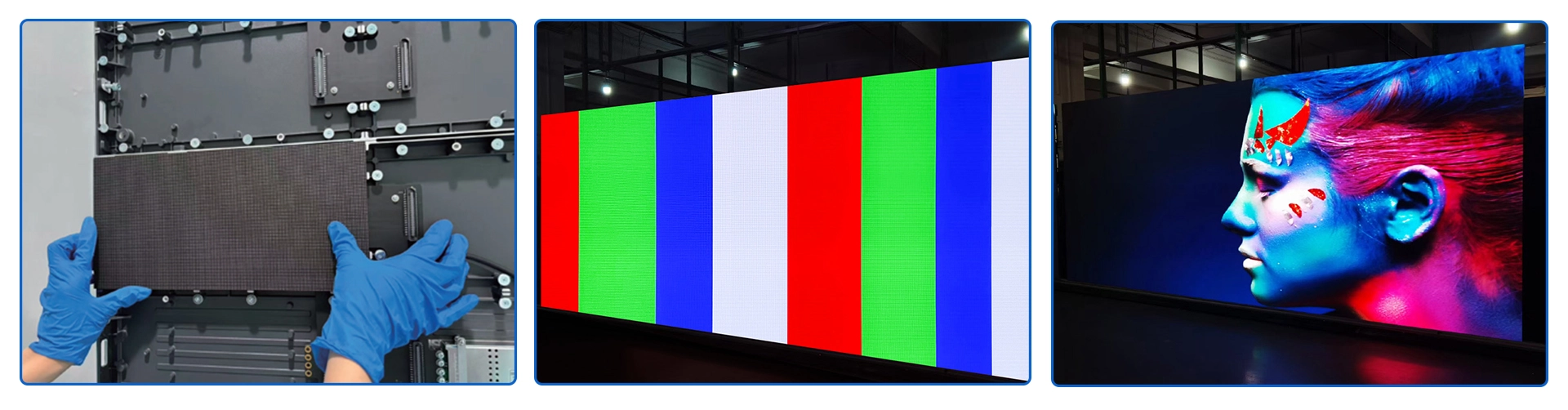
Followed is a visual effect of P2.5 indoor led panel in TW VISION.
What Causes the LED Display Overheating Problem?
The LED display overheating problem usually develops when heat generated inside the screen cannot escape efficiently. LED displays contain multiple heat-producing components, including LED lamps, driver ICs, power supplies, receiving cards, and control systems. If thermal buildup continues, it can lead to reduced brightness, color inconsistency, component fatigue, and even complete panel failure.
One major cause is inadequate ventilation. When a screen is installed in a tight enclosure or mounted too close to walls, airflow becomes restricted. This traps hot air inside the cabinet and prevents natural cooling. Outdoor installations face added challenges because direct sunlight raises surface temperature rapidly, especially on dark cabinet materials that absorb heat.
Another factor behind the overheating problem is poor power system design. Low-quality power supplies, overloaded circuits, or unstable voltage can create excessive internal heat. Electrical inefficiency means more energy is converted into heat rather than light, placing extra stress on the display.
Ambient conditions also matter. High humidity, dust buildup, and extreme temperatures reduce cooling efficiency. Dust covering vents, fans, or heat sinks acts as insulation, making it harder for heat to dissipate. In industrial or roadside environments, contamination can accumulate quickly if maintenance is neglected.
Improper component selection is another hidden cause. Displays designed without sufficient thermal management, high-efficiency LEDs, or quality PCB materials are more likely to experience persistent heating issues. In short, overheating often reflects both environmental conditions and equipment quality.
Signs and Risks of the LED Display Overheating Problem
Recognizing the warning signs of the overheating problem early can prevent expensive repairs and service interruptions. In many cases, the display will show subtle performance changes before serious damage occurs.
One common sign is brightness drop. As temperature rises, LED efficiency decreases, causing the screen to appear dimmer than normal. This may happen unevenly across modules, leading to visible inconsistency in image quality. Color shifting is another warning signal. Overheated components may alter red, green, or blue output, producing inaccurate colors or irregular tones.
Unexpected shutdowns often indicate the overheating problem has reached a critical level. Some systems include thermal protection features that automatically power down the screen to avoid permanent hardware damage. Frequent restarting, signal instability, or flickering can also point to temperature stress inside the cabinet.
Physical symptoms should never be ignored. Hot cabinet surfaces, a burning smell, noisy cooling fans, or warped internal materials are all signs that excessive heat is affecting the unit. If left unresolved, overheating can shorten the lifespan of LEDs, damage solder joints, weaken driver chips, and reduce the reliability of power supplies.
The business risks are equally serious. For advertising screens, downtime means lost revenue and reduced brand visibility. For transportation, emergency communication, or control room applications, overheating can compromise mission-critical information delivery. This is why proactive temperature management is not just a technical concern but an operational priority.
How to Prevent the LED Display Overheating Problem
Preventing the overheating problem starts with proper system planning. Before installation, it is essential to evaluate the operating environment, cabinet structure, airflow path, and expected thermal load. A well-designed thermal strategy reduces maintenance costs and improves display performance from the beginning.
The first step is choosing efficient hardware. High-quality LEDs, reliable driver ICs, and energy-efficient power supplies generate less excess heat. Manufacturers that prioritize thermal design often use better aluminum structures, heat-dissipating materials, and optimized PCB layouts to improve cooling.
Ventilation is equally important. To minimize the overheating problem, installers should allow enough clearance around the display for air circulation. Indoor systems may rely on passive airflow, while large or high-brightness outdoor screens often require active cooling such as fans, vents, or air conditioning systems. In extreme climates, temperature-controlled enclosures may be necessary.
Location planning also plays a major role. Avoiding direct sun exposure whenever possible can reduce thermal stress significantly. Shading structures, sun-resistant coatings, and strategic orientation help lower peak surface temperatures. For rooftop or roadside displays, wind flow and seasonal weather patterns should be considered during placement.
Routine cleaning is another essential prevention method. Dust, dirt, and debris block vents and reduce fan efficiency, increasing the likelihood of heat buildup. Scheduled inspections should include airflow pathways, fan operation, cable condition, and power supply temperature.
Software settings can also help. Reducing unnecessary brightness levels during cooler nighttime conditions lowers energy use and internal heat generation. Smart control systems that monitor temperature in real time allow operators to respond before the issue becomes severe.

Solutions for an Existing LED Display Overheating Problem
When the overheating problem is already affecting a screen, immediate action is necessary to avoid permanent damage. The first step is diagnosis. Operators should inspect temperature readings, check error logs if available, and identify whether the heat source is environmental, electrical, or structural.
Start by turning off the display if temperatures are dangerously high. Continued operation under extreme heat can damage modules and shorten overall lifespan. After shutdown, inspect ventilation openings, internal fans, and cooling systems. In many cases, clogged filters, failed fans, or obstructed vents are the primary reason temperatures rise unexpectedly.
Next, evaluate the power system. The LED display overheating problem may be linked to overloaded power supplies, poor wiring connections, or voltage instability. Replacing inefficient power units with high-efficiency models can reduce heat generation significantly. A qualified technician should also verify current distribution across cabinets to prevent local hotspots.
If the installation environment is the main issue, physical modifications may be required. Adding ventilation gaps, external exhaust fans, shade panels, or cabinet heat sinks can improve thermal performance. For outdoor high-brightness applications, integrating HVAC or intelligent cooling modules may be the most effective long-term solution.
Module-level inspection is also important. Overheated driver ICs, damaged PCBs, and aging LED modules may continue generating excess heat even after airflow is improved. Replacing degraded components can restore stability and prevent recurring failures.
To solve the the approach sustainably, businesses should combine repairs with ongoing monitoring. Temperature sensors, remote alerts, and preventive maintenance schedules help detect abnormal heating patterns early and reduce the chance of future emergencies.
Best Maintenance Practices to Avoid the LED Display Overheating Problem
Long-term prevention of the overheating depends on disciplined maintenance. Even a well-designed screen can suffer thermal issues if it is ignored for months or operated continuously in harsh conditions without inspection.
A practical maintenance plan should include regular cleaning of cabinet interiors, fan blades, air filters, and ventilation channels. Dust removal is especially important in outdoor, industrial, and high-traffic urban environments. Technicians should also inspect for corrosion, moisture intrusion, and signs of heat discoloration around connectors or power supplies.
Temperature tracking is another best practice. Monitoring software can reveal patterns that suggest the this is developing, such as gradual temperature increases during certain hours, seasons, or content playback conditions. These insights allow operators to adjust brightness, runtime, or cooling response before hardware suffers.
Electrical checks should be performed routinely. Loose connections, uneven load balancing, and aging power supplies all contribute to higher operating temperatures. Testing voltage stability and replacing worn electrical components at scheduled intervals can prevent thermal stress from escalating.
It is also wise to review display content strategy. Extremely bright, full-white content consumes more power and produces more heat than balanced visuals. While content design should support visibility goals, power-conscious programming can help reduce thermal load without sacrificing effectiveness.
Finally, staff training matters. Teams responsible for operating digital signage should know the early symptoms of the these, understand emergency shutdown procedures, and follow a documented maintenance calendar. Consistent oversight is one of the simplest ways to protect screen performance and maximize service life.
FAQ
What is the main cause of the LED display overheating problem?
The main cause of the LED screen overheating problem is usually poor heat dissipation. This can result from inadequate ventilation, direct sunlight, inefficient power supplies, dust buildup, or low-quality components that generate more heat during operation.
Can the LED display overheating problem damage the screen permanently?
Yes, the LED screen overheating problem can cause permanent damage if it is not addressed quickly. Excessive heat can degrade LED brightness, damage driver ICs, weaken solder joints, and shorten the lifespan of power supplies and modules.
How can I reduce the LED display overheating problem outdoors?
To reduce the LED display overheating problem outdoors, improve airflow, add shading if possible, use weather-appropriate cabinet designs, clean vents regularly, and install active cooling systems for high-brightness applications in hot climates.
Does brightness affect the LED display overheating problem?
Yes, higher brightness levels increase power consumption and internal heat, which can worsen the LED display overheating problem. Smart brightness adjustment based on ambient light conditions can help lower thermal stress.
How often should I inspect a screen for the LED display overheating problem?
Inspection frequency depends on the environment, but most systems should be checked monthly, with more frequent reviews in dusty, hot, or high-use conditions. Regular monitoring helps catch the LED display overheating problem before it leads to serious failure.
Conclusion
The LED display overheating problem is a critical issue that can affect visual performance, operational stability, maintenance costs, and equipment lifespan. Although overheating may begin with simple factors such as blocked airflow or high brightness settings, it can quickly escalate into serious electrical and structural damage if left unresolved.
By understanding the causes, identifying warning signs, and applying proper cooling, installation, and maintenance practices, businesses can greatly reduce the risk of the LED screem overheating problem. A proactive approach that combines quality components, environmental planning, and regular inspection is the most effective way to ensure safe, efficient, and long-lasting LED display operation.
