Lightweight Flexible LED Display for Easy Installation Projects

In today’s fast-moving commercial and cultural spaces, project owners want displays that look premium, install quickly, and adapt to changing environments. Traditional LED screens often deliver impressive brightness and size, but they can be heavy, rigid, and demanding in terms of structure, labor, and maintenance. That is why the concept of a Lightweight flexible led display for Easy Installation Projects is gaining traction across retail, exhibitions, corporate branding, creative stages, and architectural media.
As a service provider focused on modern LED display solutions, TW VISION supports customers who need more than a “standard rectangle screen.” Lightweight flexible LED displays make it possible to deliver high visual impact while reducing installation complexity—especially when the project site has limited load-bearing capacity, tight timelines, or unconventional design requirements.
1. Why “Lightweight” and “Flexible” Matters in Real Projects
“Easy installation” is not just a marketing phrase; it is a measurable benefit that affects scheduling, labor cost, safety, and the success of the final visual presentation. A lightweight flexible LED display helps solve common challenges seen in on-site deployments:
– Limited structural support: Shopping malls, glass walls, temporary booths, and older buildings may not allow heavy mounting systems.
– Short build windows: Many commercial sites offer nighttime installation or limited closure time, so speed is critical.
– Complex shapes and creative designs: Curved pillars, wave-like backdrops, and irregular surfaces are difficult for rigid cabinets.
– Frequent updates and reconfigurations: Pop-up stores, touring events, and rotating exhibitions require modular solutions that can be moved and reshaped.
By reducing weight and increasing adaptability, flexible LED technology directly supports project teams—designers, engineers, and installers—who want fewer constraints and more creative freedom.
2. What Defines a Lightweight Flexible LED Display
A lightweight flexible LED display typically combines three key elements: a thinner build, a flexible structure, and installation-friendly mechanics.
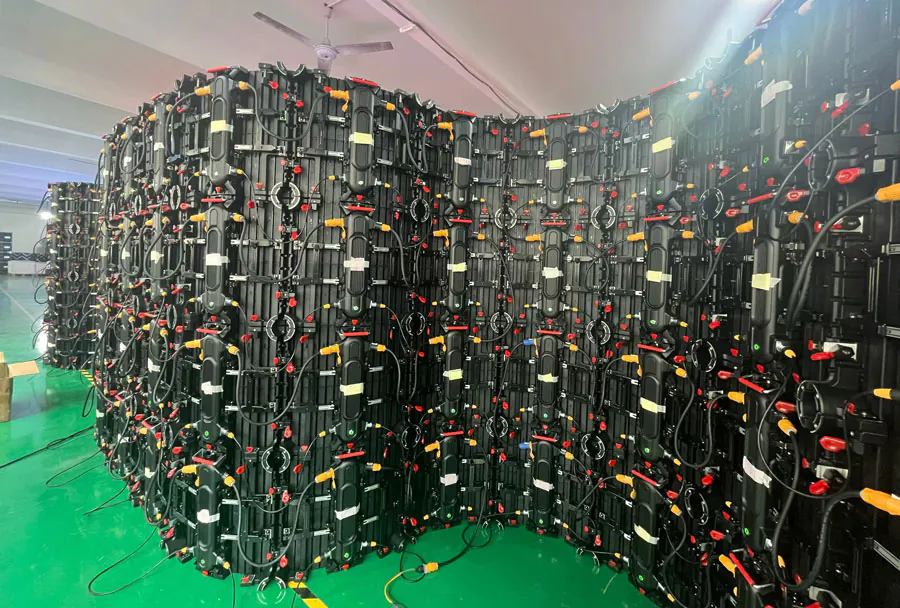
Lightweight structure: Compared with traditional die-cast aluminum cabinets, many flexible solutions use lighter frames or modular panels that reduce overall load. This makes transportation and handling easier, especially for single-person or small-team operations.
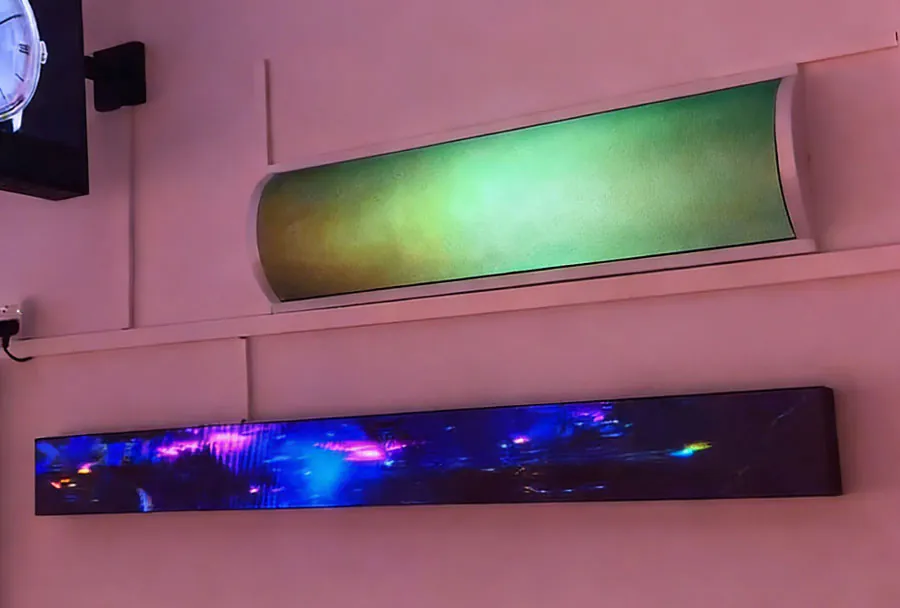
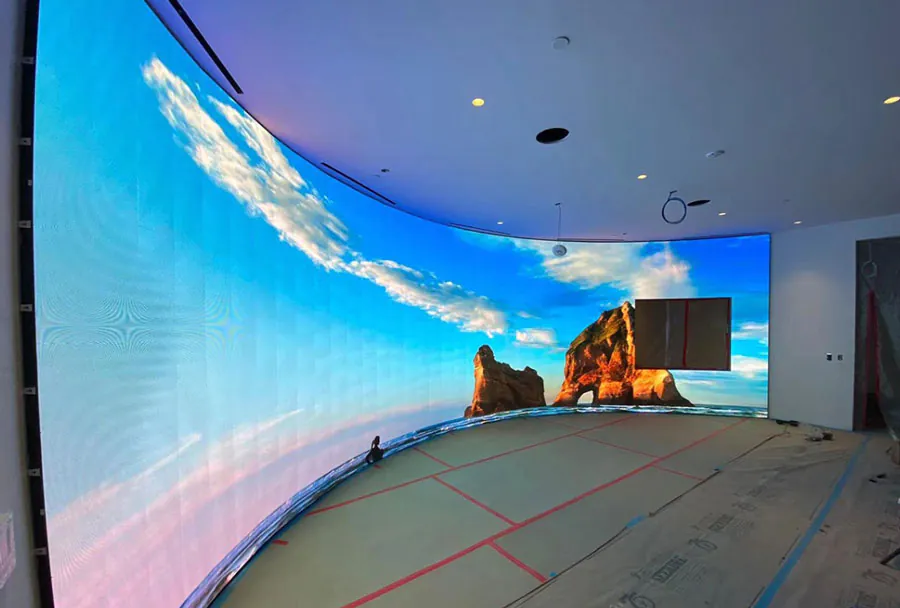
Flexibility for curved surfaces: Instead of forcing the architecture to match the screen, the screen can adapt to the architecture. Curved walls, cylindrical columns, concave/convex surfaces, and artistic shapes become feasible without visible segmentation.
Modular design for quick assembly: Easy installation projects depend on fast alignment, stable connections, and predictable outcomes. A good flexible LED display supports standardized modules, straightforward wiring, and efficient servicing.
For customers, this means the display is not only a visual device—it is also a construction-friendly component that integrates better with the project environment.
3. Easy Installation: Where Time, Labor, and Risk Are Reduced
Installation is often the most expensive and risk-sensitive stage of LED display projects. Lightweight flexible LED displays improve installation in several ways:
Simplified logistics: Lighter components reduce shipping complexity and enable easier site movement. This is a major advantage in high-traffic venues like airports, malls, and exhibition centers.
Reduced structural engineering demands: When the display loads are lower, the support structure can be simpler. In many projects, this leads to savings in steel framing, anchoring, and reinforcement work.
Faster on-site assembly: Flexible modules are designed for rapid mounting and alignment. For projects with limited working hours, this can make the difference between finishing on time and missing a launch date.
Safer handling: Lower weight reduces the likelihood of injury or accidental damage during lifting, positioning, and mounting. Safety is a serious factor, especially when installation happens at height or during overnight shifts.
TW VISION typically approaches “easy installation” as a system goal: selecting the right display form, planning the mounting method, and coordinating power/control routing so the on-site workload stays manageable.
4. Design Freedom: Curves, Columns, Waves, and Creative Structures
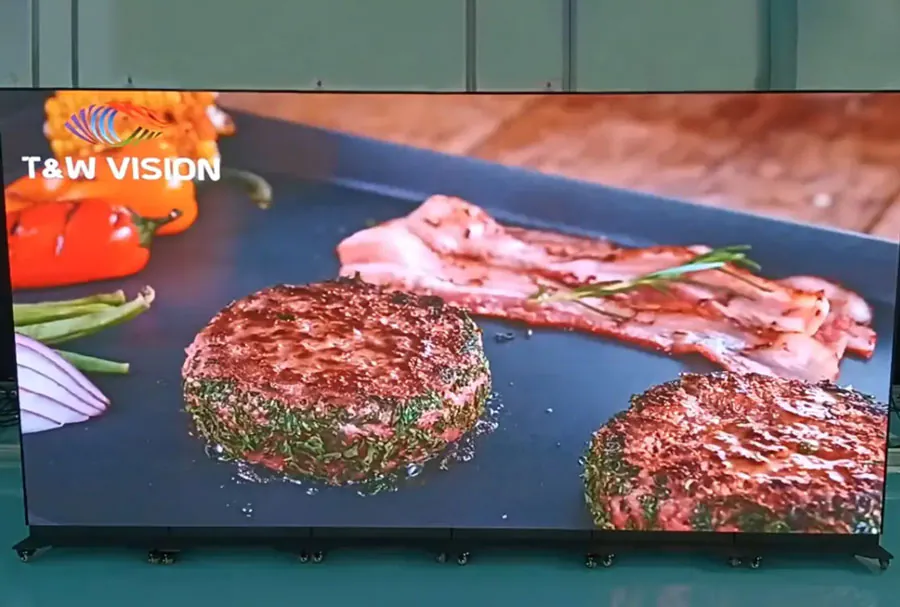
A key reason clients choose flexible LED solutions is the desire to create something visually distinctive. In many spaces, standard flat screens are no longer enough. Lightweight flexible LED displays support:
– Cylindrical LED columns in shopping malls or hotel lobbies
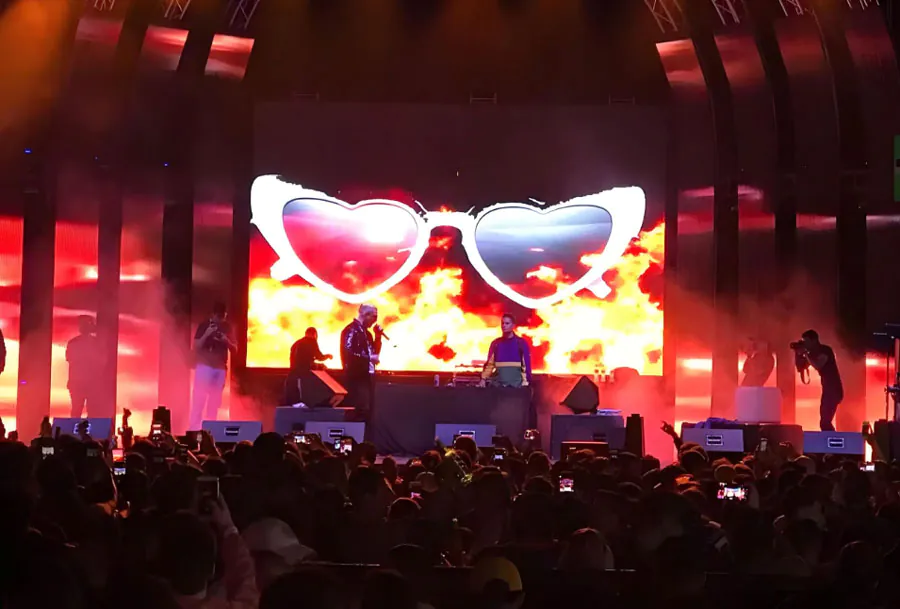
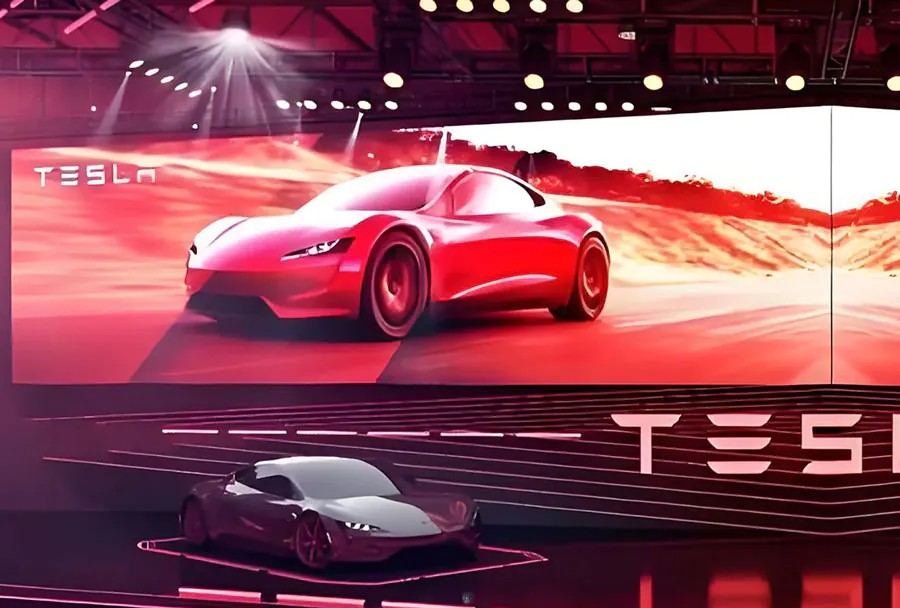
– Curved stage backdrops that wrap around performance areas
– Concave immersive walls for museums, brand experience centers, or XR-ready spaces
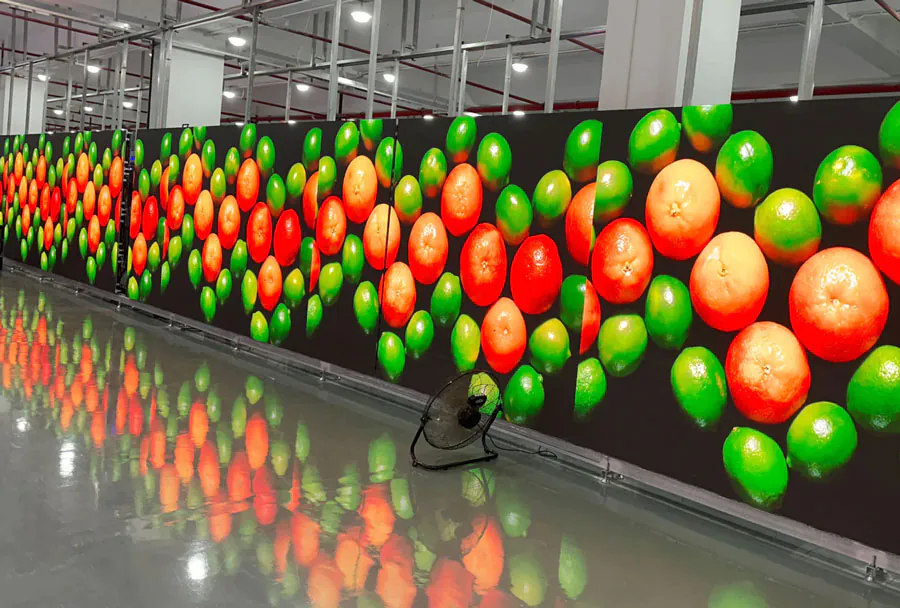
– Wave-like ribbon displays for creative retail and architectural media
These forms are not only aesthetic. They can improve viewer engagement by matching natural sight lines and turning previously unused surfaces into messaging opportunities.
With flexible LED, the “display” becomes part of the architecture—something TW VISION can support from concept to execution, ensuring the final shape aligns with technical feasibility and performance.
5. Visual Performance: Brightness, Color, and Smooth Viewing
Easy installation should never mean compromised visuals. A well-designed lightweight flexible LED display should deliver strong image quality across typical commercial environments:
Brightness for different lighting conditions: Retail and public spaces often have strong ambient lighting, so the display must remain readable and vibrant.
Color consistency and calibration: For brand content, accurate color reproduction is essential. Good LED systems support calibration to maintain a unified look across modules.
Refresh rate and smooth playback: For video content, especially on curved surfaces where viewers may be close, smooth motion and stable playback help avoid flicker and improve perceived quality.
Wide viewing angles: flexible displays are frequently used in areas where viewers approach from multiple directions. Wide viewing angles help maintain consistent color and contrast.
TW VISION’s role as a service provider is to help ensure the chosen configuration matches the environment—pixel pitch, brightness targets, and control system settings should be selected with the actual viewing distance and content type in mind.
6. Common Application Scenarios for Easy Installation Projects
A lightweight flexible LED display is especially suitable when the project requires speed, adaptability, and strong visual impact. Typical scenarios include:
Retail branding and storefronts: Brands need seasonal campaigns and rapid re-decoration. Flexible LED can wrap around columns or curve along feature walls without major construction.
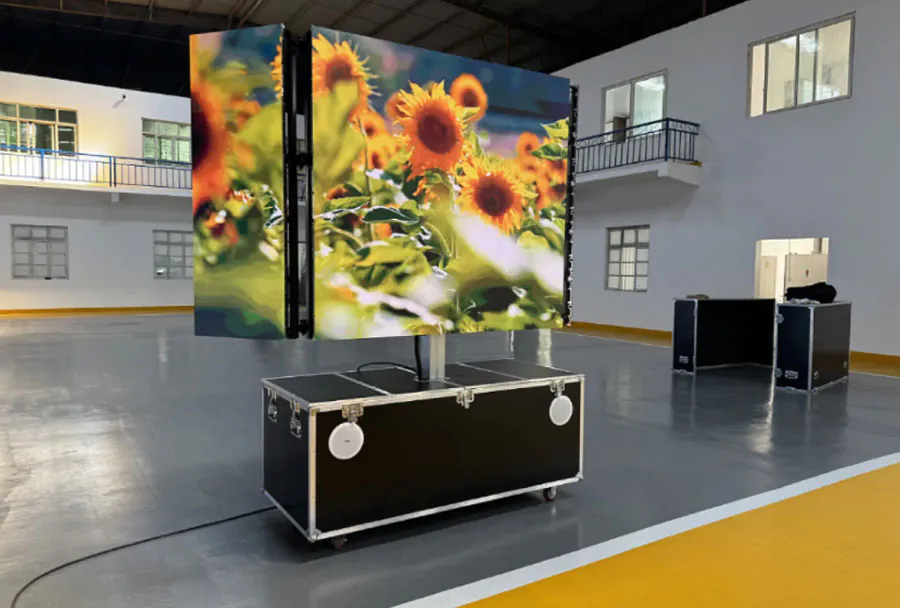
Exhibitions and trade shows: Booth spaces change constantly, and installation windows are short. Lightweight modules allow quicker setup and dismantling.
Corporate lobbies and showrooms: Curved LED feature walls help create a premium, modern first impression, while lightweight structures reduce invasive building modifications.
Cultural venues and stages: Touring productions and temporary events benefit from screens that pack efficiently and assemble quickly, while enabling creative shapes.
Architectural media and public art: Flexible displays can integrate into complex surfaces, supporting artistic intent while meeting engineering constraints.
In each case, “easy installation” is not only about speed—it is about reducing uncertainty. A flexible lightweight solution makes outcomes more predictable because it adapts to real-world site conditions.
7. Maintenance and Serviceability: Planning Beyond Day One
A truly practical display system must be maintainable. Easy installation projects often happen in locations where downtime is expensive: busy retail floors, public corridors, and high-visibility event venues.
Key service considerations include:
– Modular replacement: When a module can be swapped quickly, the display can return to operation without long shutdowns.
– Front or rear access planning: Some sites do not allow rear maintenance space, so service access must be planned early.
– Stable connections and cable management: Reliable connectors and organized routing reduce failure risks and simplify troubleshooting.
– Long-term calibration strategy: Over time, LED performance can drift. Calibration support helps maintain consistent color and brightness.
TW VISION can assist by recommending service-friendly configurations and ensuring the installation design includes realistic access paths—because a display that looks great but is difficult to service becomes a burden later.
8. What to Consider When Selecting a Flexible LED Solution
To choose the right lightweight flexible LED display for easy installation projects, decision-makers should evaluate several practical factors:
Project environment: Indoor vs. semi-outdoor, ambient lighting, temperature stability, and public interaction all influence the right specifications.
Viewing distance and pixel pitch: Close viewing typically requires finer pitch to maintain image clarity. Longer viewing distances allow larger pitch and can reduce cost.
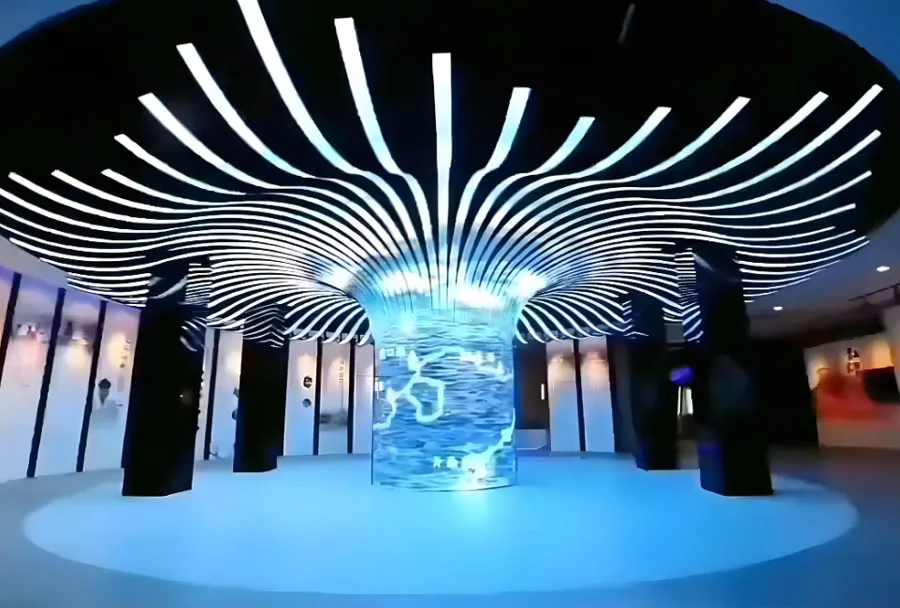
Mounting method and surface geometry: The target curvature radius, wall type, and load-bearing limitations must be assessed before finalizing the design.
Control system integration: Content playback requirements, network stability, and redundancy planning should match the project’s operational goals.
Timeline and installation constraints: If the project has strict time windows, modularity and assembly speed become top priorities.
As a service provider, TW VISION can support customers through these checkpoints, aligning performance requirements with realistic installation conditions.
9. TW VISION: Service-Oriented Support for Modern LED Installations
Choosing flexible LED technology is one step; delivering a smooth project outcome requires service experience. TW VISION supports easy installation projects by focusing on:
– Solution planning based on site conditions rather than generic recommendations
– Technical coordination across mounting, power, control, and content systems
– Quality-focused delivery to help ensure stable performance over time
– Project collaboration to reduce on-site uncertainty and rework
In many projects, the real value comes from reducing friction: fewer surprises during installation, fewer compromises during design, and fewer operational issues after launch.
10. High Impact Displays Without Heavy Installation Burden
A Lightweight Flexible LED Display for Easy Installation Projects is more than a product category—it is a smarter approach to building modern visual experiences. By reducing weight, increasing shape adaptability, and simplifying assembly, flexible LED solutions allow brands and venues to create standout visuals while controlling timeline, labor, and structural demands.
With TW VISION as the service provider, project teams can move from concept to installation with clearer planning, stronger feasibility, and dependable implementation. Whether the goal is a curved retail feature wall, an immersive exhibition space, or a creative stage environment, lightweight flexible LED displays offer an effective path to deliver premium impact with practical installation efficiency.