Modular Outdoor LED Display Screen for Easy Maintenance

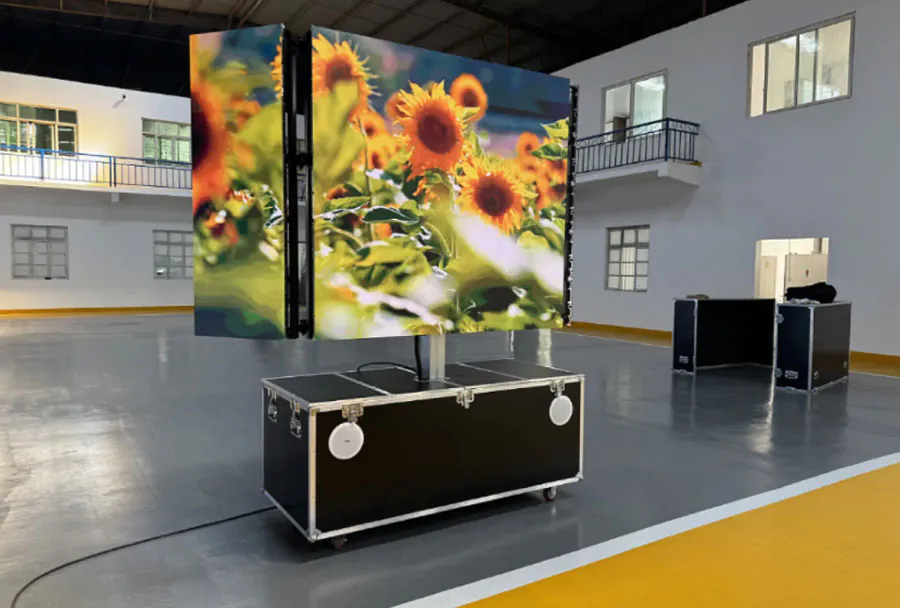
Outdoor LED screens are no longer “nice-to-have” billboards. They have become core infrastructure for city media, retail branding, transportation hubs, stadiums, and public information systems. Yet, as outdoor deployments expand, one challenge remains consistent: maintenance. Dust, rain, heat, wind, vibration, and long operating hours all accelerate wear. For many owners, the real cost of an outdoor led display is not only the initial purchase—it is the downtime, labor, and replacement expenses over years of operation.
This is where a Modular Outdoor LED display screen for Easy Maintenance becomes the most practical and future-ready option. By adopting modular structures and service-friendly engineering, organizations can reduce repair time, simplify component replacement, and keep screens performing at their best with minimal disruption. As a professional service provider, TW VISION focuses on designs and delivery processes that prioritize maintainability while protecting the visual quality and long-term stability that outdoor projects require.
Why “Easy Maintenance” Defines the Value of Outdoor LED Screens
Unlike indoor displays, outdoor LED screens operate in harsher conditions and are expected to run for extended hours—often 16–24 hours per day. Over time, even premium components will experience issues such as pixel failures, power supply degradation, loose connectors, or brightness inconsistency. When maintenance is difficult, these small issues can become expensive failures.
Easy maintenance creates measurable business value in four key ways:
1. Less downtime: Faster repairs keep advertising and public messaging uninterrupted.
2. Lower labor costs: Technicians spend less time troubleshooting and disassembling structures.
3. Reduced safety risk: Minimal work at height or in difficult access areas improves safety.
4. Longer system life: Routine replacement and upkeep become feasible, extending the screen’s effective lifespan.
A modular concept shifts maintenance from “construction work” to “component service,” making outdoor LED ownership closer to operating a reliable system rather than constantly fighting unexpected breakdowns.
What Makes a Modular Outdoor led display screen Truly Modular
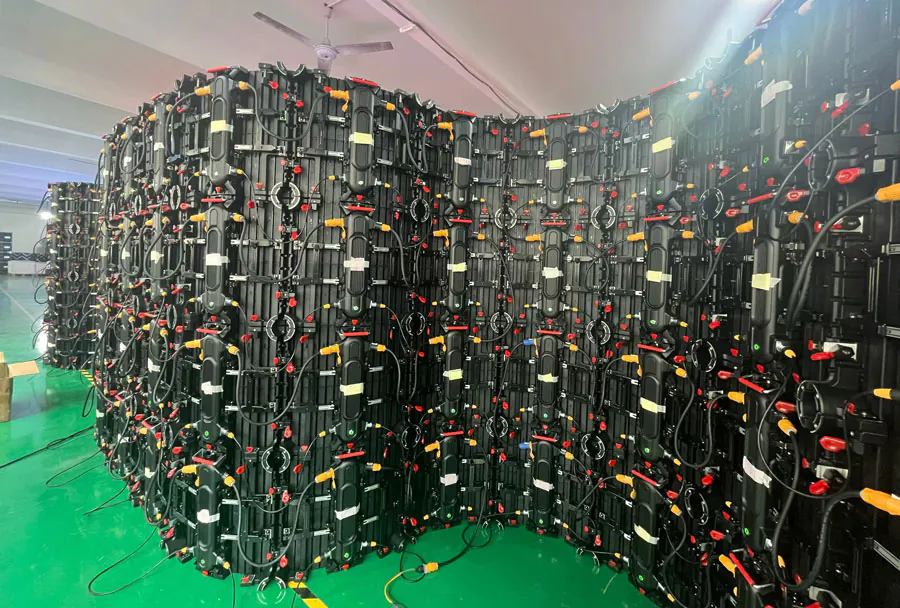
Modularity is not just about having cabinets. A real modular outdoor LED display screen is engineered so that critical components can be removed, replaced, and restored quickly—with standardized parts and predictable procedures.
Key modular elements typically include:
– LED modules: Swappable units containing LED lamps and driving circuitry.
– Power supplies: Designed for quick exchange without rewiring the entire cabinet.
– Receiving cards and control units: Structured to support rapid diagnostics and replacement.
– Cabinet frames: Built to maintain flatness and alignment after repeated service cycles.
– Connector systems: Plug-and-play data/power interfaces to reduce mistakes and time.
With the right modular design, service teams can isolate the faulty unit, remove it, replace it, and verify performance without dismantling large sections of the screen.
Front Service vs Rear Service: Maintenance Access That Matches Real Sites
Outdoor screens are installed in many environments: building fa?ades, roadside poles, shopping plazas, transport stations, and stadium structures. Each site imposes access constraints. This is why maintenance access design is central to a modular solution.
Front Service Modular Outdoor LED Displays
Front service means technicians can perform maintenance from the front face of the screen, typically using magnetic modules, fast-lock mechanisms, or specialized service tools. It is ideal when:
– The screen is mounted close to a wall with little rear space
– The installation is high on a fa?ade where back access is difficult
– The project aims to minimize structural depth and installation footprint
A front-service modular design significantly reduces the need for catwalks, rear platforms, and complicated access points—often saving construction costs during the installation phase.
Rear Service Modular Outdoor LED Displays
Rear service remains practical for certain locations such as freestanding billboard structures, stadium back corridors, or installations with built-in maintenance rooms. It can provide:
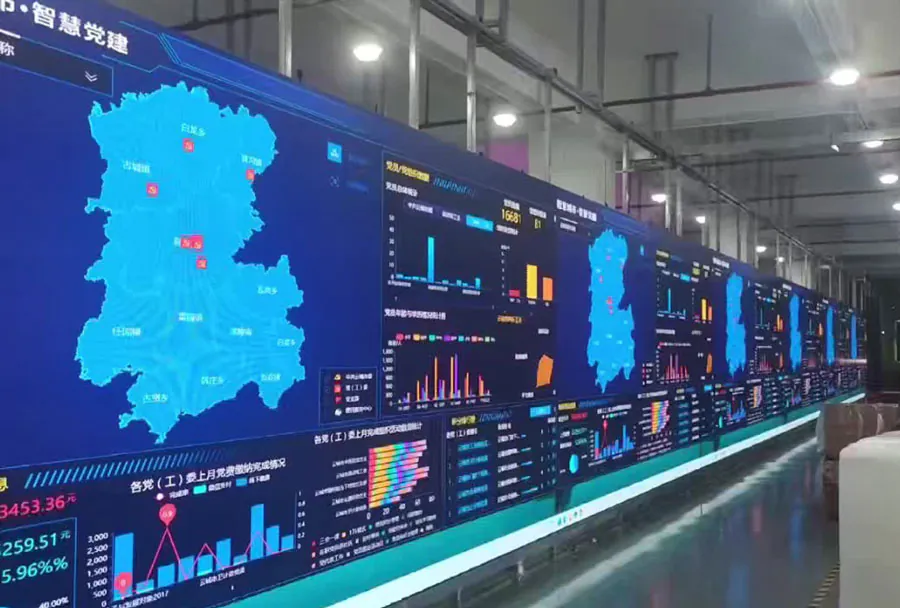
– Faster access to control boxes and power distribution
– Easier cable management and broader workspace behind the screen
– Potentially lower module cost depending on design strategy
In either approach, the modular philosophy remains the same: isolate, replace, restore—without complex disassembly.
Engineering for Easy Maintenance: Details That Matter Outdoors
Many screens claim to be easy to maintain, but real-world outdoor conditions reveal whether the design is truly service-friendly. A modular outdoor LED display screen intended for easy maintenance should address the following engineering essentials:
1) Weather Protection Without Sacrificing Serviceability
Outdoor LED cabinets must protect against rain and dust while allowing frequent opening or module removal. This depends on:
– Reliable sealing structures and gasket design
– Drainage considerations to prevent water accumulation
– Stable locks that remain tight after repeated use
A well-designed cabinet ensures that easy maintenance does not create weak points for water ingress.
2) Stable Alignment to Prevent Visual Seams
Maintenance should not introduce new problems. If cabinet frames deform or locking points shift, visible seams and unevenness appear. Modular cabinets must maintain:
– Consistent flatness across the display
– Accurate module positioning after replacement
– Strong mechanical integrity under wind load
This ensures that service operations remain “invisible” to viewers.
3) Quick Diagnostics and Fault Isolation
Fast maintenance starts with fast troubleshooting. A modular design should support:
– Clear component mapping (module/cabinet addressing)
– Straightforward access to receiving cards and hub boards
– Predictable replacement logic (swap-to-test method)
When faults are isolated quickly, the repair becomes a short procedure rather than a long investigation.
4) Cable and Connector Reliability
Connectors are often the hidden cause of outdoor failures—especially in high-humidity or high-vibration environments. Maintenance-friendly modular systems benefit from:
– High-quality connectors with secure locking
– Clear labeling for error prevention
– Structured cable routing that does not obstruct access
The goal is to allow rapid replacement without increasing the risk of wrong connections or loose contacts.
How Modular Design Reduces Total Cost of Ownership (TCO)
Buyers sometimes focus on initial unit price per square meter. But outdoor LED systems are long-term assets, and modular design strongly influences total cost of ownership.
A modular outdoor LED display screen for easy maintenance reduces TCO through:
– Lower spare parts inventory risk: Standardized modules are easier to stock and rotate.
– Less operational disruption: Advertising revenue and communication value remain stable.
– Efficient service scheduling: Preventive maintenance is simpler when parts are easy to access.
– Reduced emergency repair expenses: Quick replacement avoids major escalation.
Over years of operation, maintenance efficiency often outweighs small differences in upfront purchase cost.
Common Outdoor Use Cases Where Easy Maintenance Is Critical
Not all projects have the same service conditions. Some scenarios make easy maintenance a non-negotiable requirement:
Roadside and Highway LED Billboards
These screens must remain operational with minimal downtime, often in locations where working conditions are restricted. Modular maintenance reduces time spent onsite and supports safer, faster repairs.
Building Fa?ade Advertising Screens
Fa?ade screens frequently have limited rear access and are affected by sun exposure and wind load. Front-service modular structures allow maintenance without disturbing building operations.
Stadium and Event Venues
Event schedules create strict time windows for maintenance. Modular screens allow rapid module swaps between events, keeping visual performance consistent under pressure.
Transportation Hubs and Public Information Displays
Airports, stations, and bus terminals need reliable messaging. When a screen is part of public guidance, any outage becomes a service issue. Modular repair ensures faster restoration.
Maintenance Workflow: What “Easy” Looks Like in Practice
An easy-maintenance modular outdoor LED display should enable a clear, repeatable service routine. A practical workflow often includes:
1. Remote or onsite fault identification (which cabinet/module is affected)
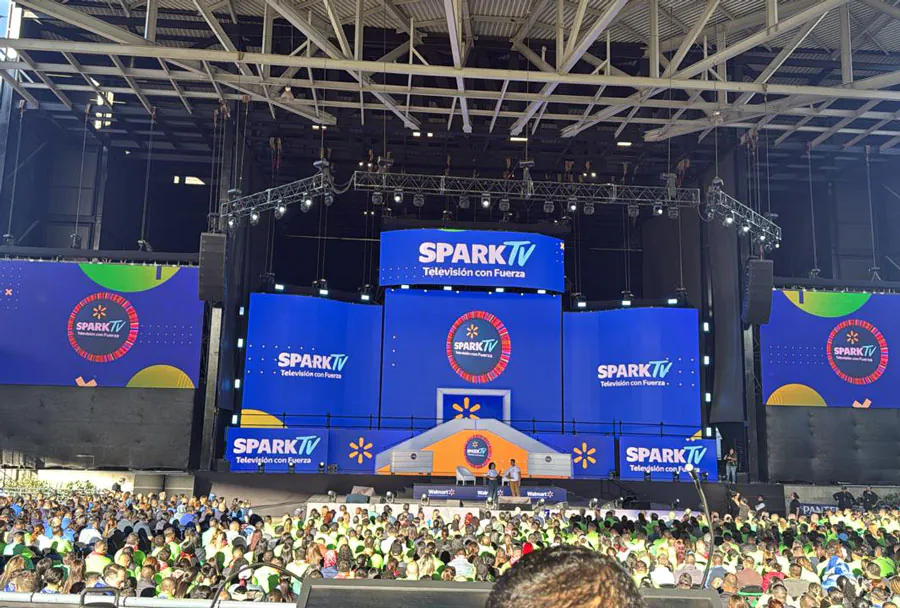
2. Safe access preparation (front tool or rear entry)
3. Module/cabinet component removal using quick locks
4. Replacement with a tested spare unit
5. Brightness and color verification to match adjacent areas
6. Sealing and structural check to maintain outdoor protection
When modularity is well implemented, a repair that once took hours can be reduced to a short, controlled procedure.
TW VISION: Service-Oriented Thinking for Outdoor LED Projects
As a service provider, TW VISION understands that customers don’t just buy a screen—they operate it every day in real conditions. That is why the concept of a Modular Outdoor LED Display Screen for Easy Maintenance should be considered from the earliest planning stage: site assessment, access method selection, spare parts strategy, and long-term operation requirements.
TW VISION’s project approach emphasizes:
– Matching access design to installation constraints (front or rear service planning)
– Promoting modular structures that support rapid replacement
– Helping clients plan spare modules and key components to reduce downtime
– Prioritizing reliability and maintainability alongside visual performance
For outdoor deployments where interruptions translate into lost revenue, brand damage, or public inconvenience, maintainability becomes a core performance metric—not an afterthought.
Key Considerations When Choosing a Modular Outdoor LED Display Screen
Before finalizing a purchase or project plan, it helps to evaluate maintainability with practical questions:
– Can modules be replaced individually without removing large sections?
– Is the maintenance method suitable for the site (front vs rear)?
– Are power supplies and receiving cards easily accessible?
– Does the cabinet maintain sealing after repeated servicing?
– Are replacement modules standardized and readily available?
– Is there a clear plan for inspection, cleaning, and preventive maintenance?
These points often determine whether the screen remains a stable asset—or becomes a recurring technical burden.
Modular Design Is the Foundation of Outdoor LED Reliability
Outdoor LED displays deliver high-impact communication, but the environment is unforgiving and the operating hours are demanding. In this reality, the best strategy is not merely choosing a bright screen—it is choosing a screen that can be maintained quickly, safely, and predictably.
A Modular Outdoor LED Display Screen for Easy Maintenance offers a practical path to long-term stability: faster repairs, lower operating costs, better safety, and reduced downtime. For organizations seeking dependable outdoor visuals with a maintenance-first mindset, TW VISION supports projects with service-oriented planning and modular solutions built for real-world operation.