Outdoor Digital Display for Smart City Information Systems

Cities are becoming intelligent ecosystems where data, mobility, public services, and citizen engagement are expected to work together in real time. In this transformation, one element remains consistently visible and universally accessible: the outdoor digital display. As a core interface of smart city information systems, outdoor digital signage converts complex urban data into clear, timely messages that people can understand instantly—whether they are commuters, tourists, emergency responders, or municipal staff.
For city governments and system integrators, the challenge is not simply to “install screens.” The real goal is to deploy durable, networked, and manageable Outdoor Digital Display for Smart City Information Systems that can operate continuously, integrate with municipal platforms, and deliver meaningful information at the right place and time. As a professional service provider, TW VISION focuses on supporting this goal through reliable outdoor display solutions that fit diverse smart city scenarios.
1. Why Outdoor Digital Display Matters in Smart City Information Systems
Smart cities run on information: transit schedules, weather warnings, traffic conditions, air quality levels, public safety notices, event updates, and service announcements. While smartphone apps and websites are important, they are not always the fastest or most inclusive channel. Outdoor displays reach everyone—residents without specific apps, visitors without local language settings, and people who need information instantly while moving through public spaces.
In a smart city architecture, outdoor digital signage works as a “last-meter” communication layer. Data flows from sensors, platforms, and departments into central systems, and the display becomes a public-facing endpoint. This is especially important when citizens must receive alerts quickly or when city services need to reduce confusion and congestion at busy locations such as intersections, plazas, transport hubs, and municipal buildings.
Outdoor displays also contribute to urban identity. Modern, well-placed digital signage can make city information feel more coordinated, more transparent, and more responsive—qualities that directly influence public trust and satisfaction.
2. Key Use Cases: From Mobility to Public Safety
A well-designed Outdoor Digital Display for Smart City Information Systems supports multiple departments and use cases, often on shared infrastructure.
First, public transit and mobility. Displays can show bus arrival times, route changes, metro service alerts, bike-sharing availability, parking occupancy, and dynamic wayfinding for pedestrians. When integrated with real-time data feeds, digital signage reduces uncertainty, improves traffic distribution, and helps people make quicker decisions.
Second, public safety and emergency messaging. In extreme weather, public health incidents, or unexpected disruptions, outdoor screens can broadcast high-priority alerts immediately. Compared with social media or app notifications, a large-format screen in a public area is hard to miss. For smart city operations, the ability to switch content instantly—across an entire network—is essential.
Third, environmental and community information. Outdoor displays can communicate air quality index, UV level, heat risk, noise monitoring, water safety updates, and energy-saving campaigns. For many cities, environmental transparency is becoming a standard expectation, and signage helps transform raw measurements into actionable awareness.
Fourth, civic services and local engagement. Municipal announcements, cultural events, tourism guidance, and neighborhood updates can be delivered in a targeted way by location and time. When signage supports multilingual templates, cities can serve visitors and diverse communities more effectively.
3. What Makes an Outdoor Display “Smart City-Ready”
Not every outdoor screen qualifies as a smart city component. A smart city-ready outdoor display must be engineered for long-term urban deployment and integrated operations.
High brightness and readability are basic requirements. Outdoor environments include direct sunlight, reflections, and changing weather. A smart city display must maintain legibility during daytime and adjust brightness at night to reduce glare and light pollution.
Reliability is equally critical. Municipal screens often run 24/7, and downtime can directly affect public communication. Industrial-grade components, stable power design, and robust thermal management are essential for consistent performance.
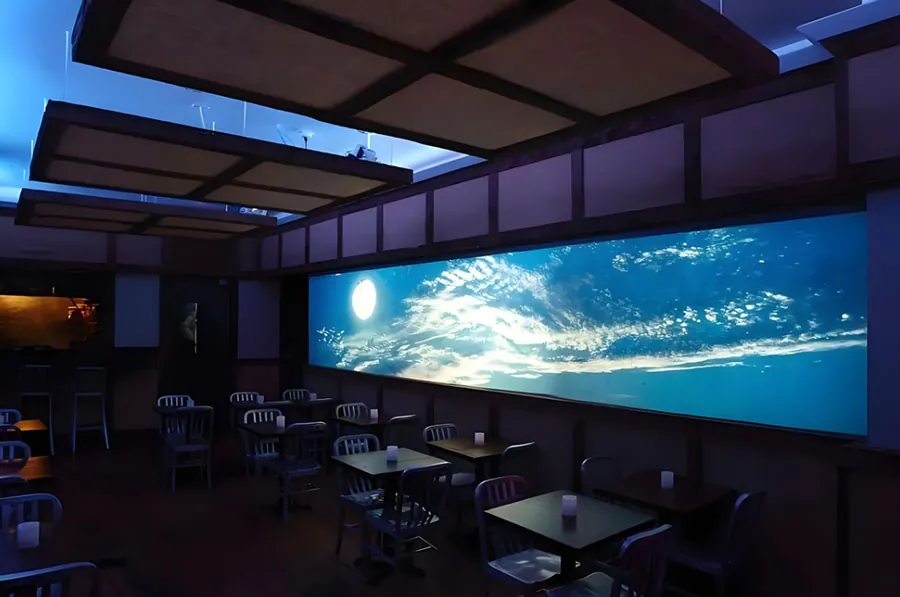
Networked control and centralized content management define smart capability. A city may operate hundreds of screens across districts. Operators need remote monitoring, scheduling, content distribution, and proof-of-play reporting. They also need fast emergency override workflows to ensure public alerts can take priority.
Physical protection matters in public spaces. Outdoor displays must resist rain, dust, heat, cold, wind, and potential vandalism. Enclosure design, protective glass, locking systems, and anti-corrosion materials are not optional—they are core to lifecycle value.
Finally, integration is the real differentiator. A screen becomes a smart city node when it can connect to city platforms, third-party data sources, and operational systems—supporting dynamic content rather than static loops.
4. Integration with Smart City Platforms and Data Feeds
Outdoor Digital Display for Smart City Information Systems delivers the greatest value when it is connected to the same data infrastructure that powers city operations. This can include transportation APIs, emergency alert systems, IoT sensor platforms, meteorological feeds, and crowd management dashboards.
A practical approach is to define content templates that map to data sources. For example, a transit screen template can pull arrival times and disruptions from a city transit database. An environmental template can pull AQI and temperature from sensor networks. A safety template can pull alert messages from official emergency systems and apply geographic targeting.
Integration should also support governance: which department can publish what content, and under which approval rules. Smart cities often need content workflows that prevent misinformation and ensure accountability—especially during emergencies.
TW VISION supports projects where outdoor display deployments are aligned with broader smart city information systems, helping ensure screens are not isolated assets but manageable endpoints within the city’s digital ecosystem.
5. Content Strategy: Turning City Data into Clear Public Messages
The most advanced hardware still fails if the message is unclear. Outdoor signage in smart cities must prioritize readability, simplicity, and context.
Content should be designed for “glance consumption.” Many viewers are walking, driving, or waiting in short intervals. The most important information should appear first, in large typography, with strong contrast and minimal clutter.
Localization is another requirement. Cities frequently serve multiple languages, and the same screen may need bilingual or multilingual layouts. Icons and standardized visual cues can reduce language barriers and speed comprehension.
Dynamic content must be controlled thoughtfully. A display that changes too quickly can cause confusion; a display that changes too slowly may waste valuable space. Smart scheduling—based on time of day, season, location, and local events—helps the city deliver relevant content without overwhelming the public.
For public safety messaging, clarity and authority are essential. Templates should be pre-approved and ready to deploy, ensuring that emergency messages look consistent, official, and immediately recognizable.
6. Deployment Considerations: Location Planning and Urban Design
Outdoor Digital Display for Smart City Information Systems is not only a technology project but also an urban planning exercise. Placement determines impact.
High-value locations include transport stations, intersections with pedestrian flow, civic centers, hospitals, schools, tourist zones, parks, and event venues. However, each location has different constraints: viewing distance, ambient light, available power, network access, and structural mounting options.
A good deployment plan evaluates sightlines, traffic patterns, and accessibility. The screen must be visible without blocking pathways or creating safety hazards. It should also respect the character of the area, especially in historic districts where design guidelines may restrict size, brightness, or appearance.
Maintenance access is often overlooked. Outdoor screens need periodic cleaning, inspection, and possible component replacement. A smart city deployment must plan for safe access, maintenance windows, and service-level expectations from the start.
7. Reliability and Maintenance: Operating a Citywide Screen Network
Municipal stakeholders care about total cost of ownership, not just purchase price. Reliability and maintenance planning directly influence costs over a multi-year lifecycle.
Remote monitoring reduces operational burden. When displays can report temperature, power status, brightness performance, and connectivity health, city teams can detect issues early and schedule maintenance efficiently.
Preventive maintenance practices—such as routine filter checks, enclosure inspections, and brightness calibration—help keep screens consistent across a network. In smart city deployments, consistency matters: citizens should trust that city screens are accurate, readable, and functional.
Spare parts strategy is also important. Standardized models and modular components simplify repair and reduce downtime. For high-importance zones like transit hubs, redundancy planning may be necessary so that critical messages remain available even during service interruptions.
TW VISION’s role as a service provider can support these lifecycle concerns by aligning product selection, installation planning, and after-deployment support with the operational reality of city environments.
8. Security and Governance: Protecting Public-Facing Systems
Because outdoor displays are public-facing endpoints, security cannot be optional. A compromised screen can spread misinformation, disrupt operations, or damage public trust.
Smart city display networks should include access control, user permissions, logging, and secure content workflows. Network security practices—such as encrypted connections, segregated networks, and secure update processes—help reduce risk.
Governance is equally critical. Cities must define who owns the message, who approves it, and how long it stays on screen. During emergencies, there must be a clear escalation path so that public alerts override routine content immediately.
A well-governed signage network becomes a trusted city communication channel, supporting transparency while preventing misuse.
9. The TW VISION Perspective: Practical Solutions for Smart City Communication
TW VISION supports Outdoor Digital Display for Smart City Information Systems with a focus on practical deployment outcomes: visibility, durability, manageability, and integration readiness. In real-world city projects, decision-makers need solutions that work reliably across seasons, locations, and operating conditions.
A successful smart city display program typically starts with scenario mapping—identifying where information bottlenecks exist and what types of messages are most valuable. It then moves into technical planning, including brightness requirements, enclosure protection, power and network design, and software management needs. Finally, it requires long-term operational planning: monitoring, content governance, and maintenance procedures.
By approaching outdoor digital display as part of a system—not a standalone product—TW VISION helps cities build scalable public information networks that can grow over time.
10. Outdoor Digital Display as a Visible Layer of Smart City Intelligence
Outdoor Digital Display for Smart City Information Systems is one of the most direct ways to make a smart city “feel smart” to the public. It transforms real-time data and municipal services into messages that people can use immediately. When deployed strategically and managed responsibly, outdoor digital signage improves mobility, strengthens public safety communication, supports environmental transparency, and enhances civic engagement.
As cities continue to invest in intelligent infrastructure, outdoor displays will remain a critical, highly visible interface between urban systems and everyday life. With professional support from service providers like TW VISION, municipalities and integrators can deploy outdoor digital display networks that are not only impressive in appearance, but truly effective in operation—delivering information that is timely, trustworthy, and designed for the rhythms of the city.