Commercial Digital Signage Monitor for Restaurants and Hotels

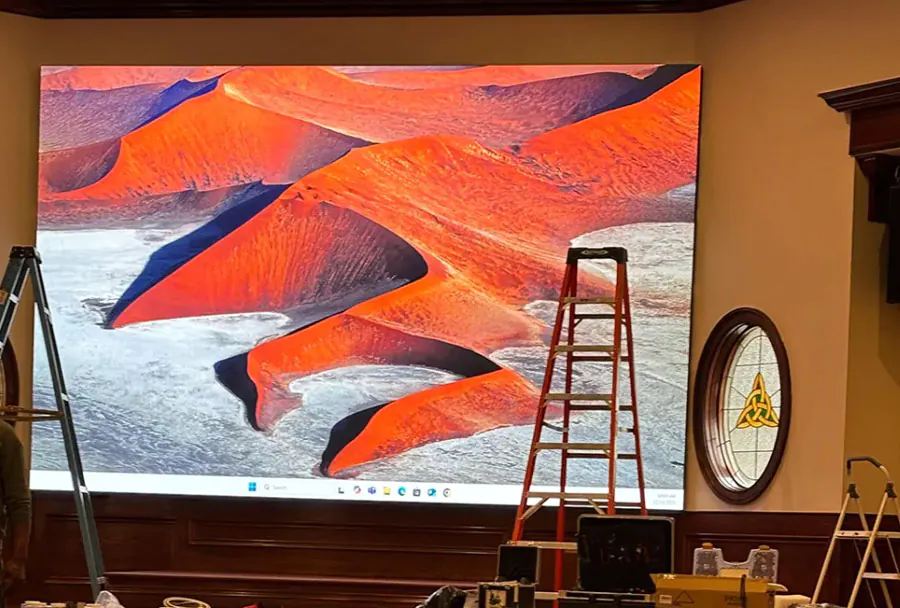
In a competitive hospitality market, first impressions are created in seconds—and they are increasingly shaped by screens. A Commercial Digital Signage Monitor for Restaurants and Hotels is no longer a “nice-to-have” decoration; it is a business tool that improves communication, elevates branding, and directly supports revenue. From lobby welcome walls and digital menu boards to meeting-room schedules and promotional displays, digital signage has become the new language of modern service.
As a professional service provider, TW VISION helps restaurants and hotels deploy commercial-grade monitors and signage systems designed for demanding environments, long operating hours, and consistent visual impact. This article explores how commercial digital signage monitors create measurable value in hospitality, what to look for when selecting hardware, and how to implement signage that actually performs—not just looks good.
Why Commercial Digital Signage Monitors Matter in Hospitality
Restaurants and hotels share a common challenge: they must communicate a lot of information, quickly and clearly, to guests with different languages, expectations, and time constraints. Traditional printed boards, posters, and static displays struggle to keep up with changing offers, seasonal menus, or sudden operational adjustments.
A Commercial Digital Signage Monitor for Restaurants and Hotels solves these pain points by enabling instant updates, consistent brand presentation, and targeted messaging across multiple locations. Key benefits include:
– Real-time updates: Switch breakfast to lunch menus automatically; update room promotions for weekends; announce last-minute conference changes.
– Brand consistency: Maintain the same visual standards, colors, and tone across lobby, restaurant, elevator areas, and event spaces.
– Higher engagement: Motion graphics and well-designed content attract attention better than printed materials.
– Operational efficiency: Reduce printing costs and staff time spent replacing posters or boards.
– Revenue opportunities: Promote add-ons, limited-time offers, happy hour specials, spa packages, and partner advertisements.
In hospitality, the ability to influence decisions at the right moment—while the guest is waiting, ordering, checking in, or browsing—often determines the difference between an average visit and a higher-value experience.
Common Use Cases in Restaurants
Restaurants face rapid shifts in inventory, pricing, daypart menus, and promotions. Digital signage is especially effective when decisions are made quickly at the counter or table.
1) Digital Menu Boards
A commercial monitor installed behind the counter or above ordering areas can display menus with dynamic categories, upsell items, and clear pricing. Restaurants can highlight best-sellers, combo options, chef’s recommendations, or limited-time items. For chains or multi-branch businesses, content can be synchronized across stores to ensure consistent messaging.
2) Queue and Ordering Guidance
During peak hours, signage can reduce confusion by guiding guests: where to queue, how to order, pickup instructions, or estimated waiting times. This improves customer flow and can reduce pressure on staff.
3) Promotions and Upselling
A well-placed screen can promote desserts, beverages, premium toppings, or membership programs. Many restaurants see meaningful increases in average order value when promotional content is placed strategically near decision points.
4) Brand Storytelling
Restaurants can use digital signage to show ingredient sourcing, kitchen hygiene messages, short videos of signature dishes, or chef introductions. This builds trust and differentiates the dining experience.
Common Use Cases in Hotels
Hotels are multi-zone environments: lobby, reception, elevators, corridors, conference areas, restaurants, bars, gyms, and spas. Each zone has its own communication goal—and that is where commercial digital signage monitors truly shine.
1) Lobby Welcome and Wayfinding
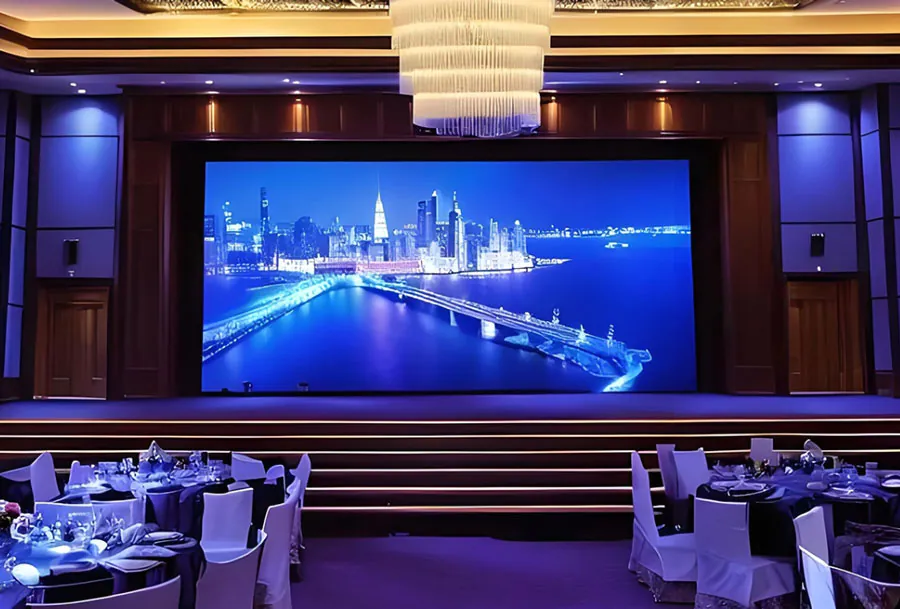
Large-format digital signage creates an immediate sense of modernity. It can display welcome messages, brand visuals, seasonal offers, maps, and local travel tips. For international guests, multi-language content can be scheduled automatically.
2) Meeting and Event Room Schedules
Business hotels depend heavily on conference revenue. Digital signage outside meeting rooms can display event names, time slots, organizers, and directional arrows. Updates can be made instantly to reflect schedule changes without reprinting paper inserts.
3) Promoting Hotel Services
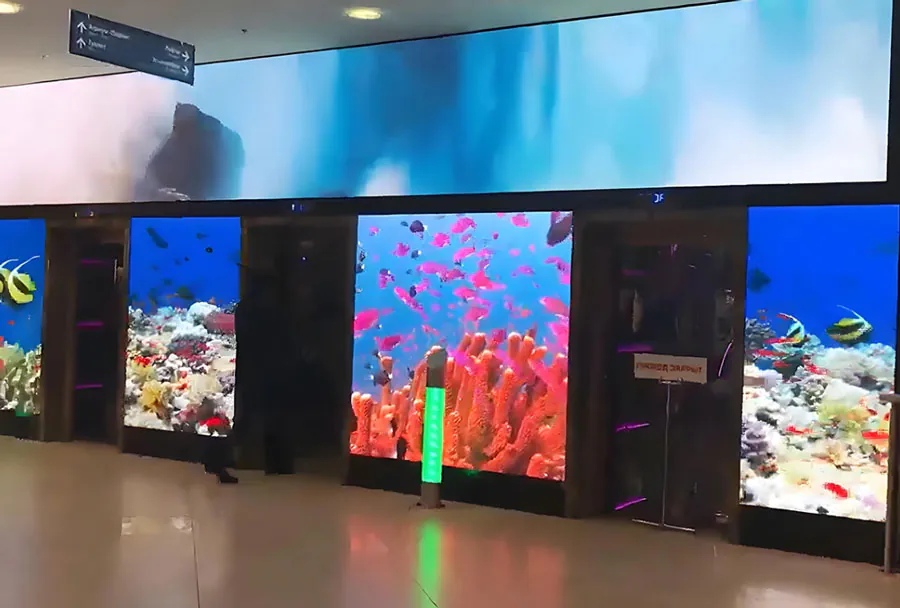
Guests may not discover spa packages, gym hours, restaurant specials, or shuttle schedules unless they are reminded. A commercial monitor near elevators or in common areas can promote internal services at the right time, increasing utilization and revenue.
4) Safety and Emergency Communication
Hotels must communicate clearly during emergencies or operational disruptions. Digital signage supports quick broadcasting of alerts, evacuation guidance, or temporary facility closures.
What Makes a Monitor “Commercial Grade” (and Why It Matters)
Many hospitality businesses initially consider consumer TVs because they look similar. However, restaurants and hotels demand reliability and long operating hours. A true Commercial Digital Signage Monitor for Restaurants and Hotels is built for performance, stability, and continuous use.
Key commercial-grade requirements include:
– 24/7 or 16/7 operation: Built to run for long hours without overheating or failing prematurely.
– Higher brightness and anti-glare: Important for lobbies, storefront windows, and areas with strong ambient light.
– Durable components: Better power systems and thermal design for stable operation.
– Portrait and landscape support: Allows creative layouts, especially for elevator areas or narrow corridors.
– Professional mounting compatibility: Supports VESA standards, secure brackets, and clean installation.
– Connectivity and control: HDMI, USB, LAN, and sometimes Wi-Fi support depending on the solution.
For restaurants and hotels, monitor downtime is more than an inconvenience—it creates operational disruption and directly affects guest experience. That’s why TW VISION emphasizes commercial-grade hardware and professional deployment.
Content Strategy: The Difference Between “Screens” and “Signage”
Buying monitors is only the first step. The true value comes from content that is readable, well-timed, and aligned with guest behavior. TW VISION helps hospitality clients plan signage not as random visuals, but as a structured communication system.
Practical content principles include:
– Clarity over clutter: Fewer words, larger fonts, clean layout, and strong contrast.
– Zone-based messaging: Lobby screens differ from restaurant screens; elevator screens differ from conference screens.
– Time scheduling: Breakfast offers in the morning, spa promotions in the afternoon, bar specials in the evening.
– Call-to-action design: “Order now,” “Scan to book,” “Ask staff,” or “Join membership today.”
– Multi-language support: Especially valuable for hotels and tourist-area restaurants.
When signage content is built around guest decision points, it becomes a silent staff member that explains, recommends, and sells—without adding workload.
Installation Considerations for Restaurants and Hotels
Hospitality spaces require careful installation planning. Screens must be visible, safe, and aligned with interior design. Common installation factors include:
– Viewing distance and screen size: Large lobby spaces may need larger screens; close-range areas can use smaller displays with higher pixel density.
– Mounting height and angles: Avoid neck strain; ensure readability for standing queues or seated guests.
– Cable management: Clean, hidden cabling enhances premium brand perception.
– Environmental conditions: Kitchens, semi-outdoor dining areas, and entry zones may face heat, humidity, or dust.
– Sound vs. silent operation: Many hotel zones require silent displays; content should work without audio.
TW VISION typically supports clients from assessment to installation, ensuring each monitor placement aligns with business goals and physical conditions—not just aesthetics.
Operational Management: Easy Updates, Consistent Control
Hospitality teams are busy. A signage system must be easy to update, especially for multi-branch restaurants or hotels with frequent events. Effective operational management focuses on:
– Centralized content control: One dashboard to update multiple screens.
– Templates for fast changes: Menu price updates, holiday promotions, event schedules.
– Role-based access: Head office controls branding; local managers update store-specific content.
– Monitoring and maintenance: Detect offline screens early and reduce downtime.
TW VISION’s service approach typically prioritizes reliability and maintainability—so the signage solution remains effective months and years after installation, not only on day one.
How TW VISION Supports Restaurants and Hotels
As a service provider, TW VISION focuses on delivering commercial digital signage monitor solutions that are practical, scalable, and aligned with hospitality workflows. For restaurants and hotels, the goal is not simply to install screens—it is to build an information and marketing network that supports guest experience and business growth.
TW VISION’s typical value includes:
– Scenario-based planning: Matching monitor type and placement to lobby, restaurant, corridor, or conference use cases.
– Commercial-grade display selection: Ensuring brightness, durability, and operating-hour suitability.
– Professional deployment: Clean installation, stable mounting, and safe cable routing.
– Ongoing support mindset: Helping clients keep content fresh, consistent, and easy to manage.
When designed correctly, digital signage becomes a long-term asset that reduces recurring printing costs, improves communication, and reinforces a premium brand image.
Turning Hospitality Spaces into Smart Communication Environments
A Commercial Digital Signage Monitor for Restaurants and Hotels is one of the most direct ways to modernize guest communication and unlock new revenue opportunities. It helps restaurants sell more effectively at the counter, supports hotels in delivering a smoother guest journey, and enables both to update information instantly without operational friction.
With the right hardware, thoughtful placement, and a content strategy that respects guest behavior, digital signage becomes a high-ROI tool—part marketing channel, part service assistant, part brand ambassador. Supported by TW VISION, restaurants and hotels can deploy commercial signage solutions that look professional, operate reliably, and contribute to a better guest experience every day.