Slim Digital Signage Monitor for Modern Business Environments


In a business world shaped by speed, visibility, and customer experience, the way information is displayed has become as important as the information itself. Companies no longer rely solely on printed posters, static billboards, or traditional TV screens to communicate offers, directions, or brand stories. Instead, they are turning to a more efficient and modern solution: the slim digital signage monitor. Designed to blend seamlessly into contemporary spaces while delivering powerful messaging, a Slim Digital Signage Monitor for Modern Business Environments is now a core tool for retailers, corporate offices, hospitality venues, healthcare facilities, and transportation hubs.
As a professional service provider in the digital display space, TW VISION supports businesses in building modern, scalable, and visually consistent signage systems. From selecting the right slim display form factor to ensuring stable deployment and long-term performance, TW VISION helps organizations transform their spaces into communication-ready environments.
Why “Slim” Matters in Modern Business Spaces
Slim digital signage monitors are not simply thinner versions of conventional displays. Their design is purpose-built for modern architecture and commercial aesthetics. In premium retail stores, boutique hotels, high-end office lobbies, and minimalist showrooms, bulky screens can disrupt visual harmony and reduce perceived quality. A slim profile, narrow bezel, and clean mounting structure allow the screen to feel like part of the environment rather than an add-on.
Slim designs also support better space efficiency. Many business environments—such as store aisles, elevator halls, clinic corridors, and small reception areas—have limited wall depth or strict safety requirements. A slim digital signage monitor helps reduce physical obstruction, improves walking flow, and enables installations in areas that would be impractical for standard displays.
Just as importantly, “slim” is often linked to professional-grade engineering: thermal optimization, cable management planning, reliable housing materials, and mount compatibility. For modern businesses, it is a practical decision as much as it is a design decision.
The Core Value: Dynamic Messaging That Adapts in Real Time
The strongest advantage of a digital signage monitor is flexibility. Traditional printed signage is slow and expensive to update, and often becomes outdated quickly. A digital signage system, powered by slim monitors, allows businesses to change content instantly—across one location or hundreds.
A restaurant can switch from breakfast to lunch menus automatically. A retail chain can roll out new promotions nationwide in minutes. A corporate office can display meeting schedules and announcements in real time. A hospital can show queue updates and wellness guidance without relying on staff to replace posters. These scenarios are not futuristic—they are everyday benefits enabled by modern signage.
For TW VISION clients, the focus is not only on display hardware, but also on ensuring the signage plays a clear role in operational improvement: faster updates, fewer manual tasks, and more consistent communication across touchpoints.
Key Features Businesses Expect from Slim Digital Signage Monitors
A Slim Digital Signage Monitor for Modern Business Environments must meet commercial expectations. Unlike consumer televisions, business displays often run longer hours, handle continuous playback, and operate in brighter, more demanding settings. Several features define a reliable solution:
1) Professional Brightness and Visibility
Modern business spaces vary widely in lighting. Storefront windows, mall atriums, and airport terminals have strong ambient light that can wash out low-quality screens. Slim signage monitors designed for business use offer higher brightness and improved anti-glare performance to keep content readable from multiple angles and distances.
2) 24/7 or Extended Runtime Durability
Many commercial environments require displays to run 12–16 hours per day, while some need true 24/7 operation. The right monitor should be built with durability in mind: stable power design, long-life panels, and controlled heat dissipation.
3) Narrow Bezels for a Premium Look
A thin bezel helps content feel immersive and modern, especially in customer-facing areas. It also supports multi-screen video walls where alignment and visual continuity are critical. In high-end branding environments, bezel thickness can influence perceived quality more than people realize.
4) Flexible Installation Options
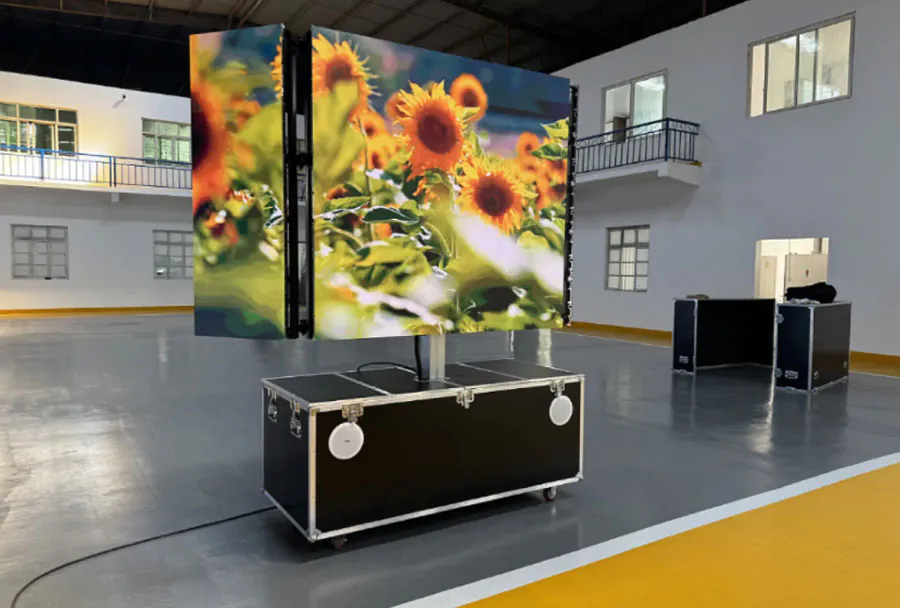
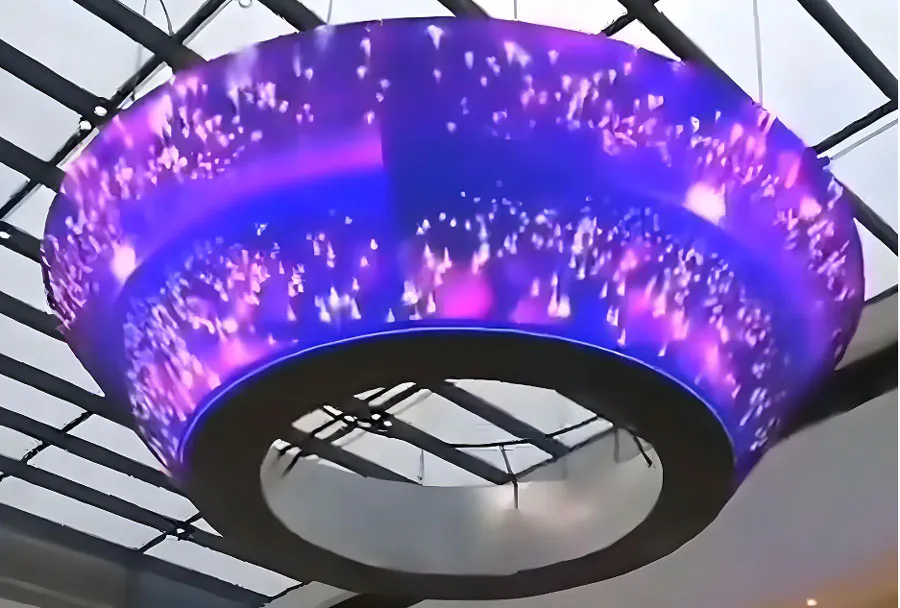
Slim signage monitors must support multiple mounting modes—landscape, portrait, wall-mount, ceiling suspension, and kiosk integration. Businesses change layouts over time, and monitors that cannot adapt become long-term constraints.
5) Stable Connectivity and Content Integration
Even the best screen is only as useful as its content pipeline. Modern signage monitors must integrate smoothly with media players, internal networks, or cloud-based content management systems. Consistent performance, reliable ports, and compatibility with widely used signage solutions are essential.
TW VISION works with business users to align these features with real-world requirements, ensuring the selected display matches not only the space but also the operating model behind it.
Use Cases: Where Slim Digital Signage Creates the Most Impact
Slim monitors have become a universal fit for many industries, but the value they deliver differs by context. Below are common business environments where slim signage has proven especially effective.
Retail and Shopping Centers
Retail depends on attention and timing. Slim digital signage monitors can highlight promotions, guide customers, reinforce brand identity, and influence purchasing decisions at key moments. Because content can be updated instantly, retailers can respond to inventory levels, seasonal campaigns, and local events without printing delays.
In premium stores, slim screens match modern interior design standards, maintaining a clean look while supporting high-resolution product visuals and storytelling content.
Corporate Offices and Commercial Buildings
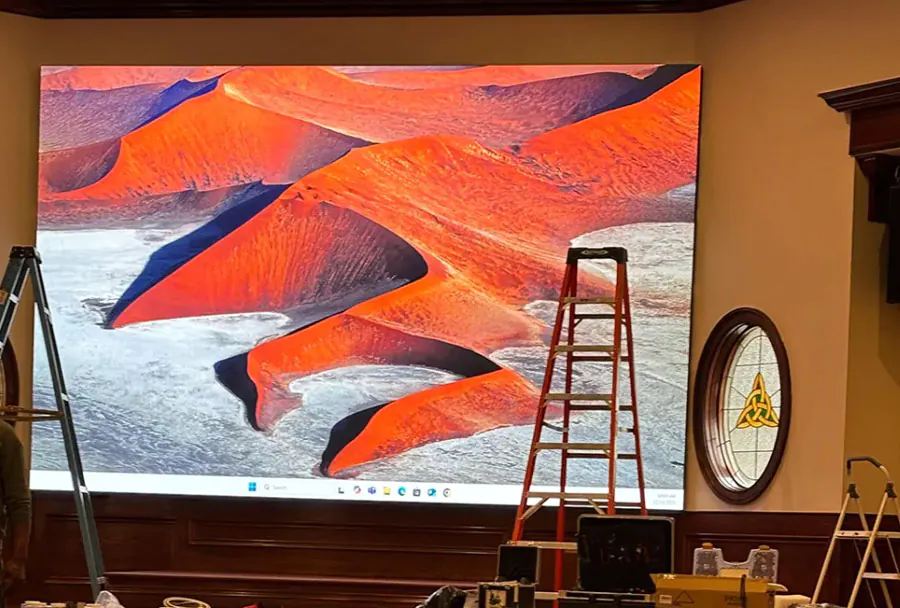
In office environments, digital signage improves communication flow: welcome screens, wayfinding, event schedules, safety notices, HR announcements, and meeting room status. Slim monitors look professional in lobbies and corridors, supporting brand presence without appearing intrusive.
For multi-tenant buildings, a signage network can streamline visitor guidance and reduce front-desk workload.
Hospitality: Hotels, Resorts, and Restaurants
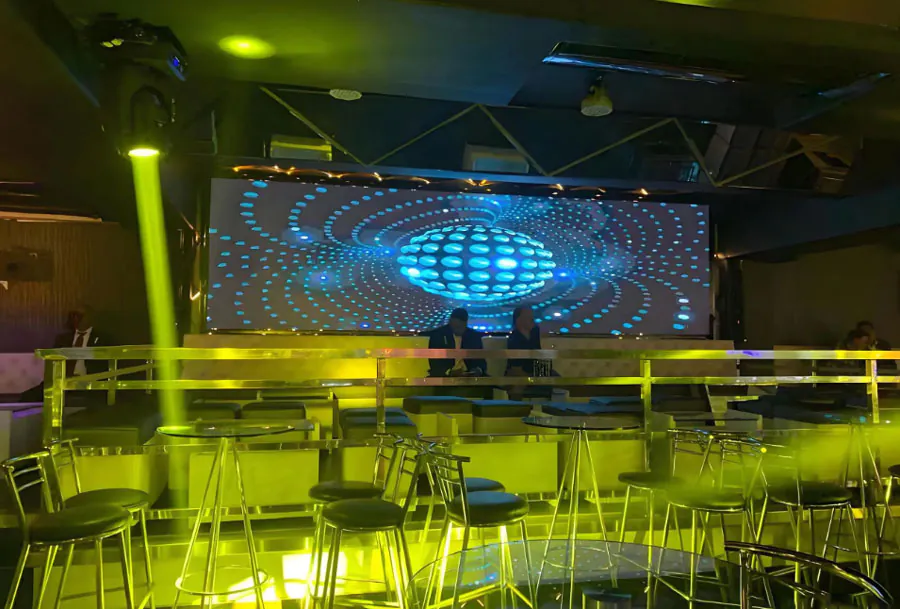
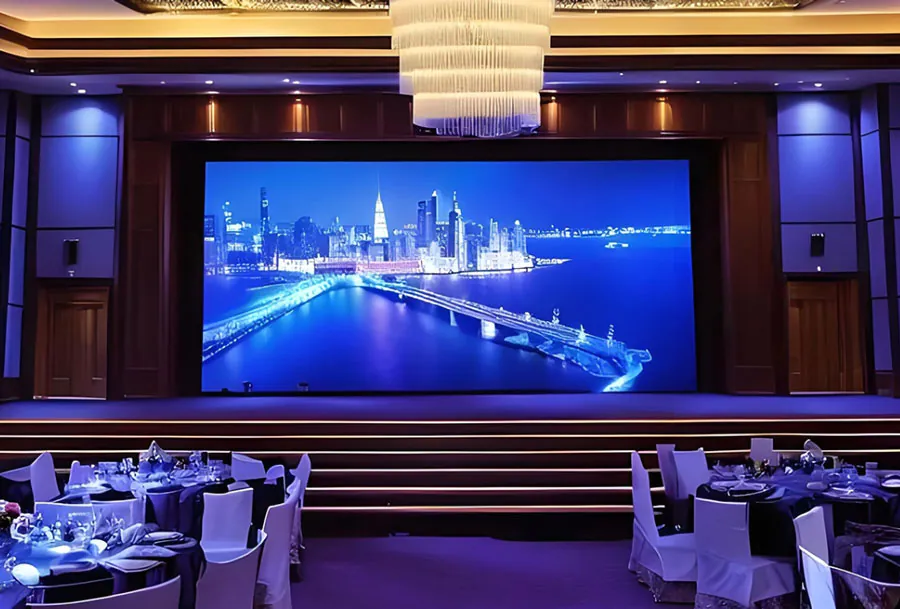
Hospitality is defined by experience. Slim signage enhances guest engagement through digital menus, event calendars, conference room guidance, loyalty promotions, and local travel recommendations. Cleanly mounted screens support a premium atmosphere, which matters greatly for hotels competing on perceived quality.
Healthcare: Clinics and Hospitals
Healthcare environments require clarity, calm, and compliance. Slim digital signage monitors can display queue information, patient guidance, public health education, and emergency instructions. By reducing confusion and supporting self-service navigation, signage can improve patient flow and satisfaction.
Transportation and Public Spaces
Airports, stations, and public halls need durable, high-visibility information displays. Slim digital signage monitors can deliver real-time schedules, alerts, wayfinding, and advertising—often in environments with high brightness demands and long runtime requirements.
Design Meets Engineering: The Hidden Advantage of Slim Displays
Slimness is not merely about aesthetics; it often signals smarter engineering. In modern signage projects, cable visibility, heat management, and maintenance access matter. A poorly planned installation can lead to tangled wiring, inconsistent performance, or frequent downtime—issues that directly impact customer experience and operational efficiency.
TW VISION emphasizes practical deployment details: choosing mounts that fit the wall structure, ensuring safe ventilation, planning cable routing, and selecting reliable power solutions. This engineering discipline matters because digital signage is not a one-time purchase—it’s an operational system that must run smoothly every day.
Content Strategy: The Monitor Is Only Half the Solution
A Slim Digital Signage Monitor for Modern Business Environments delivers value only when content is well planned. Many businesses invest in screens but underinvest in messaging structure, scheduling, and creative consistency. The result is often cluttered visuals or content that becomes repetitive and ignored.
A stronger approach includes:
– Clear content goals (inform, guide, promote, or entertain)
– Screen zoning (separating promotions, guidance, and branding)
– Time-based scheduling (morning vs. evening messaging)
– Consistent design templates (font, color, layout standards)
– Performance iteration (using sales lift or engagement feedback)
TW VISION supports businesses not only with display solutions, but also by aligning signage deployment with real operational and marketing outcomes, so the monitor becomes a measurable business tool rather than a decorative screen.
What to Consider When Selecting a Slim Digital Signage Monitor
Choosing the right display requires more than selecting a size. Modern businesses should evaluate several decision points before deployment:
Screen Size and Viewing Distance
Large screens are not always better. A corridor sign needs readability up close, while a lobby screen may need impact from far away. Correct sizing ensures legibility, comfort, and cost efficiency.
Orientation and Layout Needs
Portrait orientation is often best for wayfinding and menu-style content; landscape fits promotional video and brand storytelling. Some businesses require both across different zones.
Brightness Requirements Based on Lighting
A screen used near windows requires stronger brightness and anti-reflection design. Underestimating brightness leads to content that looks dull and ineffective.
Runtime Expectations and Reliability
If a display must run continuously, commercial-grade specifications become non-negotiable. Businesses should align hardware selection with operating hours to avoid premature wear.
Scalability Across Locations
For chains, consistency matters: same bezel style, color calibration, and management approach. Standardizing on a slim signage line reduces support complexity over time.
With TW VISION as a service provider, businesses can approach these decisions systematically, avoiding costly mismatches between hardware capability and environmental demand.
TW VISION: A Service Provider for Modern Signage Rollouts
Digital signage becomes more valuable as it becomes more consistent. A single screen can improve one corner of a business, but a well-planned signage network can unify brand identity and streamline communication across an entire organization.
TW VISION supports modern businesses by helping them:
– Select slim digital signage monitors that suit real operating conditions
– Plan deployment based on layout, safety, and aesthetics
– Ensure stable performance with appropriate commercial specifications
– Build signage systems that can expand with business growth
For companies upgrading from older displays or printed materials, TW VISION provides a practical path to modernization without sacrificing design quality.
Slim Digital Signage as a Standard for Modern Business Communication
A Slim Digital Signage Monitor for Modern Business Environments is no longer a luxury or trend—it is becoming a standard expectation in contemporary commercial spaces. Slim profiles complement modern architecture, while digital flexibility enables real-time updates, consistent branding, and operational efficiency. When chosen correctly and deployed strategically, slim digital signage monitors help businesses communicate faster, look more professional, and respond to changing needs without the friction of traditional signage.
With TW VISION as a service provider, organizations can approach digital signage not as isolated screens, but as a cohesive communication system—one that strengthens customer experience, improves internal messaging, and elevates the overall environment through intelligent, modern visual display.