Rental LED Display Screen with Fast Setup for Stage and Concert Use


In today’s live entertainment market, audiences expect more than great sound and energetic performances—they expect immersive visuals that match the rhythm, emotion, and brand identity of every show. For event organizers, production teams, and touring managers, the challenge is balancing creative ambition with real-world constraints: limited load-in time, complex stage layouts, frequent venue changes, and strict safety requirements. That’s why a rental LED display screen with fast setup for stage and concert use has become a core piece of modern event infrastructure.
As a service-oriented provider, TW VISION focuses on rental-ready LED solutions designed specifically for speed, stability, and high-impact performance. This article explores what fast-setup rental led screens are, why they matter in concerts and stage productions, and how to select and deploy them effectively.
Why Fast Setup Matters in Stage and Concert Environments
Concerts and stage events operate on tight schedules. Load-in windows can be short, especially in urban venues or shared event spaces where multiple productions overlap. A delayed LED installation can push back lighting programming, camera rehearsals, and final run-throughs—creating cascading risk for showtime.
Fast-setup rental led display systems reduce this pressure in three key ways:
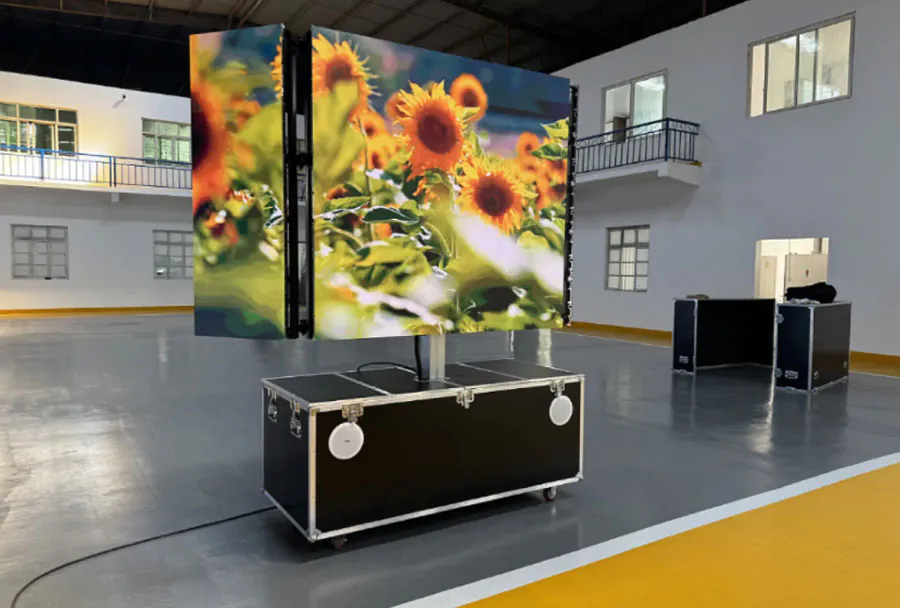
1. Shorter installation time: Efficient mechanical design, quick-lock systems, and standardized modules allow crews to build large video walls rapidly.
2. Fewer on-site errors: Modular, repeatable structures reduce alignment mistakes, cabling confusion, and configuration inconsistencies.
3. Greater touring adaptability: When a production moves from arena to theater to festival stage, quick rebuilds become essential.
For touring concerts, speed isn’t just convenience—it’s cost control. Faster setup can mean lower labor hours, reduced overtime, and improved venue compliance.
What Defines a Rental led display screen Built for Fast Setup
Not all LED screens are equally “rental-ready.” A true rental LED display screen with fast setup is engineered around repeated assembly, disassembly, and transportation. TW VISION typically emphasizes the following characteristics when configuring rental solutions for concerts and stage productions:
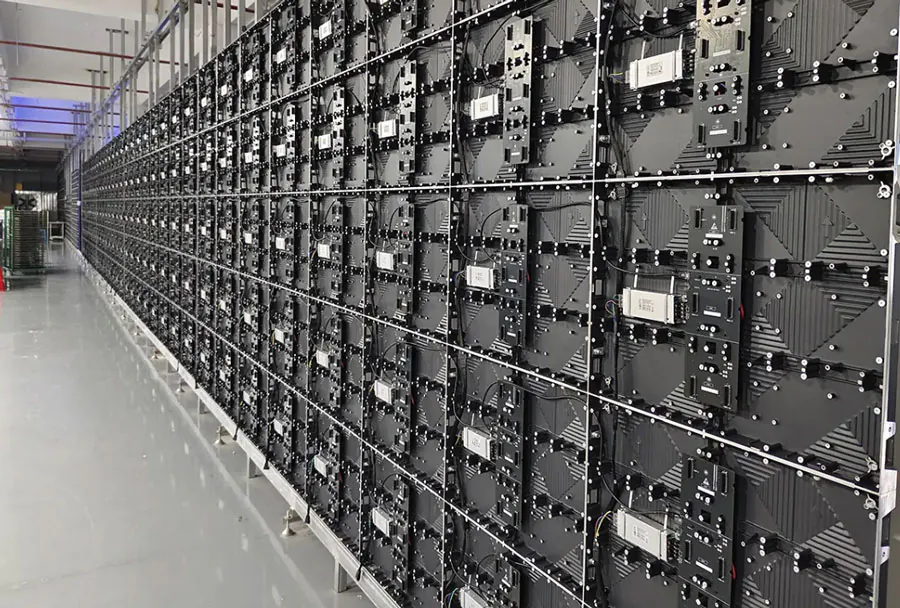
1. Quick-lock cabinet structure
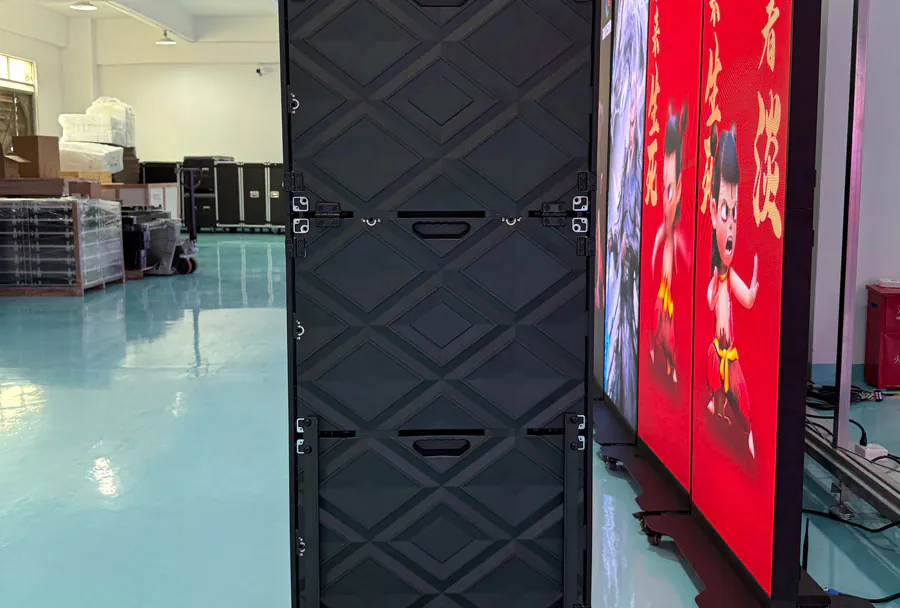
Fast-lock mechanisms help technicians connect cabinets quickly without sacrificing alignment. Proper locks ensure a seamless visual surface—especially critical for camera-facing stages where panel gaps become noticeable.
2. Lightweight yet durable cabinets
Touring requires cabinets that can withstand handling while remaining manageable for crews. Lightweight designs speed rigging and reduce fatigue, while reinforced frames protect LED modules during transport.
3. Front and/or rear serviceability
Different venues impose different access restrictions. Front-service options are useful when the screen is tightly backed against scenic elements. Rear-service is common for larger stages with backstage access. A flexible service design reduces downtime.
4. Clean cable management
Power and data cabling must be fast, organized, and secure. Rental systems that support neat cable routing and standardized connectors reduce troubleshooting time during load-in.
5. Rigging compatibility and safety features
Stage LED screens often need to be flown, stacked, wrapped, or integrated into moving set pieces. Safe rigging points, certified hardware options, and stable stacking systems are essential for compliance and crew confidence.
Common Concert and Stage Use Cases for Rental LED Screens
A fast-setup LED system is valuable because it supports a wide range of show designs. In the concert and stage market, organizers typically deploy rental LED display screens in several popular configurations:
Main upstage video wall
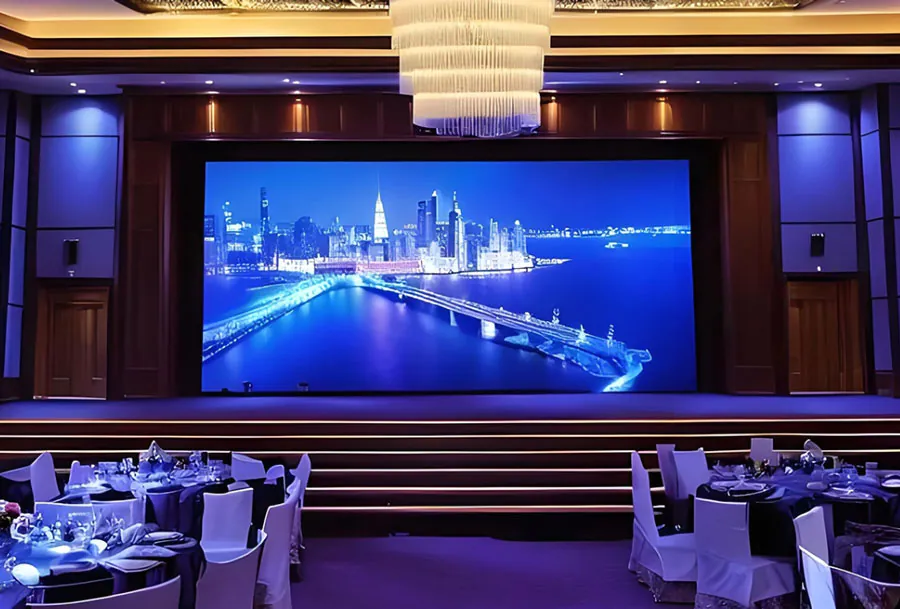
This is the visual anchor behind the performers. It can display live camera feeds, cinematic content, motion graphics, or sponsor branding. With fast setup, even large-format walls can be installed reliably under time pressure.
Side screens (IMAG)
For larger venues, side screens help audiences far from the stage see performers clearly. These screens require stable, bright displays with consistent color and minimal latency for live camera integration.
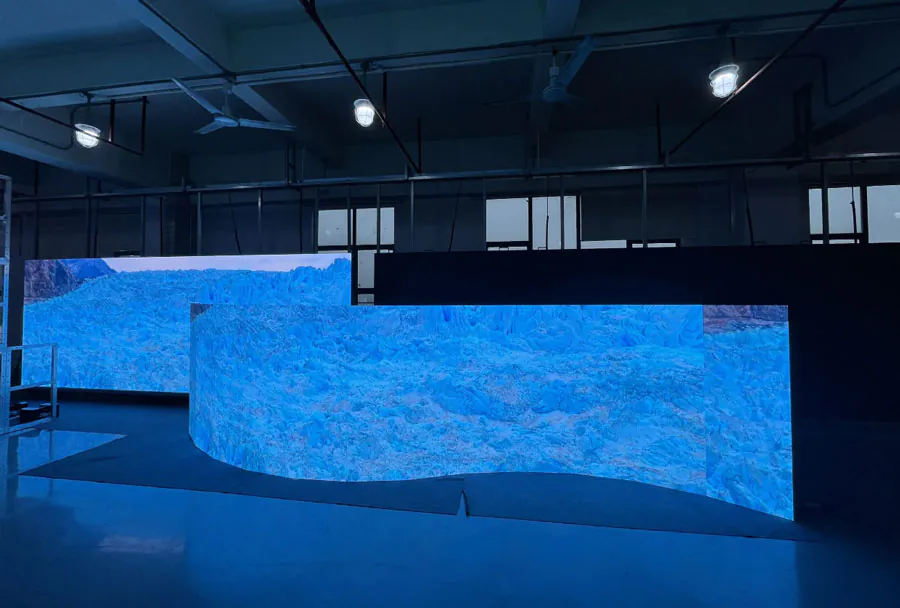
Stage floor LED and creative shapes
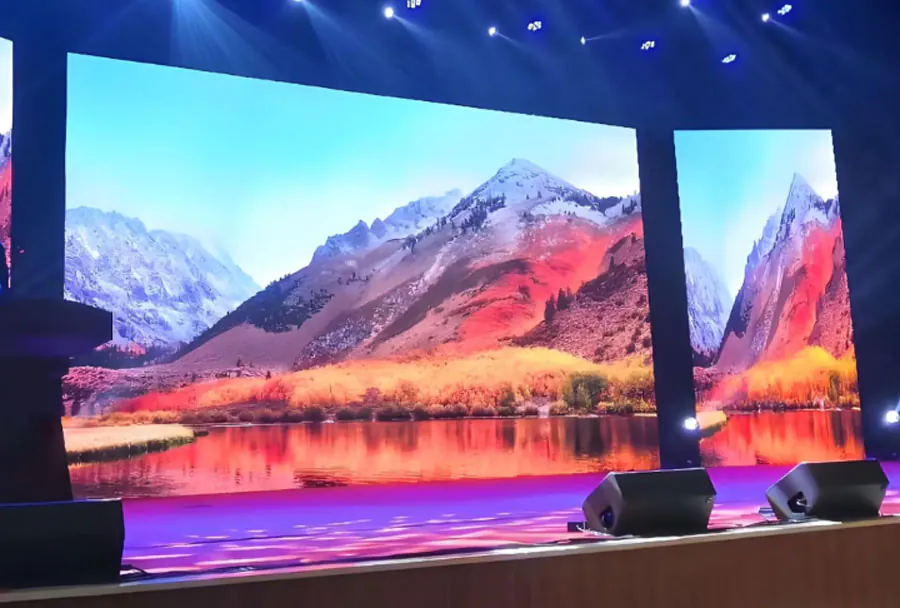
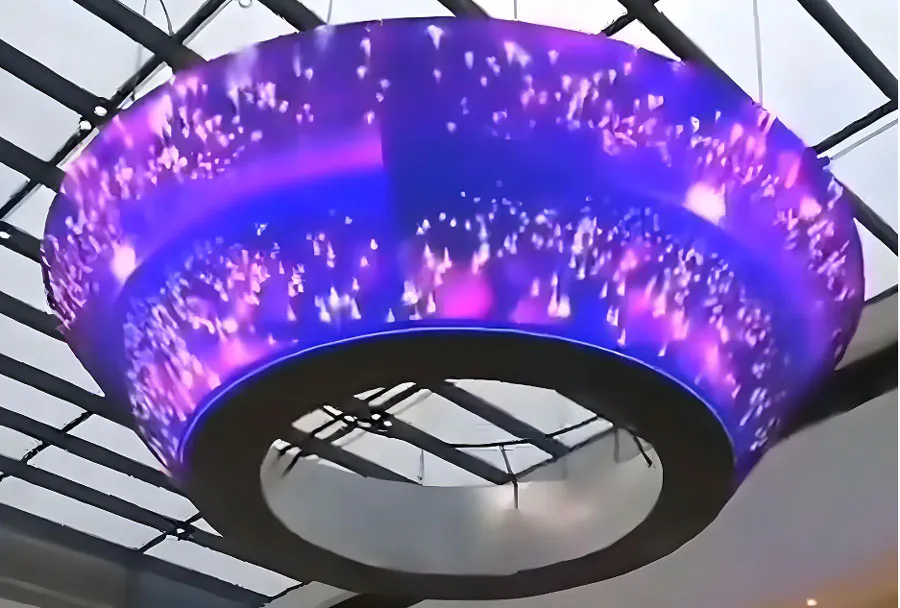
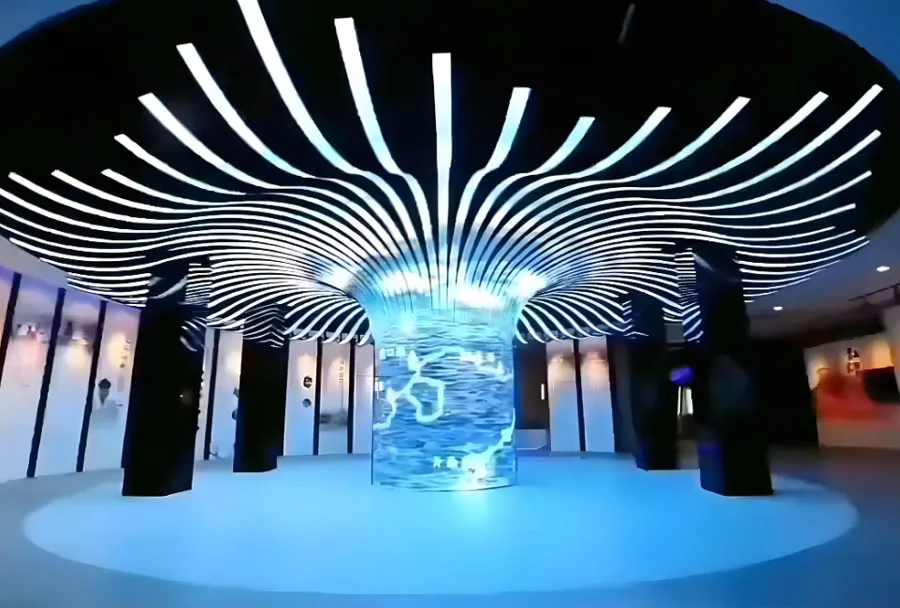
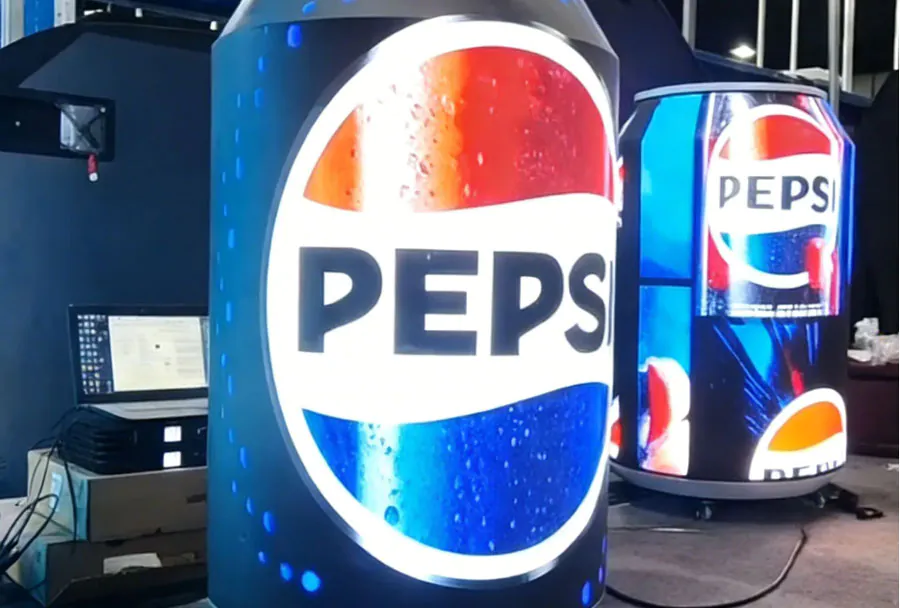
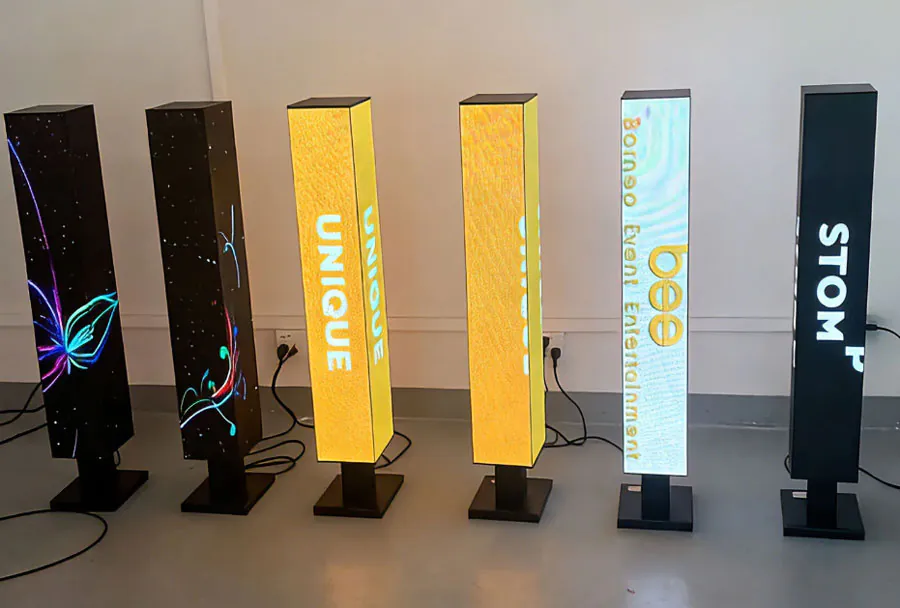
Some productions add floor displays, angled screens, columns, or curved surfaces for immersive staging. Rental systems must support flexible assembly and robust mechanics to maintain alignment under dynamic load conditions.
Festival stages and outdoor concerts
Outdoor environments introduce sunlight, weather, and long viewing distances. Rental LED screens for festivals should prioritize high brightness, reliable heat management, and rapid installation in open staging conditions.
Key Performance Requirements: What the Audience Actually Sees
Fast setup is crucial, but image quality remains the final standard. A rental LED display screen for stage and concert use must produce visuals that look impressive both to the naked eye and to professional cameras.
Brightness and contrast
Indoor venues typically need balanced brightness to avoid glare, while outdoor concerts often demand higher brightness for daylight readability. Strong contrast helps content remain vivid even with complex stage lighting.
Refresh rate and camera performance
Concerts are filmed constantly—by broadcast teams, content creators, and fans. High refresh rates reduce flicker and scan lines, ensuring stable visuals on camera.
Color consistency across panels
Large screens are built from many cabinets. If color calibration is inconsistent, viewers will notice visible patches or tint shifts. Rental-ready calibration practices help maintain uniformity.
Viewing angle
Wide viewing angles ensure consistent color and brightness across the audience area, especially in arenas or wide festival grounds.
How TW VISION Approaches Rental LED for Fast Setup
As a service provider, TW VISION typically supports clients not only with hardware, but also with planning and execution support that helps productions move quickly on-site. In a stage or concert workflow, that often includes:
– Pre-event configuration: recommending appropriate pixel pitch, cabinet type, and screen dimensions based on venue size and camera needs.
– Rigging and structure planning: ensuring the LED installation method (ground stack, truss mount, flown rigging) matches safety requirements and stage design.
– System testing before deployment: verifying power distribution, receiving cards, data mapping, and spare module readiness to reduce。
– On-site efficiency practices: standardized labeling, modular packaging, and clear installation sequences to support fast setup and strike.
For concert production teams, the best rental partner is one that understands show-day pressure. The goal is not simply delivering panels, but delivering a system that installs smoothly, performs reliably, and integrates easily with lighting and video workflows.
Choosing the Right Pixel Pitch for Concert and Stage Rentals
Pixel pitch selection affects cost, viewing distance, and camera performance. Choosing “the smallest pitch” is not always practical—especially for large tours where budget, transport volume, and installation speed matter.
General decision logic:
– Indoor stage, close audience, camera-focused: finer pixel pitch is beneficial for sharp details and close-up shots.
– Arena and large venues: mid-range pitch is often ideal, balancing resolution with cost and quick assembly.
– Outdoor festival: pitch can be larger because viewing distances are longer; brightness and durability become more important.
TW VISION typically helps clients match pitch to the venue geometry and content type—live IMAG, branded visuals, or cinematic storytelling—so the screen looks right without over-specifying.
Fast Setup Workflow: From Load-In to Showtime
A well-designed rental LED display system supports a predictable, repeatable workflow. Here is a practical overview of how fast setup usually works in stage and concert environments:
1. Site check and staging area preparation
Crew confirms power availability, rigging points, truss positions, and safe working zones. Staging the cases in the correct order speeds build time.
2. Structure and rigging installation
Depending on the design, the team installs ground stack bases, hanging bars, or truss interfaces. Safety checks happen early to avoid rework later.
3. Cabinet assembly and alignment
Cabinets are connected using quick locks, with attention to flatness and seam alignment. Correct alignment prevents visible lines on camera.
4. Power and data routing
Rental systems with standardized connectors reduce errors. Crews confirm redundancy plans where needed.
5. Mapping, testing, and calibration
Video processors, controllers, and software mapping are configured. Teams test content playback, camera feed, and backup signals.
6. Final show integration
LED visuals are synchronized with lighting cues, playback servers, and stage direction. A stable screen makes rehearsals more efficient.
In this workflow, “fast setup” is a combination of hardware design and process discipline. TW VISION’s value is often reflected in how smoothly these steps run under time pressure.
Reliability, Maintenance, and Spares: The Hidden Side of Rental Success
Concert visuals cannot fail mid-show. Rental LED screens must be prepared for real-world stress: vibration from subwoofers, temperature changes, repeated transport, and long operating hours.
A strong rental plan includes:
– Spare modules and power supplies ready on-site for quick swaps.
– Hot-swap friendly design to reduce downtime.
– Preventive testing before every deployment, including dead pixel checks and connector inspection.
– Clear troubleshooting procedures for technicians during rehearsals and performance.
Fast setup only matters if the screen remains stable after installation. Reliability is what protects the show.
Safety and Compliance in Stage Installations
LED screens on stage are often large, heavy, and elevated. Safety is non-negotiable. A rental LED solution must support proper load calculations, secure rigging, and stable stacking. Cable routing must prevent trips and power risks. In many venues, compliance documentation and professional installation practices are required before doors open.
TW VISION, as a rental-focused service provider, is positioned to help productions plan safe configurations and implement installation methods aligned with venue and event standards.
Fast Setup LED Rentals Are Now a Concert Essential
A rental LED display screen with fast setup for stage and concert use is no longer a “nice-to-have”—it is central to modern live production. Speed reduces costs, lowers operational risk, and gives creative teams more time to polish content and cues. Meanwhile, image quality, reliability, and safe deployment determine whether audiences experience the show as truly world-class.
With a service mindset and event-ready approach, TW VISION supports productions that need LED systems built for rapid installation and dependable performance—whether it’s a touring concert, a festival stage, or a high-profile indoor event. When time is tight and expectations are high, fast setup is not just a feature; it’s the difference between a stressful load-in and a confident showtime.