How to Choose a Big LED Screen for Rental Applications

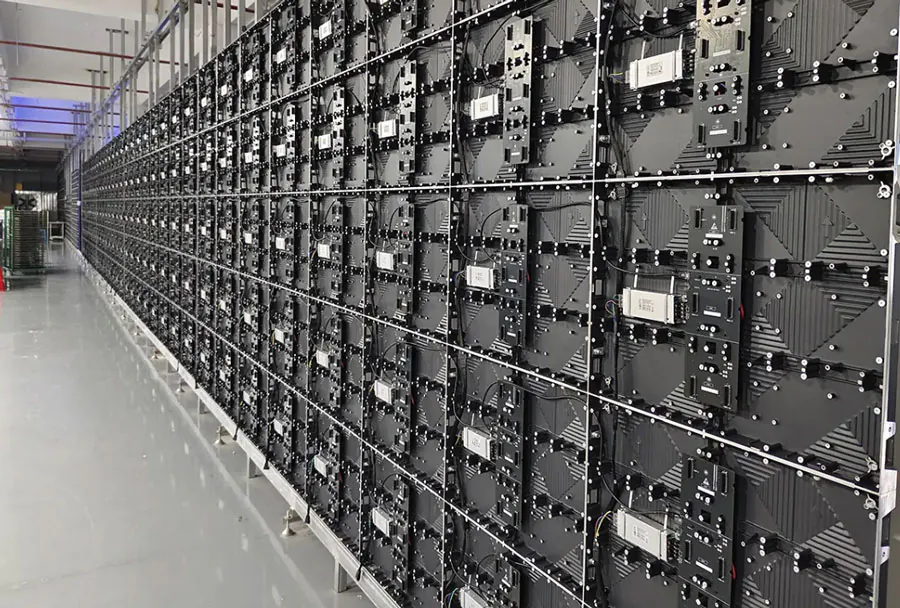
Choosing a Big LED Screen for Rental Applications requires balancing screen size, pixel pitch, brightness, power, and transport requirements. A screen that looks excellent in a showroom may be unsuitable for a bright outdoor stage, a small conference room, or a multi-day event.
Table of Contents
- 1. Start with the viewing distance
- Questions to ask rental providers
- Match screen size to the room
- 2. Match pixel pitch to the application
- Indoor versus outdoor screens
- Consider the content
- 3. Check brightness, color, and outdoor readiness
- Build a testable specification sheet
- Test color consistency
- 4. Plan power, rigging, and transport
- Protect the screen during transport
- Budget for crew and spare parts
- 5. Compare rental packages carefully
- Is a higher-resolution LED screen always better?
- Can I use an indoor LED wall outside?
- What happens if one LED panel fails during a rental?
- Is a larger screen safer for a live audience?
- How much LED screen brightness is enough for daylight?
- Conclusion
The key to how to choose a big LED screen for rental applications is to evaluate the display from the audience’s position, not from the screen’s maximum specification.
Google’s YouTube video upload specifications distinguish common 1920 × 1080 and 3840 × 2160 formats, but an LED wall’s physical size, pixel pitch, and processor still determine how those images look in person.
This guide explains how to calculate viewing distance, compare indoor and outdoor specifications, plan power and rigging, and protect your rental investment. Understanding how to choose a big LED screen for rental applications helps you avoid oversized equipment, unsuitable displays, and unexpected costs.
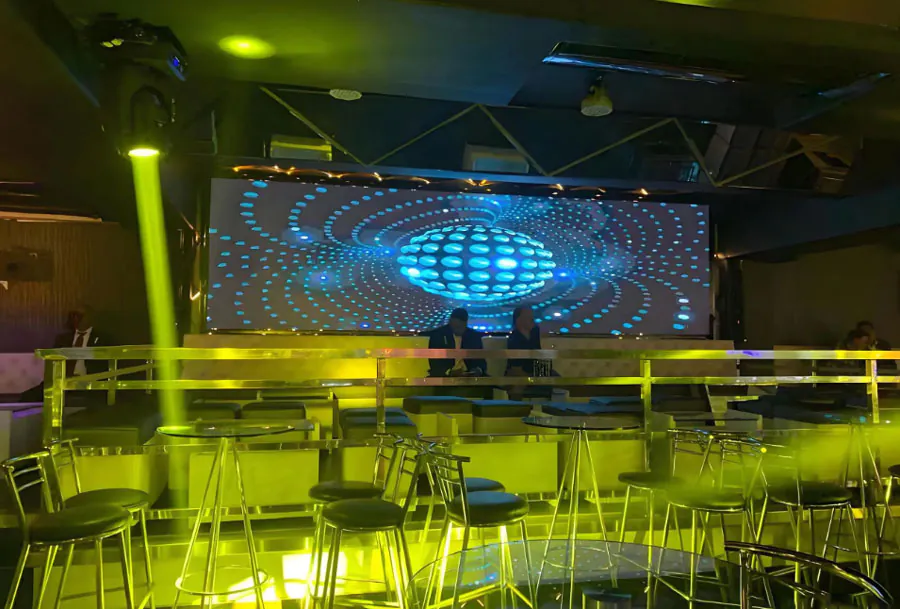
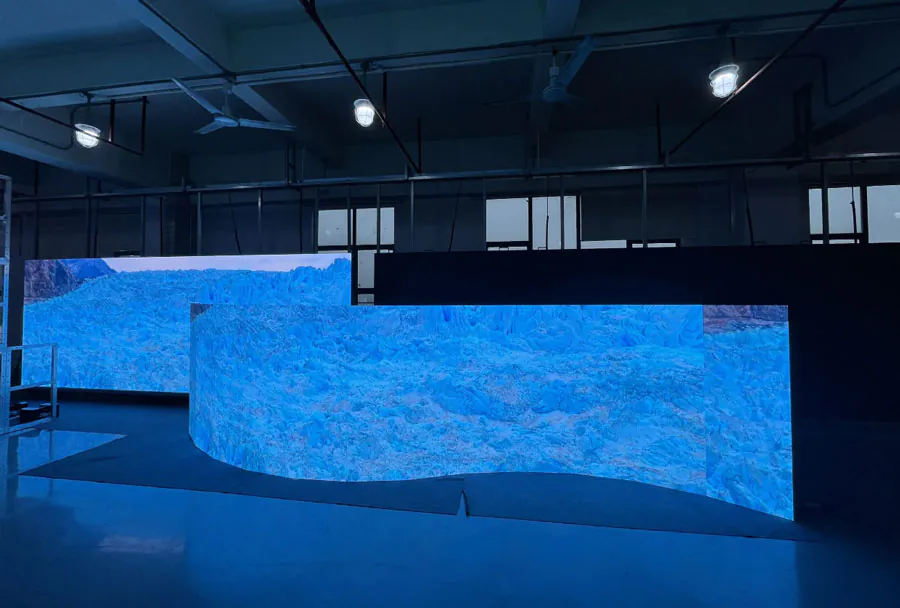
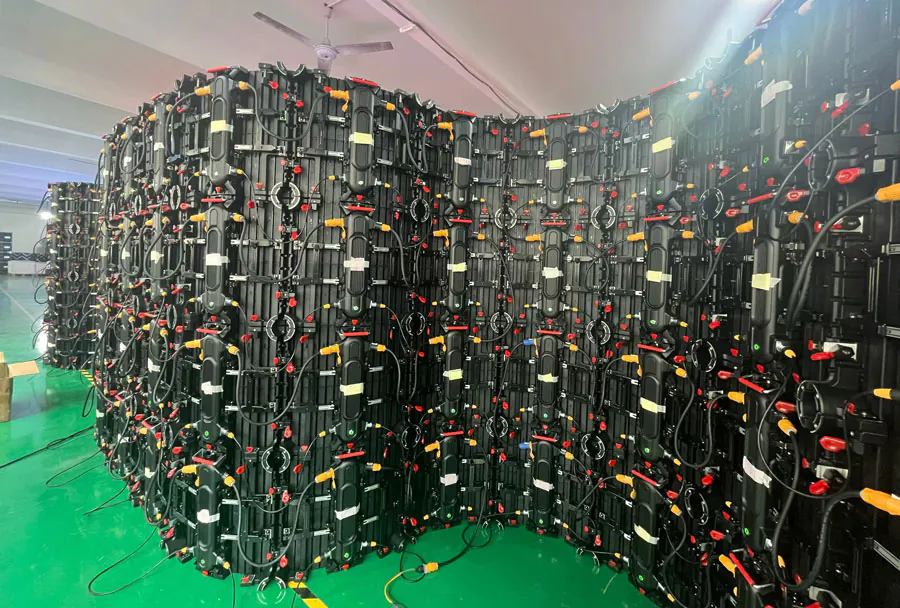
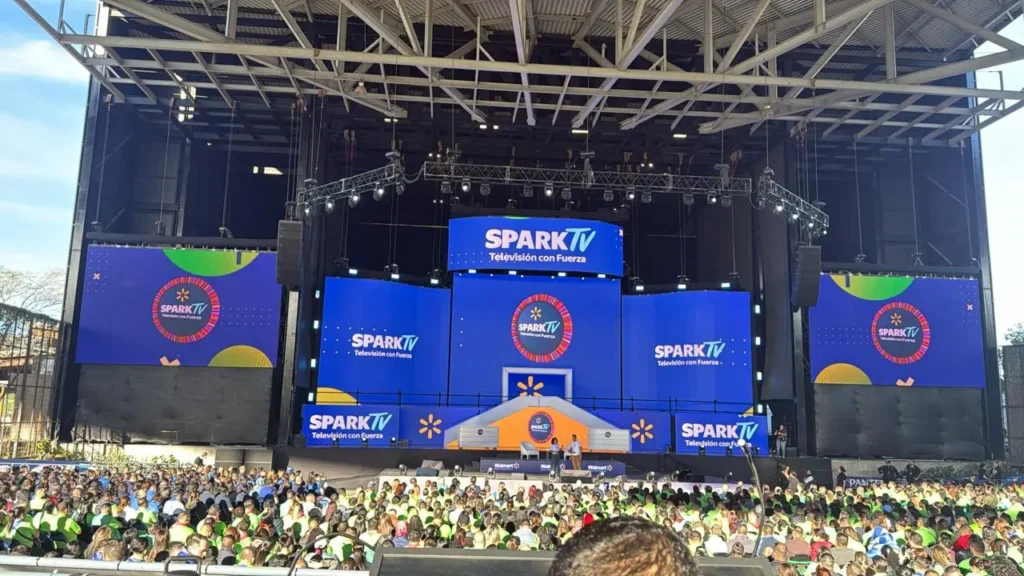
LED rental usage video wall make by TW VISION-Use for rental and live shows.
1. Start with the viewing distance
Start with the viewing distance, because a big LED screen is not automatically the right choice for every audience. This first step is central to how to choose a big LED screen for rental applications. Estimate the farthest viewer position, then choose a pixel pitch that keeps the image recognizable at that distance.
The target depends on the content, viewing angle, venue size, and whether close-up viewing will occur.
Pixel pitch is the distance between the centers of two neighboring LEDs. A smaller pitch usually produces a sharper image, but it may cost more, use more power, and require more processing capacity. A larger pitch can work well for long viewing distances or large text.
This relationship is one reason why how to choose a big LED screen for rental applications must begin with distance.
A practical starting rule is to calculate a maximum viewing distance by multiplying the screen’s pixel pitch in millimeters by a distance factor chosen for your event. Treat this as a planning guide, not a guarantee, because lighting, image quality, and audience movement affect the result.
When you document this calculation, you are practicing how to choose a big LED screen for rental applications based on measured needs.
How to apply this: Measure the farthest audience position before requesting screen proposals, then record that distance beside each candidate screen’s pixel pitch.
Questions to ask rental providers
Ask whether the screen is being quoted as a complete video wall or only as LED panels. Confirm the pixel pitch, panel dimensions, refresh capability, processing system, and whether the quoted price includes flight cases, cables, and spare panels. This checklist supports how to choose a big LED screen for rental applications without missing hidden costs.
Match screen size to the room
A wide wall is not always more effective than a smaller wall placed at the correct height. Calculate the screen area from the stage geometry, viewing angle, and required readability instead of choosing by physical size alone. The display should fill the useful viewing area without creating excessive empty pixels or requiring an unnecessarily complex frame.
This room-focused approach is part of how to choose a big LED screen for rental applications.
For a wide audience, consider whether the content is designed for an ultra-wide aspect ratio. If it is not, stretching standard material can make text and people look distorted. Confirm whether the rental company provides a scaler, media player, or processor that supports the required source format.
How to apply this: Ask the supplier for a screen drawing showing the panel count, total active area, aspect ratio, and viewing-angle limits before approving the rental.

2. Match pixel pitch to the application
Pixel pitch is one of the most important specifications for how to choose a big LED screen for rental applications. A close-viewed stage requires finer pixels than a large outdoor audience area, while a screen viewed from several meters away may be suitable with a larger pitch.
The resolution also matters. Google lists 1920 × 1080 as a common high-definition format and 3840 × 2160 as a 4K format in its YouTube upload guidance. Those source dimensions do not automatically mean that every LED panel has native 4K resolution.
When evaluating how to choose a big LED screen for rental applications, ask whether the media processor can preserve the source image across the complete panel arrangement.
Indoor versus outdoor screens
Indoor screens generally need accurate color reproduction, controlled brightness, and low noise for nearby viewers. Outdoor screens must deliver enough brightness to compete with sunlight, so they may use higher-output panels and a weather-conscious enclosure. This indoor-versus-outdoor split is a key factor in how to choose a big LED screen for rental applications.
Brightness claims should be compared using the same measurement method. Do not rely on a single “maximum brightness” number. Review the manufacturer’s technical datasheet, viewing conditions, calibration process, and warranty terms.
How to apply this: For an indoor event, request calibrated colors and a low-noise ventilation plan; for outdoor use, request a documented brightness target and weather-protection details.
Consider the content
Text-heavy presentations, product demonstrations, and live camera feeds benefit from finer pixel pitch. Large logos, stage washes, and simple motion graphics may remain clear at a larger pitch. Test the final content rather than judging the screen with only colorful test patterns.
Testing final content is one of the most practical parts of how to choose a big LED screen for rental applications.
A rental company should be able to explain how the processor handles camera feeds, media servers, and simultaneous sources. It should also identify any restrictions on resolution, refresh rate, or scaling.
How to apply this: Send a copy of your final content to the provider and ask them to confirm which screen resolution and processing settings will be used on site.
3. Check brightness, color, and outdoor readiness
An LED screen must remain readable under the lighting conditions expected during the event. Indoor venues may require enough brightness to overcome stage washes, while outdoor screens need to remain visible in daylight and during changing weather. This environmental check is essential to how to choose a big LED screen for rental applications.
The phrase “big LED screen” can describe several different products. Some rental packages use indoor panels, some use outdoor-rated panels, and others combine different panel types for a temporary event. To know how to choose a big LED screen for rental applications, compare the physical product specifications, not just the rental company’s marketing language.
Build a testable specification sheet
Request the panel’s native resolution, pixel pitch, maximum power consumption, operating temperature range, protection rating, refresh capability, and calibration options. These specifications help you compare competing systems and identify hidden costs.
The International Electrotechnical Commission explains that ingress protection ratings describe protection against solids and water. A provider should therefore be able to identify the relevant rating for any outdoor enclosure, cable connection, or processing equipment rather than claiming that every component is weatherproof.
This comparison sheet is one practical tool for how to choose a big LED screen for rental applications.
How to apply this: Create a one-page comparison sheet and ask each supplier to fill in the same fields, including accessories and environmental limits.
Test color consistency
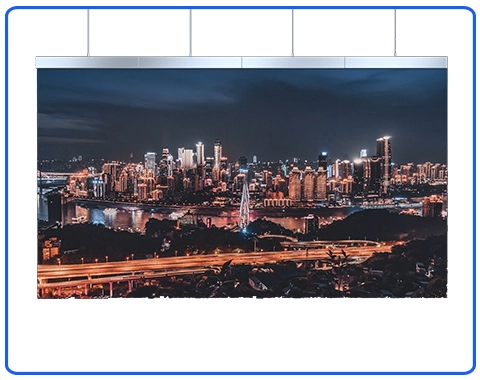
Large walls can show visible differences between panels. Calibration can reduce those differences, but only if the supplier performs the process properly. Ask whether calibration is included and whether there is a backup calibration file for the replacement panels. Color consistency checks are another part of how to choose a big LED screen for rental applications.
For camera use, request sample photographs or a live feed. A screen that looks vivid to the eye may not reproduce skin tones accurately on a broadcast feed. Blackmagic Design provides media playback, conversion, and video infrastructure products that can be relevant to the signal workflow, although the rental provider should specify the exact products used.
How to apply this: Send representative photos and video through the proposed playback chain and compare the result with the expected screen image before the event.
4. Plan power, rigging, and transport
Power and logistics can cost more than the LED panels themselves. A rental screen must fit through doors, stairs, elevators, loading docks, and hallways. It also needs a safe support structure, power distribution, signal cables, and enough trained crew for setup and teardown.
Ignoring these factors is a common mistake in how to choose a big LED screen for rental applications.
Calculate the screen’s maximum power draw using the supplier’s technical data, then add the media processor, playback equipment, distribution units, and safety margin. Do not use a household extension arrangement for a production wall. Electrical requirements should be reviewed by the venue and the rental company.
A complete power plan supports how to choose a big LED screen for rental applications without overloading venue circuits.
Protect the screen during transport
Flight cases, corner protection, panel locks, and spare modules matter when a screen will be moved repeatedly. Transport protection is often overlooked in how to choose a big LED screen for rental applications, but it affects reliability. Confirm whether replacement panels are included and whether the rental company supplies field-service support during the event.
For lifting and structural work, follow the venue’s rules and qualified rigging procedures. The Occupational Safety and Health Administration states: “Employers must provide a workplace free from recognized hazards.” That principle applies to suspended displays, temporary structures, electrical systems, and work areas.
How to apply this: Send the venue’s floor plan, loading dimensions, ceiling details, and power location to the rental company before signing the equipment order.
Budget for crew and spare parts
A bare panel quote may omit rigging, labor, electrical distribution, signal cables, flight cases, spare panels, and on-site technicians. Ask for an itemized quote so that you can compare complete packages rather than headline prices. An itemized quote is a practical way to apply how to choose a big LED screen for rental applications to total cost.
For a multi-city tour, discuss spare inventory, transport procedures, insurance, and failure-response terms. A local rental partner may offer useful support, but the contract should still define who is responsible for damage, replacement parts, and downtime.
How to apply this: Add labor, transport, insurance, spare panels, and technical support to the written quote before comparing suppliers.
5. Compare rental packages carefully
Compare rental packages using the complete system, not the number of panels. Two screens with the same physical size can differ in pixel pitch, brightness, color consistency, processing capacity, warranty, and support. This system-level view is exactly how to choose a big LED screen for rental applications without being misled by panel count.
| Item | What it tells you | Action to take |
|---|---|---|
| Pixel pitch | Expected detail and viewing distance | Compare against the farthest audience position |
| Panel count | Physical size and spare-part needs | Confirm total dimensions and active area |
| Processing system | Source, resolution, and scaling limits | Request supported formats and signal paths |
| Brightness | Suitability for indoor or outdoor use | Ask for measured specifications |
| Weather protection | Suitability for outdoor deployments | Verify the relevant enclosure rating |
| Support | Setup, repairs, and replacement parts | Confirm response times and coverage |
A provider may also use Display.js for browser-based content deployment or NOVASTAR for LED display processing and control. These are examples of relevant technologies, not automatic endorsements; the final system must still match your media, control, and reliability requirements. Matching the final system to your content is part of how to choose a big LED screen for rental applications.
Review contracts carefully. Confirm delivery time, setup hours, operator responsibility, damage liability, cancellation terms, insurance, weather contingencies, and what happens if a panel or processor fails. Also ask whether the proposed brightness and color settings may be adjusted during the event. Contract review is a final step in how to choose a big LED screen for rental applications.
How to apply this: Mark every included accessory and responsibility in the contract, then obtain at least two comparable written quotations before making a decision.
Frequently Asked Questions About How to Choose a Big LED Screen for Rental Applications
Is a higher-resolution LED screen always better?
No. A higher-resolution wall can improve detail, but it may also increase cost, power use, processing requirements, and setup complexity. Choose the resolution based on viewing distance and content rather than the largest number alone. This is a common question in how to choose a big LED screen for rental applications.
How to apply this: Ask the provider to show the proposed resolution at the actual viewing distance before approving an upgrade.
Can I use an indoor LED wall outside?
Only if the panel, enclosure, electrical connections, and support system are rated and configured for the expected conditions. Indoor equipment can fail when exposed to rain, moisture, direct sunlight, or wind. This decision is part of how to choose a big LED screen for rental applications because indoor and outdoor ratings are not interchangeable.
How to apply this: Require a written outdoor-use assessment from the supplier and venue, including weather contingencies.
What happens if one LED panel fails during a rental?
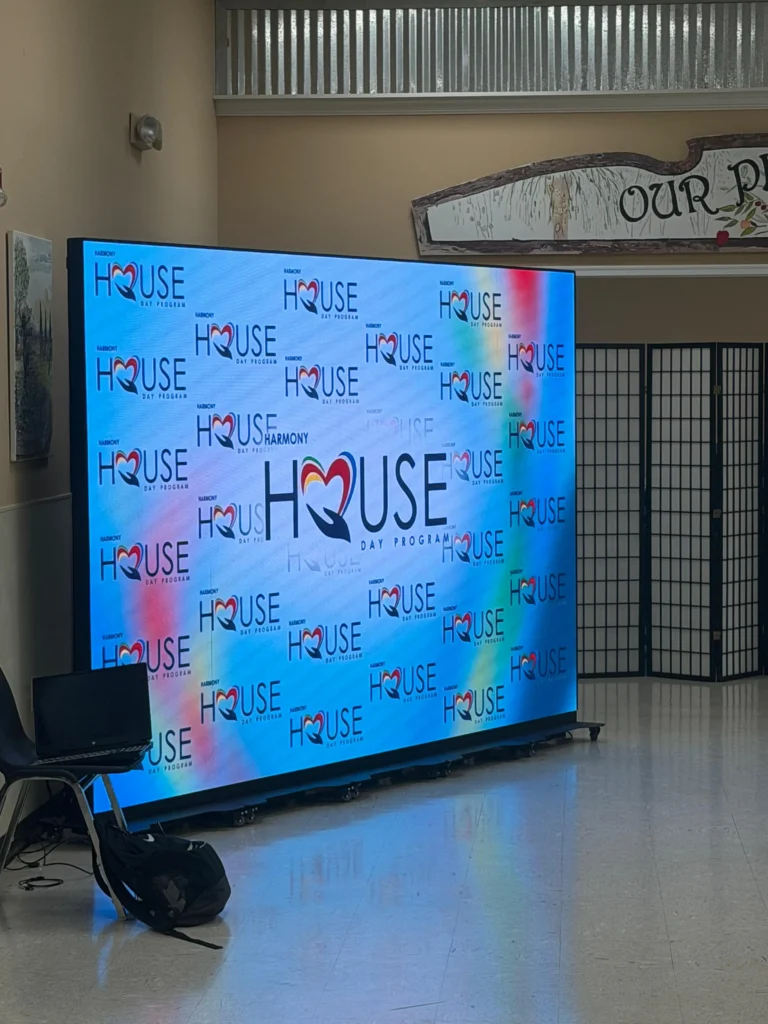
The result depends on the wall’s control system and the rental contract. Some systems can bypass or redistribute failed areas, while others require a technician and replacement panel. Failure planning should be included in how to choose a big LED screen for rental applications.
How to apply this: Confirm spare-parts inventory, failure-response time, technician access, and whether downtime costs are covered.
Is a larger screen safer for a live audience?
A larger screen is not automatically safer. It may require heavier frames, more power, larger transport access, and more complex rigging. Safety depends on installation quality and venue requirements. Safety is a non-negotiable factor in how to choose a big LED screen for rental applications.
How to apply this: Ask for certified structural calculations or approved rigging documentation and verify that the venue permits the planned setup.
How much LED screen brightness is enough for daylight?
There is no single brightness answer because ambient light, screen angle, content, and viewing distance change the result. Compare like-for-like specifications and evaluate the actual content. Brightness evaluation is one more component of how to choose a big LED screen for rental applications.
How to apply this: Request a daylight viewing test or a documented brightness plan that reflects the event schedule and site conditions.
Conclusion
Reliable rental screen selection depends on several matching decisions:
– Measure the venue: Record viewing distance, access routes, power locations, and available rigging space.
– Choose suitable detail: Match pixel pitch and resolution to the audience distance and content type.
– Verify real-world performance: Check brightness, color calibration, processing limits, and weather protection.
– Protect the investment: Include transport, labor, spare panels, insurance, and on-site support in the written package.
Understanding how to choose a big LED screen for rental applications helps you compare complete systems rather than relying on screen size or headline specifications. The next step is to request an itemized proposal for every shortlisted package, then test the proposed screen with your actual content before signing the rental agreement.
Related Articles
- Outdoor LED Screen Houston: Buy, Rent, Install: Expert Guide
- mobile led screen rental: 5 Best for Events and Promotions
- rgb led screen panel: A Complete Guide