

rgb led screen panel: A Complete Guide

Introduction
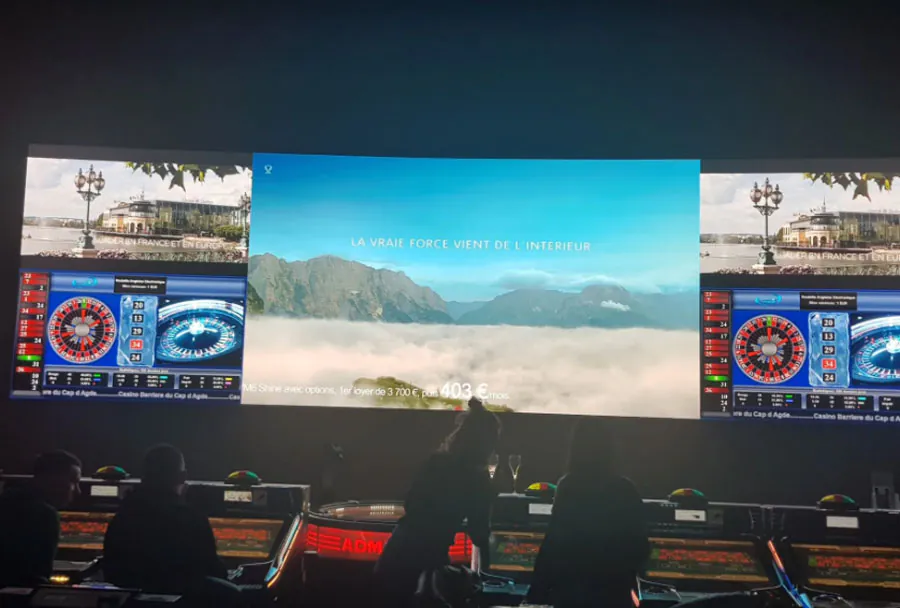
An rgb led screen panel is one of the most versatile display solutions used in advertising, events, retail spaces, control rooms, and entertainment venues. Businesses choose this technology because it delivers vibrant colors, strong brightness, energy efficiency, and flexible installation options. Whether you need an indoor video wall or a weather-resistant outdoor display, understanding how these panels work can help you make a better buying decision.
Table of Contents
- Introduction
- What Is an rgb led screen panel and How Does It Work?
- Key Features to Look for in an rgb led screen panel
- Pixel Pitch
- Brightness
- Refresh Rate
- Viewing Angle
- Durability and Protection Rating
- Energy Efficiency
- Front or Rear Maintenance
- Applications and Benefits of an rgb led screen panel
- Retail and Shopping Centers
- Advertising and Outdoor Media
- Events and Entertainment
- Corporate and Control Rooms
- Transportation and Public Information
- Main Benefits
- How to Choose the Best rgb led screen panel for Your Needs
- Installation, Maintenance, and Cost Factors of an rgb led screen panel
- Installation Considerations
- Maintenance Needs
- Cost Drivers
- Lifespan and Value
- FAQ About rgb led screen panel
- What is an rgb led screen panel used for?
- How do I choose the right rgb led screen panel?
- Is an rgb led screen panel good for outdoor use?
- How long does an rgb led screen panel last?
- What affects the price of an rgb led screen panel?
- Conclusion
Today, demand for high-performance digital displays continues to grow as brands look for more engaging ways to communicate with audiences. From pixel pitch and resolution to durability and maintenance, several factors affect performance and value. This guide explains everything you need to know before investing in an led wall, including features, applications, pricing factors, installation tips, and common questions buyers often ask.
What Is an rgb led screen panel and How Does It Work?
It is a digital display module made of red, green, and blue light-emitting diodes. These three colors combine at different intensity levels to create a full spectrum of colors, enabling the display to show images, videos, animations, and text with impressive clarity. Because of this color-mixing process, LED displays can produce vivid content that attracts attention in both indoor and outdoor environments.
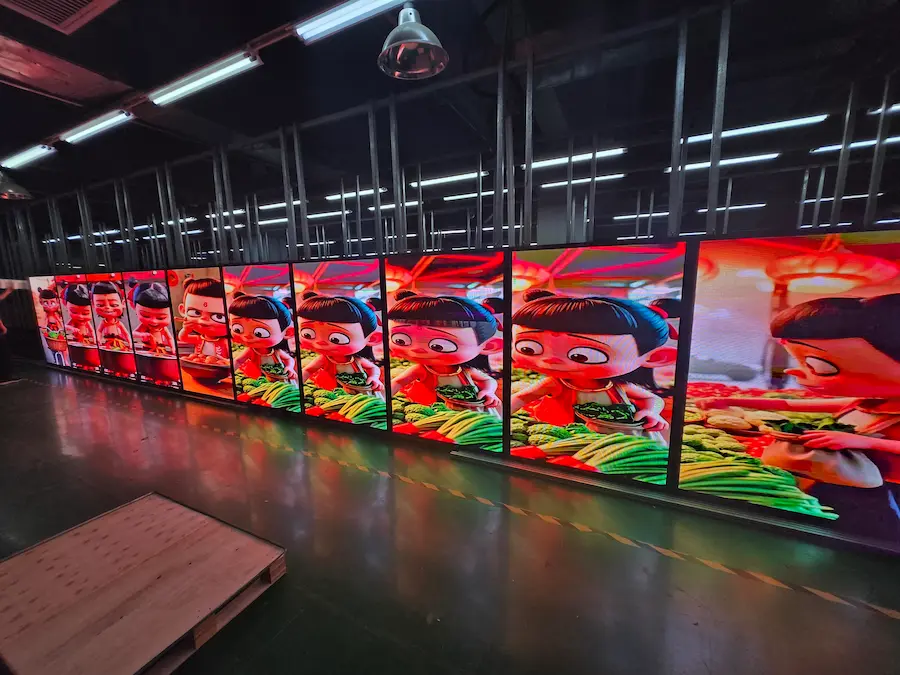
Each panel contains clusters of LEDs arranged in pixels. The control system sends signals to these pixels, adjusting brightness and color output in real time. When many panels are connected together, they form a larger LED screen capable of displaying high-resolution content. This modular design is one of the biggest advantages of an led screen panel, since businesses can customize screen size and shape based on the installation area.
There are two main categories of LED panels: indoor and outdoor. Indoor models are designed for closer viewing distances and often feature finer pixel pitch for sharper detail. Outdoor models prioritize higher brightness, weather resistance, and durability to withstand rain, sun, dust, and temperature changes. In both cases, the core purpose of it is to deliver dynamic visual communication with excellent impact.
Another important component is the driver IC and control software. These systems manage refresh rate, grayscale, contrast, and synchronization. A quality display setup ensures smooth playback, reduced flicker, and better color consistency. For advertising campaigns, concerts, exhibitions, and public information systems, this technology provides far greater flexibility than traditional printed signage.
Because the display is modular, maintenance is usually easier as well. If one section fails, technicians can often replace a single module instead of the entire screen. This makes the the approach a practical option for organizations seeking scalable and long-term digital display solutions.
Key Features to Look for in an rgb led screen panel
Choosing the right led screen panel requires evaluating technical specifications as well as practical use conditions. Not every panel is built the same, and the ideal choice depends on viewing distance, content type, environment, and budget.
Pixel Pitch
Pixel pitch refers to the distance between the center of one pixel and the next, measured in millimeters. Smaller pixel pitch means higher pixel density and sharper image quality at close viewing distances. For indoor meeting rooms, studios, and retail stores, fine pixel pitch panels are often the best choice. For billboards or large outdoor installations, a larger pitch may be sufficient.
Brightness
Brightness is measured in nits. Indoor displays typically require lower brightness levels, while outdoor applications need significantly higher brightness to remain visible in direct sunlight. A reliable this should provide the appropriate brightness without sacrificing color performance or energy efficiency.
Refresh Rate
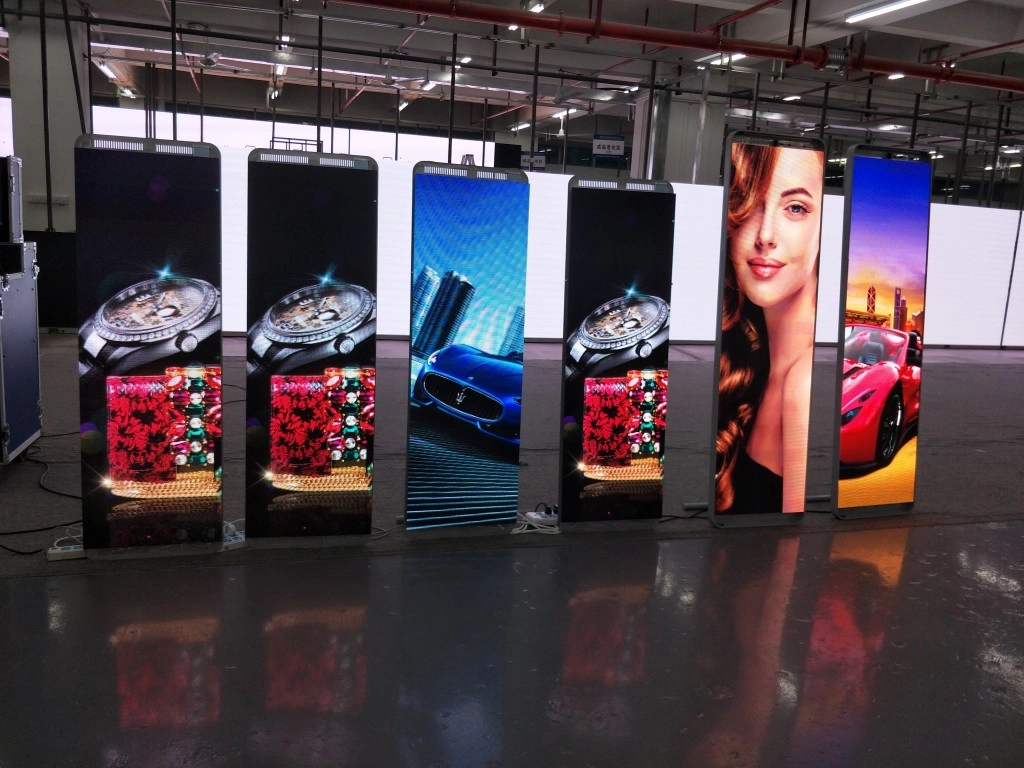
A high refresh rate is essential for smooth video playback and camera-friendly performance. This is especially important for live events, broadcast studios, and stages where screens are frequently filmed. Low refresh rates may cause flickering on camera, reducing content quality.
Viewing Angle
A wide viewing angle helps ensure the display remains clear and colorful from different positions. This feature is important in shopping malls, airports, trade shows, and event venues where audiences view the screen from multiple directions.
Durability and Protection Rating
For outdoor use, weather resistance is critical. Buyers should check the IP rating, cabinet material, and thermal management system. A strong these designed for outdoor applications should resist moisture, dust, wind, and UV exposure while maintaining stable operation.
Energy Efficiency
Modern LED displays are often more energy-efficient than older display technologies. Still, efficiency varies by manufacturer and panel design. Lower power consumption can reduce long-term operating costs, especially for large installations running many hours per day.
Front or Rear Maintenance
Maintenance access matters during installation planning. Some spaces only allow front service, while others support rear access. Understanding this requirement in advance can save time and reduce service complexity later.
By focusing on these core features, buyers can narrow their options and select an they that aligns with their performance goals and environment.
Applications and Benefits of an rgb led screen panel
The popularity of the led screen panel comes from its adaptability across many industries. It can serve branding, communication, entertainment, information delivery, and customer engagement purposes all at once.
Retail and Shopping Centers
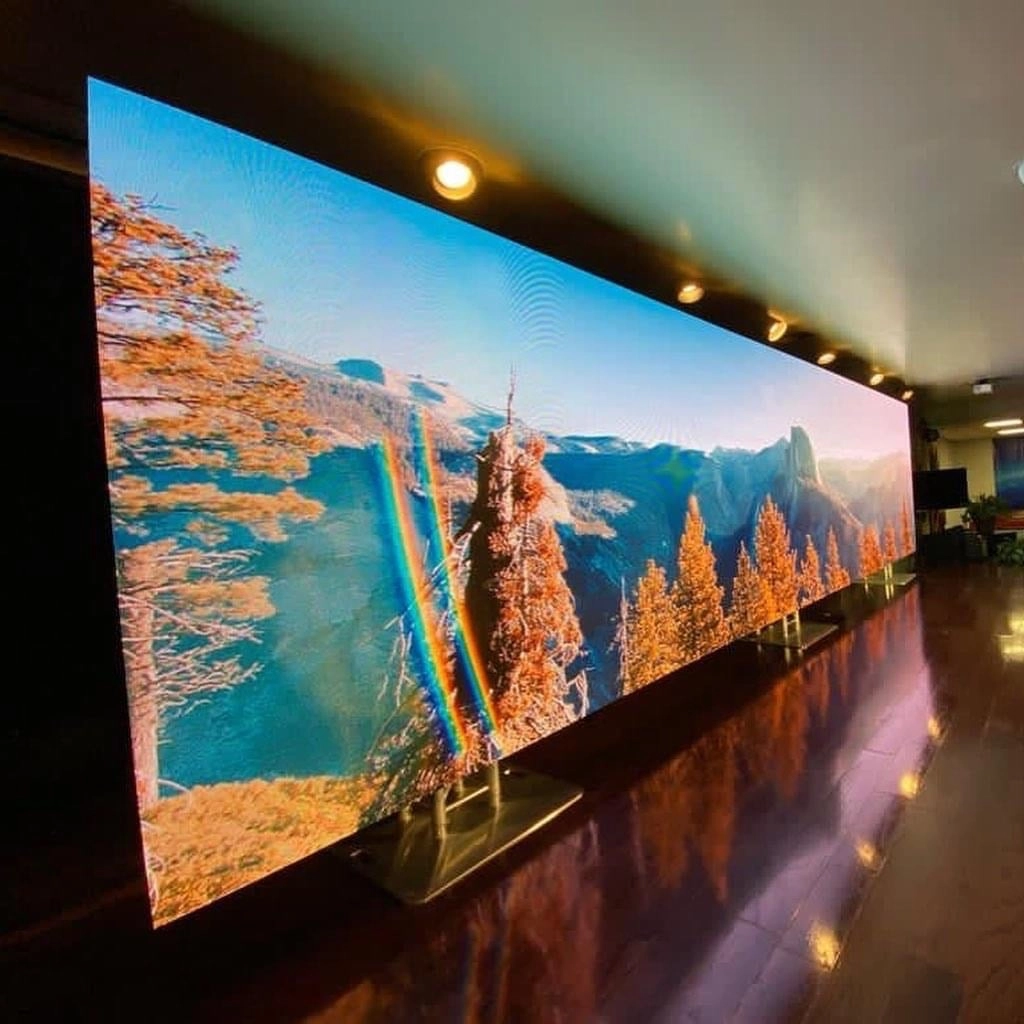
Retailers use LED displays to attract attention, promote offers, and improve in-store experiences. A bright and vibrant screen in a storefront window can increase foot traffic, while interior installations can showcase product videos and brand storytelling. In competitive retail environments, digital displays help businesses stand out.
Advertising and Outdoor Media
Outdoor billboards remain one of the most common uses for LED technology. A large the approach can display rotating ads, motion graphics, and real-time campaign updates. Unlike static signage, digital billboards allow advertisers to manage multiple messages from one location, increasing flexibility and revenue potential.
Events and Entertainment
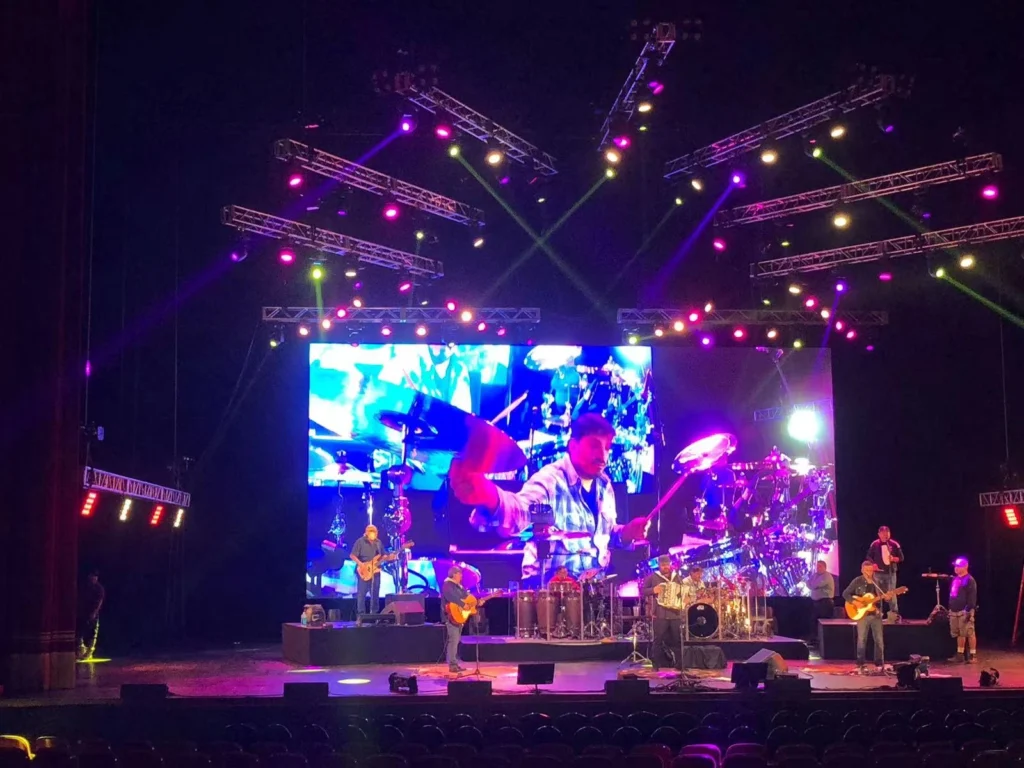
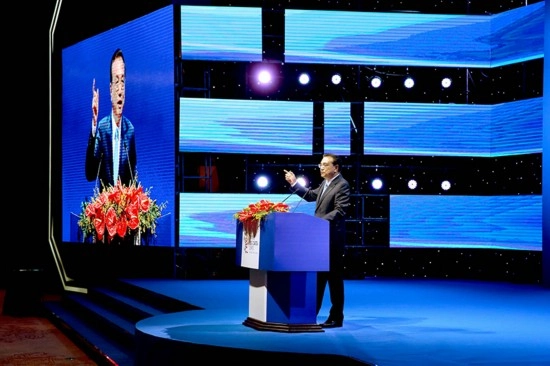
Concerts, trade shows, conferences, and sports events rely on LED screens for stage backdrops, live feeds, sponsor content, and immersive visual effects. Because panels are modular, event organizers can build creative shapes and large video walls that match production requirements.
Corporate and Control Rooms
In corporate lobbies, boardrooms, and control centers, LED displays provide a modern and professional communication platform. Companies use them for branding, presentations, dashboards, and monitoring systems. The scalability of an led video wall makes it useful for everything from compact meeting spaces to mission-critical operations centers.
Transportation and Public Information
Airports, train stations, bus terminals, and city centers benefit from LED displays that share schedules, directions, alerts, and service messages. These settings require reliable performance, clear readability, and continuous operation.
Main Benefits
The main advantages of LED display technology include high brightness, excellent color reproduction, long lifespan, modular expansion, and better visibility compared with many traditional display formats. In addition, a well-designed this can support remote content updates, helping organizations react quickly to marketing opportunities or operational changes.
Another major benefit is audience engagement. Motion graphics and video naturally capture attention more effectively than printed posters. This makes LED displays a powerful tool for brand awareness, promotions, and interactive experiences.
How to Choose the Best rgb led screen panel for Your Needs
Selecting the best these starts with defining your objective. Are you building a permanent retail installation, a rental event display, or a large outdoor advertising board? Your answer will determine the specifications and budget priorities.
First, consider viewing distance. If people will stand close to the display, you need finer pixel pitch for a sharper image. If the screen will be viewed from far away, you may be able to reduce cost by choosing a larger pitch without noticeably affecting quality.
Second, think about location. Indoor and outdoor panels are engineered differently. Outdoor screens require higher brightness, waterproofing, and stronger structural durability. Indoor models often focus more on resolution and refined visual performance. Matching the they to the environment is essential for longevity and effectiveness.
Third, evaluate screen size and aspect ratio. Since LED panels are modular, you can assemble displays in many dimensions. However, your content format should align with the chosen screen shape. A mismatch may lead to inefficient content design or unused display space.
Fourth, review installation and maintenance requirements. Wall-mounted, suspended, curved, and freestanding configurations each involve different structural and service considerations. Some installations may require front maintenance due to limited rear access.
Fifth, compare control systems and software compatibility. A display is only as useful as its content management system. Businesses should ensure the panel works smoothly with the media processors, scheduling tools, and remote management features they need.
Sixth, request information about warranty, technical support, and replacement parts. A low upfront price may not represent the best value if support is weak or maintenance becomes expensive. A dependable supplier can make ownership much easier over the long term.
Finally, always ask for performance demonstrations, especially for color consistency, brightness, and refresh rate. Seeing an the concept in real conditions can reveal differences that are not obvious on paper specifications alone.
Installation, Maintenance, and Cost Factors of an rgb led screen panel
The total cost of an the approach goes beyond the price of the modules themselves. Buyers should account for cabinets, control systems, power supplies, structural frames, installation labor, software, and ongoing maintenance.
Installation Considerations
Before installation, the site must be evaluated for power availability, ventilation, structural support, and viewing conditions. Outdoor projects may also need permits, weatherproof enclosures, and safety compliance checks. Proper planning reduces downtime and protects the investment.
Installation quality directly affects performance. Poor alignment, weak structural support, or incorrect calibration can reduce image consistency and create maintenance problems. Working with experienced technicians helps ensure the display operates reliably from day one.
Maintenance Needs
Regular maintenance is important for long-term performance. This includes cleaning, checking connectors, monitoring temperature, testing power supplies, and replacing damaged modules when needed. A modular it simplifies repairs because individual sections can often be swapped without replacing the full display.
Preventive maintenance can also preserve brightness and color balance over time. Businesses that rely heavily on their screens for advertising or operations should establish a service schedule and keep spare parts available.
Cost Drivers
Several factors influence price:
– Pixel pitch
– Indoor or outdoor design
– Screen size
– Brightness level
– Cabinet material
– Refresh rate
– Protection rating
– Brand reputation
– Software and control features
– Installation complexity
Fine-pitch displays usually cost more because they provide higher resolution. Outdoor screens also tend to be more expensive due to weather protection and stronger brightness output. Even so, the right led video wall can deliver strong return on investment through advertising revenue, improved customer engagement, and reduced need for printed materials.
Lifespan and Value
Many LED panels are designed for long operating life when used correctly. Actual lifespan depends on component quality, operating hours, environmental conditions, and maintenance practices. Buyers should think in terms of total ownership value rather than just initial cost. A slightly more expensive panel with better reliability may save money over time.
FAQ About rgb led screen panel
What is an rgb led screen panel used for?
An these is used for digital advertising, event staging, retail displays, corporate presentations, public information systems, and entertainment applications. Its ability to show bright, colorful, and dynamic content makes it suitable for many industries.
How do I choose the right rgb led screen panel?
To choose the right rgb led screen panel, consider viewing distance, installation environment, brightness requirements, pixel pitch, maintenance access, and budget. Indoor and outdoor applications need different specifications, so matching the panel to the use case is critical.
Is an rgb led screen panel good for outdoor use?
Yes, an rgb led screen panel can be excellent for outdoor use if it is specifically designed for exterior environments. Outdoor models typically include high brightness, waterproof construction, dust resistance, and durable cabinets to handle weather conditions.
How long does an rgb led screen panel last?
The lifespan of an rgb led screen panel depends on product quality, operating conditions, and maintenance. High-quality panels can last for many years, especially when installed properly and serviced regularly.
What affects the price of an rgb led screen panel?
The price of an rgb led screen panel is affected by pixel pitch, size, brightness, refresh rate, control system, installation method, and whether it is made for indoor or outdoor use. Fine-pitch and high-brightness models generally cost more.
Conclusion
An rgb led screen panel is a powerful display solution for businesses and organizations that want strong visual impact, flexible content delivery, and long-term performance. Whether used in retail, advertising, transportation, events, or corporate spaces, this technology offers brightness, scalability, vivid color, and impressive audience engagement.
Before buying, it is important to evaluate pixel pitch, brightness, refresh rate, maintenance access, environmental durability, and software compatibility. A carefully selected rgb led screen panel can improve communication, enhance branding, and deliver measurable value over time. By understanding the essential features, applications, and cost factors covered in this guide, you can confidently choose a display solution that fits your goals and maximizes your investment.
