

drive-in movie screen: 3 Best : Design, Setup & Buying Tips

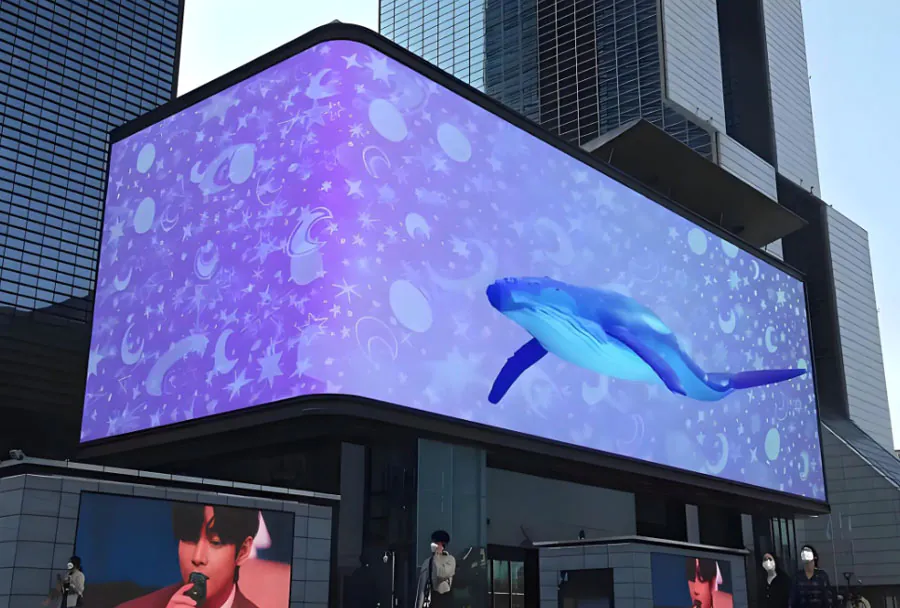
A drive-in movie screen creates a larger-than-life viewing experience that blends nostalgia, community, and modern outdoor entertainment. Whether you are planning a commercial venue, organizing a special event, or building a backyard cinema, the screen is the centerpiece that determines image quality, audience satisfaction, and long-term durability. Choosing the right size, material, support system, and placement can make the difference between a memorable movie night and a disappointing projection.
Table of Contents
- Why a drive in movie screen matters for outdoor cinema
- Types of drive in movie screen options available
- Permanent steel-frame screens
- Inflatable screens
- Truss and frame systems
- DIY backyard screens
- How to choose the right drive in movie screen
- Screen size and viewing distance
- Screen material and gain
- Aspect ratio compatibility
- Site orientation and ambient light
- Budget and total ownership cost
- Installation, setup, and maintenance best practices
- Prepare the site properly
- Anchor for weather conditions
- Tension the screen surface
- Clean and store carefully
- Pair with the right projector and sound system
- Commercial and backyard uses for a drive in movie screen
- FAQ about drive in movie screen choices
- What is the best material for a drive in movie screen?
- How big should a drive in movie screen be?
- Can I build a drive in movie screen myself?
- How much does a drive in movie screen cost?
- How do I maintain a drive in movie screen?
- Conclusion
Today, more people are rediscovering the charm of outdoor film viewing, and interest in the drive in movie screen continues to grow. From permanent steel-framed installations to portable inflatable options, there are solutions for nearly every budget and location. This guide explains how these screens work, what to look for before buying, how to install them properly, and how to maintain them for years of reliable use.
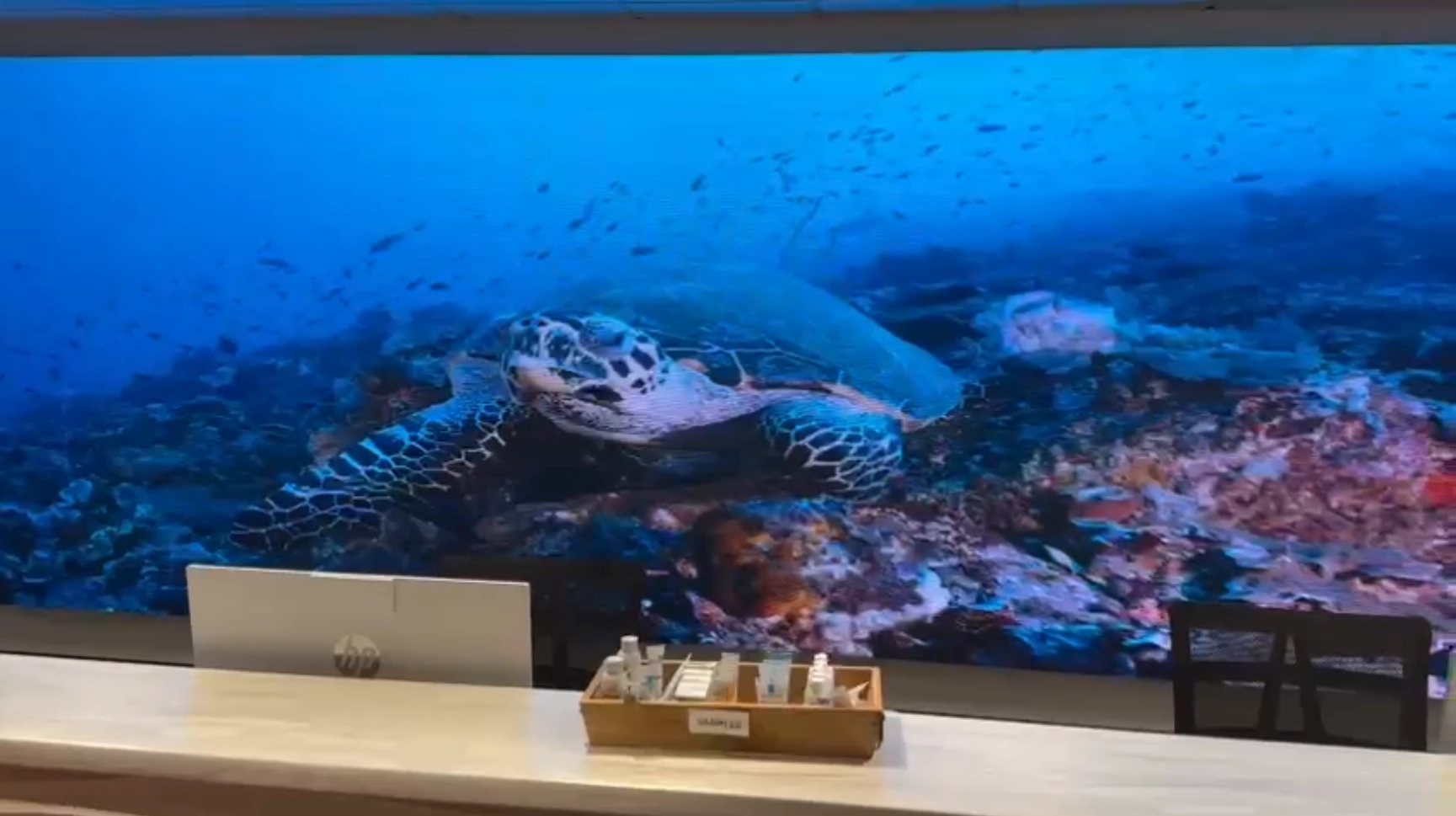
Why a drive-in movie screen matters for outdoor cinema
A drive-in movie screen is far more than a white surface for projecting films. It directly affects brightness, contrast, color accuracy, and visibility from different angles. In a traditional indoor theater, lighting conditions are easier to control. Outdoors, however, projection quality depends heavily on screen material, size, orientation, and ambient light management.
The right screen helps maximize the projector’s performance. A poorly selected surface can wash out images, reduce sharpness, or create hot spots where the center appears brighter than the edges. For commercial operators, this can impact customer satisfaction and repeat business. For homeowners and event planners, it can turn a fun night into a technical struggle.
Another reason a drive-in movie screen matters is audience scale. Outdoor movie settings usually serve larger crowds than living-room setups. Viewers may be parked in cars, sitting in lawn chairs, or spread across a field. The screen must remain visible and proportionate at varying distances. This means screen height, width, and aspect ratio all need careful planning.
Weather resistance is also critical. Unlike indoor projection screens, outdoor versions must handle wind, moisture, UV exposure, and temperature changes. A durable screen system helps reduce maintenance and improves safety. Strong framing, quality tensioning, and suitable materials all contribute to stable, consistent performance.
In addition, the visual presence of the screen helps establish the venue’s identity. A well-designed outdoor setup feels professional and inviting. Whether you want a retro experience or a modern event space, the screen is often the first thing people notice, making it a central part of branding and atmosphere.
Types of drive in movie screen options available
Choosing the best drive-in movie screen starts with understanding the main types on the market. Each option offers different advantages depending on budget, portability needs, and intended use.
Permanent steel-frame screens
Permanent steel-frame screens are common at commercial drive-in theaters and fixed outdoor venues. These systems are built for long-term use and can support very large viewing surfaces. They are highly durable, especially when engineered for local wind loads and weather conditions. Because they stay in place year-round, they usually require professional design and installation.
The main advantage of this style is stability. A large permanent frame can deliver a consistent projection surface with proper tension and minimal movement. This makes it ideal for regular screenings and business operations. The downside is the cost. Construction, permits, engineering, and maintenance can add up quickly.
Inflatable screens
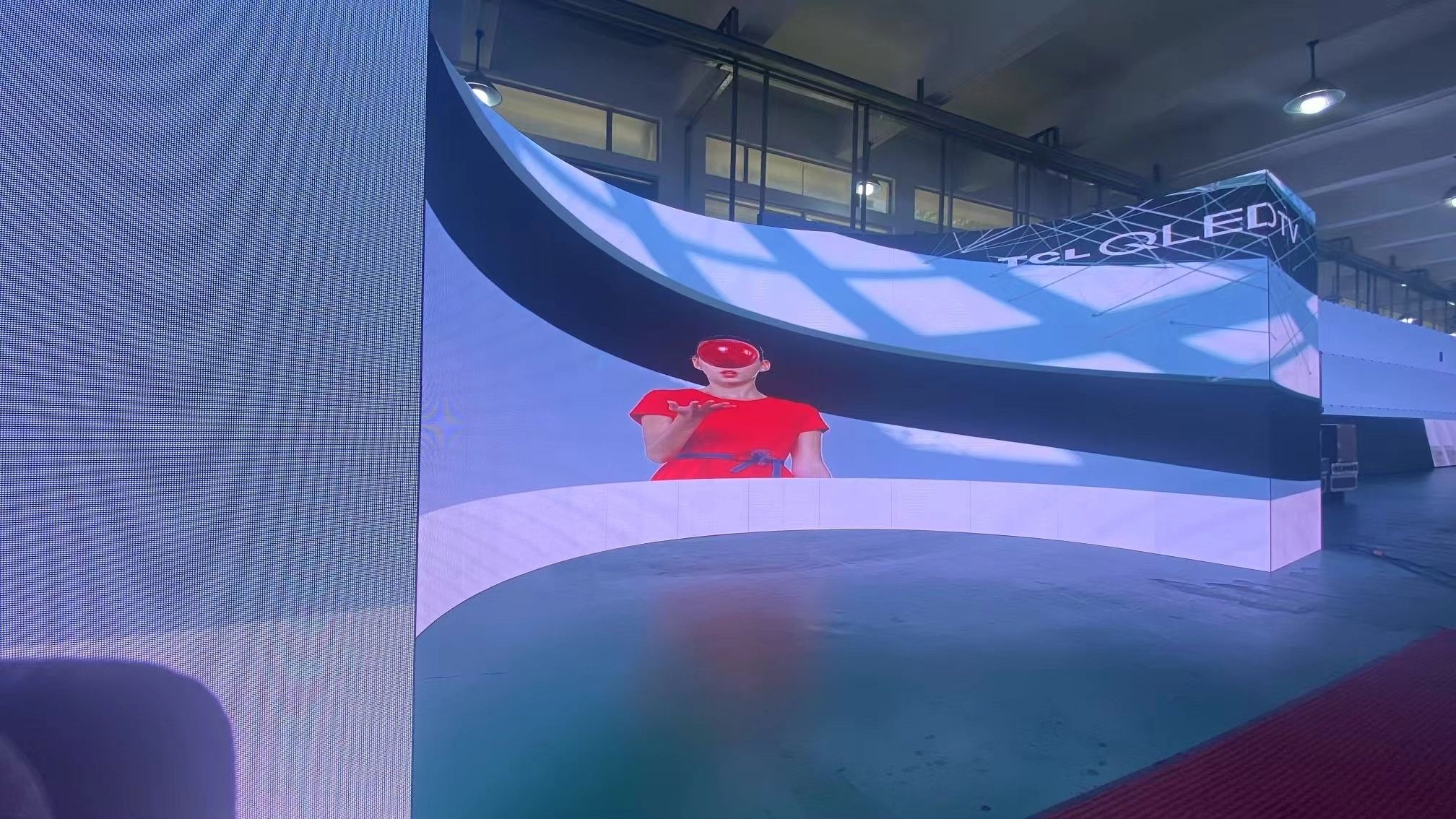
Inflatable models offer a portable and versatile solution. They are often used for temporary events, festivals, schools, and backyard gatherings. Setup is faster than with permanent structures, and many kits include tie-downs, blowers, and storage bags. This makes them attractive for people who need flexibility.
However, inflatable screens may not perform as well in windy conditions. They also vary in quality, with cheaper materials more prone to wrinkles or wear. For occasional use, though, they can be a practical the approach option with strong value.
Truss and frame systems
Modular truss systems sit between permanent and inflatable solutions. They provide a professional look, can be assembled and disassembled, and often support larger screen surfaces than many inflatables. Event companies frequently use them because they offer good balance between strength and portability.
These systems are especially useful when you need repeated temporary installations in different locations. They do require transportation, labor, and attention to anchoring, but they can create a more stable and polished result than basic portable models.
DIY backyard screens
Some people build their own outdoor screens using wood frames, PVC piping, or stretched screen fabric. A movie screen can be cost-effective for personal use, especially if the size remains manageable. This approach works well for families, hobbyists, and small private events.
Still, DIY projects demand careful material selection. Standard bedsheets or random white tarps rarely provide the image quality needed for satisfying projection. Proper screen fabric with suitable gain and tensioning will produce far better results. Safety and stability should also never be overlooked, especially in open outdoor settings.
How to choose the right drive in movie screen
Selecting the best this involves more than picking the biggest model available. You need to match the screen to your audience, projector, site conditions, and long-term goals.
Screen size and viewing distance
Size is one of the first factors to consider. A screen that is too small may leave distant viewers struggling to see details, while an oversized screen can exceed your projector’s brightness capabilities. A good rule is to determine the farthest expected viewing distance and choose dimensions that maintain clear visibility from that range.
For large public events, bigger screens generally improve the experience, but they also demand brighter projectors and stronger support structures. For home setups, a moderate size often provides the best balance between cost and image quality.
Screen material and gain
Material affects how light reflects toward the audience. Some surfaces are designed for wide viewing angles, while others increase brightness by focusing reflected light more directly. High-gain surfaces can make images appear brighter, but they may reduce viewing consistency from side angles.
A quality these should offer smooth texture, good reflectivity, and resistance to wrinkles. Outdoor-rated materials are especially important because they must withstand moisture and temperature changes without degrading quickly.
Aspect ratio compatibility
The aspect ratio of your screen should align with the content you plan to show most often. Widescreen formats are common for movies, while certain events may require more flexibility for mixed media presentations. If your audience will watch a variety of content, choose a format that works well across different sources without awkward cropping or excessive blank space.
Site orientation and ambient light
Placement matters as much as the screen itself. Direct sunlight, nearby streetlights, and reflective surfaces can all reduce image clarity. Positioning the screen away from major light sources improves contrast and helps the projector perform better. Many outdoor venues orient the screen to minimize sunset interference and evening glare.
Wind exposure is another critical issue. Open fields may seem ideal, but they can create structural challenges. Evaluate the site carefully before purchasing or building a screen system.
Budget and total ownership cost
When comparing products, look beyond initial price. A cheaper screen may require more frequent replacement, more maintenance, or additional accessories. Anchoring systems, projection equipment, transportation, and storage all contribute to overall cost. A better-built movie screen can often save money over time through improved durability and performance.
Installation, setup, and maintenance best practices
Installing a the concept correctly is essential for both image quality and safety. Even the best screen can underperform if it is poorly positioned, loosely tensioned, or inadequately anchored.
Prepare the site properly
Start by leveling the installation area. Uneven ground can cause frame distortion, stability issues, and skewed projection. Clear away obstacles that may block sightlines or interfere with vehicle placement. If the venue accommodates cars, ensure the parking layout gives each row a comfortable viewing angle.
You should also check local regulations. Permanent installations may require permits, engineering approval, or zoning compliance. Temporary setups for public events may still need safety review, insurance, or crowd management planning.
Anchor for weather conditions
Wind is one of the greatest risks in outdoor cinema. Every the approach should be anchored according to manufacturer guidance and local environmental demands. Permanent structures may use concrete foundations, while portable systems may rely on stakes, ballast, or tie-downs.
Never assume calm weather will continue throughout an event. Sudden gusts can damage equipment and create safety hazards. Monitoring forecasts and having a shutdown plan is essential for any outdoor screening operation.
Tension the screen surface
Wrinkles and sagging reduce image sharpness and create distracting shadows or uneven brightness. Proper tensioning keeps the surface flat and visually clean. Many professional systems use grommets, snaps, or dedicated tension straps to maintain a smooth projection area.
Check tension regularly, especially after transportation, rain, or temperature changes. Materials can expand or contract, affecting screen performance over time.
Clean and store carefully
Routine care extends the life of your screen. Use manufacturer-approved cleaning methods to remove dust, dirt, pollen, and stains. Avoid harsh chemicals that may damage reflective coatings or fabric integrity.
If your movie screen is portable, make sure it is fully dry before folding and storing it. Moisture trapped in storage can lead to mold, odor, and material deterioration. Store the screen in a cool, dry place and inspect it before each use for tears, worn seams, or damaged hardware.
Followed video TW VISION our portable movide screen P1.86.
Pair with the right projector and sound system
A high-quality screen still needs compatible equipment. Outdoor projection usually requires more brightness than indoor viewing, especially on larger surfaces. Make sure your projector can deliver enough lumens for your chosen screen size and local lighting conditions.
Sound matters too. Traditional drive-ins often use car audio or FM transmission, while smaller events may use external speakers. The best visual setup loses impact if the audience cannot hear clearly. Think of the screen as one part of a complete outdoor cinema system.
Commercial and backyard uses for a drive in movie screen
A drive in movie screen can serve many purposes beyond classic drive-in theaters. Its flexibility makes it valuable for businesses, community groups, and homeowners alike.
For commercial venues, these screens support ticketed movie nights, advertising opportunities, private rentals, and seasonal events. Restaurants, resorts, fairgrounds, and entertainment complexes can all use outdoor projection to attract visitors and create unique experiences. A large screen can also become a multipurpose asset for sports broadcasts, concerts, and live event streaming.
Community organizations often use outdoor screens for fundraising, public celebrations, school events, and local festivals. In these cases, portability and ease of setup may be more important than permanent construction. A modular or inflatable screen can help organizers host recurring events without investing in a fixed structure.
At home, a moive screen brings families and friends together for birthdays, game nights, and weekend movie marathons. Backyard cinema has become increasingly popular because it offers a fun alternative to indoor entertainment. With the right setup, even a modest outdoor space can deliver an impressive viewing experience.
Businesses can also use outdoor screens for branding and experiential marketing. Product launches, corporate gatherings, and public promotions benefit from a large-format display that captures attention. In this context, reliability and professional appearance are especially important.
The versatility of these screens means buyers should think not only about current needs but also future use. A screen chosen for occasional movies might later support sports watch parties, presentations, or special event rentals. Planning for multiple applications can improve return on investment.
FAQ about drive in movie screen choices
What is the best material for a drive in movie screen?
The best material for a drive in movie screen depends on usage, size, and environment. Commercial outdoor screens often use durable vinyl or specialized projection fabric designed for weather resistance and smooth reflectivity. For backyard or portable use, look for materials that resist wrinkles, provide wide viewing angles, and are easy to clean.
How big should a drive in movie screen be?
A drive in movie screen should be sized according to audience distance, projector brightness, and venue layout. Larger audiences and longer viewing distances usually require bigger screens, but the projector must be powerful enough to maintain image clarity. For home use, a smaller screen may offer better value and easier setup.
Can I build a drive in movie screen myself?
Yes, you can build a drive in movie screen yourself for personal or small-scale use. Many DIY builders use wood or PVC frames with projection-grade fabric. However, safety, tensioning, and material quality matter a lot. For large public events or commercial operations, professional systems are usually the better option.
How much does a drive in movie screen cost?
The price of a drive in movie screen varies widely. DIY and basic inflatable models may cost a few hundred dollars, while professional portable systems can cost several thousand. Permanent commercial installations can cost far more when engineering, construction, and permits are included.
How do I maintain a drive in movie screen?
To maintain a drive in movie screen, clean it gently, inspect it regularly, and protect it from prolonged moisture or improper storage. Portable screens should be dried fully before packing away. Permanent installations should be checked for frame wear, fabric damage, and weather-related issues to ensure safe operation.
Conclusion
A drive in movie screen is the foundation of any successful outdoor cinema experience. Whether you are launching a commercial theater, hosting community movie nights, or building a backyard entertainment space, the right screen influences picture quality, safety, durability, and audience enjoyment. Size, material, structure, placement, and maintenance all play important roles in getting the best results.
By understanding the available options and matching them to your goals, you can invest in a drive in movie screen that delivers lasting value. From permanent steel structures to portable event solutions, there is a screen type for nearly every setting and budget. With smart planning and proper care, your outdoor movie setup can provide unforgettable nights under the stars for years to come.
