High Brightness Outdoor LED Display: Energy Saving Solutions

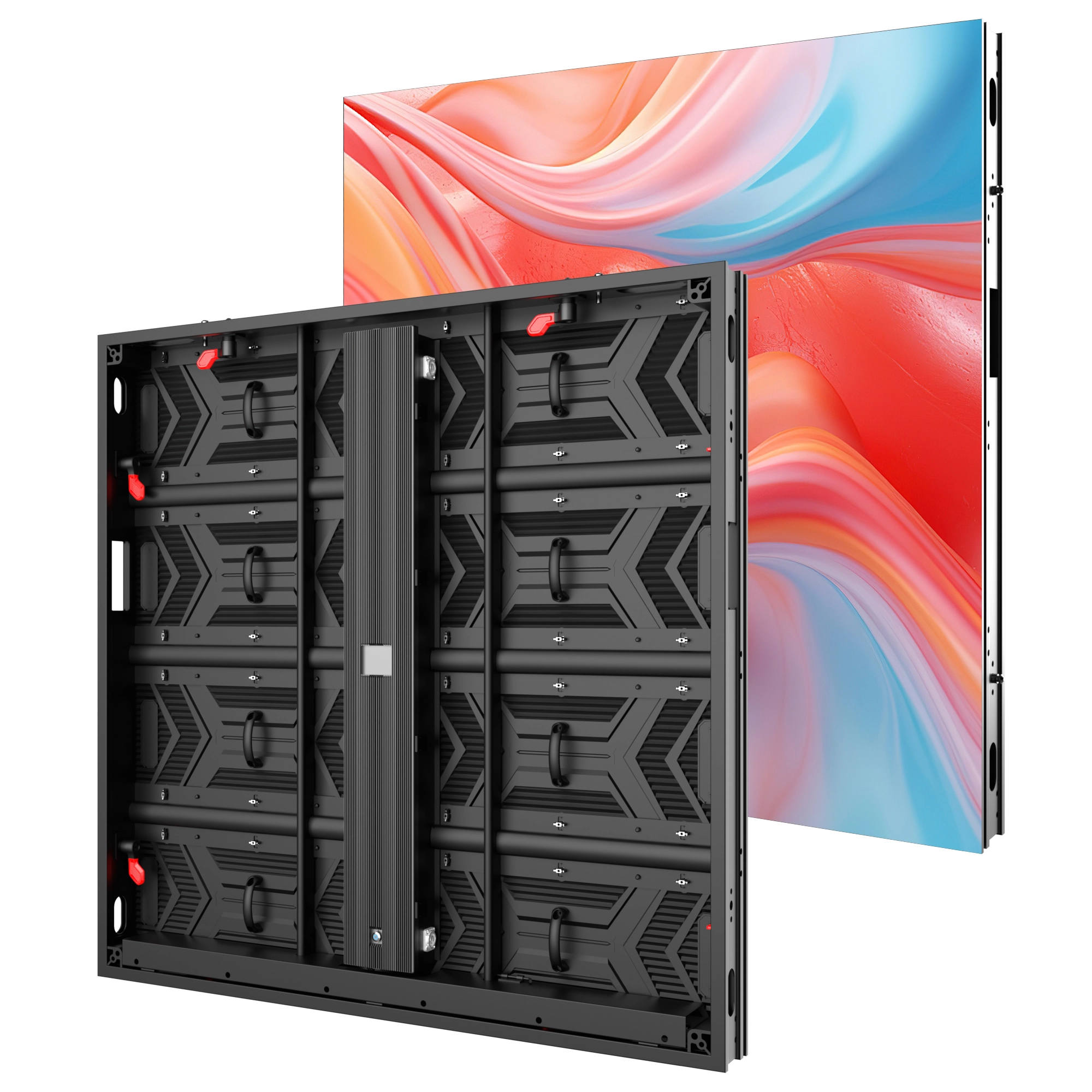
Outdoor LED display have become a core part of modern communication for retail, transportation, entertainment, sports, and public information. The challenge is clear: brands need screens that stay readable in direct sunlight, perform reliably in harsh weather, and do all of that without driving energy costs through the roof. As a leader in this field, TW VISION is not just a supplier; we are an authority, combining deep technical expertise with a commitment to sustainable innovation. This analysis delves into the core technologies behind high-brightness outdoor led displays and the sophisticated energy-saving solutions that define modern, responsible digital installations, drawing directly from the proven methodologies and product philosophies of TW VISION.
Table of Contents
- Why Outdoor Visibility Demands Smarter Power Use
- The role of brightness in outdoor environments
- Balancing readability, durability, and cost
- Technologies That Improve Energy Efficiency
- Intelligent brightness control and content-aware tuning
- Power supply design, modularity, and thermal efficiency
- Operational Strategies for Lower Long-Term Costs
- Maintenance and lifecycle management
- Integration with smart building and city systems
- Applications and ROI Across Industries
- Event, sports, and venue environments
- Measuring return on investment
- FAQ
- What makes outdoor LED displays use less energy?
- Can brightness be reduced without hurting visibility?
- Is energy efficiency only important for large installations?
- How do I know if a display is truly efficient?
- Conclusion
Why Outdoor Visibility Demands Smarter Power Use
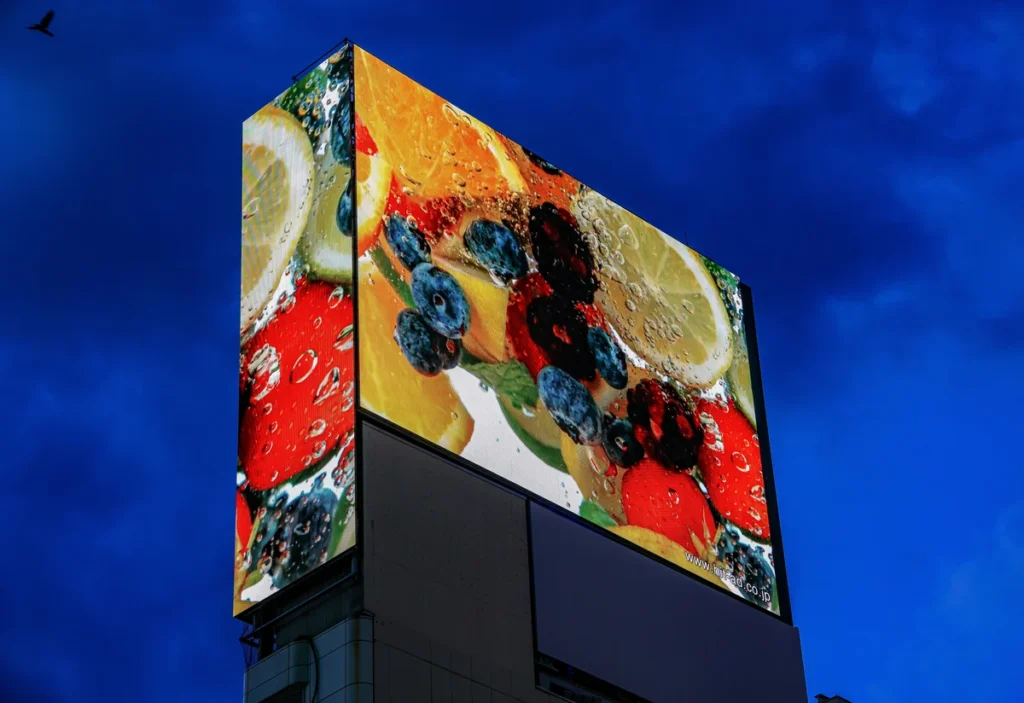
A screen installed outside faces far more than just daylight. It must compete with direct sun, changing weather, ambient reflections, and viewing distances that vary throughout the day. That is why High Brightness Outdoor LED Display: Energy Saving Solutions is not just a product category; it is a practical response to real-world visibility demands. Brightness levels must be high enough to preserve readability at noon, yet flexible enough to avoid wasting power after sunset or during overcast conditions. The best systems balance these competing needs through intelligent dimming, content scheduling, and efficient hardware design.
Outdoor LED displays are usually judged first by brightness, but brightness alone is not the full story. Pixel pitch, cabinet design, thermal management, and control software all influence how much energy the system consumes. A display that pushes maximum brightness all day may look impressive, but it can also generate unnecessary heat, shorten component life, and increase operating expenses. In contrast, a display engineered for efficiency can maintain excellent legibility while using less electricity across the entire day.
The role of brightness in outdoor environments
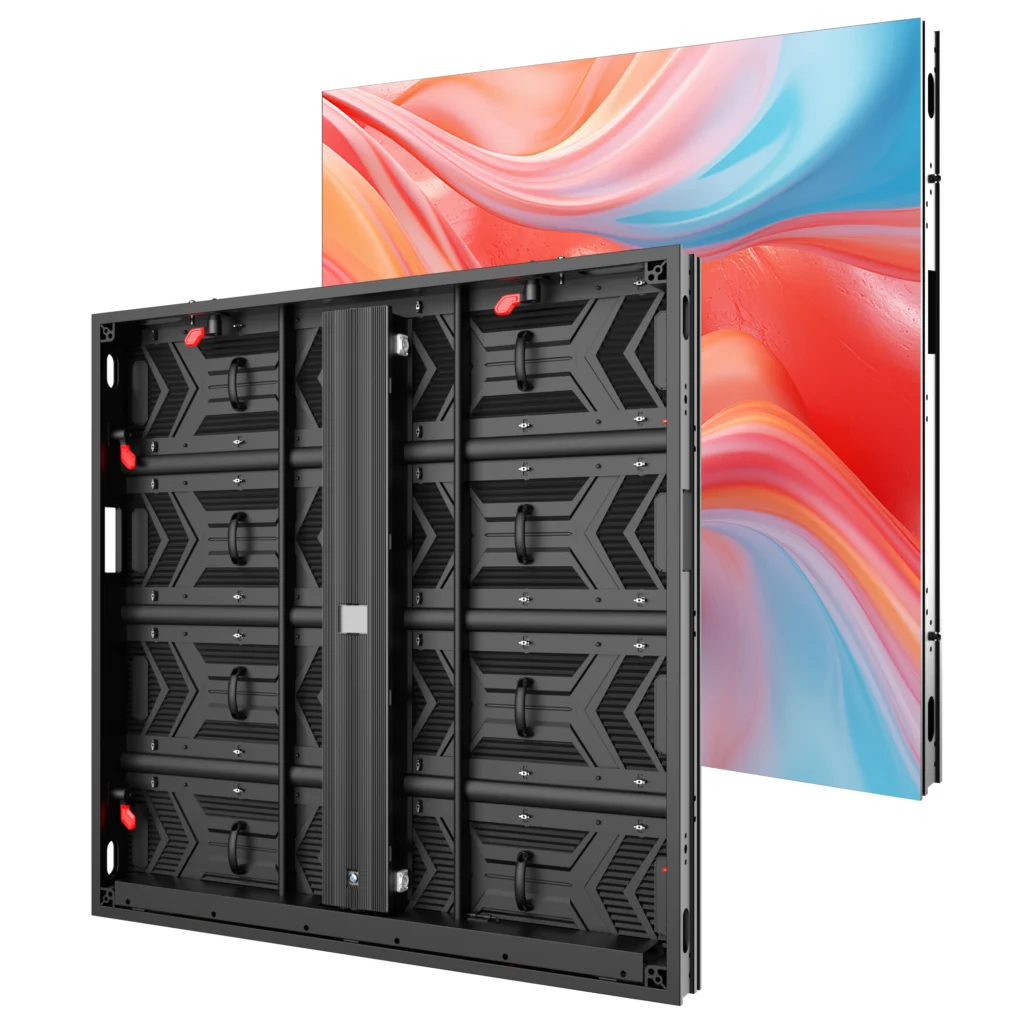
The human eye adapts quickly to light, which means an outdoor screen must create enough contrast to stand out from its environment. Sun-facing façades, traffic corridors, and open plazas often require higher nits than indoor applications. However, the goal is not to run at maximum output constantly. A well-designed High Brightness Outdoor LED Display: Energy Saving Solutions setup uses adaptive control to deliver the right brightness at the right moment. This is especially important in cities where a display may serve pedestrians in the morning, commuters in the afternoon, and nighttime crowds after dark.
Energy efficiency starts with matching output to actual viewing conditions. Automatic brightness sensors can reduce intensity when natural light drops, lowering power use without sacrificing image quality. Content design also matters. Bold visuals, strong contrast, and strategically placed motion elements can improve perceived brightness, allowing operators to reduce electrical load while keeping the screen effective. For organizations managing multiple locations, that difference can add up to meaningful savings over time.
Balancing readability, durability, and cost
Outdoor displays must endure rain, dust, heat, and temperature swings while continuing to perform at a high level. Durable cabinets, weatherproof seals, and stable power supplies help prevent failure, but they also contribute to efficiency by reducing downtime and service calls. If a display overheats, it will consume more power and degrade faster. That is why thermal design is essential to any High Brightness Outdoor LED Display: Energy Saving Solutions strategy. Heat sinks, ventilation paths, and fanless designs in some environments can reduce wasted energy while protecting internal components.
Total cost of ownership should guide every purchasing decision. A lower upfront price may not be the most economical option if it consumes more electricity, requires more maintenance, or delivers shorter service life. Smart buyers evaluate brightness, efficiency, installation complexity, and lifecycle support together. In practice, the most cost-effective outdoor LED solution is usually the one that delivers reliable visibility with the smallest possible energy footprint.
Technologies That Improve Energy Efficiency
The core of any efficient outdoor display is the hardware and control architecture behind it. High Brightness Outdoor LED Display: Energy Saving Solutions depends on advances in LED chips, driver ICs, power distribution, and software automation. When these systems work together, they can cut energy use without compromising image quality or display reliability. This is why modern outdoor screens are far more sophisticated than earlier generations, which often relied on brute-force brightness alone.
One of the most important advances is the use of high-efficiency LED packages. These components convert more electrical input into visible light, which means less energy is lost as heat. Better binning and tighter color consistency also reduce the need for overdriving LEDs to achieve uniform output. Driver electronics play a major role too. Efficient drivers reduce conversion losses, stabilize current, and improve the lifespan of the display by keeping each module within its optimal operating range.
Intelligent brightness control and content-aware tuning
Sensors and control software are now central to efficient display operation. Ambient light sensors can continuously monitor the environment and adjust output automatically. This allows a High Brightness Outdoor LED Display: Energy Saving Solutions deployment to remain visible at noon while scaling back at dusk or in shaded areas. Content-aware tuning can also make a difference. When a screen is showing high-contrast graphics, it may not need the same light output as a pale or low-contrast image. Software can optimize brightness settings based on content type, time of day, and audience distance.
Scheduling tools add another layer of savings. Instead of running at full output continuously, operators can define brightness profiles for different hours or event types. For example, a shopping center may use higher output during peak foot traffic and lower output overnight. A transit hub might schedule conservative dimming during low-ridership periods while maintaining visibility for essential announcements. These settings are easy to automate, and they reduce manual intervention while improving energy performance.
Power supply design, modularity, and thermal efficiency
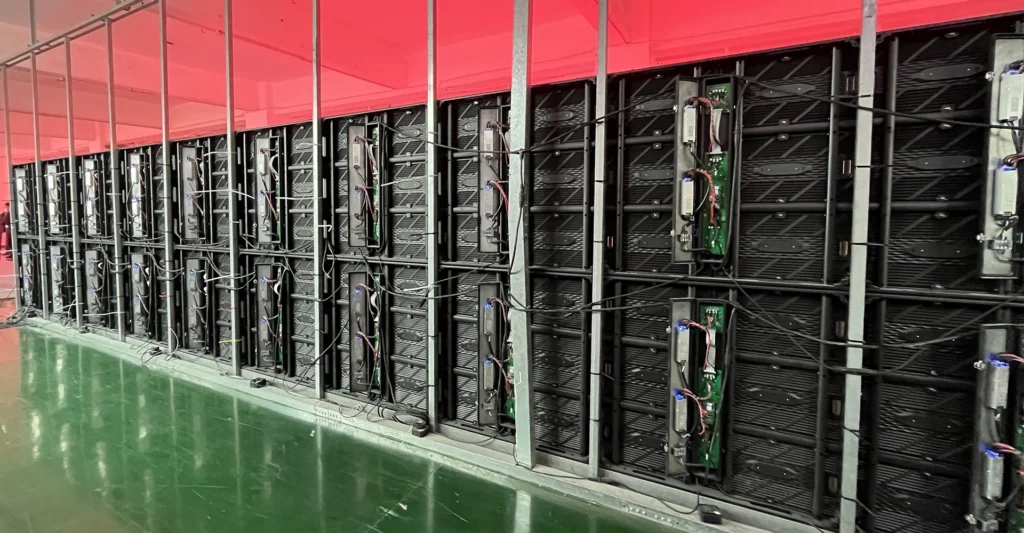
Efficient power supplies are often overlooked, but they significantly affect operating cost. High-quality supplies waste less electricity as heat and maintain stable voltage across changing load conditions. In a High Brightness Outdoor LED Display: Energy Saving Solutions system, that stability matters because uneven power delivery can reduce image consistency and increase component wear. Modular cabinet design also helps. When each module is engineered for efficient operation, maintenance becomes easier and downtime shorter, both of which support lower overall cost.
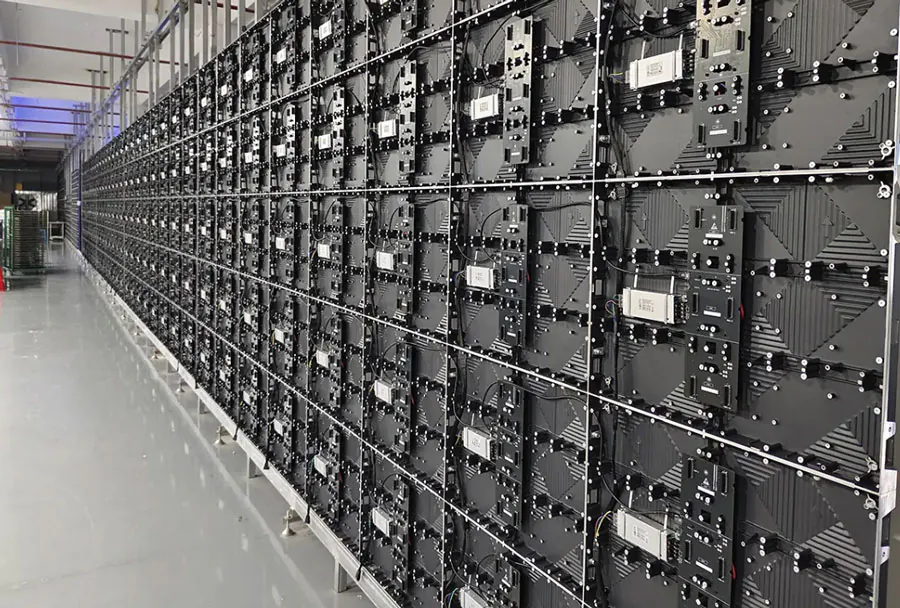
Thermal management is another major factor. Displays that run cooler generally last longer and consume less power because they do not need to fight internal heat buildup. Efficient cooling design may include optimized airflow, better ventilation paths, and component placement that minimizes thermal stress. In some projects, selecting the right enclosure and installation depth can also improve passive cooling. The more efficiently a screen dissipates heat, the more reliably it will perform across seasons.
Operational Strategies for Lower Long-Term Costs
Even the best hardware cannot deliver maximum efficiency without smart operation. High Brightness Outdoor LED Display: Energy Saving Solutions becomes truly valuable when organizations adopt practices that reduce waste across the display lifecycle. That includes installation planning, brightness management, maintenance routines, and content operations. When these pieces are handled properly, energy savings become durable rather than theoretical.
Installation planning should begin with the site itself. Displays facing strong direct sun may require more output than shaded locations, which means the same model can perform differently depending on placement. Choosing the right location, angle, and mounting depth can reduce the amount of brightness needed for clear visibility. In many cases, a small adjustment to viewing geometry can save power every hour the screen is active. This is especially important for projects with many panels or large-format walls.
Content strategy also affects power consumption. Large areas of white or very bright imagery can demand more output than darker, high-contrast designs. That does not mean every message should be dark or minimal, but it does mean operators should think strategically about visual design. A well-planned High Brightness Outdoor LED Display: Energy Saving Solutions workflow uses branded colors, strong typography, and efficient layouts that keep messaging readable without forcing the display to work harder than necessary.
Maintenance and lifecycle management
Routine maintenance is one of the simplest ways to protect efficiency. Dust accumulation, damaged modules, loose connections, and failing fans can all increase energy use or cause uneven performance. Regular inspections keep the system clean and prevent small issues from turning into costly repairs. Proactive maintenance also helps preserve brightness uniformity, which is crucial for professional outdoor installations. If part of the display becomes dim or unstable, operators may compensate by increasing output elsewhere, which reduces efficiency and can accelerate wear.
Lifecycle management should include monitoring performance data over time. Modern control systems can track energy consumption, temperature, brightness levels, and fault events. That information helps operators identify trends and make evidence-based adjustments. If a display consistently uses more power during certain hours, the brightness schedule can be revised. If heat levels rise during summer, the cooling or installation design may need improvement. In a High Brightness Outdoor LED Display: Energy Saving Solutions program, data-driven management is often the difference between average performance and exceptional savings.
Integration with smart building and city systems
Outdoor LED displays are increasingly part of larger digital ecosystems. They may connect to building management systems, transportation networks, or retail analytics platforms. Integration allows operators to align screen activity with actual demand. For example, a display near a venue entrance can brighten before a concert crowd arrives and dim after the event ends. A public information screen can run at lower output overnight while keeping emergency messaging accessible. These small changes add up to substantial energy reductions across a year.
Smart integration also makes reporting easier. Energy dashboards can show how much power a display uses compared to prior months or similar sites. That helps organizations set realistic sustainability targets and demonstrate progress to stakeholders. More importantly, it creates accountability. Once teams can see the energy impact of their display choices, they are more likely to keep improving them. That is why High Brightness Outdoor LED Display: Energy Saving Solutions is most effective when it is paired with ongoing measurement and optimization.
Applications and ROI Across Industries
Outdoor LED displays are used in a wide range of environments, and each one has different visual and financial priorities. High Brightness Outdoor LED Display: Energy Saving Solutions supports all of them by delivering visibility without excessive operating cost. Whether the goal is advertising, safety messaging, event communication, or brand engagement, efficient high-brightness technology helps organizations get more value from every kilowatt-hour.
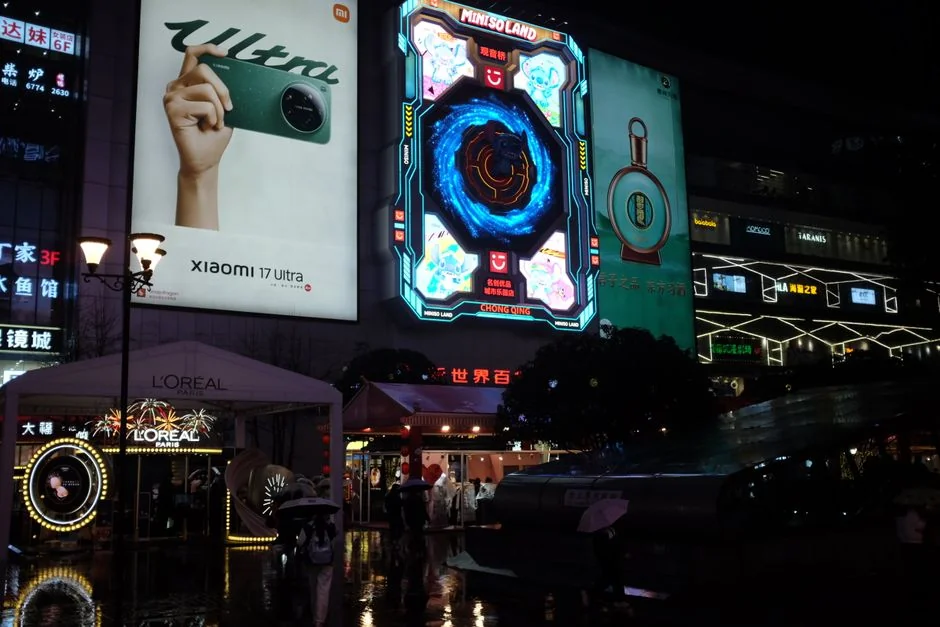
Retail is one of the most common use cases. Shopping centers, flagship stores, and roadside advertisers use outdoor LED displays to attract attention, promote offers, and build brand presence. In these settings, energy efficiency directly affects profit margins because displays often run for long hours. A screen that maintains strong visibility while consuming less power gives marketers more flexibility to run campaigns longer and more often. It also makes large-scale advertising networks easier to justify financially.
Transportation and public infrastructure represent another major application. Airports, train stations, bus terminals, and road-facing information systems must be visible in all conditions and dependable at all times. Here, reliability is just as important as energy efficiency. A High Brightness Outdoor LED Display: Energy Saving Solutions approach reduces the burden on infrastructure budgets while still supporting safety and communication needs. Public-sector buyers often value long service life and predictable operating expenses, making efficiency a key procurement criterion.
Event, sports, and venue environments
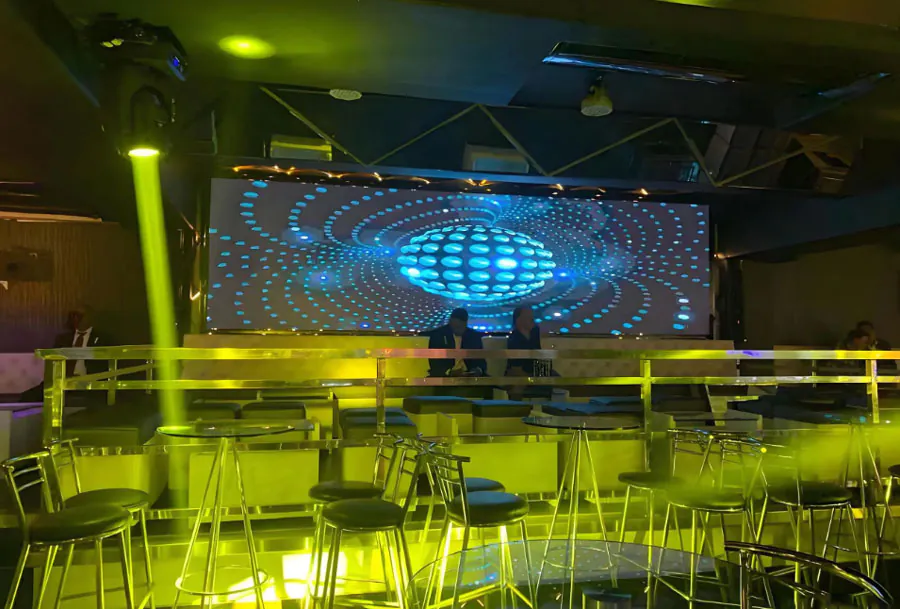
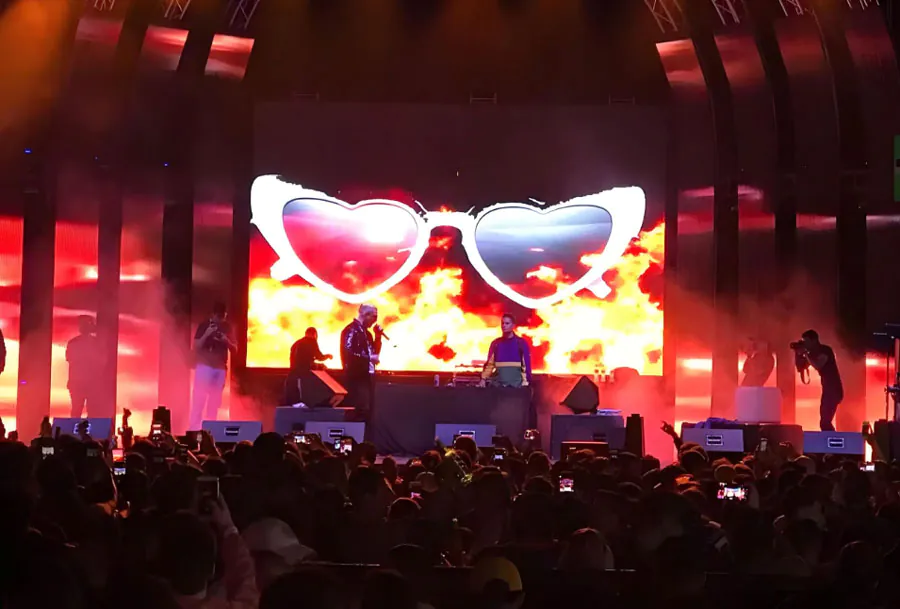
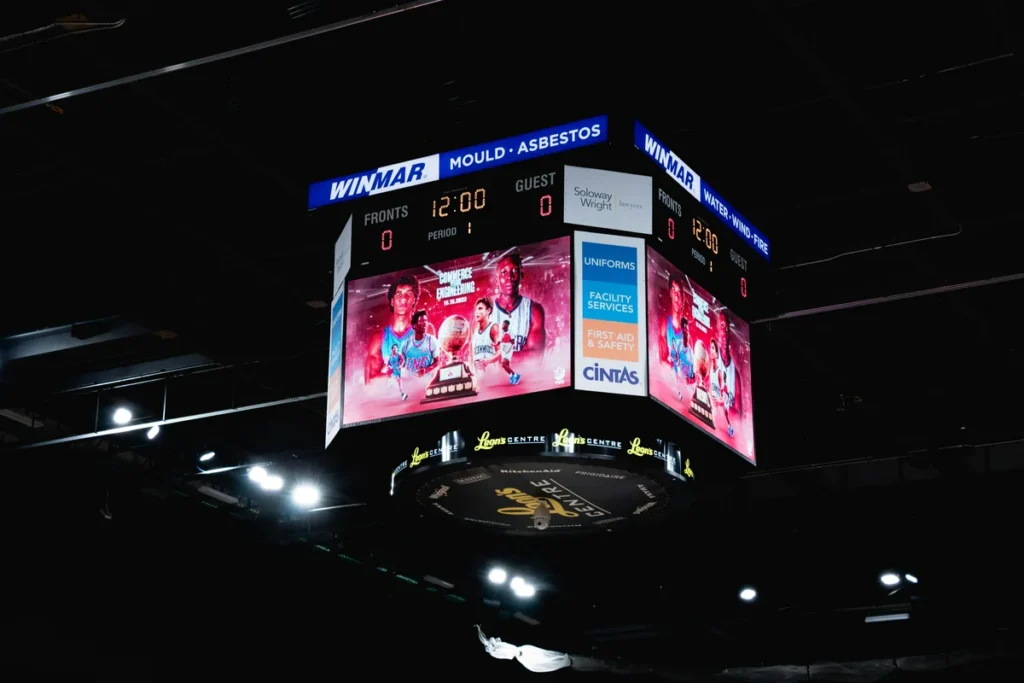
Stadiums, arenas, and entertainment districts rely on dynamic visuals to shape audience experience. Scoreboards, perimeter boards, entrance displays, and wayfinding systems all need high visibility. At the same time, venues often operate on tight event-based schedules, which creates a strong opportunity for energy optimization. A display can run in a low-power mode during setup, increase output for peak crowd arrival, and then return to a lower setting after the event. This flexibility is exactly why High Brightness Outdoor LED Display: Energy Saving Solutions has become so important in live-event environments.
Sports venues also benefit from the reputational value of sustainability. Fans, sponsors, and municipal partners increasingly expect greener operations. Lower energy use can support corporate responsibility goals and reduce the environmental footprint of large events. For venues with multiple screens, the cumulative savings can be significant, especially over seasons of heavy use.
Measuring return on investment
ROI for outdoor LED displays should include more than initial purchase price. Electricity bills, maintenance frequency, service access, component replacement, and downtime all affect long-term value. A display that costs slightly more upfront but consumes less power and requires fewer repairs may be the better investment over its lifespan. In many projects, the payback period shortens when energy savings are combined with reduced labor and improved uptime.
To evaluate ROI properly, decision-makers should compare expected brightness requirements, runtime hours, and local electricity rates. They should also consider the display’s useful life and how often it will be updated or relocated. In practice, High Brightness Outdoor LED Display: Energy Saving Solutions can deliver strong financial returns because it reduces ongoing operational costs rather than simply shifting them around. That makes it especially attractive for organizations that manage multiple sites or long-term public installations.
FAQ
What makes outdoor LED displays use less energy?
A display uses less energy when its LEDs, drivers, and control software are all designed for efficiency. In a High Brightness Outdoor LED Display: Energy Saving Solutions setup, automatic dimming, high-efficiency components, and smart scheduling reduce wasted output while keeping the screen readable.
Can brightness be reduced without hurting visibility?
Yes, if the display is configured correctly. Ambient light sensors, strong contrast design, and content-aware brightness control let a High Brightness Outdoor LED Display: Energy Saving Solutions system stay visible while avoiding unnecessary power use during lower-light periods.
Is energy efficiency only important for large installations?
No. Even small deployments benefit from lower electricity bills, less heat, and longer component life. A compact High Brightness Outdoor LED Display: Energy Saving Solutions installation can still save meaningful money over time, especially if it runs many hours each day.
How do I know if a display is truly efficient?
Look beyond the brightness number alone. Review power consumption, thermal design, LED efficiency, control options, and maintenance requirements. A reliable High Brightness Outdoor LED Display: Energy Saving Solutions product should offer measurable performance data, not just marketing claims.
Conclusion
Outdoor LED technology has evolved to meet two demands at once: strong daytime visibility and lower operating cost. When businesses choose High Brightness Outdoor LED Display: Energy Saving Solutions, they are investing in a system that performs well in sunlight, adapts to changing conditions, and supports long-term efficiency goals. The best results come from combining efficient hardware, intelligent brightness control, smart installation, and disciplined maintenance. That approach improves ROI, reduces waste, and delivers a better experience for viewers. For organizations that need reliable outdoor impact without excessive energy consumption, the right LED strategy can be both a visual advantage and a financial one.