High Brightness Portable LED Screen Rental: Complete Guide by TW VISION

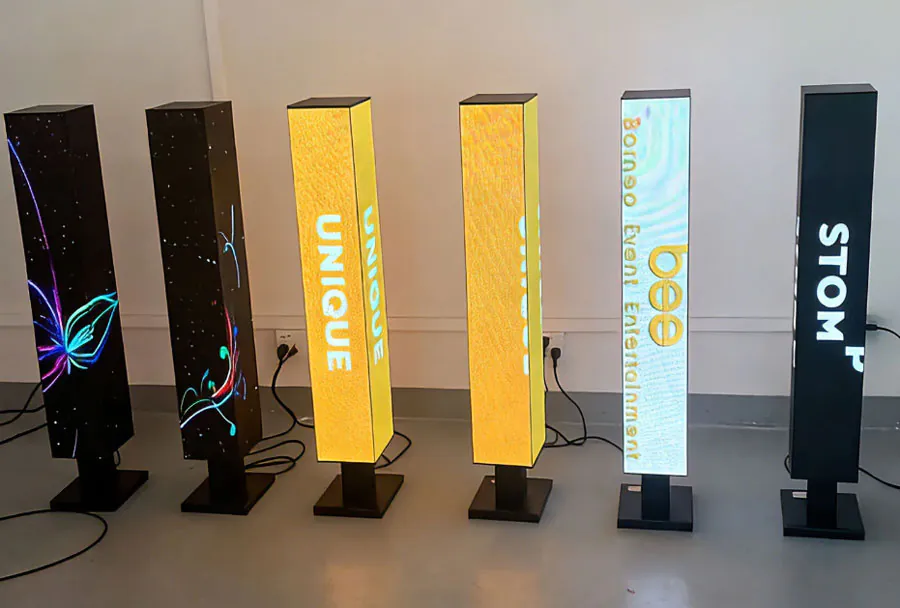
A Portable LED Screen has become one of the most flexible display solutions for modern events, retail promotions, corporate presentations, and outdoor advertising. It combines bright visuals, easy transport, and fast setup in a way that traditional display systems cannot always match. Whether you need to reach a crowd at a trade show, create a memorable brand activation, or deliver clear video content in a busy venue, this type of display can make a big difference. Choosing a Portable LED Screen is not just about screen size; it is about brightness, resolution, mobility, durability, and the overall return on investment. In this guide, you will learn how it works, what to look for, and how to get the most value from it.
Table of Contents
- What Makes a Portable LED Screen Worth Buying?
- Key Benefits for Events, Marketing, and Business Growth
- Choosing the Right Size, Resolution, and Technical Features
- Setup, Maintenance, and Cost Considerations
- FAQ
- 1. Is this type of display suitable for both indoor and outdoor use?
- 2. How easy is it to transport and assemble?
- 3. What kind of content works best on it?
- 4. Is it a good investment for small businesses?
- Conclusion
What Makes a Portable LED Screen Worth Buying?
When evaluating a Portable LED Screen, the first thing to understand is the difference between a display that is simply movable and one that is truly designed for frequent transport and quick deployment. A well-built unit should be compact enough to fit into a vehicle or flight case, but also sturdy enough to handle repeated assembly and disassembly without losing performance.
Brightness is one of the most important factors. If you plan to use your display in daylight or under strong venue lighting, high brightness helps your visuals stay clear and vibrant. Pixel pitch also matters because it influences image sharpness. Smaller pixel pitch usually means better detail, which is especially useful when viewers stand close to the screen. For large outdoor audiences, a slightly larger pitch may still work well if the viewing distance is greater.
Another factor is ease of installation. The best systems are designed with modular panels, lightweight frames, and simple power and data connections. That means less labor, fewer delays, and a lower chance of setup mistakes. A reliable control system is also important because it allows you to manage content smoothly, troubleshoot quickly, and maintain consistent image quality.
Durability should never be overlooked. Since a Portable LED Screen is meant to move from one location to another, it should be built with impact-resistant materials and reliable internal components. Outdoor models should also offer weather resistance and protection from dust, moisture, and temperature changes. The goal is to choose equipment that remains dependable even when conditions are less than ideal.
Finally, think about long-term value rather than only upfront cost. A slightly more expensive display may save money over time if it lasts longer, requires less maintenance, and performs better in multiple environments. In many cases, a Portable LED Screen becomes an asset that supports events, marketing campaigns, and client presentations for years.
Key Benefits for Events, Marketing, and Business Growth
A major advantage of using a Portable LED Screen is the ability to create instant visual impact wherever you need it. In event settings, this matters because audiences often respond better to large, bright, dynamic content than to static signage. Whether you are showing sponsor messages, live feeds, product launches, or motion graphics, a screen can help you command attention quickly.
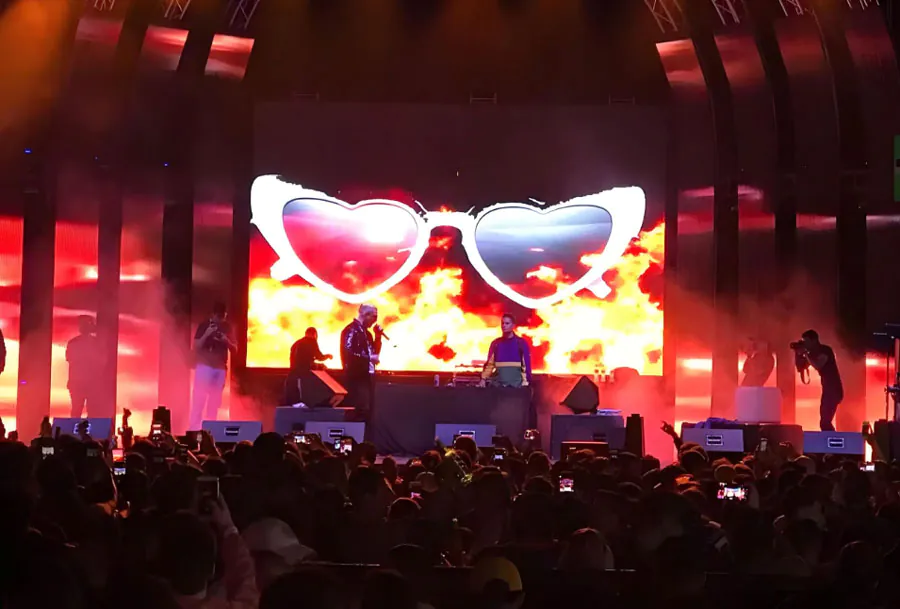
For event organizers, flexibility is a huge benefit. A display that can move from a conference hall to an outdoor plaza to a temporary stage gives you far more freedom in planning. This is especially useful for festivals, sports viewing areas, traveling exhibitions, and pop-up activations. Instead of renting different display systems for different venues, one versatile solution can cover multiple use cases.
Marketing teams also benefit from better engagement. People tend to notice movement, color, and video more than printed graphics. That means a high-quality visual display can increase dwell time, improve brand recall, and make your message more memorable. For retailers, this may translate into stronger in-store promotions, while agencies can deliver more effective campaigns and improve client satisfaction, and companies hosting product demos can explain features in a more persuasive and professional way.
There is also a strong practical advantage. A Portable LED Screen can reduce the need for multiple fixed installations, which may lower infrastructure costs. If your business runs repeated events in different locations, the ability to reuse the same system can improve efficiency and simplify logistics. With the right transportation case and support equipment, you can move the display safely without needing a large technical crew.
From a branding perspective, consistency matters. If you control the visual environment, you can present the same message across multiple locations and audiences. That consistency builds trust and helps your audience recognize your brand more easily. A Portable LED Screen supports that goal by making professional-quality visuals available in places where traditional signage may not be strong enough.
Choosing the Right Size, Resolution, and Technical Features
Selecting the right Portable LED Screen starts with understanding how your audience will interact with it. The right choice for a concert stage is not necessarily the right choice for a retail kiosk or a conference room. You need to match the screen’s size and resolution to the viewing distance, content type, and environment.
Size is usually the first consideration. Larger displays are better for wide audiences and outdoor settings, while smaller formats may be more appropriate for presentations, product demonstrations, and mobile advertising rigs. The goal is to make the content readable and visually impressive without overwhelming the space. If viewers are too close, a large screen with a coarse pitch may look less polished. If viewers are too far away, a smaller screen may not create enough impact.
Resolution is equally important. Higher resolution improves detail, text clarity, and video quality. For graphics with fine text or intricate images, this can make a major difference. If your content is primarily bold visuals and simple messages, the requirements may be less demanding. But if you want to show professional brand films or data-driven presentations, investing in better resolution usually pays off.
You should also review refresh rate, color accuracy, and contrast. A smooth refresh rate helps reduce flicker, which is especially important when recording the display on camera. Good color performance ensures your brand colors look accurate and consistent. Strong contrast helps images stand out in both bright and dim conditions.
Control features are another major decision point. Many systems support easy content scheduling, remote updates, and integration with media players or live sources. If you expect to change content often, these tools can save time and reduce technical stress. Some installations also include mobile app control or cloud-based management, which is helpful for teams operating across multiple sites.
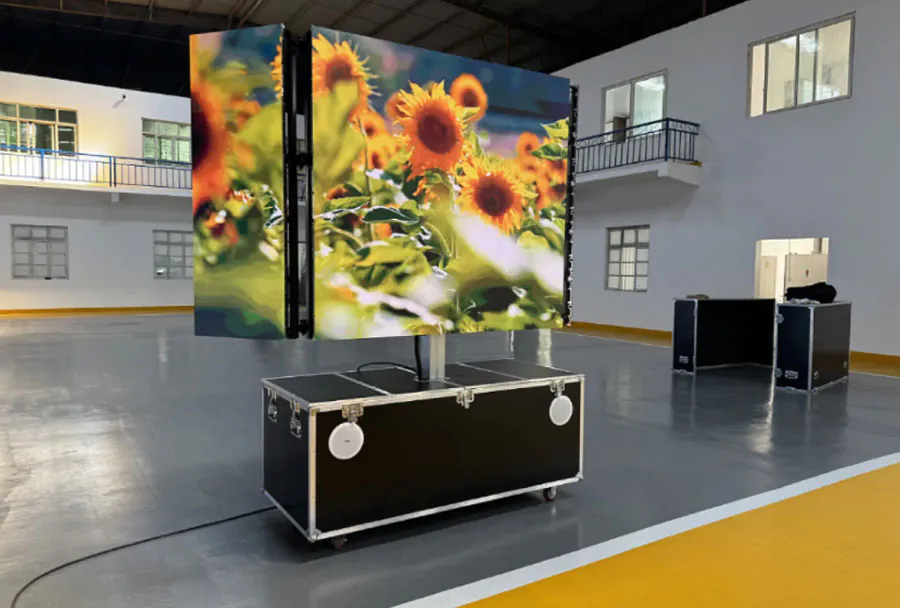
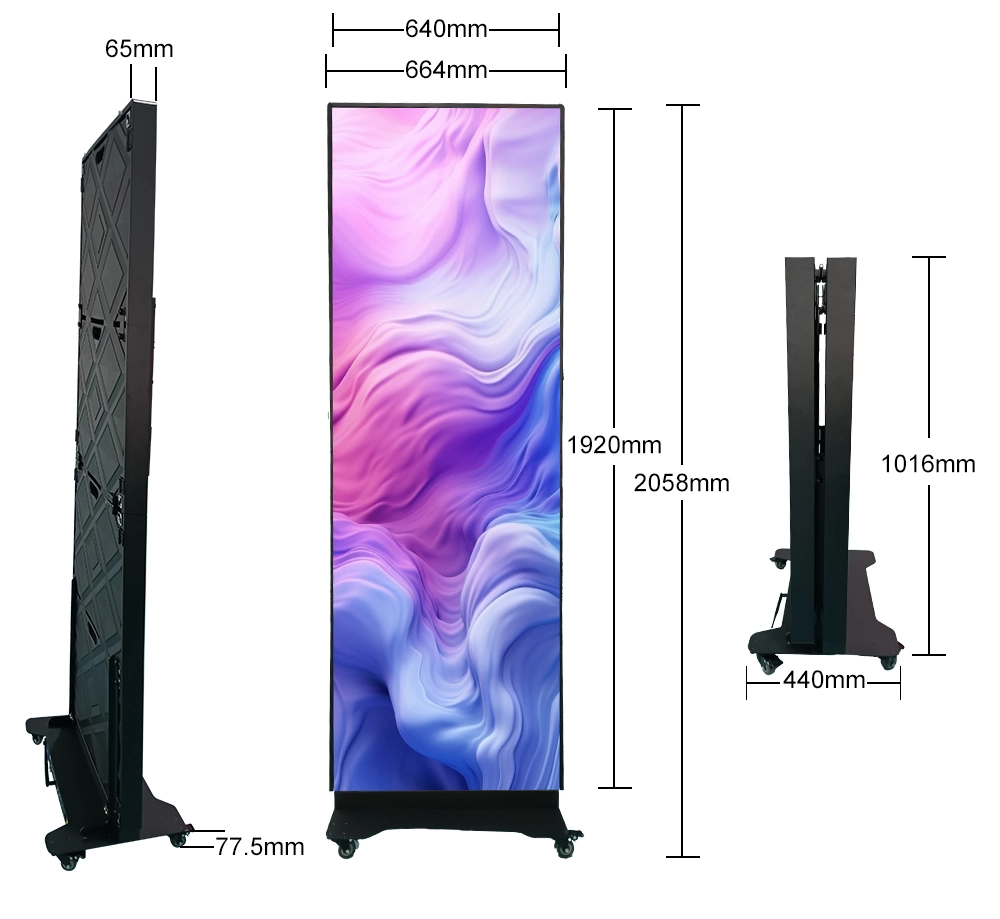
Portability itself should be measured in real-world terms. The best Portable LED Screen options are not only lightweight but also quick to pack, transport, and assemble. Look at how the panels connect, how the frame locks, and whether the unit can be handled by a small crew. If you plan to move the Portable LED Screen frequently, the quality of the case, handles, wheels, and mounting system becomes just as important as image performance.

Setup, Maintenance, and Cost Considerations
Proper setup keeps a Portable LED Screen performing at a high level and helps extend its service life. Start by making sure the installation surface is level and stable. Uneven support can create alignment problems or add strain to the frame. Before powering on, inspect all connectors, cables, and mounting points to confirm that everything is secure.
Power planning is also essential. These displays can draw significant electricity, so it is wise to check your venue’s available capacity in advance. Use the correct power distribution equipment and avoid overloading circuits. For outdoor work, confirm that all connections are protected from moisture and that your backup plan is ready in case of weather changes.
Routine maintenance usually involves cleaning the surface gently, checking modules for dead pixels or uneven brightness, and inspecting cables for wear. Even if the display is used only occasionally, regular testing helps prevent unpleasant surprises before a live event. Keeping software updated is equally important because firmware improvements may enhance performance, fix bugs, or improve compatibility with content sources.
Transport and storage should be handled carefully. A well-designed flight case or padded cart can protect the equipment from shocks, dust, and vibration during movement. If multiple staff members handle the system, basic training can reduce the chance of damage. Good habits in packing and unloading often have a bigger effect on lifespan than buyers realize.
Cost analysis should go beyond the purchase price. Think about labor, transport, power, repair, and expected usage frequency. A cheaper unit may seem attractive at first, but if it requires more maintenance or delivers weaker visuals, it may cost more over time. On the other hand, a premium system with better reliability may deliver strong value through repeated use.
When planning a budget, ask whether the display will generate revenue, improve brand visibility, or replace other expenses such as rentals and printed materials. In many cases, a Portable LED Screen pays for itself through flexibility, reusability, and stronger audience engagement. For organizations that run events often, those long-term benefits can be substantial.
FAQ
1. Is this type of display suitable for both indoor and outdoor use?
Yes, a Portable LED Screen can work in both environments as long as you choose the right model. Indoor versions usually focus on finer detail and moderate brightness, while outdoor versions are built for stronger light output and better protection against the elements. The most important step is matching the product specification to the location.
2. How easy is it to transport and assemble?
A Portable LED Screen is designed with mobility in mind, so transport and assembly are usually much easier than with fixed installations. Lightweight panels, modular frames, and rolling cases can make setup manageable for a small team. Still, the exact level of ease depends on the size of the system and the quality of its hardware.
3. What kind of content works best on it?
A Portable LED Screen performs well with videos, motion graphics, live event feeds, promotional messaging, and branded visuals. Content with strong contrast, readable text, and clean design tends to stand out best. If your goal is to capture attention quickly, motion-based media is often more effective than static images alone.
4. Is it a good investment for small businesses?
For many businesses, yes. A Portable LED Screen can be a smart investment if you host events, attend trade shows, run promotions, or need a flexible presentation tool. It can reduce reliance on rentals, improve brand presentation, and support multiple campaigns over time. The key is to evaluate whether the usage frequency justifies the purchase.
Conclusion
A Portable LED Screen offers a practical blend of mobility, visibility, and versatility that makes it useful across many industries. From event production to retail marketing, it can help you deliver content that is brighter, clearer, and more engaging than traditional display options. If you focus on brightness, resolution, durability, and ease of setup, you can choose a system that fits your goals and your budget. With the right planning and maintenance, a Portable LED Screen can serve as a long-term asset that supports better presentations, stronger branding, and more memorable audience experiences.