

LED Screen Atlanta for Indoor & Outdoor Display Solutions:TW VISION

Introduction
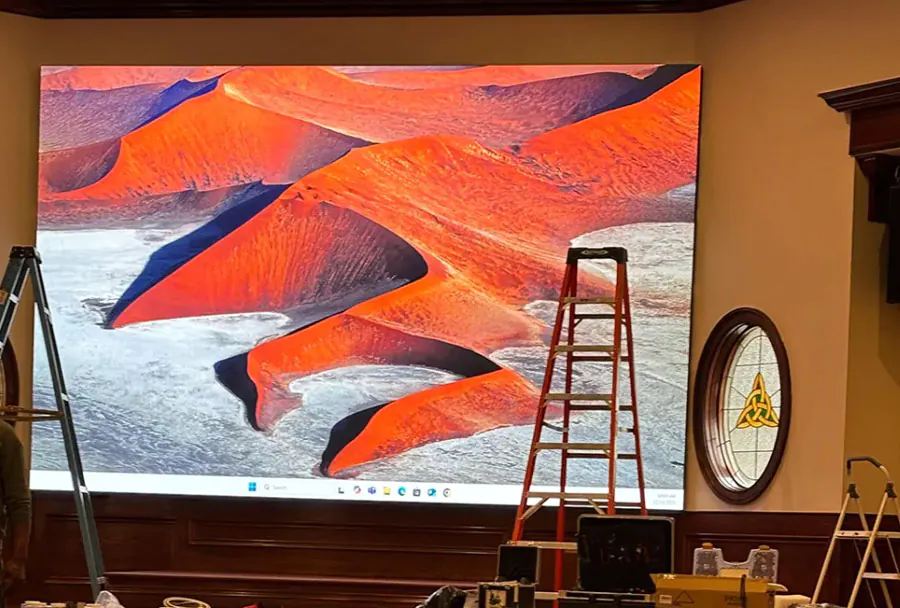
Businesses, venues, schools, churches, retailers, event organizers, and public institutions increasingly rely on digital displays to communicate clearly in competitive environments. A well-designed LED display can attract attention from a distance, improve audience engagement, support live events, and deliver flexible messaging without the limitations of printed signs. Choosing the right LED Screen Atlanta for Indoor & Outdoor Display Solutions helps organizations create a reliable visual communication system tailored to their space, audience, and operating conditions. From high-resolution indoor video walls to weather-resistant outdoor billboards, LED technology offers scalable performance for nearly any application. This guide explains the main benefits, selection factors, installation considerations, maintenance requirements, and practical uses of LED displays in the Atlanta market.
TW VISION has LED SCREEN STOCK in Atlanta; click TW VISION and talk to us.
Table of Contents
- Introduction
- Why LED Screen Atlanta for Indoor & Outdoor Display Solutions Is a Smart Investment
- High visibility in different environments
- Flexible content management
- Strong branding and audience engagement
- Scalable system design
- Indoor LED Displays for Atlanta Businesses and Venues
- Retail and showroom applications
- Corporate offices and reception areas
- Conference centers and event spaces
- Houses of worship and educational facilities
- Indoor installation factors
- Outdoor LED Screen Atlanta for Indoor & Outdoor Display Solutions
- Outdoor advertising and roadside signs
- Stadiums and athletic facilities
- Building facades and architectural displays
- Public information and municipal communication
- Weather and durability requirements
- Selecting the Right LED Screen Atlanta for Indoor & Outdoor Display Solutions
- Pixel pitch and viewing distance
- Brightness and contrast
- Refresh rate and image performance
- Cabinet construction and service access
- Control systems and connectivity
- Energy use and operating costs
- Permits and regulations
- Installation, Maintenance, and Content Strategy for LED Screen Atlanta for Indoor & Outdoor Display Solutions
- Site assessment and engineering
- Installation and commissioning
- Preventive maintenance
- Content planning
- Accessibility and responsible communication
- Measuring performance
- TW VISION LED Screen Stock In Atlanta,USA
- What is the best LED Screen Atlanta for Indoor & Outdoor Display Solutions for a storefront?
- How much does an LED Screen Atlanta for Indoor & Outdoor Display Solutions cost?
- How long does an LED Screen Atlanta for Indoor & Outdoor Display Solutions typically last?
- Can the screen display live video and scheduled content?
- Do outdoor LED displays work in rain and direct sunlight?
- How often should an LED display be maintained?
- Can a display be repaired one section at a time?
- Conclusion
Why LED Screen Atlanta for Indoor & Outdoor Display Solutions Is a Smart Investment
Modern LED displays are more than oversized televisions. They are professional communication tools built for visibility, flexibility, and long-term operation. An appropriately specified LED Screen Atlanta for Indoor & Outdoor Display Solutions can help a business present stronger branding, promote products, guide visitors, or deliver real-time information.
High visibility in different environments
Brightness is one of the most important advantages of LED technology. Indoor displays can be configured for controlled lighting conditions, while outdoor screens require substantially higher brightness to remain visible under direct sunlight. A quality display balances brightness with power efficiency and automatic adjustment, reducing glare at night while maintaining strong daytime readability.
Pixel pitch also affects image clarity. Indoor viewers are often closer to the screen, so a fine-pitch display may be necessary for presentations, menus, retail content, and detailed video. Outdoor viewers usually stand farther away, allowing a larger pixel pitch without compromising perceived image quality. Matching pixel pitch to viewing distance prevents unnecessary spending and helps ensure that text, graphics, and video look sharp.
Flexible content management
LED displays support dynamic content that can be changed quickly. A restaurant can update menu promotions, a retail store can highlight limited-time offers, and a sports venue can display scores, replays, schedules, and sponsor messages. Content can be managed through a media player, local computer, cloud-based platform, or integrated signage system.
This flexibility makes LED Screen Atlanta for Indoor & Outdoor Display Solutions valuable for organizations that need frequent updates. Instead of printing and replacing physical signage, staff can schedule campaigns, create playlists, coordinate multiple displays, and respond to current events through a centralized platform.
Strong branding and audience engagement
Large-format digital displays make a stronger visual impression than static signs in many public-facing locations. Motion, color, video, animation, and real-time information can help a brand stand out near busy roads, shopping districts, trade shows, and entertainment venues. LED Screen Atlanta for Indoor & Outdoor Display Solutions,LED Screen Atlanta.
The best results come from content designed for the viewing environment. A roadside screen needs short messages, large typography, and high contrast because drivers have only a few seconds to see it. An indoor lobby display can use more detailed content because visitors typically have additional time to read and interact with the information.
Scalable system design
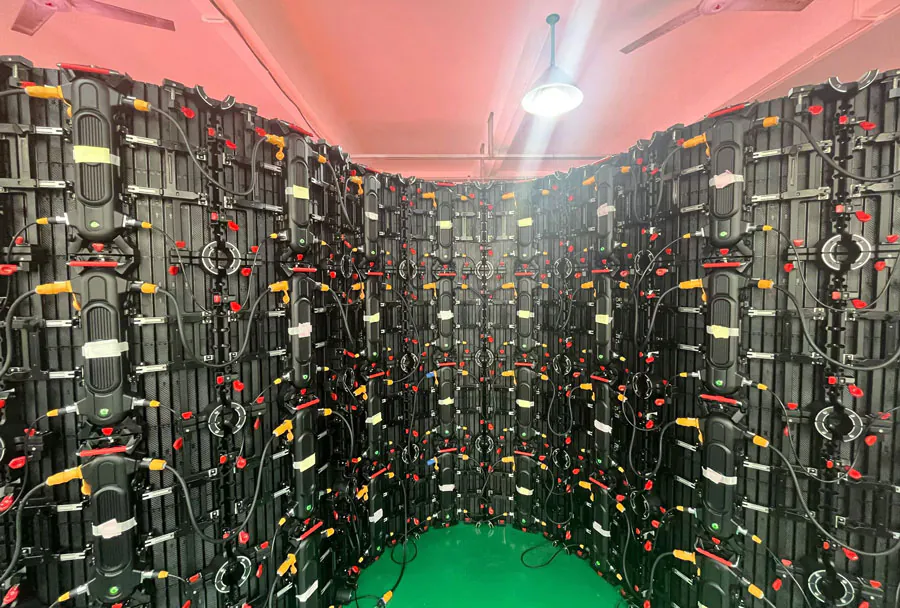
LED displays can be built in a wide range of sizes and shapes. A small indoor screen may be suitable for a reception area, while a large outdoor display may cover an entire building facade. Modular cabinet construction allows qualified installers to create custom dimensions and replace individual components when necessary. LED Screen Atlanta for Indoor & Outdoor Display Solutions,LED Screen Atlanta.
For growing organizations, LED Screen Atlanta for Indoor & Outdoor Display Solutions can begin as a single display and later expand to multiple locations. A carefully planned control system makes it easier to manage content across a network without replacing the entire infrastructure.
Indoor LED Displays for Atlanta Businesses and Venues
Indoor LED displays are used in corporate offices, retail stores, conference centers, houses of worship, schools, universities, museums, restaurants, hotels, and entertainment facilities. The ideal LED Screen Atlanta for Indoor & Outdoor Display Solutions for an interior application depends on viewing distance, ambient lighting, content type, room dimensions, and installation location.
Retail and showroom applications
Retailers use indoor LED screens to create prominent product zones, promote seasonal campaigns, and improve the customer journey. A video wall behind a checkout counter can communicate offers, while a narrow vertical display can support product education in a department or showroom.
Because shoppers may view a screen from only a few feet away, fine pixel pitch is often important. Detailed product imagery, small text, and high-definition video benefit from a tighter pixel arrangement. Retailers should also consider content brightness, color accuracy, viewing angles, and the display’s ability to operate for extended business hours.
Corporate offices and reception areas
Corporate environments often use LED video walls for welcome messages, company announcements, investor presentations, brand storytelling, and internal communications. A professional display in a lobby can provide a polished first impression while serving a practical information function.
Meeting rooms and boardrooms require careful consideration of screen size and viewing geometry. A display that is too small may be difficult to read from the back of the room, while one that is too bright can cause eye strain. Front-service access, quiet cooling, cable management, and compatibility with presentation systems are also important for office installations.
Conference centers and event spaces
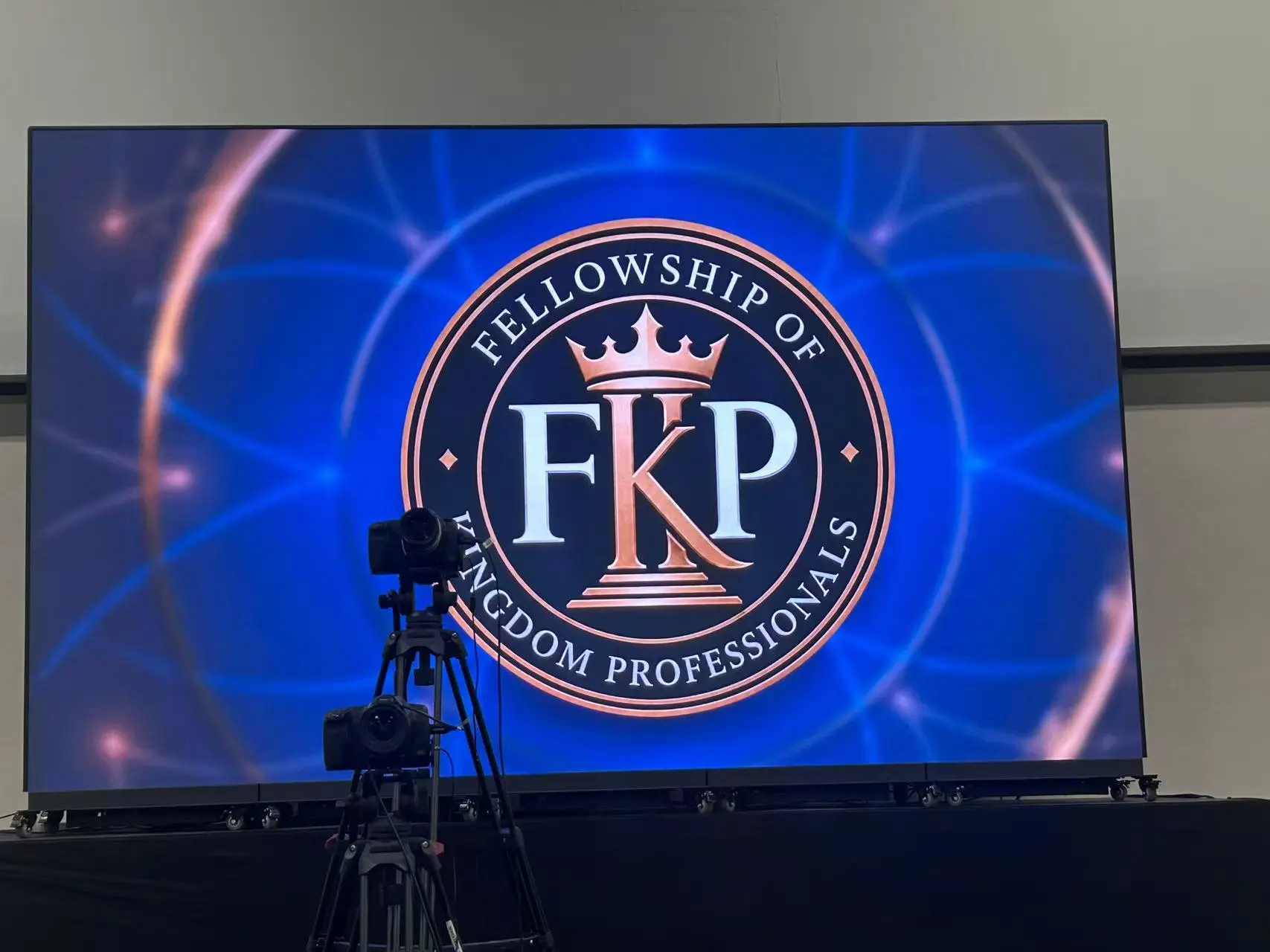
Atlanta hosts conventions, exhibitions, concerts, sporting events, and corporate gatherings throughout the year. Event spaces benefit from LED displays because they can be reconfigured for different programs and sponsors. Screens may be used for stage backgrounds, speaker content, schedules, wayfinding, sponsor loops, and live camera feeds.
A modular LED Screen Atlanta for Indoor & Outdoor Display Solutions gives event producers more control over stage design and audience communication. Rental or permanent systems can be selected based on how frequently the venue changes layouts. For touring events, lightweight cabinets and quick-lock mechanisms may reduce setup time.
Houses of worship and educational facilities
Churches, schools, and universities use indoor LED displays for lyrics, lectures, announcements, livestream feeds, maps, and event branding. These applications require clear text, broad viewing angles, dependable operation, and simple content updates.
Educational environments may benefit from displays that support multiple input sources, including computers, cameras, digital signage platforms, and wireless presentation tools. Houses of worship often need smooth video reproduction and accurate skin tones for camera feeds. In both settings, system operators should be trained to update content without relying on specialized technical staff for every change.
Indoor installation factors
Before purchasing an indoor display, evaluate:
– The average and maximum viewing distance
– Ambient light throughout the day
– Available wall or ceiling structure
– Electrical capacity and outlet locations
– Ventilation and room temperature
– Front-service or rear-service maintenance access
– Content resolution and signal sources
– Operating hours and expected duty cycle
– Sound system integration
– Accessibility and emergency egress requirements
These details influence the display specification, mounting method, controller selection, and total project budget.
Outdoor LED Screen Atlanta for Indoor & Outdoor Display Solutions
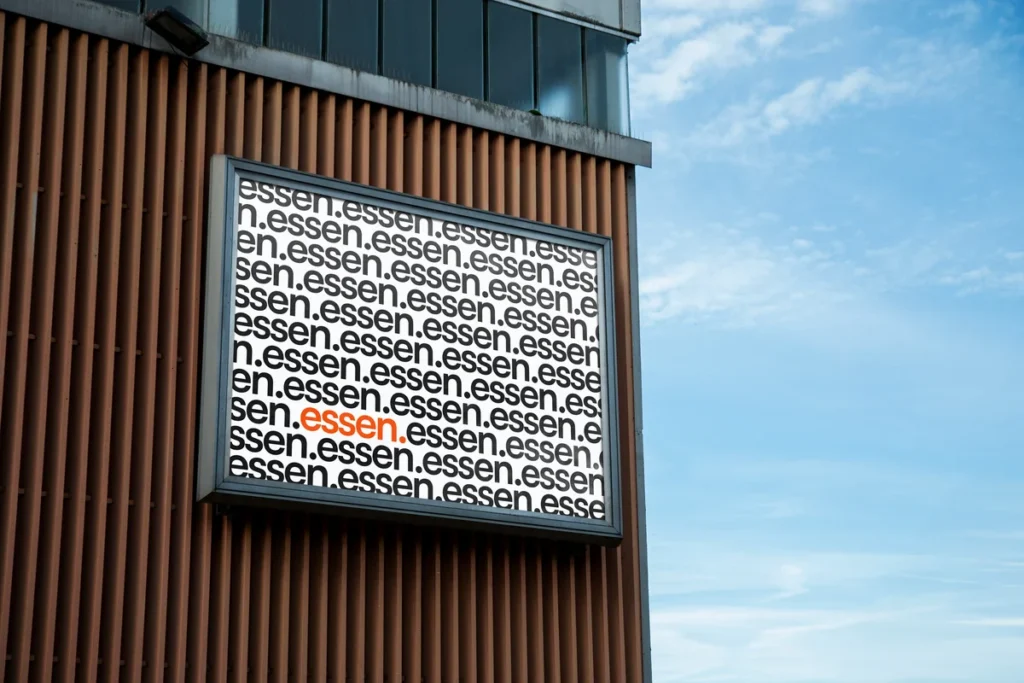
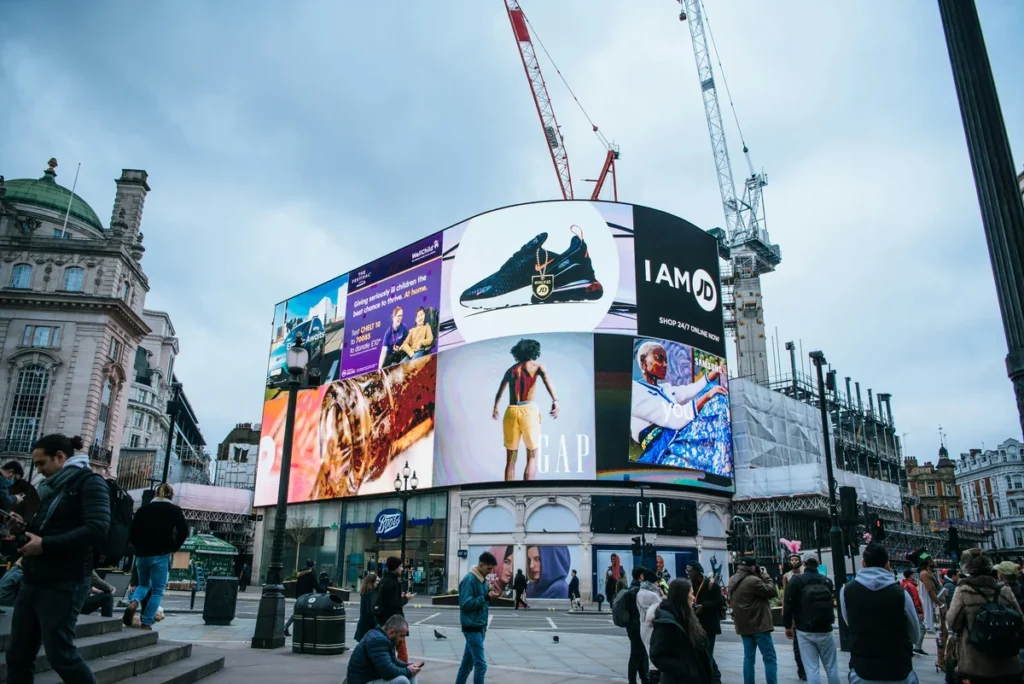
Outdoor LED displays must perform under demanding conditions. Sunlight, rain, humidity, dust, wind, temperature changes, and power fluctuations can all affect equipment performance. A properly engineered LED Screen Atlanta for Indoor & Outdoor Display Solutions uses weather-rated components, durable cabinets, appropriate brightness, and installation methods suited to local conditions.
Outdoor advertising and roadside signs
Businesses use outdoor LED signs to promote services, communicate opening hours, advertise special events, and provide location-based messaging. Digital roadside signage is especially useful when an organization has frequent promotions or needs to display multiple campaigns throughout the day.
Outdoor content must be designed for rapid recognition. Large fonts, simple layouts, strong contrast, and concise messages are more effective than crowded designs. Important information should remain visible long enough for the intended audience to read it. Operators should also consider traffic speed, road direction, viewing angle, nearby obstructions, and local sign regulations.
Stadiums and athletic facilities
Sports venues depend on LED technology for scoreboards, ribbon displays, replay screens, sponsor content, player statistics, and fan engagement. These systems must reproduce fast-moving action smoothly and remain visible from multiple sections of the venue.
A sports installation may include several synchronized displays, each with a different purpose. The main video board handles high-impact content, ribbon boards support sponsorship and announcements, and smaller auxiliary screens provide directions or concessions information. Reliable signal distribution and redundant control equipment are critical during live events.
Building facades and architectural displays
Architectural LED systems can transform a building exterior into a recognizable landmark. Hotels, entertainment venues, car dealerships, shopping centers, and corporate headquarters may use facade displays to support branding or public events.
The design must respect the building structure and surrounding community. Factors include wind load, mounting points, drainage, cable routing, maintenance access, and the visual impact on neighboring properties. A professional site assessment should occur before equipment is ordered.
Public information and municipal communication
Cities, campuses, transportation facilities, and public agencies use outdoor displays for announcements, emergency messages, traffic information, schedules, and community events. These displays need dependable uptime and content controls that allow authorized personnel to publish accurate information quickly.
An outdoor LED Screen Atlanta for Indoor & Outdoor Display Solutions should include protective housing, surge protection, remote monitoring, and a service plan. Public-facing systems also need policies for content approval, accessibility, emergency use, and scheduled maintenance.
Weather and durability requirements
Outdoor LED cabinets commonly include ingress protection ratings that indicate resistance to dust and moisture. The appropriate rating depends on whether the display is fully exposed, partially sheltered, or installed behind additional protection. A higher rating does not eliminate the need for proper drainage, sealing, and maintenance.
Temperature management is equally important. Displays may require fans, air conditioning, heaters, or specially designed ventilation. Excessive heat can shorten component life, while condensation and freezing conditions can create electrical and structural problems. Local climate patterns should be considered during system design.
Selecting the Right LED Screen Atlanta for Indoor & Outdoor Display Solutions
Choosing equipment based only on screen size can lead to disappointing image quality, higher operating costs, and difficult maintenance. The best LED Screen Atlanta for Indoor & Outdoor Display Solutions is determined by the relationship between the display, the location, the content, and the audience.
Pixel pitch and viewing distance
Pixel pitch is the distance between the centers of adjacent LED pixels. A smaller pixel pitch generally produces greater detail at close viewing distances. A larger pitch can be effective for distant audiences and large outdoor signs.
The correct choice is not always the smallest available pitch. Fine-pitch products usually cost more and may use more components, while a display viewed from far away may not benefit from extremely dense resolution. A qualified provider can calculate an appropriate pitch based on the nearest and farthest expected viewers.
Brightness and contrast
Indoor screens typically require lower brightness than outdoor models. Excess brightness indoors can make content uncomfortable to view and may reduce perceived color quality. Outdoor displays need enough brightness to compete with sunlight, but they should include automatic dimming for evening operation.
Contrast affects whether text and images remain distinct, especially in mixed lighting. Cabinet design, LED quality, surface treatment, and calibration all influence contrast. Ask for demonstrations under lighting conditions similar to the actual installation site.
Refresh rate and image performance
Refresh rate matters when cameras will record the display or when the screen will show fast-moving video. A higher refresh rate can reduce flicker and scan lines in broadcast, livestream, and professional video environments.
Color consistency is also essential across cabinets. Displays should be calibrated so that neighboring modules appear uniform rather than showing visible differences in brightness or color temperature. Calibration should be performed during commissioning and repeated as components are replaced.
Cabinet construction and service access
LED display cabinets may be made from aluminum, steel, or other engineered materials. Outdoor systems require protection from moisture and corrosion, while indoor systems may prioritize low weight and a slim profile.
Maintenance access affects labor costs over the life of the display. Front-service cabinets can be useful when the screen is mounted directly against a wall. Rear-service designs may be more economical when technicians have access behind the display. Magnetic modules and accessible power supplies can simplify repairs.
Control systems and connectivity
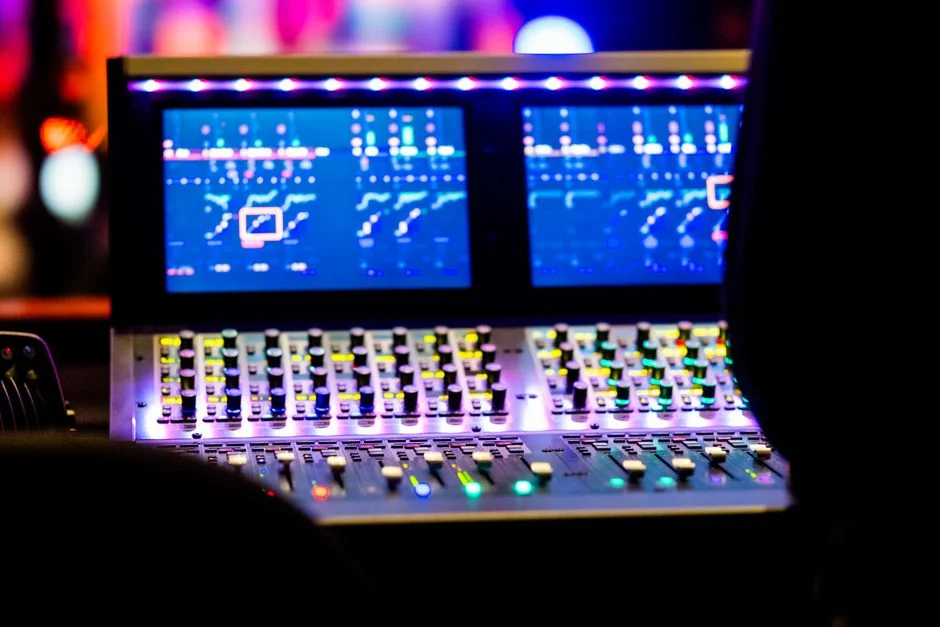
The controller determines how content reaches the display and how the system handles different sources. Common inputs include HDMI, DisplayPort, SDI, network connections, and media players. Larger installations may need video processors, signal distribution, synchronization, and backup sources.
A content management platform should match the organization’s workflow. Some teams need cloud scheduling and remote management, while others prefer local control for security or simplicity. Confirm compatibility with existing audiovisual equipment before selecting a controller.
Energy use and operating costs
Power consumption depends on brightness, screen size, pixel pitch, content, cabinet design, and operating schedule. Outdoor displays often use more power at maximum brightness, but automatic dimming can lower average consumption.
A realistic budget should include electricity, content creation, network connectivity, inspections, replacement modules, cleaning, calibration, and technical support. Comparing only the initial purchase price can hide meaningful differences in total cost of ownership.
Permits and regulations
Outdoor installations may require building permits, electrical approvals, zoning review, sign permits, engineering documentation, or landlord approval. Digital signs may also be subject to brightness limits, display intervals, animation rules, and restrictions near roadways.
The project team should identify these requirements before fabrication. Delays caused by permitting or structural changes can affect opening dates and increase costs.
Installation, Maintenance, and Content Strategy for LED Screen Atlanta for Indoor & Outdoor Display Solutions
A successful display project continues after delivery. Professional installation, regular maintenance, and well-planned content are necessary to protect the investment and maintain audience attention. With the right LED Screen Atlanta for Indoor & Outdoor Display Solutions, organizations can build a dependable system that remains effective over many years.
Site assessment and engineering
A site assessment should document wall construction, mounting surfaces, wind exposure, electrical service, network access, viewing angles, ambient lighting, and maintenance paths. Outdoor projects may require structural calculations to confirm that the building or support structure can handle the display and expected wind loads.
The assessment should also examine what viewers can see from different positions. Obstructions, glare, nearby lighting, trees, traffic signs, and competing visual elements can influence the final placement. A technically sound display can still underperform if it is installed where viewers cannot see it clearly.
Installation and commissioning
Installation involves mounting cabinets, connecting power and data, configuring processors, calibrating modules, testing inputs, and setting brightness schedules. Technicians should verify that every cabinet is communicating correctly and that the display can recover from a power interruption.
Commissioning should include test patterns, grayscale checks, color calibration, video playback, network testing, content scheduling, and emergency procedures. Operators should receive documented instructions for routine tasks and troubleshooting.
Preventive maintenance
Routine maintenance helps identify problems before they interrupt operations. Depending on the display type and environment, maintenance may include:
– Inspecting power supplies and data cables
– Checking cabinet seals and drainage
– Cleaning vents, filters, and module surfaces
– Reviewing temperature and humidity readings
– Testing brightness and color uniformity
– Replacing failed modules or receiving cards
– Checking mounting hardware
– Reviewing error logs and remote monitoring alerts
– Confirming backup content and control access
Outdoor screens may need more frequent inspections because dust, moisture, insects, and temperature changes can affect performance. Indoor displays also require cleaning and calibration, particularly in dusty retail, industrial, or event environments.
Content planning
Content should be created for the screen’s physical location. Use large type, short messages, strong contrast, and a visual hierarchy that makes the main point immediately clear. Avoid placing critical text near cabinet seams or display edges.
Build content around audience behavior. Drivers need quick recognition, while visitors in a lobby may read a longer announcement. Event attendees may need schedules and directions, whereas shoppers may respond to product demonstrations or limited-time promotions.
A content calendar can coordinate promotions, announcements, seasonal campaigns, sponsor obligations, and community information. Scheduled playlists reduce manual work and help prevent outdated messages from remaining on screen.
Accessibility and responsible communication
Digital signage should use readable typography, sufficient contrast, and language appropriate for the audience. Important public information should not rely on color alone. When content includes video, captions and clear visual organization improve accessibility.
Organizations should also establish approval procedures. A designated content owner can review spelling, dates, prices, legal disclaimers, and emergency messages before publication. Access controls help prevent unauthorized changes.
Measuring performance
The value of a display can be evaluated through several measures, including campaign impressions, foot traffic, event attendance, sales activity, QR code scans, audience surveys, and operational uptime. Retailers can compare promotion periods, while venues can track sponsor visibility and engagement.
Performance data should inform future content decisions. If a message is difficult to read or produces little response, adjust the design, timing, placement, or call to action. Digital signage becomes more effective when treated as an ongoing communication channel rather than a one-time installation.
TW VISION LED Display Stock in Atlanta, USA
TW VISION maintains LED display inventory in Atlanta, USA, allowing customers to check available stock for faster fulfillment.
Here is a basic STOCK list.
P2.5 indoor led display for installation-640x480mm-CT series
P2.6 indoor led display for rental-500x1000mm/500x500mm-PQ series
P1.86 indoor folding LED display-640x1920mm-LP-H series
p1.86 LED podium-480x960mm
Talk to sales for details.
Frequently Asked Questions About LED Screen Atlanta for Indoor & Outdoor Display Solutions
What is the best LED Screen Atlanta for Indoor & Outdoor Display Solutions for a storefront?
The best option depends on whether the display will be installed inside a window, inside the store, or on an exterior wall. A window-facing screen may require higher brightness to compete with daylight, while an interior display may prioritize fine pixel pitch and comfortable viewing. The provider should evaluate viewing distance, sunlight, operating hours, electrical capacity, and local sign requirements before recommending a model.
How much does an LED Screen Atlanta for Indoor & Outdoor Display Solutions cost?
Pricing varies according to screen dimensions, pixel pitch, brightness, cabinet quality, control equipment, mounting, installation, permits, and service coverage. Indoor fine-pitch video walls can have a different cost structure from large outdoor signs. A detailed quote should separate equipment, engineering, installation, content systems, taxes, and ongoing support so the organization can compare proposals accurately.
How long does an LED Screen Atlanta for Indoor & Outdoor Display Solutions typically last?
A professionally installed display can provide many years of service when it is correctly specified, operated within its recommended conditions, and maintained regularly. Actual lifespan depends on brightness settings, daily operating hours, environmental exposure, component quality, ventilation, and maintenance practices. A service agreement and access to replacement modules can extend usable life and reduce downtime.
Can the screen display live video and scheduled content?
Yes. Most professional LED systems can display live camera feeds, presentations, digital signage playlists, advertisements, social media content, schedules, and emergency messages. The required hardware depends on the number of sources, signal formats, resolution, synchronization needs, and whether the system will be managed locally or remotely.
Do outdoor LED displays work in rain and direct sunlight?
Outdoor-rated displays are designed to operate in exposed conditions when installed correctly. They use protective cabinets and components selected for moisture, dust, temperature changes, and high brightness. However, weather resistance depends on complete system design, including cabinet sealing, drainage, mounting, power protection, and maintenance. Indoor screens should never be used outdoors without explicit manufacturer approval.
How often should an LED display be maintained?
Maintenance frequency depends on the location and operating environment. Outdoor displays often benefit from scheduled inspections several times per year, with additional checks after severe weather. Indoor displays should be cleaned and inspected according to dust levels, operating hours, and manufacturer instructions. Remote monitoring can help identify faults between scheduled service visits.
Can a display be repaired one section at a time?
Most modular LED displays are designed for component-level service. Technicians can often replace individual LED modules, power supplies, receiving cards, or other components instead of replacing the complete screen. Keeping compatible spare parts available can shorten repair times and improve system availability.
Conclusion
LED technology gives Atlanta organizations a flexible way to communicate with customers, visitors, employees, fans, students, and the wider community. The right LED Screen Atlanta for Indoor & Outdoor Display Solutions should be selected through careful consideration of viewing distance, brightness, pixel pitch, weather exposure, content requirements, structural conditions, control systems, and maintenance access. Indoor displays can strengthen presentations, retail experiences, lobbies, and events, while outdoor systems can improve advertising, public communication, sports entertainment, and building visibility. With professional engineering, reliable installation, effective content planning, and preventive maintenance, an LED display becomes a long-term business and communication asset rather than simply another piece of equipment.
Related Articles
- Outdoor LED Screen Houston: Buy, Rent, Install: Expert Guide
- mobile led screen rental: 5 Best for Events and Promotions
- led screen rental tampa: 9 Best for Events and Promotions
