Large LED Screen Manufacturer: How TW VISION Delivers Next-Generation LED Display Solutions

Introduction
Choosing the right LED display partner can determine whether a visual communication project delivers lasting value or becomes an expensive maintenance challenge. A Large LED Screen Manufacturer must provide more than bright modules and attractive specifications. It must combine engineering expertise, reliable production, precise installation support, software compatibility, and long-term service. TW VISION approaches LED display development as an end-to-end process, helping customers create dependable solutions for stadiums, retail spaces, transportation hubs, corporate buildings, control rooms, entertainment venues, and outdoor advertising networks. By focusing on image quality, structural safety, energy performance, and scalable design, the company helps organizations transform large surfaces into powerful communication platforms. This article explains how TW VISION delivers next-generation LED display solutions and why its manufacturing approach matters for demanding commercial projects.
Table of Contents
- Introduction
- Large LED Screen Manufacturer: Engineering Built for Real-World Applications
- Large LED Screen Manufacturer: Image Quality and Intelligent Display Performance
- Large LED Screen Manufacturer: Durability, Safety, and Energy Efficiency
- Large LED Screen Manufacturer: Customization and Complete Project Support
- Large LED Screen Manufacturer: Applications Across Commercial and Public Spaces
- FAQ
- What should I look for in a Large LED Screen Manufacturer?
- How does TW VISION determine the right LED screen specification?
- Is a Large LED Screen Manufacturer responsible for installation?
- How long can a large LED display operate?
- Can TW VISION create custom-shaped or curved LED displays?
- What maintenance does a large LED screen require?
- How does LED display energy consumption affect operating costs?
- What information should be included in an LED screen quotation?
- Conclusion
Large LED Screen Manufacturer: Engineering Built for Real-World Applications
A successful LED project begins with an accurate understanding of the environment in which the display will operate. Indoor conference rooms, outdoor roadside billboards, sports arenas, shopping centers, and broadcast studios all present different technical requirements. Viewing distance, ambient light, weather exposure, installation height, content type, refresh rate, and maintenance access must be considered before a product is selected. Large LED Screen Manufacturer: How TW VISION Delivers Next-Generation LED Display Solutions.
TW VISION designs its solutions around these practical conditions. Instead of treating every project as a standard screen order, the company evaluates the application and recommends an appropriate pixel pitch, cabinet structure, brightness level, protection rating, and control architecture. This project-oriented approach allows customers to balance visual performance with budget, power consumption, and installation complexity. Large LED Screen Manufacturer: How TW VISION Delivers Next-Generation LED Display Solutions.
Pixel pitch is one of the most important technical factors. A fine-pitch display places LED pixels closer together, producing sharper images for audiences standing near the screen. Larger pixel pitches can be more economical for façades, highways, stadium exteriors, and other applications where viewers are positioned farther away. Matching pixel pitch to viewing distance prevents customers from paying for unnecessary resolution or choosing a screen that appears unclear at close range.
Brightness also needs to be calibrated to the setting. An outdoor display exposed to direct sunlight requires significantly higher brightness than an indoor presentation screen. However, excessive brightness indoors can cause discomfort, waste energy, and reduce image quality. TW VISION can configure displays for the specific lighting conditions of the installation site, supporting clear visibility while maintaining a more comfortable viewing experience.
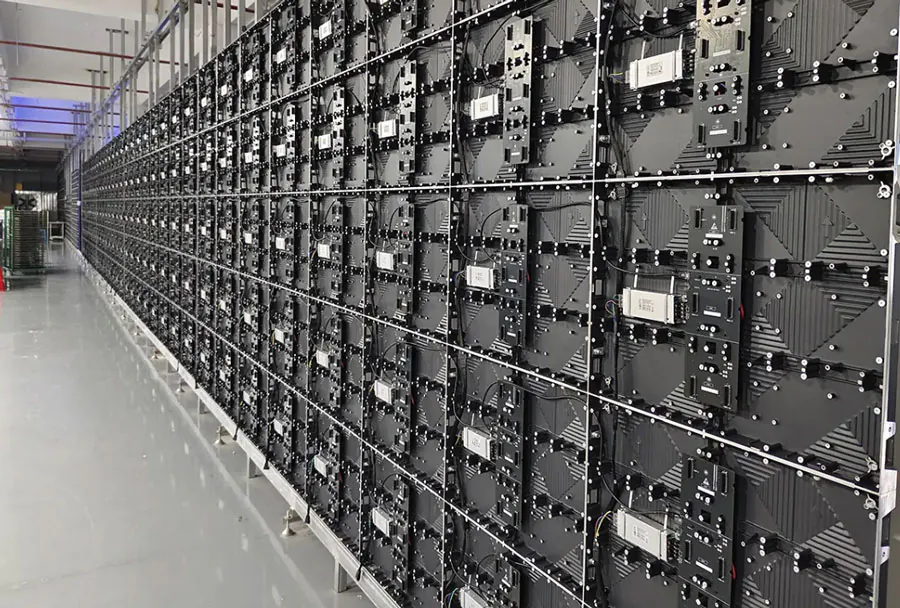
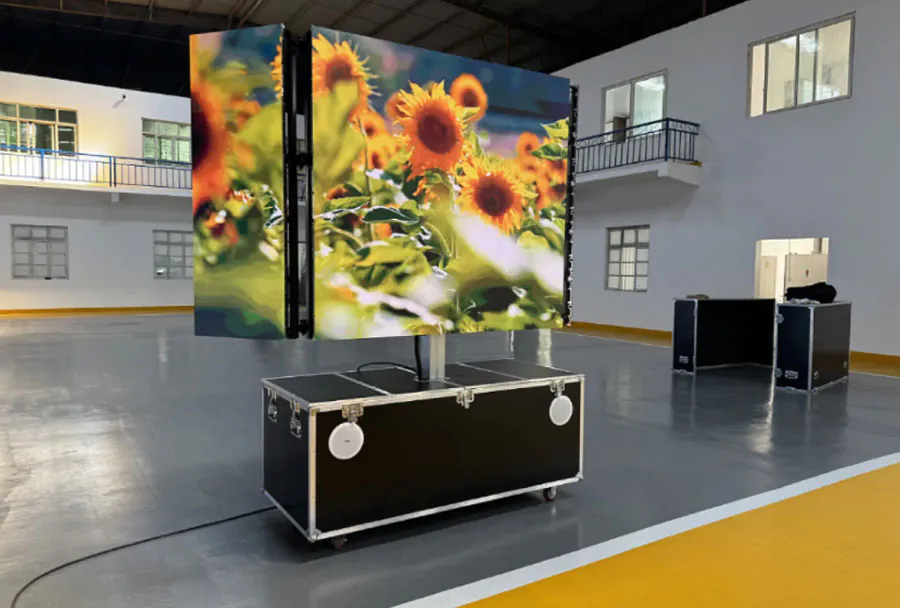
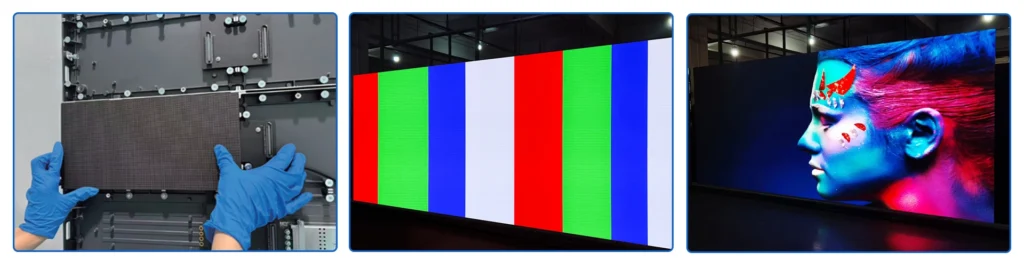
The cabinet itself contributes to overall reliability. Lightweight aluminum cabinets can simplify transportation and installation, while precision-machined structures help maintain even alignment across a large canvas. Front-serviceable designs may be valuable in locations where rear access is limited. Rental and touring applications may require fast-locking cabinets, reinforced corners, and repeated assembly capability. Fixed installations may prioritize weather resistance, thermal management, and long service life.
A capable Large LED Screen Manufacturer also understands that mechanical design affects image consistency. Small gaps, uneven cabinet positioning, or inconsistent module tolerances can create visible lines across a display. Careful production controls and calibration reduce these issues and help the final screen look like one continuous surface rather than a collection of separate panels.
Large LED Screen Manufacturer: Image Quality and Intelligent Display Performance
Modern LED screens are expected to do more than show a static picture. They must reproduce detailed video, live camera feeds, motion graphics, data dashboards, advertisements, presentations, and interactive content. This requires a display system with strong color performance, stable refresh rates, effective processing, and flexible content management.
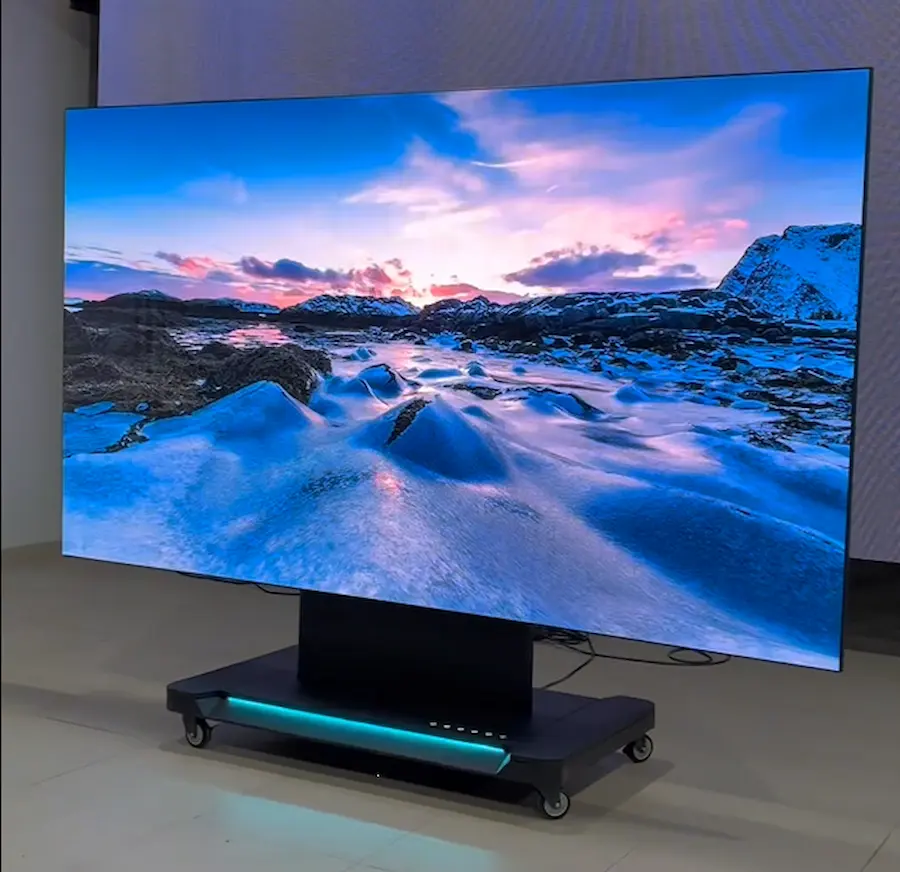
TW VISION develops LED solutions with image clarity as a central priority. High refresh rates are particularly important for live events and broadcast environments. When cameras record an LED screen, low refresh performance can result in flicker, scan lines, or rolling artifacts. A higher refresh rate helps the display appear stable on camera and improves the experience for viewers watching fast-moving content.
Color consistency is equally important. Large displays often contain thousands or millions of individual LEDs. If the modules are not calibrated properly, differences in brightness and color can become noticeable, especially when the screen shows white backgrounds, skin tones, gradients, or solid corporate colors. Calibration technology helps balance the output of individual modules and supports a more uniform appearance across the entire display.
Contrast performance influences how well content appears in both dark and bright scenes. Deep blacks, clear shadow detail, and controlled brightness give video greater depth. This is especially valuable for entertainment venues, museums, premium retail environments, and corporate spaces where the display is part of the overall visual design.
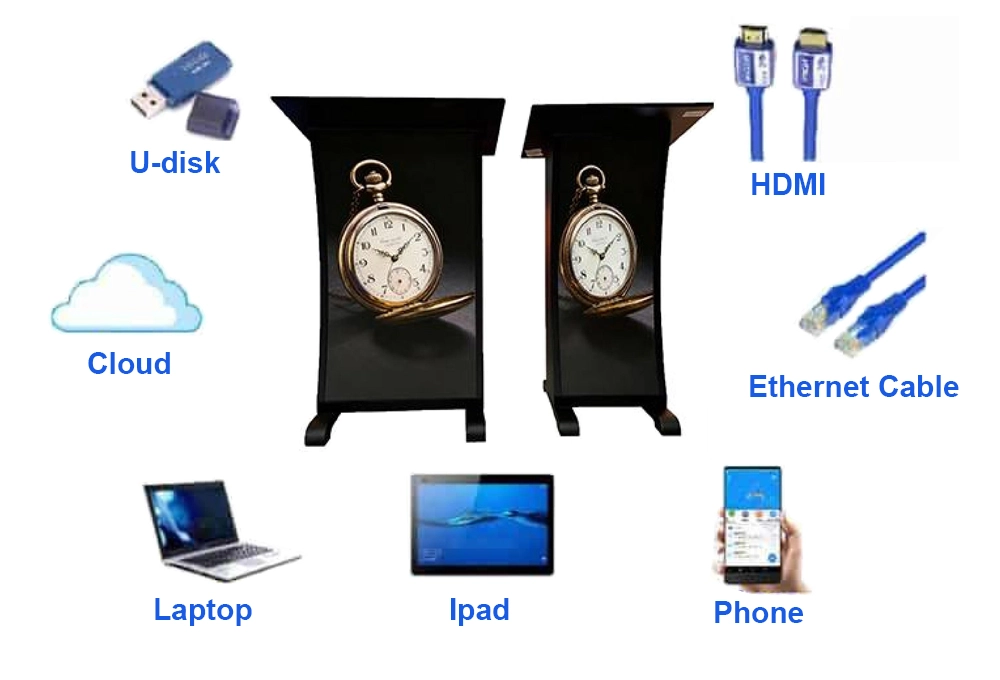
Processing equipment is another important component. A display may need to receive signals from media servers, cameras, laptops, switchers, signage platforms, or control systems. A suitable controller can manage multiple input sources, scale content to different resolutions, switch between layouts, and support synchronized playback. For complex projects, redundancy and monitoring features can help reduce the impact of equipment failure.
Content management must also be practical for daily users. Advertising operators may need to schedule campaigns across multiple screens. Stadium teams may require live score integration and rapid content changes. Corporate users may need simple presentation switching. Control room operators may value precise layouts and uninterrupted data visualization. TW VISION solutions can be integrated with appropriate sending cards, receiving systems, processors, and software platforms to support these workflows.
A professional Large LED Screen Manufacturer considers the complete signal chain rather than focusing only on the LED module. The module, cabinet, power supply, receiving card, sending system, processor, network connection, and content software all affect the final result. A weakness in any one of these areas can reduce reliability or limit what the screen can display.
For this reason, product evaluation should include more than a specification sheet. Buyers should ask how the system handles different resolutions, whether it supports high-frame-rate video, how calibration is performed, how content is scheduled, and whether monitoring tools can identify problems before they affect an event or campaign.
Large LED Screen Manufacturer: Durability, Safety, and Energy Efficiency
Large-format displays are often installed in environments where replacement is difficult and downtime is costly. An outdoor screen may face rain, dust, high temperatures, wind, and repeated temperature changes. An indoor display may operate for long hours in a busy public venue. A rental screen may be transported, assembled, dismantled, and stored many times each year.
TW VISION addresses these demands through attention to materials, thermal design, electrical protection, and cabinet construction. Outdoor products generally require suitable ingress protection against dust and water. The precise protection level should be selected according to the installation location, local climate, and enclosure design. A display mounted under a roof may have different requirements from one fixed to an exposed building façade.
Heat management is critical because excessive temperature can shorten the lifespan of LEDs, power supplies, and electronic components. Efficient ventilation, appropriate cabinet spacing, high-quality components, and intelligent brightness control can help maintain stable operating conditions. A well-designed thermal system also reduces the risk of sudden shutdowns during extended use.
Electrical safety must be considered from both the product and installation perspectives. Power distribution should be planned according to the screen’s size, brightness, operating schedule, and local electrical standards. Protective devices, grounding, surge protection, and correctly rated cabling contribute to safer operation. Professional installation teams should verify load calculations and ensure that the supporting structure can handle the screen and environmental forces.
Energy efficiency has become a major purchasing consideration. A large LED screen can consume substantial electricity, particularly when operated outdoors at maximum brightness. Automatic brightness adjustment can reduce power use during nighttime or low-light conditions. Efficient driver circuits and power supplies can also lower operating costs. In large deployments, small improvements in energy performance can produce meaningful savings over several years.
Maintenance planning is part of durability. Before installation, customers should understand the module replacement process, access options (front or rear service), spare-part storage requirements, and fault diagnosis procedures. Furthermore, they should establish a clear maintenance plan to keep the LED display operating efficiently over time. Remote monitoring can provide information about temperature, voltage, receiving-card status, and module performance. These tools help service teams respond more quickly and may support preventive maintenance.
A dependable Large LED Screen Manufacturer should provide documentation that covers installation, operation, maintenance, and troubleshooting. Clear manuals, wiring diagrams, cabinet maps, spare-part recommendations, and commissioning procedures make it easier for local teams to manage the display after installation. Technical support is particularly valuable when a project involves multiple screen sizes, custom structures, or integration with third-party systems.
Durability should not be measured only by a warranty period. Buyers should also examine component quality, factory testing, environmental suitability, serviceability, and the supplier’s ability to provide replacement parts over time. A lower initial price may become less attractive if repairs require long shipping delays or specialized procedures.
Large LED Screen Manufacturer: Customization and Complete Project Support
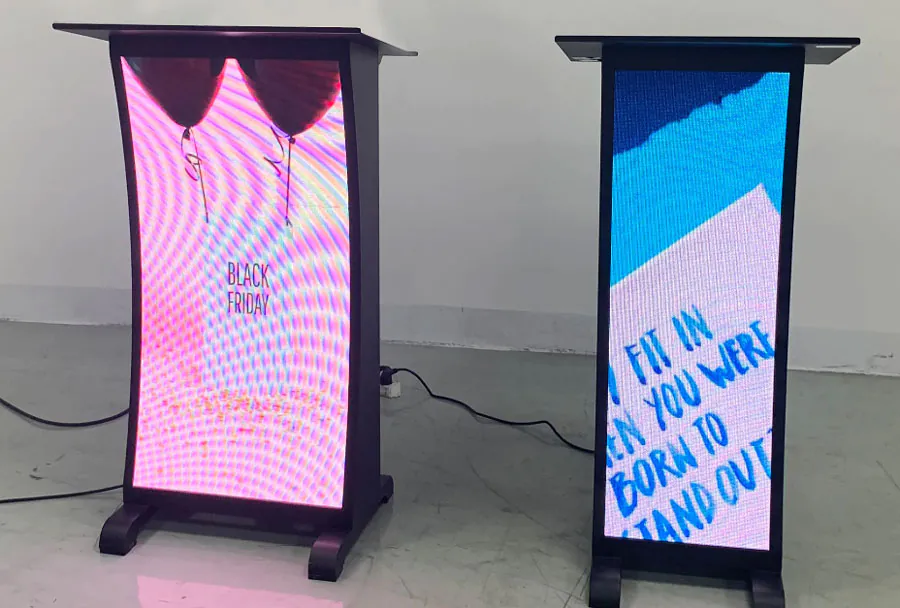
Every large LED project has a physical and operational context. A standard rectangular screen may work for a conference hall, but curved displays, ribbon screens, transparent LED façades, creative installations, and irregular architectural surfaces require a more flexible approach.
TW VISION supports customization across several levels. Customers may select different pixel pitches, cabinet dimensions, brightness options, protection ratings, installation methods, and service configurations. The screen can be designed for a wall, pole, truss, roof, stage, vehicle, or custom steel structure, depending on the application.
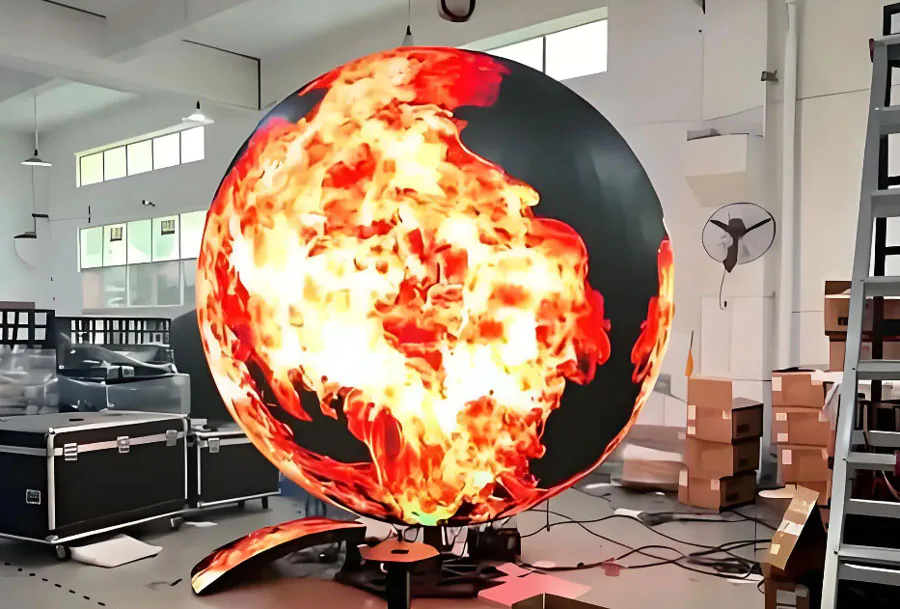
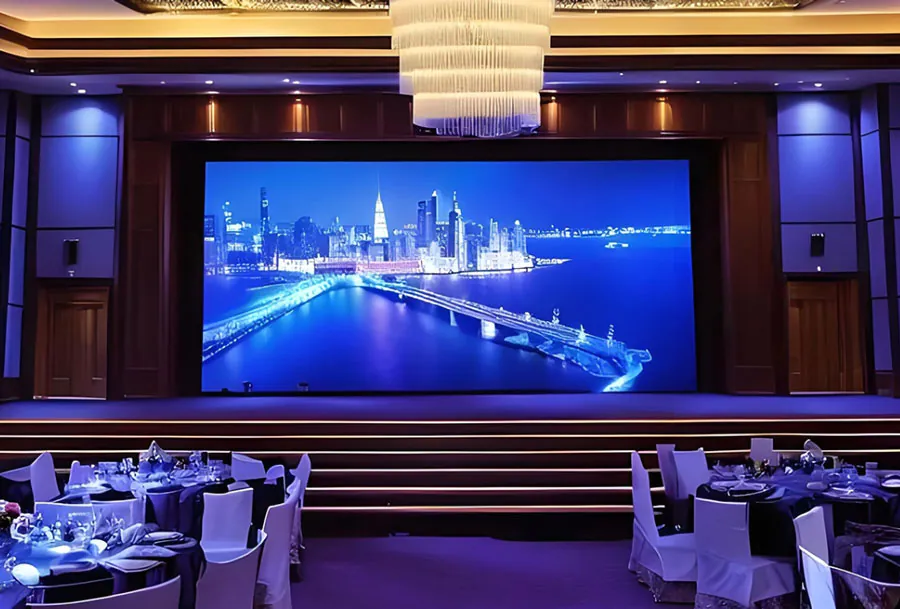
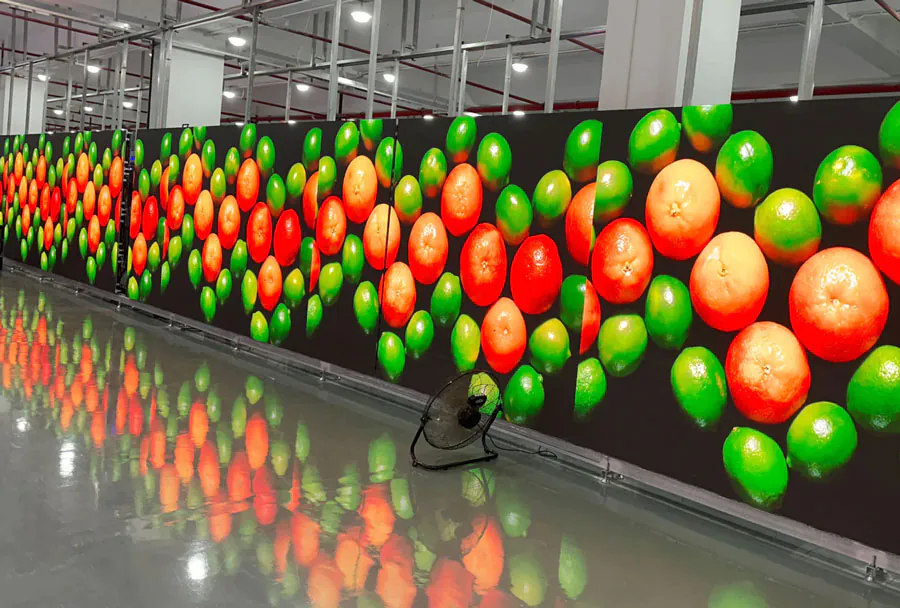
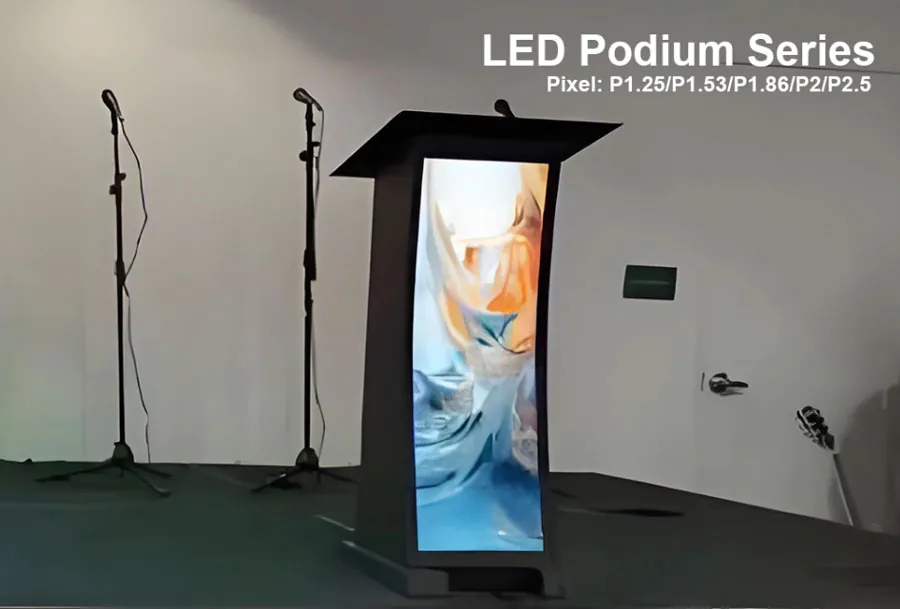
Creative LED formats can help brands and venues use display technology as part of the architecture. Curved screens can surround audiences in immersive environments. Flexible modules can follow columns or curved surfaces. Transparent displays can preserve visibility through glass façades while adding digital content. Fine-pitch indoor products can create seamless presentations in boardrooms, experience centers, and broadcast studios.
Customization should still be controlled by engineering requirements. A display that looks impressive in a concept drawing must also be structurally stable, serviceable, properly ventilated, and compatible with the intended content system. TW VISION’s project support can help connect creative goals with realistic technical specifications.
A complete project typically includes more than manufacturing. It may involve site surveys, structural recommendations, CAD drawings, cabinet layout plans, power distribution guidance, signal design, delivery coordination, installation assistance, software configuration, testing, and operator training. Coordinating these elements reduces the risk of responsibility gaps between the screen supplier, construction contractor, electrical team, and content provider.
For international projects, communication and documentation are also important. Different countries may have specific requirements related to electrical safety, building structures, fire protection, wind loading, and public installations. The buyer should confirm which certifications and local approvals are required before production begins. A manufacturer with experience supporting overseas customers can help organize the technical information needed by local contractors and consultants.
A strong Large LED Screen Manufacturer also recognizes that commissioning is a critical stage. First, installation teams should check cabinet alignment, module calibration, signal stability, brightness uniformity, color accuracy, power performance, and control-system operation. Then, they should verify that every component functions correctly to ensure the LED display delivers stable and consistent performance. Test content should include video, text, gradients, black levels, high-speed motion, and different aspect ratios. Outdoor projects should be reviewed under both daytime and nighttime conditions.
After commissioning, training helps the customer operate the system confidently. Basic users may need instruction on content playback and scheduling, while technical staff may require information about calibration, diagnostics, spare modules, receiving cards, and emergency procedures. A structured handover gives the project a better chance of performing consistently long after installation.

Large LED Screen Manufacturer: Applications Across Commercial and Public Spaces
Businesses across various industries use LED display technology to deliver large-scale visuals, high brightness, flexible configurations, and real-time communication. The right product depends on the audience, viewing conditions, content strategy, and operating schedule.
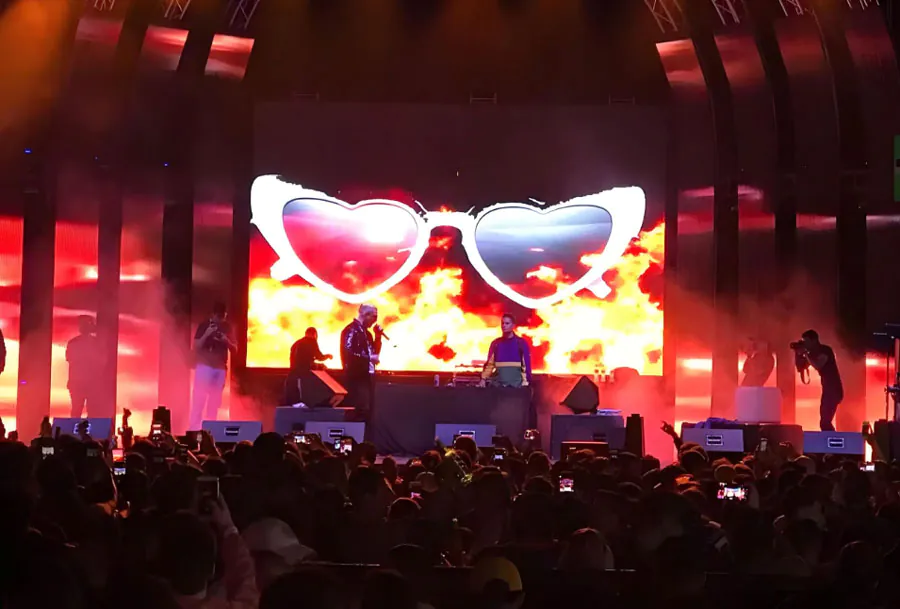
In sports venues, LED screens support scoreboards, live replays, sponsorship messages, player introductions, event graphics, and audience engagement. Perimeter boards can display rapidly changing advertising content, while large center-hung displays provide a focal point for spectators. High refresh rates, wide viewing angles, strong brightness, and reliable operation are essential for these applications.
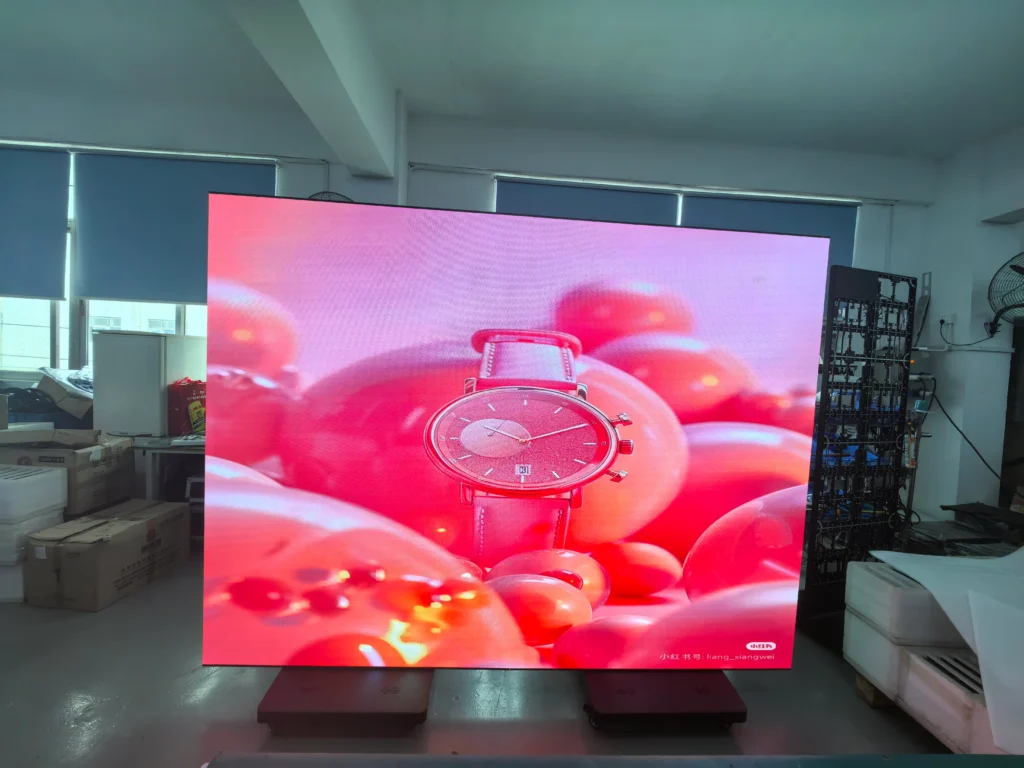
Retail environments use LED displays to create dynamic storefronts, product showcases, promotional walls, and immersive brand experiences. Fine-pitch indoor screens can present detailed visuals at close range. Creative shapes and curved surfaces may help a store stand out in a crowded commercial district. Content scheduling allows retailers to update campaigns without changing physical signage.
Transportation hubs need clear and dependable information systems. Airports, railway stations, and bus terminals can use LED displays for directions, arrival information, advertising, emergency messages, and public announcements. These screens must remain legible under changing light conditions and operate continuously with minimal interruption.
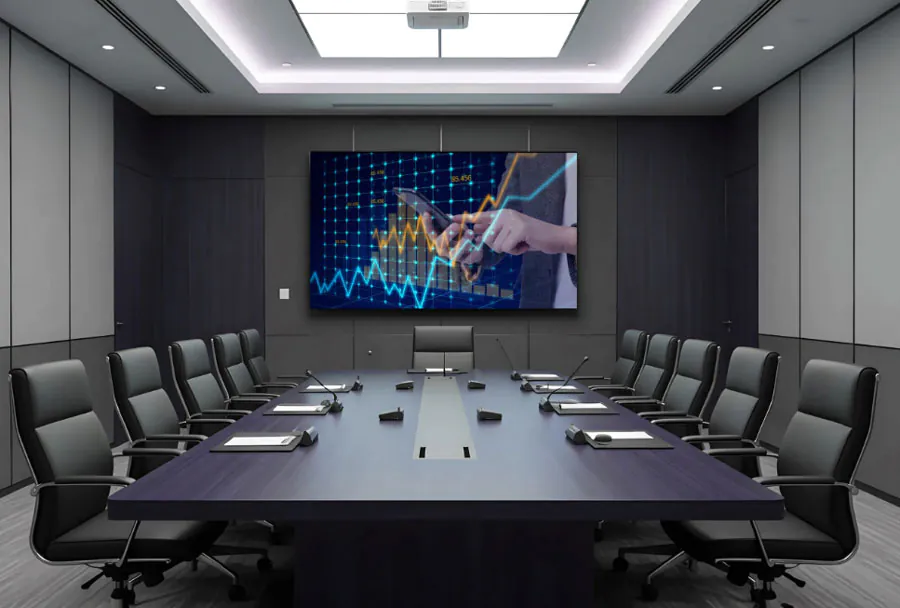
Corporate offices and conference centers use LED video walls for presentations, hybrid meetings, internal communications, reception areas, and executive briefing rooms. Fine-pitch displays with low scan artifacts and accurate color reproduction are useful when cameras and presentation content are involved. Easy source switching and centralized control improve the user experience during meetings.
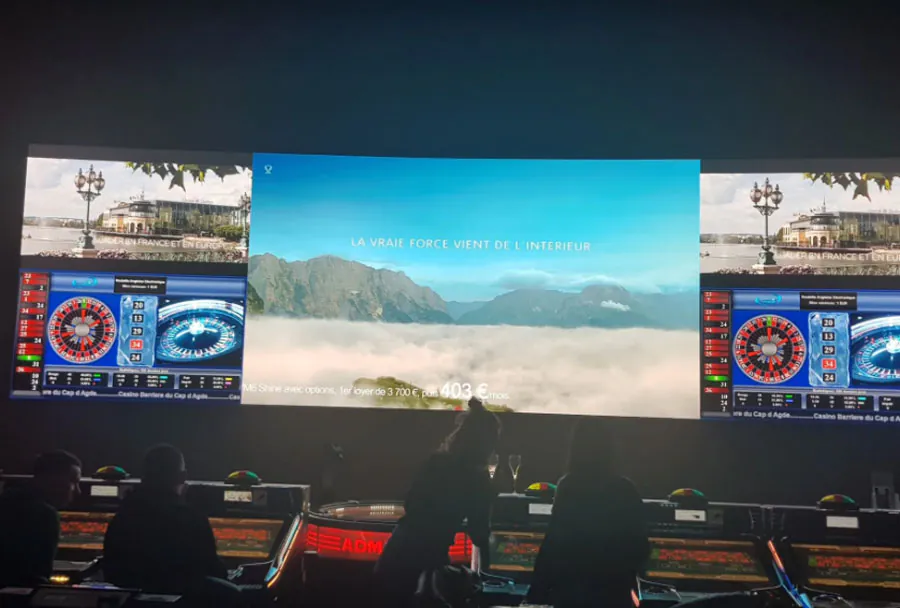
Control rooms depend on continuous visibility and reliable operation. LED video walls can show maps, security feeds, industrial data, network performance, or emergency information. In these environments, maintenance access, redundancy, signal management, and stable operation are especially important because screen failure may affect decision-making.
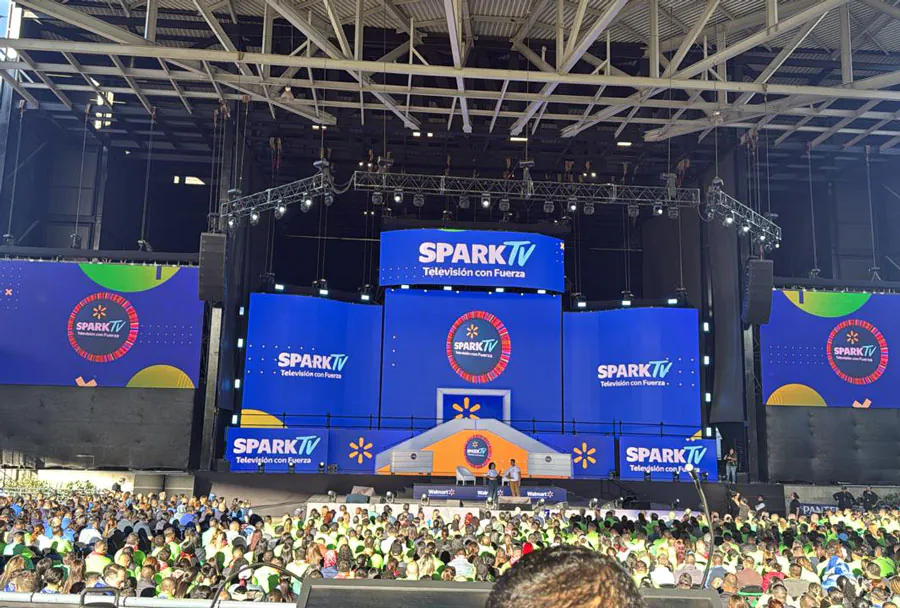
Entertainment venues use LED displays for stage backdrops, immersive environments, audience interaction, and event branding. Rental products often need lightweight cabinets, fast installation, strong locking systems, and protection against repeated handling. Fixed venues may instead prioritize acoustic compatibility, permanent structural integration, and long-term serviceability.
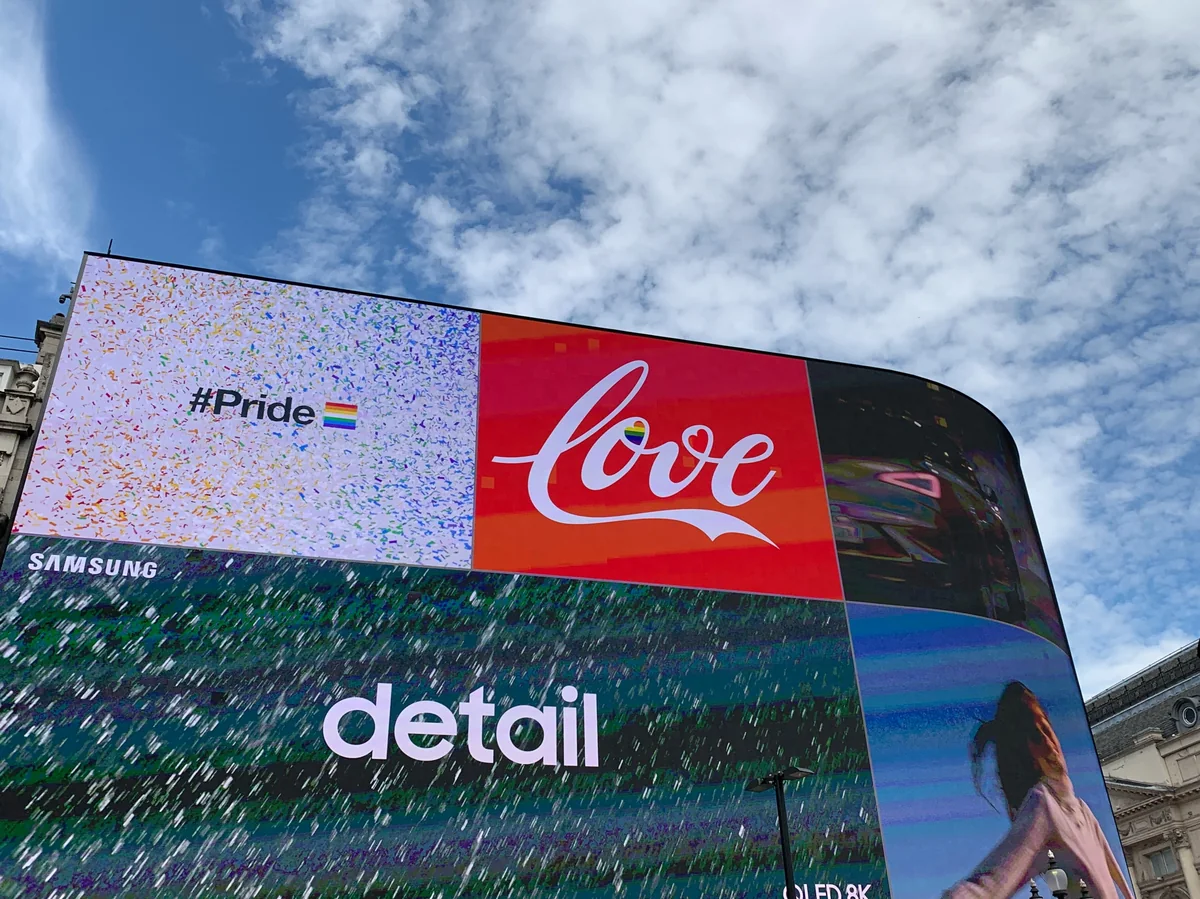
Outdoor advertising operators focus on brightness, weather resistance, content scheduling, remote management, and cost efficiency. A network of displays may require centralized monitoring and the ability to publish content across different locations. Accurate brightness control can improve nighttime viewing while supporting local regulations and reducing unnecessary energy consumption.
When selecting a Large LED Screen Manufacturer, customers should assess whether the supplier understands the application’s operating realities. A manufacturer experienced in indoor retail may not provide the same strengths required for a stadium or exposed outdoor billboard. Application knowledge helps ensure that the selected product is appropriate for the audience, climate, structure, content, and maintenance model.
FAQ
What should I look for in a Large LED Screen Manufacturer?
Look for proven production capability, consistent quality control, application-specific product options, technical documentation, and responsive after-sales support. Review completed projects that resemble your own in size and operating environment. Ask about pixel-pitch recommendations, brightness calibration, spare parts, maintenance access, warranty coverage, and software compatibility. A reliable supplier should be able to explain its recommendations clearly instead of offering the same configuration for every project.
How does TW VISION determine the right LED screen specification?
TW VISION can evaluate factors such as viewing distance, indoor or outdoor placement, ambient light, screen dimensions, content type, installation structure, service access, and operating hours. These factors influence pixel pitch, brightness, cabinet design, protection rating, refresh rate, and control-system requirements. A technical discussion or site survey can help identify the most appropriate configuration before production begins.
Is a Large LED Screen Manufacturer responsible for installation?
Responsibilities vary by project. Some manufacturers provide installation guidance, remote support, commissioning assistance, or coordination with local installation partners. The contract should identify who is responsible for structural work, electrical connections, lifting equipment, signal cabling, software setup, testing, and operator training. Project teams can prevent delays by clarifying these items early and ensure that they install the final system according to the manufacturer’s requirements.
How long can a large LED display operate?
Service life depends on product quality, component selection, brightness settings, thermal conditions, operating hours, maintenance, and environmental exposure. Displays operated continuously at maximum brightness in harsh outdoor conditions may experience more stress than systems using automatic brightness control in a protected environment. Regular inspection, timely module replacement, clean ventilation paths, and correct power management can help preserve performance.
Can TW VISION create custom-shaped or curved LED displays?
LED manufacturers can customize many projects using different cabinet formats, flexible modules, curved structures, transparent products, and creative layouts. Feasibility depends on the desired radius, viewing distance, content requirements, mounting method, service access, and structural limitations. Before production, the project team should review the design and verify that manufacturers can produce, installers can assemble, technicians can calibrate, and service teams can maintain the proposed shape effectively. Furthermore, they should assess these factors early to ensure a smooth installation and long-term operation.
What maintenance does a large LED screen require?
Typical maintenance includes checking power supplies, receiving cards, signal connections, cabinet seals, ventilation paths, structural fasteners, and module performance. Outdoor installations may also require inspections after severe weather. Remote monitoring can help identify abnormal temperature, voltage, or communication conditions. Keeping recommended spare modules and electronic components on site can reduce downtime when repairs are necessary.
How does LED display energy consumption affect operating costs?
Energy use depends on screen size, brightness, content, refresh behavior, operating hours, and product design. Automatic brightness adjustment can lower consumption during periods of reduced ambient light. Efficient power supplies and driver systems can also improve performance. During the planning stage, customers should estimate expected annual operating hours and include electricity costs in the total ownership evaluation.
What information should be included in an LED screen quotation?
A detailed quotation should identify the product series, pixel pitch, cabinet dimensions, screen size, brightness, refresh rate, protection rating, service method, control system, power requirements, accessories, delivery terms, installation scope, warranty, training, and after-sales support. It should also distinguish optional items from included equipment. Clear specifications make it easier to compare proposals accurately.
Conclusion
The value of a large LED display depends on the complete system behind the visible image. Engineering, image processing, structural safety, energy performance, software integration, installation, and service all influence the project’s long-term results. TW VISION combines these considerations to deliver display solutions for commercial, public, entertainment, corporate, and industrial environments. By working with a Large LED Screen Manufacturer that understands both technology and application requirements, buyers can make more informed decisions, reduce operational risk, and create a display platform capable of supporting changing content needs for years to come.