

led screen rental: 3 : A Complete Event Display Guide

Introduction
Choosing the right visual technology can transform an ordinary event into a memorable experience. Whether you are planning a trade show, corporate conference, concert, wedding, product launch, or community festival, led screen rental offers a flexible and cost-effective way to deliver bright, engaging content to any audience. Instead of investing in expensive display hardware that may only be used occasionally, many organizers prefer rental solutions that combine performance, technical support, and setup convenience.
Table of Contents
- Introduction
- Why LED Screens Matter for Modern Events
- Types of LED Screens and How to Choose the Right One
- Indoor LED Screens
- Outdoor LED Screens
- Mobile LED Screens
- Curved and Creative Installations
- Pixel Pitch Explained
- Key Questions Before You Book
- Cost Factors and Budget Planning
- Screen Size
- Pixel Pitch and Resolution
- Rental Duration
- Indoor vs. Outdoor Requirements
- Technical Support and Operation
- Venue Logistics
- Content and Signal Management
- Budgeting Tips
- Best Practices for a Successful LED Screen Setup
- Plan Around Audience Sightlines
- Design Content for LED Displays
- Schedule Technical Rehearsals
- Confirm Power and Rigging Needs
- Prepare for Outdoor Variables
- Coordinate with Other Production Elements
- Choose a Provider with Relevant Experience
- How to Compare Rental Providers and Avoid Common Mistakes
- What to Look For in a Provider
- Red Flags to Watch For
- Common Booking Mistakes
- Questions to Ask Before Signing
- FAQ
- What is led screen rental and how does it work?
- How much does led screen rental usually cost?
- Is led screen rental better than using a projector?
- What size screen do I need for my event?
- Can LED screens be used outdoors?
- Conclusion
From indoor presentation walls to massive outdoor video displays, the right screen can improve visibility, branding, audience engagement, and live communication. In this guide, you will learn how to evaluate screen types, understand pricing factors, compare indoor and outdoor options, and choose a provider that matches your event goals without unnecessary cost or technical risk.
Why LED Screens Matter for Modern Events
Event audiences expect clear visuals, dynamic content, and an immersive atmosphere. That is why led screen rental has become a practical solution for planners who need high-impact presentation technology without long-term ownership costs. LED displays deliver strong brightness, vibrant color, and excellent visibility across many environments, including daylight conditions where traditional projection often struggles.
One of the biggest advantages of LED technology is scalability. Screens can be configured in different sizes and shapes to match the venue, stage design, and audience capacity. A corporate seminar may need a crisp central display for keynote slides, while a music festival may require side screens for live camera feeds and sponsor messaging. With these, organizers can adapt the setup to the event rather than forcing the event to fit fixed equipment.
Another major benefit is professional support. Most rental providers handle transportation, installation, testing, operation, and dismantling. This reduces stress for production teams and lowers the chance of technical issues during critical moments. For events with tight schedules, live speakers, or complex multimedia content, support can be just as important as the screen itself.
Flexibility also extends to content use. LED screens can display presentations, videos, branded animations, social media feeds, menus, schedules, countdowns, and live broadcasts. This makes them useful across industries such as education, retail, sports, entertainment, hospitality, and corporate events. In short, the popularity of led screen rental comes from its ability to combine visual impact, reliability, and convenience in one service.
Types of LED Screens and How to Choose the Right One
Not every event needs the same display configuration. To choose the best the concept, you need to consider venue size, viewing distance, screen resolution, ambient lighting, and the type of content being shown.
Indoor LED Screens
Indoor screens are designed for controlled environments such as conference halls, exhibition centers, ballrooms, hotels, and studios. These displays usually feature a finer pixel pitch, which means sharper images when viewers are relatively close to the screen. If your event includes text-heavy presentations, detailed graphics, or product demonstrations, indoor LED is often the best choice.
Outdoor LED Screens
Outdoor models are built to handle weather, sunlight, and larger viewing distances. They are brighter and more durable than indoor displays, making them suitable for festivals, sports events, public gatherings, and open-air promotions. When selecting the approach for outdoor use, weather resistance and structural safety should be top priorities alongside image quality.
Mobile LED Screens
Some events benefit from trailer-mounted or vehicle-based displays. These are ideal for roadshows, political campaigns, community events, and pop-up marketing. Mobile screens are convenient because they reduce setup time and can be repositioned if needed.
Curved and Creative Installations
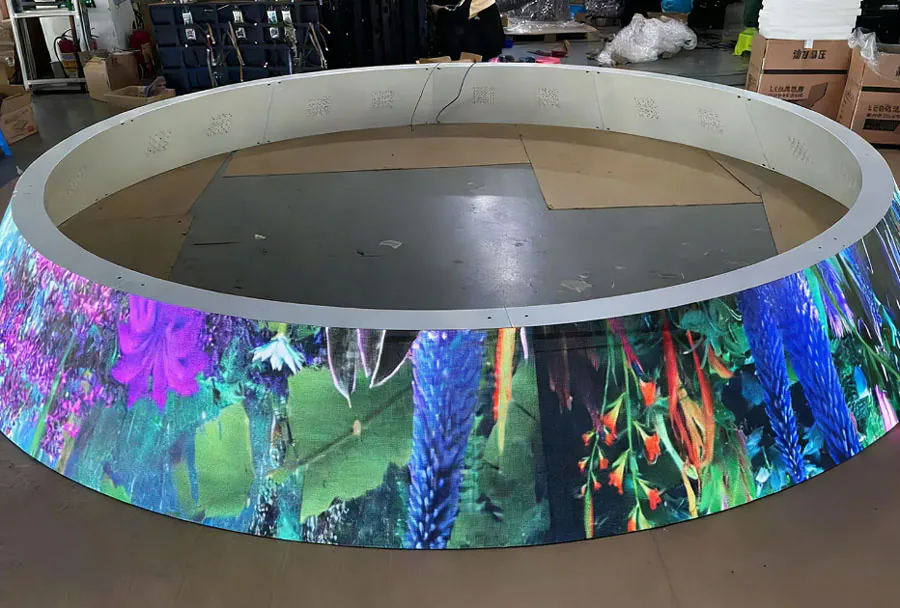
Modern LED panels can be arranged into more than a flat rectangle. Depending on the provider, you may be able to build curved walls, vertical columns, stage backdrops, tunnels, or custom visual features. These options are popular at experiential events and brand activations where audience immersion matters.
Pixel Pitch Explained
Pixel pitch refers to the distance between LEDs, measured in millimeters. Lower numbers produce higher resolution at closer viewing distances. For example, a small indoor conference may benefit from a fine pitch display, while a large outdoor concert can use a wider pitch since viewers are farther away. Understanding this detail helps you avoid overpaying or underperforming when booking it services.
Key Questions Before You Book
Before finalizing your display, ask:
– Is the event indoors or outdoors?
– How far will the audience be from the screen?
– Will you show live video, text, or motion graphics?
– What screen size fits the venue and stage?
– Do you need content management or on-site technicians?
– What power access and rigging options are available?
These questions help ensure the equipment is suitable for the venue and audience expectations.
Cost Factors and Budget Planning
Pricing is one of the first concerns for any planner, and this costs can vary significantly depending on technical and logistical details. Understanding what affects the quote helps you compare vendors more accurately and avoid surprise charges.
Screen Size
Larger displays require more panels, more support structure, and often more labor. A small screen for an indoor meeting will naturally cost less than a giant outdoor wall for a festival crowd. Rental providers usually calculate costs based on total screen dimensions or square meter coverage.
Pixel Pitch and Resolution
Finer pixel pitch screens typically cost more because they offer higher image clarity. If your audience will be close to the display, this added cost may be necessary. If viewers are farther away, a wider pitch can reduce expense without harming the experience.
Rental Duration
The number of rental days affects overall cost. Some events only need a one-day setup, while others require multi-day operation for conferences, exhibitions, or touring productions. Always ask whether pricing includes setup and teardown days or only live event days.
Indoor vs. Outdoor Requirements
Outdoor systems often cost more because they need higher brightness, weather protection, stronger support structures, and additional safety measures. If you are sourcing these for an exterior event, expect staging and environmental factors to play a larger role in the total price.
Technical Support and Operation
Many providers offer full service packages that include delivery, assembly, calibration, content playback, and on-site technicians. While this increases the quote, it also reduces risk and can be essential for professional events. If your show includes live switching, camera feeds, or complex scheduling, technical labor should be treated as a necessity rather than an optional extra.
Venue Logistics
Access limitations can increase labor time and transport requirements. Stairs, narrow loading bays, long carry distances, restricted installation hours, and venue compliance rules may all affect your budget. Be sure to share accurate venue information early in the planning process.
Content and Signal Management
Some clients already have ready-to-play content, while others need help formatting slides, videos, or branded loops for LED playback. Additional processors, switchers, media servers, and playback computers may also be needed. A complete they quote should clarify whether these items are included.
Budgeting Tips
To keep spending under control:
– Match screen resolution to actual viewing distance
– Avoid ordering a screen larger than necessary
– Book early for better availability and pricing
– Bundle staging, audio, and visual services when possible
– Confirm exactly what is included in writing
A low quote may not always be the best value if it excludes key services or support.
Best Practices for a Successful LED Screen Setup
Booking led screen rental is only part of the process. Success depends on planning, coordination, and content readiness. A high-quality screen cannot compensate for poor logistics or badly formatted visuals, so organizers should think beyond hardware.
Plan Around Audience Sightlines
The screen should be visible to the largest possible portion of the audience. Consider stage height, seating layout, standing areas, pillars, and room depth. In some cases, multiple displays are better than one central wall. Side screens are especially helpful for large conferences and concerts.
Design Content for LED Displays
Content should be created with the screen resolution, aspect ratio, and audience distance in mind. Tiny fonts, thin lines, and cluttered layouts often look worse on large displays. High-contrast design, large text, simple layouts, and clear branding work best. If your vendor offers content guidance, use it.
Schedule Technical Rehearsals
A rehearsal helps verify playback, signal routing, transitions, cue timing, and brightness settings. It also gives speakers and performers time to get comfortable with the visual setup. When using led screen rental for a live event, testing beforehand can prevent expensive mistakes during the show.
Confirm Power and Rigging Needs
LED systems need adequate electrical supply and, in many cases, secure rigging or ground support. Work with the venue and supplier to confirm available power, cable paths, hanging points, weight limits, and backup planning. Safety should always come first.
Prepare for Outdoor Variables
For outdoor events, weather can affect operations and visibility. Bright sun, rain, wind, and dust all influence equipment planning. Ask your vendor about weather ratings, structural calculations, and emergency procedures. Reliable led screen rental providers should have clear safety protocols.
Coordinate with Other Production Elements
The screen should complement audio, lighting, staging, and camera systems. A well-integrated production creates a more polished audience experience. For example, live camera feeds may require switchers and screen processors, while stage lighting must be balanced so the display remains visible but not overpowering.
Choose a Provider with Relevant Experience
Not all vendors specialize in the same event types. Some are stronger in corporate AV, while others focus on concerts, sporting events, or trade show booths. Ask for examples of similar projects, references, and photos. The right led screen rental partner will understand the practical needs of your specific event format.
How to Compare Rental Providers and Avoid Common Mistakes
A good vendor can make your event easier. A poor one can create technical, financial, and scheduling problems. When evaluating led screen rental options, look beyond the headline price and focus on reliability, service scope, and communication quality.
What to Look For in a Provider
Start with experience and transparency. A professional supplier should clearly explain:
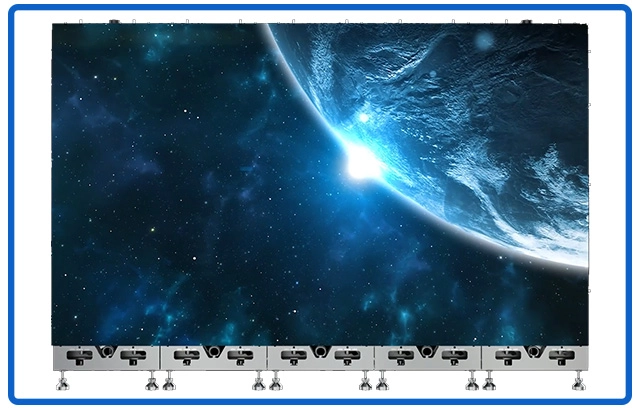
– Available screen sizes and pixel pitch options
– Indoor and outdoor suitability
– Transport, setup, and breakdown timelines
– On-site staffing
– Backup plans for technical issues
– Insurance and safety compliance
– Content specifications and input formats
Prompt communication is also a strong indicator of service quality. If a company is difficult to reach before the booking, that may become a bigger problem during the event.
Red Flags to Watch For
Avoid providers that offer vague quotes, refuse site visits for complex jobs, or cannot show examples of past work. Another warning sign is pricing that seems dramatically lower than the market rate without a clear explanation. In many cases, this means something important has been excluded.
Common Booking Mistakes
Many event teams make avoidable errors when arranging led screen rental services. The most common include:
– Choosing the cheapest screen instead of the right screen
– Ignoring viewing distance and pixel pitch
– Forgetting to ask about labor and transport fees
– Sending low-resolution content at the last minute
– Not checking venue access and power availability
– Failing to schedule a rehearsal or technical test
Questions to Ask Before Signing
To make a confident decision, ask:
- What screen size and resolution do you recommend for this audience?
- Is the quote fully inclusive?
- Who handles installation and operation?
- What happens if a panel or processor fails?
- Do you offer support with content formatting?
- Can you provide references from similar events?
A trustworthy led screen rental provider will answer these questions directly and help you choose a package that supports your event goals rather than overselling unnecessary features.
FAQ
What is led screen rental and how does it work?
led screen rental is a service that allows event organizers to temporarily use LED display systems for conferences, concerts, trade shows, weddings, festivals, and other events. The provider typically supplies the screen panels, processing equipment, transport, installation, testing, operation, and removal after the event.
How much does led screen rental usually cost?
The cost of led screen rental depends on screen size, pixel pitch, rental duration, venue conditions, labor, transport, and whether the display is for indoor or outdoor use. Small indoor setups may be relatively affordable, while large outdoor event screens with full technical support can cost significantly more.
Is led screen rental better than using a projector?
For many events, led screen rental offers better brightness, stronger color performance, and improved visibility in challenging lighting conditions. Projectors may still work well in dark rooms, but LED displays are often the better choice when you need higher impact, large-scale visuals, or daylight visibility.
What size screen do I need for my event?
The ideal screen size depends on audience size, room depth, seating arrangement, and the type of content being displayed. A professional led screen rental company can recommend dimensions and resolution based on viewing distance and venue layout.
Can LED screens be used outdoors?
Yes, many rental providers offer weather-resistant outdoor displays designed for sunlight and changing conditions. If you need led screen rental for an outdoor event, ask about brightness levels, waterproof ratings, wind safety, and structural support requirements.
Conclusion
The right screen can elevate communication, branding, and audience engagement across nearly any type of event. From corporate meetings to concerts and outdoor festivals, led screen rental gives organizers access to professional-grade display technology without the burden of ownership, storage, and maintenance. The key is choosing a setup that matches your venue, audience distance, content needs, and budget.
Before booking, focus on practical details such as pixel pitch, screen size, logistics, technical support, and provider experience. A well-planned rental will deliver more than just a bright display—it will improve the entire event experience. By comparing vendors carefully and preparing content properly, you can use led screen rental to create a polished, memorable, and visually impressive production.
