outside led display screen: Buyer’s Guide 2026: Expert Guide


Outdoor digital signage is everywhere, from retail storefronts and stadiums to transportation hubs and public venues. Choosing the right outside LED display screen can transform visibility, improve audience engagement, and deliver reliable performance in harsh weather. Yet not all screens are built the same. Brightness, pixel pitch, weather resistance, maintenance access, and energy efficiency all affect long-term value.
Table of Contents
- What Is an outside led display screen and How Does It Work?
- Key Features to Look for in an outside led display screen
- Brightness and Visibility
- Pixel Pitch and Viewing Distance
- Weather Resistance
- Refresh Rate and Image Quality
- Front or Rear Maintenance
- Energy Efficiency
- Benefits of Installing an outside led display screen for Business
- How to Choose the Best outside led display screen for Your Location
- Installation, Maintenance, and Cost of an outside led display screen
- FAQ About outside led display screen
- What brightness level is best for an outside led display screen?
- How long does an outside led display screen last?
- Is an outside led display screen waterproof?
- What pixel pitch should I choose for an outside led display screen?
- How much maintenance does an outside led display screen need?
- Conclusion
This guide explains what matters most before you invest. You’ll learn how an outdoor led display screen works, which technical specifications deserve attention, how to compare installation options, and what maintenance practices protect your budget. Whether you need a large advertising billboard or a smaller business-facing sign, understanding the essentials will help you make a confident decision and maximize return on investment.
What Is an outside led display screen and How Does It Work?
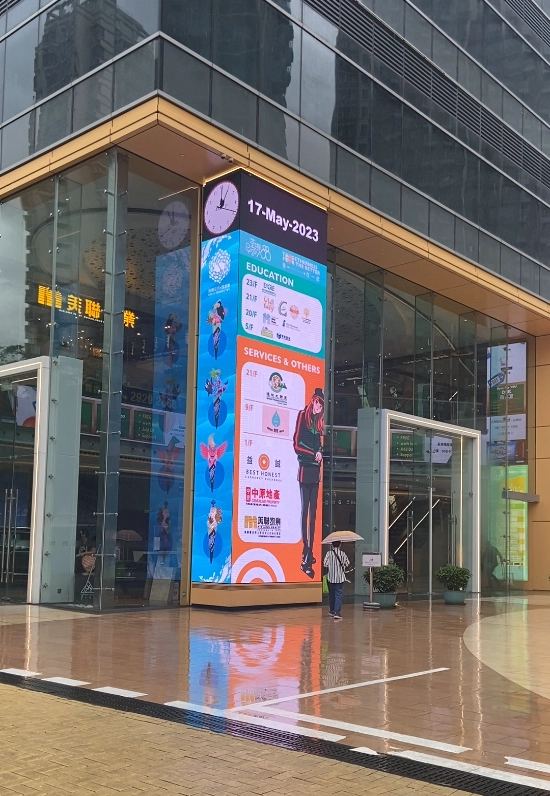
An outdoor digital sign is a digital visual display designed specifically for outdoor use. Unlike indoor LED panels, outdoor models are engineered to handle rain, dust, wind, direct sunlight, and temperature changes while maintaining clear visibility. These displays use light-emitting diodes to form images, video, text, and animations with high brightness and vivid color.
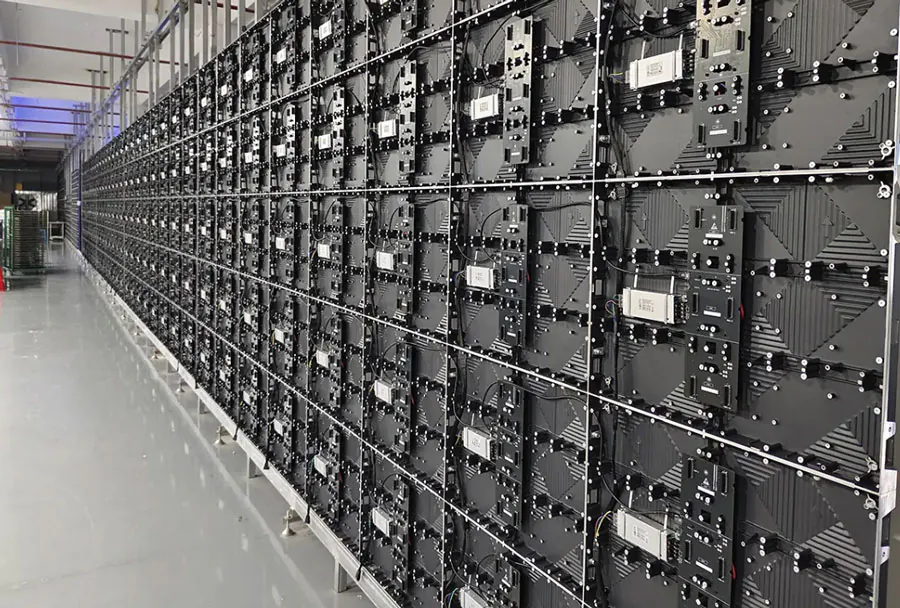
The core structure typically includes LED modules, a cabinet, a control system, a power supply, and protective housing. Each module contains clusters of red, green, and blue diodes that work together to create full-color visuals. When content is sent from the media controller, the screen processes the signal and displays it in real time.
What makes an outdoor led display different is durability. Most outdoor units feature weatherproof enclosures, corrosion-resistant materials, and high ingress protection ratings such as IP65 or above. They are also built for stronger brightness output so messages remain visible even under direct daylight.
Businesses choose these displays for many reasons. They support dynamic advertising, public information updates, event promotion, branding, and wayfinding. Because content can be changed instantly, an the concept offers more flexibility than traditional printed signage. For brands that need visibility around the clock, this technology delivers both impact and convenience.
Key Features to Look for in an outside led display screen
When comparing options, technical specifications should guide your purchase. The right the approach should match your environment, viewing distance, content goals, and maintenance expectations.
Brightness and Visibility
Brightness is one of the most important considerations for outdoor applications. Screens exposed to full sunlight usually require much higher nit levels than shaded installations. A display with insufficient brightness may appear washed out during the day, reducing effectiveness. Auto-brightness adjustment is also valuable because it helps lower energy use at night while preserving readability.
Pixel Pitch and Viewing Distance
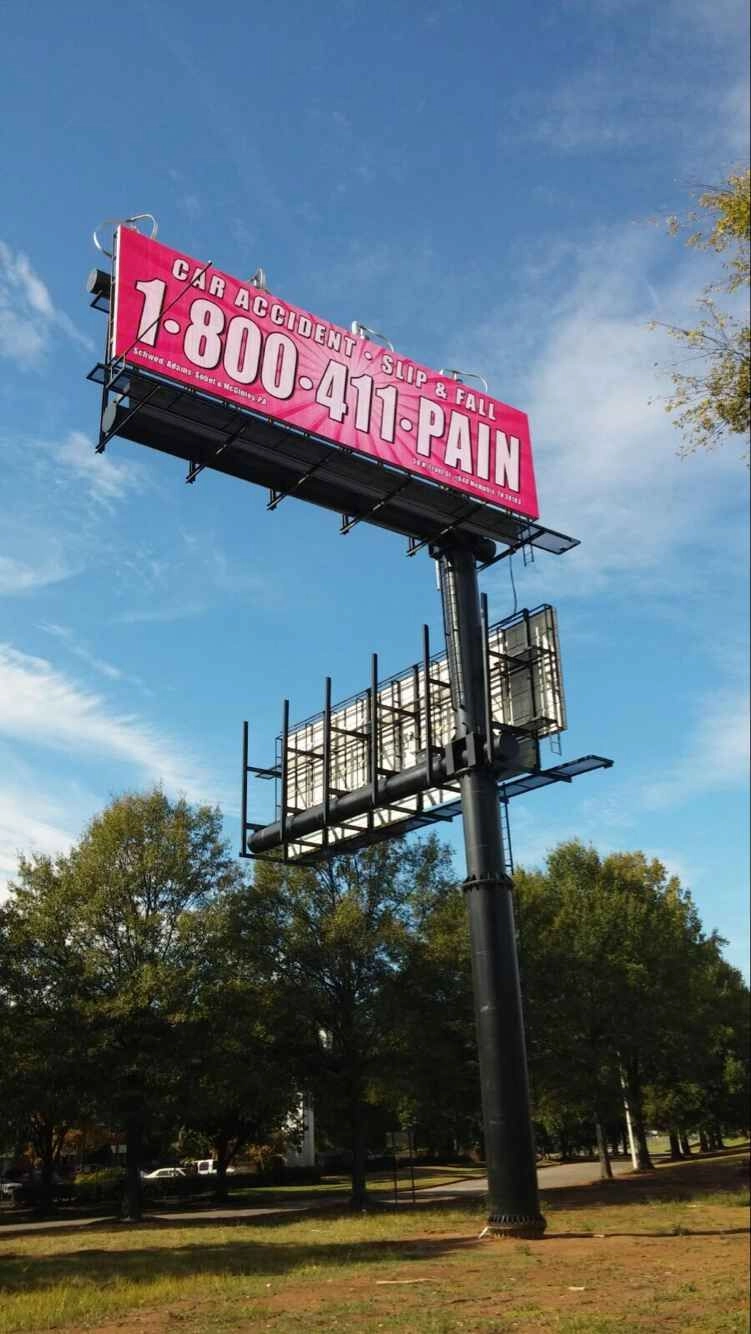
Pixel pitch refers to the distance between adjacent LED pixels. A smaller pitch creates sharper images at closer viewing distances, while a larger pitch is often acceptable for roadside billboards viewed from farther away. Selecting the correct pitch ensures your it delivers the right balance of image quality and cost.
Weather Resistance
Outdoor environments are demanding. Look for an IP-rated enclosure, UV-resistant materials, waterproof connectors, and heat dissipation features. A dependable this should continue operating in rain, humidity, dust, and extreme temperatures without losing performance.
Refresh Rate and Image Quality
For video playback, a high refresh rate is essential. It improves motion smoothness and reduces flickering, which is especially important when the screen is recorded on camera. Better color calibration and contrast ratios also enhance overall display quality.
Front or Rear Maintenance
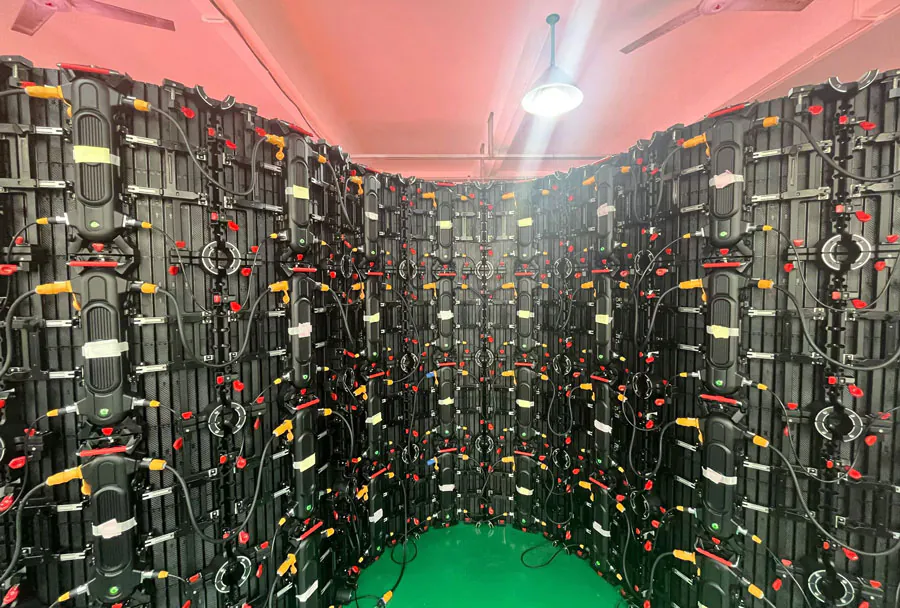
Maintenance access affects installation planning. Some locations allow rear access, while others require front service. Choosing the right cabinet design can reduce downtime and simplify repairs over the life of the screen.
Energy Efficiency
Modern LED systems can be surprisingly efficient, especially when paired with smart power management. An energy-conscious digitall sign reduces operating costs and supports sustainability goals without sacrificing performance.
Benefits of Installing an outside led display screen for Business
A well-placed outside led display screen can do much more than display advertisements. It acts as a live communication tool that attracts attention, updates customers instantly, and strengthens brand presence in crowded environments.
One of the biggest advantages is visibility. Outdoor LED displays are bright, dynamic, and highly noticeable, even from a distance. Compared with static signs, moving visuals and video content naturally capture more attention. This makes them ideal for promotions, announcements, and event marketing.
Another major benefit is flexibility. You can schedule multiple messages throughout the day, switch promotions by season, and update content instantly without printing costs. For retailers, restaurants, entertainment venues, and service businesses, this adaptability offers a practical way to keep messaging fresh and relevant.
Durability also supports long-term value. A commercial-grade led billboard is built for continuous operation in demanding outdoor conditions. That means fewer disruptions, more reliable messaging, and stronger return on investment over time.
These displays can also generate revenue. Billboard operators, shopping centers, sports venues, and property owners often sell ad space to third parties. In that context, an the approach becomes not only a communication asset but also a direct income source.
Finally, LED technology supports brand perception. A sharp, modern digital display signals professionalism and innovation. Businesses that invest in high-quality outdoor signage often stand out more clearly in competitive local markets.
How to Choose the Best outside led display screen for Your Location
Selecting the best it starts with understanding where and how it will be used. A screen for a roadside billboard has very different requirements from one mounted outside a retail shop or sports arena.
First, assess viewing distance. If people will stand close to the screen, choose a finer pixel pitch for better image detail. If the display is intended for long-range viewing, a larger pitch may be more cost-effective. This decision has a direct impact on both pricing and perceived quality.
Next, evaluate ambient light. Full-sun installations demand high brightness, while partially shaded locations may not need the same output. Also consider whether the screen will run continuously or only during specific hours. This can influence energy consumption and cooling requirements.
The mounting location matters too. Wall-mounted, pole-mounted, rooftop, and freestanding installations each require different structural support. Before purchasing an this, verify load-bearing capacity, wind resistance, electrical access, and local permitting rules.
Content strategy should also shape your selection. If you plan to show high-motion video, look for excellent refresh performance and strong color uniformity. If your content will mostly be text and simple graphics, you may have more flexibility in specifications.
It is also wise to compare service support. Even the best outside led display screen may eventually require module replacement, calibration, or software troubleshooting. Working with a supplier that offers strong warranty coverage, spare parts availability, and technical support can save significant time and money.
Lastly, think beyond purchase price. Total cost of ownership includes installation, software, maintenance, electricity, and future repairs. A lower upfront quote may not be the best value if reliability or efficiency is poor.
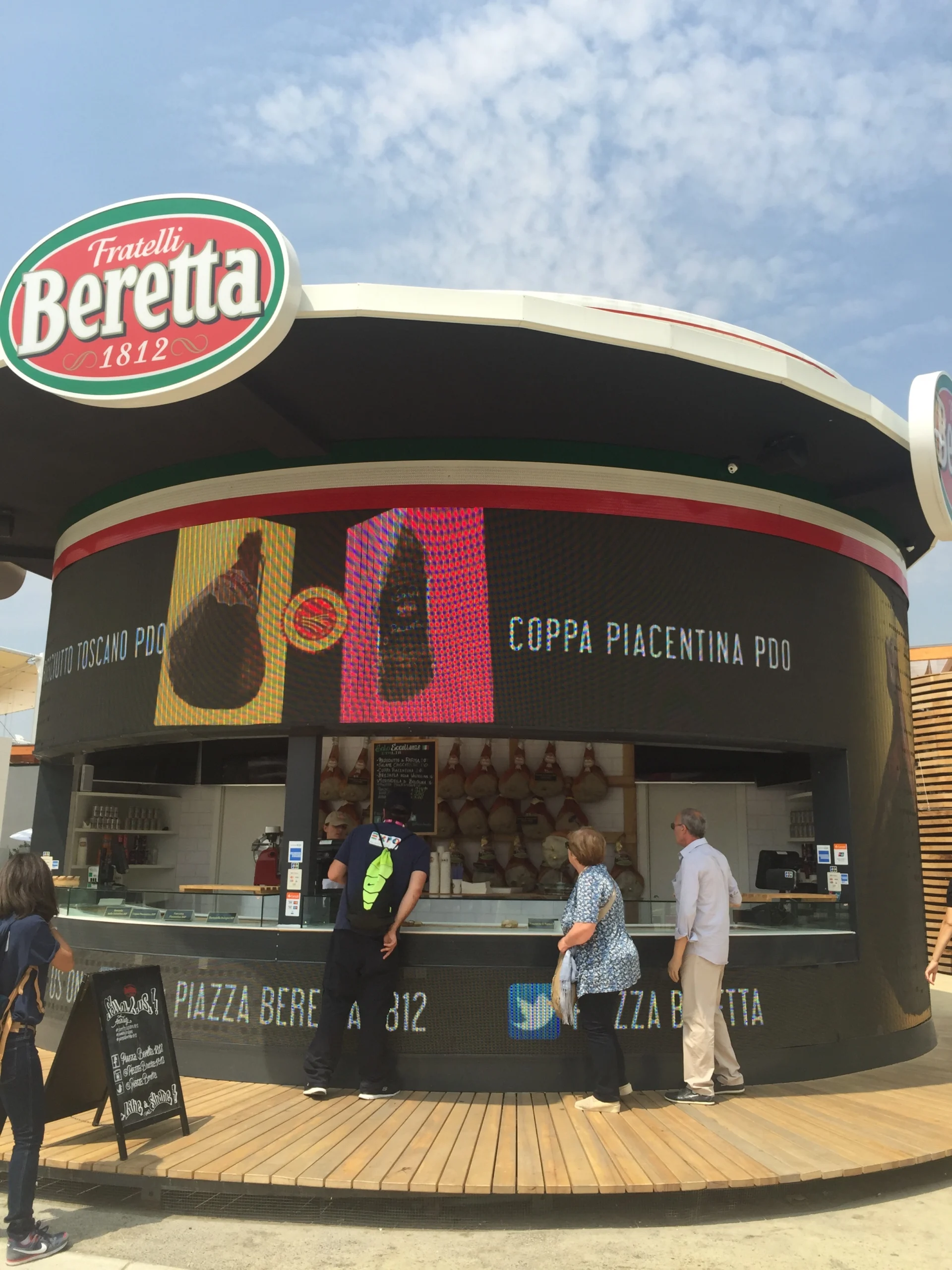
Installation, Maintenance, and Cost of an outside led display screen
Installing an outside led display involves more than attaching panels to a frame. Proper planning ensures safety, performance, and long-term reliability. The process typically includes site evaluation, structural engineering, electrical planning, data connectivity, control system setup, and content management integration.
During installation, ventilation and waterproofing are critical. Outdoor LED systems generate heat, and improper airflow can shorten component lifespan. At the same time, every cable connection and cabinet seal must be protected against moisture and dust. A professionally installed led billboard is far more likely to deliver stable performance over the years.
Maintenance should be proactive rather than reactive. Regular inspections can identify loose connections, dead pixels, power supply wear, fan issues, and cabinet seal problems before they become major failures. Cleaning is also important because dirt buildup can reduce brightness and affect heat dissipation.
Software management plays a role as well. Content scheduling systems, remote monitoring tools, and diagnostic platforms help operators identify issues quickly and keep the display functioning efficiently. For large networks, centralized control can simplify operations substantially.
Cost varies widely based on size, resolution, cabinet quality, brightness, and installation complexity. A smaller storefront display may be relatively affordable, while a large-format billboard can represent a significant investment. Still, the durability and versatility of an the approach often justify the expense, especially when used for high-visibility advertising or revenue generation.
When budgeting, include not just hardware but also permits, mounting structures, installation labor, content software, and ongoing service. A realistic budget helps prevent surprises and ensures the display performs as expected from day one.
FAQ About outside led display screen
What brightness level is best for an outside led display screen?
The ideal brightness depends on location and sunlight exposure. An outdoor digital screen placed in direct sun generally needs much higher brightness than one installed in a shaded area. Auto-dimming is also useful because it adjusts output based on ambient light and improves efficiency.
How long does an outside led display screen last?
A quality outside led display screen can last many years when properly installed and maintained. Lifespan depends on component quality, usage hours, environmental conditions, and routine servicing. Regular inspection and timely replacement of worn parts help extend performance.
Is an outside led display screen waterproof?
Most outdoor models are designed with weather-resistant enclosures and IP-rated protection. However, not every outside led display screen offers the same level of waterproofing. Always verify the cabinet rating, connector protection, and suitability for your local climate before buying.
What pixel pitch should I choose for an outside led display screen?
The right pitch depends on viewing distance. A finer pitch is better for close-up viewing, while a larger pitch can work well for roadsides or large public spaces. Choosing the correct outside led screen specification ensures better image clarity and cost efficiency.
How much maintenance does an outside led display screen need?
Maintenance requirements vary by environment and usage, but every outdoor led display screen benefits from regular cleaning, system checks, and preventive service. Screens in dusty, humid, or high-traffic areas may need more frequent attention to maintain brightness and reliability.
The followed video telll you how TW VISION outside led display screen mainten frontly.
Conclusion
Investing in an outside led display is a smart move for businesses and organizations that want stronger visibility, flexible messaging, and long-term advertising value. The right choice depends on brightness, pixel pitch, weather protection, maintenance design, and total cost of ownership. By matching the display to your location and content goals, you can achieve better performance and a stronger return.
Before purchasing, evaluate installation conditions, audience distance, environmental exposure, and supplier support. A high-quality outside led display screen is more than a digital sign—it is a durable communication platform that can boost brand presence, improve engagement, and create lasting business impact.