

Portable LED Screen Rental for Events, Trade Shows & Temporary Displays

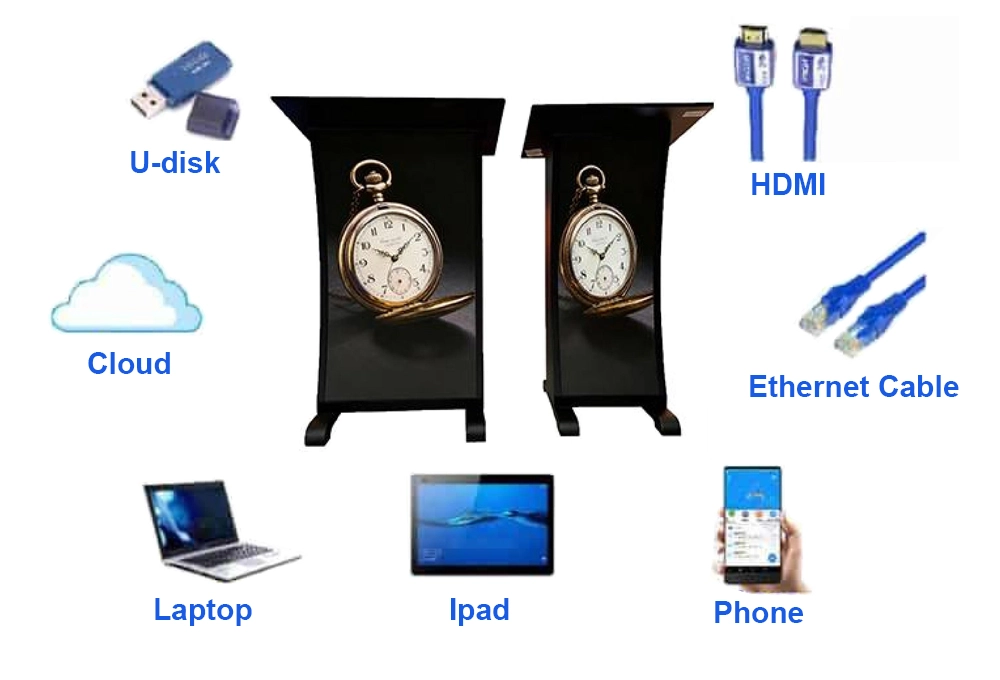
Choosing the right display can make the difference between a forgettable gathering and a memorable experience. Whether you are hosting a corporate conference, live concert, trade show, wedding, sports viewing party, or outdoor festival, a portable LED screen gives you a flexible way to deliver sharp visuals, strong branding, and reliable audience engagement without the cost of buying equipment. It is especially valuable when you need a screen that can be transported easily, set up quickly, and adapted to different venues and crowd sizes. In this guide, we’ll break down the benefits, selection criteria, logistics, pricing factors, and planning tips so you can make a confident, budget-smart decision.
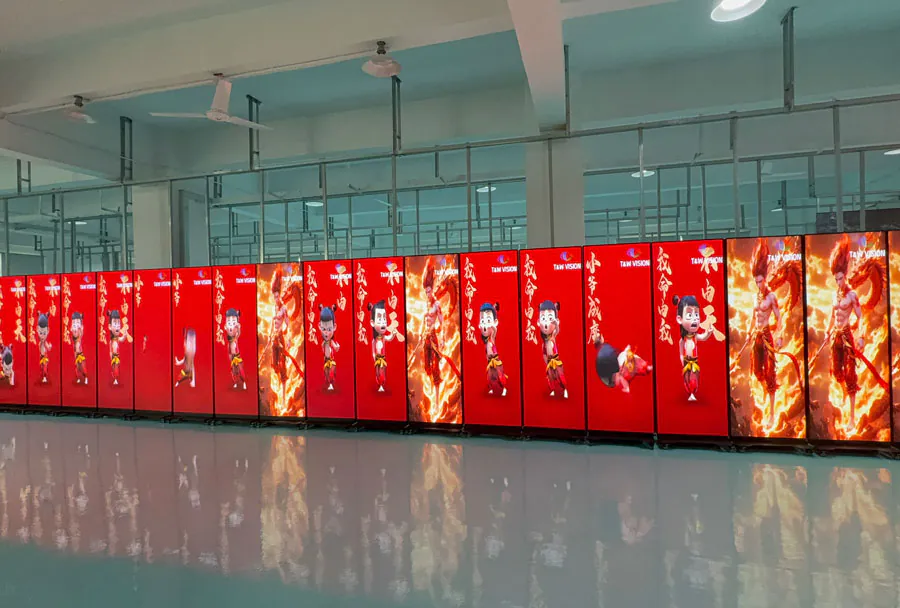
Followed is a Youtube video about TW VISION’S portable led screen.
Table of Contents
- Why Portable LED Screens Work So Well for Events
- Common use cases
- How to Choose the Right Screen for Your Venue
- Questions to ask before booking
- Planning Setup, Content, and Technical Logistics
- Technical checklist for event day
- Costs, Packages, and Return on Investment
- Cost elements to compare
- FAQ: Portable LED Screen Rentals for Event Planners
- How far in advance should I book a screen?
- Can LED screens be used outdoors in daylight?
- What kind of content works best on these screens?
- Do I need a technician on site?
- Conclusion
Why Portable LED Screens Work So Well for Events
this has become a go-to solution because it combines convenience with professional impact. Unlike traditional projectors, LED screens perform better in bright environments, offer higher contrast, and maintain visibility even when ambient light is difficult to control. That makes them ideal for daytime festivals, outdoor ceremonies, convention halls, and mixed-light venues where image quality matters.
One of the biggest advantages is flexibility. A portable system can be assembled for a small stage, split across multiple display zones, or scaled up for large audiences. This is especially useful for organizers who need to adapt quickly to changing floor plans or last-minute program updates. these also reduces the burden of ownership. You do not need to store a large display, maintain technical equipment, or worry about repairs after every use. Instead, you get a screened solution tailored to the specific event.
Another major benefit is audience engagement. LED screens help attendees follow presentations, see live camera feeds, view sponsor content, and experience entertainment elements clearly from a distance. In many cases, they can improve crowd flow as well, because key information, schedules, and announcements can be displayed where people naturally gather. For event planners, that means better communication and a smoother guest experience.
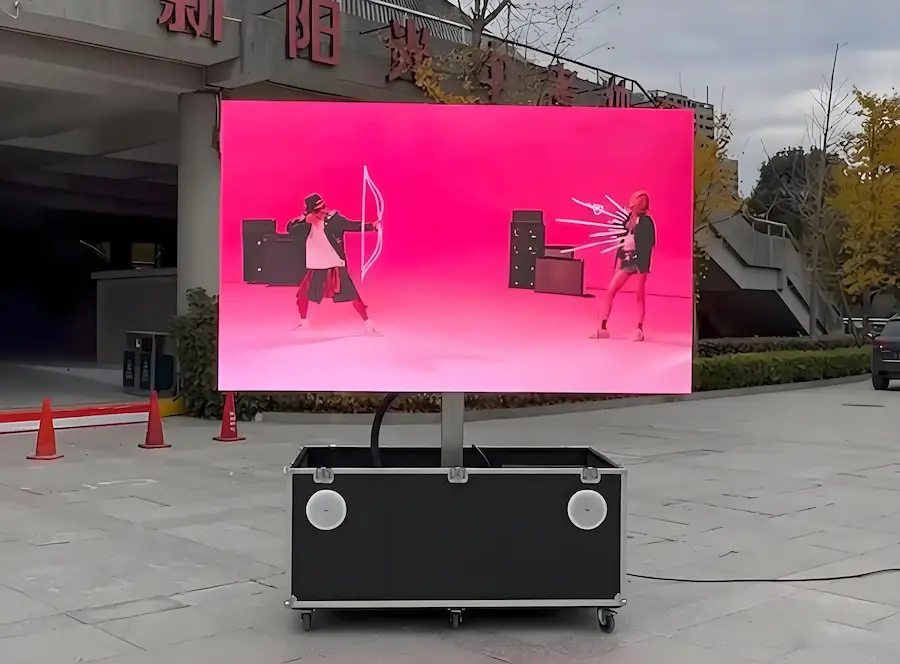
Common use cases
– Concerts and music festivals
– Corporate conferences and keynote sessions
– Trade shows and product launches
– Weddings and private celebrations
– Sporting events and fan zones
– Community gatherings and public screenings
In each of these settings, the concept helps organizers deliver a polished look without committing to a permanent installation. That balance of performance and practicality is exactly why demand continues to grow.
How to Choose the Right Screen for Your Venue
Selecting the right display starts with understanding your venue, audience, and content. the approach should never be chosen based on size alone; resolution, brightness, viewing distance, and setup conditions all matter. A screen that looks impressive in a showroom may underperform in a sunlit outdoor setting or a long banquet hall.
The first specification to review is pixel pitch. Pixel pitch refers to the distance between LED pixels, and it affects how crisp the image appears from various distances. Smaller pixel pitch generally means higher resolution and better clarity for close viewing, while larger pitch may be acceptable for audiences sitting farther away. A reliable it provider should help you match pixel pitch to the expected viewing range so you do not overpay for unnecessary detail or underdeliver on image quality.
Brightness is equally important. Outdoor events require stronger brightness levels than indoor venues, especially if the screen will face direct sunlight or remain visible during daytime hours. If your event includes a mix of indoor and outdoor spaces, ask whether the display can be adjusted to different lighting conditions. For this, brightness should be selected with real-world conditions in mind, not just technical specifications.
You should also consider the aspect ratio and screen shape. Standard widescreen formats work well for slideshows, video playback, and live camera feeds, but some brands or stage designs may require custom dimensions. A flexible these setup can be configured to fit branding requirements, stage layouts, or sponsor placements without awkward cropping.
Questions to ask before booking
- What is the expected audience viewing distance?
- Will the screen be used indoors, outdoors, or both?
- Is the content mostly video, text, or live presentation slides?
- Does the venue have power access and rigging support?
- Will the screen need to be weather-resistant?
A dependable they solution should come with expert guidance on these details. The best suppliers do more than drop off equipment; they help you build a display strategy that fits your event goals.
It is also wise to ask about modularity. Some events need one large screen, while others require multiple panels or side displays. If your agenda includes breakout sessions, sponsor loops, or backstage monitors, modular options may save time and money. In many cases, the concept is most effective when the provider can scale the setup to match the program rather than forcing a one-size-fits-all package.
Planning Setup, Content, and Technical Logistics
Great visuals are only part of the equation. To get the most value from the approach, you need a clear plan for setup, content delivery, and on-site coordination. Even the best screen can fall short if the venue layout, power supply, or media files are not prepared in advance.
Start with the venue assessment. Measure stage width, ceiling height, audience distance, and available access points for equipment delivery. Check whether the screen will be placed on a truss, mounted on a stand, or integrated into a stage design. A professional it team can advise on weight, footprint, safety clearance, and installation time, but you should still verify how the screen fits into the broader event layout.
Power planning is another critical step. LED walls require dependable electrical support, and larger installations may need dedicated circuits or backup power. Ask the rental provider about amperage, generator compatibility, and cable routing. this is far easier to manage when power requirements are documented early instead of discovered during load-in.
Content preparation should begin well before the event day. Make sure videos are exported in the correct resolution and aspect ratio, text is legible from the back of the room, and branded graphics are aligned with the screen dimensions. If you expect live camera switching, confirm that the technical crew has the right hardware and signal format. A smooth Portable LED Screen Rental for Events experience often depends on how well content has been formatted, tested, and labeled.
Technical checklist for event day
– Confirm delivery and load-in times
– Verify screen dimensions and rigging method
– Test all video files and source devices
– Review backup inputs and spare cables
– Establish a communication channel between AV staff and event organizers
– Check environmental conditions for outdoor operation
When using Portable LED Screen Rental for Events, rehearsals are worth the time. A short run-through can reveal problems with audio sync, transitions, or image scaling before guests arrive. This is especially important for conferences, award shows, and live performances where timing matters.
Another often overlooked element is operator support. Some events only need a basic playback setup, while others require a technician to manage live switching, graphics overlays, or presenter transitions. If your event has a complex program, choose a Portable LED Screen Rental for Events package that includes on-site support. Having a trained operator available can reduce stress and prevent technical interruptions.
Finally, think about weather and contingency planning. Outdoor events may require wind ratings, rain protection, shade management, or backup content in case of schedule changes. A strong Portable LED Screen Rental for Events plan always includes a response strategy for unexpected conditions. That preparation protects your investment and keeps the audience experience consistent.
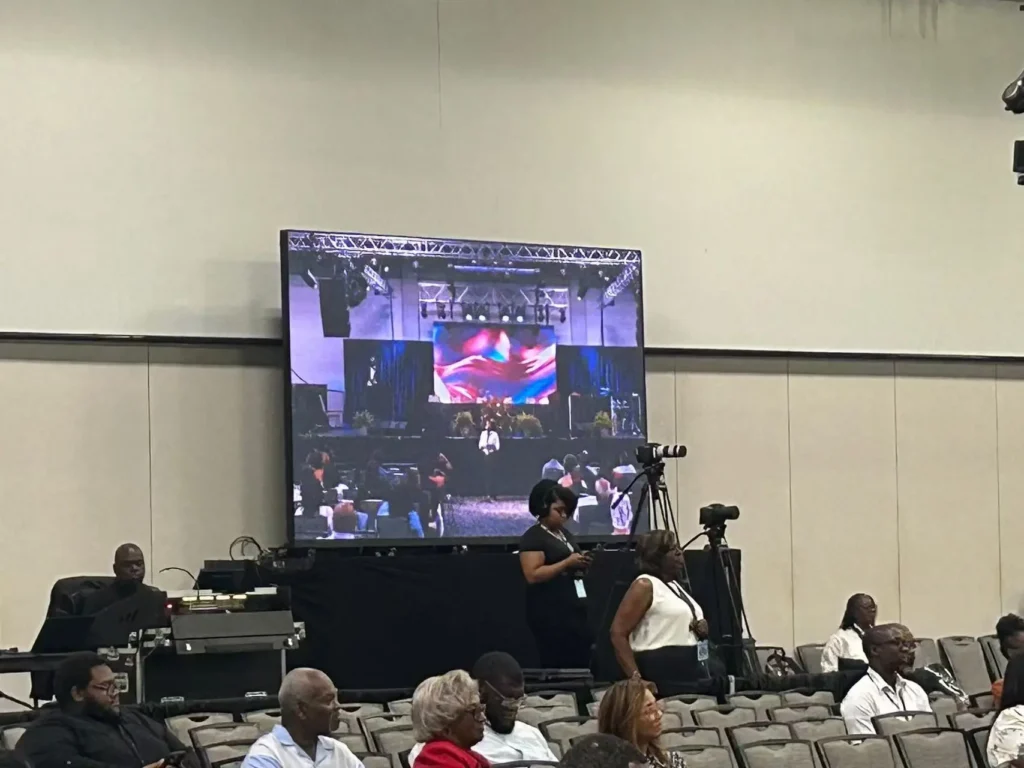
Costs, Packages, and Return on Investment
Budgeting for Portable LED Screen Rental for Events involves more than comparing a single daily rate. Pricing can vary depending on screen size, resolution, rental duration, delivery distance, technician support, and the complexity of installation. Understanding these cost drivers makes it easier to evaluate quotes and avoid hidden expenses.
The most obvious factor is screen size. Larger LED walls require more panels, more structural support, and more labor. Higher resolution also increases the price because denser pixel pitch typically costs more to manufacture and operate. If your audience is close to the stage, you may need a finer pitch, which can raise the budget. For distant audiences, a slightly lower resolution may be perfectly acceptable and more cost-effective. With Portable LED Screen Rental for Events, choosing the right specification is often the fastest way to control spending without sacrificing impact.
Rental duration also matters. A one-day booking may have a different structure than a multi-day conference or touring activation. Some suppliers offer discounted rates for longer commitments, especially when the same equipment remains in one location. If your schedule includes setup the day before and teardown the day after, be sure to ask how those labor hours are billed. Portable LED Screen Rental for Events should be priced based on the full service package, not just the visible screen hardware.
Cost elements to compare
– Screen size and pixel pitch
– Indoor or outdoor configuration
– Delivery, setup, and teardown
– Operator or technician fees
– Rigging, stands, or truss systems
– Power distribution and backup equipment
– Insurance, permits, or weather protection
Another cost-saving consideration is content adaptability. A screen can do more than show a keynote presentation. It can display sponsor ads, countdown timers, signage, live social media walls, wayfinding, and emergency announcements. When you use Portable LED Screen Rental for Events as a multi-purpose communication tool, the return on investment improves because the display contributes to both branding and operations.
ROI also comes from audience experience. A well-placed LED screen can boost perceived event quality, increase sponsor visibility, and help attendees stay engaged. That can translate into stronger feedback, better photos and social sharing, and more opportunities for repeat attendance. For marketers and event managers, Portable LED Screen Rental for Events can be easier to justify when the screen supports measurable goals like registrations, dwell time, lead capture, or sponsor value.
It is smart to request multiple quotes and compare more than the bottom line. Ask what is included, what is optional, and what additional charges could appear on the final invoice. A transparent Portable LED Screen Rental for Events provider will explain transport fees, installation labor, technical support, and equipment insurance clearly so you can make an informed decision.
In many cases, the cheapest quote is not the best value. A lower price can mean weaker support, slower response times, or equipment that is not optimized for your venue. By contrast, a more complete Portable LED Screen Rental for Events package may save money indirectly by reducing risk, preventing downtime, and improving attendee satisfaction.
FAQ: Portable LED Screen Rentals for Event Planners
How far in advance should I book a screen?
Ideally, you should reserve Portable LED Screen Rental for Events as early as possible, especially during peak seasons such as summer festivals, holiday celebrations, and end-of-year corporate events. Booking early gives you more choice in screen size, technical support, and delivery scheduling. For large or high-profile events, a lead time of several weeks or months is often best.
Can LED screens be used outdoors in daylight?
Yes, they can. Portable LED Screen Rental for Events is often chosen specifically because LED technology performs better than projectors in bright conditions. That said, you still need the correct brightness level, weather planning, and placement strategy. Ask your provider whether the screen is rated for outdoor use and whether any shade, rigging, or protective measures are recommended.
What kind of content works best on these screens?
Video, motion graphics, live camera feeds, branded slides, sponsor loops, and concise text tend to work very well. Portable LED Screen Rental for Events is most effective when content is designed for visibility at a distance. Avoid overcrowded slides, small fonts, and overly detailed visuals that may be difficult to read from the back of the room.
Do I need a technician on site?
For simple playback, you may not need a full crew, but many events benefit from professional support. Portable LED Screen Rental for Events becomes much easier when a technician handles setup, signal testing, and troubleshooting. If your program includes live speakers, real-time switching, or multiple content sources, on-site assistance is strongly recommended.
Conclusion
The right display can elevate a gathering from functional to unforgettable, and Portable LED Screen Rental for Events offers one of the most versatile ways to do it. It provides strong visibility, flexible deployment, and professional presentation quality for everything from conferences and concerts to weddings and public screenings. By choosing the right screen specifications, planning logistics carefully, preparing content in advance, and comparing full-service packages, you can maximize both impact and value. If your next event needs a reliable visual centerpiece, Portable LED Screen Rental for Events is a practical, high-ROI solution that helps your message stand out and your audience stay engaged.
Related Articles
- mobile led screen rental: 5 Best for Events and Promotions
- led screen factory Guide to Quality and Value: Expert Guide
- rgb led screen panel: A Complete Guide
