Unveiling TW VISION’s Transparent LED Display Technologies

Introduction
Transparent and Flexible LED Display Technologies open a new perspective on how digital displays can inform, inspire, and transform modern spaces without blocking visibility. As brands, architects, retailers, and event organizers seek more immersive ways to communicate, transparent display solutions are becoming a compelling choice. They combine visual storytelling with spatial openness, allowing messages, animations, and branded content to appear almost suspended in air.
From premium storefronts to exhibitions, corporate lobbies, museums, and smart commercial environments, this innovation is rapidly changing expectations for display design. In this article, we will explore the core principles, benefits, use cases, technical considerations, and future direction of this. If you want to understand how transparent screens work and why they matter for next-generation visual communication, this guide provides a complete and SEO-focused overview.
Table of Contents
- Introduction
- What Is Revealing Transparent screen Technologies from TW VISION?
- Key Features and Benefits of Revealing Transparent screen Technologies from TW VISION
- Applications of Revealing Transparent screen Technologies from TW VISION Across Industries
- Technical Considerations Behind Revealing Transparent screen Technologies from TW VISION
- The Future of Revealing Transparent screen Technologies from TW VISION
- FAQ
- What makes Revealing Transparent screen Technologies from TW VISION different from traditional displays?
- Where can Revealing Transparent screen Technologies from TW VISION be used most effectively?
- Is Revealing Transparent screen Technologies from TW VISION suitable for bright environments?
- Does Revealing Transparent screen Technologies from TW VISION require special content design?
- Why are businesses investing in Revealing Transparent screen Technologies from TW VISION?
- Conclusion
What Is Revealing Transparent screen Technologies from TW VISION?
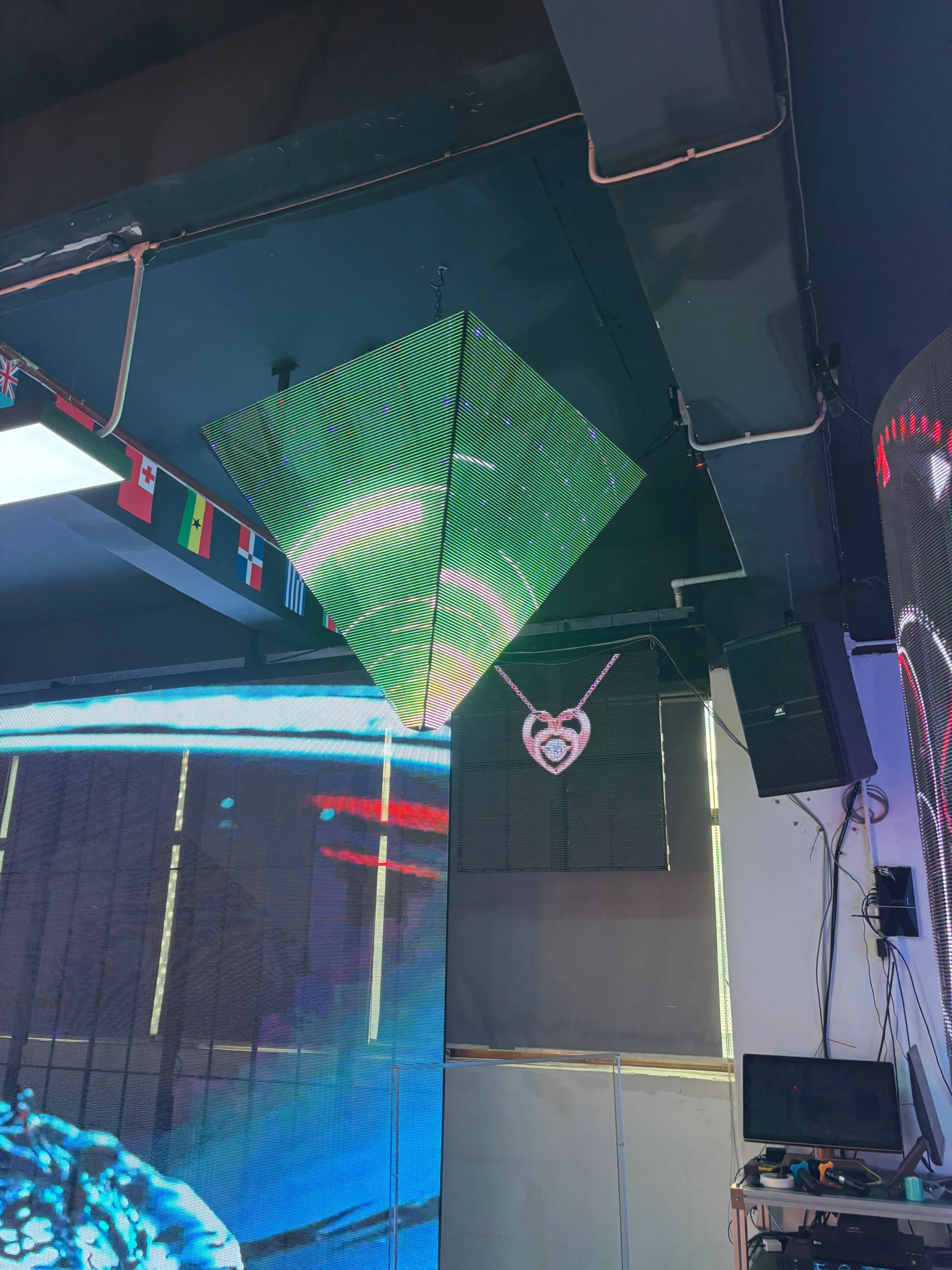
these refers to advanced display solutions designed to deliver vibrant digital content while preserving line-of-sight through the screen surface. Unlike traditional LED or LCD displays that fully obstruct what is behind them, transparent screens allow viewers to see both the content and the physical environment beyond the display.
This dual-visibility effect creates a futuristic visual experience that feels elegant, interactive, and highly adaptable. In practical terms, businesses can place promotional videos, product highlights, or artistic visuals on glass walls, retail windows, display cases, and stage installations without sacrificing openness or natural light.
One of the most attractive aspects of it is its ability to blend digital media with real-world objects. For example, a retailer can place a product behind the transparent screen while simultaneously displaying motion graphics or product details on the screen itself. This layered presentation helps create memorable customer experiences and supports stronger brand storytelling.
Transparent display systems may use different technical approaches, including transparent LED panels and specialized display materials. The exact configuration often depends on factors such as brightness requirements, viewing distance, installation environment, and content goals. In all cases, the main objective remains the same: to create visually striking communication without isolating the audience from the surrounding space.
This is why transparent screens are often associated with premium branding. They deliver innovation not just through visuals, but through the feeling of openness, sophistication, and modernity that conventional screens cannot easily replicate.
Key Features and Benefits of Revealing Transparent screen Technologies from TW VISION
When evaluating modern display systems, organizations often want more than image quality alone. They also need flexibility, visual impact, efficient integration, and long-term brand value. That is where the concept stands out.
One major benefit is aesthetic integration. Transparent screens can fit seamlessly into contemporary architecture, especially in places where glass, steel, and open-concept design dominate. Rather than appearing as bulky hardware, the display becomes part of the environment itself. This makes it ideal for flagship stores, luxury showrooms, airports, hotels, shopping malls, and experience centers.
Another important strength of it is high engagement potential. Because the display seems almost invisible until content appears, it naturally draws attention. Audiences are often intrigued by floating visuals and the contrast between transparency and digital motion. This curiosity can improve dwell time, increase content recall, and enhance customer interaction.
Transparent screens also support versatile content presentation. Businesses can use them for branding messages, limited-time promotions, ambient visuals, directional guidance, interactive installations, and storytelling campaigns. Since the background remains visible, designers can combine physical products and digital overlays in a single display strategy.
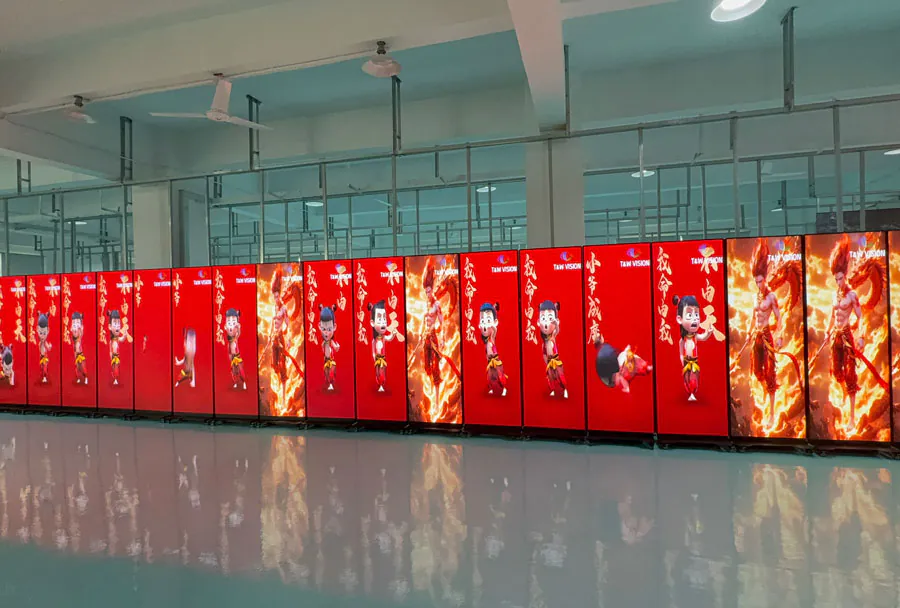
Followed is TW VISION’s transparency led screen.
Energy efficiency and modularity can also play a role, depending on the screen type and deployment model. Many transparent LED systems are designed for scalable installations, allowing businesses to customize dimensions according to project requirements. This adaptability makes the technology relevant for both compact windows and large architectural applications.
In addition, it helps organizations project an innovative image. In competitive commercial settings, the ability to present information in a sleek and unconventional format can differentiate a brand significantly. For companies focused on premium customer experience, transparency in display design often signals creativity, technological confidence, and forward-thinking strategy.
Finally, transparent screens can preserve natural light and spatial continuity. In settings where visibility is essential, such as storefronts or exhibition stands, this is a major advantage. The display communicates powerfully while keeping the area visually open and inviting.
Applications of Revealing Transparent screen Technologies from TW VISION Across Industries
The practical value of transparent screen becomes even clearer when looking at how different industries use it. Its appeal extends far beyond visual novelty. It solves real communication and design challenges across many sectors.
In retail, transparent screens are especially effective for storefront advertising and product launches. A brand can promote its latest collection directly on the window while still allowing passersby to see inside the store. This combination of transparency and motion helps capture attention without creating a barrier between the street and the interior environment. Inside the store, transparent displays can also be used in product cabinets or feature zones to enrich merchandising.
In corporate settings, these can enhance reception areas, meeting spaces, and innovation centers. Companies may use these displays to present brand films, performance dashboards, or interactive storytelling that reinforces corporate identity. A transparent screen in a lobby makes a strong first impression while maintaining an airy, architectural feel.
Museums and galleries can benefit from overlaying digital interpretation onto physical artifacts. Instead of separating information onto distant panels, transparent displays allow curators to place context, animation, or reconstructed imagery directly in front of an object. This creates a more immersive educational experience and supports better visitor engagement.
Events and exhibitions represent another major opportunity. Trade show booths often compete intensely for attention, and transparent screens offer a dynamic way to stand out. Brands can use them for product reveals, stage backdrops, or layered presentations where speakers, products, and motion graphics coexist in the same visual field. This theatrical quality can dramatically improve audience impact.
The hospitality sector also finds value in this technology. Hotels, restaurants, and entertainment venues can install transparent displays in entrances, bars, private lounges, or VIP spaces to create an upscale atmosphere. Messaging can range from welcome visuals and event schedules to ambient branded content that elevates the guest experience.
Transportation hubs, including airports and metro stations, may use transparent screens for navigation, advertising, and public information. Since visibility and traffic flow remain important in these environments, a display that communicates without fully obstructing sightlines offers practical advantages.
As more organizations seek to merge architecture, technology, and communication, they is becoming an increasingly relevant solution across both commercial and cultural spaces.
Technical Considerations Behind Revealing Transparent screen Technologies from TW VISION
Before investing in a transparent display solution, it is important to understand the technical factors that affect performance and suitability. the concept is visually impressive, but like any display system, its effectiveness depends on matching the right specifications to the right environment.
Brightness is one of the most critical considerations. Transparent screens placed in brightly lit areas, especially near sunlight or outdoor-facing windows, need sufficient luminance to maintain content visibility. In dimmer indoor settings, lower brightness levels may still perform well while preserving a refined visual effect.
Transparency ratio is another key factor. A higher transparency level means more visibility through the screen, but it may also influence how dense or vivid the displayed content appears. Project planners must balance the desire for openness with the need for strong visual communication.
Pixel pitch affects image sharpness and viewing distance. A tighter pixel pitch generally provides better detail for close-up viewing, which is especially important in luxury retail, museums, or interactive installations. Larger pitches may be acceptable for architectural features or distant viewing scenarios. Choosing the appropriate specification ensures that the approach delivers the intended visual quality.
Content design is equally important. Transparent displays do not always behave like standard full-background screens. Since part of the background remains visible, designers often need to optimize contrast, motion, typography, and composition. Bold elements, intentional spacing, and layered visuals tend to perform well in transparent environments.
Installation conditions also matter. Load-bearing requirements, mounting methods, power access, ventilation, and control systems should be assessed early in the planning process. Whether the screen is integrated into glass, suspended, or framed within a structure, proper engineering ensures both safety and long-term reliability.
Maintenance and serviceability should not be overlooked. Businesses should evaluate how easy it is to access components, replace modules, update content systems, and monitor performance over time. A display that looks spectacular at launch should also remain dependable throughout its operational life.
Ultimately, the success of transparent screen depends on a thoughtful combination of visual goals, environmental context, technical planning, and content strategy. When these elements align, the result can be both commercially effective and architecturally stunning.
Followed is TW VISION’S Transparent screen video.
The Future of Revealing Transparent screen Technologies from TW VISION
The future of display innovation is increasingly connected to flexibility, immersion, and spatial harmony. In that context, this is well positioned to play a major role in the next generation of digital environments.
As smart buildings and experiential retail continue to evolve, transparent displays are likely to become more integrated with sensors, automation systems, and interactive platforms. This means a screen may not simply show content on a loop; it could respond to audience movement, environmental conditions, or real-time data. Such interactivity would deepen engagement and make the technology even more valuable.
Advances in materials, control systems, and display efficiency may also improve clarity, brightness, and installation flexibility. Over time, this can expand adoption into new sectors and reduce barriers related to customization and deployment complexity. As the market matures, more brands may see transparent screens not as novelty items, but as core communication tools.
Another likely trend is the rise of hybrid physical-digital storytelling. Brands increasingly want to connect products, architecture, and media into one seamless narrative. these supports this goal by allowing content to coexist with real objects and spaces rather than replacing them visually.
Sustainability may also shape future demand. In environments where maintaining daylight, openness, and efficient use of space matters, transparent displays offer a strategic advantage. They can contribute to modern design approaches that prioritize multifunctionality and reduced visual clutter.
Most importantly, audience expectations are changing. Consumers and visitors now respond strongly to immersive and differentiated experiences. Static signage alone often struggles to generate the same emotional effect as layered, luminous, and spatially integrated media. That shift in expectation makes they increasingly relevant for organizations that want to lead rather than follow.
FAQ
What makes Revealing Transparent screen Technologies from TW VISION different from traditional displays?
Revealing Transparent screen Technologies from TW VISION differs from traditional displays because it allows digital content to appear while preserving visibility through the screen. This creates a more open, modern, and immersive presentation compared with conventional screens that completely block the background.
Where can Revealing transparent LED display technologies from TW VISION be used most effectively?
The best use cases for Revealing Transparent screen Technologies from TW VISION include retail storefronts, exhibitions, museums, corporate lobbies, hospitality venues, and premium commercial environments. It works especially well where brands want to combine architecture, products, and digital storytelling in one visual experience.
Is Revealing transparent LED display technologies from TW VISION suitable for bright environments?
Yes, Revealing Transparent screen Technologies from TW VISION can be suitable for bright environments, but the correct brightness specification is essential. Spaces with strong ambient light or direct sunlight require carefully selected display performance to ensure content remains visible and impactful.
Does Revealing transparent LED display technologies from TW VISION require special content design?
Yes, content often needs to be adapted for transparent formats. Because the background remains partially visible, Revealing Transparent screen Technologies from TW VISION benefits from strong contrast, clean layouts, bold motion graphics, and thoughtful layering to maintain readability and visual appeal.
Why are businesses investing in Revealing Transparent screen Technologies from TW VISION?
Businesses invest in Revealing Transparent screen Technologies from TW VISION because it helps them stand out, improve customer engagement, support premium branding, and integrate digital communication into modern architectural spaces without sacrificing openness.
Conclusion
Revealing Transparent screen Technologies from TW VISION represents a powerful shift in the way digital media interacts with physical space. Instead of forcing organizations to choose between visibility and visual impact, transparent screens offer both. They support immersive storytelling, elegant branding, and practical communication across retail, corporate, cultural, hospitality, and transit environments.
As demand grows for more engaging and design-conscious display solutions, Revealing transparent LED display technologies from TW VISION is set to remain a key innovation in the visual technology landscape. For brands and institutions aiming to create memorable experiences while preserving openness and sophistication, this technology offers a compelling path forward. If desired, I can also turn this into a blog-post version with meta title, meta description, slug, and internal linking suggestions.
Related Articles
- Revealing Transparent and Flexible Screen Technologies from TW VISION Creative LED Display Company
- Revealing Curved Surface Correction and Irregular Content Adaptation Technology of TW VISION Custom Shape LED Screens
- Revealing the R&D Strength and Future Technology Roadmap of TW VISION LED Screen Manufacturer