Advantages of TW VISION Flexible LED Display for Modern Events

In the fast-paced world of live events, exhibition design, and immersive brand experiences, display technology is no longer just a backdrop — it drives engagement, storytelling, and logistics. TW VISION’s flexible led displays bring a distinct set of advantages to modern events by combining high image performance with mechanical adaptability. This article examines the practical and strategic benefits of TW VISION’s flexible LED solutions, explores real-world applications, and offers guidance for event planners, AV integrators, and creative directors who want to maximize impact while controlling cost and complexity.
What “Flexible LED” Means in Practice
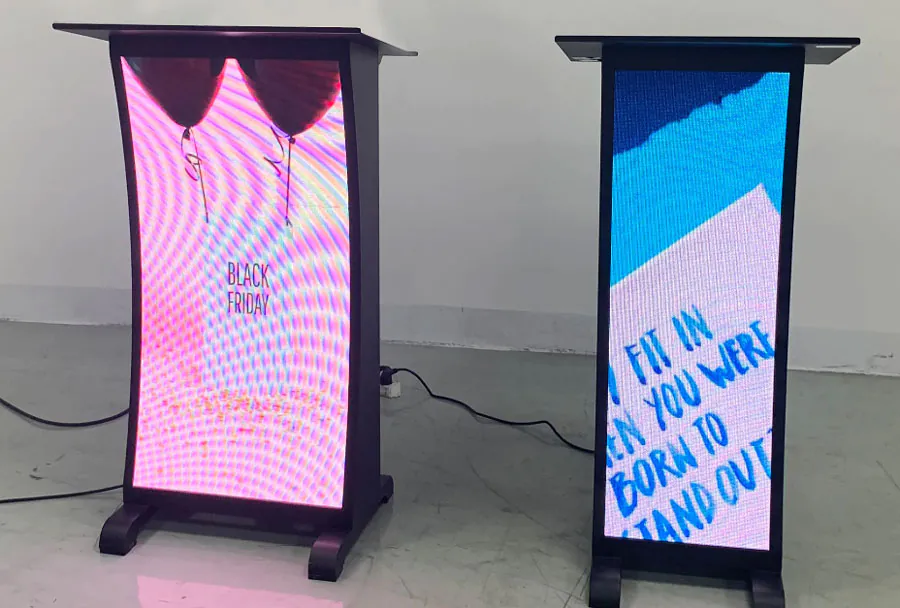
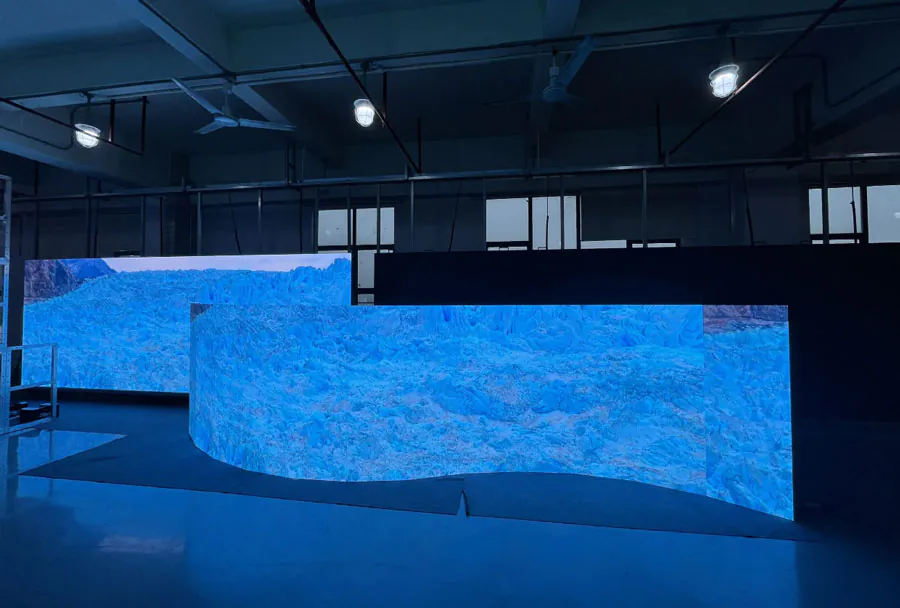
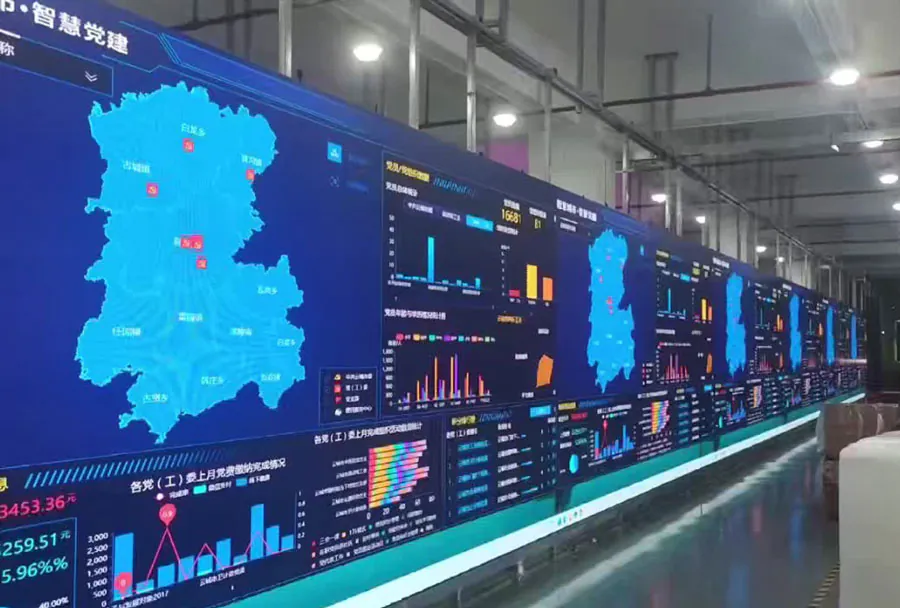
Flexible LED refers to LED modules or panels that can be bent, curved, or otherwise shaped to non-flat surfaces without sacrificing pixel integrity. Unlike rigid LED cabinets, flexible solutions are designed with pliable substrates, segmented modules, or mesh-style constructions that permit full 360° curvature in some cases. TW VISION’s offerings are engineered to support a range of creative geometries — from gentle convex/concave curves for stage backdrops to cylindrical wraps, wave installations, and contour displays integrated into architectural elements.
Key Advantages of TW VISION Flexible LED Displays
1. Design Freedom and Creative Flexibility
Flexible LED enables designers to break away from flat screens and create visually arresting shapes that align with a brand’s creative brief. TW VISION’s flexible panels allow:
– Seamless, continuous surfaces with minimal bezel interruption.
– Complex shapes like cylinders, domes, waves, and concave stages that traditional cabinets cannot achieve easily.
– Custom immersive environments where the display becomes a spatial element rather than a separate screen.
This creative freedom leads to higher audience engagement because spatial displays naturally capture attention and can be engineered to direct sightlines and movement in a venue.
2. Reduced Weight and Simplified Rigging
Flexible modules are typically lighter than equivalent rigid cabinets because they use thinner substrates and fewer supporting frames. For event producers this translates into:
– Easier transportation and lower trucking costs.
– Faster rigging and de-rigging, reducing crew hours and labor expenses.
– Lower structural load on trusses and stages, offering more venue compatibility and fewer engineering constraints.
TW VISION’s flexible solutions emphasize portability and modularity, which is critical for touring productions and pop-up activations.
3. Improved Installation Speed and Modularity
Modular flexible LED panels are designed for rapid assembly. The benefits include:
– Fewer mechanical fixtures and less time spent aligning cabinets.
– Tool-less or low-tool connections in some systems.
– Scalability: add or remove panels to match stage size or venue constraints.
For multi-day events or those with tight changeovers, the time savings are a major operational advantage.
4. High Image Quality and Pixel Density Options
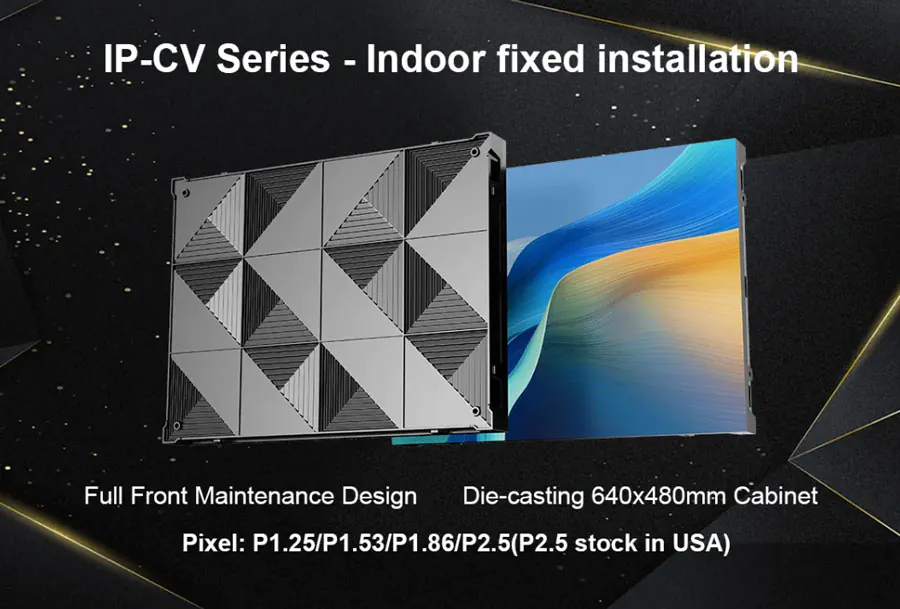
TW VISION provides flexible LED modules across a range of pixel pitches, delivering crisp imagery for both up-close interactive zones and large-view-distance stage backdrops. Typical benefits:
– Fine-pitch options for close-audience corporate events and broadcast applications.
– Wider-pitch choices for large-format scenic applications where viewing distance is greater.
– Uniform color and brightness across curved surfaces, thanks to precise calibration and quality LED sourcing.
When configured correctly, the result is a continuous, high-resolution canvas that stands up to photography and live broadcast.
5. Energy Efficiency and Thermal Management
Compared with some traditional stage lighting and projection setups, modern flexible LED panels are energy-efficient. Advantages include:
– Lower power draw per square meter vs. many older projection or lighting-heavy solutions.
– Improved thermal designs that extend LED lifespan and reduce active cooling needs.
– Opportunity to integrate with venue power management to reduce operating costs.
TW VISION emphasizes efficiency through smart driver electronics and high-quality components that balance brightness with power consumption.
6. Durability and Maintenance
Event environments are tough — frequent handling, rapid changeovers, and exposure to humidity or dust are common. TW VISION’s flexible LED modules typically offer:
– Robust connectors and reinforced edges to resist handling damage.
– Replaceable module sections to simplify repairs without removing whole walls.
– Optional IP-rated variants for semi-outdoor or highly humid environments.
This maintainability reduces downtime and extends the life of the investment.
Applications and Use Cases in Modern Events
Concerts and Touring Productions
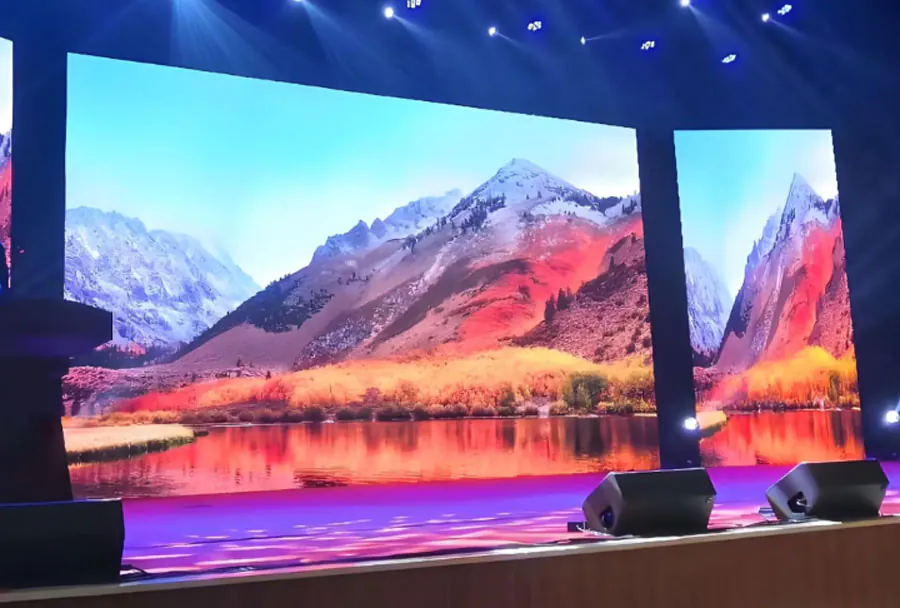
Flexible LED lets stage designers create dynamic visual architectures that integrate with lighting and motion rigs. TW VISION’s lightweight, curved solutions reduce rigging complexity and give touring acts consistent visuals across different venues.
Trade Shows and Exhibitions
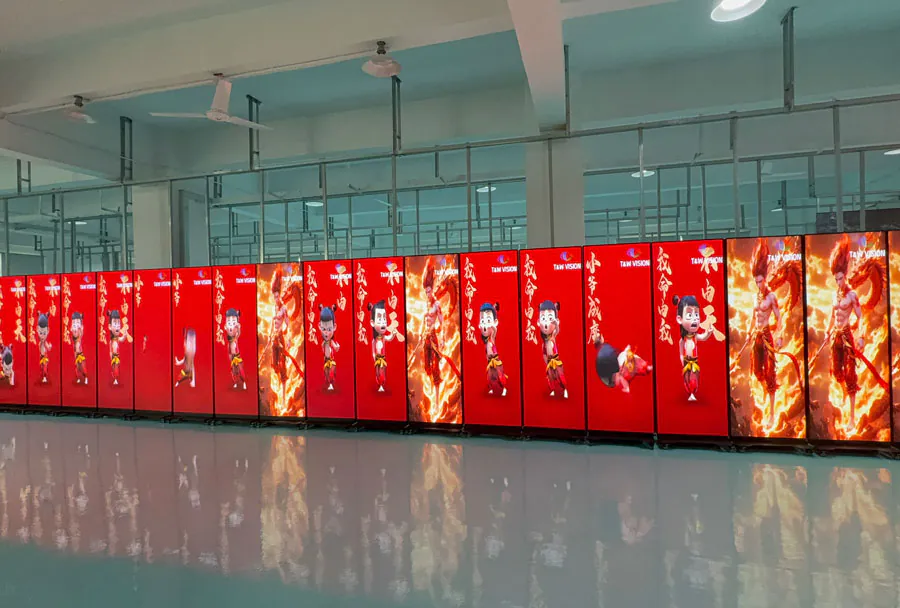
Exhibitors benefit from sculptural displays that attract foot traffic. Curved kiosks, cylindrical product showcases, and immersive booths built with flexible LED provide unforgettable brand experiences and higher lead-generation potential.
Corporate Events and Conferences
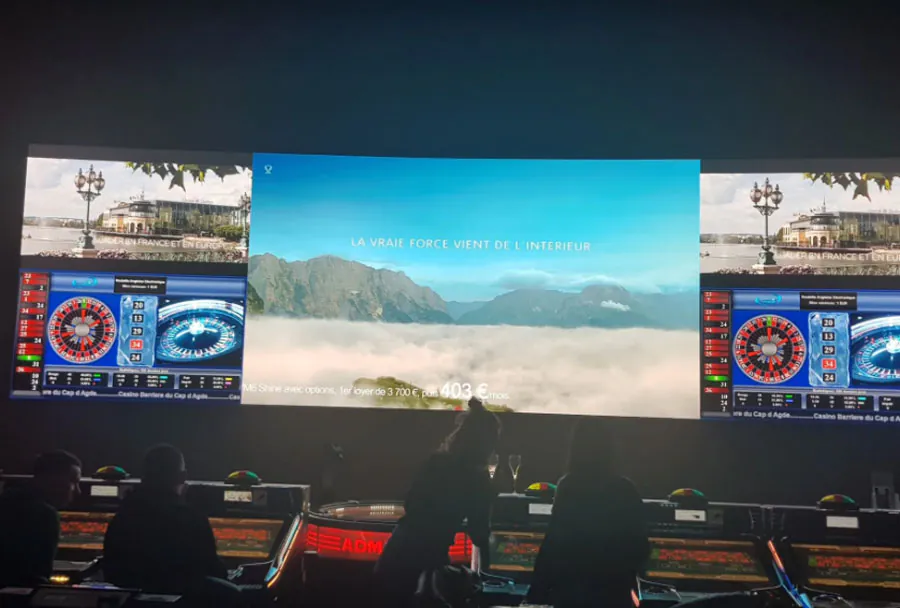
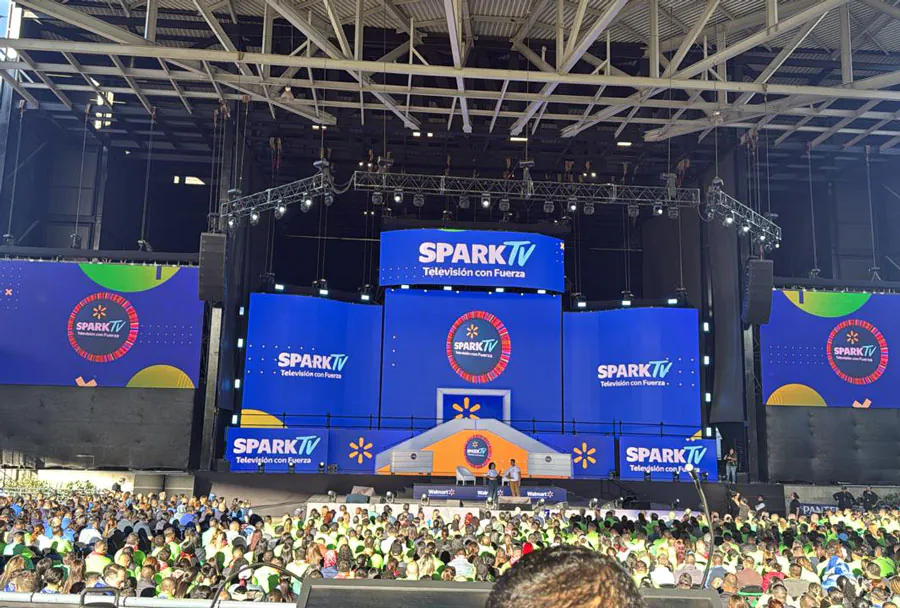
From keynote backdrops to experiential breakouts, flexible LED delivers high-quality visuals and adaptable stage formats. The ability to create multi-surface environments supports hybrid events that blend live and virtual audiences.
Broadcast and TV Sets
Curved and shaped LED walls provide camera-friendly reflection control and consistent imaging from various angles. TW VISION’s fine-pitch flexible displays are especially well-suited for news desks, reality shows, and entertainment sets.
Retail and Permanent Installations
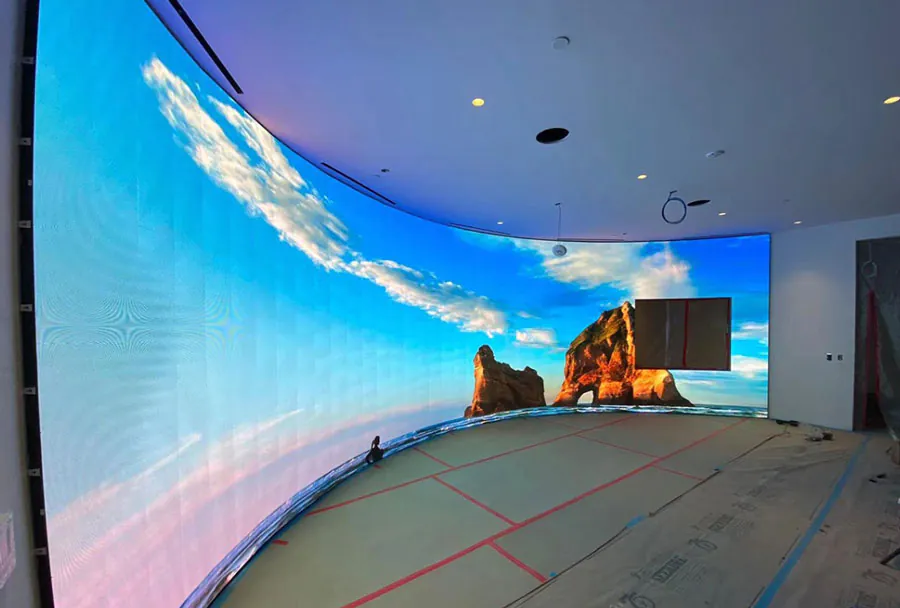
Retail flagships and hotel lobbies can integrate flexible LED into architecture for ongoing experiential marketing. The adaptability of TW VISION’s solutions makes retrofitting into complex spaces feasible.
Comparative Analysis Table
Below is a concise analysis comparing TW VISION flexible LED displays to traditional rigid LED panels and projection systems across critical event parameters.
| Feature | TW VISION Flexible LED | Traditional Rigid LED Panels | Projection Systems | Event Impact |
|---|---|---|---|---|
| Form Factor & Design | Highly adaptable to curves, cylinders, and irregular shapes | Best for flat walls and large seamless surfaces; limited curvature | Projection onto surfaces; requires screens or surfaces; limited 3D shaping | Flexible LED enables unique stage designs and immersive experiences |
| Weight & Logistics | Lightweight modules reduce rigging complexity and transport costs | Heavier cabinets; more structural support needed | Projectors are compact but require screen and dark environment | Lower weight speeds up install and broadens venue options |
| Image Quality | Available in fine to coarse pixel pitches with uniform brightness | Excellent image quality; seamless at large scales, but less shape flexibility | High resolution possible but sensitive to ambient light and screen quality | Flexible LED balances resolution and creative integration |
| Durability & Maintenance | Robust, module-replaceable design suited for touring/event use | Durable, but individual panel failure can be more disruptive | Projector bulbs and optics require regular maintenance and replacements | Flexible modules minimize downtime and repair costs |
| Energy & Operating Cost | Energy-efficient LEDs with good thermal management | Similar LED efficiency; depends on model and control systems | High power draw for bright outputs; cooling and bulb replacement add cost | Flexible LED often reduces operating cost vs. projection for bright venues |
Implementation Considerations
Structural and Rigging Planning
Curved installations still require careful structural planning. Work with structural engineers and TW VISION certified integrators to ensure truss loads, wind exposure, and anchor points are suitable. Even though modules are lighter, cumulative weight and dynamic loads during rigging must be verified.
Pixel Pitch and Viewing Distance
Choose pixel pitch based on audience proximity. For close-up interaction (e.g., trade show booths), fine-pitch (e.g., sub-3 mm) may be appropriate. For large-stage backdrops, a wider pitch balances cost and visual acuity. TW VISION offers a range of options to match these needs.
Content Creation and Warping
Curved displays require content that accounts for non-linear geometries. Pre-visualization, content mapping, and real-time warping software are crucial. Plan content timelines to include testing and calibration sessions.
Power, Control, and Redundancy
Plan for power distribution and control redundancy, particularly for touring shows. TW VISION systems integrate with common media servers and control protocols, but validate compatibility early to avoid last-minute equipment swaps.
Environmental and Venue Factors
For semi-outdoor or humid venues, choose modules with appropriate ingress protection and sealing. Temperature ranges and ventilation will affect brightness levels and thermal performance.
Return on Investment and Total Cost of Ownership
TW VISION flexible LED displays can deliver a strong ROI for organizations that prioritize visual impact, reusability, and reduced labor costs. Key ROI drivers include:
– Reduced transportation and labor costs due to lighter weight and faster installs.
– Higher sponsorship and ticket revenues driven by better audience engagement in immersive events.
– Longer asset lifespan with modular repairability and efficient power consumption.
Calculate TCO by comparing initial capital outlay, recurring labor, maintenance, power consumption, and potential incremental revenue from enhanced event experiences. In many scenarios — especially touring and experiential activations — flexible LED amortizes rapidly against repeated use.
Best Practices for Event Professionals
– Start early with a technical rider that specifies curvature limits, rigging points, and power needs.
– Engage TW VISION or certified partners for pre-production tests, especially when using complex geometries.
– Allocate time for content mapping and color calibration to ensure consistent visuals across curves.
– Use modular replacement parts in the kit to minimize downtime during tours.
– Consider hybrid solutions: combine flexible LED with traditional panels and projection to optimize cost and performance.
Strategic Value of TW VISION Flexible LED for Events
TW VISION’s flexible LED displays represent a strategic upgrade for modern events where visual immersion, logistical efficiency, and design innovation matter. By enabling complex shapes, reducing weight and install time, offering high image quality, and providing maintainable modular systems, flexible LED empowers event producers to deliver standout experiences while controlling operational costs. For creative teams, the technology opens new possibilities for storytelling; for production managers, it simplifies the practical challenges of staging; and for brands, it increases the likelihood of memorable audience interactions that translate into measurable outcomes.
When evaluating display options, weigh the creative objectives, venue constraints, and long-term event strategy. For many contemporary applications — from touring concerts to corporate flagship launches — TW VISION flexible LED delivers a compelling combination of form, function, and return on investment that is well-suited to the demands of modern events.