Indoor LED Display Rental for Events & Corporate Displays:TW VISION

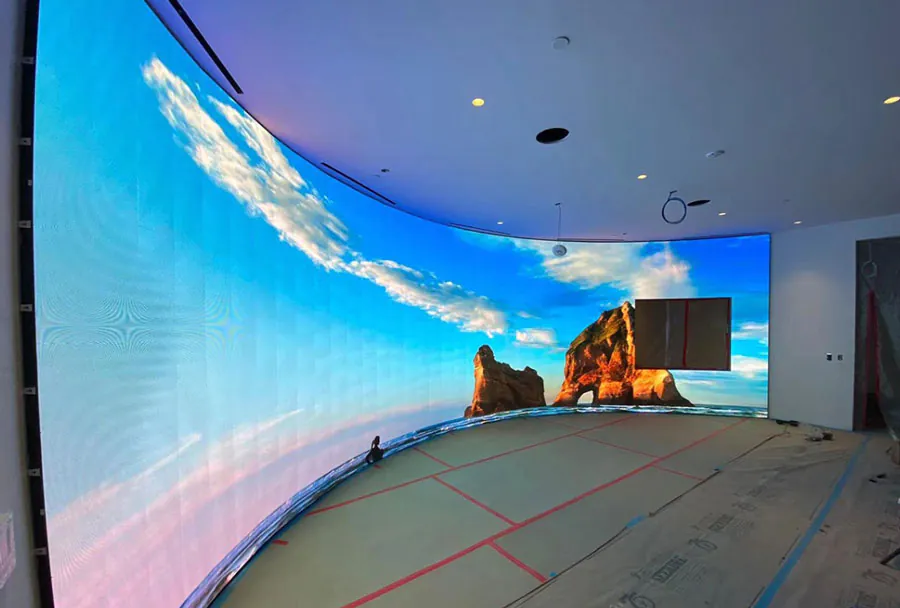
Indoor LED Display Rental for Events & Corporate Displays has become a go-to solution for brands that need high-impact visuals without the commitment of permanent hardware. From executive conferences to product launches and trade show booths, this format delivers sharp imagery, flexible sizing, and a polished professional look. Indoor LED Display Rental for Events & Corporate Displays is especially valuable when you want to create a memorable environment that can be tailored to the room, the audience, and the message. Instead of working around fixed screens or relying on static backdrops, event teams can build dynamic visual moments that support branding, presentations, live video, and audience engagement.
Table of Contents
- Why Indoor LED Display Rental for Events & Corporate Displays Delivers Impact
- Choosing the Right Indoor LED Display Rental for Events & Corporate Displays
- Common Uses for Indoor LED Display Rental for Events & Corporate Displays
- Setup, Content, and Logistics for Indoor LED Display Rental for Events & Corporate Displays
- FAQ
- How early should I book a rental screen?
- Is this better than using a projection screen?
- What kind of content works best on LED displays?
- Can the screen be customized for different event formats?
- Conclusion
Why Indoor LED Display Rental for Events & Corporate Displays Delivers Impact
When a company is preparing for a major event, the visual environment matters almost as much as the agenda. A screen is no longer just a screen; it is part of the overall experience. That is one reason event planners, marketers, and production teams rely on Indoor LED Display Rental for Events & Corporate Displays to elevate everything from keynote stages to exhibit spaces. These systems provide bright, seamless visuals that look clean from a distance and impressive up close.
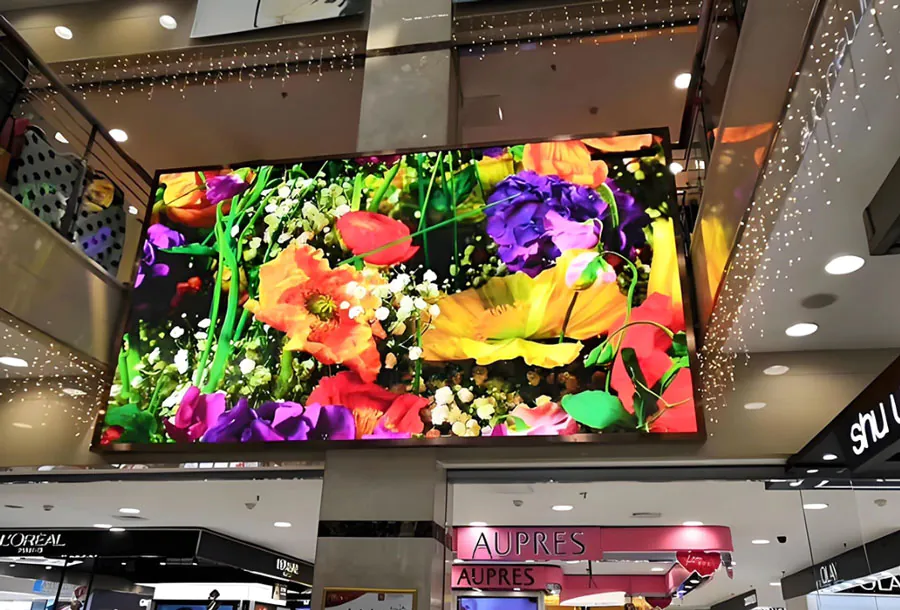
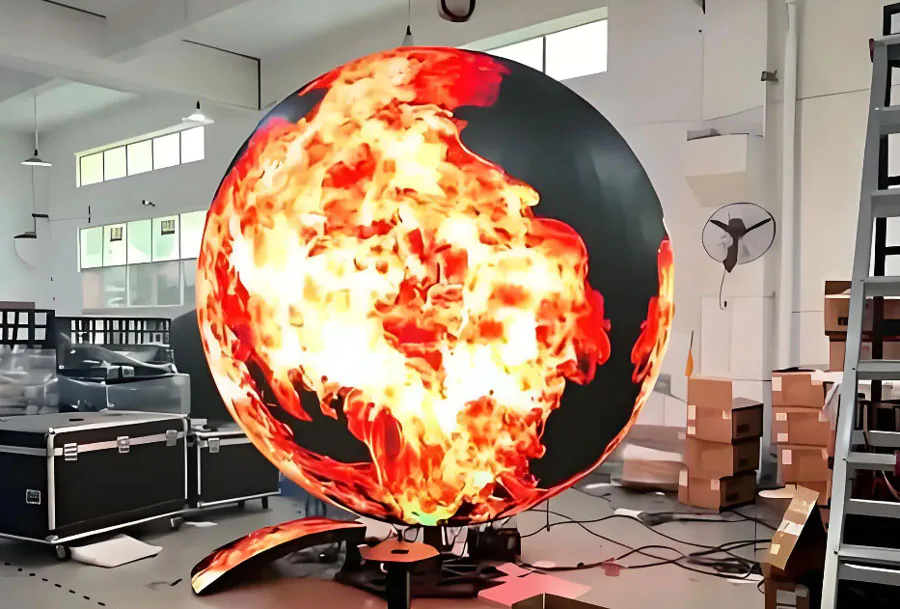
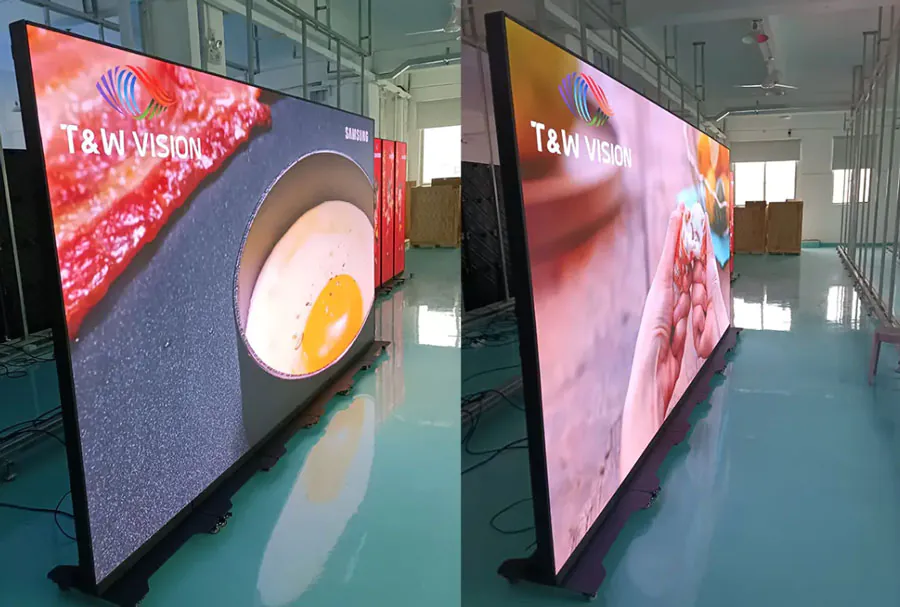
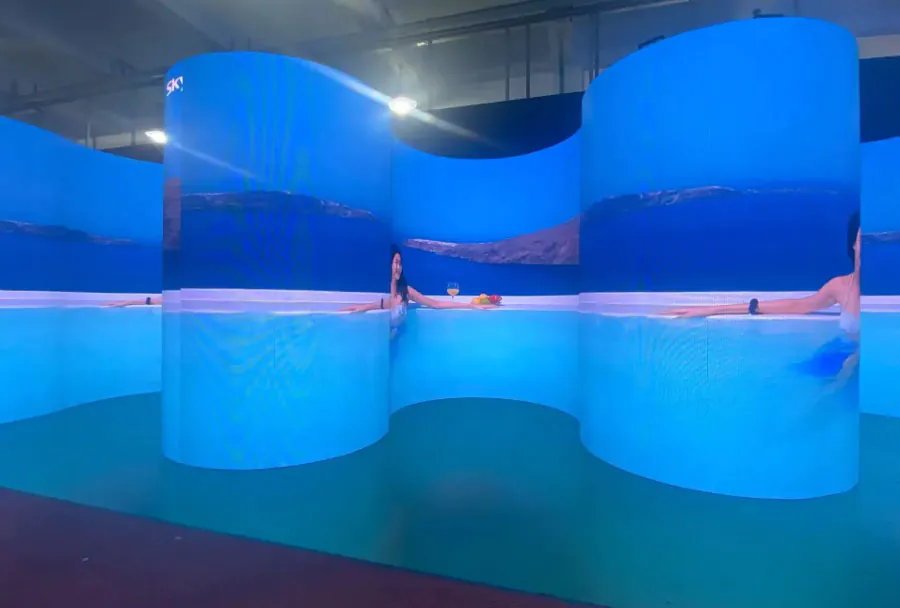
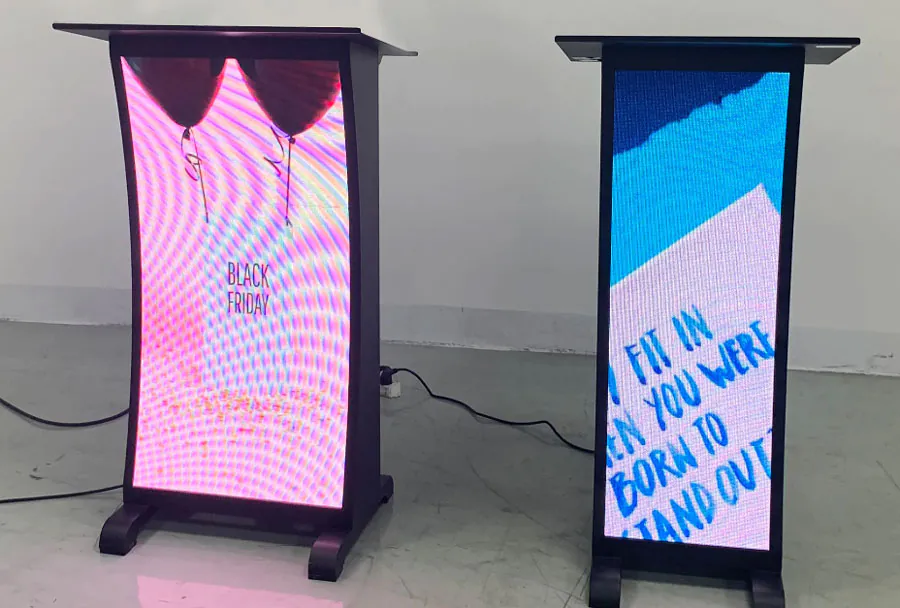
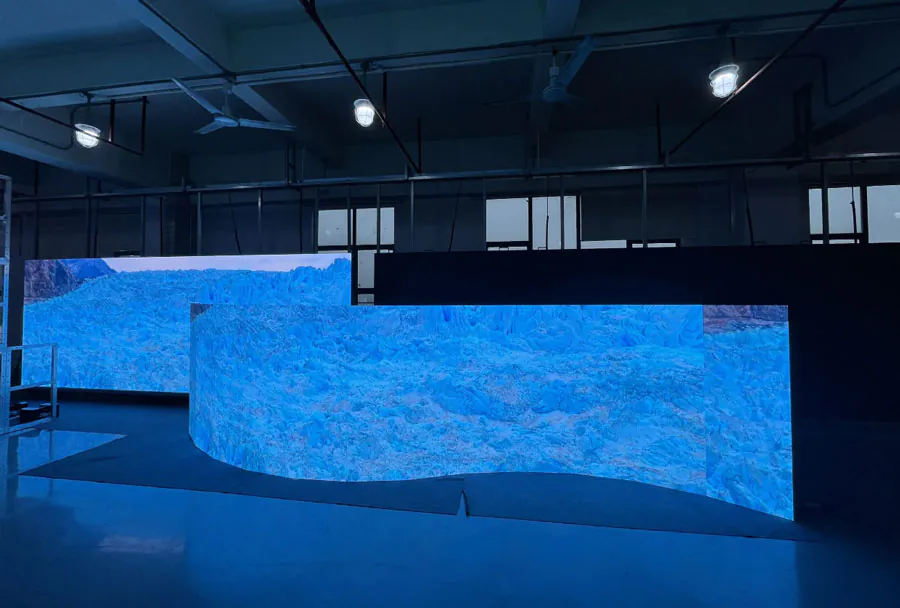
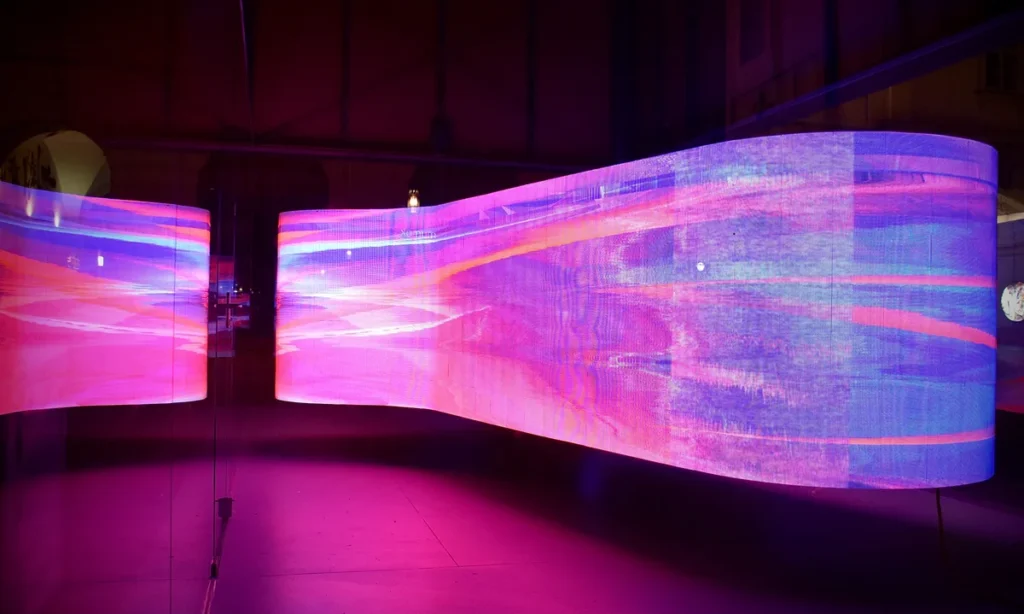
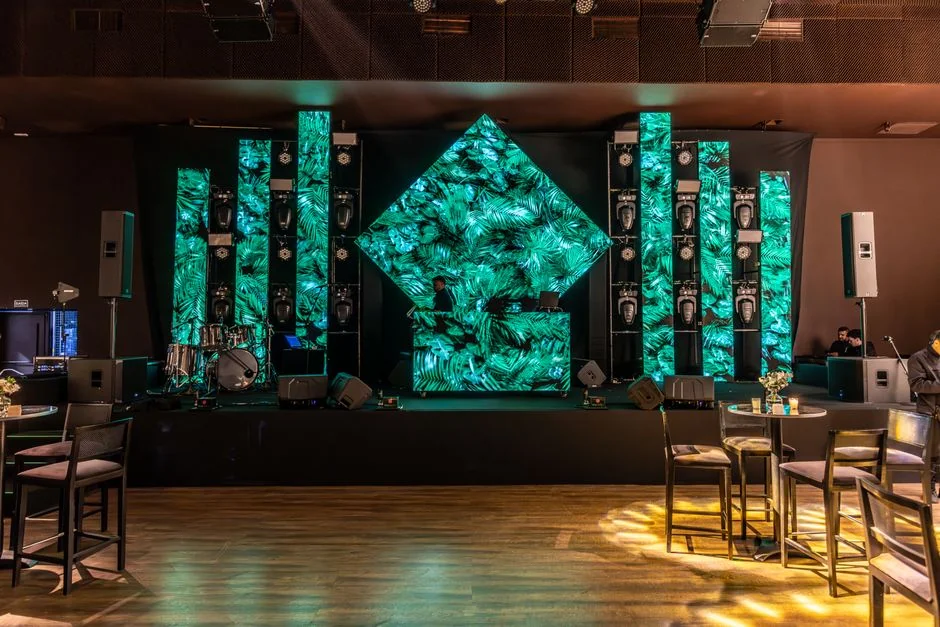
Unlike many traditional display options, indoor LED panels can be configured in creative ways. They can form wide panoramic backdrops, tall portrait-style towers, suspended walls, curved installations, or compact booth displays. This flexibility allows planners to design around the venue rather than forcing the venue to adapt to the display. For corporate settings, that adaptability is incredibly useful because no two events are exactly alike. A shareholder meeting may need a formal, understated layout. A product launch may need dramatic motion graphics and a larger-than-life reveal. A training seminar may need split-screen content with slides, live cameras, and branded visuals. Indoor LED Display Rental for Events & Corporate Displays makes all of that possible in one platform.
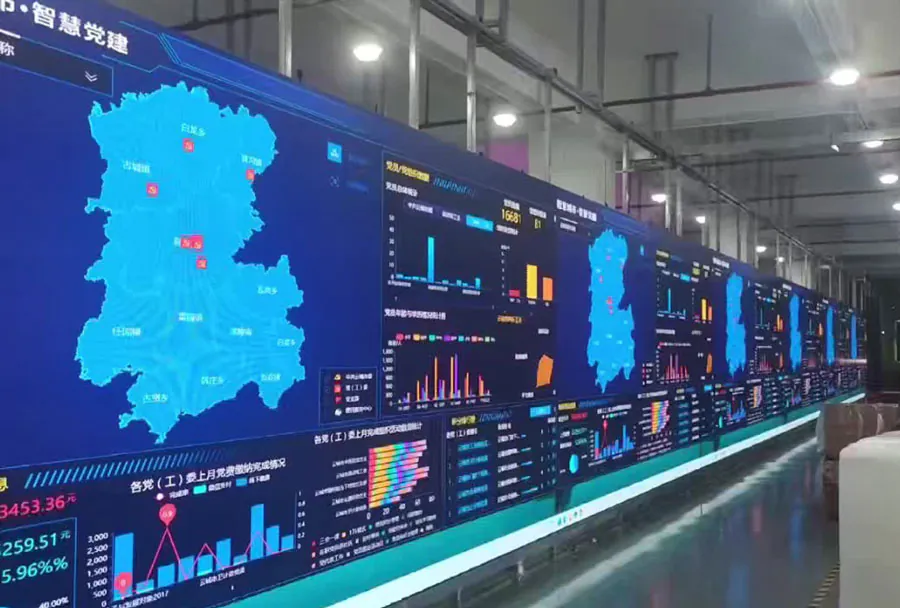
Another major advantage is image consistency. LED panels maintain a uniform appearance across the full surface, which helps presentations look polished and modern. There are no visible bezels interrupting the content, which is especially important when showing data dashboards, speaker photos, motion graphics, or brand videos. That seamless presentation helps audiences stay focused on the message instead of the technology.
A strong rental solution also reduces long-term ownership headaches. Companies can access the right size, resolution, and layout for each project without investing in storage, maintenance, or technical upgrades. This is especially useful for organizations that host events only a few times a year, or for agencies managing multiple clients with different requirements. In these situations, Indoor LED Display Rental for Events & Corporate Displays offers both cost control and professional results.
Beyond visuals, the emotional effect is significant. A well-lit, high-resolution display can make an event feel more premium, more organized, and more memorable. Attendees often associate screen quality with the quality of the brand itself. If the content is crisp and the installation looks intentional, the message feels stronger. That is why Indoor LED Display Rental for Events & Corporate Displays is often chosen when the goal is to impress prospects, partners, investors, or internal stakeholders.
For event teams, the value is not only in the look but also in the speed of transformation. A venue can move from registration to general session to networking mode without redesigning the entire space. Content can be updated in real time, sessions can be rebranded for different speakers, and sponsor recognition can be rotated throughout the day. In environments where timing and presentation matter, that agility is hard to beat.

Choosing the Right Indoor LED Display Rental for Events & Corporate Displays
Selecting the right screen starts with understanding the venue, the audience, and the content itself. The best display is not always the largest one. It is the one that matches viewing distance, message type, and event objectives. With Indoor LED Display Rental for Events & Corporate Displays, careful planning before the event leads to better visibility, fewer technical surprises, and a smoother audience experience.
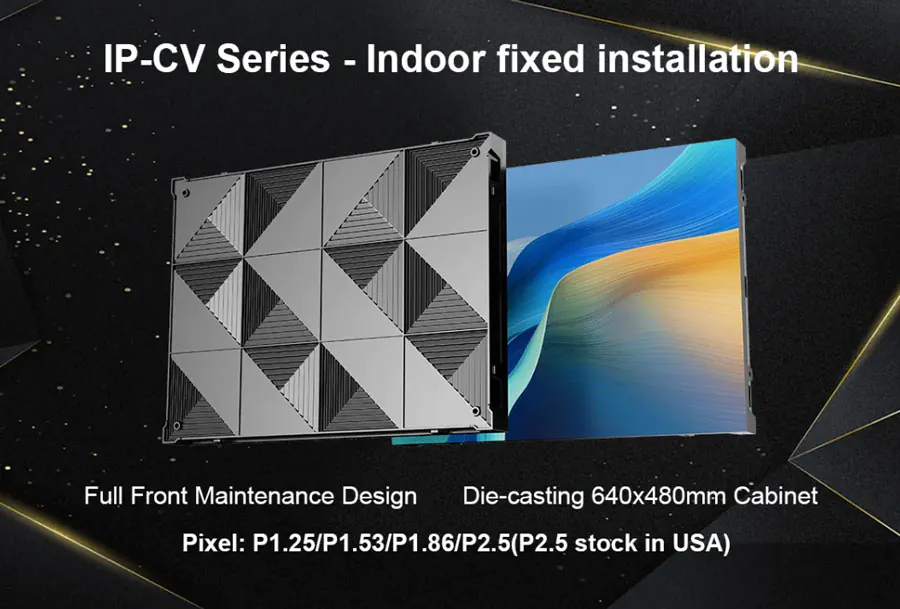
Start by considering pixel pitch, which refers to the distance between individual LEDs. A smaller pitch typically means higher resolution and sharper image quality at close range. This matters in meeting rooms, boardrooms, and exhibit booths where attendees may stand only a few feet from the screen. Larger venues can sometimes use a slightly wider pitch if the audience is farther away. Choosing the right pitch helps ensure that text remains readable and visuals stay crisp.
Next, think about brightness and ambient lighting. Indoor environments can vary more than people expect. Some ballrooms are dark and controlled, while others have large windows or bright expo hall lighting. A rental provider should help you match the display to the room so the content remains vibrant without appearing overly harsh. If the event includes video playback, color-rich motion graphics, or live camera feeds, the screen should handle contrast smoothly and without flicker.
Size and aspect ratio are equally important. A wide stage backdrop may be ideal for a keynote event, while a tall vertical panel can work beautifully in a lobby or sponsor activation area. The right layout depends on how the audience will interact with the screen. If the content includes PowerPoint slides or product demos, the aspect ratio should support that format without awkward cropping. If the display is part of an immersive branding environment, multiple panels may be arranged into a custom configuration to build visual drama.
Content planning should begin early. Before finalizing the display, event teams should know whether they will use live presentations, pre-recorded videos, social media feeds, speaker graphics, or split-screen layouts. That information affects everything from screen dimensions to playback equipment. When Indoor LED Display Rental for Events & Corporate Displays is chosen with content in mind, the final result feels intentional instead of improvised.
Power and cabling logistics also deserve attention. A professional rental partner will evaluate the load requirements, the available outlets, and the safest cable paths. This prevents last-minute issues and supports a clean-looking installation. It is also helpful to ask about redundancy. For important presentations, backup playback options and spare components can reduce risk.
Finally, consider the support structure behind the screen. A display is only as effective as the team that installs and operates it. Skilled technicians can ensure that panels are aligned, content is calibrated, and changes during the event happen without disruption. For that reason, Indoor LED Display Rental for Events & Corporate Displays should always be planned as part of a larger production workflow rather than treated as a standalone hardware decision.
A thoughtful selection process gives organizers more control over the look and feel of the event. It also helps maximize return on investment because the screen will be appropriately sized, technically reliable, and visually aligned with the brand.
Common Uses for Indoor LED Display Rental for Events & Corporate Displays
The versatility of LED rental systems is one of the main reasons they appear in so many event environments. From small executive gatherings to large-scale industry expos, the same technology can serve many different purposes. Indoor LED Display Rental for Events & Corporate Displays works especially well when the message needs to be seen clearly, updated quickly, and delivered with a sense of professionalism.
Trade shows are one of the most common applications. In a crowded exhibit hall, brands only have a few seconds to capture attention. A bright display can highlight a product, loop a demo video, show testimonials, or communicate a call to action before a visitor ever steps into the booth. Because space is often limited, LED panels also allow exhibitors to maximize visual impact without building bulky structures. A compact booth can feel far more substantial when it includes a dynamic screen wall.
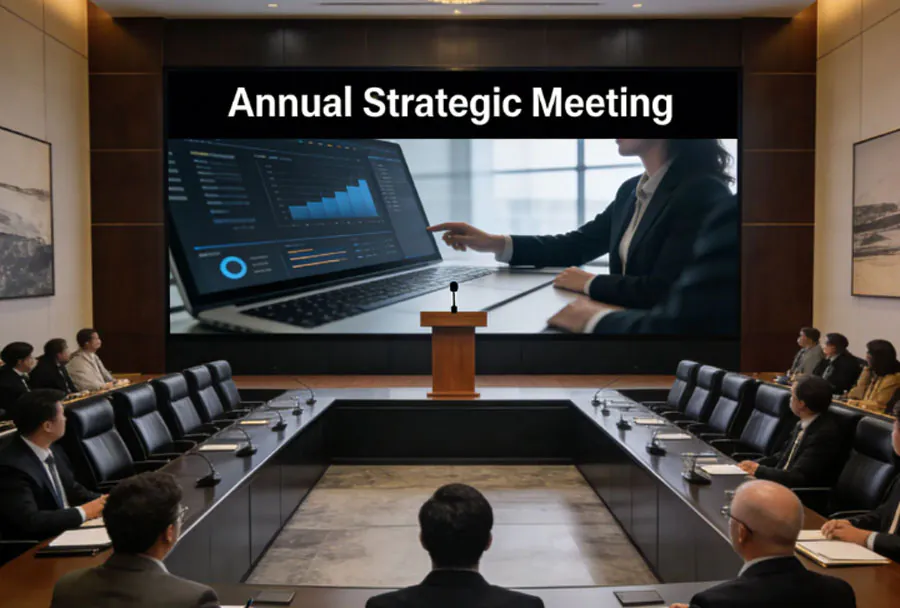
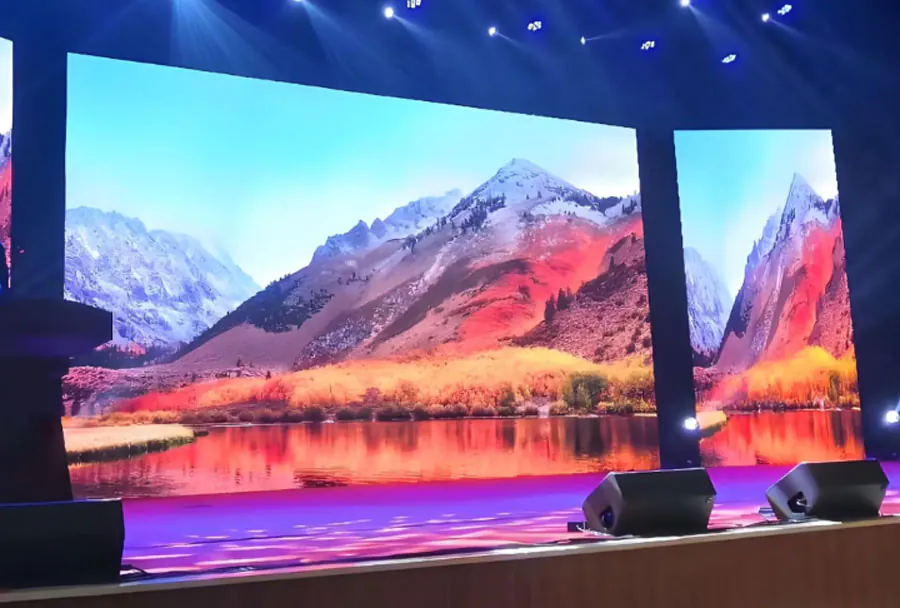
Conferences and seminars are another strong use case. In these environments, presenters often need slides that are readable from the back of the room and compelling enough to keep attendees engaged for long sessions. LED displays help transform standard presentations into more polished experiences. They are also useful for agenda boards, sponsor recognition, live polling results, speaker introductions, and stage branding. A single Indoor LED Display Rental for Events & Corporate Displays setup can support multiple functions during the same day.
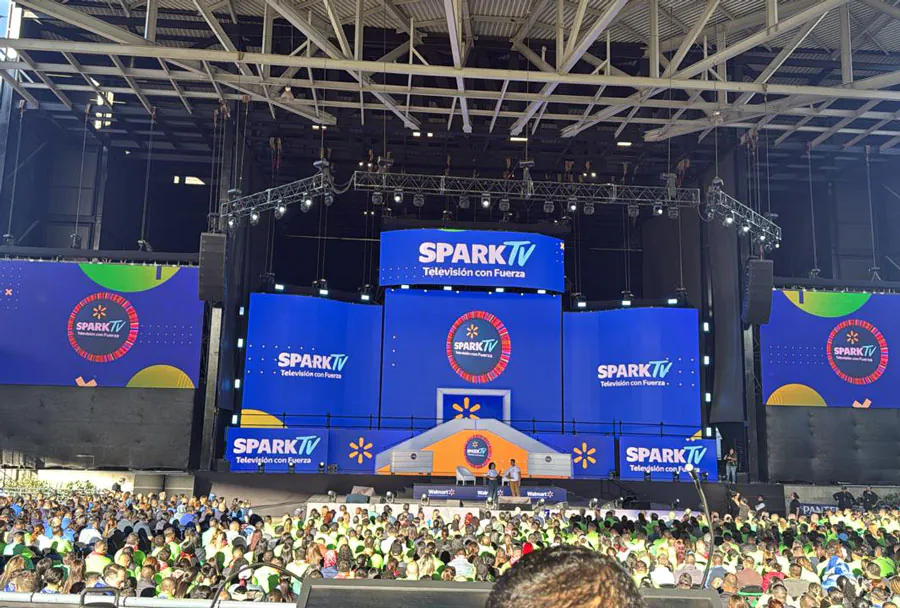
Product launches benefit greatly from large-scale visuals and controlled reveal moments. A well-timed animation or video sequence can generate excitement and shape how an audience perceives a new product. Whether the launch is for technology, automotive, fashion, or consumer goods, the screen becomes part of the storytelling process. Instead of simply displaying information, the visuals can create anticipation, emphasize features, and reinforce a premium brand identity. That is where Indoor LED Display Rental for Events & Corporate Displays becomes more than decoration; it becomes a strategic marketing tool.
Corporate meetings and internal events also gain value from advanced display systems. Annual meetings, town halls, leadership summits, and training sessions all benefit from stronger communication. Large displays make it easier for employees to follow along with financial data, product roadmaps, organizational updates, and video messages from executives. These events may not require flashy visuals, but they do require clarity, professionalism, and trust. A rental display helps deliver all three.
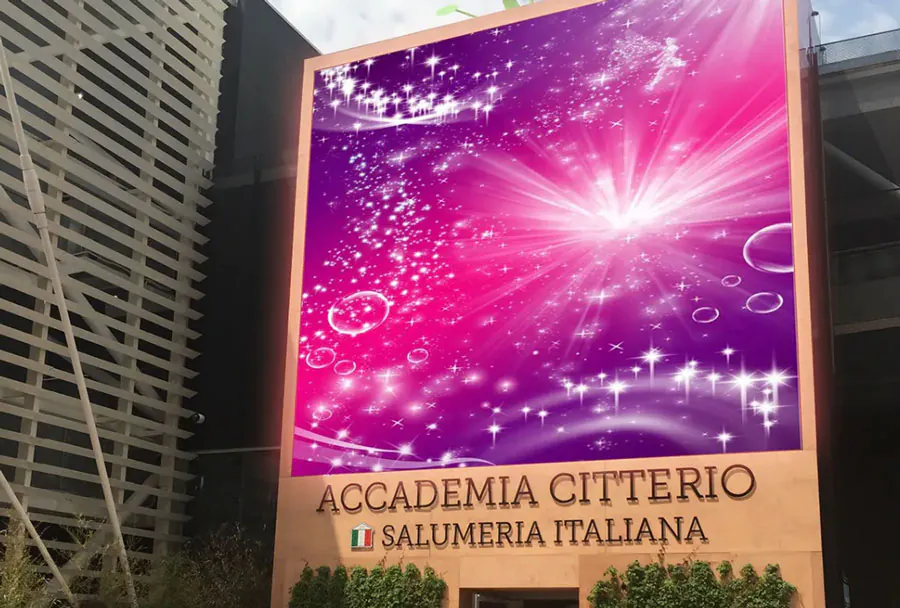
Hospitality and venue branding are additional opportunities. Hotels, convention centers, and conference venues often use screen installations for welcome messages, directional content, sponsor highlights, and event branding. When done well, the display contributes to the atmosphere and helps attendees navigate the space more easily. It can also be reconfigured quickly for different clients or different daily schedules.
Entertainment-style corporate events use the technology in even more creative ways. Award ceremonies, gala dinners, holiday parties, and hybrid experiences can include live video, motion graphics, countdowns, and stage effects. Because the visuals can shift instantly, planners can adapt the screen to match the tone of each segment. That flexibility is a major reason why Indoor LED Display Rental for Events & Corporate Displays remains in high demand across industries.
The broad takeaway is simple: if an event depends on attention, clarity, and atmosphere, LED rental can strengthen all three.
Setup, Content, and Logistics for Indoor LED Display Rental for Events & Corporate Displays
A successful event screen is the result of planning long before the audience arrives. Good visuals require good logistics, and that includes venue coordination, content preparation, load-in scheduling, and technical testing. When teams handle these details well, they create a seamless display experience for the audience, even though they complete a great deal of work behind the scenes.
The first step is to map the installation area. Planners should know the exact location of the screen, the viewing angles, the rigging or ground-support needs, and the path for equipment delivery. Event designers should integrate the display with lighting, audio, drape, and scenic elements to create a cohesive stage environment. For booth applications, exhibitors should place the display strategically to attract foot traffic while keeping product stations and conversation areas accessible.
Content formatting is another critical detail. Content creators should build videos, animations, slides, and graphics with the correct resolution and aspect ratio from the start. Reformatting later can lead to awkward cropping, blurry text, or black bars that reduce impact. It also helps to design content for the environment where it will be viewed. For example, a fast-moving promo loop may work well in a trade show booth, while a board meeting may require cleaner layouts and fewer distractions.
Operational testing should happen before show time. That includes checking playback devices, verifying colors, confirming audio sync when needed, and reviewing any live source feeds. If multiple presenters will use the screen, it is wise to create a simple handoff process so content changes do not interrupt the flow of the event. Rehearsals can reveal issues that are easy to solve when discovered early and costly when discovered mid-program.
Another logistics factor is safety. Cables should be secured, structures should be built to code, and all equipment should be installed by experienced professionals. In corporate environments, safety and presentation quality go hand in hand because a clean installation supports the polished look the brand wants to project. This is also where a reliable rental partner becomes invaluable. They can advise on power distribution, recommend backup components, and adapt to unexpected venue constraints.
For hybrid events, content management becomes even more important. If remote attendees are watching a livestream while in-person guests view the room display, the visuals should work well in both contexts. That may mean adding larger text, simplifying animations, or using camera-friendly contrast levels. A screen that looks perfect in person may not automatically translate to video, so it helps to plan with both audiences in mind.
Post-event support should not be overlooked either. Asset recovery, teardown timing, and equipment return all affect the overall efficiency of the project. When the display is part of a recurring corporate program, documenting what worked can save time during the next event. That makes future planning easier and more predictable.
In short, the best results come from treating the screen as part of the full event ecosystem. The display, the content, and the venue should all work together to tell the same story.
FAQ
How early should I book a rental screen?
As soon as you confirm your venue and event date, you should reserve the equipment. Popular dates, especially during conference season, can fill quickly. Booking early also gives the production team time to assess space, content requirements, and power needs. For larger events, early planning allows for more creative layout options and fewer compromises. With Indoor LED Display Rental for Events & Corporate Displays, the earlier you schedule, the easier it is to match the screen to the room and the message.
Is this better than using a projection screen?
It depends on the event goals and venue conditions. Projection can work well in certain settings, but LED often delivers stronger brightness, sharper contrast, and a more modern appearance. It is especially effective when the room has mixed lighting or when you need a seamless visual surface with no bezel lines. For branding-heavy environments, Indoor LED Display Rental for Events & Corporate Displays usually provides a more premium feel and greater flexibility in shape and size.
What kind of content works best on LED displays?
High-resolution graphics, motion video, branded loops, speaker visuals, product showcases, and simple text-heavy slides all perform well. The key is to design for visibility and movement. Large type, strong contrast, and uncluttered layouts are usually more effective than dense screens packed with small details. A production team can help optimize files so Indoor LED Display Rental for Events & Corporate Displays looks its best across different viewing distances.
Can the screen be customized for different event formats?
Yes. One of the biggest advantages of this technology is customization. Event organizers can build a display in wide, tall, curved, modular, or split-section formats depending on the venue and program. It can support a keynote, then switch to sponsor branding, then move into live video or panel discussion content. That adaptability is why Indoor LED Display Rental for Events & Corporate Displays is so useful for conferences, corporate meetings, trade shows, and launch events.
Conclusion
A successful event display does more than show content. It helps people experience the brand, remember the message, and present the event with greater confidence. When the goal is flexibility, visual quality, and professional impact, Indoor LED Display Rental for Events & Corporate Displays stands out as a powerful solution. It allows planners to tailor the screen to the venue, support different content types, and deliver a polished look without the burden of ownership. For organizations that want to impress audiences and communicate clearly, it is one of the smartest choices available.