Benefits of Renting Big LED Screen for Large Events

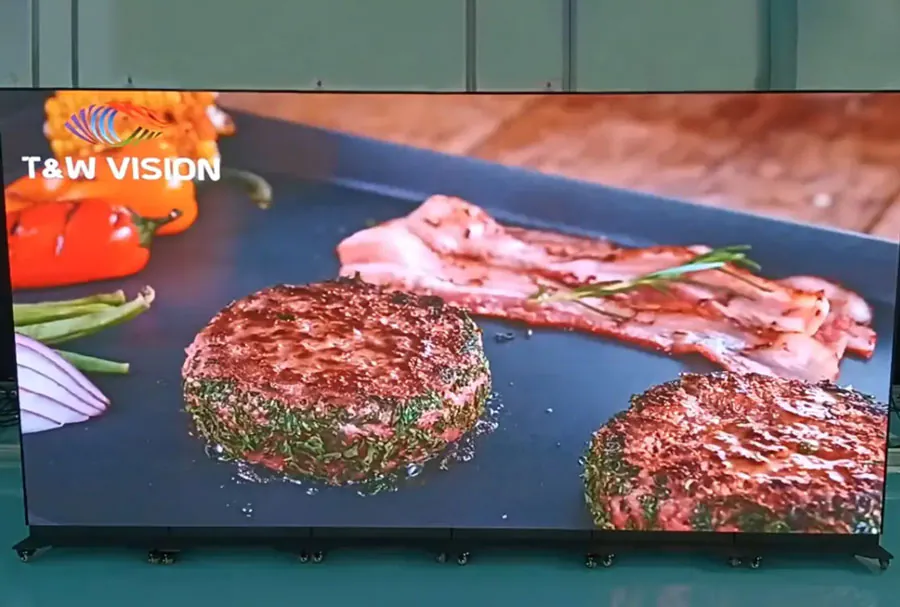
Big LED Screen for Large Events — concerts, festivals, sports games, corporate summits, and public gatherings — demand visual solutions that can reach and engage vast, diverse audiences. Renting a big LED screen has become a common and pragmatic choice for event planners who want professional visuals without the long-term commitment and costs of ownership. This article examines the practical, technical, and financial benefits of renting large LED screens, provides a comparative analysis for common event types, and offers a concise checklist to help organizers get the most value from a rental solution.
Improved Visibility and Audience Reach
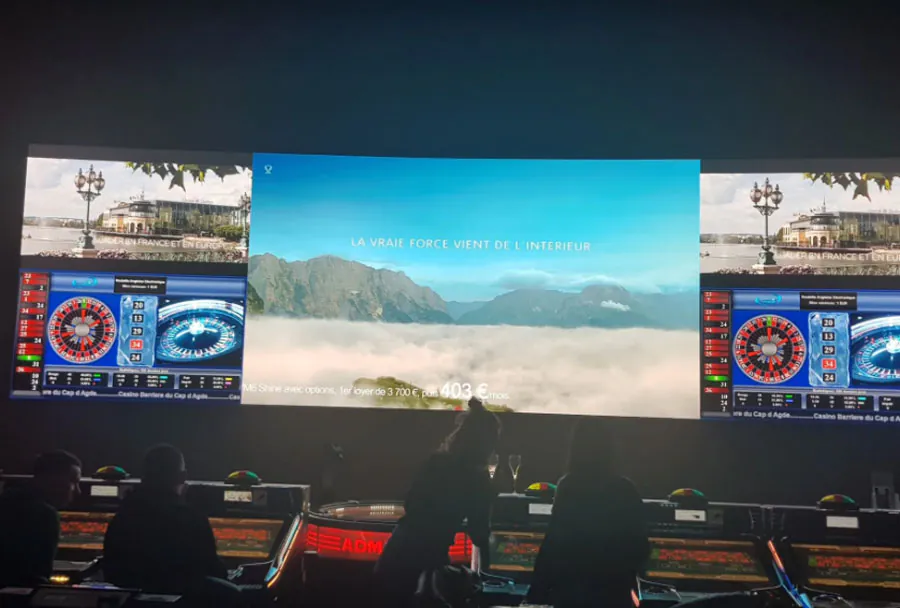
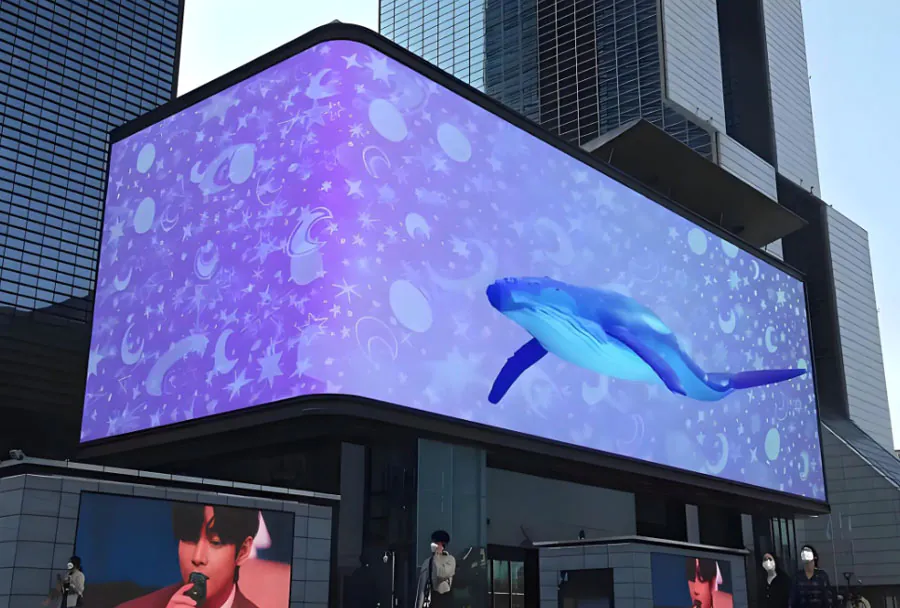
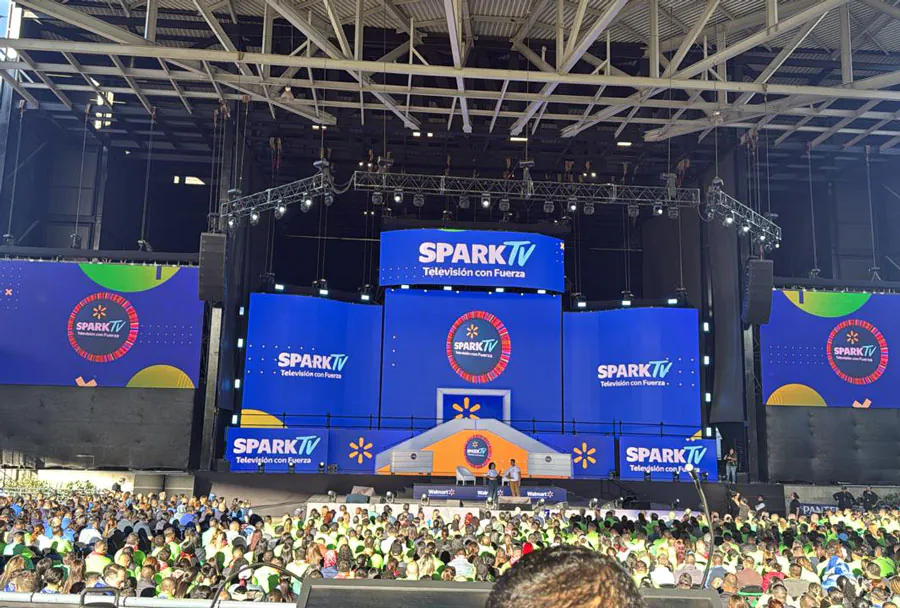
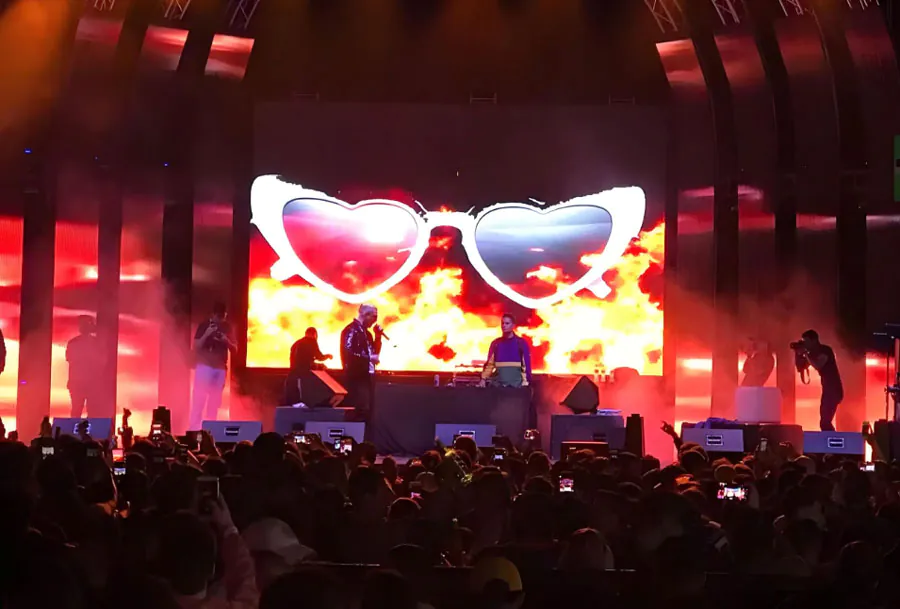
One of the most immediate advantages of a large LED screen is sheer visibility. LED technology delivers high brightness, excellent contrast, and wide viewing angles, making content readable from long distances and under bright daylight. For outdoor events, where ambient light can wash out traditional projection systems, modern LED screens typically offer brightness levels (measured in nits) sufficient to maintain image clarity even in direct sunlight. The result is an expanded effective viewing area: more attendees can see key visuals, live feeds, and sponsor messages at once.
Visibility translates directly into audience reach. By placing one or more large LED screens in strategic locations, event organizers can ensure that people who aren’t in the front rows or main seating areas still experience the event’s primary content. This mitigates crowd bottlenecks, improves guest satisfaction, and increases overall dwell time — a critical metric for ticketed events and venues dependent on ancillary revenue (food, merchandise, etc.).
Enhanced Audience Engagement
Large LED screens allow for dynamic content strategies that capture and sustain attention. Movement, video, live camera feeds, dynamic graphics, animations, and interactive social-media walls are far more engaging than static signage. At concerts and festivals, big screens amplify performers and stage elements, creating an immersive shared experience. For conferences and corporate events, screens enable real-time polling, Q&A highlights, and slide displays that keep remote and large audiences aligned.
Interactive features (e.g., integrating social media feeds or live audience voting) become viable at scale when you have a large, prominent display. Because LEDs render motion and color well, they are particularly good at delivering fast-moving visuals and transitions with minimal motion blur — an important consideration for sports and live music where action happens quickly.
Branding and Sponsorship Opportunities
Big LED screens present high-value real estate for branding and sponsor placements. Compared with small, scattered signage, a large contiguous display offers premium, shareable exposure. Sponsors can have timed or permanent placements during an event, and flexible scheduling allows multiple sponsors to receive prime screen time. For marketing teams, the analytics potential (impressions estimation based on sightlines and footfall) and the high fidelity of on-screen creatives make pricing and reporting to sponsors simpler and more defensible.
Additionally, LED screens support sophisticated creative executions — mixed media, full-motion ads, and co-branded segments — elevating the perceived value of sponsorship packages. For events that sell tiered sponsor levels, screen time and creative prominence can be a headline offering that drives higher revenue.
Flexibility and Scalability
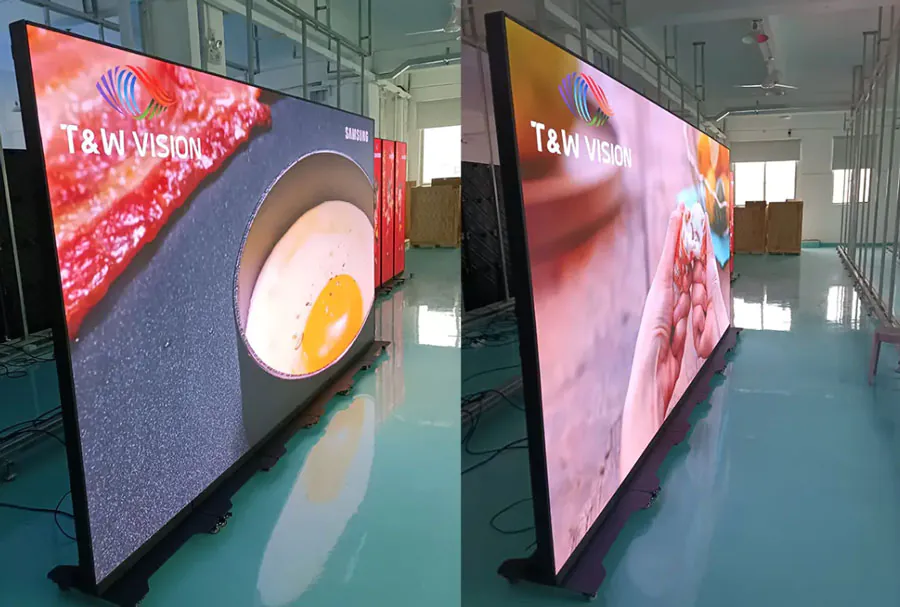
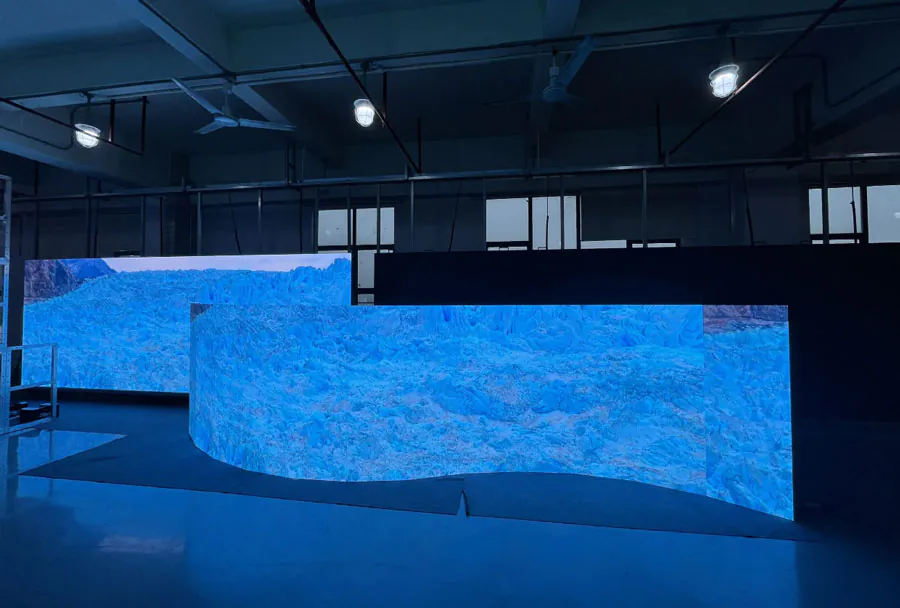
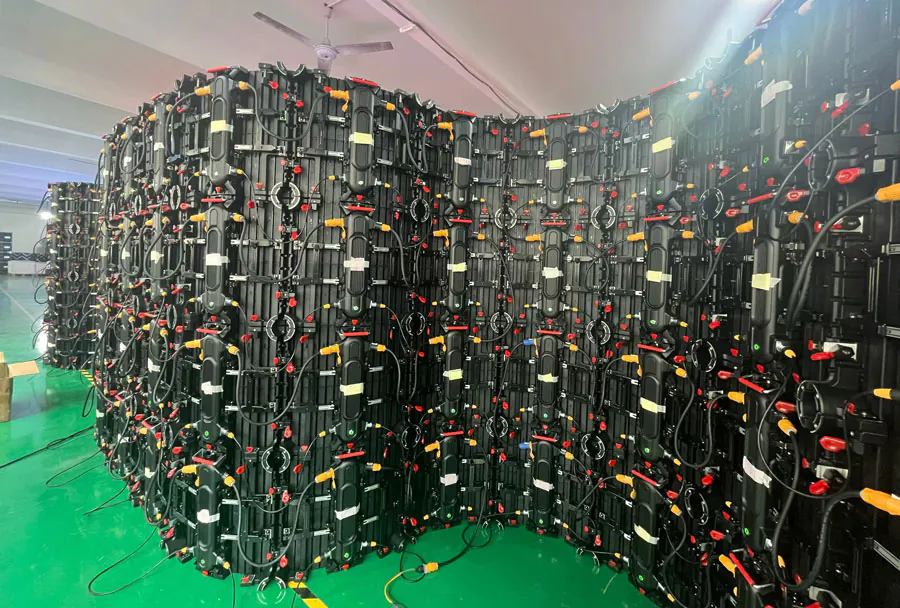
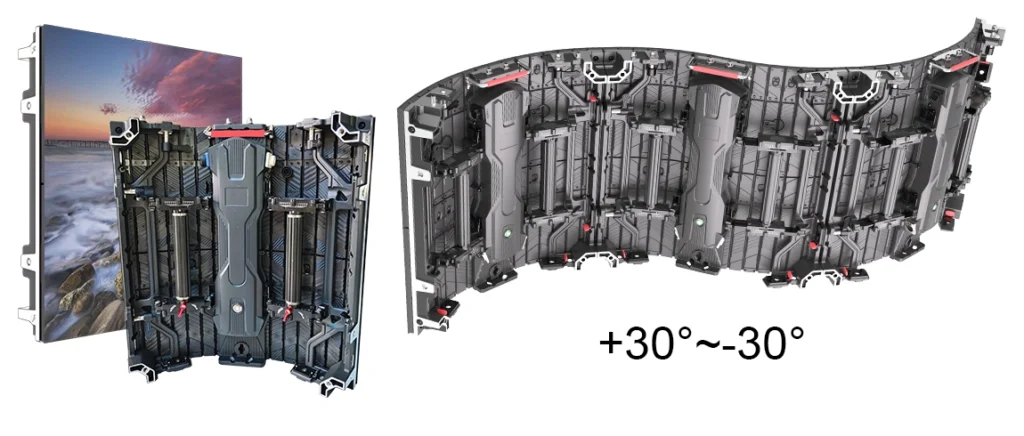
Large LED screens are modular. Rental providers typically assemble screens from standardized panels, allowing configurations to be scaled up or down depending on venue, budget, and sightline constraints. This modularity makes it easy to customize aspect ratios, create curved or uniquely shaped surfaces, and integrate multiple screens into a single visual ecosystem.
For event planners, this flexibility removes a common logistical headache: one size rarely fits all venues. Renting enables experimentation with screen placement and size based on the event’s scale. If a show grows year over year, the rental model supports incremental increases in screen area without locking the organizer into a particular physical asset.
Cost-effectiveness Compared to Ownership
Purchasing large LED screens is a capital-intensive decision. Costs include acquisition, transport, storage, insurance, maintenance, software updates, and specialized technical staff. For organizations that run occasional large events, the purchase option rarely provides a positive financial return when usage frequency is low. Renting converts capital expenditure (CapEx) into operating expenditure (OpEx), which preserves cash flow and reduces long-term financial risk.
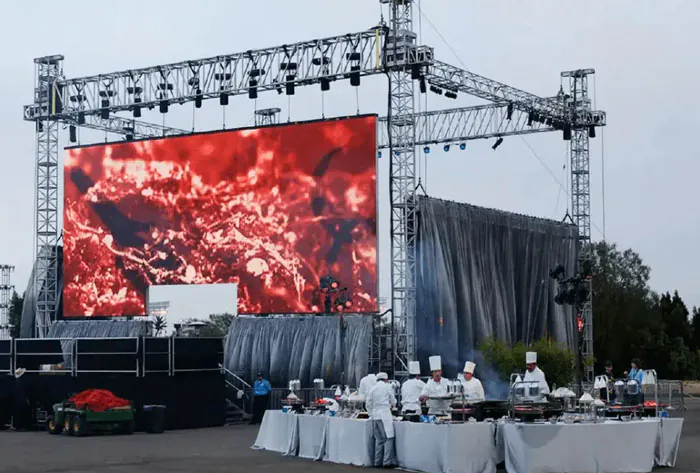
Rental agreements commonly include delivery, setup, teardown, and technical support, which removes hidden operational costs and the need to retain in-house specialists. For agencies and venue operators who want to deliver professional visuals without building a permanent hardware inventory, renting is frequently the clear financial choice.
Technical Reliability and On-site Support
Reputable rental providers offer professionally maintained equipment and technical crews experienced in large-event deployments. This technical support covers power distribution, signal routing, redundancy planning, color calibration, and live content switching. The presence of experienced technicians reduces the likelihood of disruptive failures during the event and ensures that image quality and synchronization meet production standards.
Rentals also typically include contingency planning: backup processors, spare modules, and failover workflows to maintain operation in the event of individual panel failures or connection issues. For mission-critical events (live broadcasts, high-profile corporate functions), the risk reduction offered by rental providers is a compelling benefit.
Logistics and Installation
Logistics are often the biggest non-technical barrier to deploying large screens. Renting simplifies this: a seasoned provider handles transport, onsite assembly, rigging or ground-mounting, anchoring and safety compliance, and eventual teardown. For outdoor installations, the provider will account for wind loads, ballast, truss specs, and local permitting requirements.
Time is another logistic factor. Modular LED screens can frequently be deployed faster than procuring and commissioning a purchased system, shortening lead times and enabling late-stage changes in creative or production plans. This agility is especially useful for festival circuits, touring productions, and one-off events where rapid deployment and quick teardown are required.
Content Strategy and Management
Large LED screens bring content management considerations: resolution and pixel pitch, safe zones for live camera shots, file formats, frame rates, and synchronization across multiple screens. Rental vendors commonly provide media specs and media playback systems, and many offer on-site content engineers to handle encoding, frame-locking, and color matching.
Choosing the right pixel pitch is an important strategic decision. For very large outdoor screens viewed primarily from a distance, a coarser pitch (e.g., P6–P10) reduces cost while maintaining acceptable image quality. For close-view indoor events, finer pixel pitch (e.g., P1.5–P3) is advisable to keep text legible and high-detail visuals crisp. A rental partner can recommend the optimal pitch based on sightlines, viewing distances, and content types.
Comparative Analysis of LED Screen Options
| Event Type | Recommended Screen Size | Visibility Range (meters) | Typical Rental Cost (USD/day) | Best Content / Use |
|---|---|---|---|---|
| Concert (Outdoor) | 40–100 m² | 50–300 m | $2,500–$12,000 | Live camera feeds, performer close-ups, motion graphics |
| Outdoor Festival | 20–80 m² | 30–250 m | $1,800–$10,000 | Stage cues, sponsorship ads, schedules, safety messages |
| Trade Show / Expo | 6–30 m² | 5–50 m | $600–$4,500 | Product demos, looping brand content, interactive displays |
| Corporate Presentation | 8–25 m² | 10–60 m | $800–$5,000 | Slides, video case studies, live feeds, data visualizations |
| Sporting Event | 30–120 m² | 40–400 m | $2,000–$15,000 | Replay clips, scores, sponsor ads, live commentary |
Case Examples and Return on Investment
Quantifying ROI for rented LED screens depends on the event’s revenue model. For ticketed events, improved visibility and engagement can translate to higher ticket sales and better retention. For sponsor-driven events, the ability to sell premium screen time often covers a significant portion of the rental cost. Example: a mid-sized outdoor festival that sells three sponsorship blocks on the main LED screen at $5,000 each can offset a $10,000 screen rental in a single day.
Beyond direct revenue, intangible benefits — improved attendee experience, stronger social media shareability, and elevated brand perception — contribute to long-term ROI. Social media amplification (attendees posting video and photo content that includes large on-screen branding) increases earned impressions without additional ad spend, amplifying the value of the rental beyond the event footprint.
Technical Considerations When Renting
When negotiating with rental providers, consider these technical items explicitly in the contract and production planning:
– Pixel pitch selection relative to viewing distance;
– Brightness (nits) rating for outdoor vs. indoor use;
– Refresh rate and color calibration capabilities for broadcast compatibility;
– Backup signal paths and spare modules;
– Power requirements and distribution plans;
– Weatherproofing ratings (IP65 or better for outdoor exposure);
– Rigging and structural certifications for elevated installations.
Confirm who is responsible for on-site technical staffing, how long setup and teardown will take, and what liabilities are covered by the rental company’s insurance. Clear roles and responsibilities avoid last-minute surprises and budget overruns.
Checklist for Renting a Big LED Screen
Use this practical checklist during procurement and planning:
– Define primary goals: visibility, engagement, sponsorship revenue, or broadcast;
– Estimate audience size and sightlines to pick screen size and number of screens;
– Determine indoor vs. outdoor deployment and required IP/weather rating;
– Ask for vendor references and recent event photos or videos showing similar installs;
– Request technical specs: pixel pitch, brightness, refresh rate, control system;
– Secure a technical rider that includes setup/teardown times, staffing, and spares;
– Review permits, site power availability, and structural requirements ahead of time;
– Plan content in the vendor’s specified formats and test playback before showtime;
– Clarify insurance, cancellation policies, and liability for equipment damage;
Renting a big LED screen for large events is a powerful way to boost visibility, engagement, and revenue without the complexities and costs of ownership. The rental model offers flexibility, technical reliability, and access to the latest display technologies, while letting event organizers focus on programming, marketing, and guest experience. To maximize benefits, select a rental partner with proven large-event experience, specify technical and support requirements in writing, and design content optimized for the chosen screen configuration.
Related Blogs:
https://www.cstwvision.com/custom-led-display-screen-rental-for-corporate-marketing-events/
https://www.cstwvision.com/tw-vision-delivers-premium-big-digital-led-screen-rental-toronto/