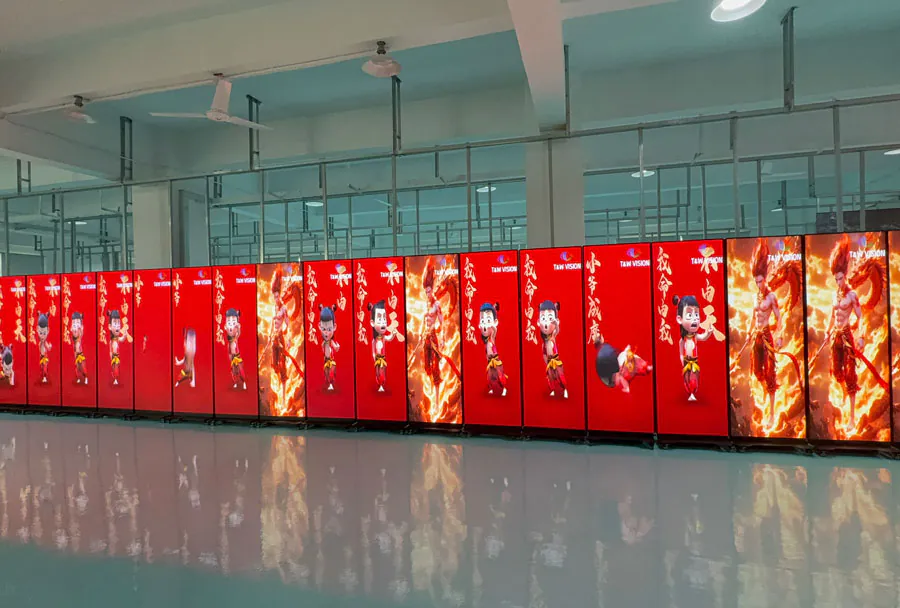
Los Angeles LED Screen Rental: Affordable Solutions for Any Occasion

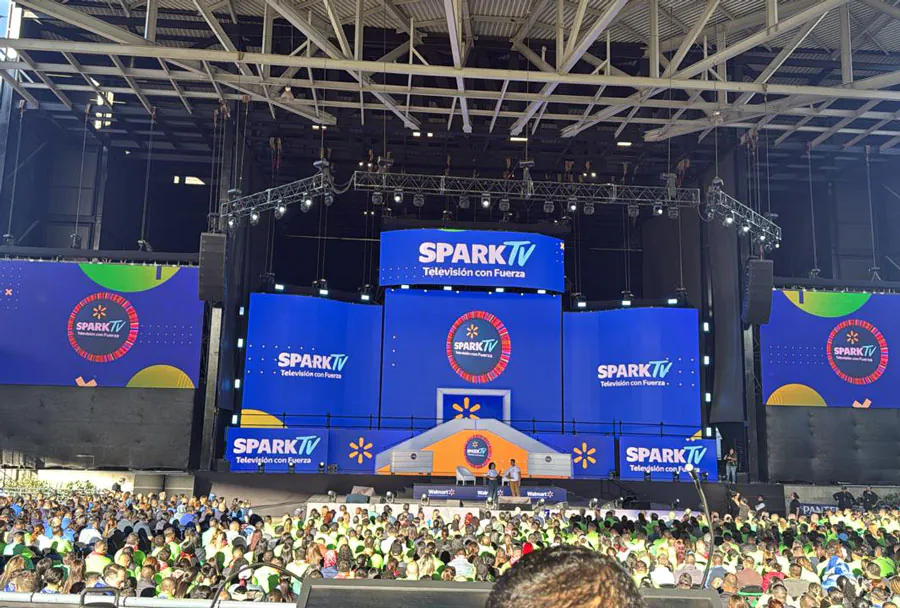
Los Angeles is a city of events—film premieres, corporate conferences, outdoor festivals, weddings, product launches, and political rallies. An LED screen instantly elevates any event by improving visibility, engagement, and the overall production value. Choosing an affordable LED screen rental in Los Angeles doesn’t mean sacrificing quality. With the right planning and vendor, you can access high-resolution led displays, flexible mounting options, and professional support that fit a range of budgets and event types.
This guide walks you through the practical considerations, technical options, logistics, and cost-saving strategies for renting LED screens in Los Angeles. Whether you’re producing a one-time pop-up event in Downtown LA, a multi-day trade show in the Convention Center, or an intimate wedding in Malibu, understanding how to choose and manage LED screen rentals will help you get the most impact for your dollar.
What Makes LED Screens Ideal for Events?
LED screens offer several advantages over projection and traditional signage:
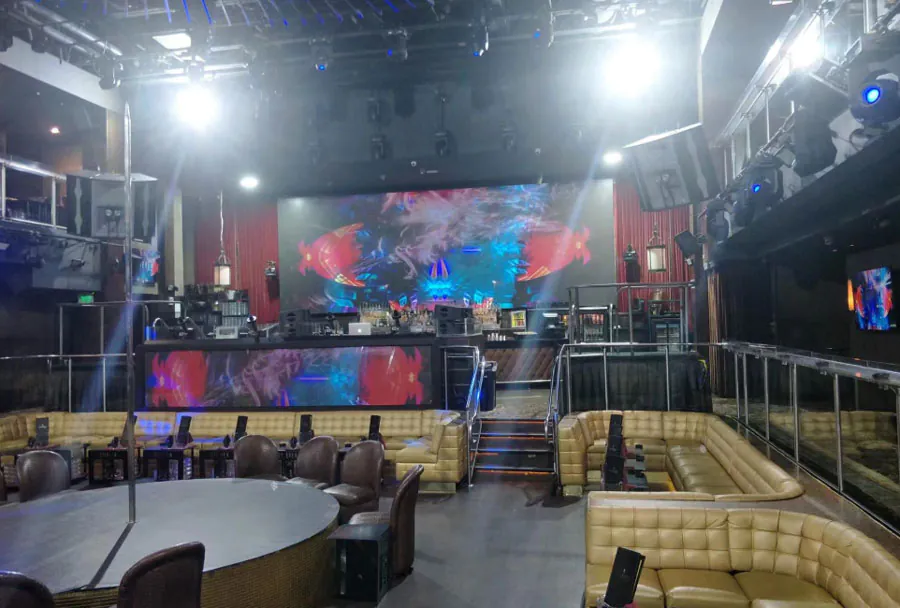
– Brightness and visibility: High brightness makes LED screens readable even in direct sunlight—essential for outdoor LA events.
– Contrast and color: Modern LED panels provide vibrant colors and deep contrast that keep audiences engaged.
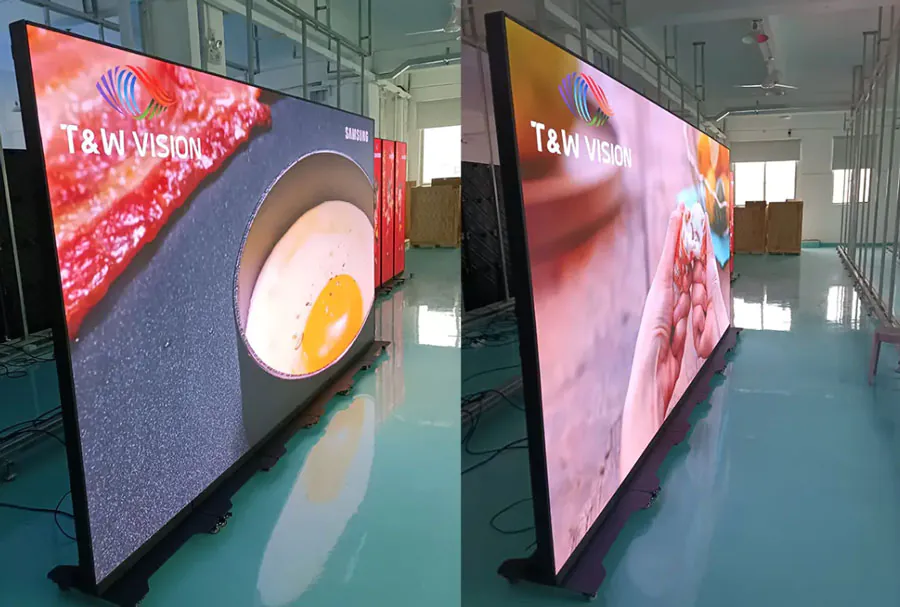
– Scalability: Modular LED tiles let you build almost any size and aspect ratio.
– Durability: Designed for repeated rentals and outdoor conditions, many LED systems are weatherproof.
– Low maintenance during events: Unlike projectors, LEDs aren’t disturbed by ambient light or shadows.
Los Angeles-Specific Considerations
Renting in Los Angeles brings local variables that impact logistics and cost:
– Permitting: Outdoor screens often require city permits—especially for street closures or amplified sound. Check with Los Angeles Department of Building and Safety and local municipalities.
– Traffic and access: LA traffic and limited load-in zones can affect setup windows and crew costs.
– Weather: While Southern California is generally mild, microclimates and coastal winds can require reinforced rigging or wind-rated structures.
– Venue rules: Many venues have strict rules about structure sizes, fire safety, and power access. Coordinate with venue operations early.
– Local labor rates: Union or non-union labor, and access times, can influence installation prices.
Types of LED Screens and Where to Use Them
Indoor LED Walls
Indoor LED walls are common at conferences, trade shows, and award ceremonies. They offer high pixel density (low pixel pitch) for close viewing distances. Typical features:
– Pixel pitch: 1.2mm–2.5mm
– Best for: Stages, lobby displays, exhibit booths
– Advantages: High resolution for text and detailed graphics
Outdoor LED Displays
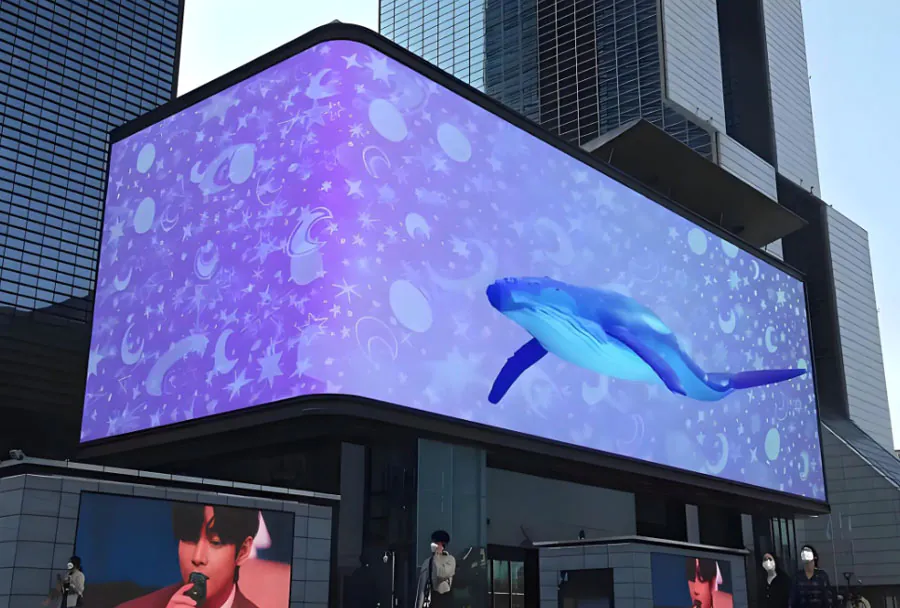
Outdoor LED displays are brighter and weather-resistant, designed for long viewing distances. Typical features:
– Pixel pitch: 2.5mm–10mm (or larger for giant screens)
– Best for: Concerts, outdoor movie nights, festivals, sporting events
– Advantages: High brightness, robust enclosures, strong mounting and rigging options
rental led screens on Trussing vs. Ground-Stands vs. Mobile Trailers
– Trussing: Allows flexible positioning and complex shapes; ideal for stages and festivals.
– Ground-stands: Easier and faster to install for smaller outdoor or indoor events.
– Mobile trailers: Great for permit-limited street events and quick deployment; many have built-in screens and power solutions.
How to Choose the Right Screen for Your Event
Pick a screen based on visibility needs, content type, location, and budget.
– Viewing distance and pixel pitch: Closer audiences need lower pixel pitch. A basic guideline:
– 0–10 ft: 1.2–2.5 mm
– 10–25 ft: 2.5–4 mm
– 25–50 ft: 4–8 mm
– 50+ ft: 8 mm and up
– Screen size and aspect ratio: Determine how large the screen should be based on venue scale and content (video vs. text/slide deck). Widescreen formats (16:9) are standard for video playback; custom aspect ratios work well for scenic backdrops.
– Brightness (nits): Outdoor events need higher nits (6,000–10,000) to combat sunlight; indoor events can use lower brightness (800–2,500 nits).
– Pixel density and content type: For slides and small text, prioritize higher resolution. For video or dynamic visuals, ensure the vendor supports high frame rates and color calibration.
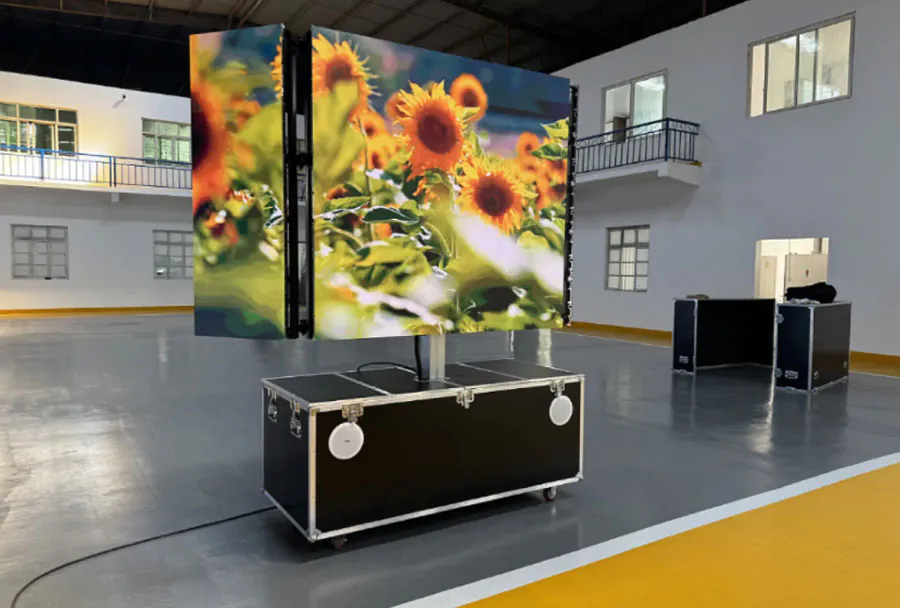
Analysis Table: Recommended Configurations and Costs
Event TypeRecommended Screen SizeIndoor / OutdoorTypical Cost Range (USD)Ideal Viewing DistanceCorporate Conference Keynote12’–20′ wide (16:9)Indoor$1,500–$6,000/day10–40 ftOutdoor Concert or Festival20’–60′ wide (custom)Outdoor$4,000–$25,000/day40–500+ ftTrade Show Booth6’–12′ wideIndoor$500–$2,000/day5–20 ftWedding or Private Party6’–18′ wideIndoor / Outdoor$700–$5,000/day10–50 ftOutdoor Movie Night18’–40′ wideOutdoor$2,000–$12,000/event30–150 ftPolitical Rally / Street Event12’–30′ wideOutdoor$2,000–$15,000/day30–300 ft
Note: Costs vary widely based on duration, local labor, delivery distance, additional services (sound, lighting), and whether you require full production management. The ranges above reflect typical Los Angeles market expectations.
Budgeting and Cost Drivers
Understanding what drives rental prices helps you manage costs effectively.
– Screen size and resolution: Bigger and higher-resolution screens cost more.
– Rental duration: Daily rates are common; multi-day or multi-event discounts can apply.
– Delivery and labor: Travel time, truck size, and crew hours can be a sizable portion of the invoice in LA.
– Setup complexity: Rigging, scaffolding, or roof access increases labor and equipment costs.
– Content playback and tech support: Onsite technicians for playback, live video mixing, and troubleshooting are often billed hourly or as a flat fee.
– Power and infrastructure: Generators, special electrical hookups, and cable runs add to expenses.
– Permits and insurance: Permit fees and event insurance (general liability, equipment coverage) are essential cost considerations.
Tips to Keep Costs Low
– Book off-peak dates: Weekend or high-season rates can be higher; weekday or off-season can be more affordable.
– Rent smaller but well-placed: A slightly smaller screen positioned optimally can have the same impact.
– Combine services: Bundling screen, sound, and lighting with one vendor often yields discounts.
– Provide clear specs and content files early: Avoid last-minute formatting or changes that add technician hours.
– Reuse staging and content across multi-day events: Reduces daily setup time and charges.
Logistics: From Quote to Strike
A smooth rental experience depends on clear planning and communication.
– Site survey: A vendor should conduct (or request) a site survey to assess access, power, mounting points, and sightlines.
– Written quote and scope: Ask for a detailed quote listing screen size, pixel pitch, brightness, accessories, labor hours, and transportation.
– Insurance and liability: Confirm what insurance the rental company carries and whether you need additional event insurance.
– Load-in/load-out schedule: Secure time windows with the venue and communicate with vendors to avoid delays or fines.
– Tech rehearsal: Schedule a tech run to verify content, aspect ratio, and switching between sources.
– Onsite support: Decide whether you need a technician for the whole event or just during setup and teardown.
What to Bring in Your Content Package
Prepare high-quality assets to ensure optimal on-screen results:
– Native video files in 1080p or 4K (H.264 or ProRes as requested)
– Slide decks exported to high-resolution images or videos to avoid aliasing
– Logo files in vector format (SVG, EPS) and PNG for transparency
– Playback instructions, playlists, and cues with timestamps
– Backup copies on multiple media (USB drive, cloud link)
Common FAQs from Los Angeles Event Planners
– How far in advance should I book? For peak seasons and large screens, book at least 4–8 weeks ahead. Smaller, standard kits may be available on shorter notice.
– Do I need a permit for an outdoor screen? Often yes—especially if you’re using public property, closing streets, or amplifying sound. Check local jurisdiction rules.
– Can I use my own media server? Most vendors can accept external playback devices but require pre-testing to confirm compatibility.
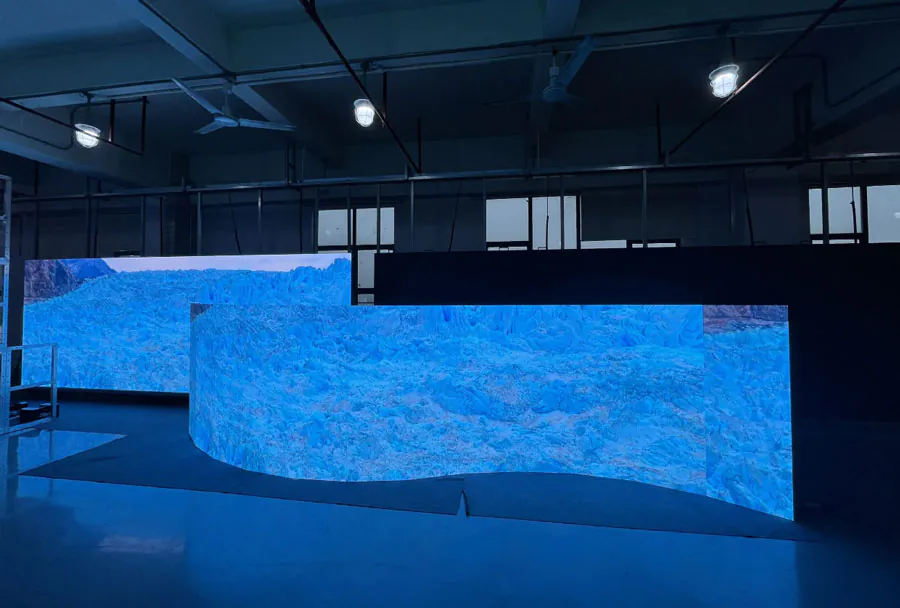
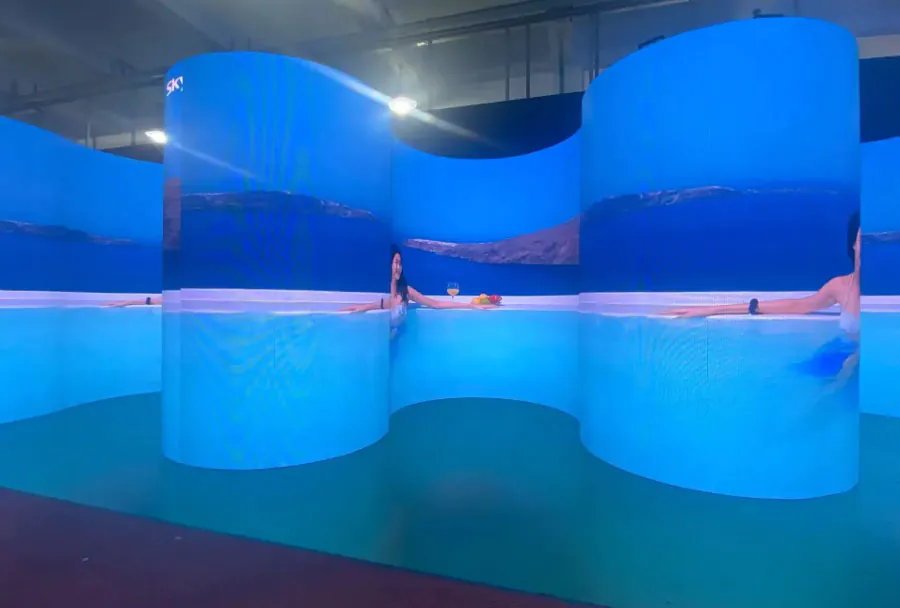
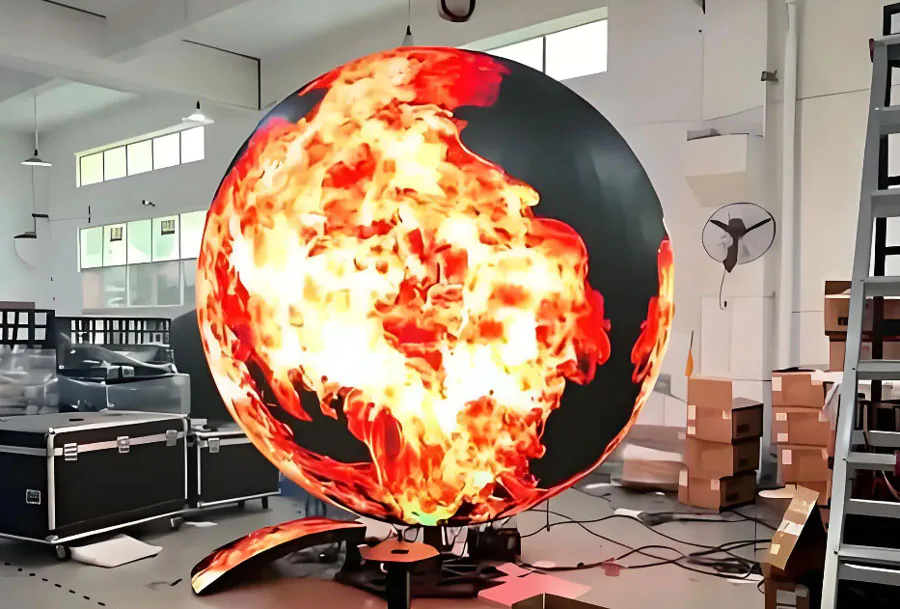
– Are LED rentals customizable for branding and stage design? Yes—LED walls can be curved, hung, or combined with scenic elements for custom looks.
– What is the typical lead time for content testing? Schedule content testing 24–48 hours before the event; on large productions, a full tech rehearsal is recommended.
Case Examples: Affordable Solutions for Different Budgets
– Small Budget — Community Screening: A rented 18′ wide outdoor LED screen with a ground stand and basic sound system can create a cinematic outdoor night for a few thousand dollars. Choose a weekend evening, use volunteer labor for marshaling, and host in a community park with appropriate permits.
– Mid Budget — Corporate Product Launch: A 16’–24′ indoor LED wall paired with a rented switcher and onsite tech ensures slick visuals for press and attendees. Bundling AV and staging reduces per-item costs and produces a consistent brand experience.
– High Budget — Festival Headliner Stage: Multiple LED rigs, high-brightness screens, and full technical support are necessary. Negotiate multi-day rates and bring in local production managers familiar with LA permitting and neighborhood relations.
Checklist Before You Sign a Rental Agreement
– Confirm exact screen specs (size, pixel pitch, brightness).
– Verify crew size and hourly rates for setup, event time, and strike.
– Ensure the quote includes delivery, cable runs, and any scaffolding/rigging.
– Check whether the vendor provides power solutions or if you must arrange a generator.
– Ask for references or photos/videos of similar Los Angeles events.
– Confirm insurance coverage and cancellation/change policies.
– Get a clear point of contact and escalation path for the event day.
FAQ
How far in advance should I book a rental?
Booking early is always the safest approach, especially for major events during busy seasons. For high-demand dates, securing Los Angeles LED Screen Rental several weeks or even months ahead gives you more time to coordinate venue requirements, content specs, and technical details. Early planning also improves your chances of getting the ideal screen size, the right crew, and any custom support you need. If your timeline is shorter, you can still often arrange a quality setup, but you will have fewer options and less flexibility for revisions.
What kind of events benefit most from LED screens?
Corporate presentations, trade shows, concerts, outdoor festivals, brand activations, fashion shows, and private celebrations all benefit from strong visuals. In each case, Los Angeles LED Screen Rental can improve visibility, reinforce branding, and make the event feel more polished. The best use case depends on your goals. A conference may need clear slides and speaker close-ups, while a product launch may focus on cinematic motion graphics and reveal moments. The versatility of LED makes it useful across many event types.
Can LED screens work in bright outdoor settings?
Yes, and that is one of their biggest advantages. Outdoor visibility is a core reason many planners choose Los Angeles LED Screen Rental for daytime activations, rooftop events, and festivals. LED panels are built for high brightness and strong contrast, which helps content remain visible even under direct sunlight or in reflective environments. The key is to choose a system rated for outdoor use and to make sure the mounting, power, and weather plan are appropriate for the venue.
What should I prepare before the rental team arrives?
You should confirm the venue layout, access times, power availability, content files, and any brand guidelines that affect the screen design. A smooth Los Angeles LED Screen Rental experience depends on sharing these details early so the production team can plan accurately. It is also helpful to designate one decision-maker for approvals on site, since quick feedback can keep the setup moving. When the content is tested in advance and the logistics are clear, the installation is usually faster and more reliable.
Conclusion
A successful event in Los Angeles depends on visuals that feel sharp, intentional, and memorable. With the right display strategy, Los Angeles LED Screen Rental can elevate a venue, strengthen your message, and create a stronger experience for guests, sponsors, and stakeholders. The best results come from pairing the right screen with the right content, logistics, and technical support. When all of those pieces work together, the screen does more than show images; it helps define the event itself. If you are planning an event that needs polish, flexibility, and impact, Los Angeles LED Screen Rental is one of the most effective tools you can bring into your production plan.