Affordable Outdoor Rental LED Screen Services for Any Occasion

Outdoor events—from music festivals and sporting events to corporate gatherings and weddings—depend on clear, bright visual displays to engage audiences. Affordable outdoor rental led screen services make it possible for event planners, venues, and organizers of any size to deliver big-screen experiences without the capital expense of purchasing equipment. These services combine scalable hardware options, professional installation, and technical support to create high-impact visuals that are readable in daylight and adaptable to uneven terrain or temporary structures.
In this article we’ll explore what makes outdoor LED screen rentals affordable and practical, how rental companies structure services, tips for selecting the right solution for your event, logistical considerations, and real-world examples showing cost-effective setups for various occasions.
What “Affordable” Means in the Context of LED Screen Rentals
Affordability isn’t only about a low sticker price. For LED screen rentals affordability includes:
– Total cost of the package (screen, audio, transport, installation, teardown).
– Value delivered for audience size and visibility requirements.
– Flexibility to scale up or down to avoid overpaying for unused capacity.
– Reliability and technical support that prevent costly downtime or replacements.
A service that appears inexpensive but arrives late, fails during the event, or requires expensive upgrades is not affordable in the broader sense. Reputable rental providers usually offer tiered packages that match budgets and event complexity while including technical staffing and contingency plans.
Core Benefits of Renting Outdoor LED Screens
Cost Efficiency
Renting converts a capital expenditure into an operational expense. For single events or sporadic needs, rental fees are substantially lower than purchase plus storage and maintenance. It also frees budget for other event priorities—talent, staging, or marketing.
Access to Latest Technology
Rental fleets are updated frequently. Renting grants access to current-generation pixel pitches, brightness levels, and modular panels without the depreciation risk.
Scalability and Customization
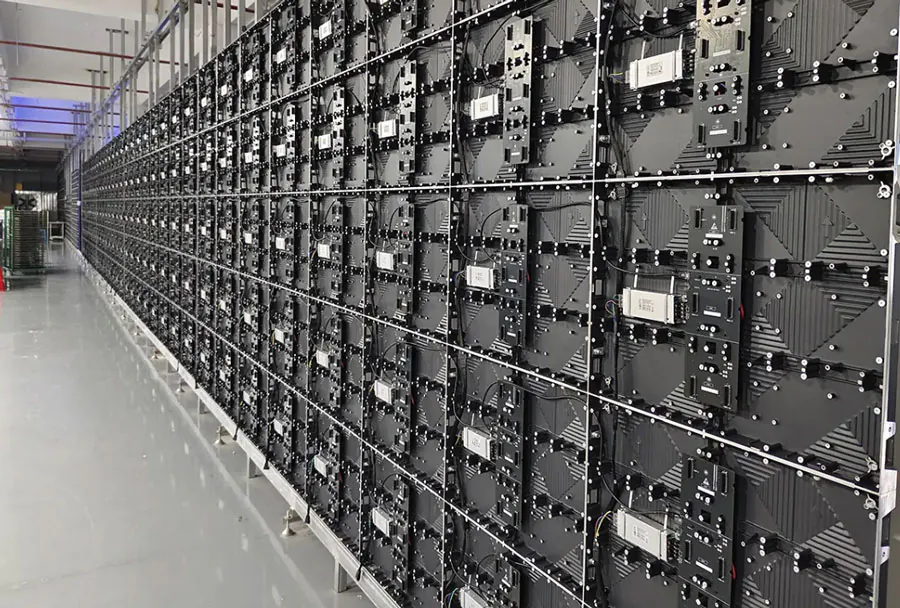
Modular LED screens allow providers to build displays to exact dimensions, from small stage backdrops to massive stadium walls. This flexibility is cost-effective because you only pay for what you need.
Professional Support
Services include pre-event planning, on-site technicians, and redundant systems—reducing the chance of technical failures that can be expensive to fix mid-event.
Types of Outdoor LED Screens and When to Use Them
Different shows and venues require different screen types. Selecting the right type ensures affordability through optimized performance.
Rental LED Wall (Modular Panels)
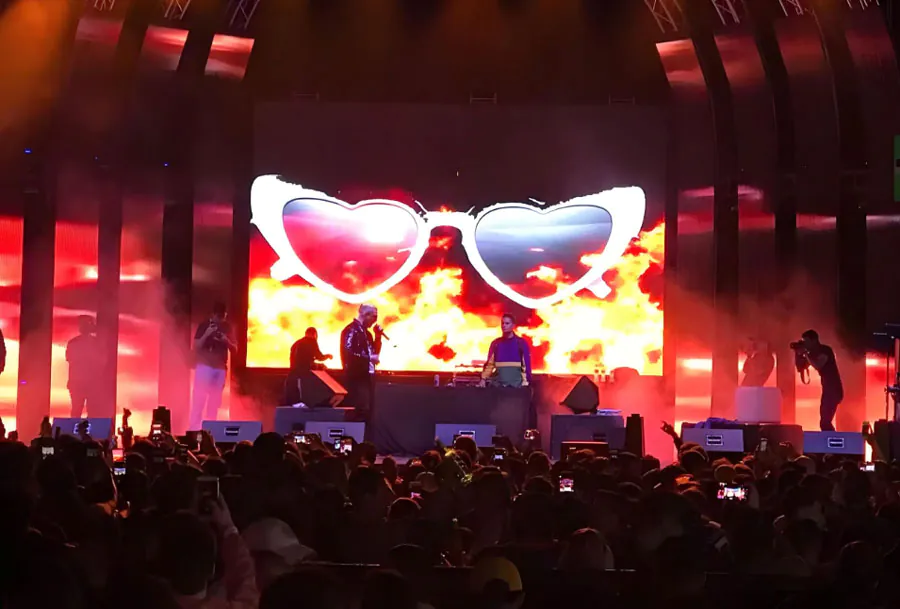
Best for concerts, festivals, and corporate stages. These walls assemble to custom sizes and shapes. They offer high brightness for daytime events and excellent viewing angles.
Portrait and Narrow Pixel Pitch Displays
Used for signage, sponsor messaging, and social media integrations. Narrow pixel pitch is ideal for close viewing distances, for example VIP areas or near-stage screens.
Outdoor LED Screens with Weatherproofing
These are designed for all-weather relevance—sealed cabinets, conformal-coated PCBs, and IP-rated fixtures. They are essential for long-duration outdoor events and unpredictable climates.
Trailer-Mounted LED Screens
Perfect for mobile events, parades, and quick-deploy scenarios. They save on installation time and labor costs, making them an affordable solution when speed matters.
How to Choose the Right Rental Package
Choosing the right package involves balancing audience size, viewing distance, ambient light, and budget.
Estimate Audience Size and Viewing Distance
Larger audiences and farther viewing distances need bigger screens or higher resolution. Overestimating needs leads to inflated costs; underestimating harms engagement. Use standard distance-to-pixel guidelines to match pixel pitch to typical viewing range.
Assess Ambient Lighting
Daytime and high-ambient-light venues require screens with higher brightness (measured in nits). Higher brightness models cost more to rent, but one with inadequate brightness renders content unreadable—so it’s never an area to skimp.
Decide on Additional Services
Production support (content mapping, live video feeds, audio integration) adds to cost but can be vital. Determine whether your team can manage content and playback or if you should include operator hours in the rental.
Logistics: Installation, Power, and Permits
Logistics often make or break affordability. Understanding these elements helps you avoid hidden costs.
Site Survey and Planning
A pre-event site survey identifies load-bearing needs, sightlines, and power access. Professional vendors typically include this in higher-tier packages or as an affordable add-on.
Power Requirements
LED screens consume significant power, especially large and high-brightness units. Confirm whether the venue provides adequate power. If not, arranging generators adds to the total cost—plan this into your budget.
Permits and Insurance
Some municipalities require permits for outdoor structures, especially if rigs exceed certain heights. Rental companies often guide you through the permitting process or provide documentation for venue permits. Event insurance should list rented equipment to cover accidental damage.
Pricing Structures and How to Save Money
Understanding how rental companies price their services helps you negotiate and find savings.
Common Pricing Models
– Flat daily rate by screen size or pixel pitch.
– Package rate including screens, audio, and technical staff.
– Hourly labor rates for setup and teardown.
– Delivery and transport fees based on distance and crew size.
Ways to Keep Costs Down
– Book early: Many vendors offer discounts for early reservations and off-peak dates.
– Bundle services: Combining audio, lighting, and LED via one vendor reduces duplicated crew costs.
– Opt for trailer-mounted screens for small to mid-sized events to avoid rigging labor.
– Choose an appropriate pixel pitch—don’t overpay for ultra-fine resolution when the audience is far away.
– Negotiate multi-day or repeat-event discounts if you’re organizing a series.
Quality, Reliability, and What to Look For in a Provider
The cheapest quote isn’t always the best choice. Look for vendors who can demonstrate reliability.
Key Provider Qualities
– Modern inventory and regular maintenance records.
– On-site technical support and redundancy plans.
– Strong portfolio and references for similar event types.
– Clear contract terms including liability, cancellation, and replacement policies.
Case Studies: Affordable Solutions for Different Occasions
Below are concise hypothetical examples showing how rental choices change by event type.
– Community Movie Night: Trailer-mounted 16’x9’ screen, basic audio, one tech; low cost, rapid setup, suitable for casual audiences.
– Mid-size Festival Stage: Modular LED wall 20’x12’, high-brightness panels, full production support; moderate cost but high impact during daytime.
– Corporate Product Launch: Narrow pixel pitch LED backdrop 30’x10’, professional content mapping and live feed router; higher cost but essential for brand presentation.
– Outdoor Wedding Reception: Smaller portrait/narrow pitch panels for ceremony signage and a medium screen for the reception; balanced cost with elegant visuals.
Analysis Table: Common Rental Options and Cost Estimates
| Screen Type / Size | Resolution / Pixel Pitch | Optimal Viewing Distance | Typical Use Case | Estimated Rental Cost (per day) |
|---|---|---|---|---|
| Trailer LED 16’ x 9’ | P6.9 (coarse) | 40–150 ft | Community movie nights, small outdoor gatherings | $850 – $1,800 |
| Modular Wall 20’ x 12’ | P4.8 – P6.0 | 30–120 ft | Concert side/center stage, festivals | $2,500 – $6,000 |
| Large Stadium Wall 40’ x 20’ | P4.0 – P6.0 | 60–400 ft | Sporting events, large-scale festivals | $8,000 – $20,000 |
| Narrow Pitch Backdrop 30’ x 10’ | P2.6 – P3.9 | 10–60 ft | Corporate launches, high-end branding events | $4,000 – $10,000 |
| Outdoor Signage Panels (various) | P3.9 – P6.0 | 10–100 ft | Sponsor messaging, directional signage | $300 – $1,500 (per panel) |
Note: Prices are ballpark estimates and vary by market, season, and individual vendor. Costs above may or may not include transport, power, crew, or permits.
Frequently Asked Questions (FAQ)
Q: How far in advance should I reserve an LED screen rental?
A: For peak season events reserve 2–6 months in advance. Off-peak or small setups may be booked 4–8 weeks out. Early booking secures inventory and often lower rates.
Q: Are LED screens safe outdoors in bad weather?
A: Weatherproof screens are built to withstand rain and humidity, but extreme wind, lightning, or flooding creates safety hazards. Vendors will provide ratings (IP) and recommend procedures, including wind-load limits and securing rigs.
Q: Can I bring my own media player or do I need the vendor’s?
A: Many vendors accept client-supplied media players, but they’ll want to test compatibility ahead of time. For live feeds or complex mapping, use the vendor’s equipment to ensure seamless integration.
Q: What are typical power needs?
A: Small trailer screens might run on standard generators (20–40 kW total), while larger walls can require multiple distribution points and 100+ kW in some stadium setups. Confirm with your provider.
Final Checklist Before Booking
– Confirm audience size and viewing distances with your production team.
– Verify brightness (nits) for daytime events and pixel pitch for close-view situations.
– Ask the vendor for a site survey and a written logistics plan, including power and anchoring.
– Get detailed quotes that list all line items: screen rental, transport, labor, rigging, power, and insurance.
– Review cancellation and force majeure policies.
– Ensure a technical contact is present during load-in, showtime, and teardown.
Making LED Screen Rentals Work for Your Budget
Affordable outdoor rental LED screen services are about smart planning, realistic needs assessment, and partnering with experienced vendors. By focusing on value rather than lowest price, event organizers can secure the right technology for any occasion without overspending. Use the guidance above—match screen type to event, plan logistics early, and bundle services where possible—to maximize visual impact while keeping costs under control. With the right vendor and a well-thought-out plan, you can deliver an unforgettable outdoor experience that looks and feels premium without breaking the bank.