Transform Your Events with TW VISION Roll Up LED Screen Technology

The way audiences experience events has changed dramatically in the past decade. From corporate conferences and trade shows to concerts and immersive brand activations, event planners demand solutions that deliver stunning visuals, rapid deployment, and reliable performance. TW VISION’s Roll Up LED Screen technology answers these needs by combining high-resolution imagery with unparalleled portability and flexibility. This article explores how TW VISION’s roll-up LED screens can transform your events, examining technical characteristics, practical use cases, deployment strategies, and the measurable benefits they deliver.
Transform Your Events with TW VISION Roll Up LED Screen Technology
Why Roll Up LED Screens Matter
Traditional LED walls and projection systems have their place, but they come with trade-offs: heavy rigging, long installation times, limited portability, or compromised image quality in bright environments. Roll up LED screens bridge those gaps. Designed for rental markets and mobile event production, these displays roll into compact cases, unroll into lightweight, high-brightness screens, and integrate with common video processors and media servers. For event organizers, this means faster turnarounds, lower labor costs, and more consistent audience experiences.
Key advantages include:
– Portability: Compact storage and transport reduce logistics headaches and freight costs.
– Speed: Rapid deployment and teardown save precious time during changeovers.
– Image Quality: High pixel density and brightness ensure crisp visuals both indoors and in moderately lit outdoor spaces.
– Flexibility: Available in multiple pixel pitches and aspect ratios to suit different event sizes and viewing distances.
Technical Overview and Practical Implications
TW VISION roll-up LED solutions come in a range of pixel pitches (from fine-pitch indoor options to more forgiving outdoor variants), high-brightness SMD LEDs, and durable, weather-resistant exteriors for temporary outdoor use. The modular rollable membrane is backed by a flexible PCB and silicone encapsulation to protect against moisture and mechanical stress. Control options are compatible with industry-standard sending cards and video processors, enabling complex multi-source content layouts and synchronization across multiple screens.
Operationally, a single trained technician can typically deploy a roll-up LED screen in a fraction of the time required for traditional cabinets. This reduces staffing needs, and because the units are lighter, overhead rigging equipment can be minimized. For repeat events and tours, the cumulative time and cost savings become significant.
Below is an analysis table that breaks down key technical features and their direct event impacts:
| Feature | Benefit | Typical Specification | Impact on Event Experience | Implementation Note |
|---|---|---|---|---|
| Pixel Pitch | Image clarity at various viewing distances | P1.9 / P2.6 / P3.9 / P4.8 | Fine text and detailed video for close audiences; larger pitches work for stage backdrops | Choose pitch based on audience distance; P1.9 for close corporate settings |
| Brightness | Readability in ambient light | 1,000 – 6,000 nits depending on model | Ensures legible visuals in bright venues or daytime outdoor events | Higher nits consume more power; balance for venue lighting |
| Weight & Portability | Faster load-in, smaller transport footprint | 3–8 kg per panel roll (unitized cases) | Lower labor and freight costs; enables mobile activations | Protective cases recommended for long-distance transport |
| Setup Time | Reduced labor hours and faster changeovers | Typical deployment in 10–30 minutes per screen | Allows multiple setups per day and flexible stage transitions | Training and a clear workflow further reduce times |
| Control & Compatibility | Seamless content integration | Supports standard sending cards, HDMI/SDI inputs, and media servers | Enables live video, multi-window layouts, and remote management | Confirm compatibility with AV team and pre-configure content mappings |
Use Cases: Where Roll Up LED Screens Shine
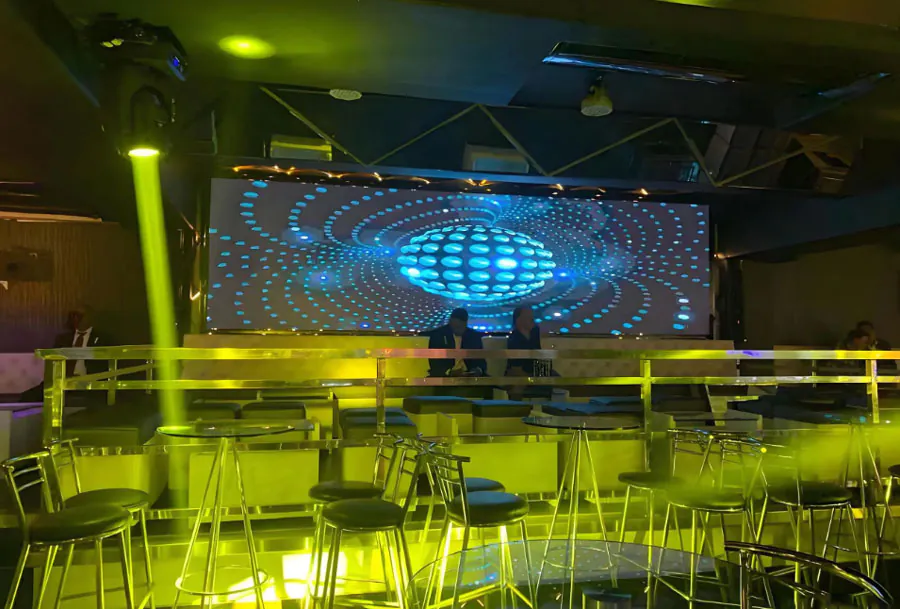
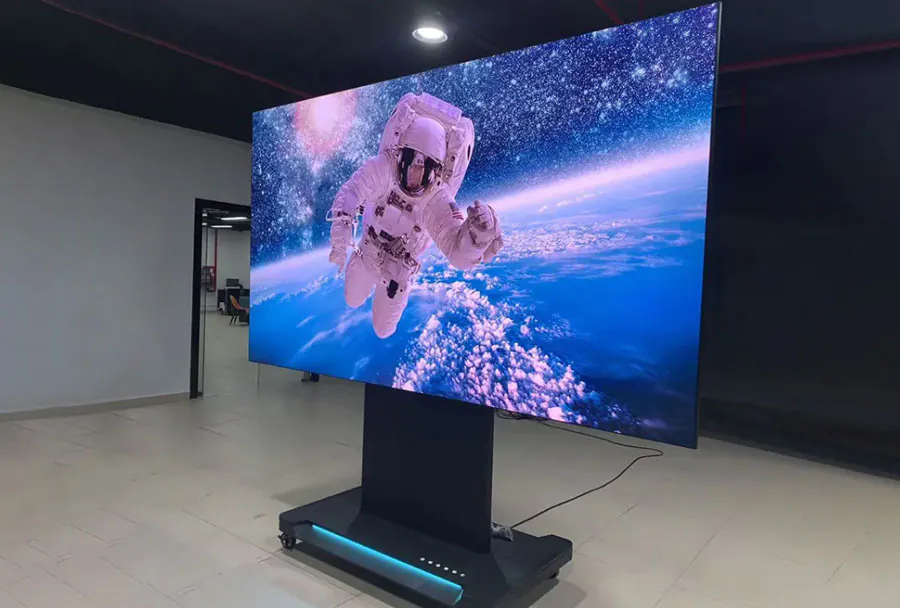
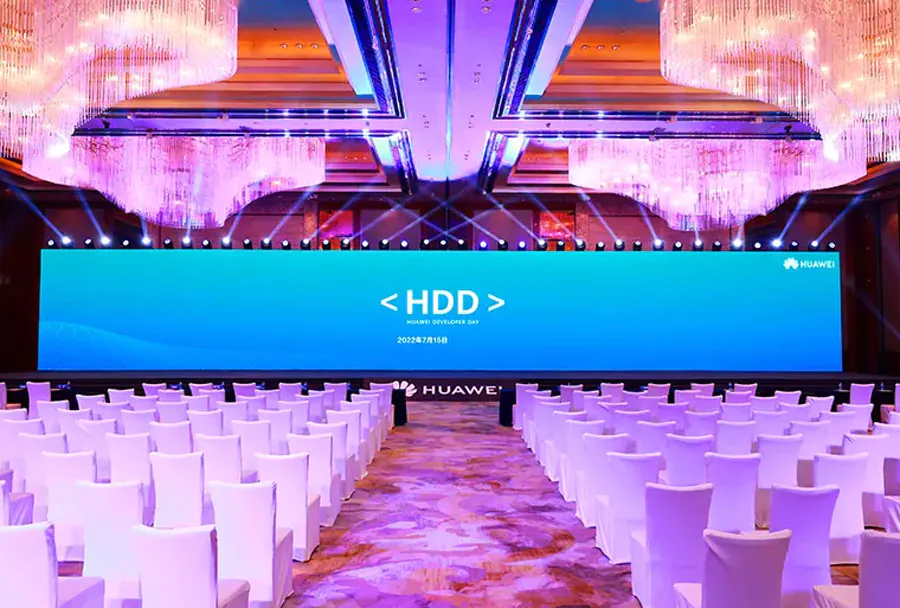
– Corporate Events and Conferences: Fine-pitch roll-up LEDs produce crisp slides and live video feeds, improving speaker visibility and audience engagement. The lightweight profile is ideal for convention centers where rapid setup between sessions is essential.
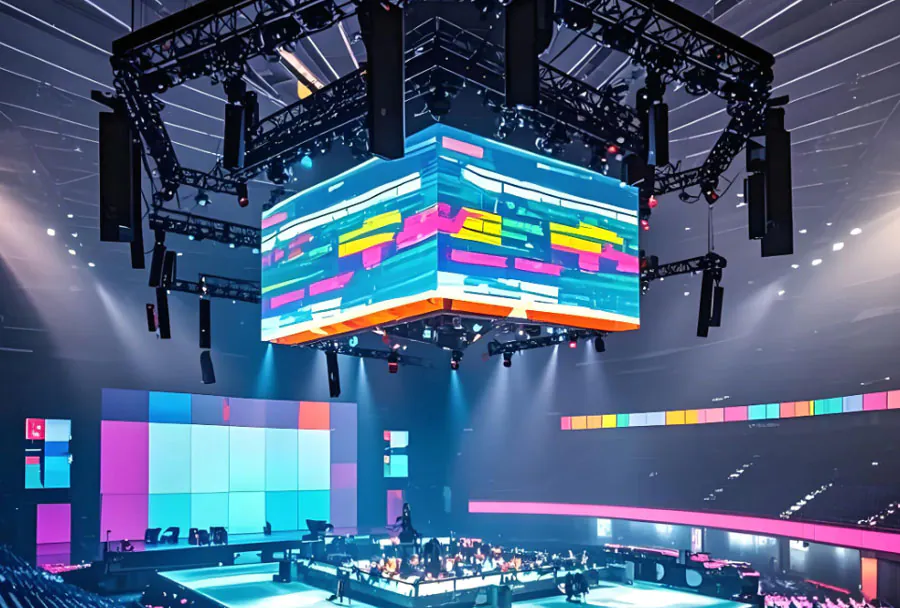
– Touring Performances and Musicians: Roll-up LED screens reduce truck space and crew size. Their fast deployment supports tight touring schedules and multiple daily performances.
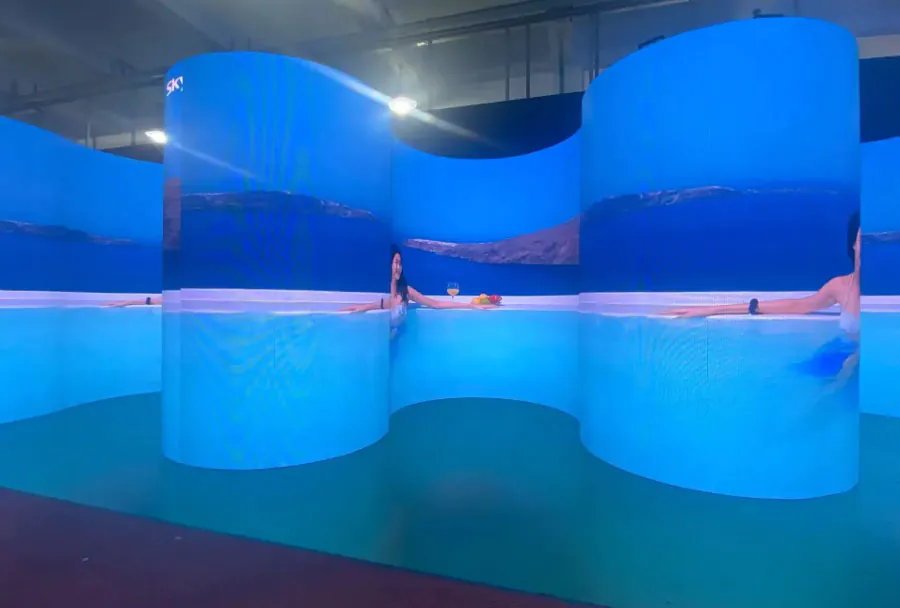
– Trade Shows and Exhibitions: Exhibitors often have strict booth size limits and tight load-in windows. Portable LED screens help brands create immersive, eye-catching backdrops without complex rigging.
– Outdoor Activations and Brand Pop-Ups: Weather-rated roll-up units enable daytime visibility for short-term outdoor events. They support dynamic content that attracts passersby and increases dwell time.
– Hybrid and Virtual Events: When broadcasting to remote audiences, roll-up LED screens provide a professional-looking backdrop with controlled illumination and high color fidelity, improving production value.
Deployment Best Practices
To maximize the value of TW VISION roll-up LED screens, follow these practical guidelines:
– Pre-test Content and Mapping: Ensure all media is rendered at native resolution and checked for aspect ratio mismatches. Pre-mapping simplifies setup on site.
– Calibrate Brightness and Color: Use a colorimeter or calibration workflow so that multiple screens match in brightness and color temperature, avoiding visible seams or mismatch.
– Secure the Screen Properly: Even though roll-up displays are designed to be lightweight, secure anchoring and tensioning prevent sagging or movement during shows.
– Power Planning: High-brightness screens can require significant power. Coordinate with the venue to ensure available circuit capacity and consider using local power distribution units.
– Protective Transport: Use shock-absorbing cases and humidity control where needed to preserve the flexible panel integrity over time.
Operational and Financial Considerations
From a financial perspective, the ROI of roll-up LED technology manifests through several channels:
– Reduced Labor Costs: Faster setup means fewer technician hours and permits more events per day or per staff member.
– Lower Transportation Expenses: Compact packing reduces freight volume and weight-related costs.
– Increased Rental Utilization: For rental houses, the quick turnover enables higher utilization rates and more bookings.
– Enhanced Sponsorship Value: Superior visual experiences can command higher sponsorship fees and premium booth rates.
When budgeting, factor in the initial hardware cost, typical rental market pricing, and ongoing maintenance. While the up-front cost can be higher than budget projectors, the combined benefits of durability, brightness, and speed generally produce a favorable long-term cost profile.
Content Strategy for Maximum Impact
An outstanding LED canvas needs great content. For TW VISION roll-up LED deployments, adopt a content strategy aligned with screen specifics:
– Design for Native Resolution: Create assets at the screen’s native resolution to avoid scaling artifacts.
– Leverage High-Contrast Graphics: Bright displays work best with high-contrast visuals and bold typography to improve legibility at a distance.
– Use Dynamic Motion Sparingly: While video attracts attention, balancing motion with still, high-impact imagery prevents cognitive overload.
– Plan Seamless Transitions: For multi-screen arrays, design transitions and wipes that move naturally across seams to maintain immersion.
Maintenance, Durability, and Longevity
TW VISION roll-up LED units are engineered for repeated use, but certain maintenance practices extend lifespan:
– Regular Inspection: Check the flexible membranes for creases, tears, or connector wear after each event.
– Environmental Protection: Avoid prolonged exposure to extreme humidity or salt air; use protective covers when stored.
– Firmware and Control Updates: Keep sending cards and control software up-to-date to access performance improvements and compatibility patches.
– Spare Parts Strategy: Maintain a small inventory of spare control cables, connectors, and a replacement roll for high-use rental rigs.
Case Study Snapshot
Consider a mid-sized event production company that replaced projector backdrops with TW VISION roll-up LED screens for a citywide corporate roadshow. Transition metrics included:
– Setup time cut from 90 minutes to 20 minutes per venue
– Freight volume reduced by 40%, lowering transportation costs across the tour
– Audience satisfaction scores increased due to improved image clarity and environment adaptability
– Additional sponsorship revenue generated from enhanced visual space
These outcomes illustrate how technology choices cascade into operational efficiencies and enhanced revenue opportunities.
Future-Proofing Event Experiences
TW VISION roll-up LED screens are not just another display option; they represent a strategic tool for modern event production. By combining portability, high visual performance, rapid deployment, and compatibility with contemporary media ecosystems, roll-up LEDs empower event professionals to deliver memorable experiences more efficiently. Whether you produce corporate conferences, immersive brand activations, touring shows, or hybrid broadcasts, integrating roll-up LED technology into your toolkit can reduce costs, increase flexibility, and elevate audience engagement. As visual expectations continue to rise, investing in adaptable, high-performance solutions like TW VISION roll-up LEDs is a pragmatic step toward future-proofing your events and staying ahead in a competitive industry.